March 27, 2026 | 16:00
Science
Education
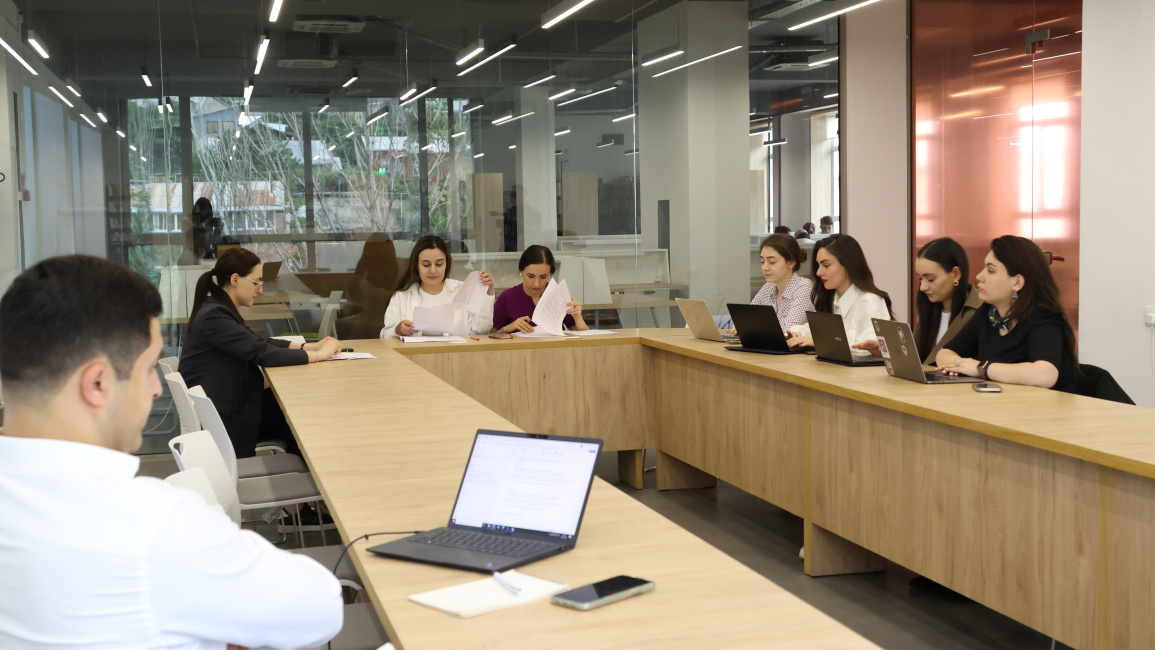
The "International Courts and Arbitration" master's program stands out for its balanced integration of theoretical knowledge and practical experience. It offers students the opportunity for in-depth study of international law principles, the operations of international courts and arbitration proceedings, and the various stages of international legal dispute resolution—from negotiations to the recognition and enforcement of final judgments.
A significant shift occurred this year as the program's funding transitioned to a donation by Armenian-American benefactor Grant Hanessian, supported by the Friends of YSU Foundation.
– Mr. Kirakosyan, what specific changes or opportunities have emerged since the program secured this additional financial support?
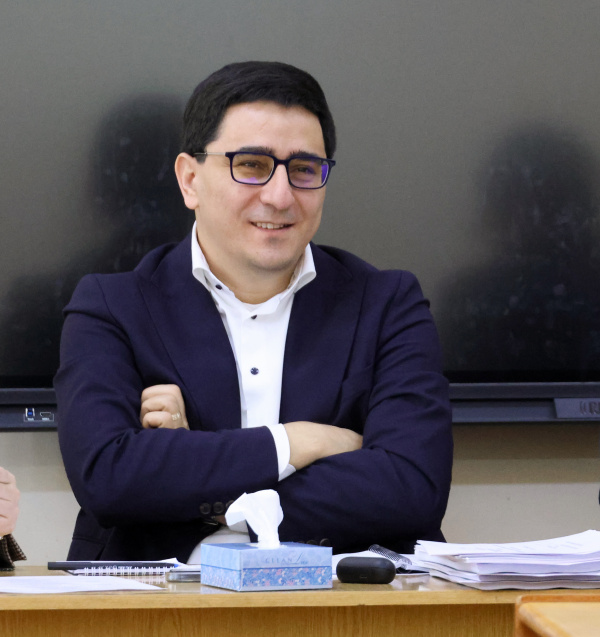
– The additional funding is of pivotal importance to us. Primarily, it serves as a vital link for forging new partnerships, particularly in the United States, and for expanding our international academic and professional networks. While YSU already provides students with extensive academic resources, this cooperation allows us to introduce new assets, refine program content, and further align our curriculum with leading international standards.
I must emphasize that the program's primary sponsor is Grant Hanessian, a prominent Armenian-American arbitration lawyer who also teaches in our program. His support bridges Armenia and the international legal community, ensuring a direct transfer of experience, knowledge, and practice. At the same time, the program remains built upon the support of partners who have been with us since its inception, specifically the Center for Truth and Justice (CFTJ) and the Armenian Missionary Association of America (AMAA). Their contributions have been crucial to the program’s formation and institutional stability.
– How will this support impact the curriculum and the facilities created for students?
– This support facilitates the expansion of our professional faculty and the development of new collaborations. These initiatives enable students not only to receive education but also to apply their knowledge in international institutions and moot court competitions, while also responding to the evolving challenges of today's educational landscape.
– Does this funding model allow for the involvement of international experts, as well as the organization of professional training programs or internships?
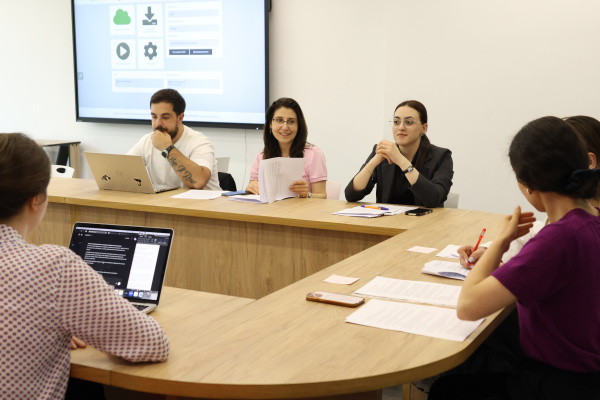
– Yes, this model enables us to invite leading international experts, practicing lawyers, and scholars from top universities, who, together with YSU faculty, deliver the educational process. The involvement of top professionals enhances the quality of education offered within the program and gives students the opportunity to engage directly with field experts, build professional networks, and receive answers to their questions firsthand.
– What role can this program play in training international law specialists in Armenia, specifically for roles in international courts and arbitration platforms?
– I believe the "International Courts and Arbitration" program is a prime example of a modern master's program: it is taught in English, is research-based, maintains a clear international focus, and delivers high-quality education. By combining theoretical instruction with the transfer of practical skills, the program ensures that graduates can appear before international courts and arbitral tribunals as legal professionals.
– In your opinion, can this cooperation between the university and a charitable foundation serve as a model for other educational programs?
– Absolutely. This cooperation is an excellent model for other programs. It provides a real opportunity to establish sustainable, high-quality education, align academic standards with international best practices, and thereby train highly competent specialists within the Republic of Armenia who are ready to excel in their fields.

– What new initiatives or developments are planned for the program in the coming years?
– We are continuously implementing changes aimed at improving education and maintaining alignment with international standards. We are currently working to involve students in international institutions and organize training courses for faculty. For instance, we have applied to a program held at the International Court of Justice; if successful, our students will have the opportunity to intern there and apply their knowledge in a practical setting. Additionally, negotiations are underway with various international organizations and leading universities to form new partnerships.
The educational program has been running for three years and is currently preparing for its fourth intake of students. The faculty comprises renowned Armenian specialists as well as professors from leading foreign universities and international law experts.