May 27, 2026 | 14:57
Education
Society
Events
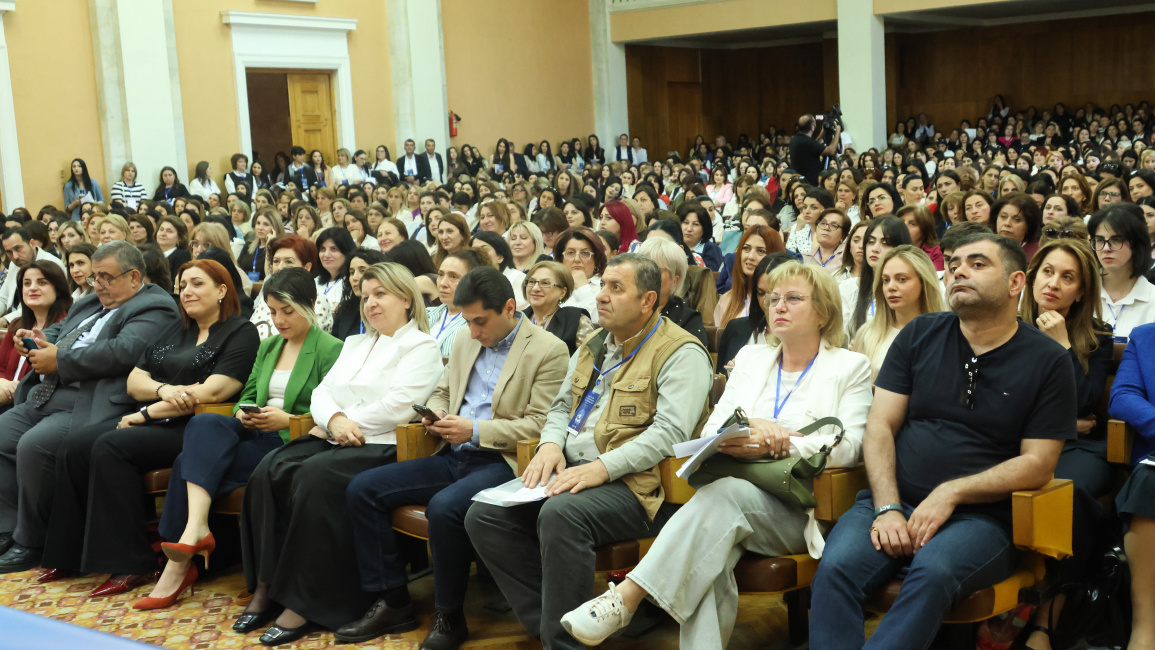
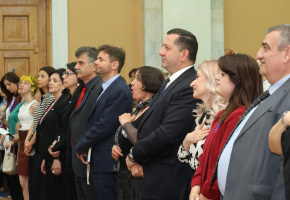
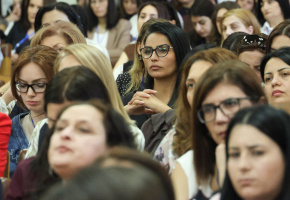
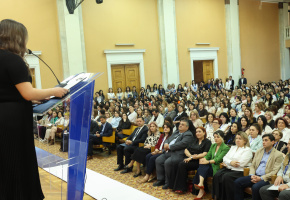
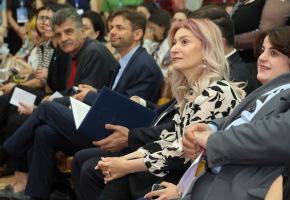
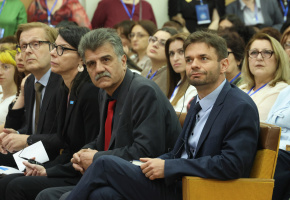
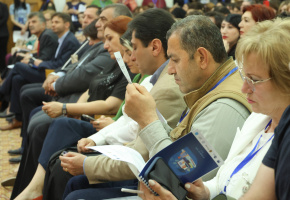
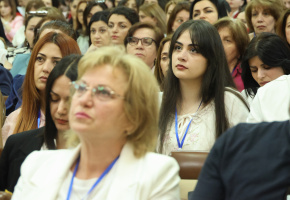
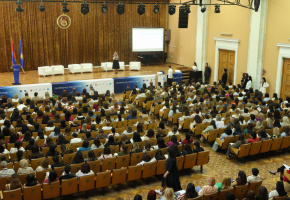
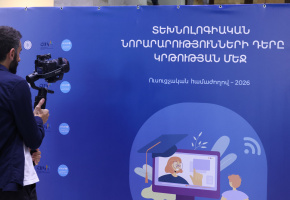
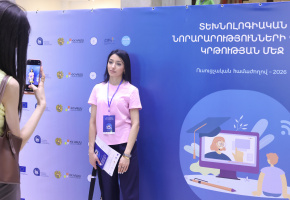
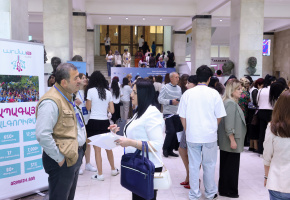
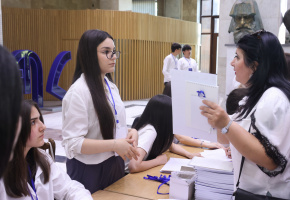
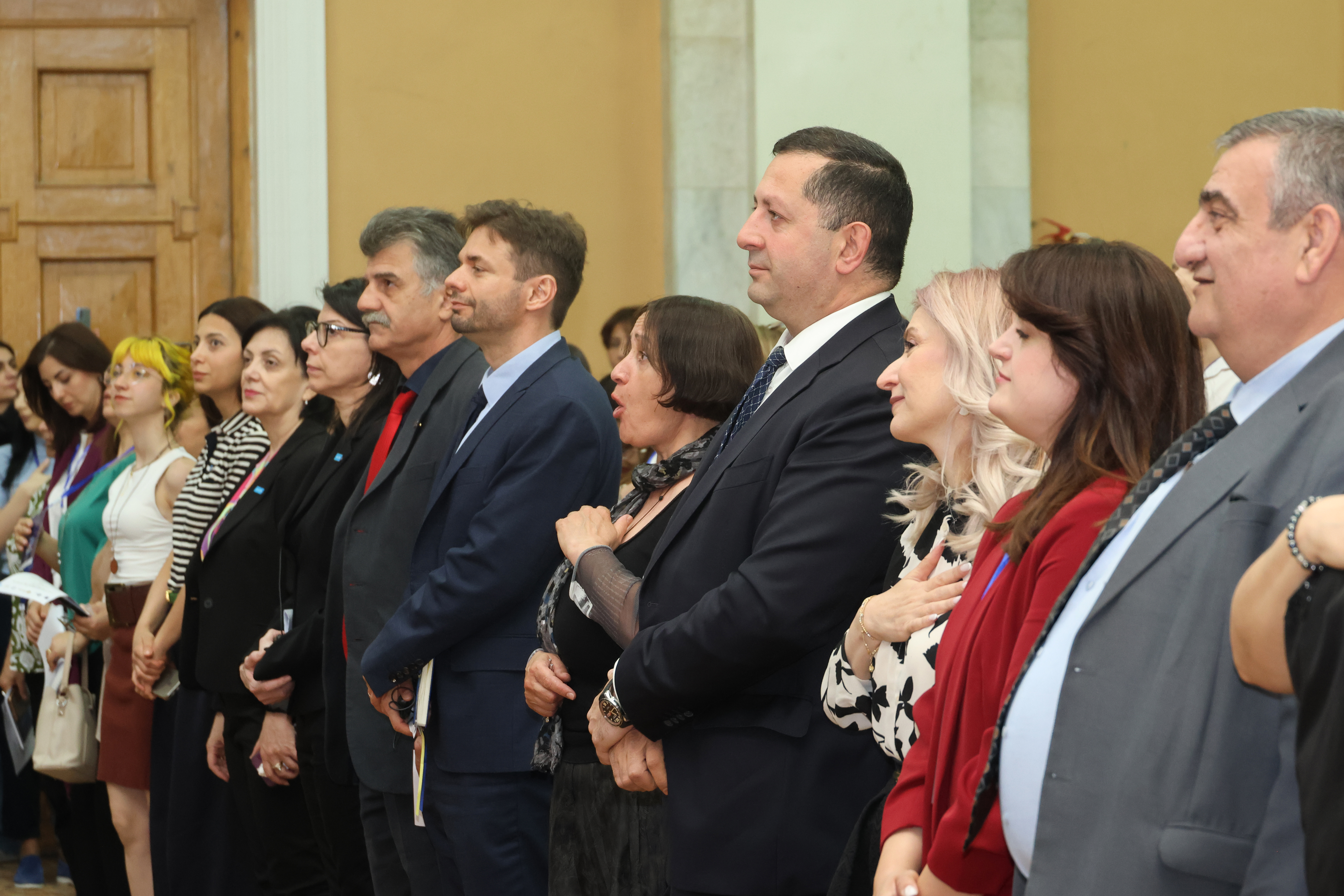
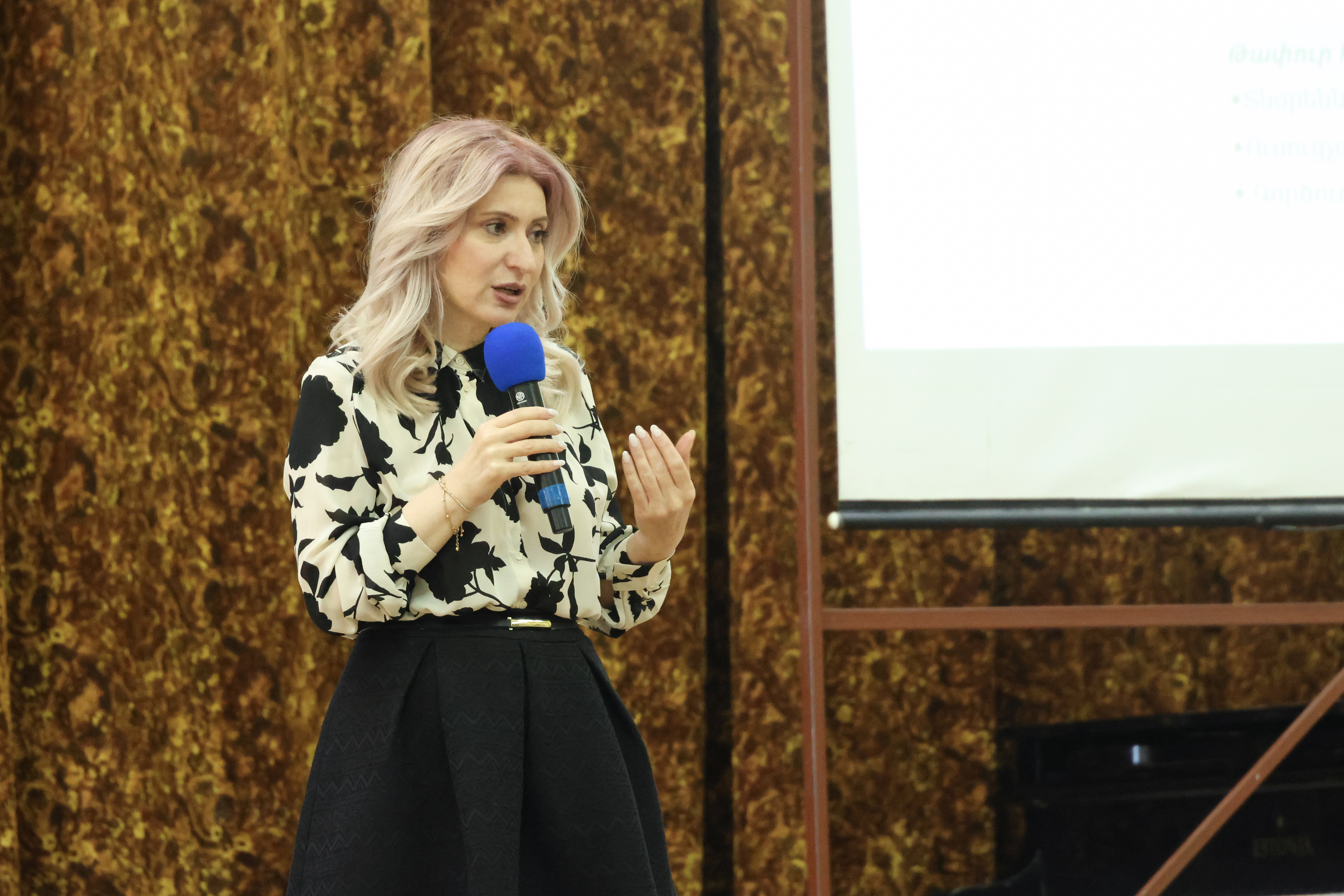
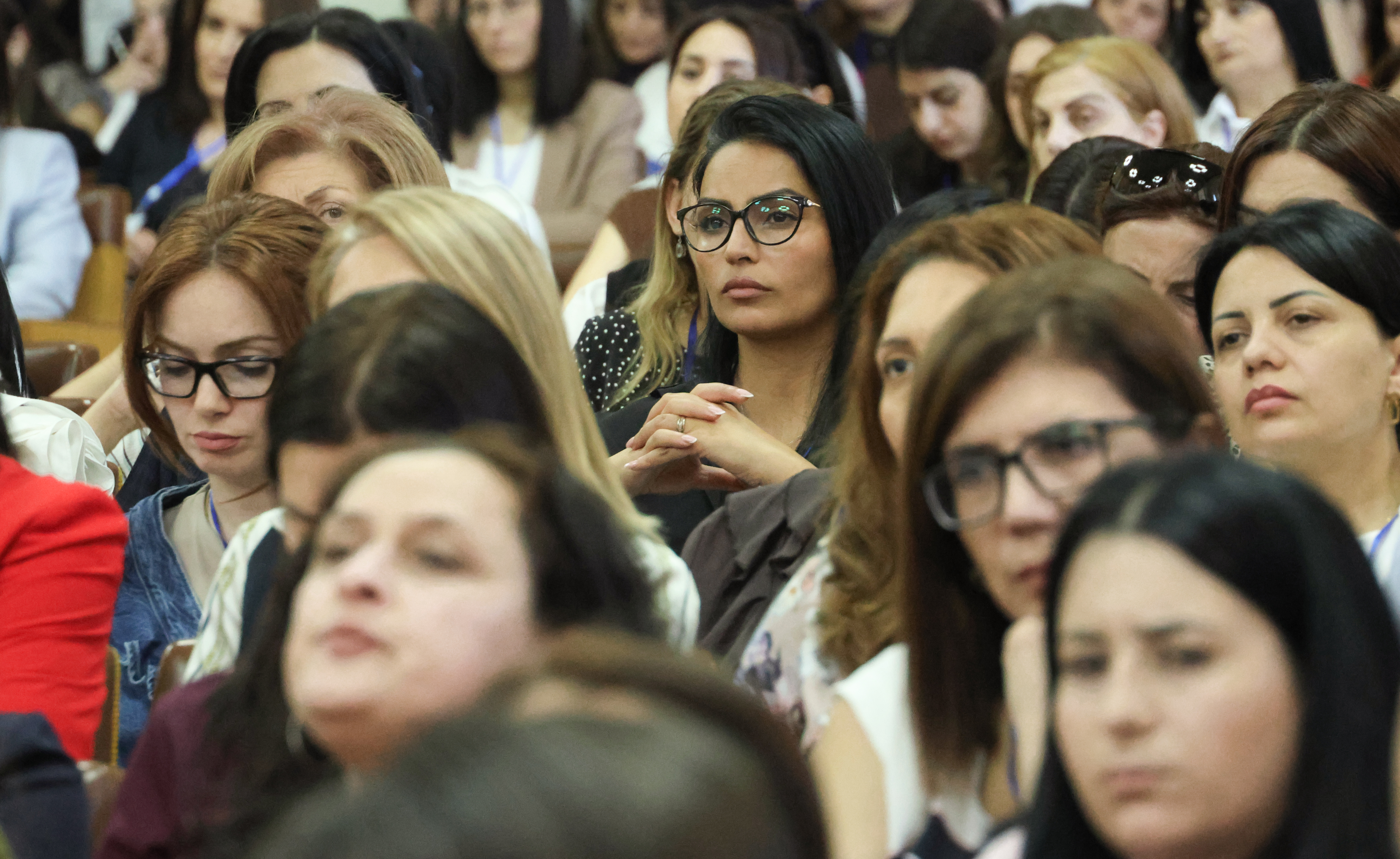
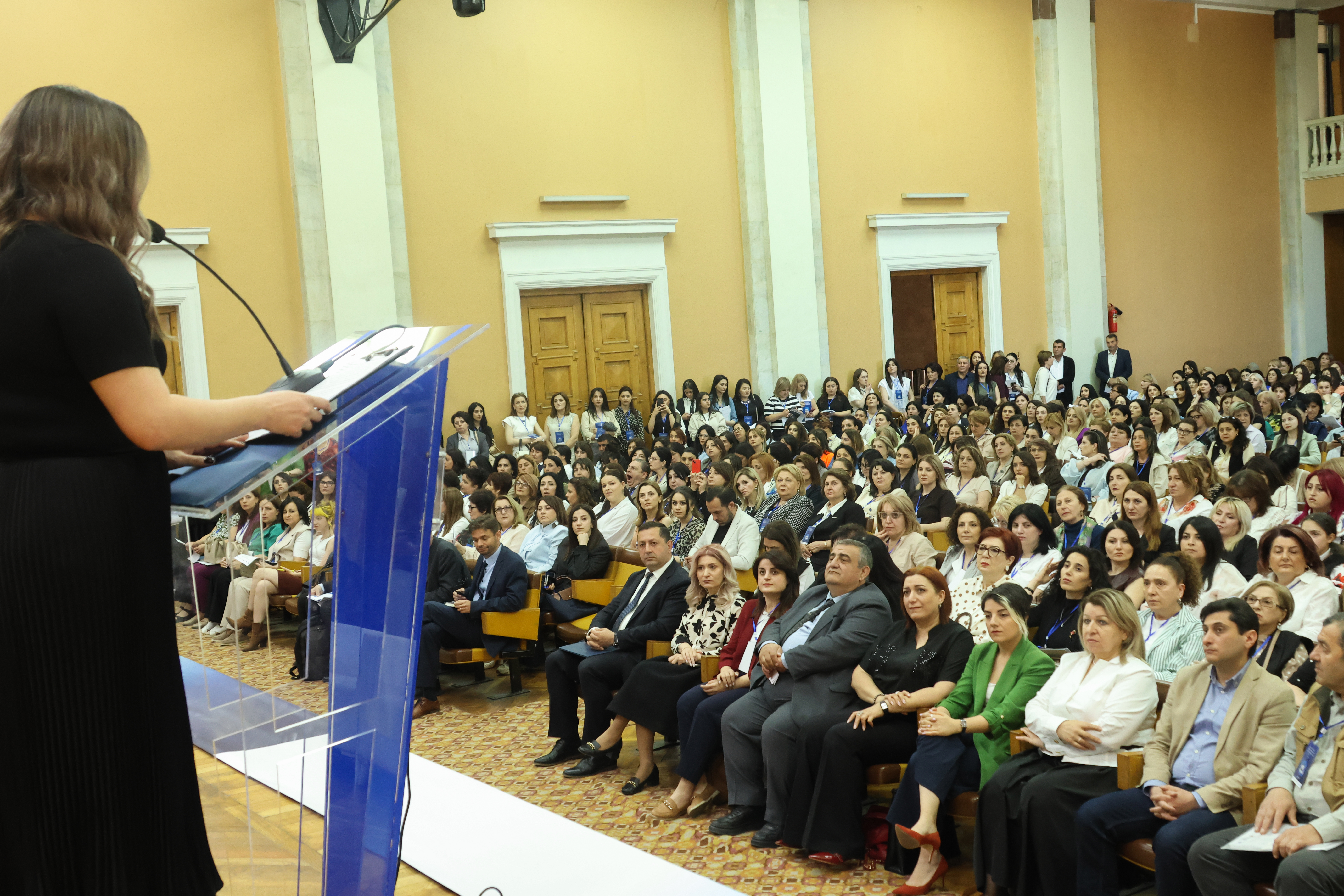
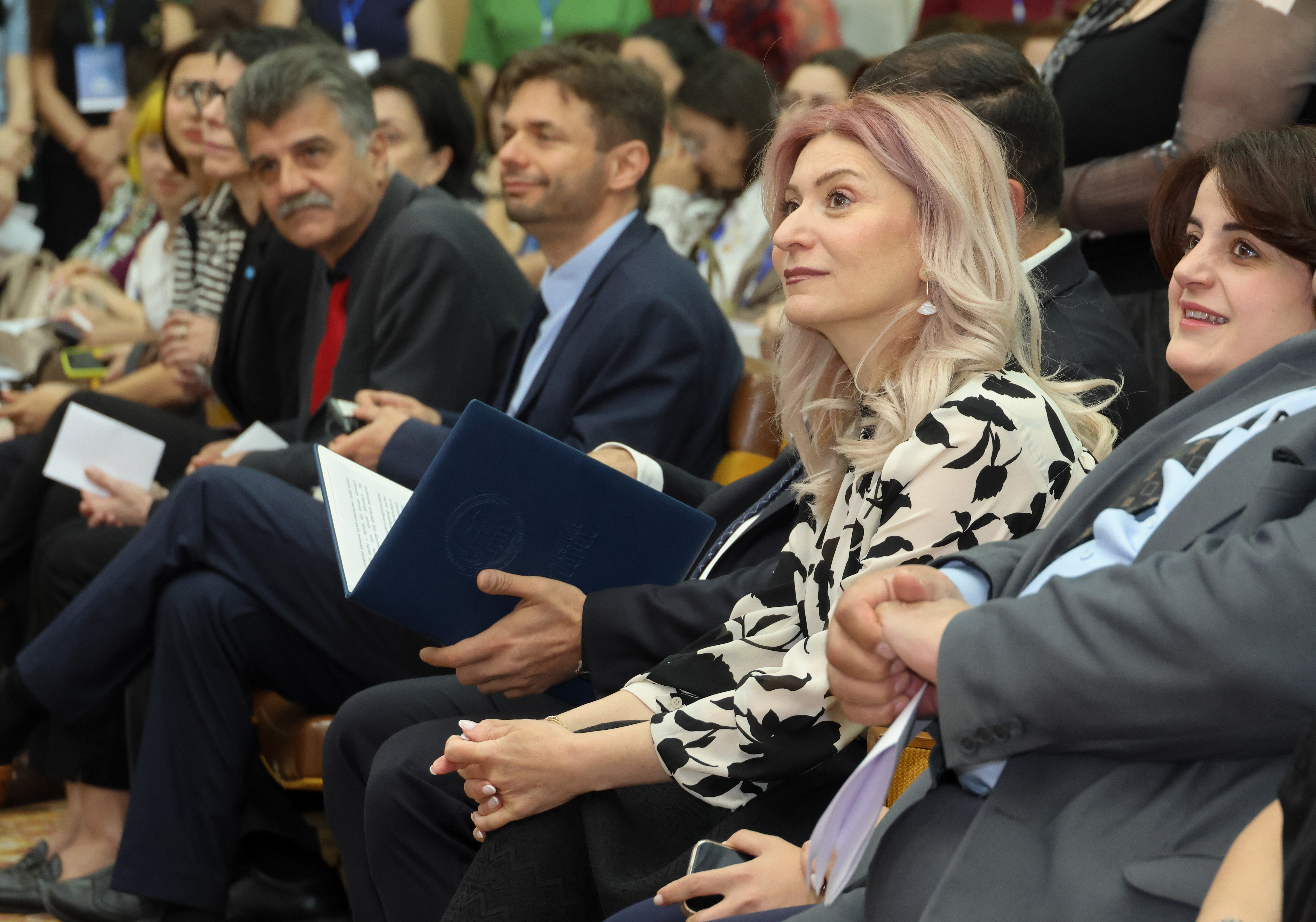
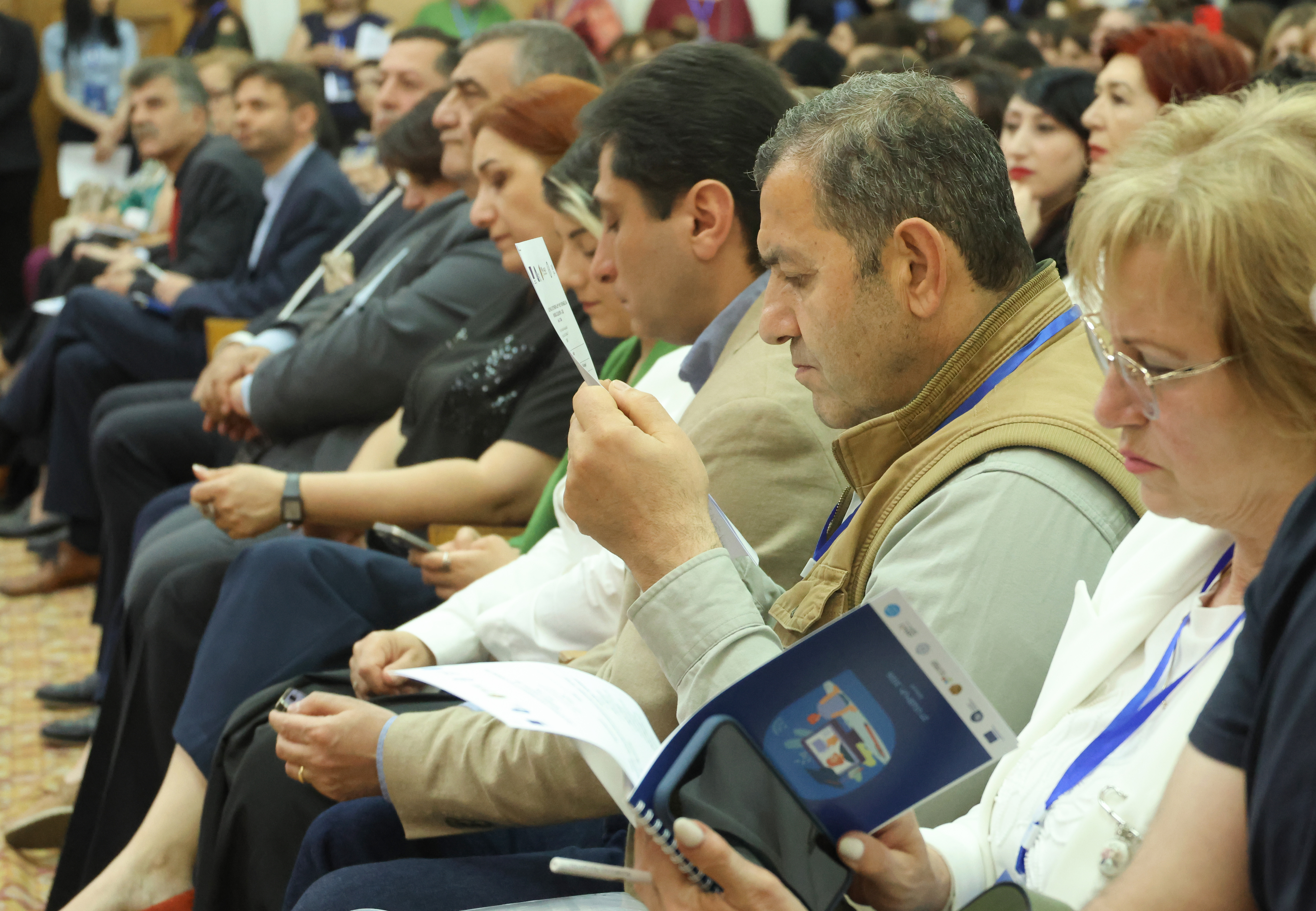
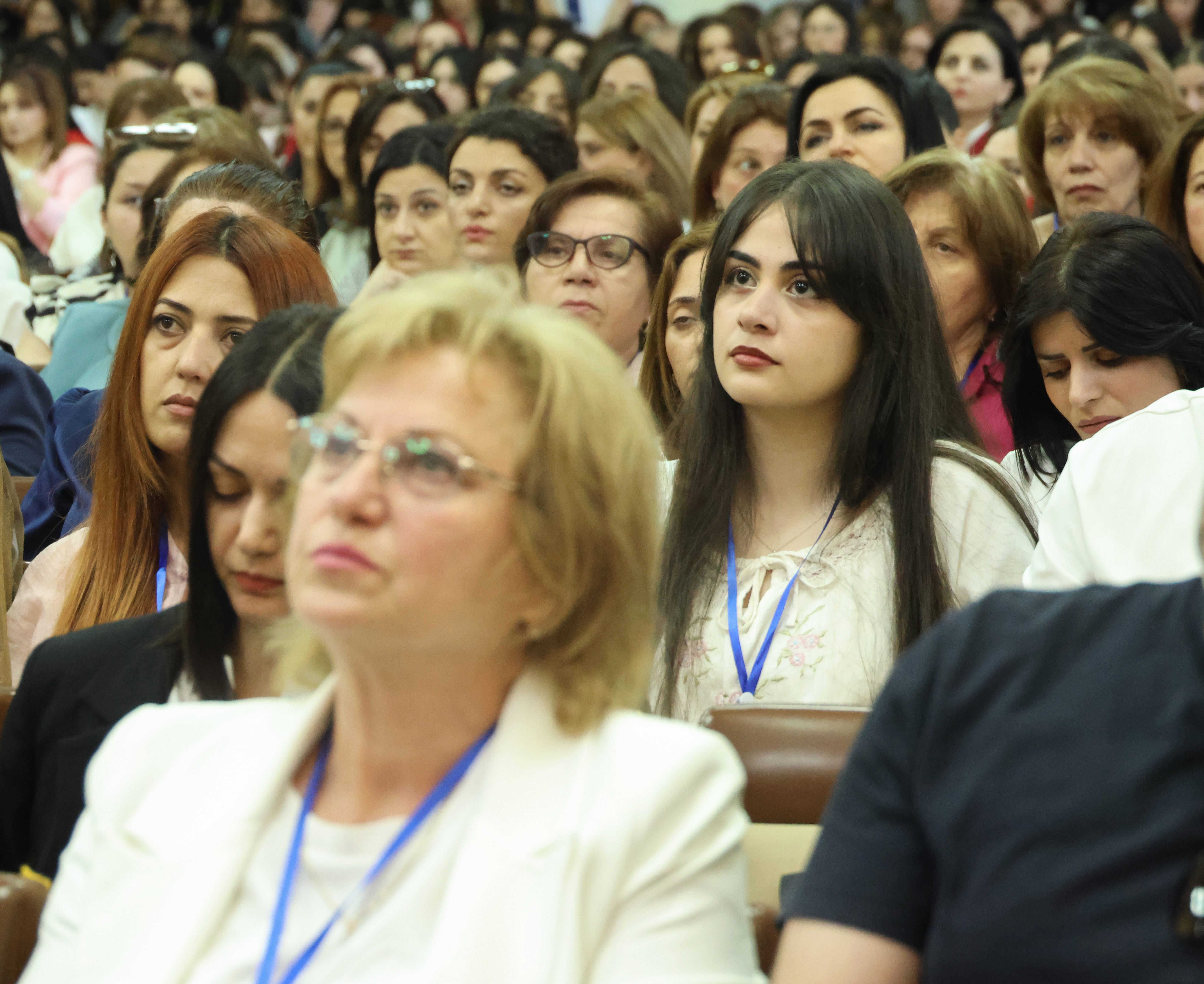
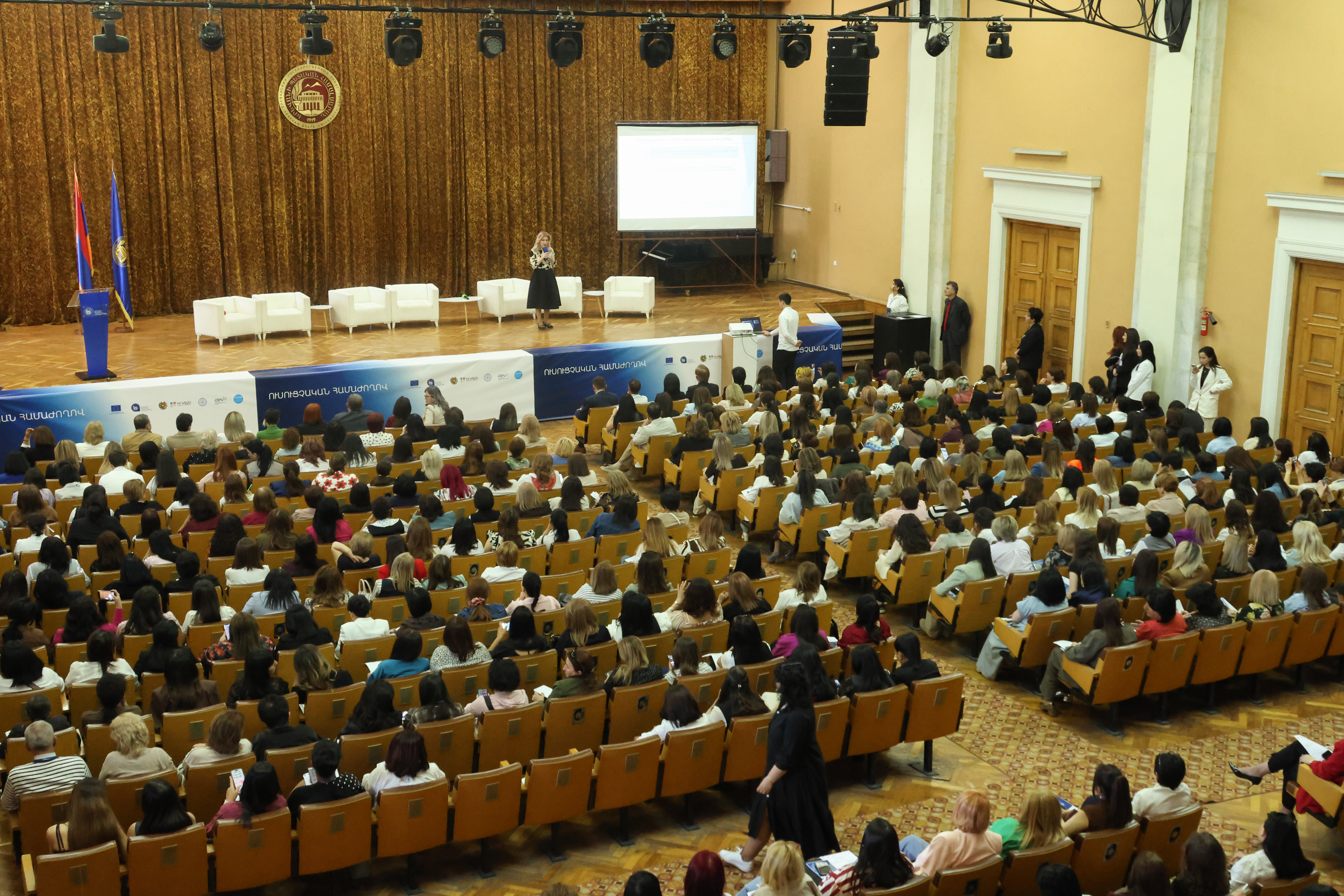
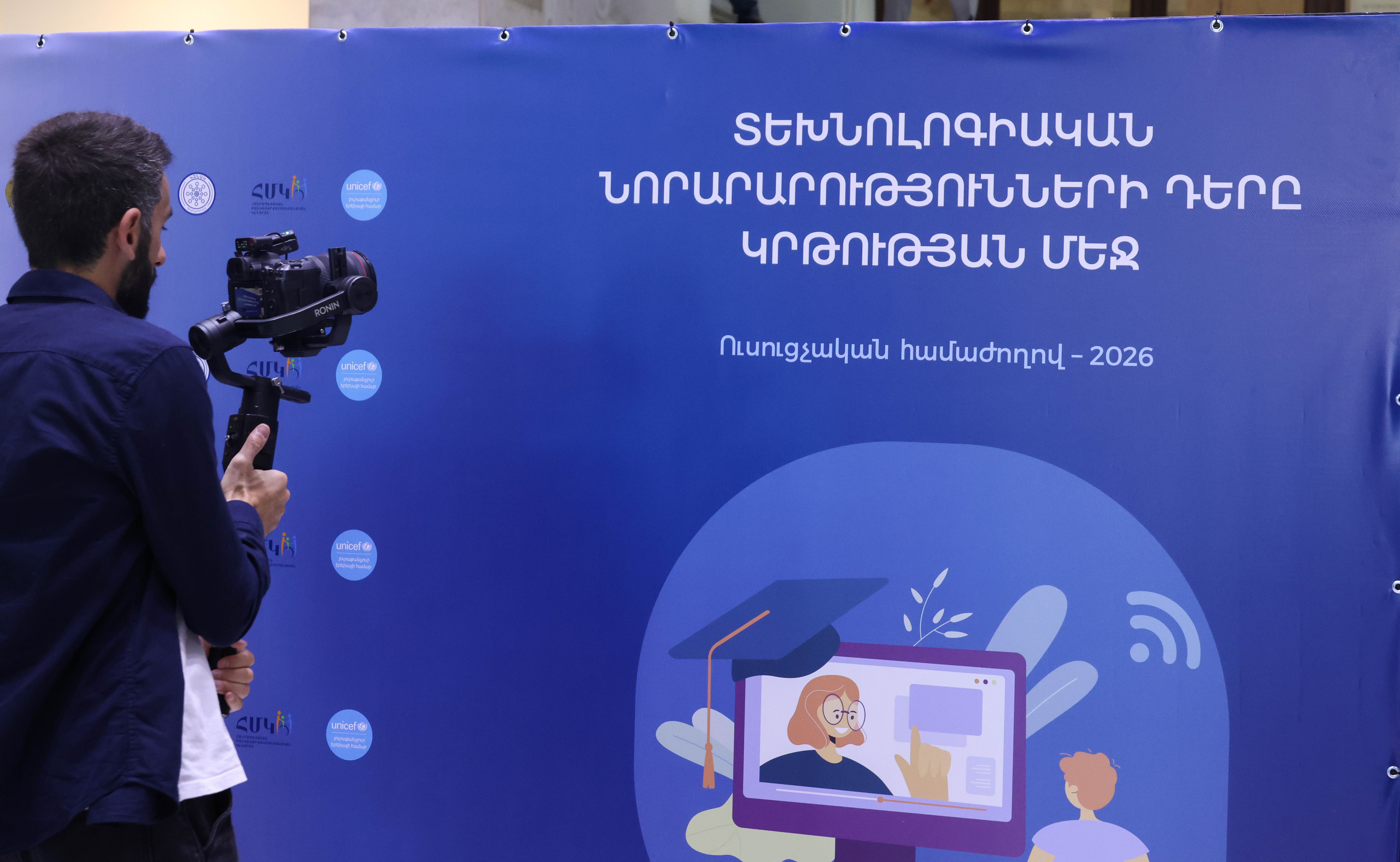
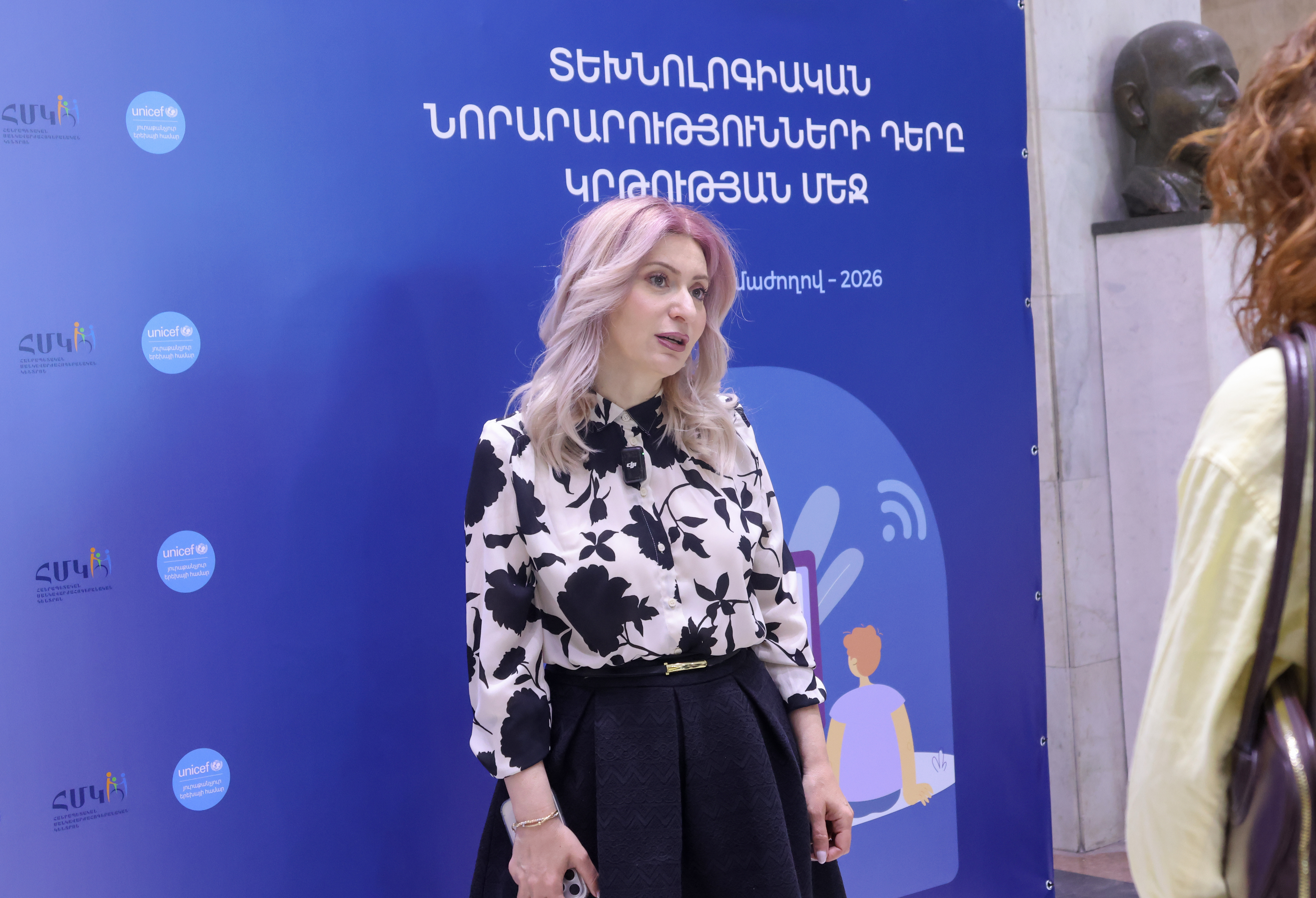
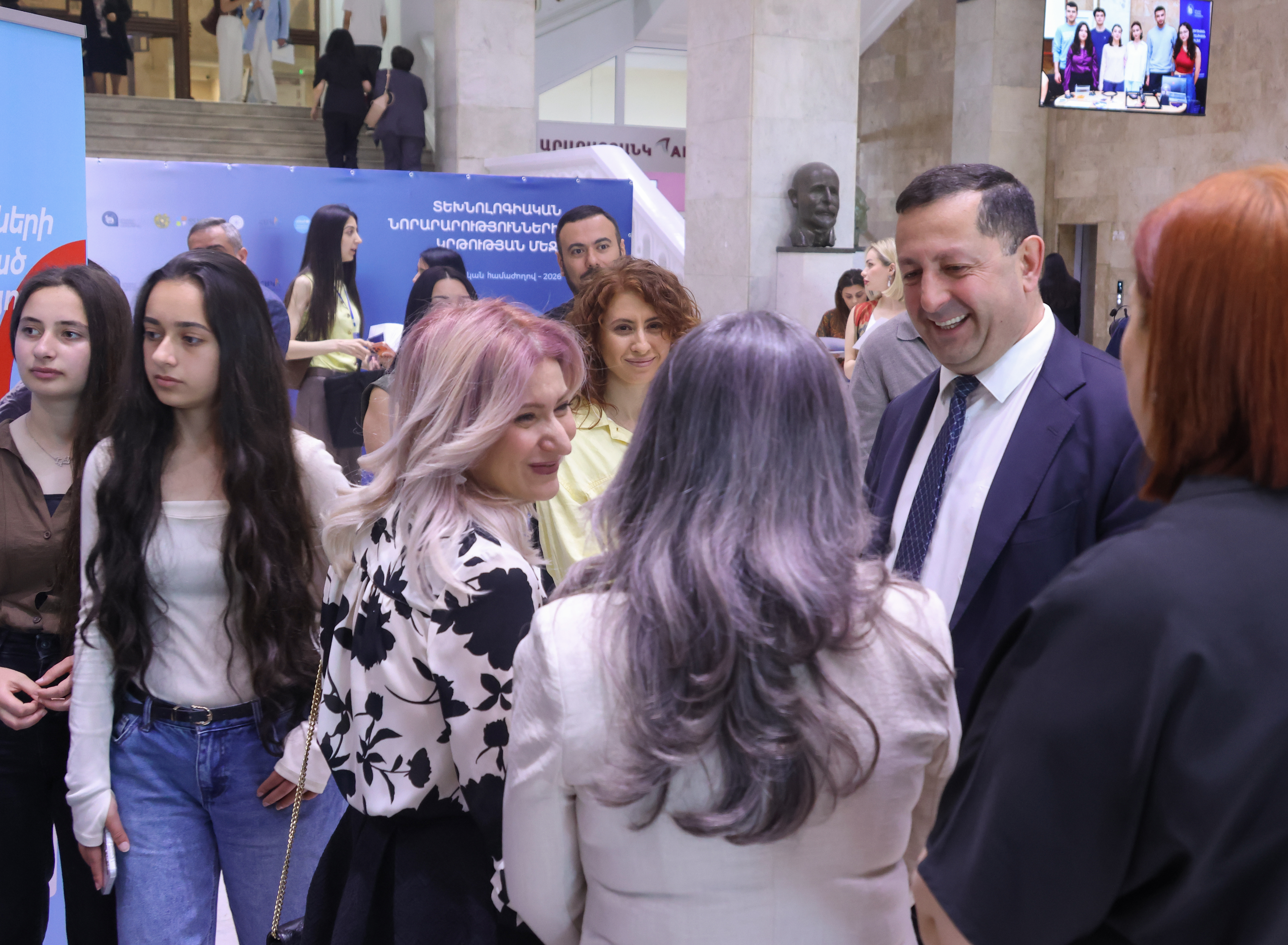
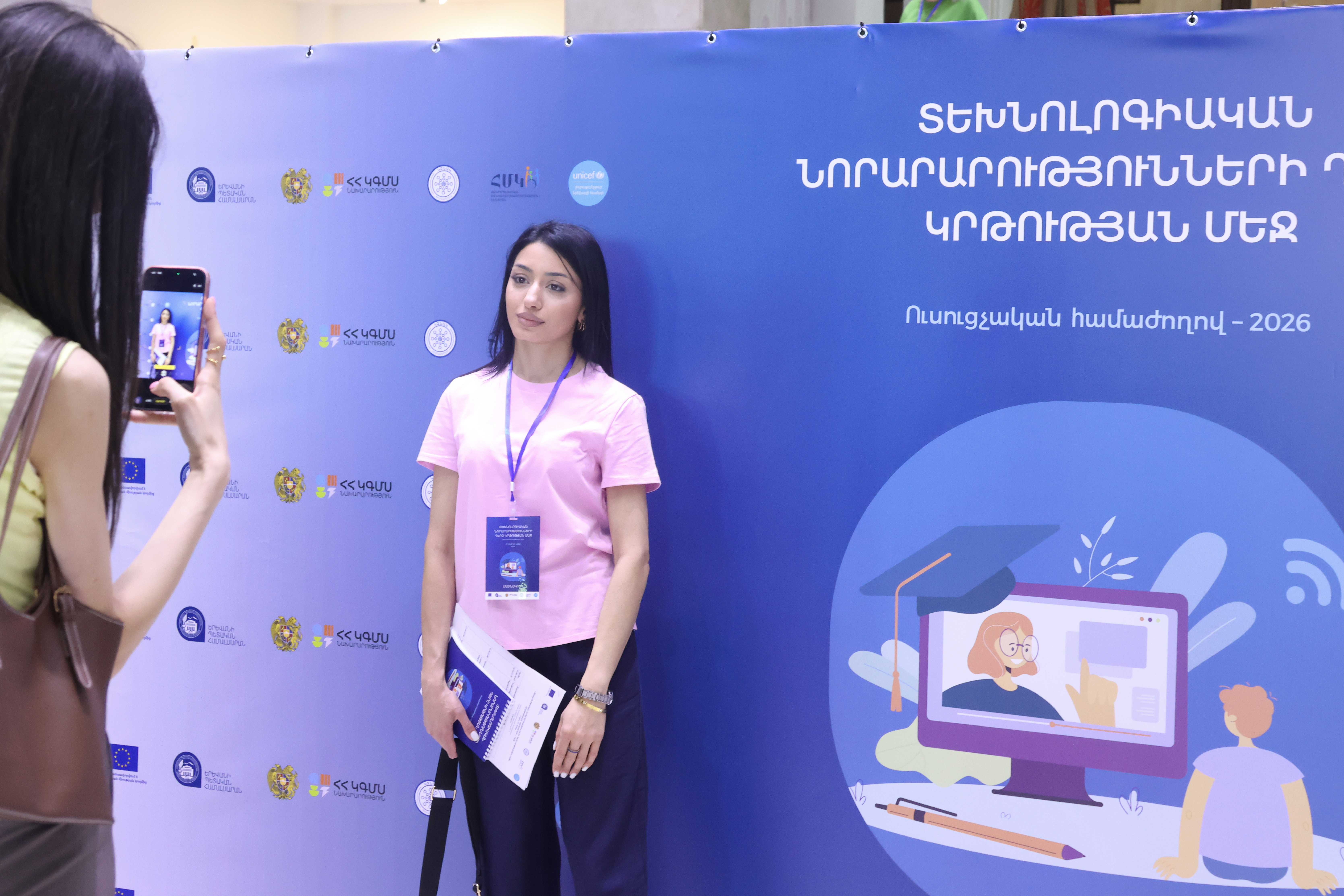
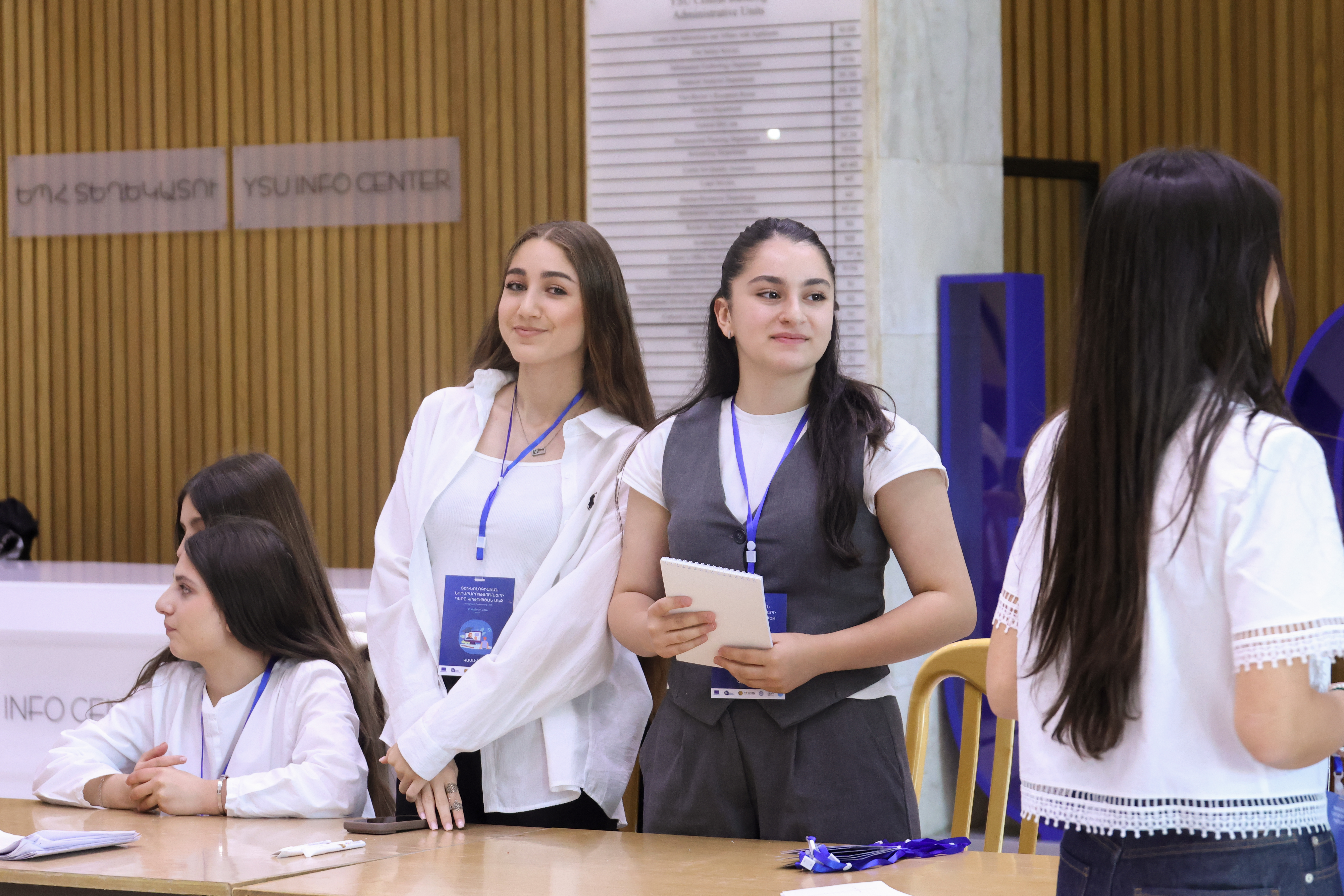
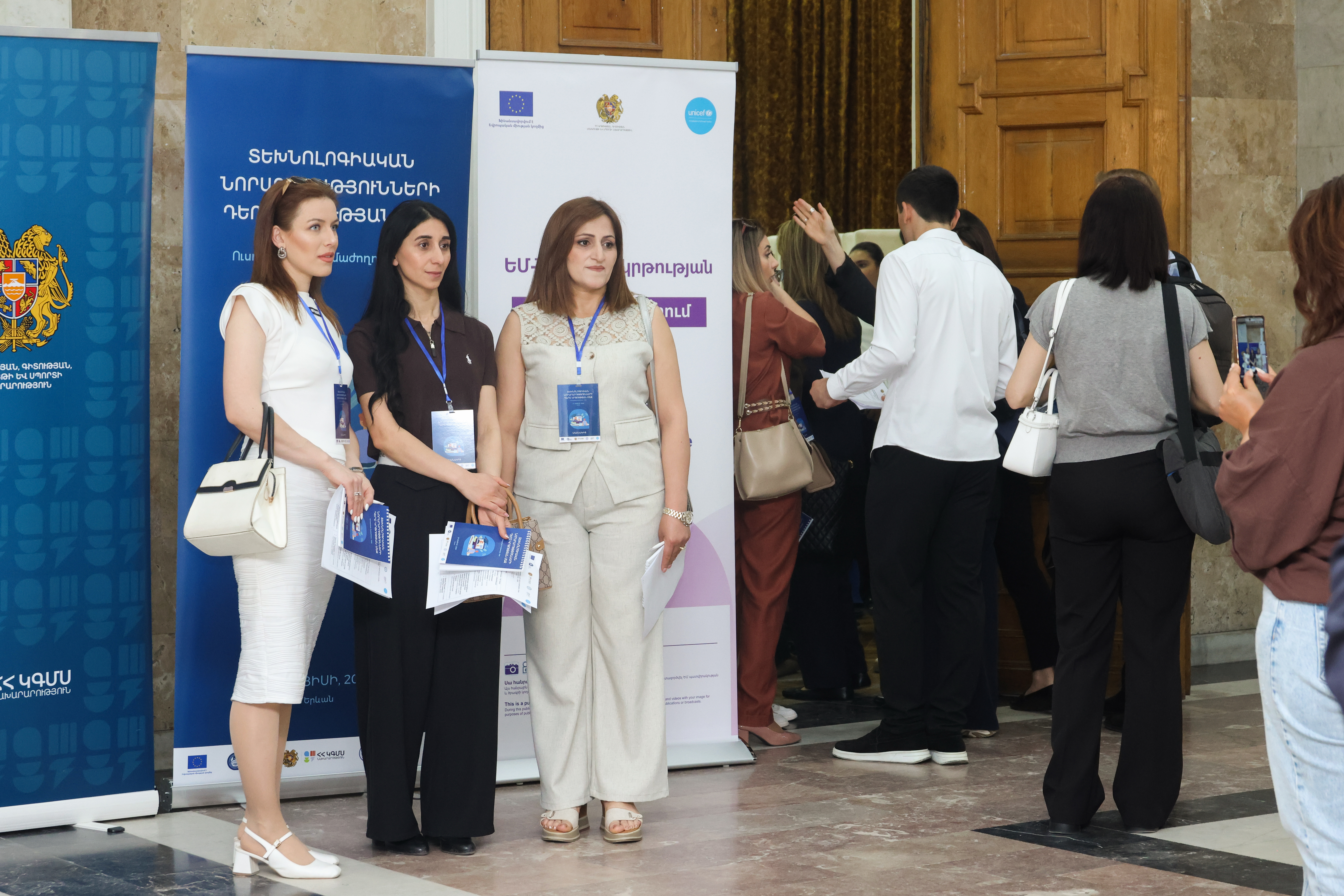
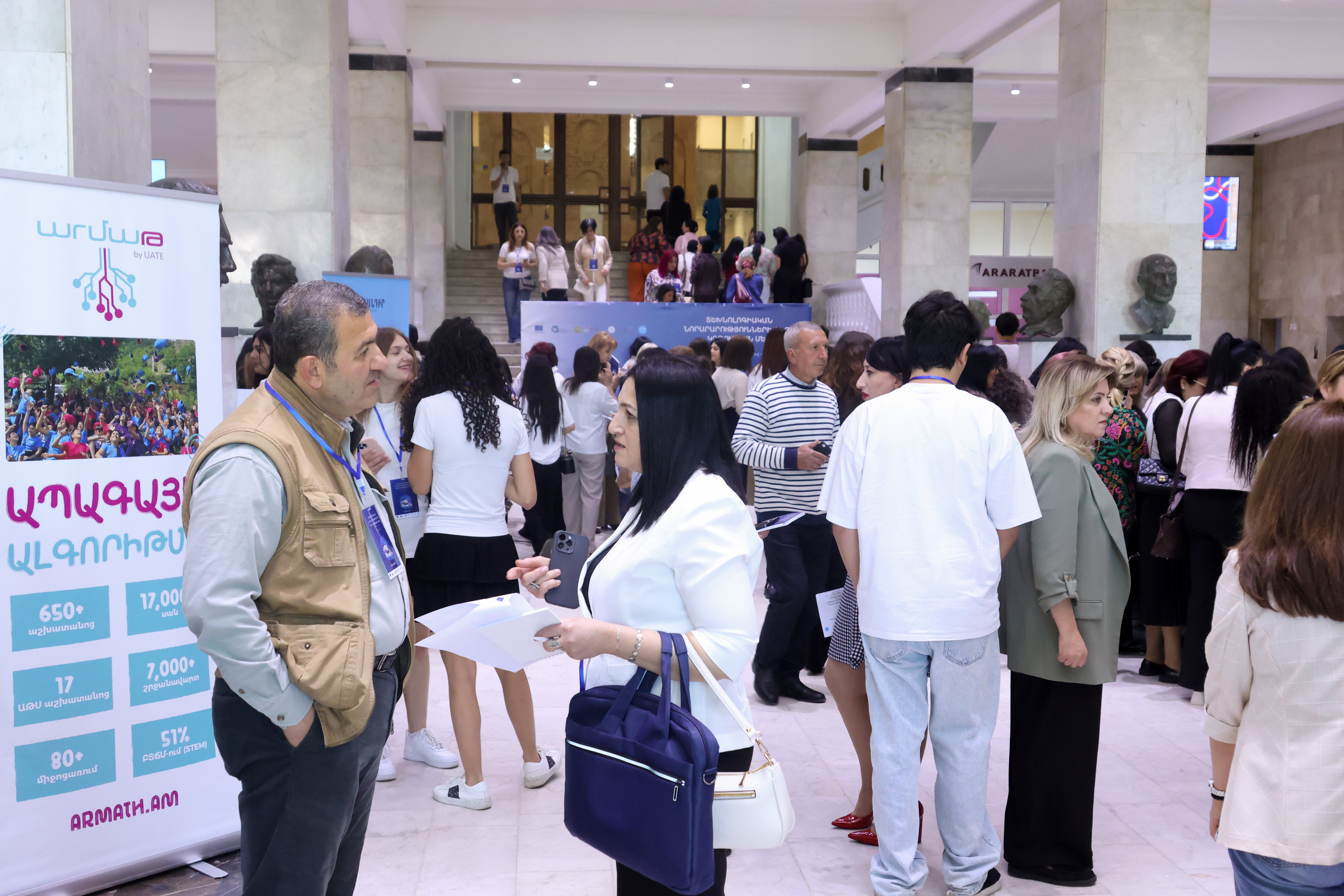
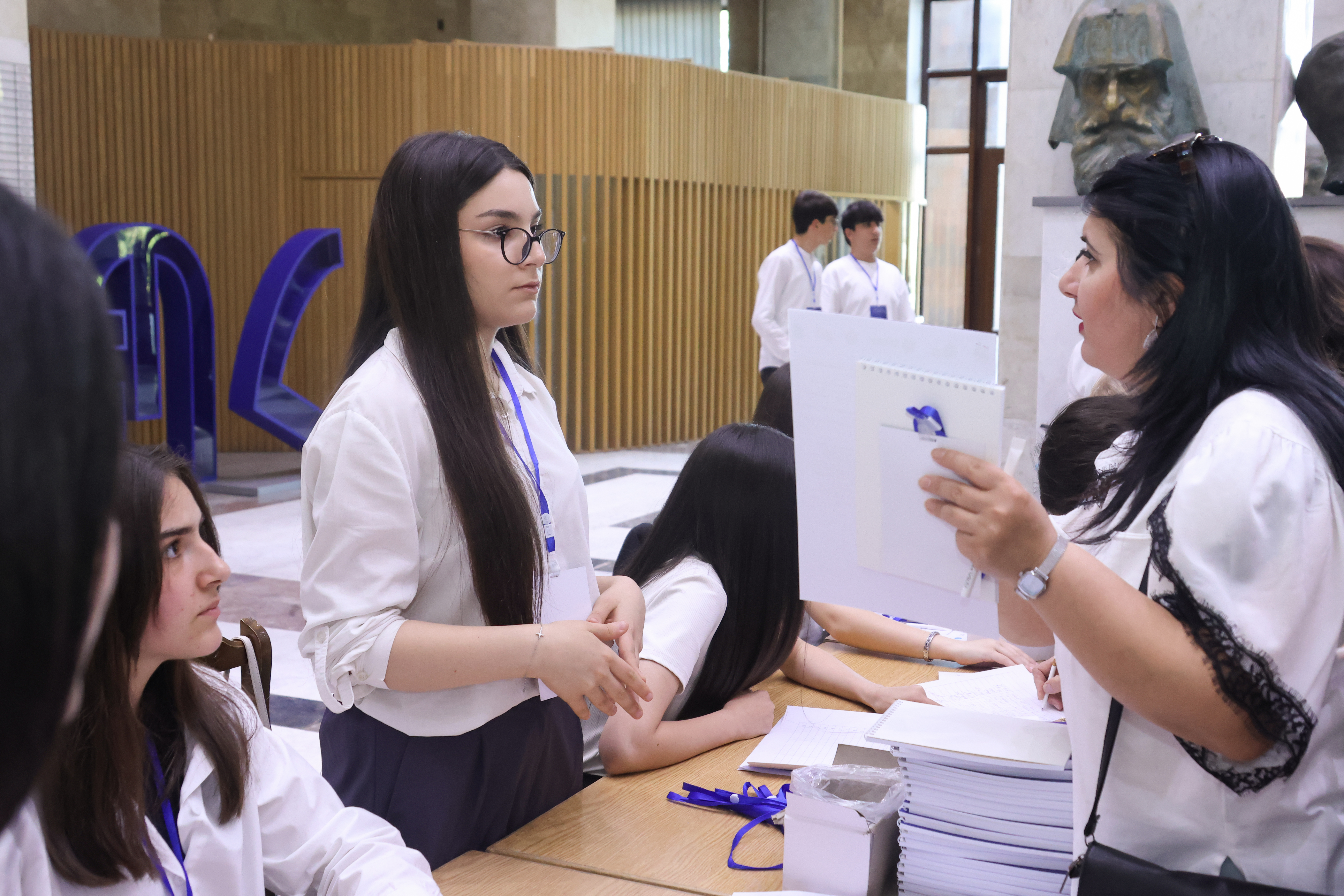
The conference brought together around 700 teachers from Yerevan and Armenia's provinces. Participants discussed the effectiveness of digital tools in the educational process, the opportunities presented by artificial intelligence in teaching, and the prospects for developing student-centered education through modern technologies. Speakers emphasized that amid ongoing educational reforms, technological skills and innovative thinking are becoming essential components of a teacher's professional activity.
Opening the conference, the rector of YSU noted that since its founding, the university has served as an important center of knowledge, science, and educational advancement. He particularly highlighted the significance of bringing together representatives of Armenia's pedagogical community to discuss new opportunities for educational development, exchange experience, and outline future perspectives.
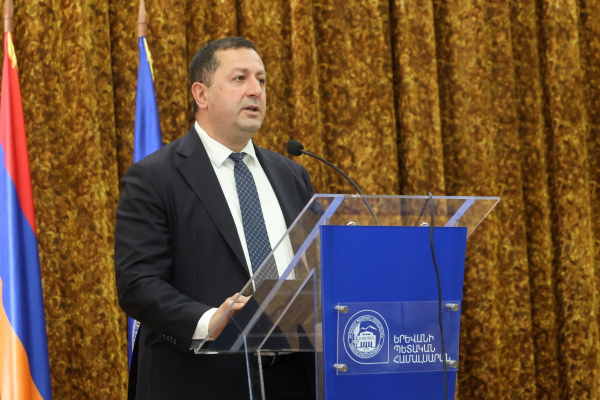
The rector stated that modern education is undergoing rapid transformation, with technology at the core of these changes. Referring to the growing role of artificial intelligence, digital learning platforms, and interactive content, he stressed that these tools have already become a natural part of the educational environment, creating new opportunities for both teachers and students. At the same time, he emphasized that no technological tool can replace the teacher's presence, professional responsibility, and ability to inspire. According to him, however, properly applied technology can expand teachers' capabilities, enrich teaching methods, and make learning more accessible, engaging, and effective.
"In this context, it is important to formulate the right question. The question 'Should technologies have a place in the educational process?' should be replaced with the following: 'How should they be applied to improve the quality of education, develop critical thinking, encourage creativity, and preserve the live teacher-student connection?' Technological innovation is valuable when it helps make education more meaningful, inclusive, and future-oriented," the YSU rector stated, emphasizing the importance of strengthening school-university cooperation. According to him, today's school student is tomorrow's university student and professional, and one of the most important companions along that path is the teacher.
Deputy Minister of Education, Science, Culture and Sports of Armenia Araksia Svajyan emphasized the importance of teachers' active participation in the conference, noting that discussions in such formats have become highly sought-after within the educational community.
"This demonstrates that listening, discussing, jointly generating new ideas, and finding solutions remain relevant and important for the teaching community. Such discussions contribute to improving the quality of education and advancing the general education system," the deputy minister stressed.
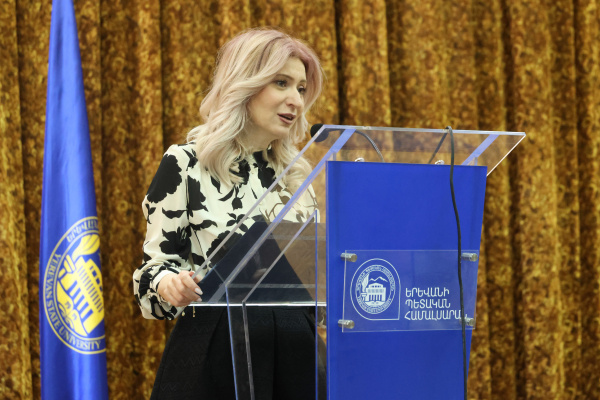
According to Araksia Svajyan, the application of technology in education has recently become a topic of active discussion, generating diverse approaches and viewpoints. For that reason, it was decided to dedicate one of the annual conferences specifically to technological education to understand how technologies should be applied effectively, without risking students' thinking, motivation, and engagement in the learning process.
"There is a clear answer to the question of whether technologies should be used in education — yes, they should. However, it is important to understand how to apply them in a way that serves educational effectiveness," she emphasized.
Araksia Svajyan also highlighted the importance of applying artificial intelligence in education, as well as properly assessing and preventing associated risks. According to her, the new opportunities provided by technology should be transformed into more effective ways of working with students.
"Technologies are developing at such a rapid pace that there is a need to move forward in step with the times. Our students are the generation of the technological era, receiving enormous amounts of information every day through various technological channels. Academic education in schools should therefore be organized in a way that is interesting, attractive, and effective for students, taking into account the characteristics of today's learners," she said.
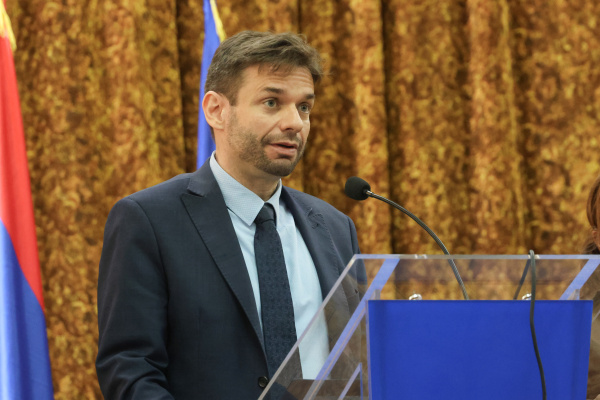
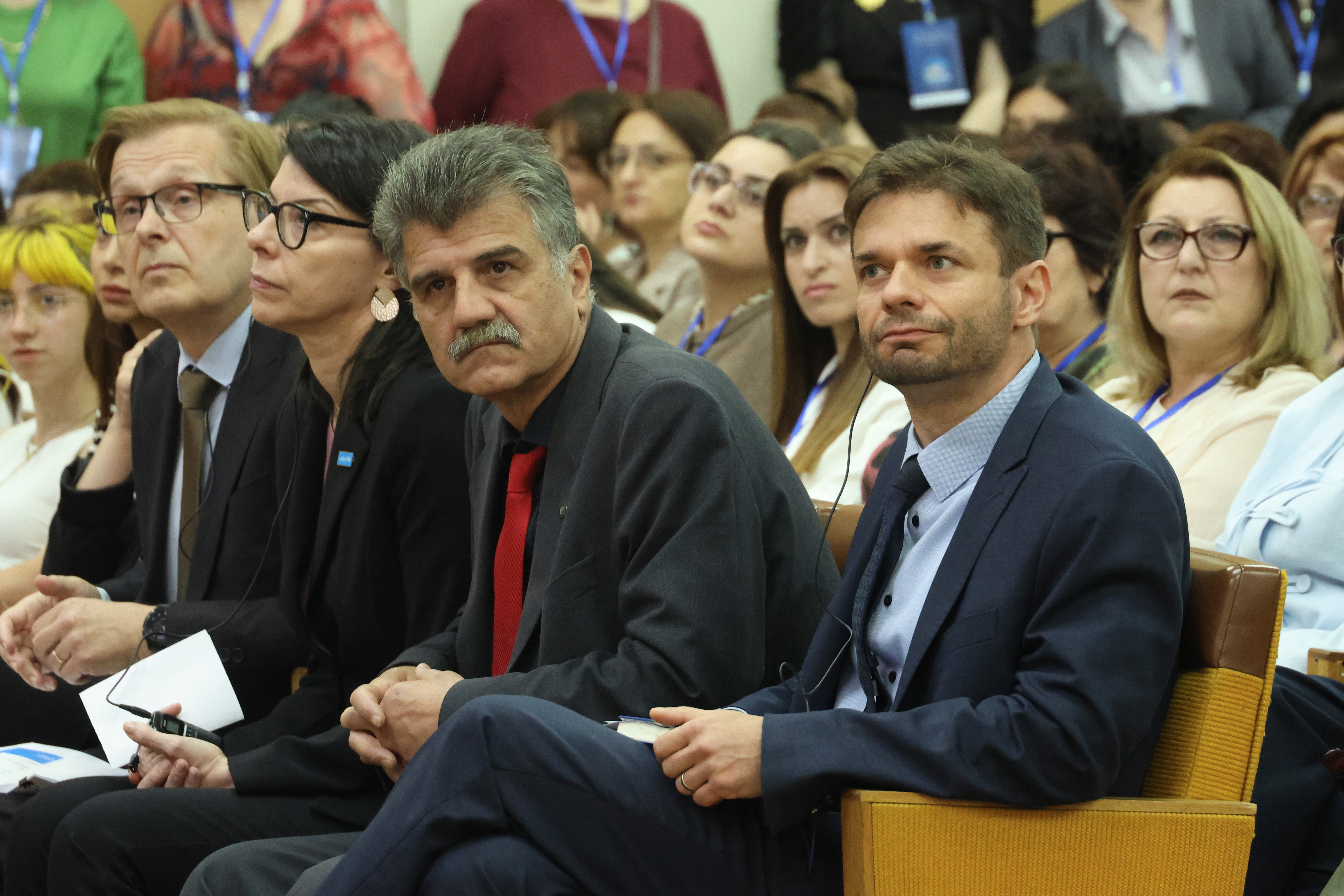
Deputy Head of the Cooperation Section of the EU Delegation to Armenia Vaclav Sterba emphasized that discussions on technology and education have become an important part of the global agenda, particularly amid differing approaches and concerns regarding their application in educational systems. According to him, it is necessary to strike a balance between the opportunities provided by technology and potential risks, ensuring its effective and responsible use in education.
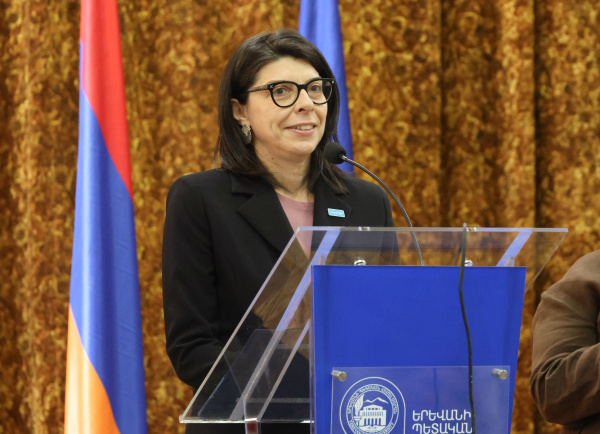
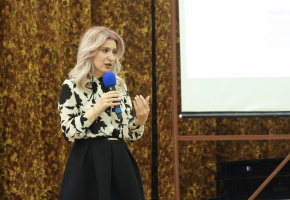
Silvia Mestroni, UNICEF Representative ad interim in Armenia, addressed the rapid development of educational technologies and the changes they bring, noting that the process creates both new opportunities and new challenges. According to her, the relationship between technology and education is currently one of the most widely discussed topics globally, as rapid technological progress sometimes creates difficulties for teachers, while also opening up new opportunities. She noted that many educators have already become pioneers of these changes by effectively applying new tools in teaching.
Following the opening remarks, a plenary session titled "The Role of Technological Education in the Modern School" was held. During the session, the deputy minister of Education, Science, Culture and Sports delivered a presentation on "The Impact of Technological Education Programs Introduced in General Education Schools on Improving the Quality of Education," outlining technological reforms in general education. The reforms include:
the introduction of the subject "Digital Literacy and Computer Science" in 12th grades;
the introduction of an ICT competency development module within the framework of teachers' regular certification at all levels of professional development;
the implementation by the Foundation for Armenian Science and Technology (FAST), with EU financial support and in cooperation with the UNICEF Armenia office, of a professional development program for 2,706 teachers of Digital Literacy and Computer Science in Armenia's Kotayk Province;
the retraining of 240 Digital Literacy and Computer Science teachers in Yerevan and five provinces of Armenia by the Armenian General Benevolent Union (AGBU) in 2025, with an additional 800 teachers expected to undergo training in 2026.
As part of the conference, a panel discussion titled "Challenges of Technological Education" was alsoorganized, covering several thematic areas related to current issues surrounding the application of technology in the educational system.
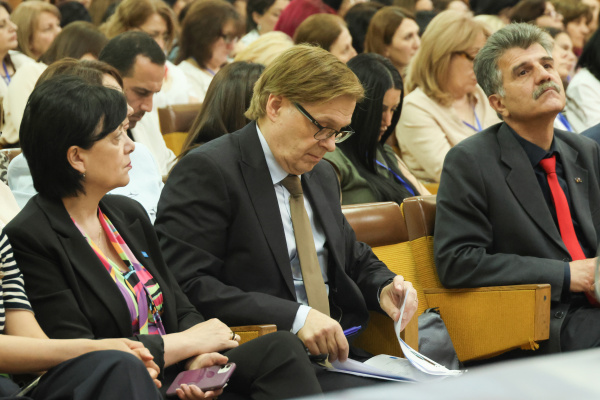
Participants discussed possible ways of introducing artificial intelligence curricula in high schools, the prospects for developing extracurricular technological education for school-age children, and the use of AI in teaching and learning.
The discussions also addressed the risks and ethical issues associated with the use of technology, emphasizing the need for a responsible approach, as well as the importance of cybersecurity and digital literacy as integral components of modern education.
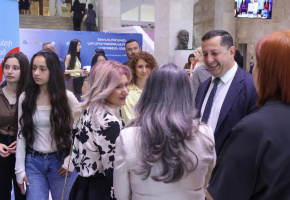
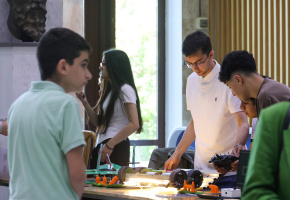
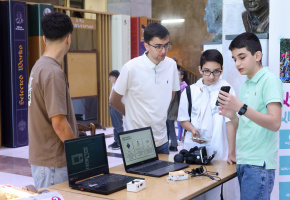
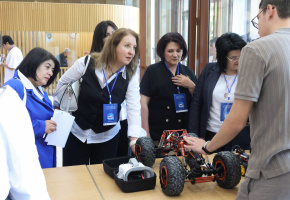
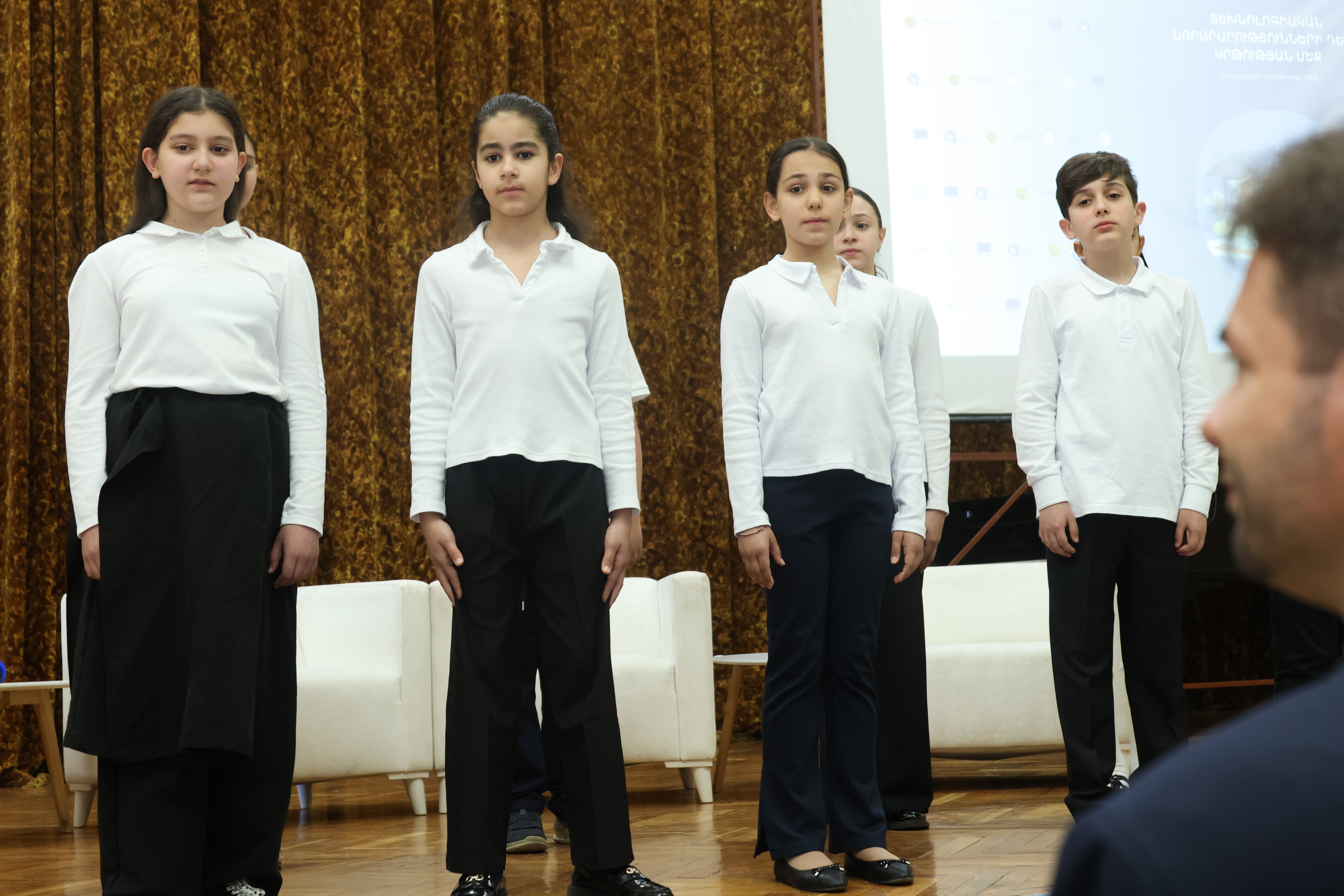
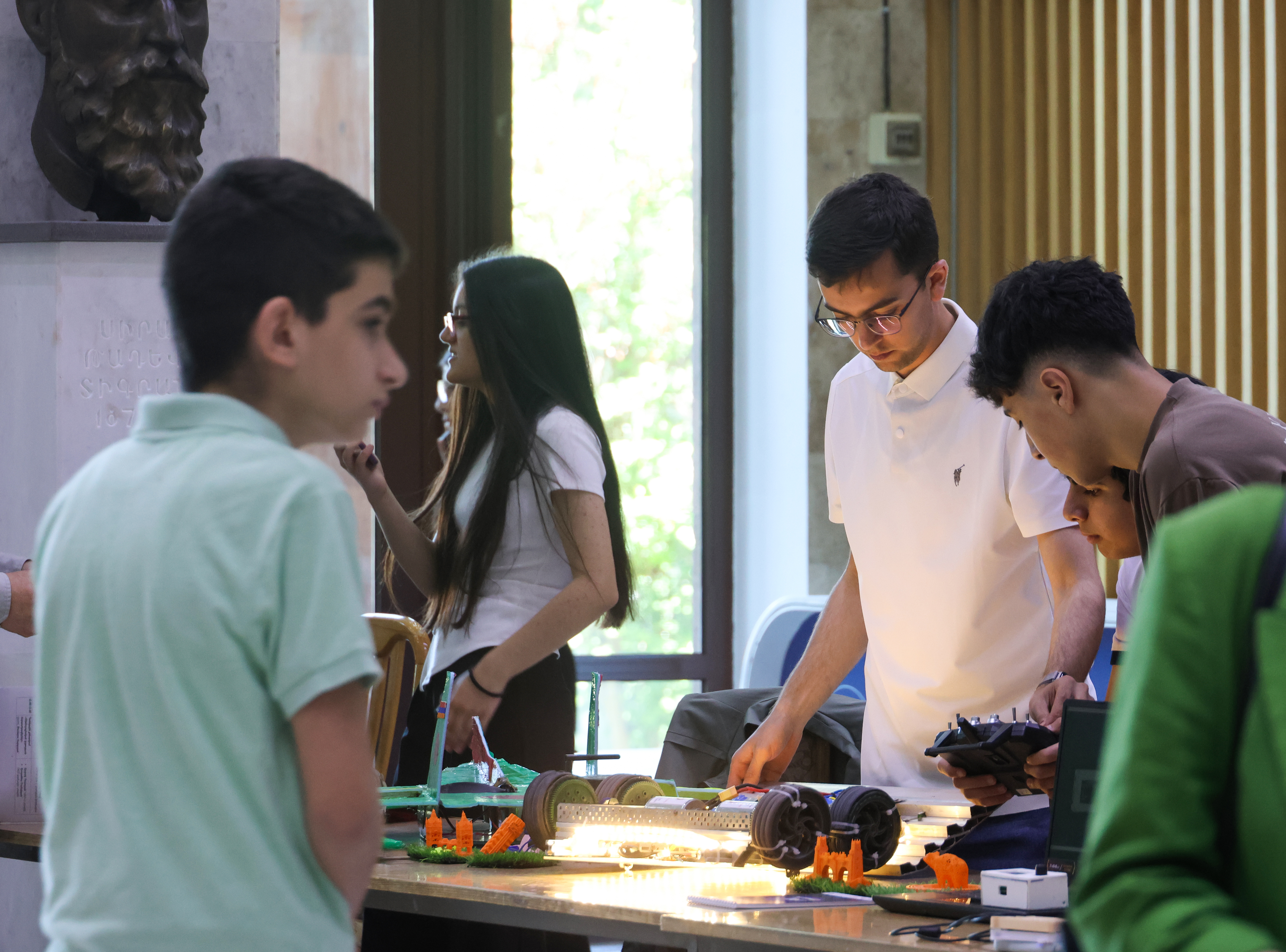
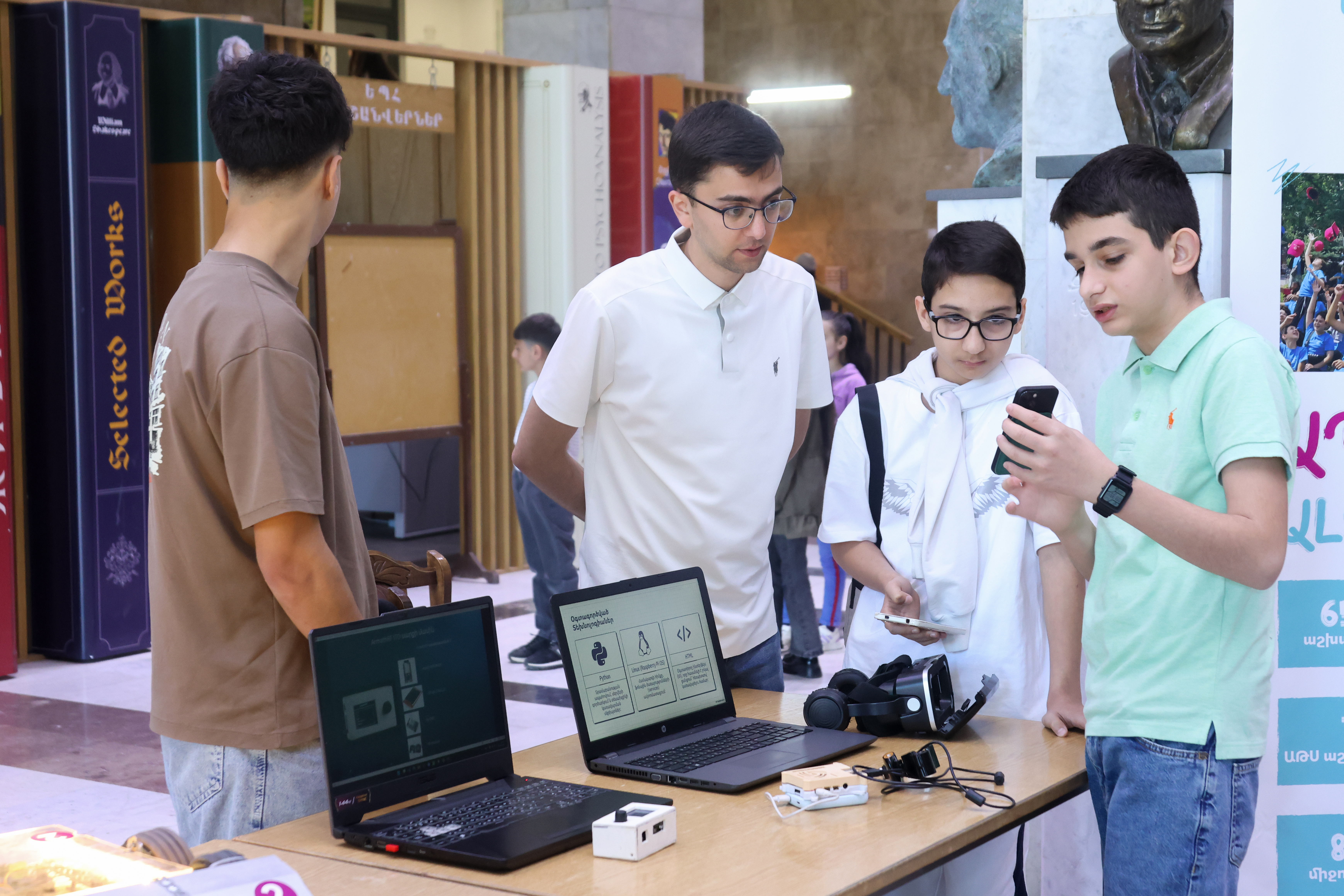
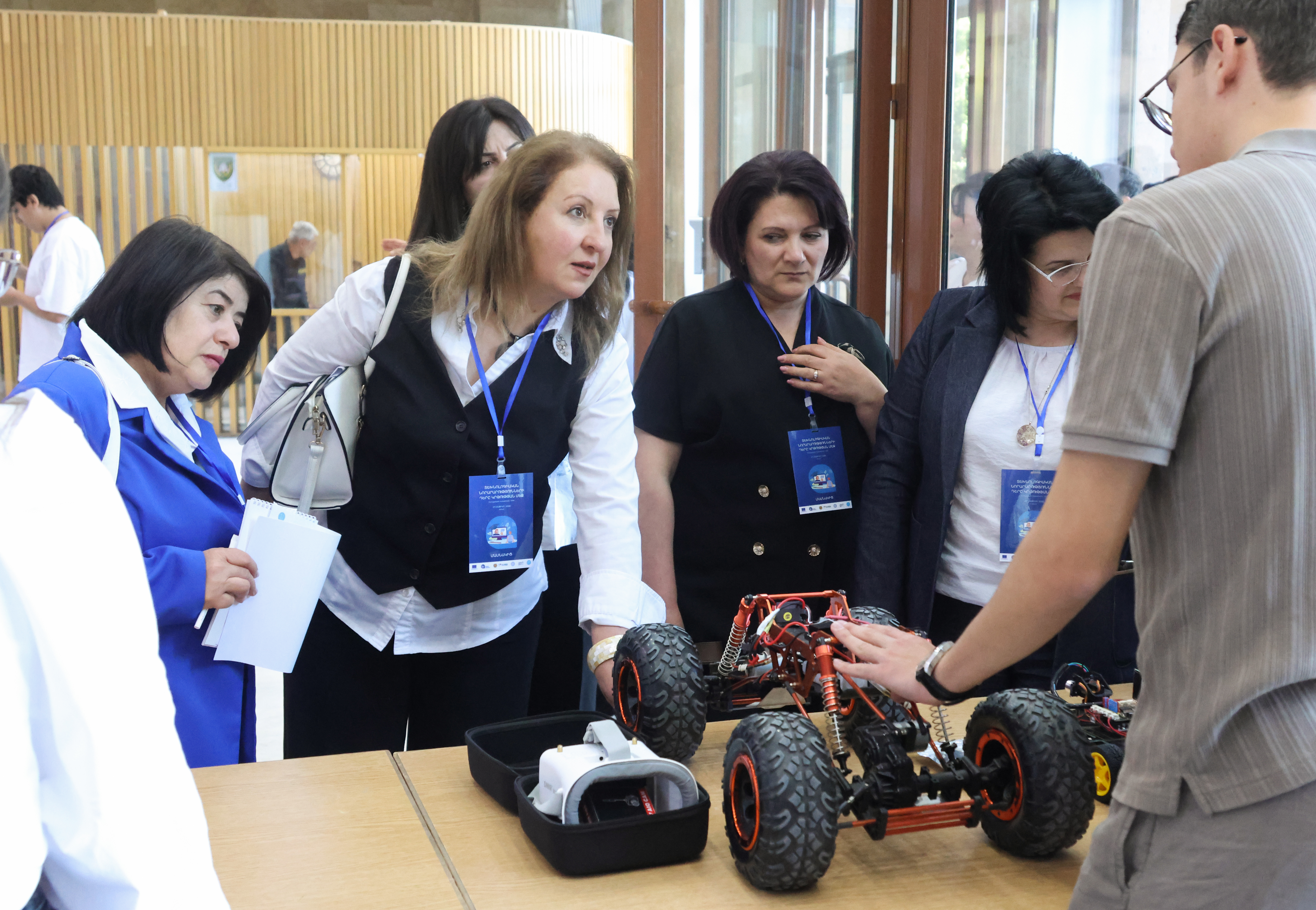
Before the conference, teachers also had the opportunity to visit an exhibition of school students' project work displayed in the lobby of YSU's central building.