March 25, 2026 | 16:21
Partners
Research

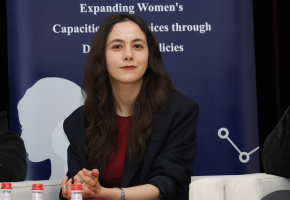
The program "Demographic Resilience: Expanding Women's Capacities and Choices through Data-Driven Policies" aimed to promote continuous education and skills development for women, including those from vulnerable groups, to enhance their economic and psychosocial well-being. It also introduced the use of National Time Transfer Accounts to assess the value of unpaid care work and promote more gender-sensitive economic policymaking.
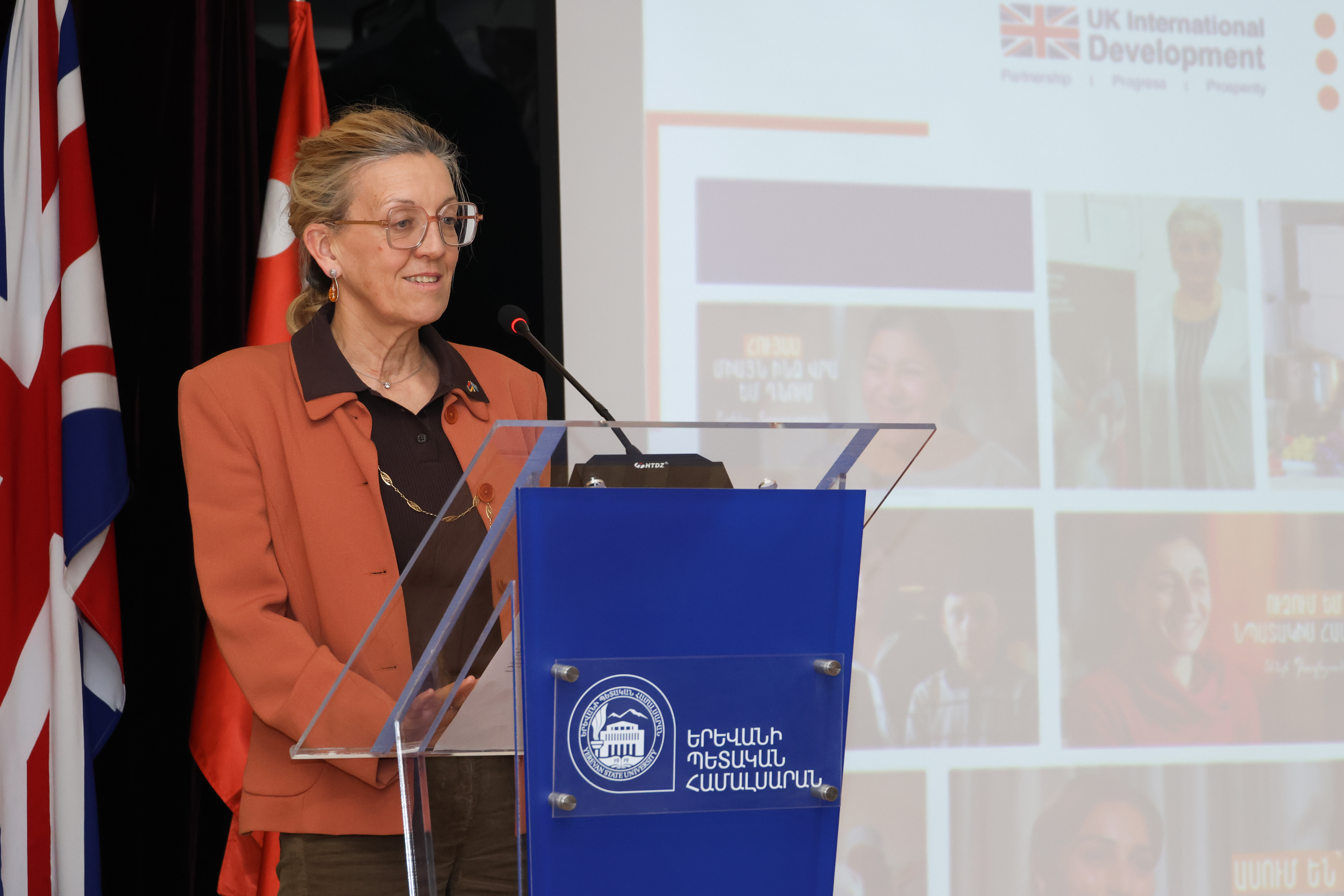
Opening the event, the YSU Vice-Rector for International Cooperation, Development and Innovation, Mikayel Hovhannisyan, highlighted the significance of the initiative. He noted that the program, launched several months ago, represents not merely a program but one of the first major initiatives of the YSU Demographic Research Center.
"The program addresses a highly relevant thematic area, focusing on the development of women's capacities. It is noteworthy that the university contributed not only from an educational and research perspective, but also guided by its broader public mission. YSU is one of the few institutions in Armenia that bears long-term responsibility toward various target groups in society, particularly in advancing human capital and developing skills based on effective and well-grounded methodologies," he said.
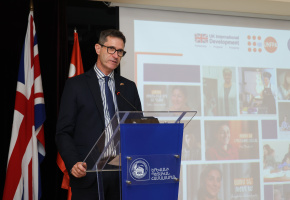
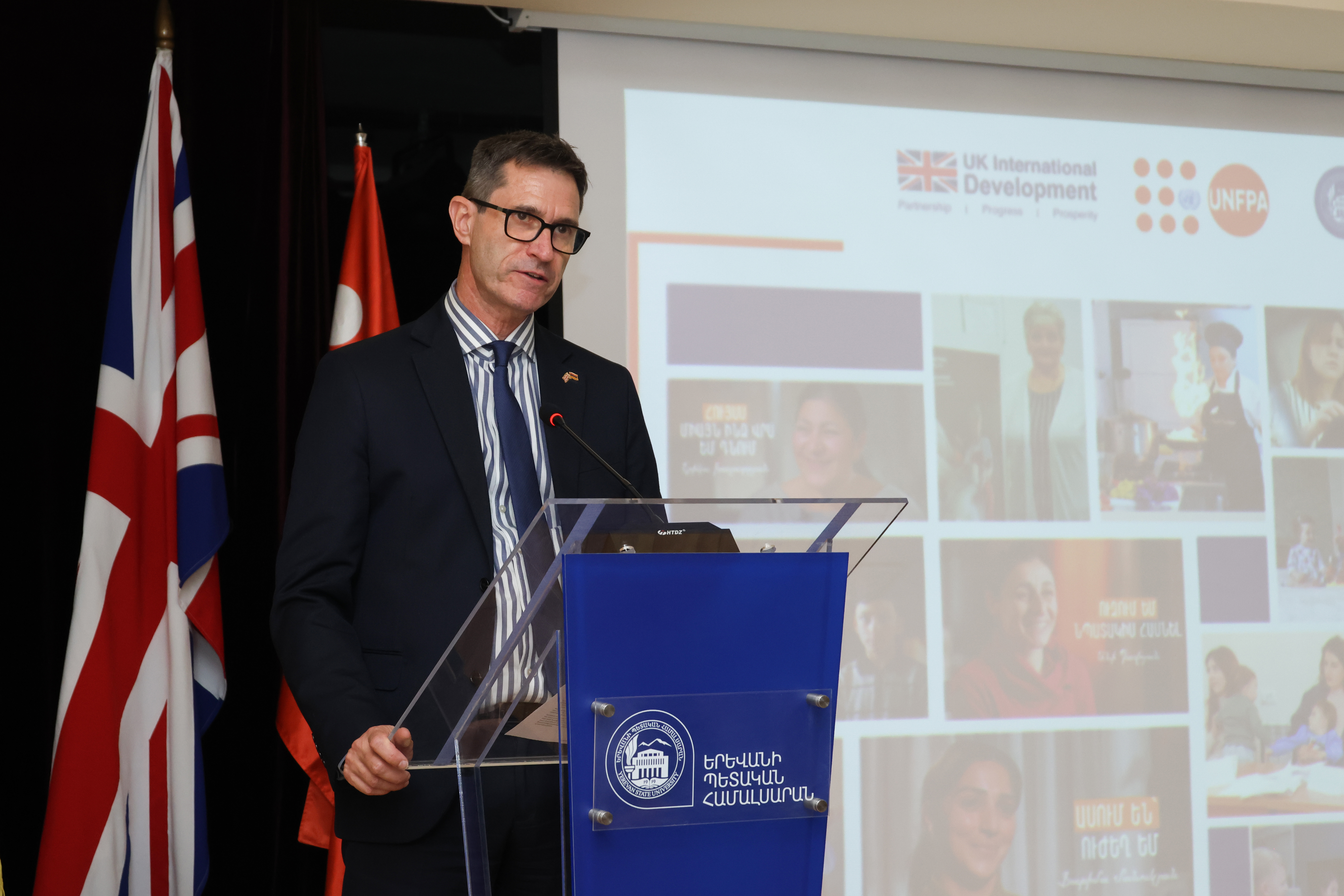
Paul Morris, Chargé d'Affaires of the British Embassy in Armenia, emphasized that the program sought to systematically strengthen Armenia's capacity to design and implement evidence-based demographic and social policies that recognize both paid and unpaid work, and deliver tangible results with long-term impact on the country's social and economic development.
Tatevik Stepanyan, Deputy Minister of Labour and Social Affairs of Armenia, underlined that gender equality today is viewed not only in terms of rights but also in ensuring equal opportunities. She stressed the importance of creating fundamental equal conditions for women's self-realization, noting that progress would not have been possible without such foundations. At the same time, she pointed out that significant untapped potential remains, because women constitute a large share of the population, making their full participation across sectors crucial. In this context, she emphasized the need to develop appropriate infrastructure and services while conducting precise assessments to unlock these opportunities.
"A legally aware citizen is not someone who knows only their rights. First of all, our citizens must be aware of their responsibilities, because those who are aware of both their rights and responsibilities are better equipped to improve themselves, their families, their communities, and the state," Stepanyan noted.
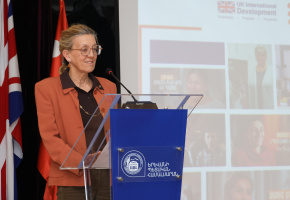
Françoise Jacob, UN Resident Coordinator in Armenia, highlighted that the program's team and partners succeeded in making the topic of demography more accessible, engaging, and practical—moving it beyond purely statistical discourse. According to her, such initiatives play a vital role in addressing demographic challenges, particularly by fostering women's empowerment, ensuring equal opportunities, and expanding care services.
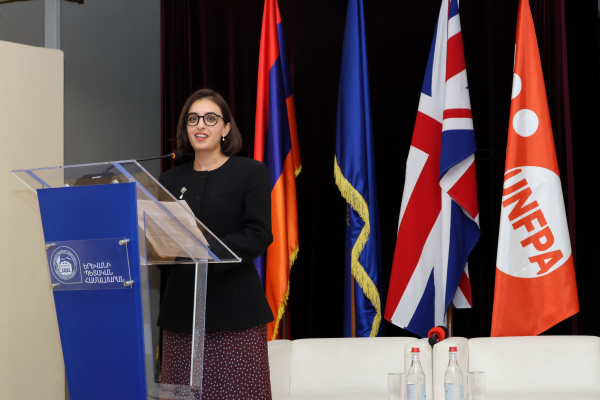
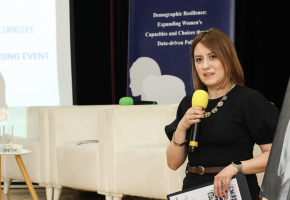
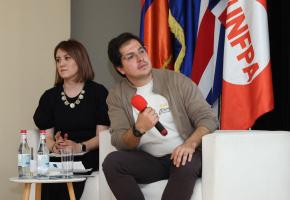
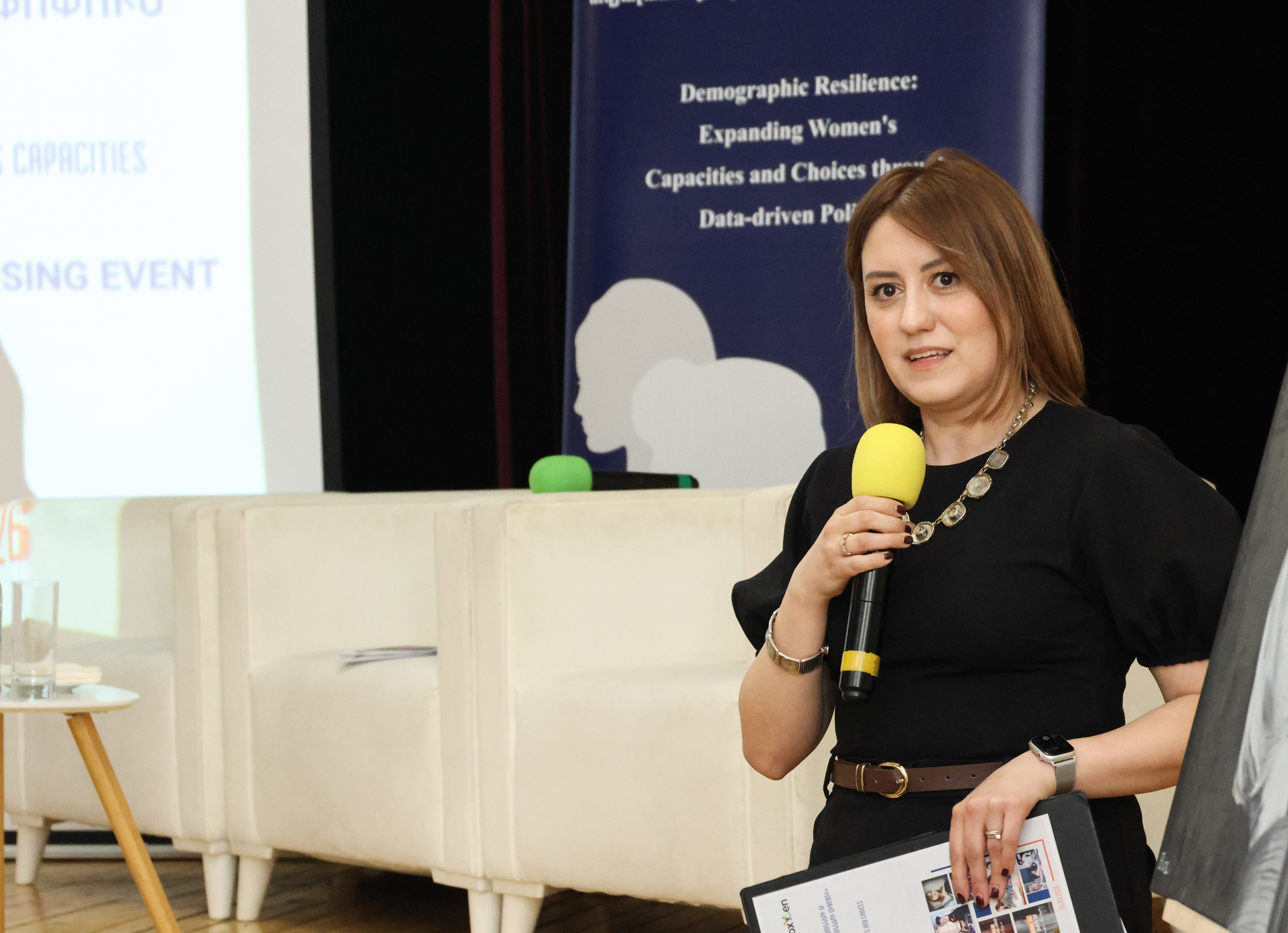
Lusine Sargsyan, Head of the UNFPA Armenia CO, noted that the initiative played an important role in strengthening the institutional capacity of the YSU Demographic Research Center and delivered tangible results within a short period. She emphasized the importance of collaboration among state institutions, international partners, and civil society, as well as the active participation of women involved in the program, highlighting the value of capacity-building and peer support.
Sargsyan also underscored the importance of the program's innovative and media components, which help raise public awareness and can inspire other women to become actively engaged and shape their own futures.
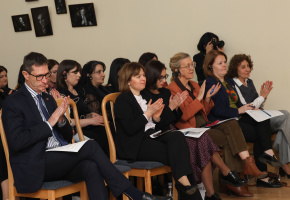
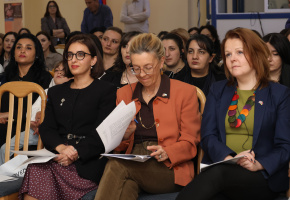
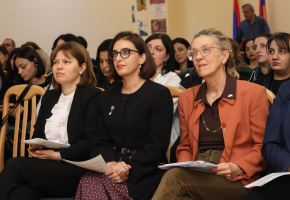
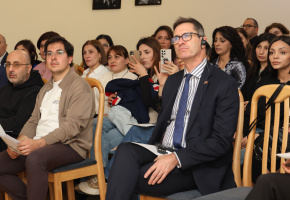
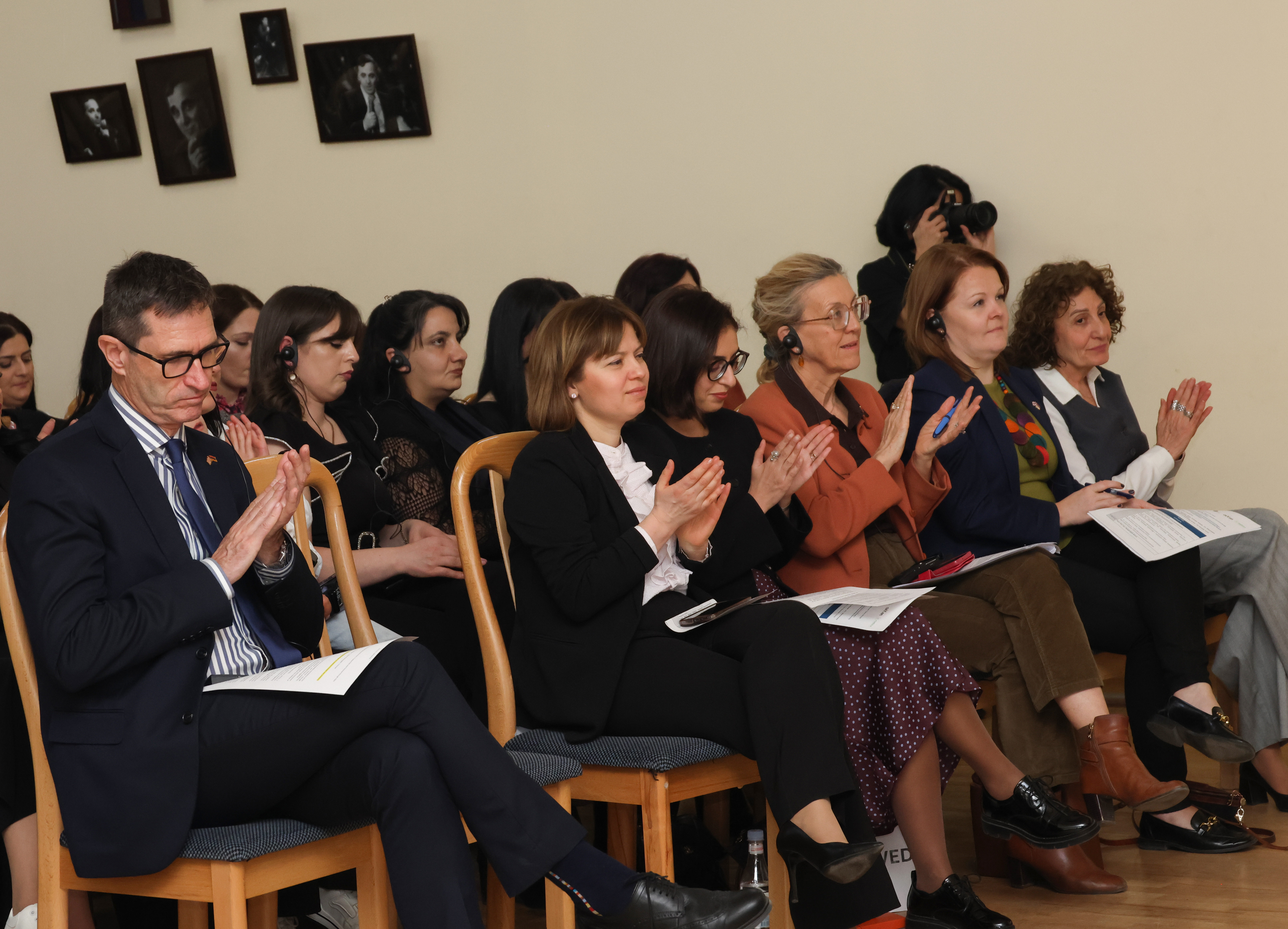
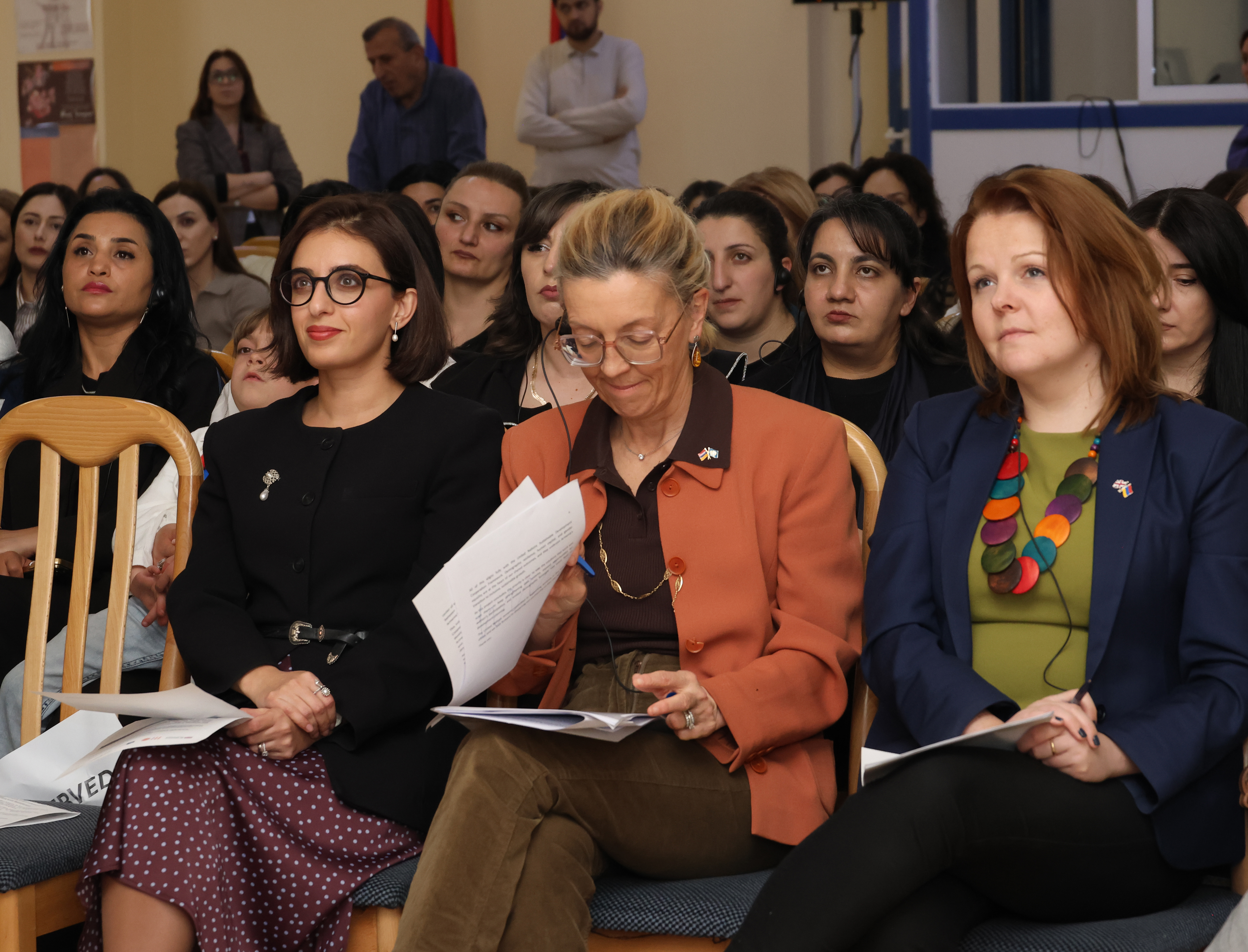
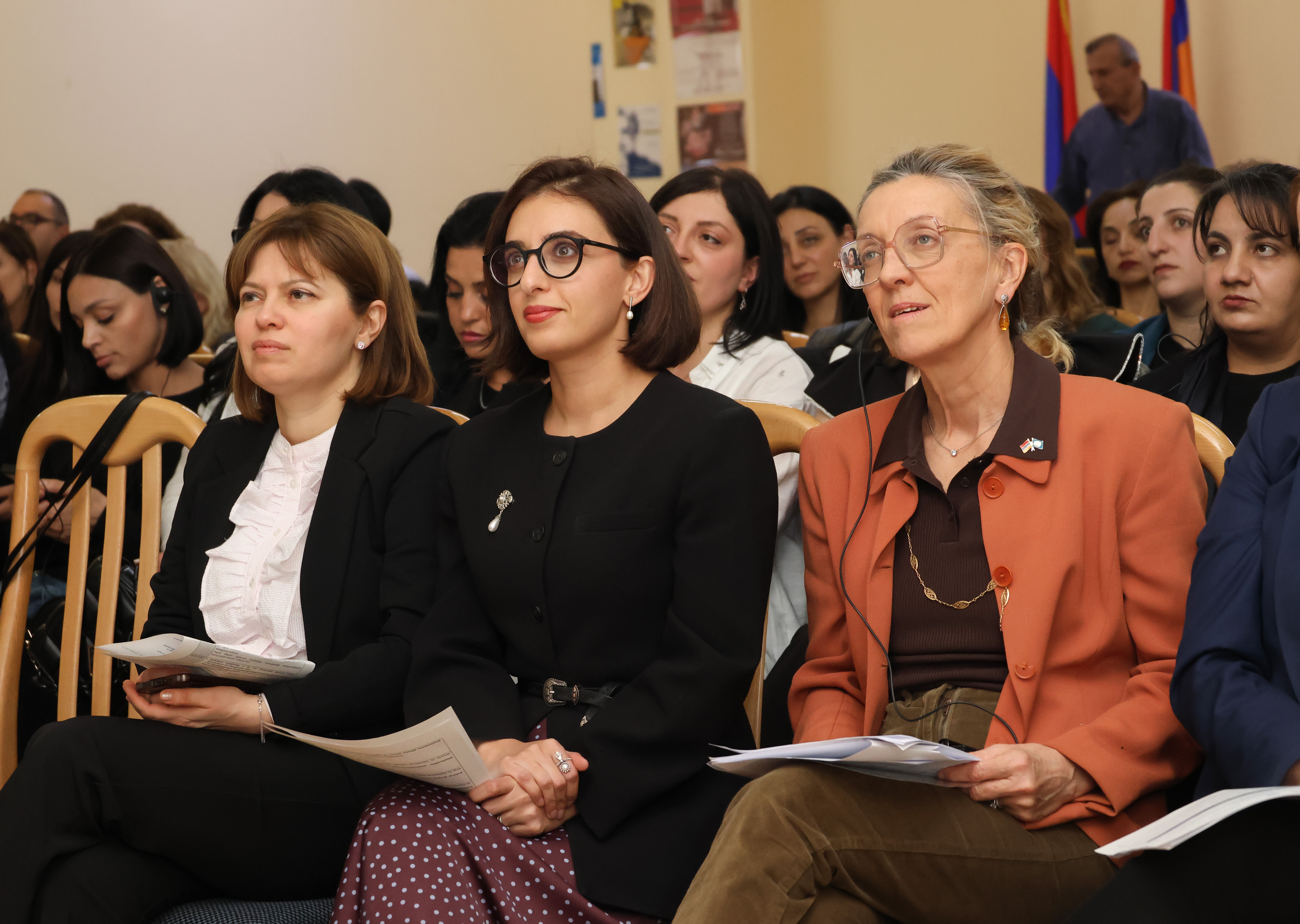
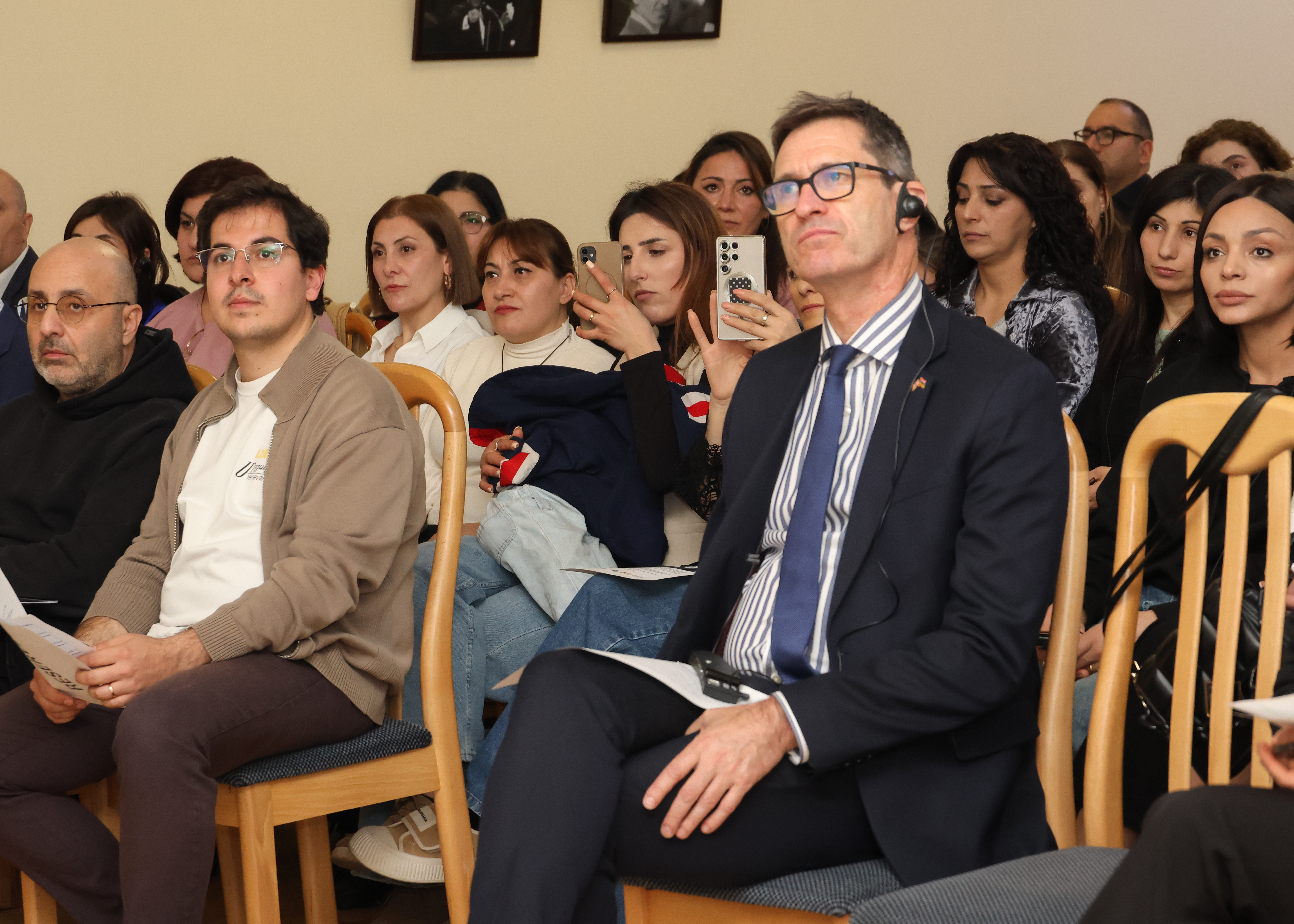
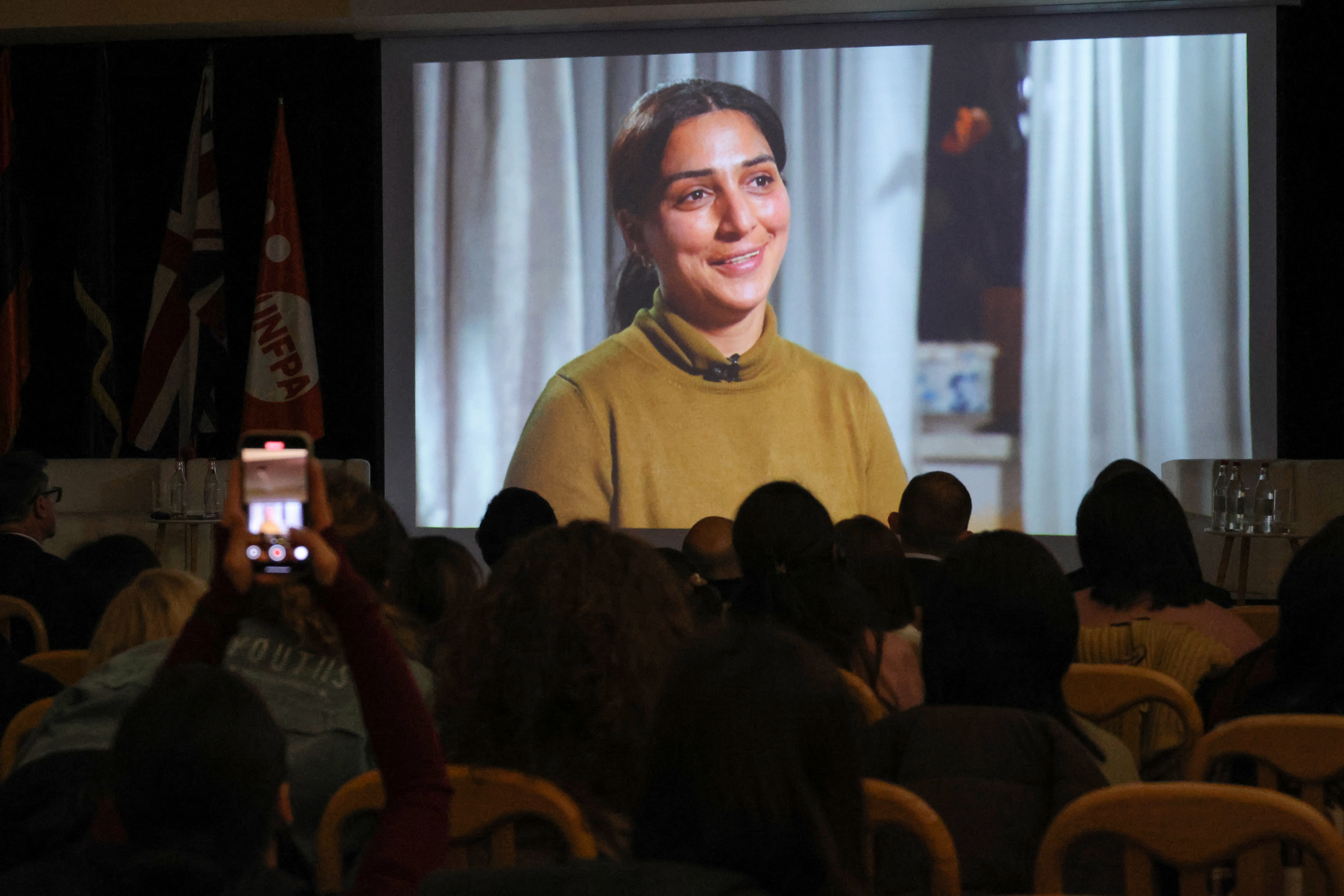
Participants of the event watched a documentary film about the program, which presented its progress and shared the stories of its participants.
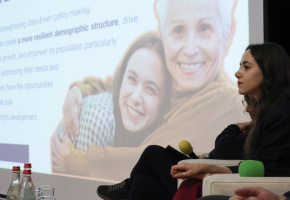
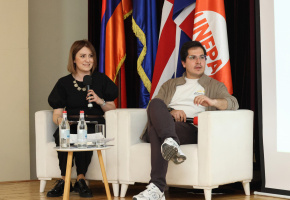
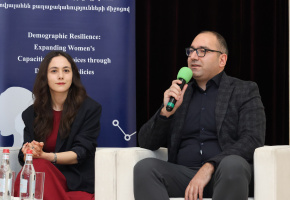
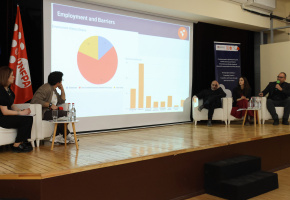
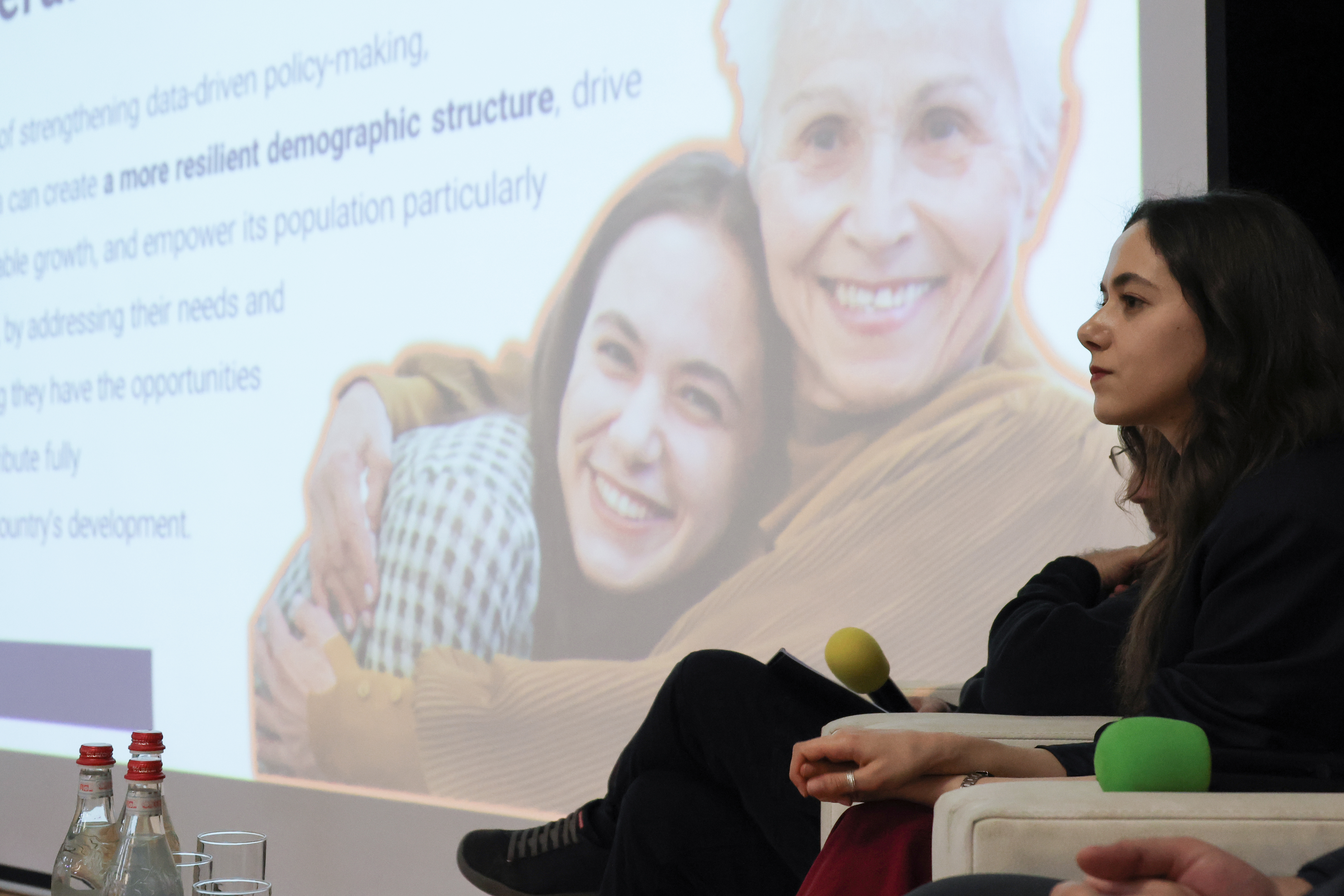
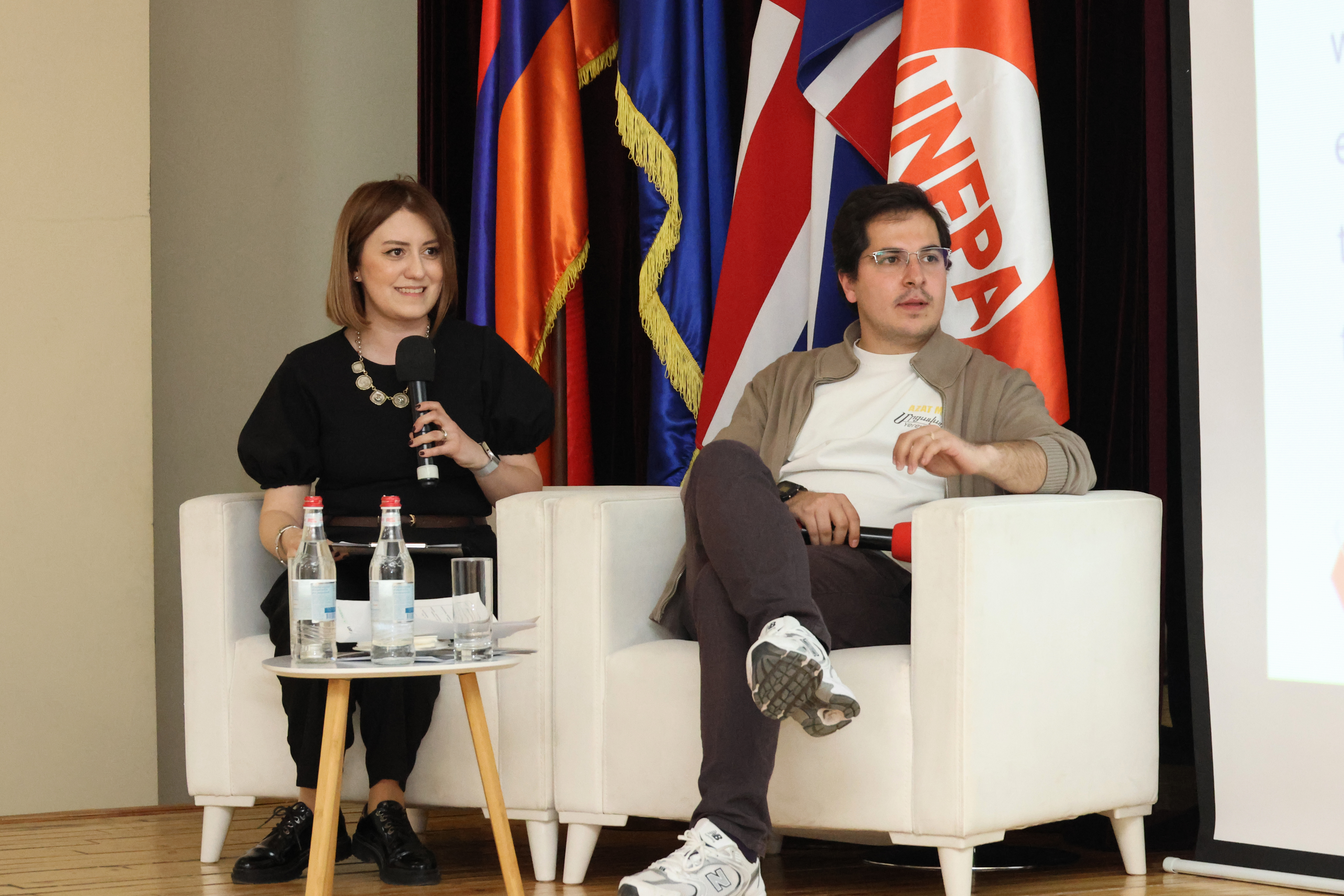
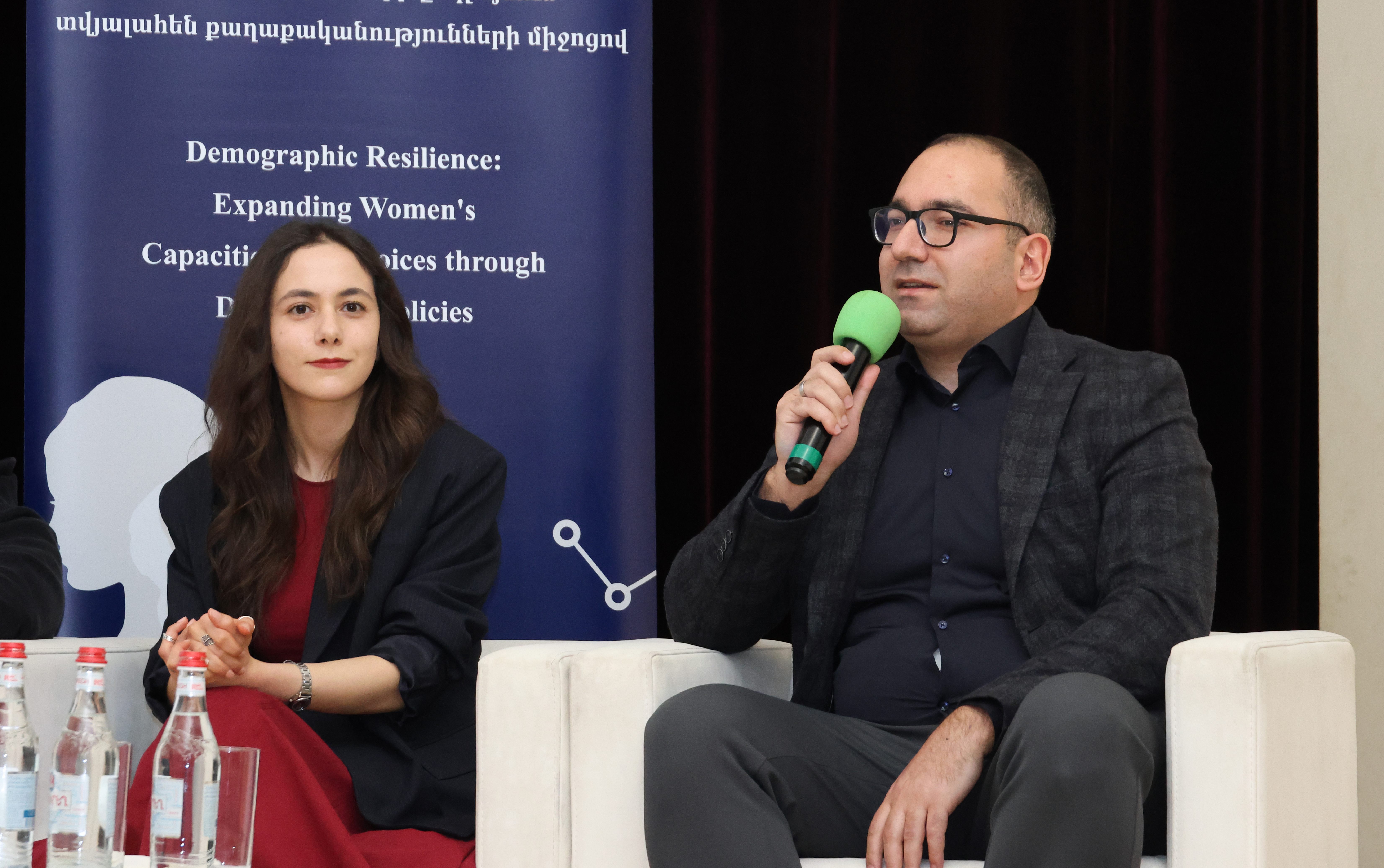
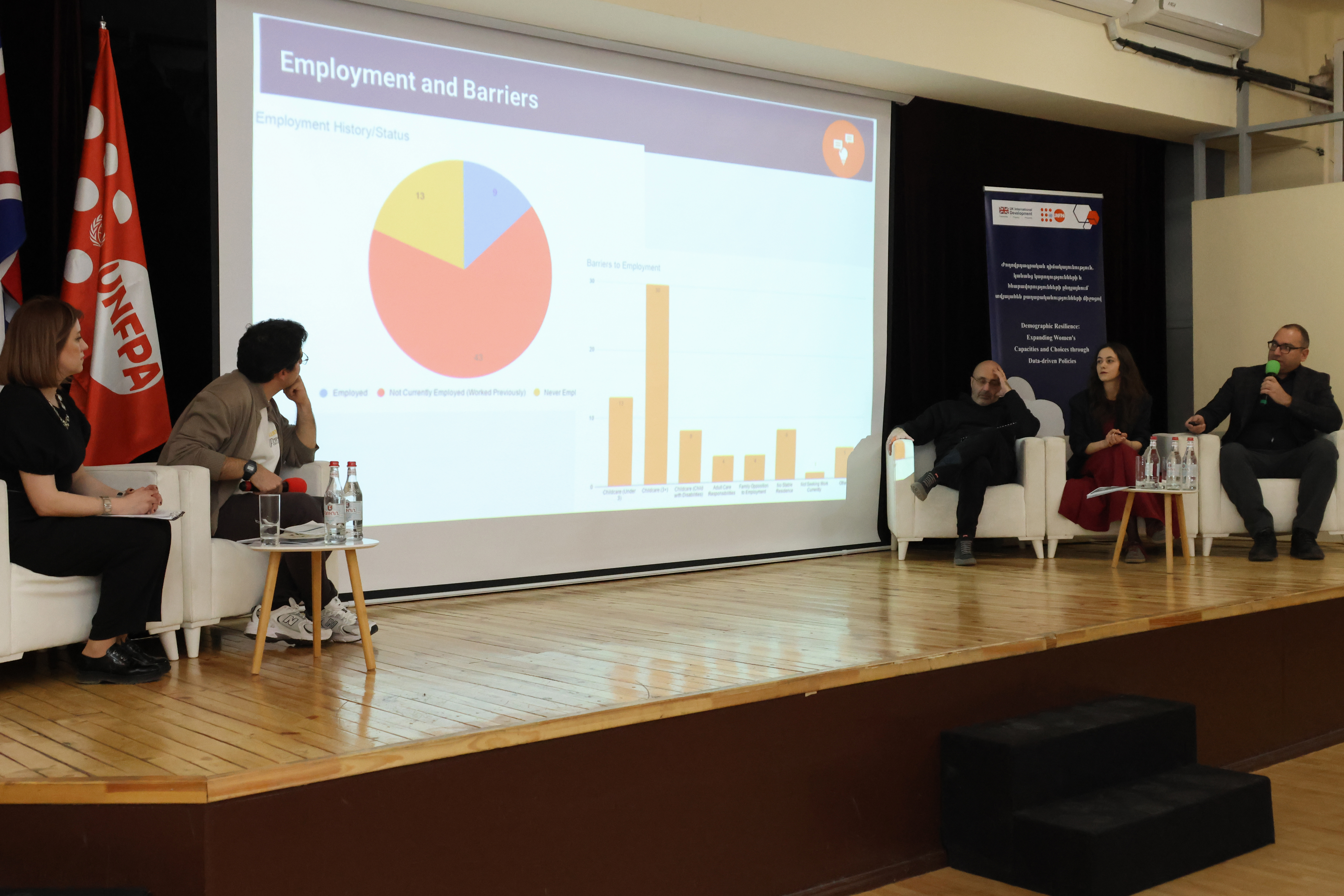
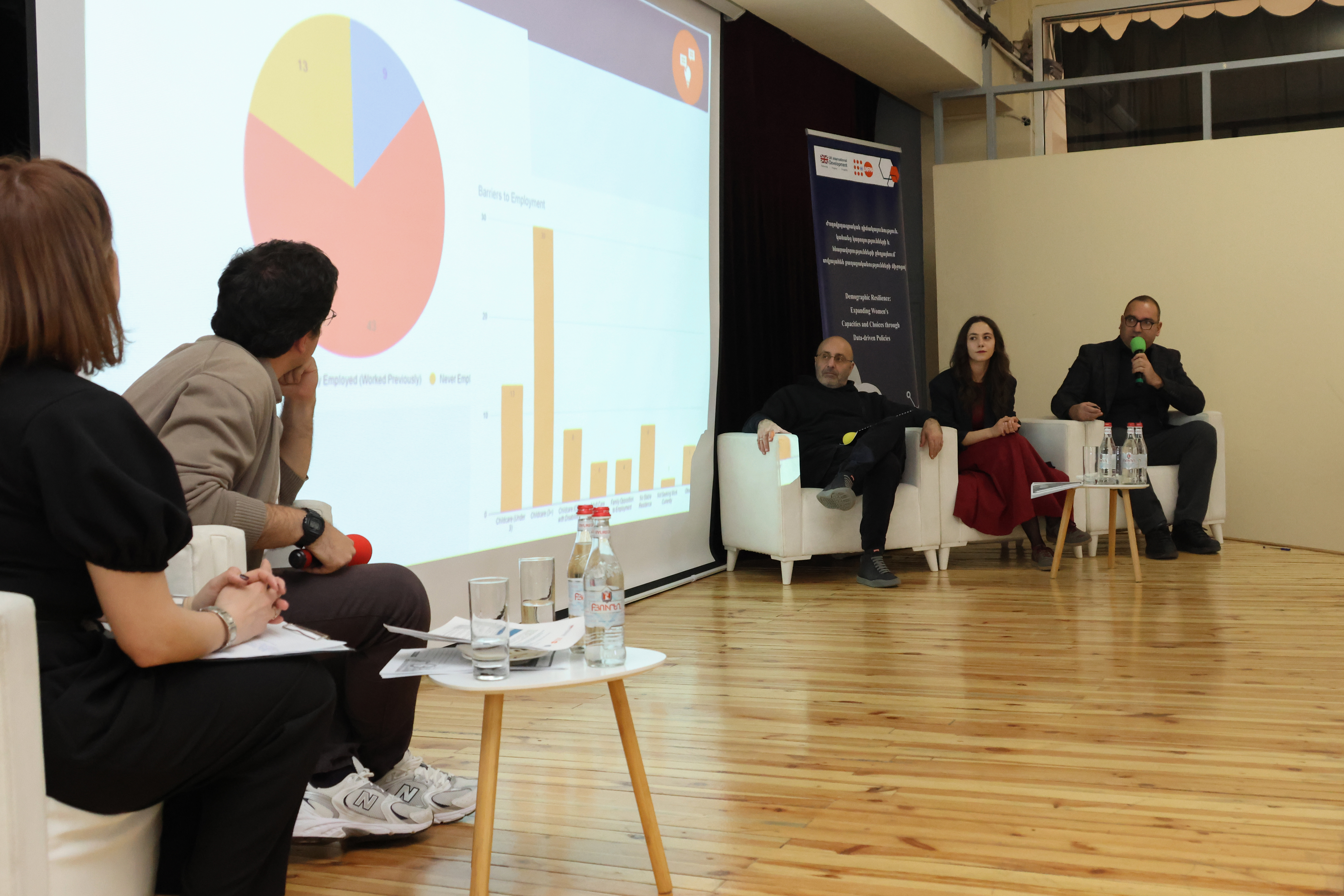
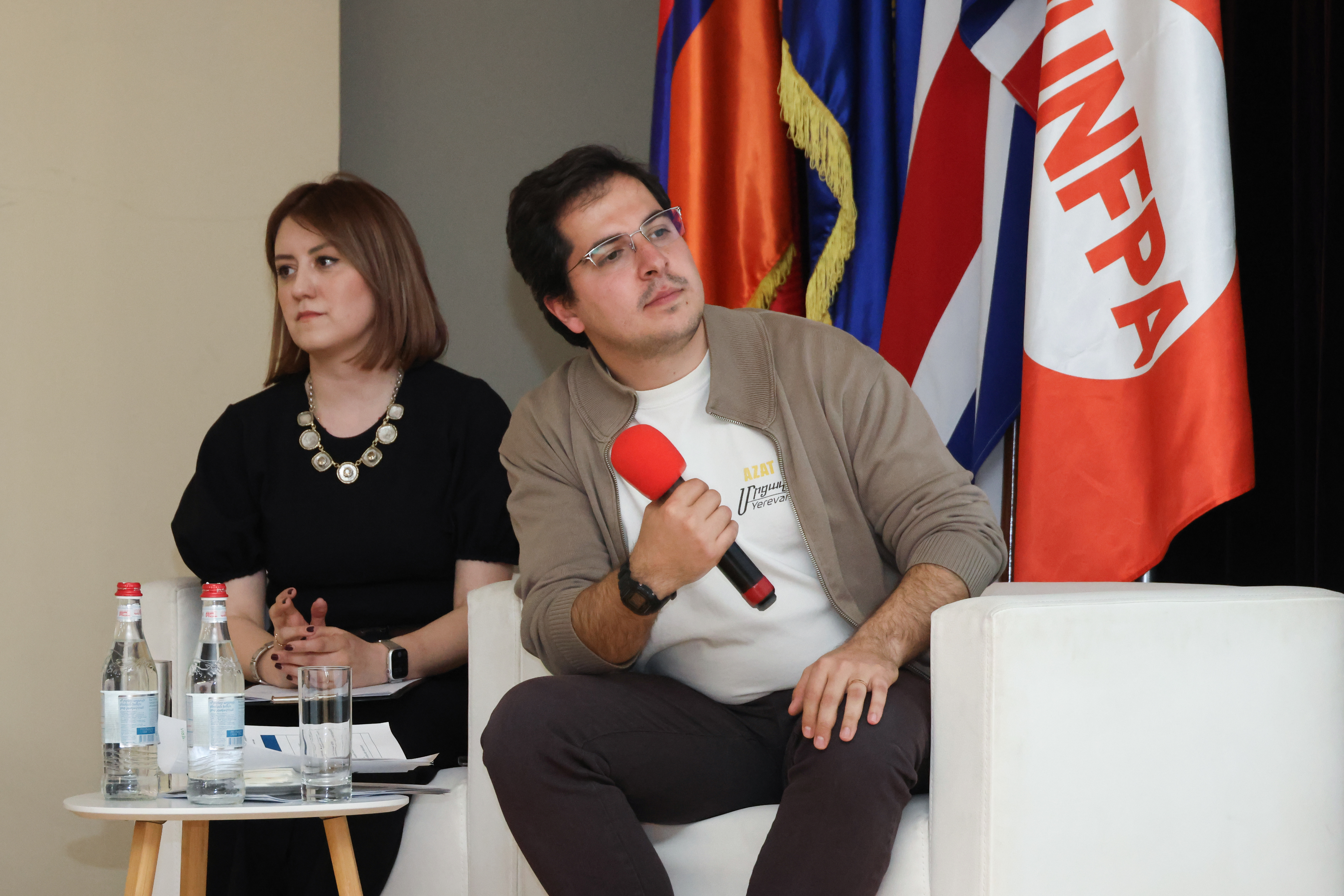
Representatives of partner organizations then presented the work carried out and the key results achieved. Discussions covered outcomes related to capacity-building and training, analysis of National Time Transfer Accounts, efforts to strengthen the institutional capacity of YSU's Demographic Research Center, and prospects for further development. The event concluded with a Q&A session, followed by a graduation ceremony for participants of the women's capacity-building course.
The program was implemented by the United Nations Population Fund (UNFPA) and funded by the Government of the United Kingdom.