April 17, 2026 | 10:30
Science
Research
International cooperation
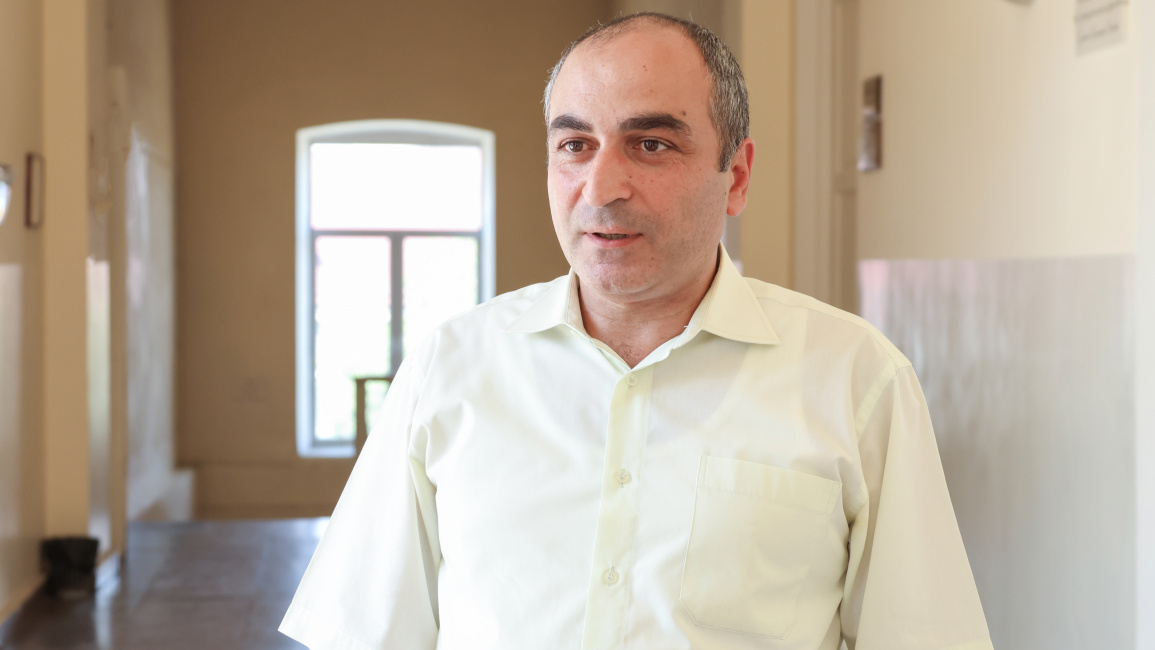
We spoke with Associate Professor Grigor Hayrapetyan, Head of the Chair of Economics and International Economic Relations at the Faculty of Economics and Management, Yerevan State University, to discuss the topic.
– Mr. Hayrapetyan, how effective is a model like GSF in promoting scientific collaboration?
– Models such as the MIT Global Seed Funds are highly effective in fostering scientific collaboration. They are based on the principle of seed funding—providing small initial grants that enable researchers from different countries to establish first contacts, jointly develop ideas, and assess their feasibility. A key feature of the program is its country- and region-based structure, and it already includes around 20 partner countries. Armenia's participation since 2023 represents an important step toward the internationalization of our scientific system.
– What long-term outcomes can such seed funding programs produce for Armenia?
– Such programs can generate multi-layered, long-term impacts. First and foremost, they create a sustainable foundation for collaboration between Armenian universities and research centers and leading international institutions. Ideas developed through small initial grants often evolve into larger-scale projects, attracting additional funding and expanding the scope of cooperation. In this sense, seed funding can be viewed as an incubator of ideas, where emerging initiatives may later gain practical significance and contribute to the development of institutional partnerships.
– Can these programs evolve into larger, institutional-level collaborations?
– Yes, and this is one of their key advantages. When collaboration successfully passes its initial stage, it can develop into deeper and more systematic partnerships. This may include joint research projects, the establishment of laboratories, dual-degree programs, or joint educational initiatives. In this way, such programs not only foster cooperation among individual researchers but also lay the groundwork for long-term institutional ties.
– How do you assess the readiness of Armenian universities to participate in such international collaborations?
– Overall, it can be said that Armenia's leading universities—particularly Yerevan State University—possess sufficient scientific potential and human resources to participate in such programs. At the same time, improving the effectiveness of international collaboration requires continuous development, especially in project management, administrative capacity, and the accumulation of international experience. With the right strategy, such programs can become an important driving force for the advancement of science and education in Armenia.