April 23, 2026 | 10:00
Science
Society
Lifelong learning
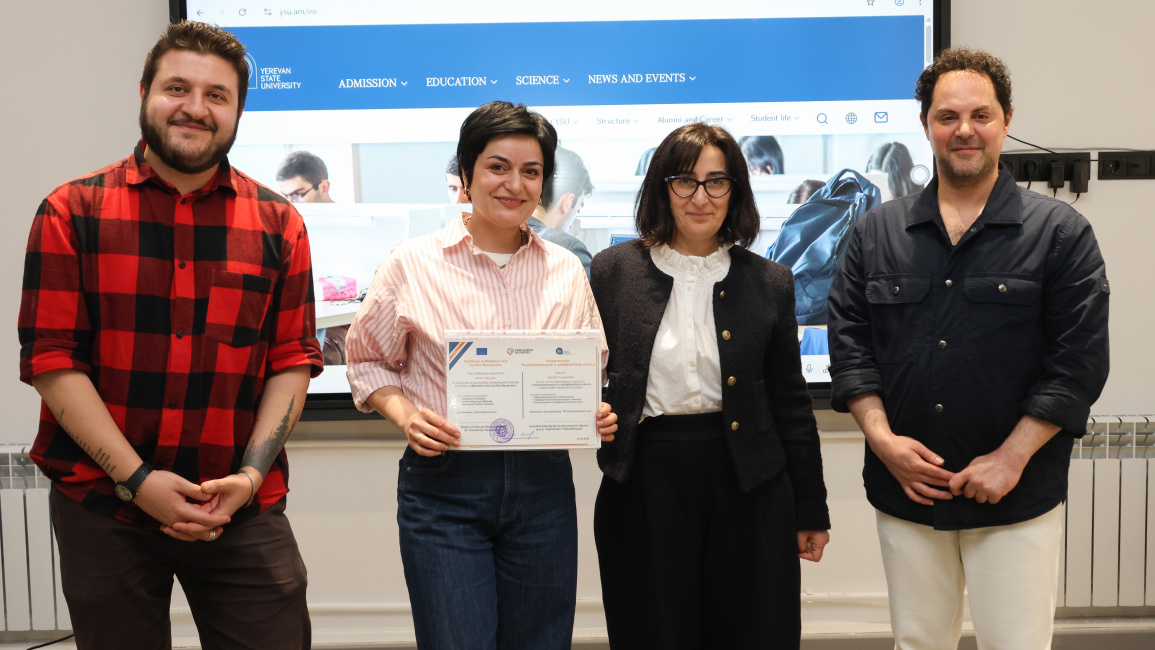
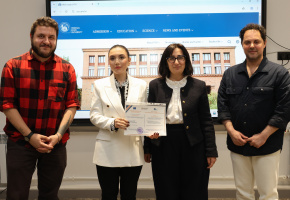
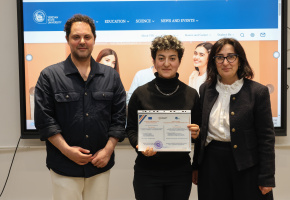
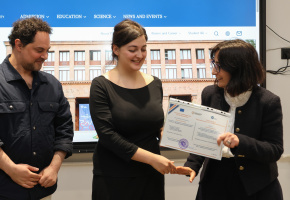
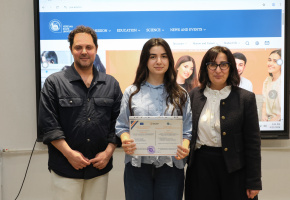
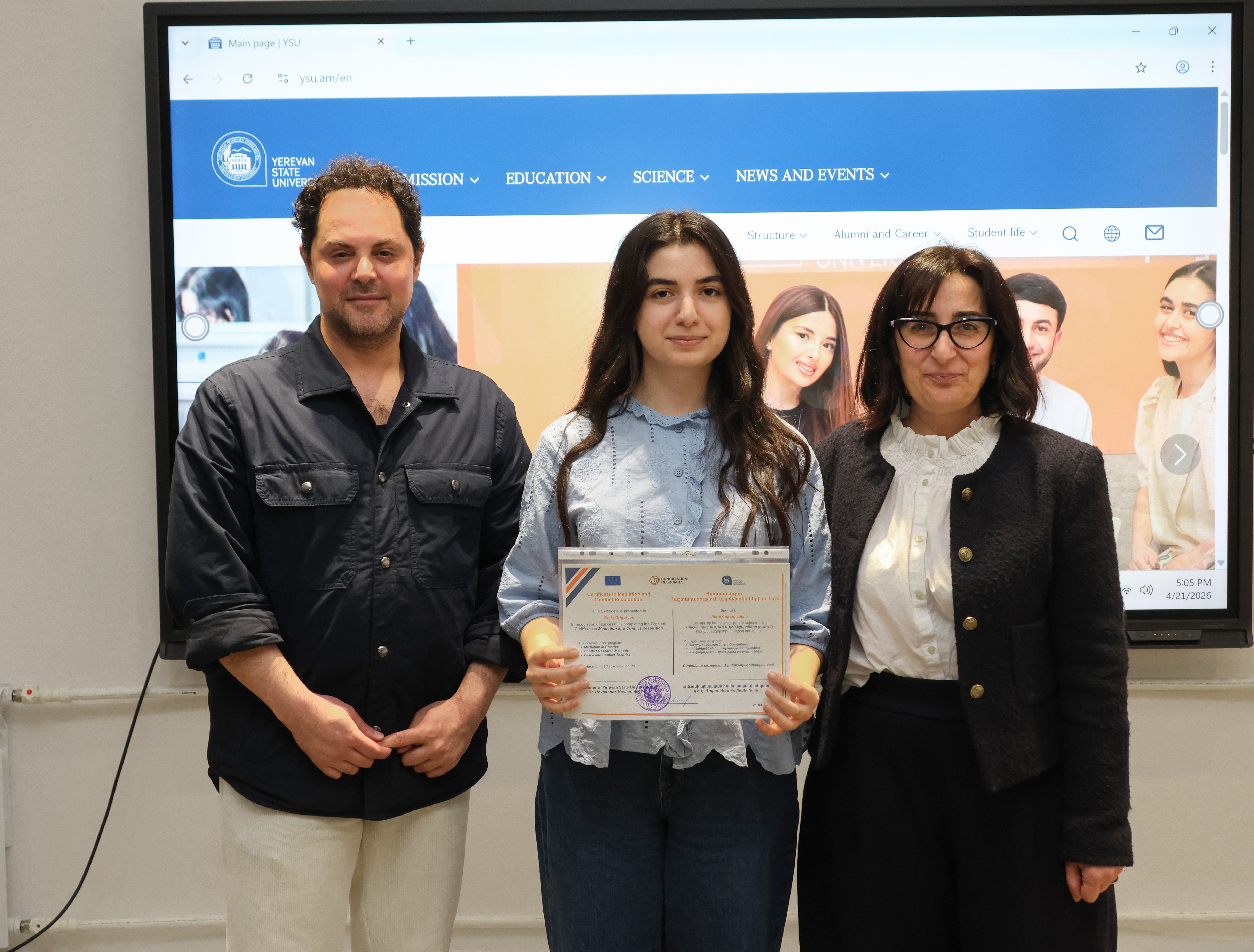
Developed by the YSU Continuing Education Center, the program was structured around three interrelated core courses, enabling participants to gain an in-depth understanding of conflict research methodologies, analytical and resolution approaches, as well as practical mediation mechanisms. This integrated framework equipped participants with the necessary tools to navigate, analyze, and effectively address conflict situations arising in diverse professional and social contexts.
According to the YSU Vice-Rector for International Relations, Development and Innovation, Mikayel Hovhannisyan, the program is of particular importance to the development of the university's academic environment.
"The university is currently considering further development of the program through the introduction of a master's component. At the same time, it is important to preserve the certificate-based format, which allows professionals who, for various reasons, are unable to enroll in long-term educational programs to participate," he said.
Hovhannisyan also emphasized the program's role in fostering a new culture of student–faculty collaboration and in diversifying the educational environment, describing it as a model initiative for advancing university-level educational processes.
According to Lusine Kharatyan, Director of the Continuing Education Center, the idea behind the program was shaped by an assessment of real societal needs.
"In the aftermath of the war, it became particularly evident that, as a society situated in a conflict-prone region, we face deep-rooted social and psychological challenges often associated with conflict situations, while the necessary skills for resolving them are not sufficiently developed. Under these conditions, fostering theoretical and practical knowledge and skills in nonviolent communication, mediation, and conflict resolution through education has become a pressing societal need, which served as the foundation for designing this program," she stated.
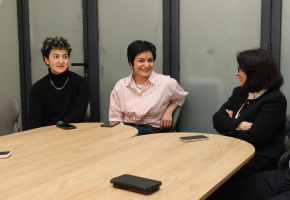
At the initial stage, an open competition was announced for instructors, who then collaboratively developed the full educational content. This was followed by an open call for participants. From approximately 60 applications, 17 participants were selected, representing diverse professional and age groups, including both experienced specialists and students. The courses were delivered in a hybrid format—both in-person and online—and the resulting learning group demonstrated a high level of professional engagement and active participation.
The program may be particularly beneficial for professionals interested in mediation, conflict resolution, peacebuilding, social sciences, diplomacy, international organizations, and civil society. It contributes not only to the development of professional competencies but also to fostering a culture of cooperation and mutual understanding within communities, transforming conflicts into opportunities for development.
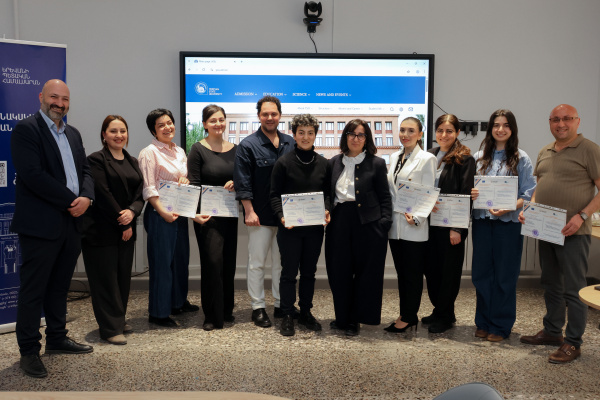
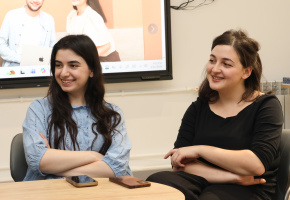
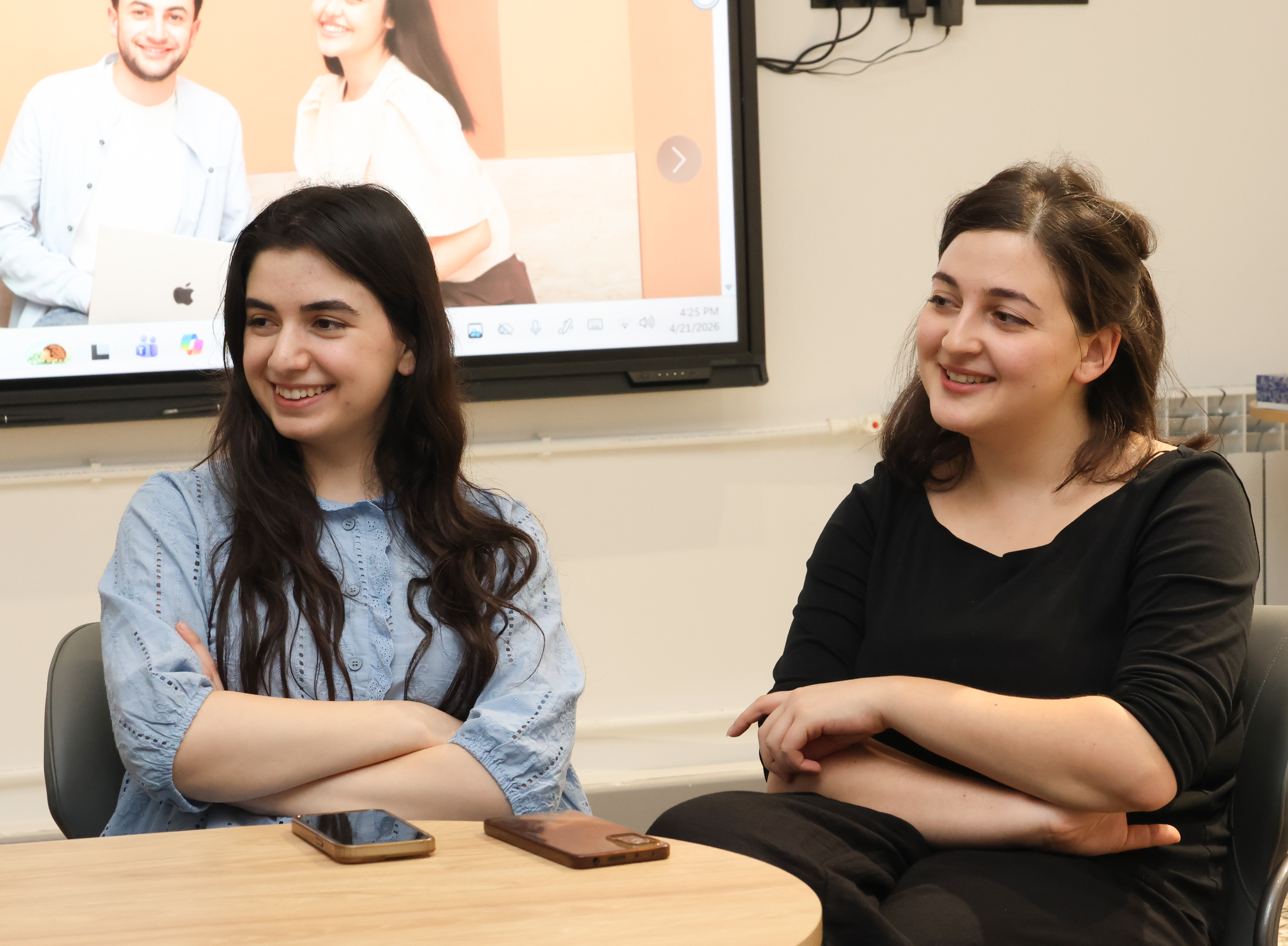
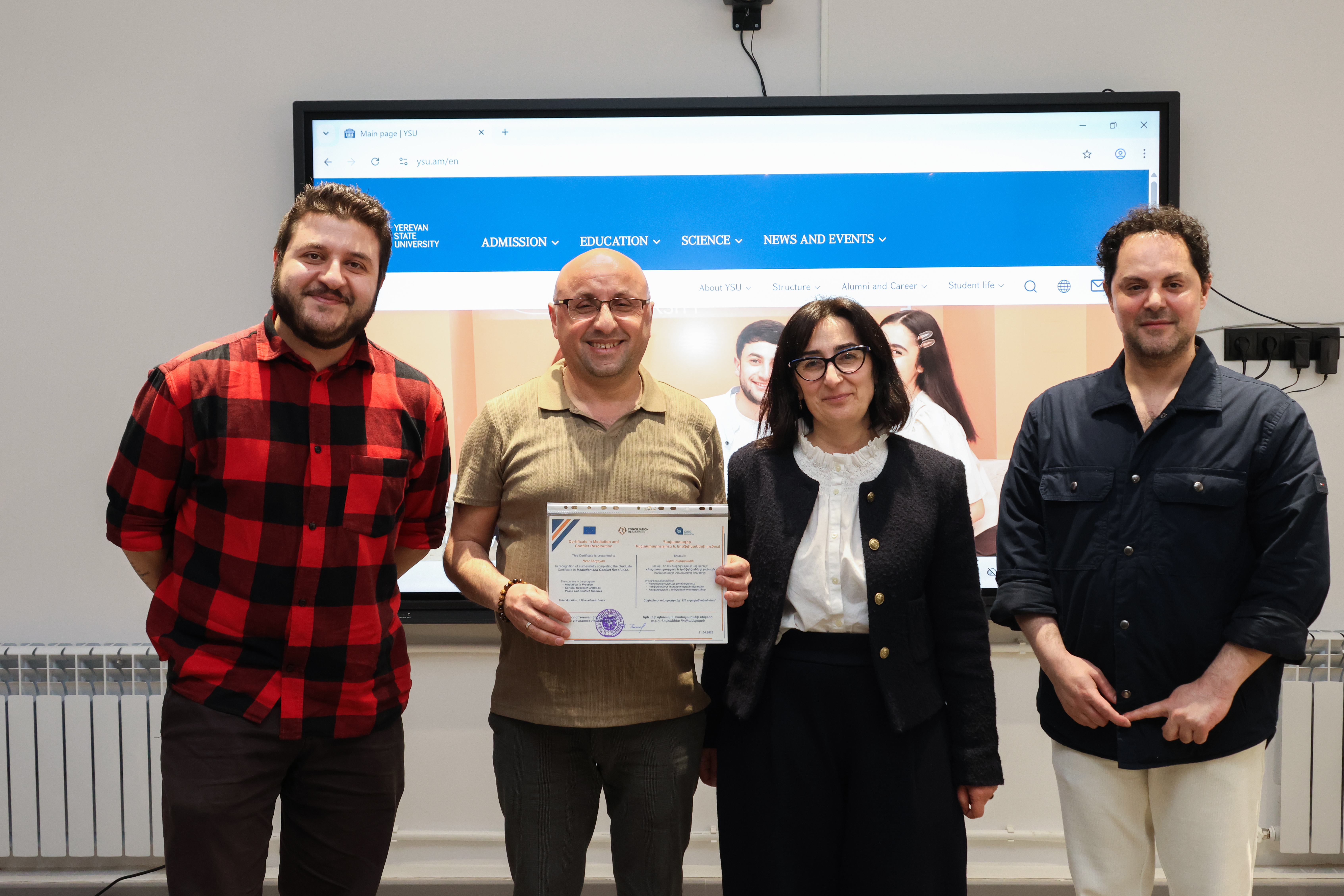
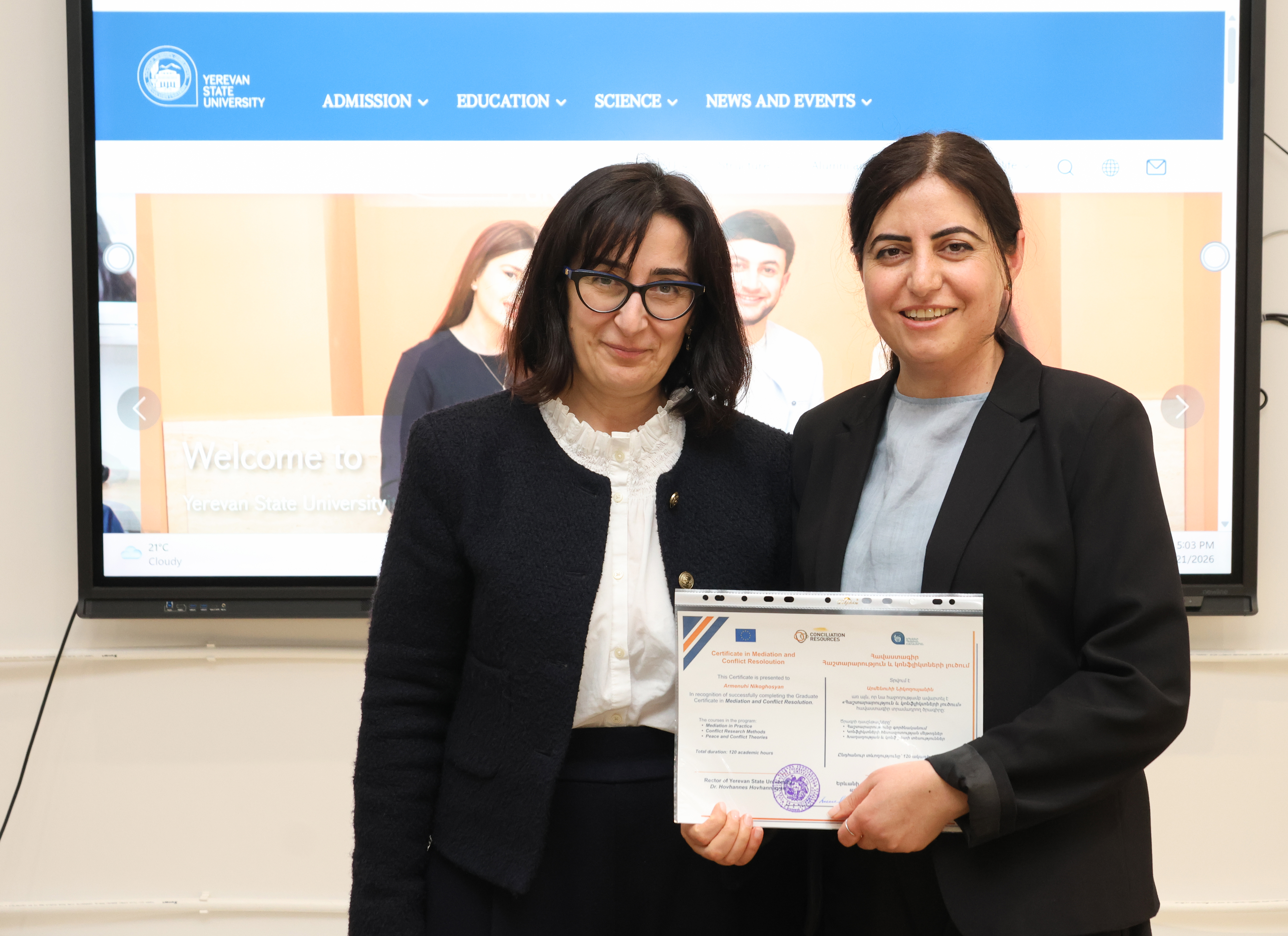
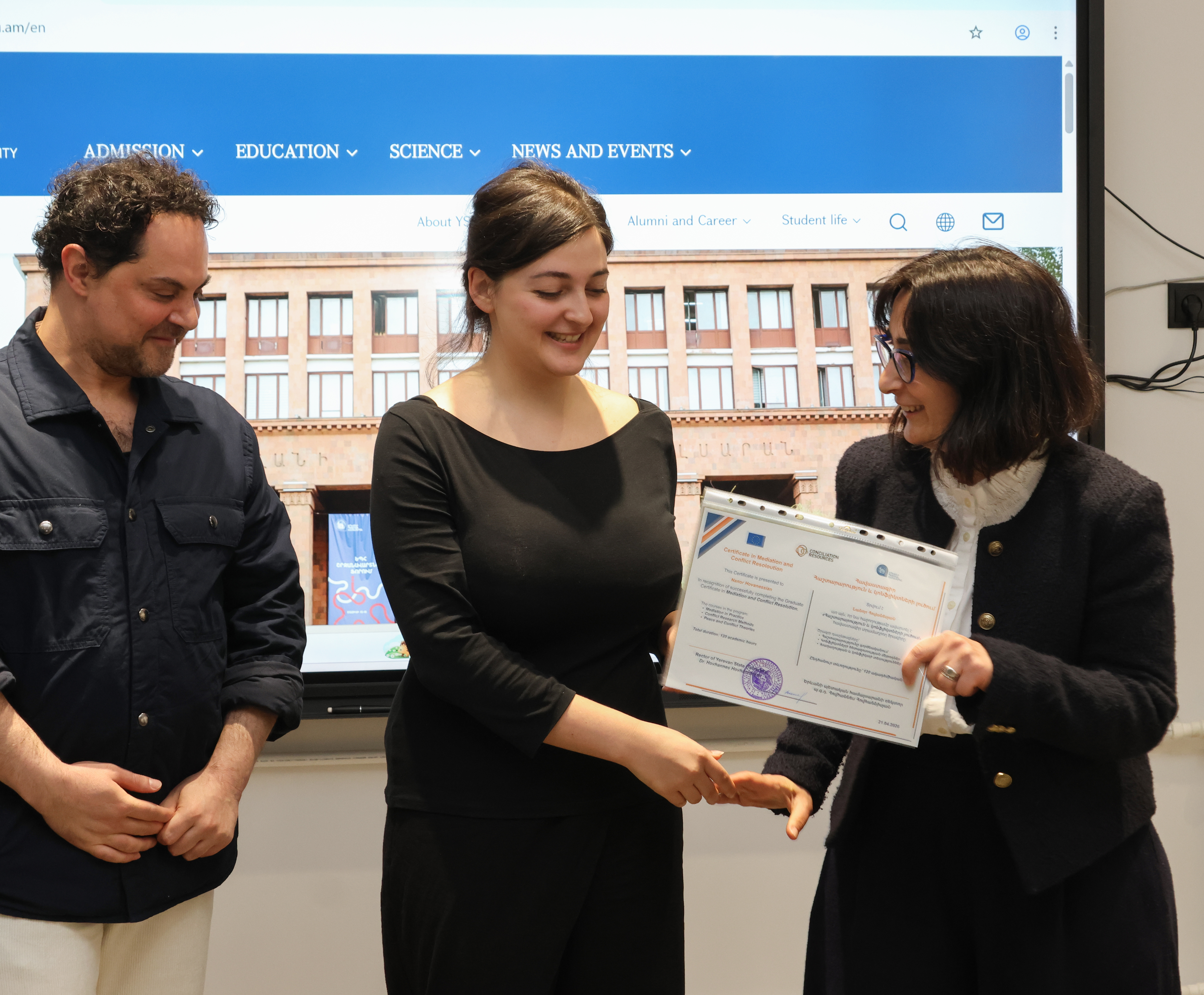
Participant Nanor Hovhannisyan noted that the program provided an important opportunity to acquire systematic knowledge in conflict studies and peacebuilding, while also laying the groundwork for further academic pursuits. In her view, the program helped establish the essential theoretical and practical foundation necessary to continue research in this area.
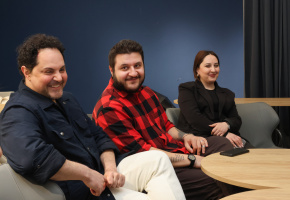
Another participant, Nver Sargsyan, who has extensive international experience in human rights, emphasized that the program offers significant support both for professional activities and the development of communication skills. He stressed that the use of mediation tools is particularly important in assisting individuals affected by conflict and in fostering a culture of peaceful communication in society. He also noted that the expansion of such programs could have a substantial societal impact, including their integration into earlier stages of education.
Further details about the program are available here.