April 30, 2026 | 11:36
Science
Education
International cooperation
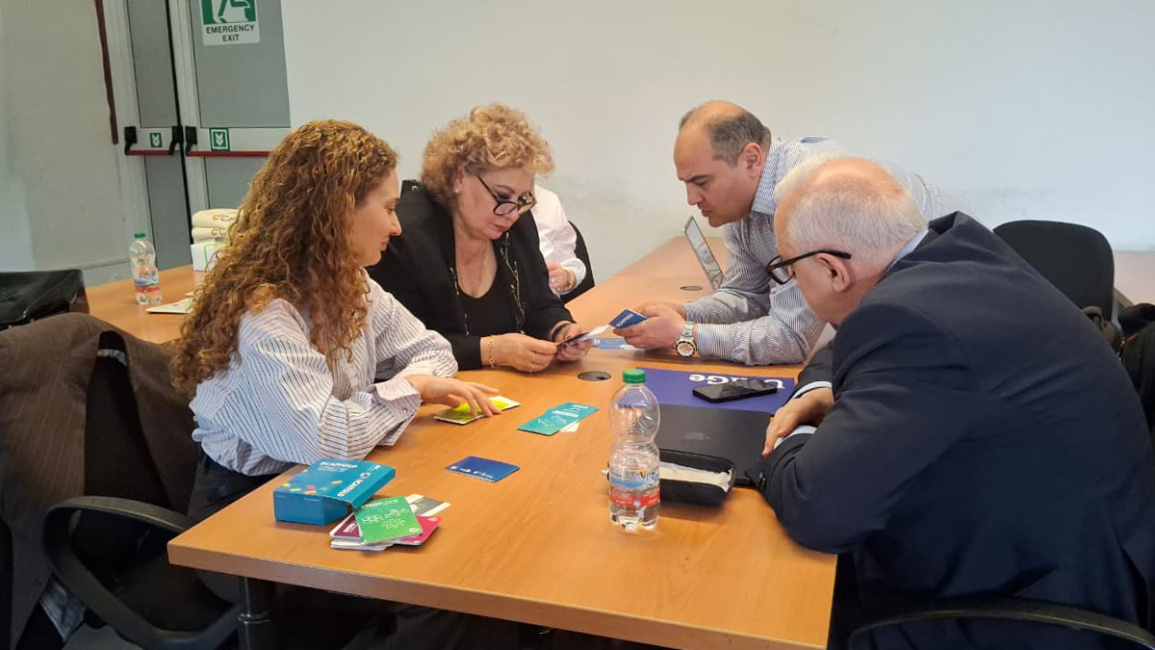
The two-day seminar, titled "Promoting Socially Distanced and Inclusive Campus Education in Armenian Universities: eCAMPUS," addressed a range of topics, including the integration of technologically enhanced teaching and assessment methods, the application of multimedia e-learning platforms in the academic process, and the introduction of smart classrooms in Armenia's higher education institutions.
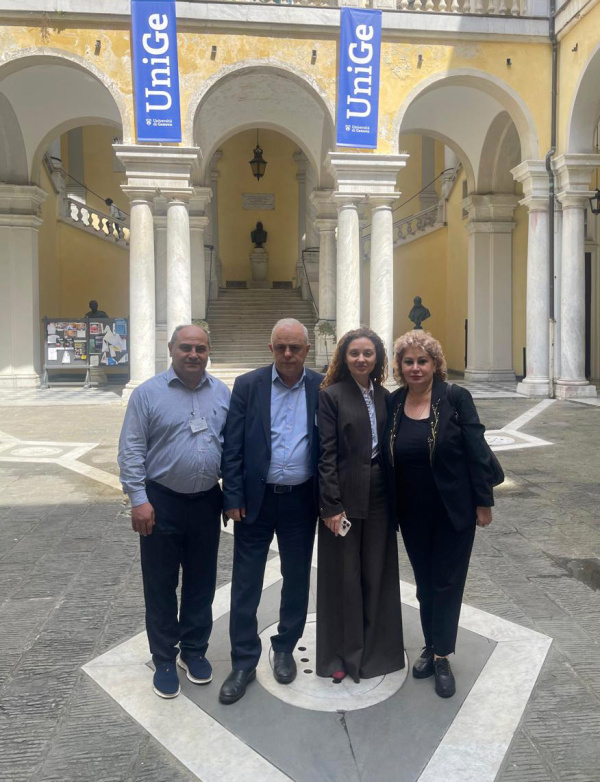
The study visit brought together representatives from partner universities and institutions across Armenia and Europe. The Armenian delegation comprised representatives from Yerevan State University, Khachatur Abovian Armenian State Pedagogical University, Yerevan State Medical University, Northern University, the Institute for Informatics and Automation Problems of NAS RA, and the Higher Education and Science Committee of the RA Ministry of Education, Science, Culture and Sports.
European partners participating in the seminar included representatives from the Autonomous University of Madrid (Spain), the University of Lisbon (Portugal), and the KTH Royal Institute of Technology in Stockholm (Sweden).
From Yerevan State University, attendees included Vice-Rector for Academic Affairs Elina Asriyan, Director of the Quality Assurance Center Armen Budaghyan (who also serves as the project coordinator), Deputy Director of the Center Mari Santurjyan, and Director of the Information Technology Education and Research Center Artur Avagyan.
On the first day, representatives from the European Commission delivered presentations on established digital frameworks, particularly DigComp 3.0, highlighting its relevance to ongoing technological advancements and evolving user needs. This was followed by presentations from the University of Genoa delegation, who shared their experience in deploying digital and multimedia e-learning platforms and in developing and implementing video lessons. Additional presentations delved into the use of artificial intelligence in the teaching process.
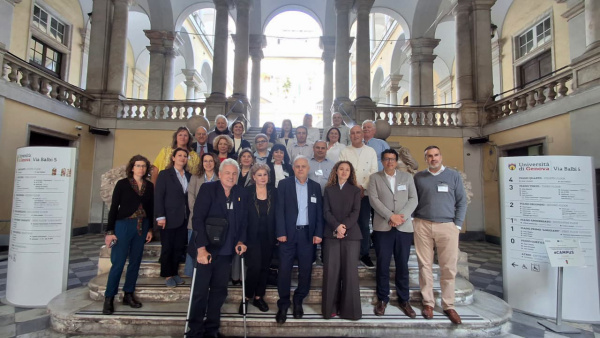
On the second day, the YSU delegation visited the Teaching and Learning Centre at the University of Genoa, where further insights into the institution's practices were presented. Representatives from this and other European partner universities demonstrated how technology can be leveraged to enhance student engagement, foster collaborative learning, and improve the effectiveness of educational assessment. Rui Mendes (University of Lisbon), Solana Domínguez (Autonomous University of Madrid), and Victor Kordas (KTH Royal Institute of Technology) outlined distinctive features of digital learning at their respective institutions.
Project coordinator Armen Budaghyan presented a detailed overview of upcoming activities, including the project timeline and progress achieved to date.
The visit contributed to a deeper exchange of European best practices in developing faculty digital competencies and laid the groundwork for a more structured and coordinated implementation of initiatives in this field going forward.