May 26, 2026 | 10:24
Society
Research
International cooperation
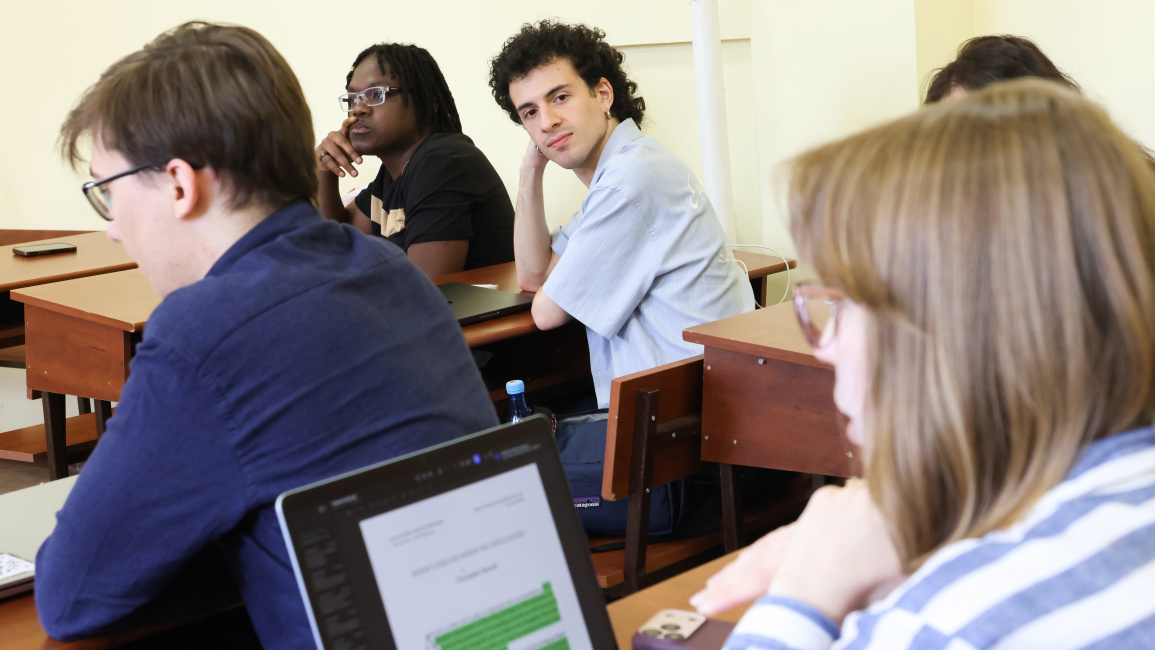
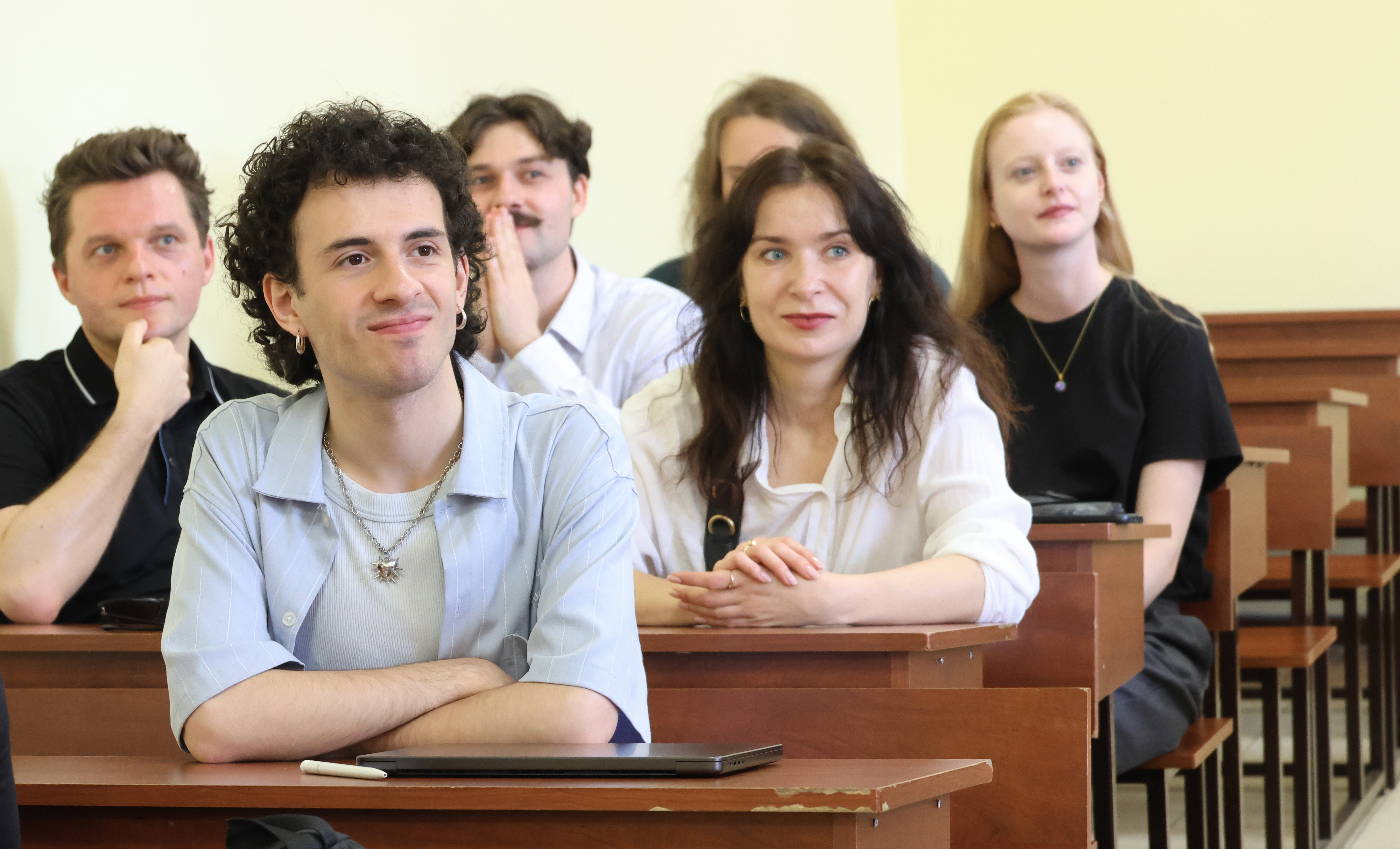
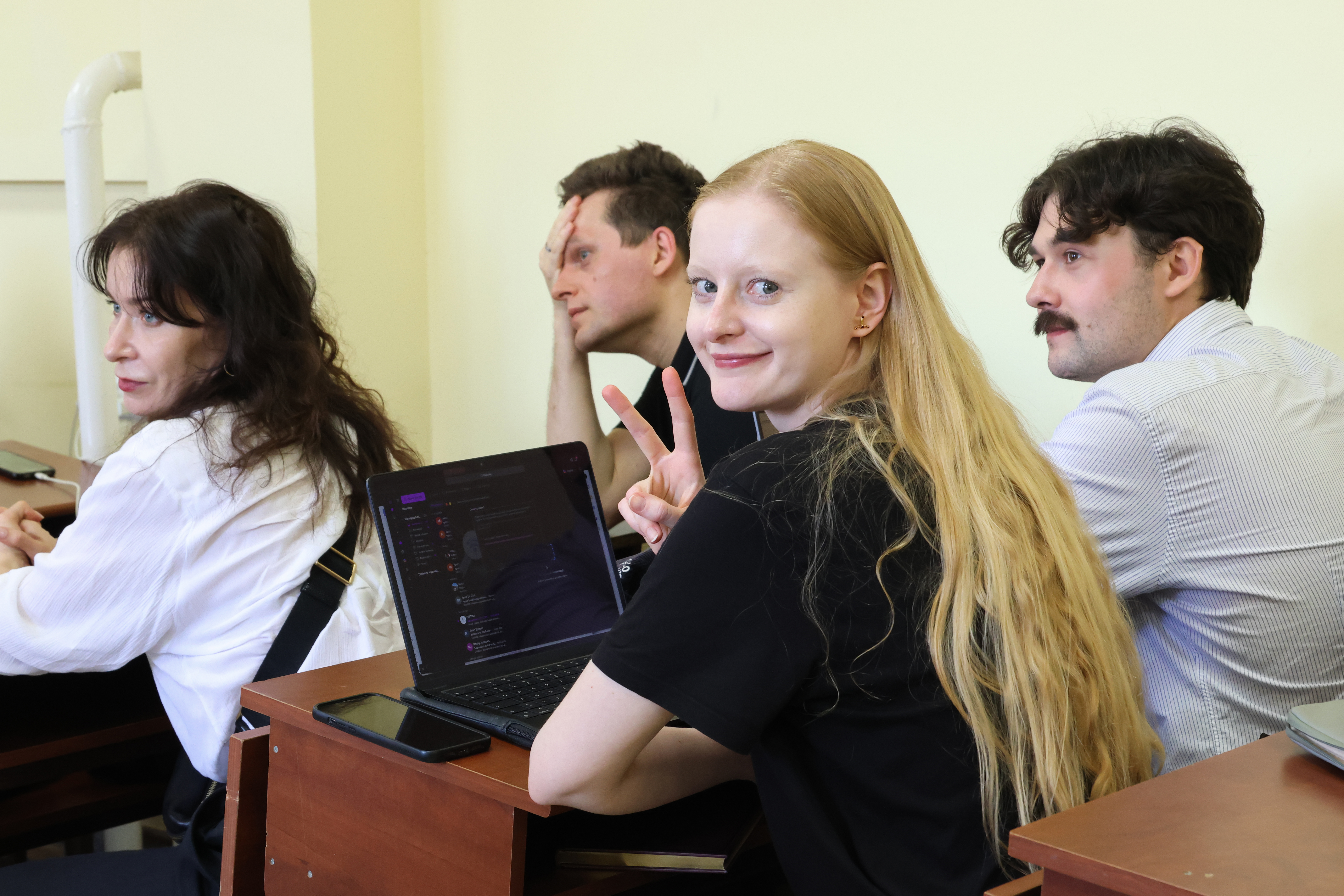
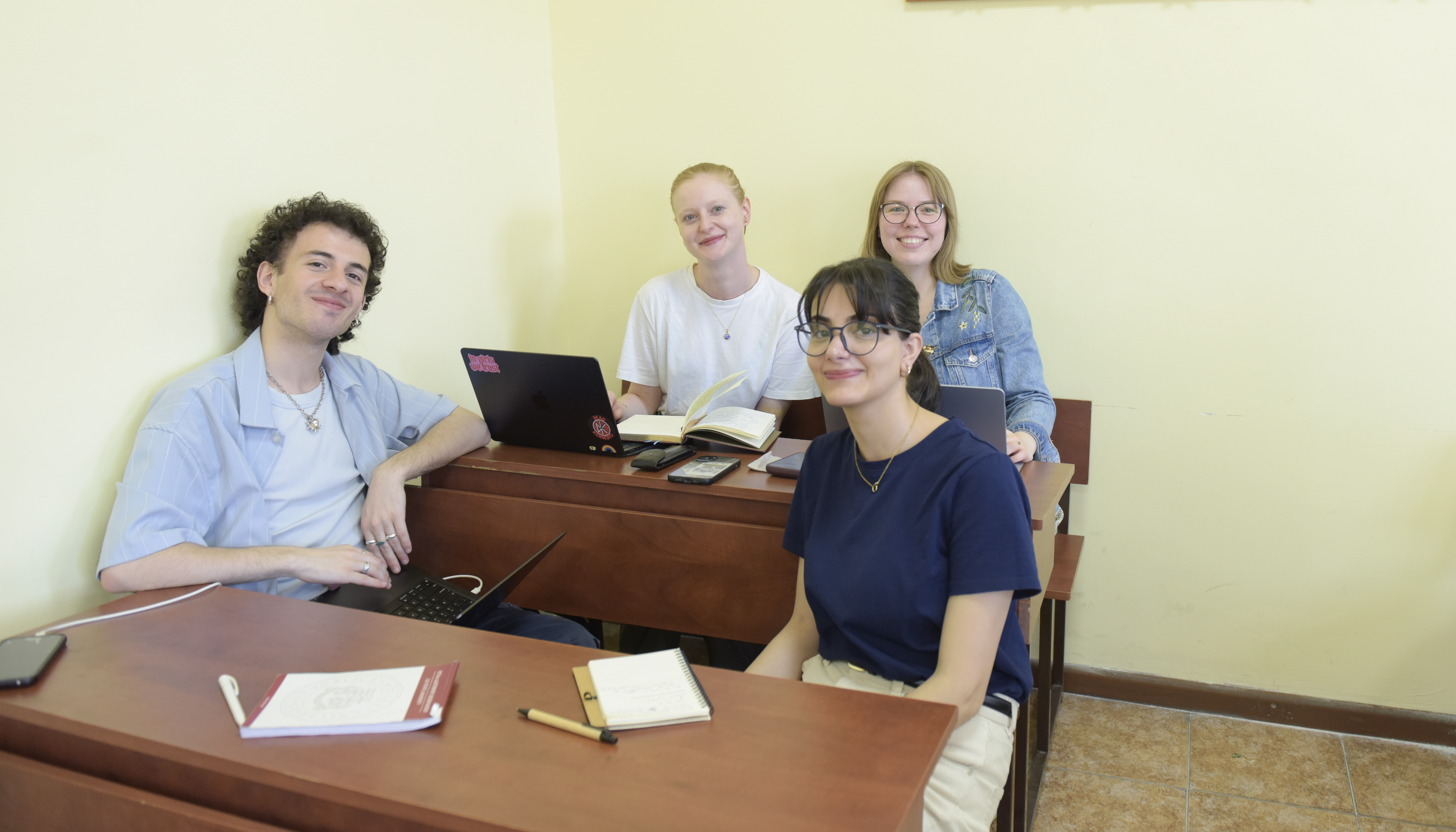
The Spring School is jointly organized by the Chair of Social Philosophy, Ethics and Aesthetics and the Laboratory of Philosophy and Theory of History at YSU, in cooperation with the Center for Ethics in Public Affairs (ETICA) at AUA.
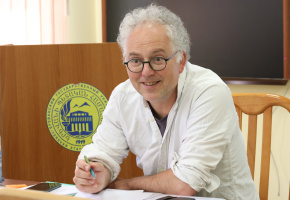
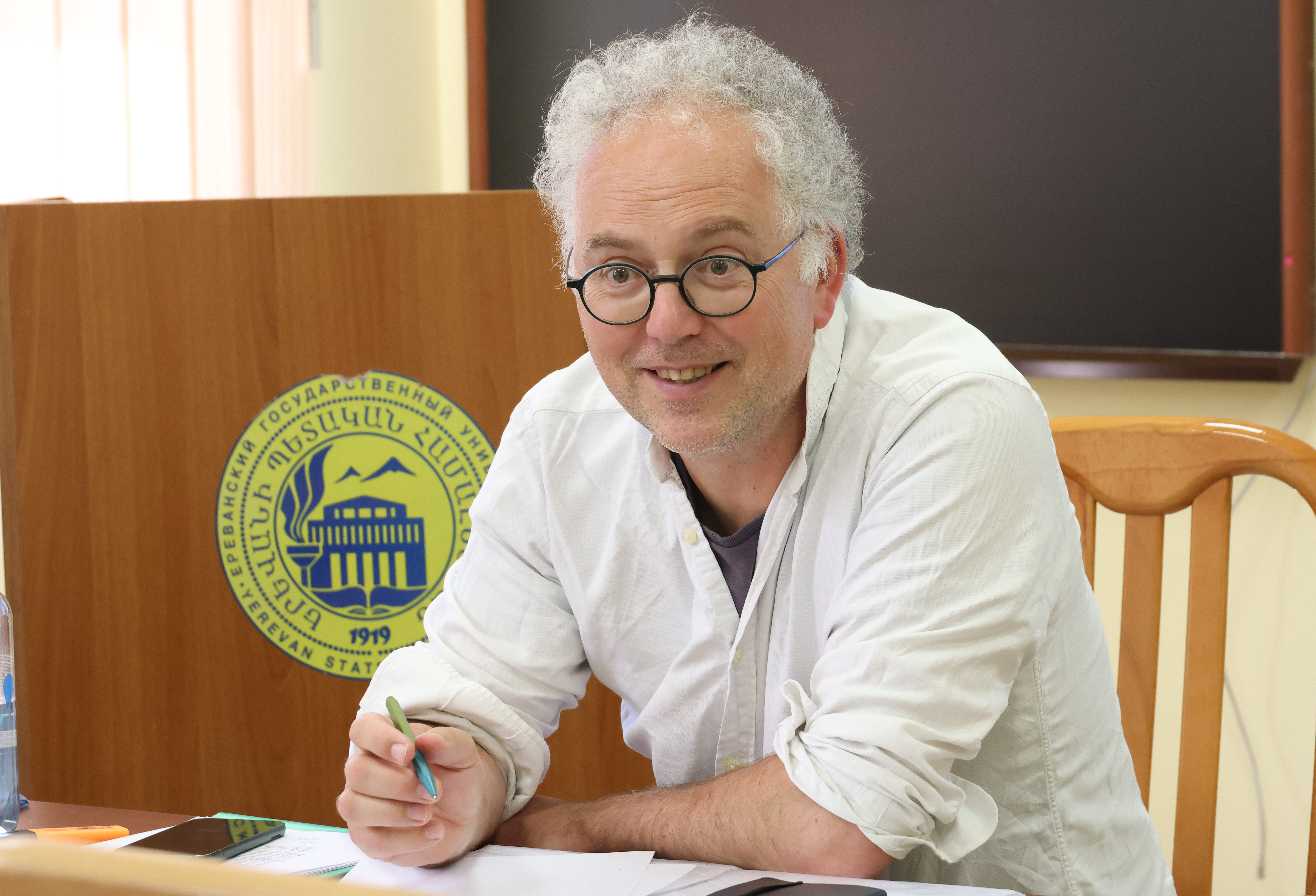
The initiative was launched by Axel Gosseries, Director of the Institute of Philosophy at UCLouvain, and Levon Babajanyan, Associate Professor at the YSU Chair of Social Philosophy, Ethics and Aesthetics. The program represents another joint undertaking within the framework of the long-standing academic cooperation between the organizers, aimed at fostering international collaboration and professional dialogue among young researchers.
Platform for academic exchange and research collaboration
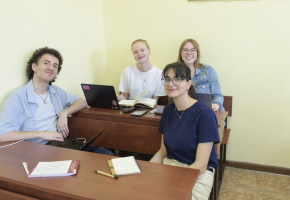
The program is designed to provide a platform for professional discussion and academic exchange for young researchers, focusing on contemporary issues surrounding past wrongs, historical responsibility, apology, reparation, reconciliation, and intergenerational justice.
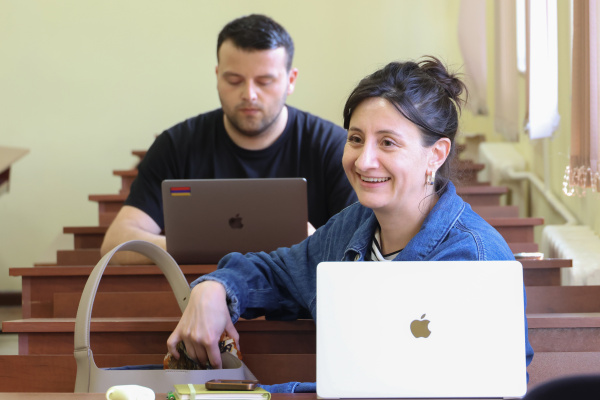
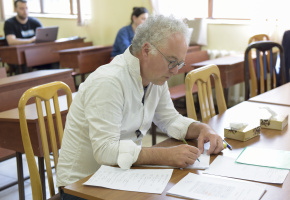
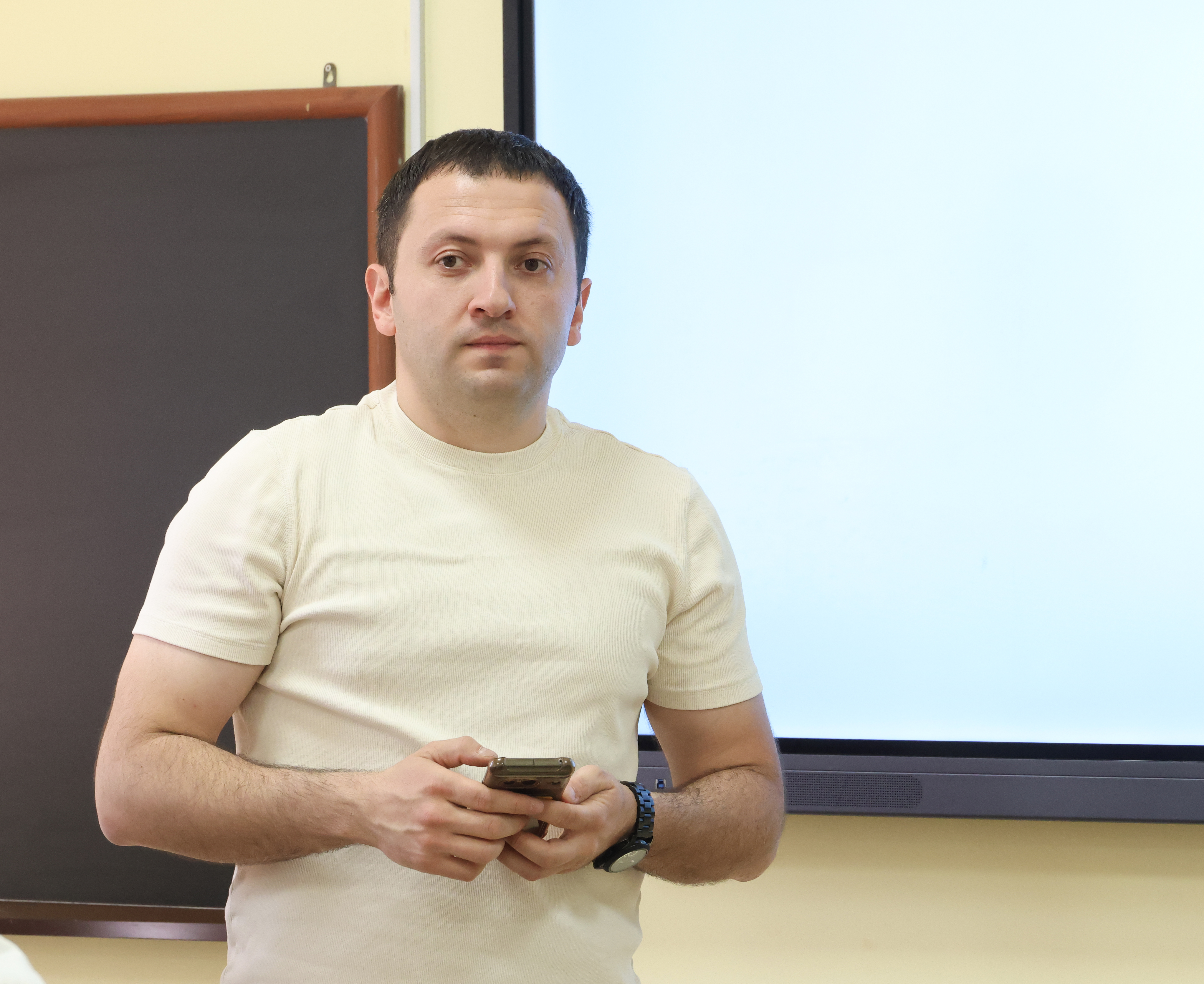
The Spring School features online and in-person lectures, seminar discussions, and individual research consultations for PhD students. Lectures are delivered by scholars from several international universities, including Christopher Bennett, Professor of Philosophy at the University of Sheffield; Valérie Rosoux, Professor at UCLouvain; postdoctoral researcher Abraham Tobin; and Linda Radzik, Professor of Philosophy at Texas A&M University. Maria Baghramian, Professor of Philosophy at University College Dublin, is also delivering an in-person lecture as part of the program.
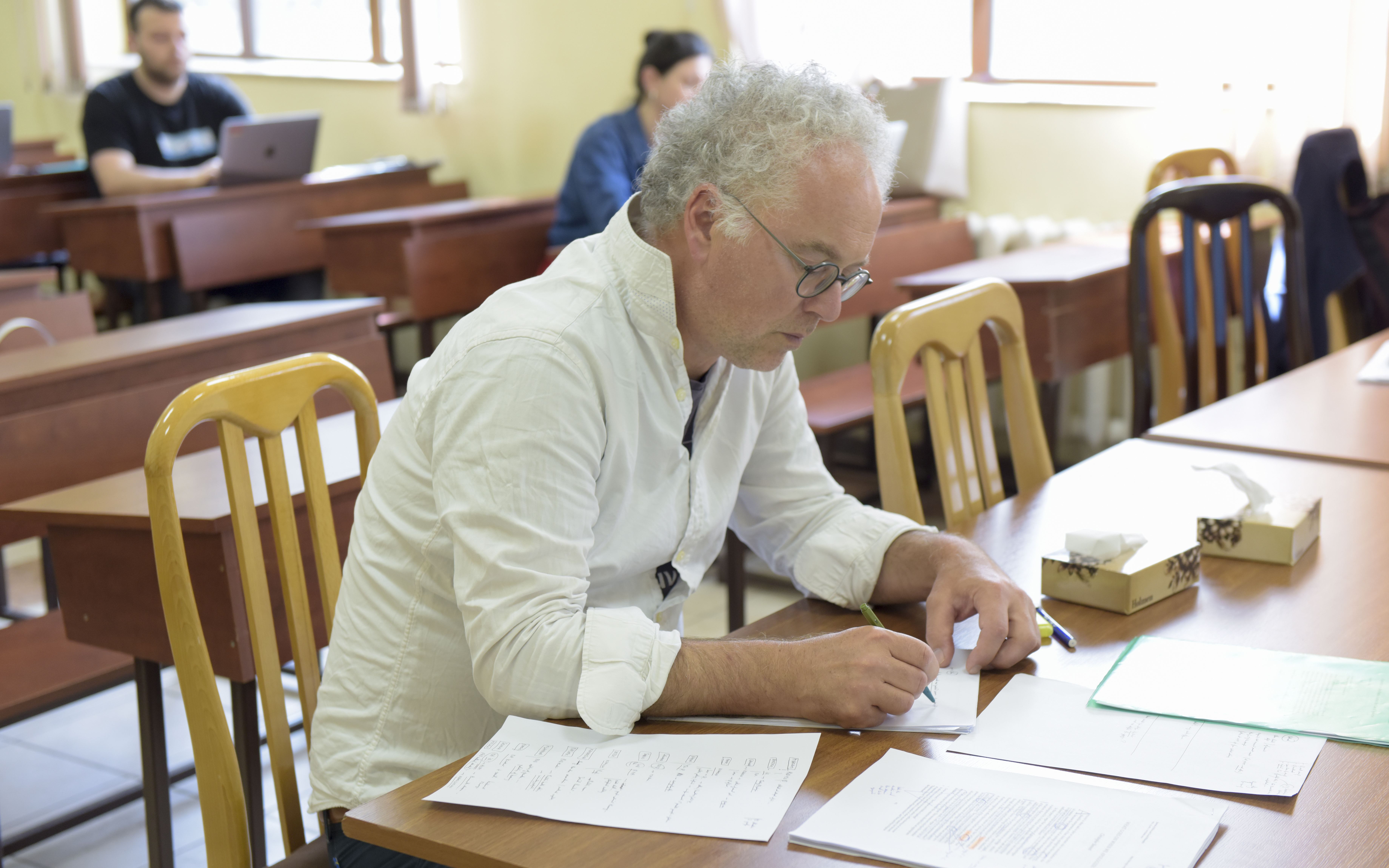
A key component of the Spring School is a series of individual consultations, during which participants can discuss chapters of their ongoing projects, methodological questions, and broader scholarly ideas. The consultations are led by Axel Gosseries, Levon Babajanyan, and researchers affiliated with ETICA at AUA, including Arshak Balayan, Xintong Wei, Fausto Corvino, Kinley Gillette, Rory Aird, and Davit Akelyan.
According to Levon Babajanyan, the event provides young researchers with a valuable opportunity to discuss pressing philosophical and moral-political issues in an international academic setting, establish new collaborations, and present their research projects.
From spring school idea to academic discussions: interview with Axel Gosseries
– Professor Gosseries, what inspired the launch of the Spring School "Apologies for the Past"?
– For quite some time now, thanks to the Erasmus+ staff mobility program, we have been engaged in exchanges of teaching experience between UCLouvain and Yerevan State University. Each time, we try to adapt the course to the specific audience for whom it is intended. This time, we wanted to organize something interdisciplinary with a stronger research focus. In addition, we thought it would be a great idea to bring Armenian students together with students arriving from other countries.
We also wanted to choose a topic that would be relevant and timely for Armenian society. Therefore, the idea of the PhD Spring School emerged as the most suitable format. In the past, I also co-organized two summer schools for PhD students in Georgia, both of which were very successful.
– Why are the issues of past injustices, reconciliation, and historical responsibility relevant today?
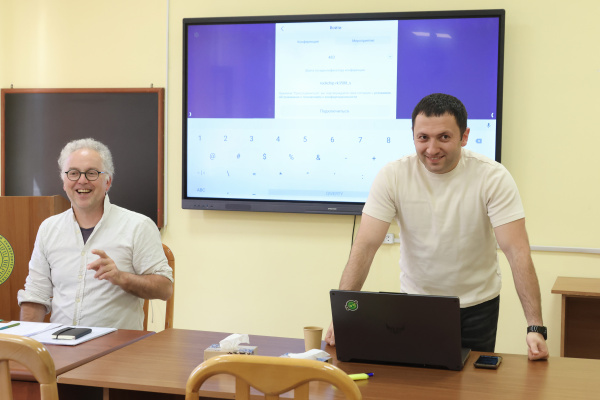
– I believe that apologizing for the past remains an important issue in many countries. At the same time, I think there is much to learn from Armenian students on this topic, as it is an issue you have lived with for a long time. Some people are particularly sensitive about the question of apologies, while others are puzzled by the philosophical complexities it involves. We just wanted to contribute to this broader discussion, particularly from a philosophical perspective.
– What makes this Spring School stand out from similar international academic programs?
– One of the advantages of this format is that it is relatively light from an organizational perspective. It is an Erasmus+ grant intended for one lecturer with a certain number of teaching days. In addition, we have received tremendous support from Levon Babajanyan and YSU. We have also joined forces with the Center for Ethics in Public Affairs at the American University of Armenia. As a result, this format does not require organizers to submit a large-scale funding application. We can focus entirely on the content itself, selecting the most relevant articles for discussion and so on.
– You mentioned that the course is intended for PhD students, young researchers, and professionals interested in the field. What approach has been adopted in working with PhD students?
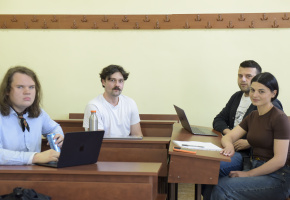
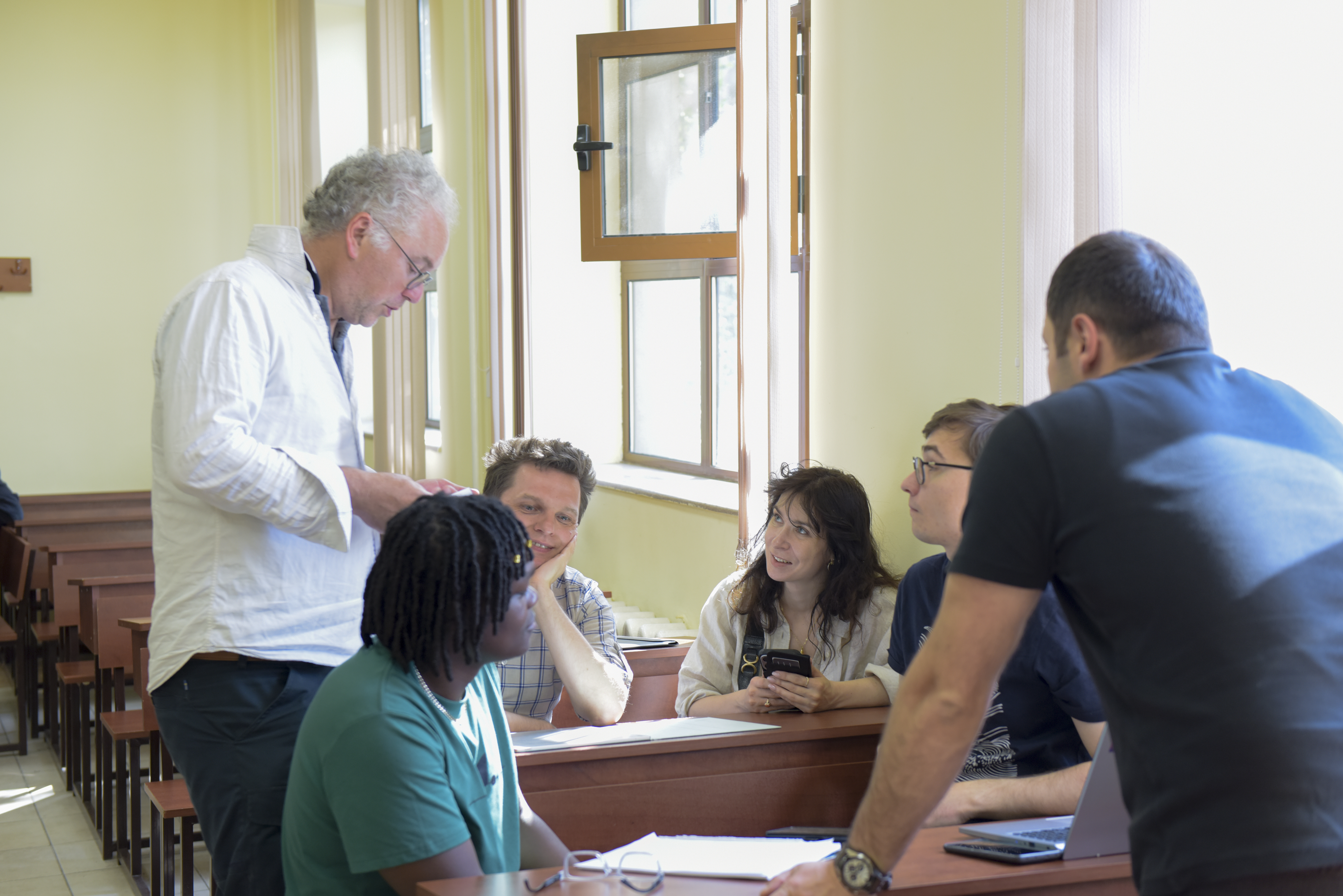
– We decided to structure each of the first four sessions around a contemporary philosophical article. In three cases, the author presents the article online, after which participants discuss specific questions related to the text in small groups. We make sure that each group includes participants of different nationalities. In this way, discussions incorporate a range of cultural perspectives and contexts.
– What impact has the involvement of international lecturers had on the quality of the program?
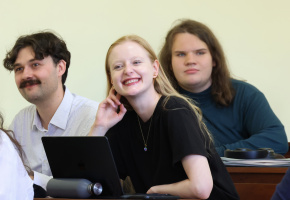
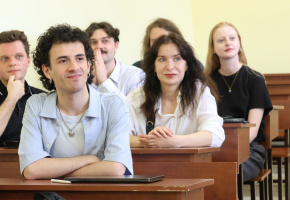
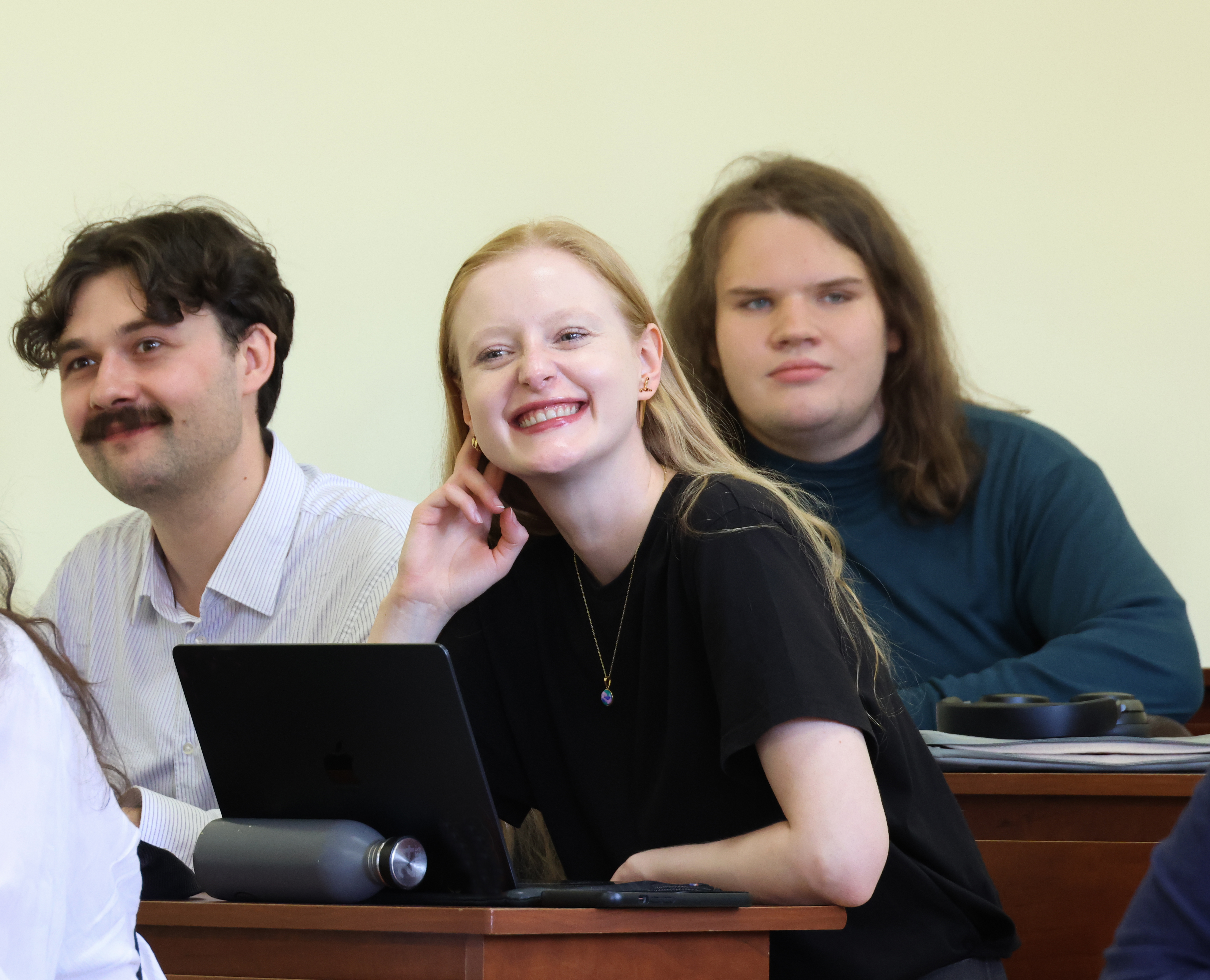
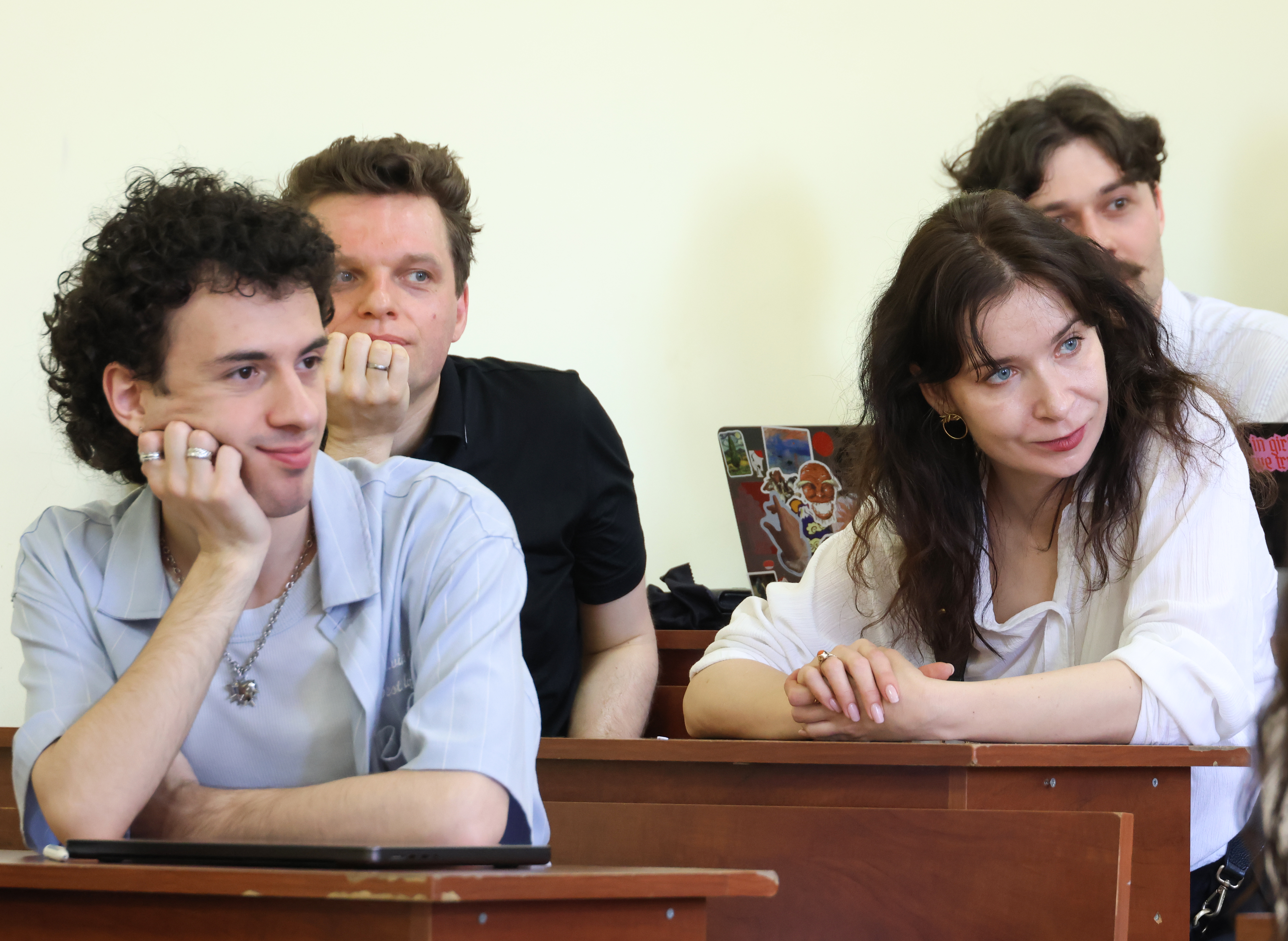
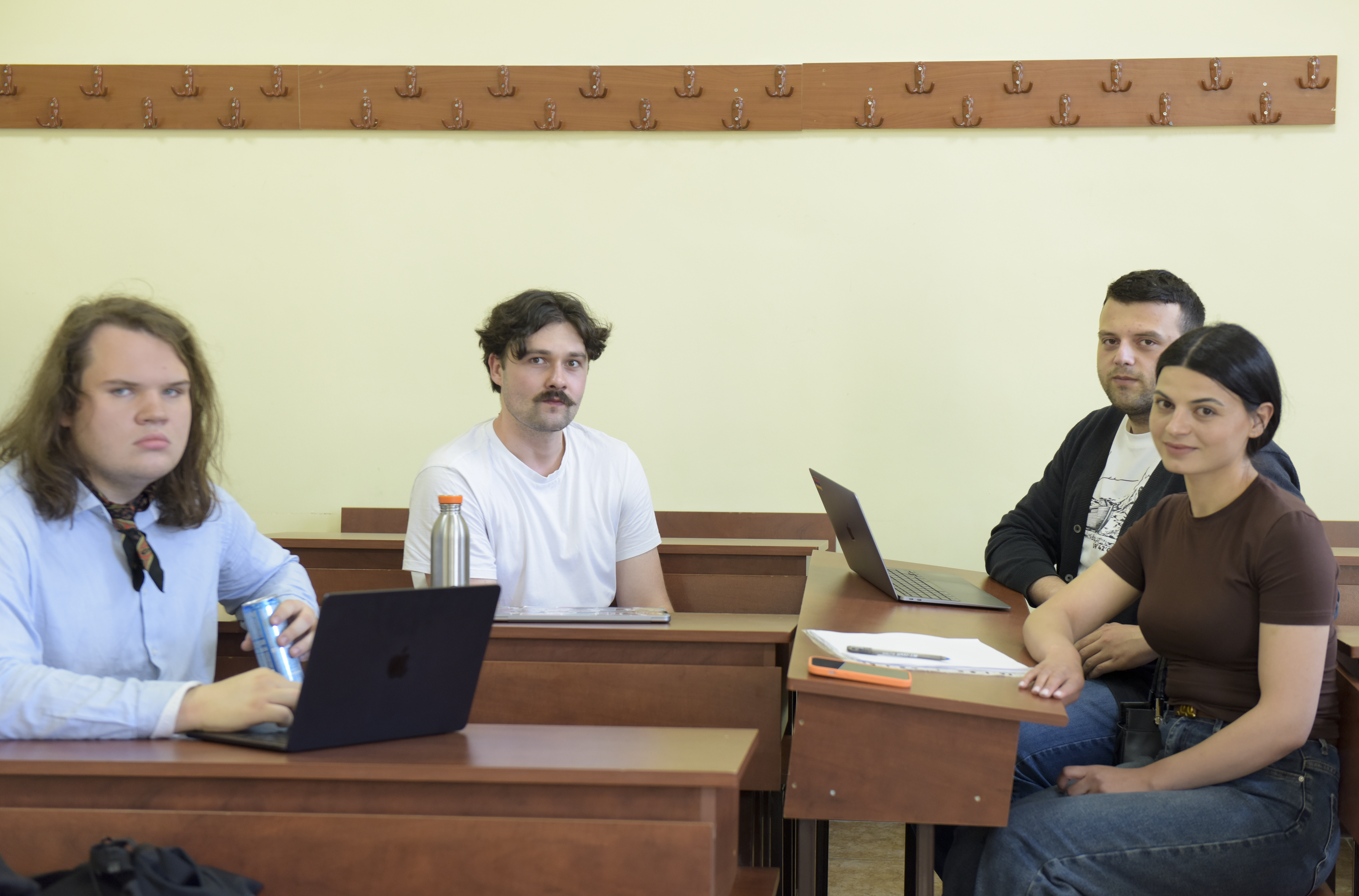
– I think it is wonderful. We have students representing four nationalities and three academic disciplines. This makes everyone avoid overly specialized terminology and speak directly, clearly, and to the point. During the first two sessions alone, the discussions were genuinely engaging. You could feel that everyone was actively involved.
– What opportunities does the program offer PhD students?
– If they wish, they may receive academic credits for their portfolios. Beyond that, I believe they are here because they are genuinely interested in the topic. Some of them are working on these issues right within the framework of their dissertations. For participants arriving from abroad, I also believe this is a unique opportunity to discover Armenian culture.

– Which topics or perspectives appear to interest young researchers the most?
– The puzzles raised by the issue of apologizing for the past bring us back to fundamental issues. For example, what purpose do apologies serve? In other words, what is lost when we do not apologize? Or how should we approach past wrongs from the perspective of corrective and distributive justice? These are not merely abstract words. Once these questions are made more concrete, people are confronted with their actual positions, and our shared effort is aimed at better understanding which considerations work well from a philosophical standpoint and which do not.
I would first like to say how pleased I was to see the enthusiasm and creativity with which students discuss these issues. Secondly, our discussions made it clear how much philosophers can learn from specialists in international relations or history who possess real expertise in the positions different actors have taken on these issues throughout history. Hopefully, the exchange works in the opposite direction as well.
Of course, it is still somewhat early to draw conclusions, as we have held only two sessions so far. We are eagerly looking forward to the next three sessions.
Further details about the program are available in the attached document.