July 10, 2026 | 15:15
Conferences
International cooperation
Student
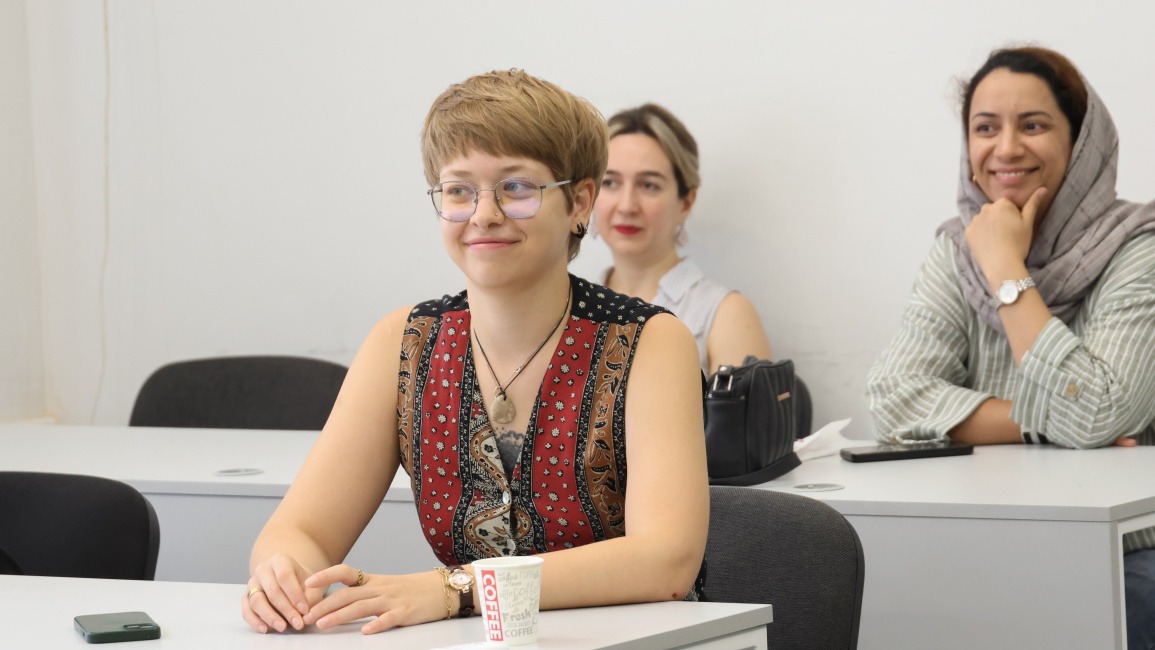
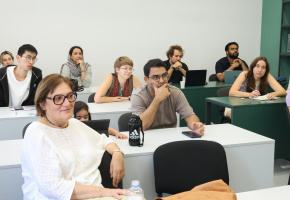
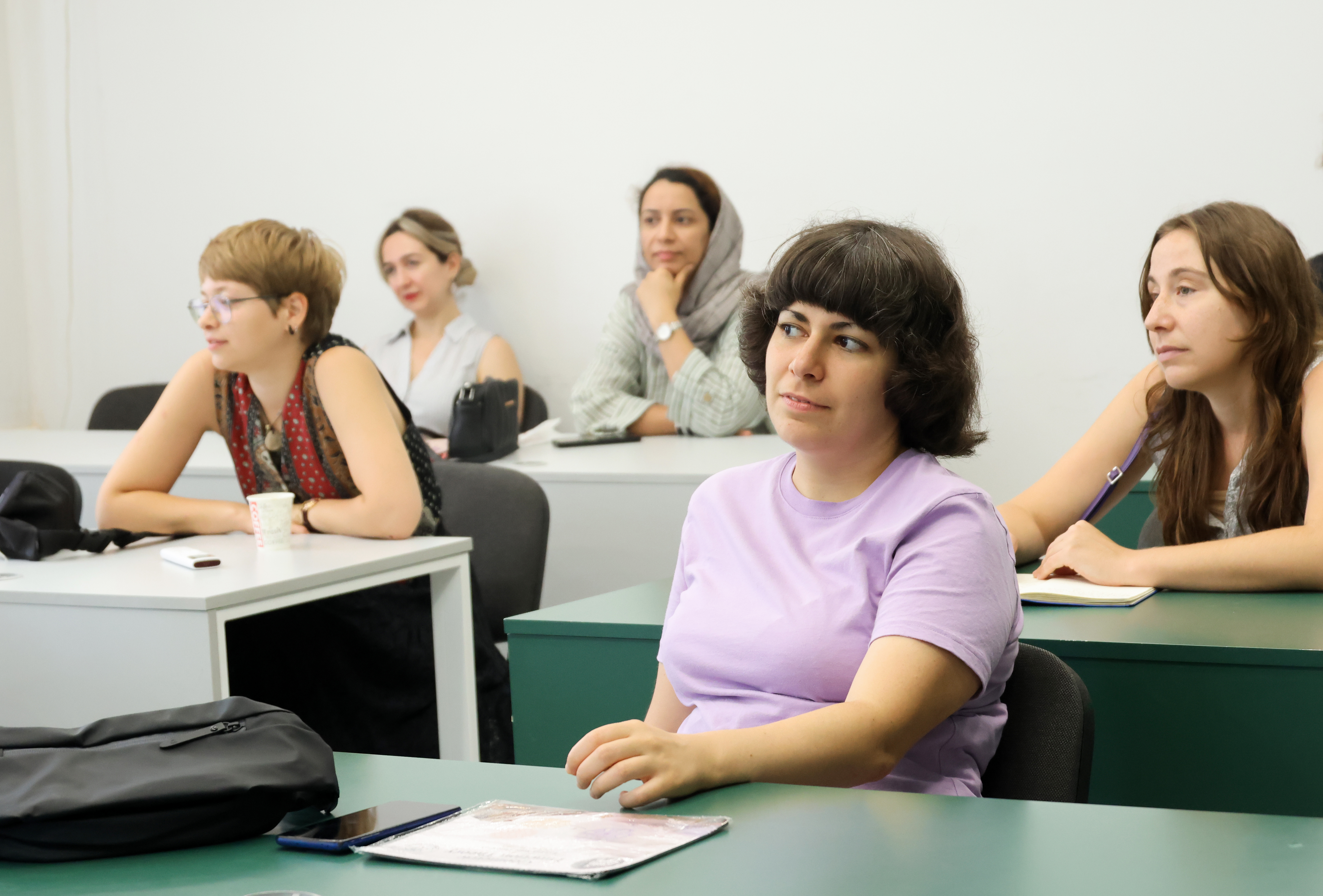
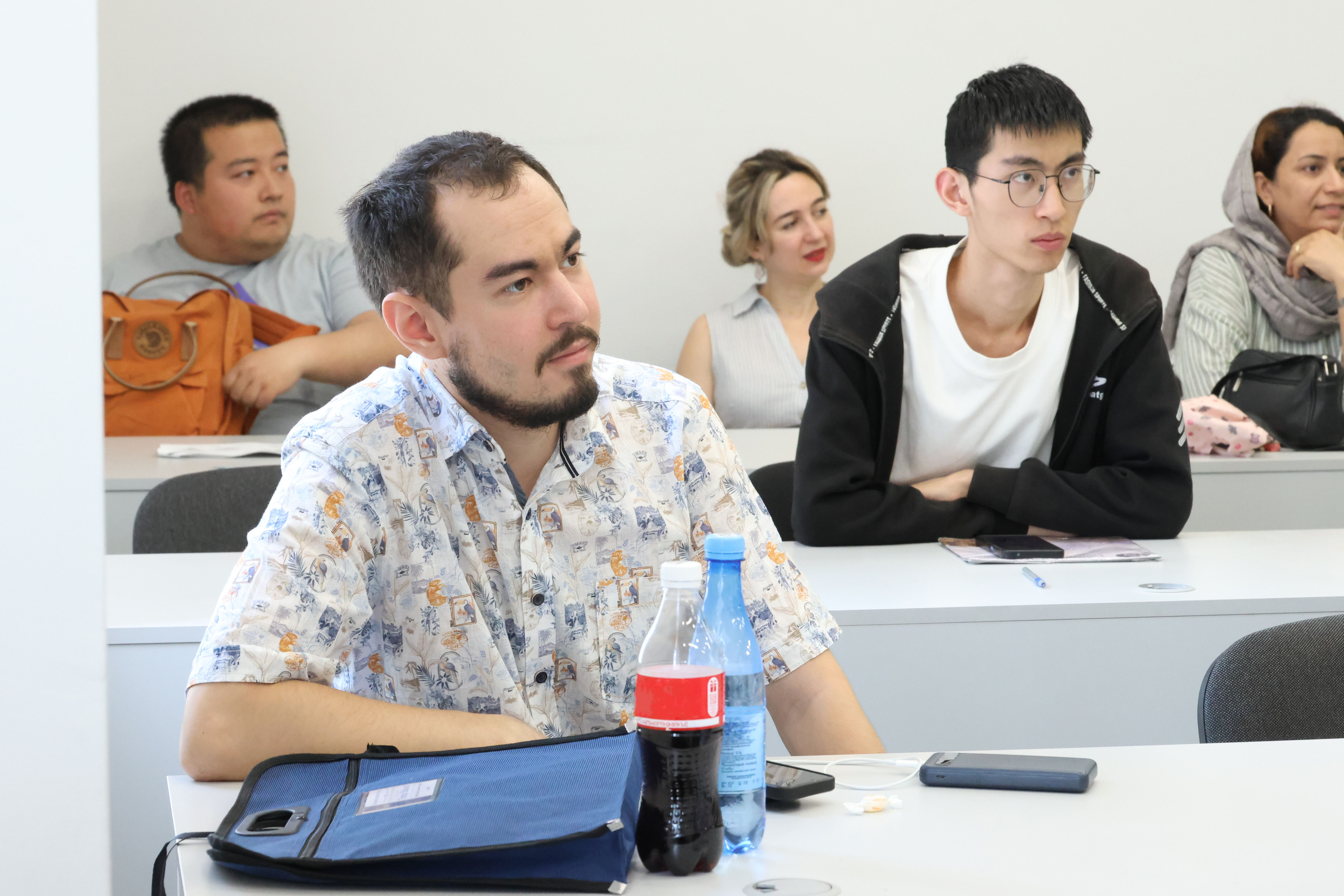
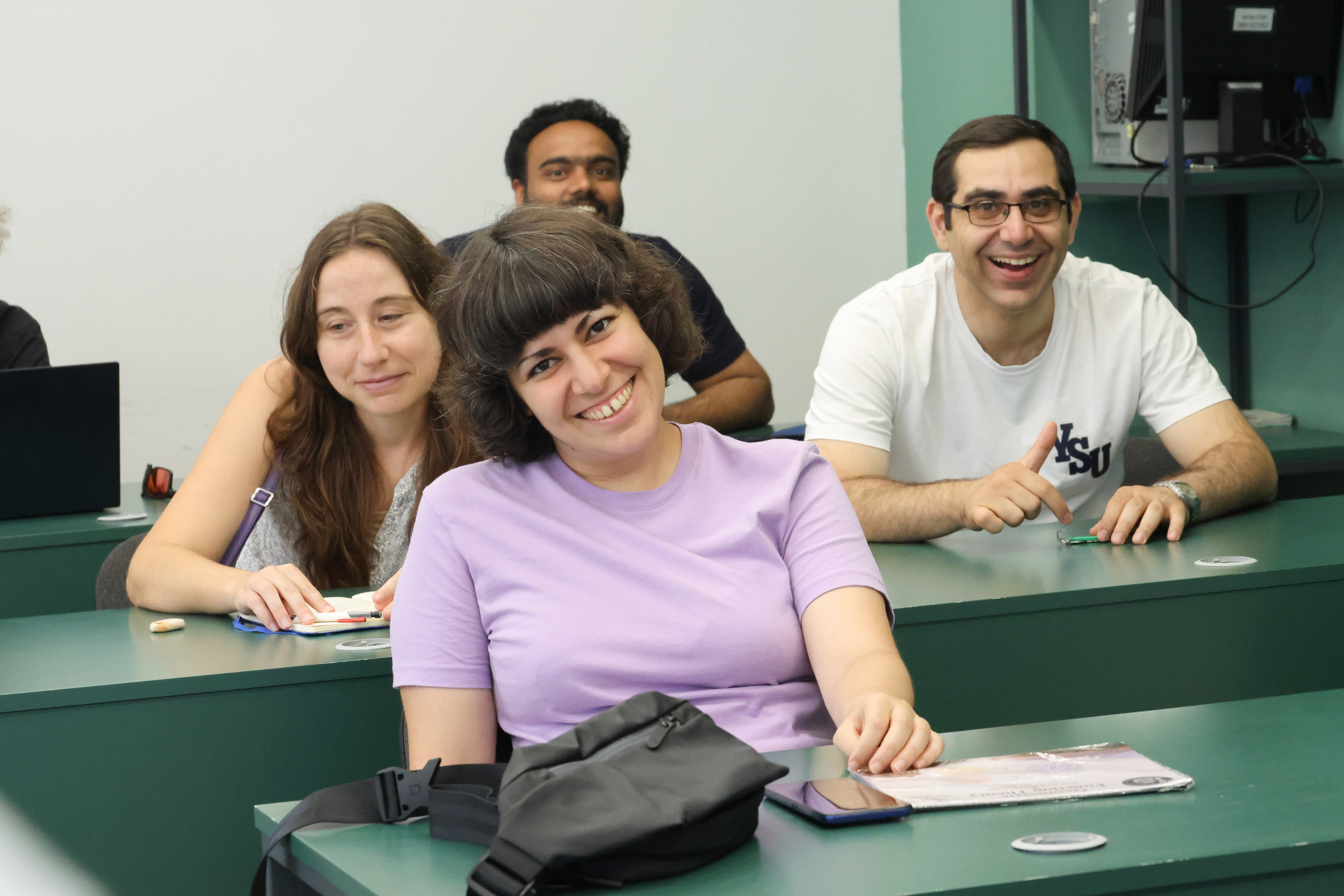
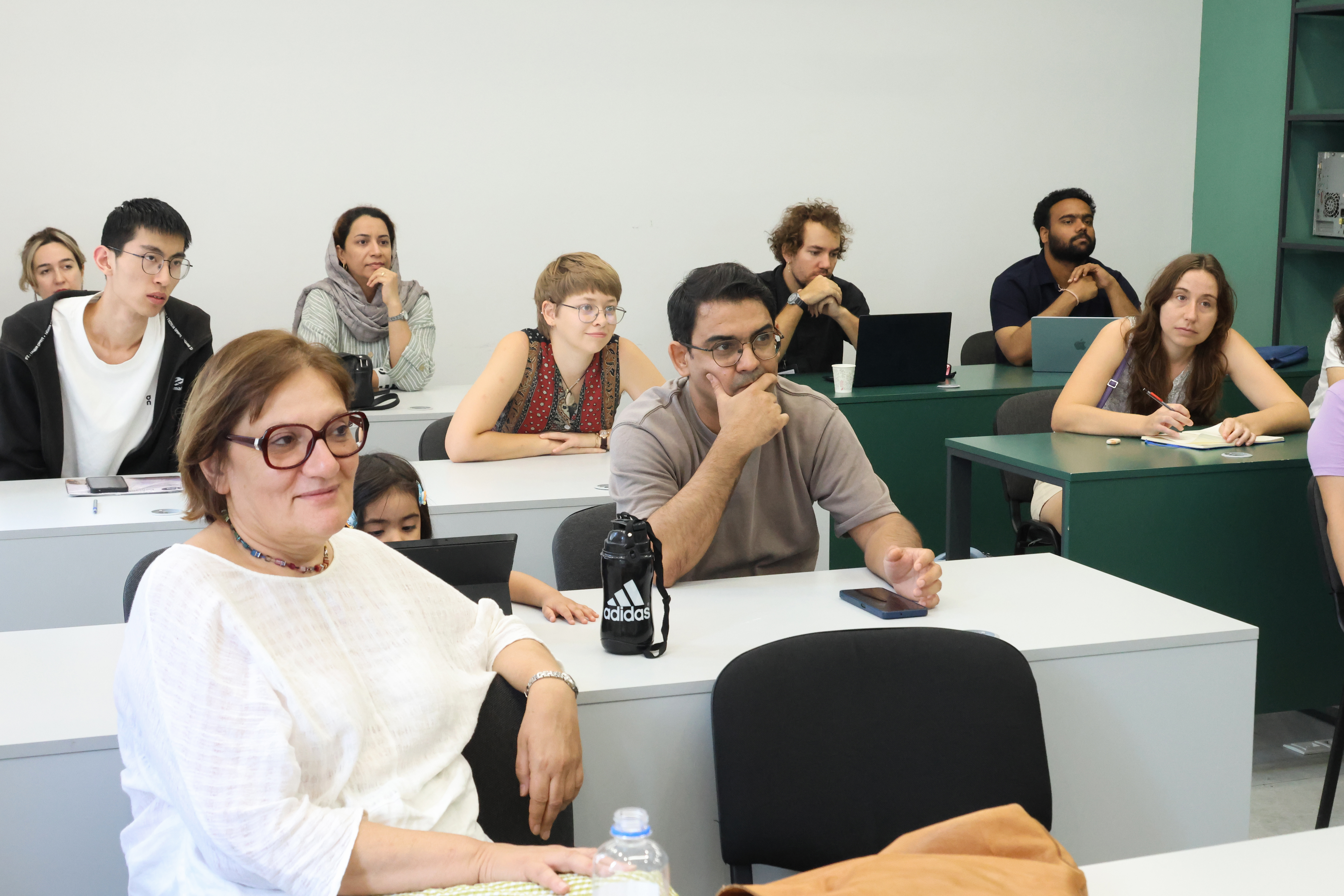
During the conference, participants were introduced to the latest research findings in a fundamental branch of complex analysis, geometric function theory.
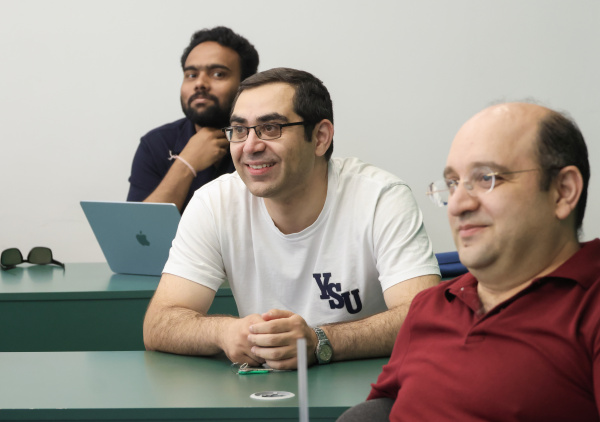
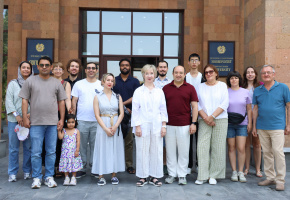
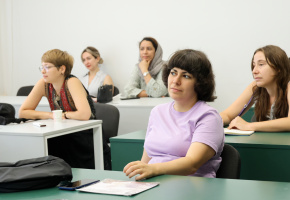
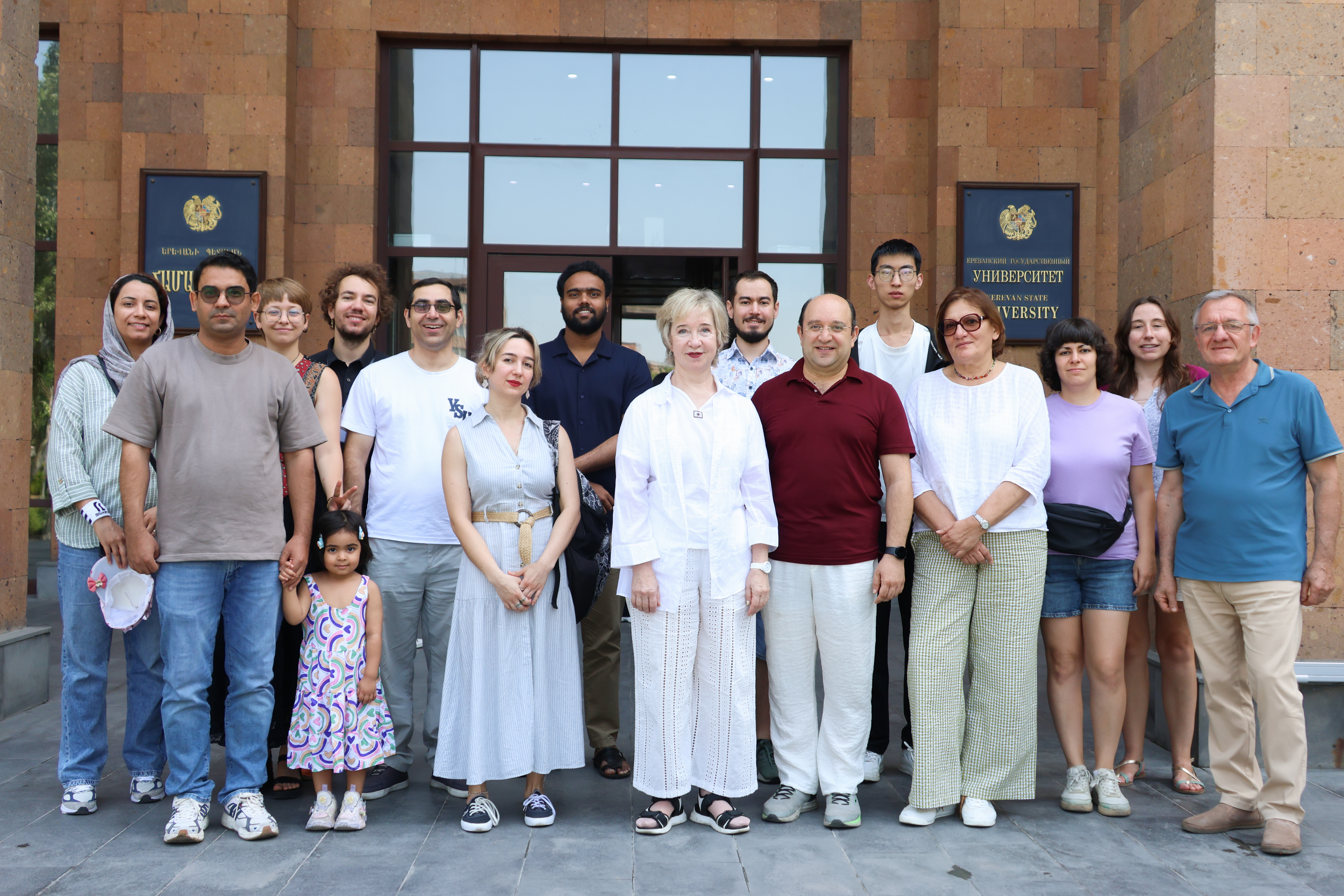
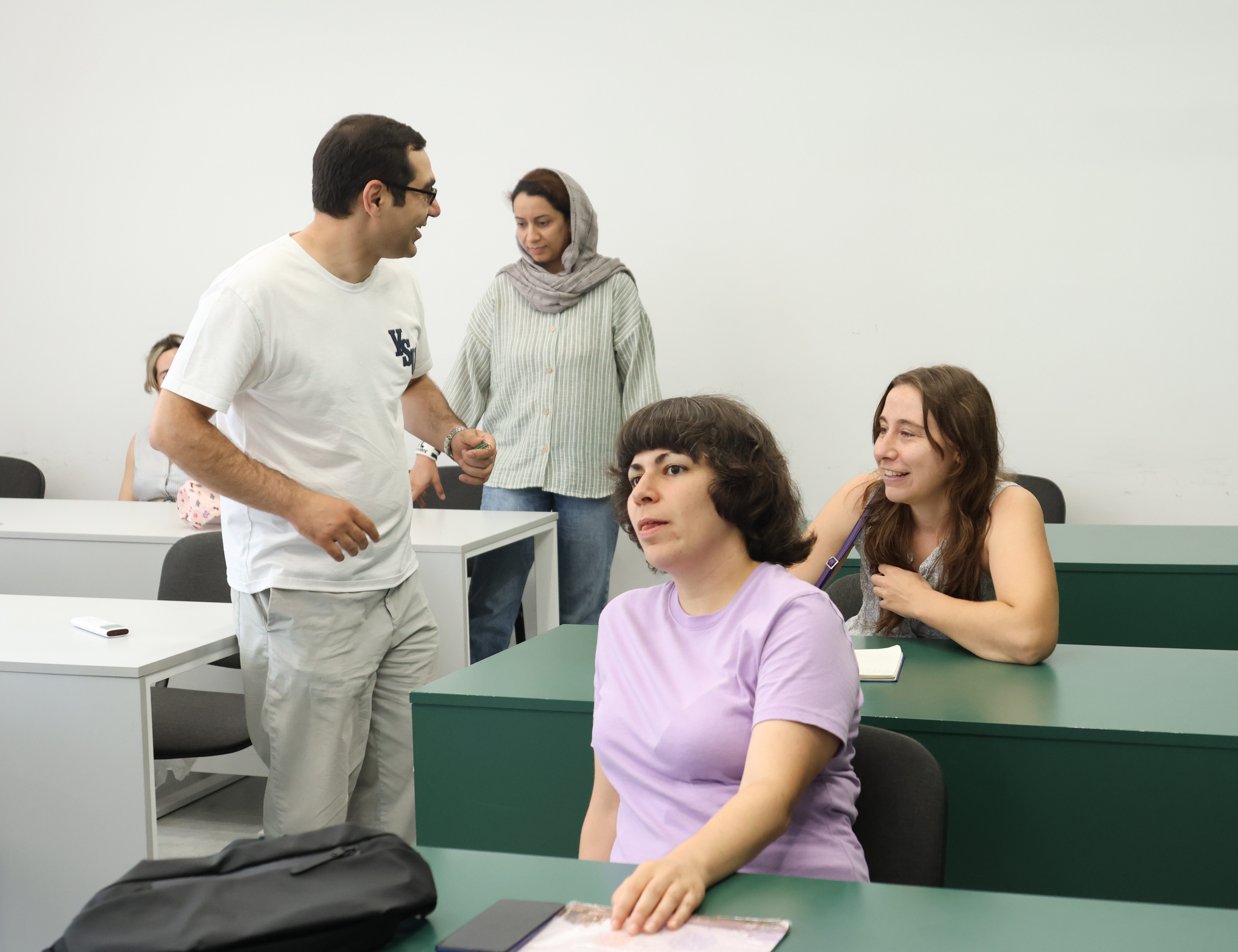
Armen Vagharshakyan, Assistant Professor at the Chair of Function Theory and Differential Equations of the YSU Faculty of Mathematics and Mechanics and a member of the conference organising team, said that 12 students had participated in the conference, including two from YSU.
"The professors worked individually with each student. Unlike other conferences, where students present their first steps in research, here they studied and presented the latest publications by leading scholars in the field," he said.
The participants came from leading universities and research centers in Finland, France, the United States, China and Russia, including the Universities of Jyvaskyla, Aix-Marseille and Hawaii, China University of Geosciences, the Steklov Mathematical Institute and the Israel Institute of Technology.
Emphasizing that the choice of topic was not accidental, Vagharshakyan said: "Thanks to the scientific school established by Sergey Mergelyan and Artashes Shahinyan, Armenia has a strong historical foundation in geometric function theory. We need to preserve and develop this tradition."
According to him, although there are many fields of research worldwide today, becoming a global leader in certain specialized areas is of strategic importance for small countries.
Vagharshakyan also noted that although geometric function theory is regarded as a theoretical discipline, it has important applications.
"For example, designing the optimal shape of aircraft or drone wings makes it possible to reduce fuel consumption and improve manoeuvrability. This is based on findings from complex analysis and geometric function theory," he said.
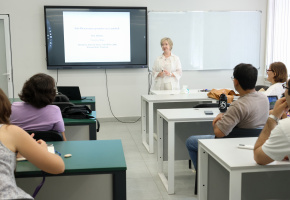
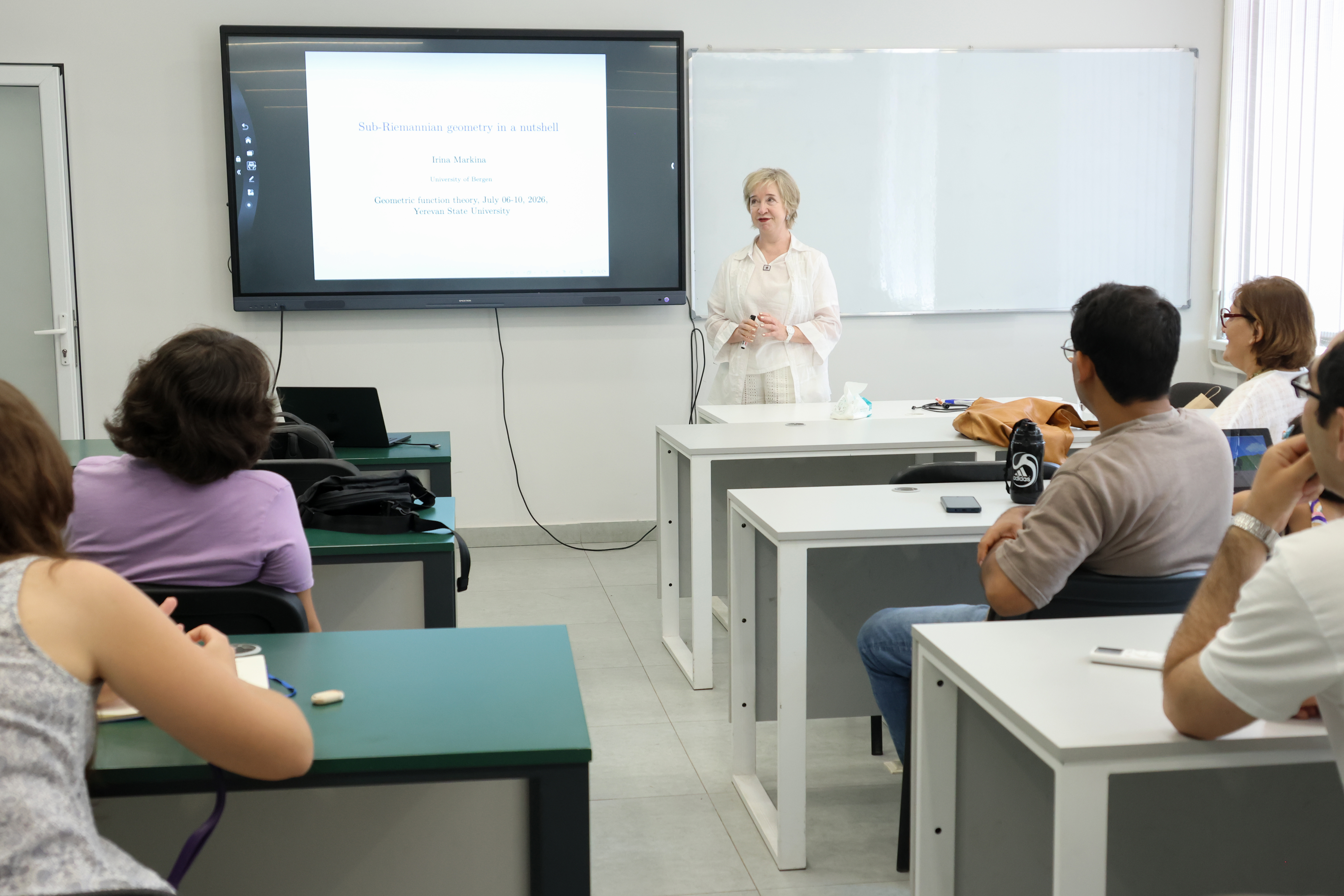
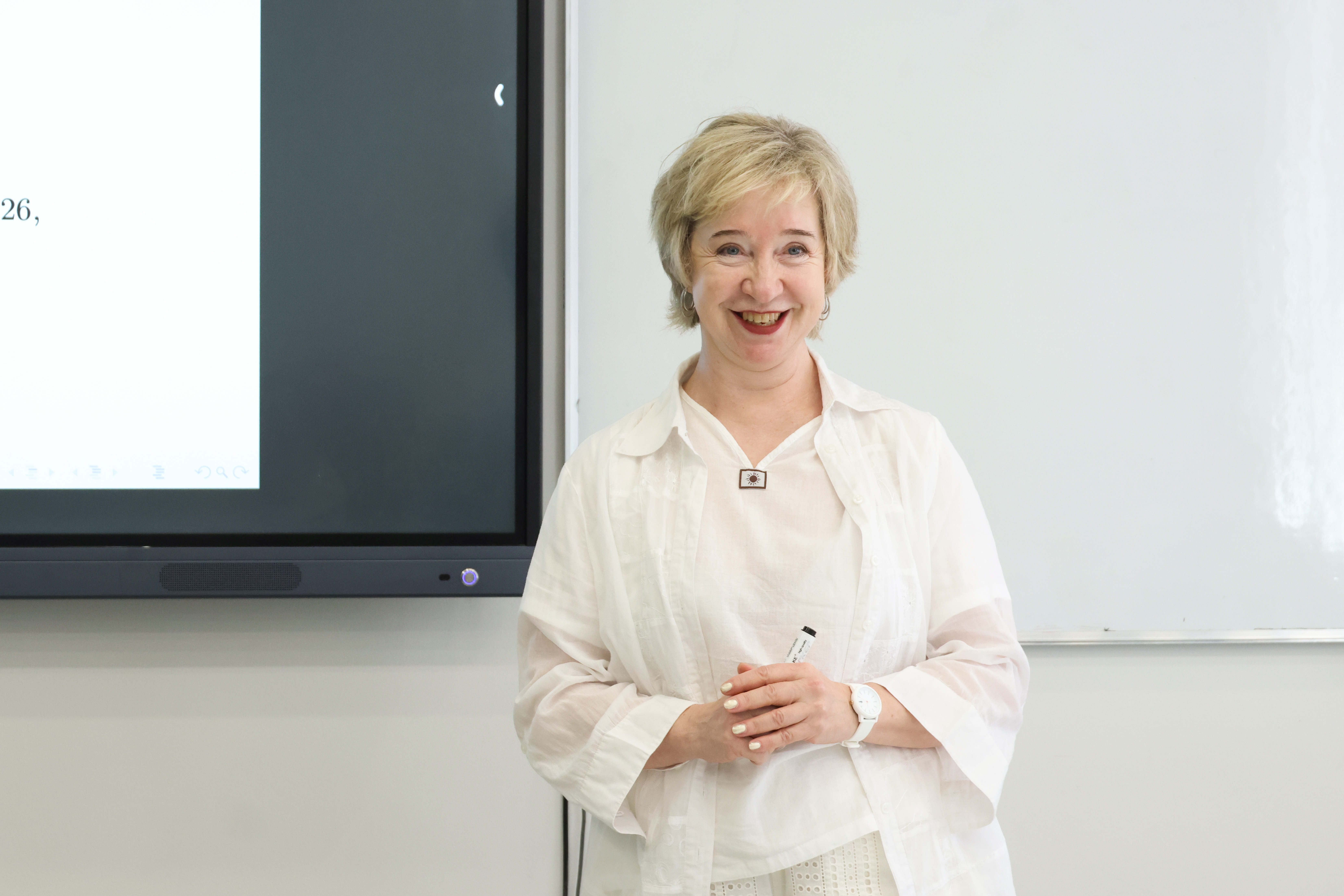
Among those invited to deliver lectures during the conference were Professor Hrant Hakobyan of the University of Kansas, a graduate of the YSU Faculty of Mathematics and Mechanics and a co-organiser of the conference; Professor Melkana Brakalova-Trevithick of Fordham University; Professor Irina Markina of the University of Bergen; and several other professors, who delivered their lectures online.
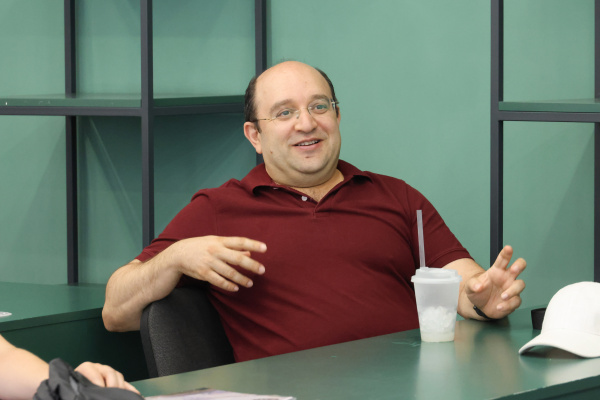
Addressing the importance of the topic "Geometric Function Theory," Hakobyan emphasized that renowned Armenian mathematicians and representatives of the Armenian mathematical school, Artashes Shahinyan, Sergey Mergelyan, and Norair Arakelyan, had made significant contributions to the development of geometric function theory.
"Given that this is the field in which I work, I would like young researchers in Armenia to study it in greater depth. In recent years, geometric function theory has also been applied in mathematical physics, probability theory and dynamical systems," the professor said. He added that the conference format was new for the students: "We present the latest scientific findings — the best research from the past 20 years."
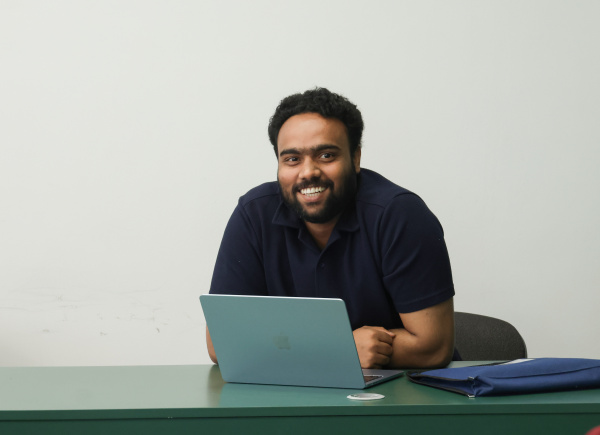
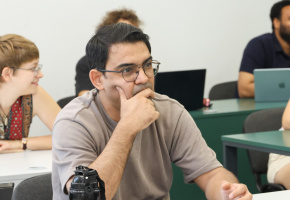
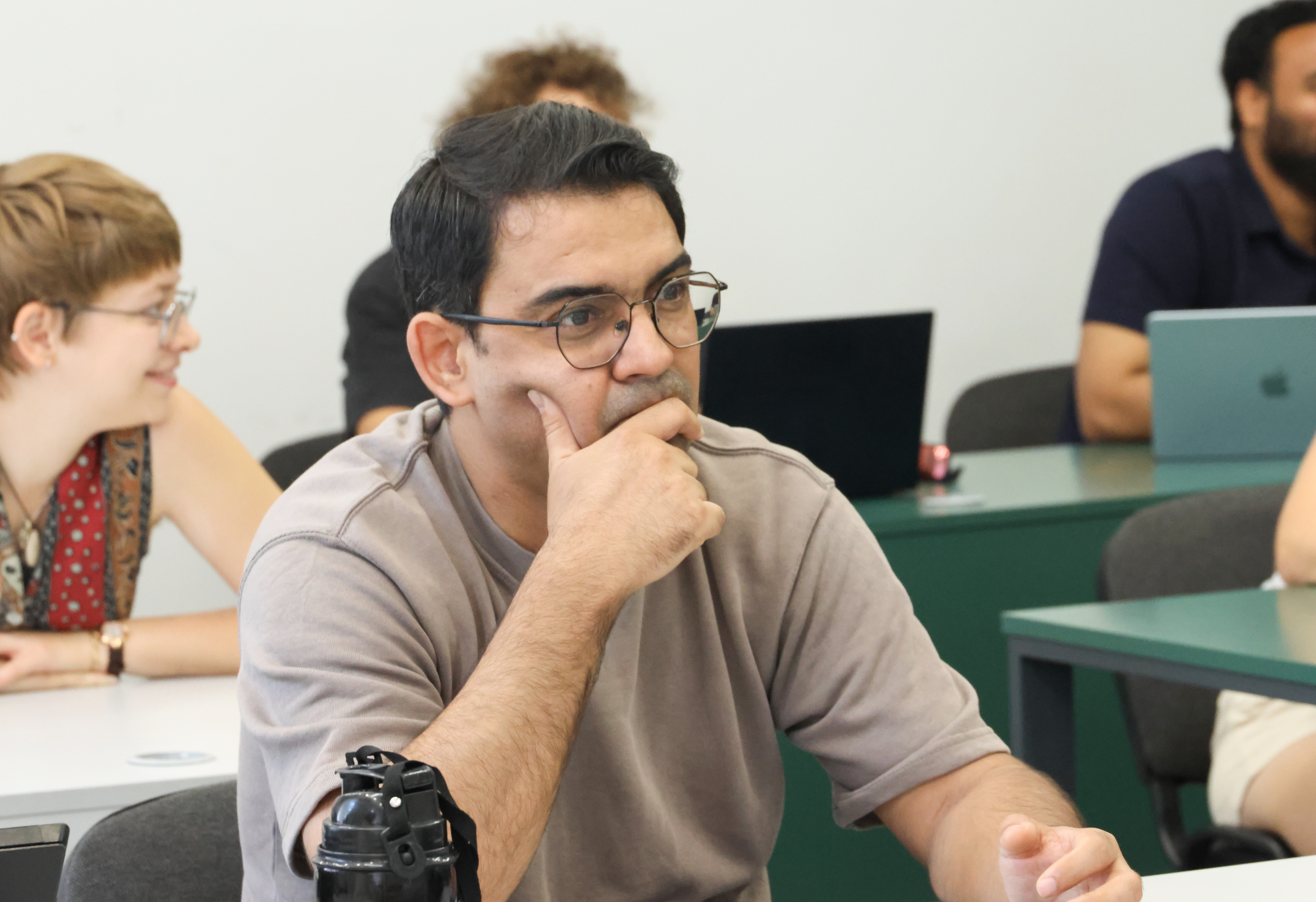
Abhishek Pandey, a postdoctoral researcher at the University of Jyvaskyla in Finland, noted that the conference had created an environment in which students could communicate freely and discuss problems with both one another and the academic staff.
"This format was extremely valuable for early-career researchers. I have been conducting research in complex analysis since my PhD studies. At this conference, I gave a presentation on specific problems, particularly the Koebe conjecture. It was very useful for me to present the topics I am currently working on," he said.
Foreign universities also showed interest in the conference, with several covering their students' participation expenses from their own funds.
The conference was funded by Yerevan State University and the Higher Education and Science Committee of the Armenian Ministry of Education, Science, Culture and Sports.