July 29, 2026 | 11:03
Education
International cooperation
Student
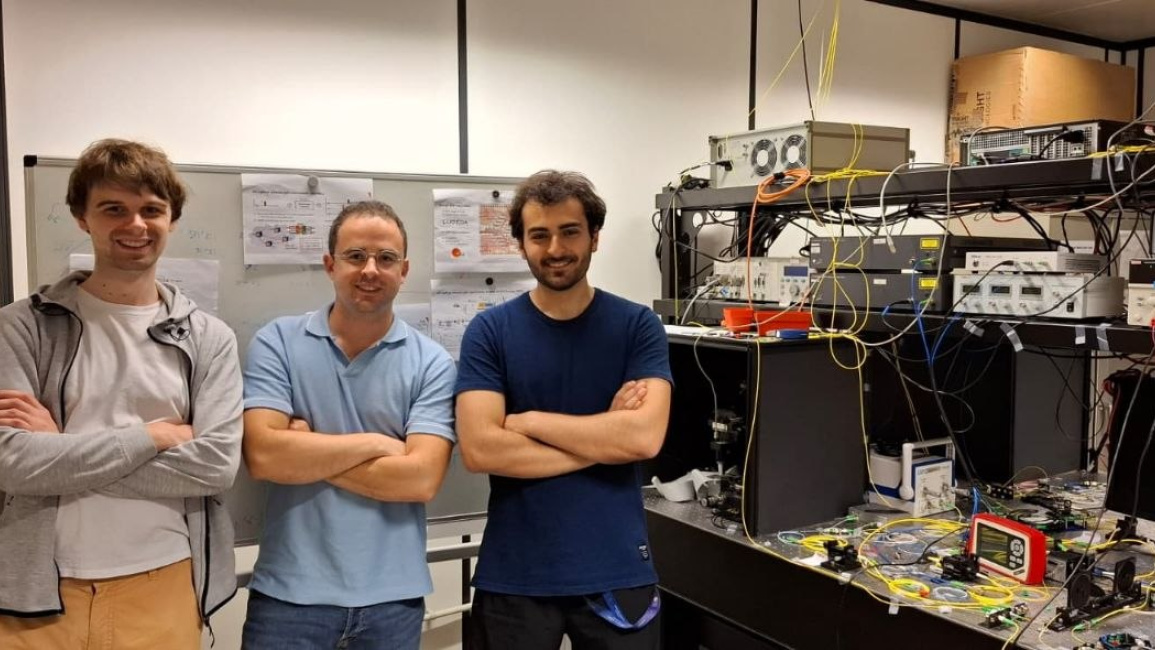
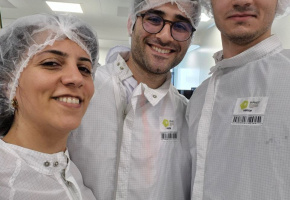
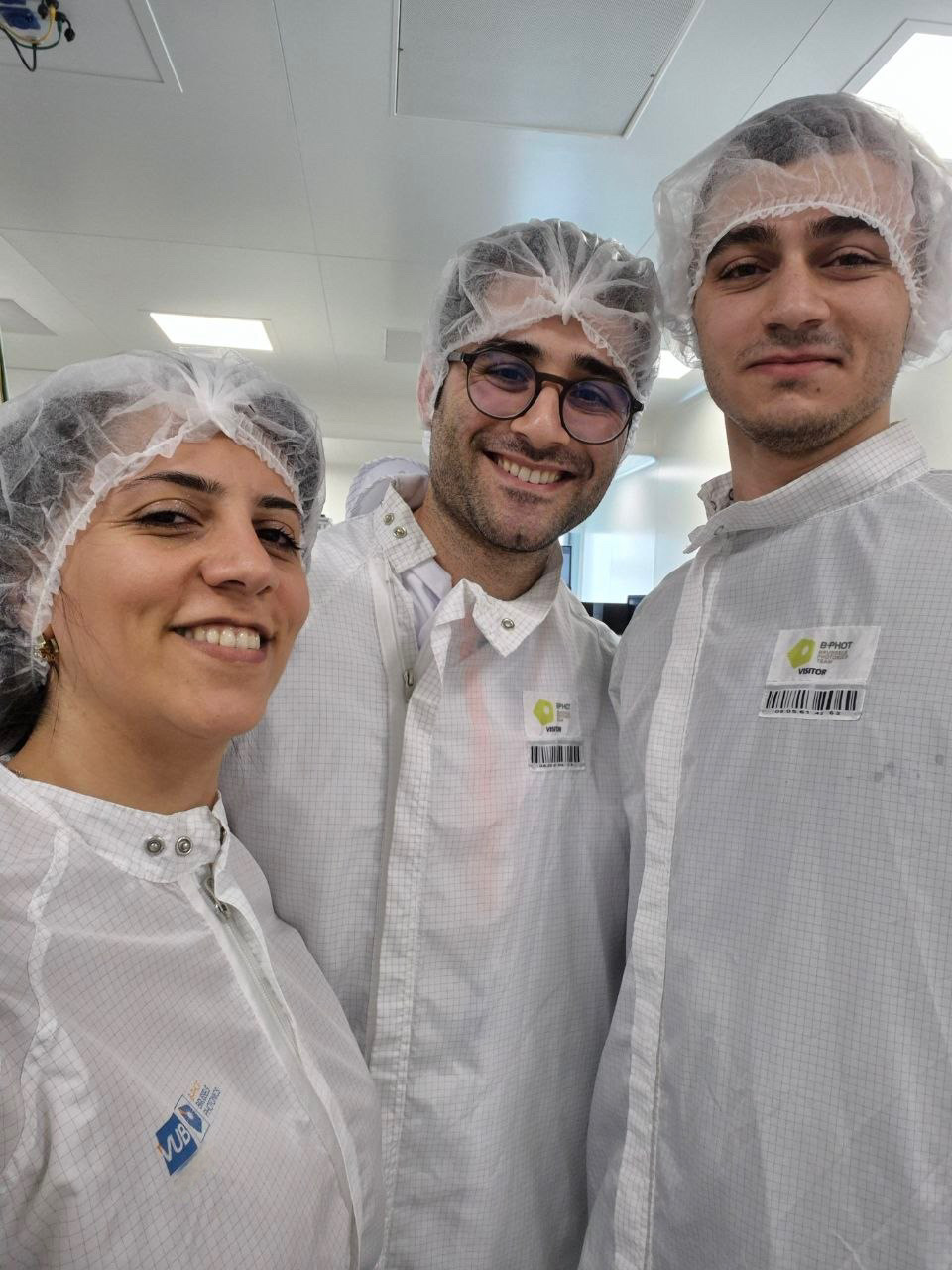
YSU Physics Institute students Tatevik Brsoyan, Levon Davtyan and Eduard Karapetyan spent five months working with different research groups at the university's B-PHOT (Brussels Photonics) laboratory.
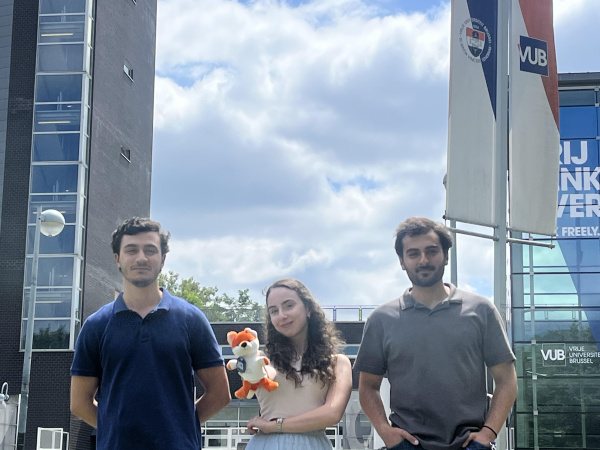
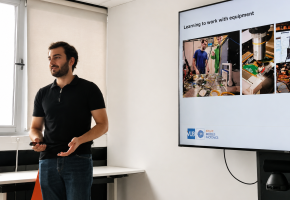
Each student was involved in a separate research project under a different supervisor and presented the results of their work to a university committee at the end of the program.
As active members of the YSU SPIE & OPTICA Student Chapter, the students had participated in international conferences and workshops, where they had become familiar with the work of the B-PHOT laboratory.
"We already knew what research groups were based there and what topics they were working on. That is why we chose this university for the Erasmus+ program," the students say.
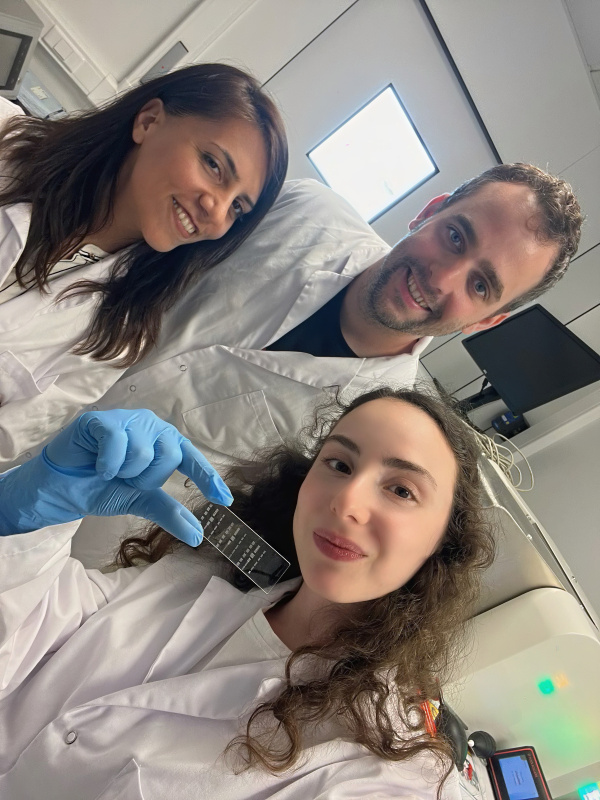
During the program, each student worked in a different research area.
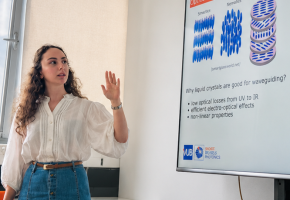
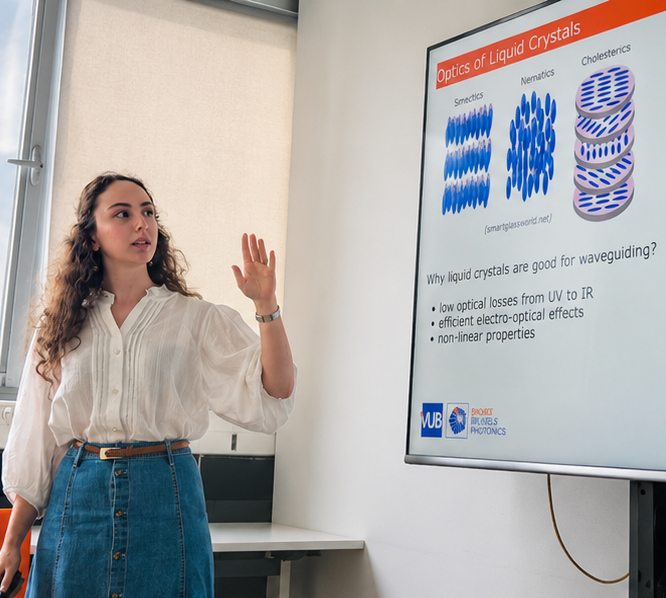
Tatevik Brsoyan, a fourth-year student in the "Data Processing in Physics and Artificial Intelligence" educational program at the YSU Institute of Physics, studied the design and fabrication of liquid-crystal waveguides using femtosecond laser processing technologies.
Her classmate Levon Davtyan worked on the fabrication of SERS substrates for Raman spectroscopy using laser-induced periodic surface structures (LIPSS) technology.
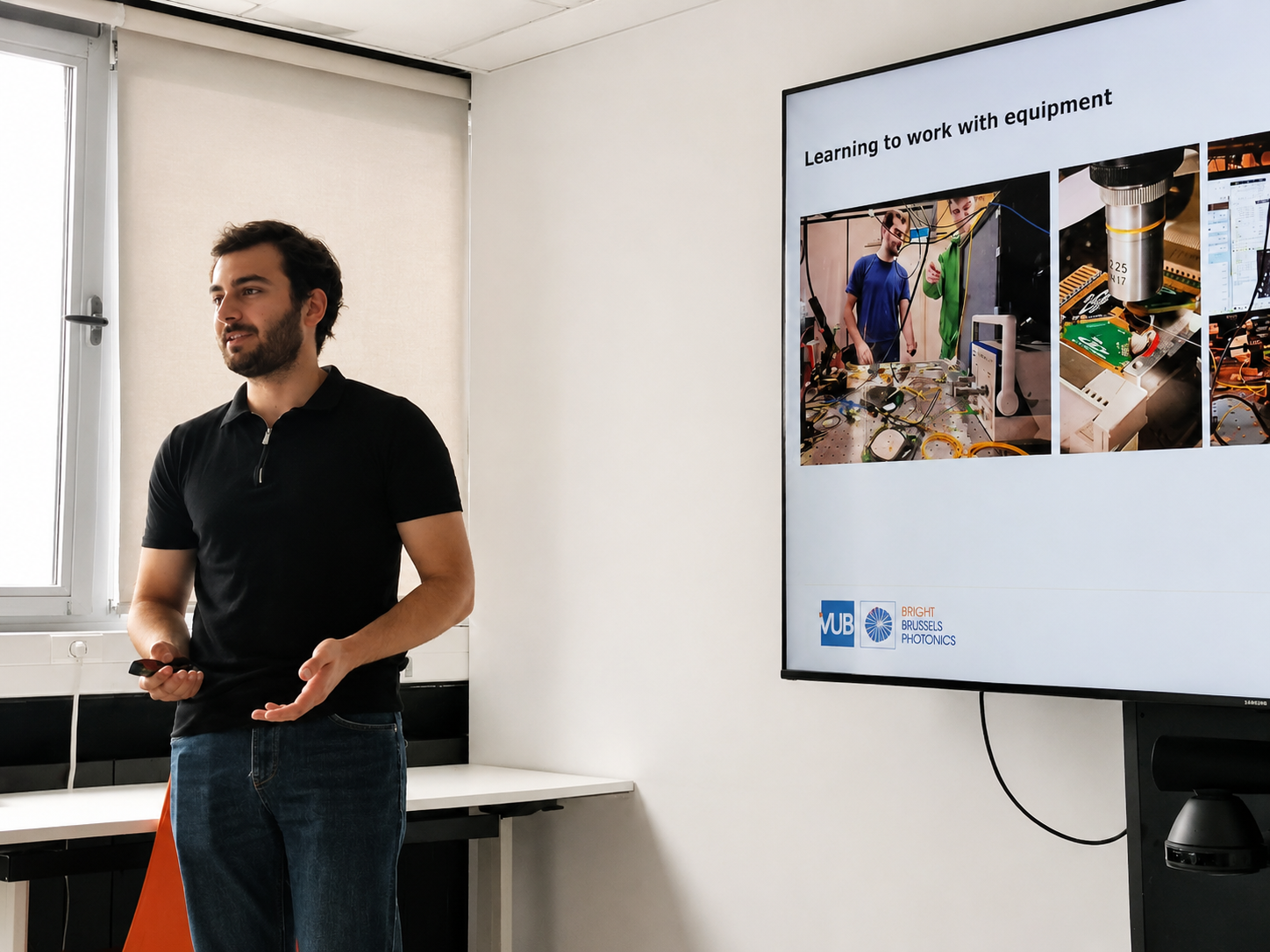
Eduard Karapetyan, a fourth-year student at the Chair of Theoretical Physics, researched the dynamics of multimode semiconductor lasers in photonic integrated chips and their potential application in neuromorphic computing and artificial intelligence systems.
Throughout their research, the students regularly discussed the progress of their work with their supervisors and presented their final results at the end of the program.
"We tested different methods, conducted additional experiments, and the results were successful enough that we have already agreed to continue our collaboration after the program," Tatevik Brsoyan says.
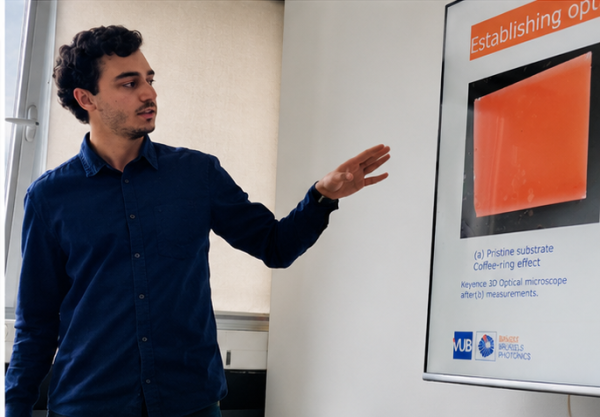
According to Levon Davtyan, further discussions are already focused on ways to combine the experience gained in Brussels with research being conducted at YSU.
"They were pleased with our work, and it was important to us that the collaboration did not end on the last day of the program. We are already discussing the next steps," he says.
The students note that the laboratories at the Free University of Brussels offered extensive technical capabilities for experimental research. At the same time, they emphasize that the relevant research infrastructure at YSU is also gradually developing.
Following the program, each student has already decided on their next steps.
Tatevik Brsoyan will continue her research at the YSU Laboratory of Photonics and Artificial Intelligence.
Levon Davtyan plans to apply the experience gained in Brussels to research conducted at YSU.
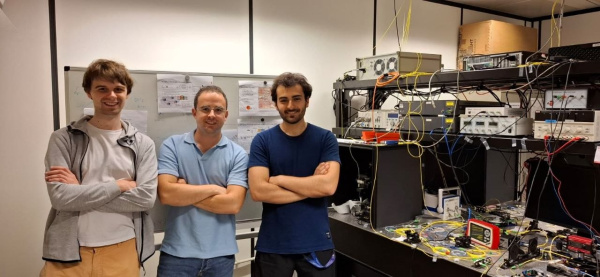
Eduard Karapetyan will also continue collaborating with his colleagues in Brussels in theoretical modeling and simulations.
"This experience helped me understand more clearly which area of science I want to pursue in my future research. I would like to see similar research projects expand even further at YSU," he says.