August 18, 2026 | 14:24
Research centers and institutes
International cooperation
Events
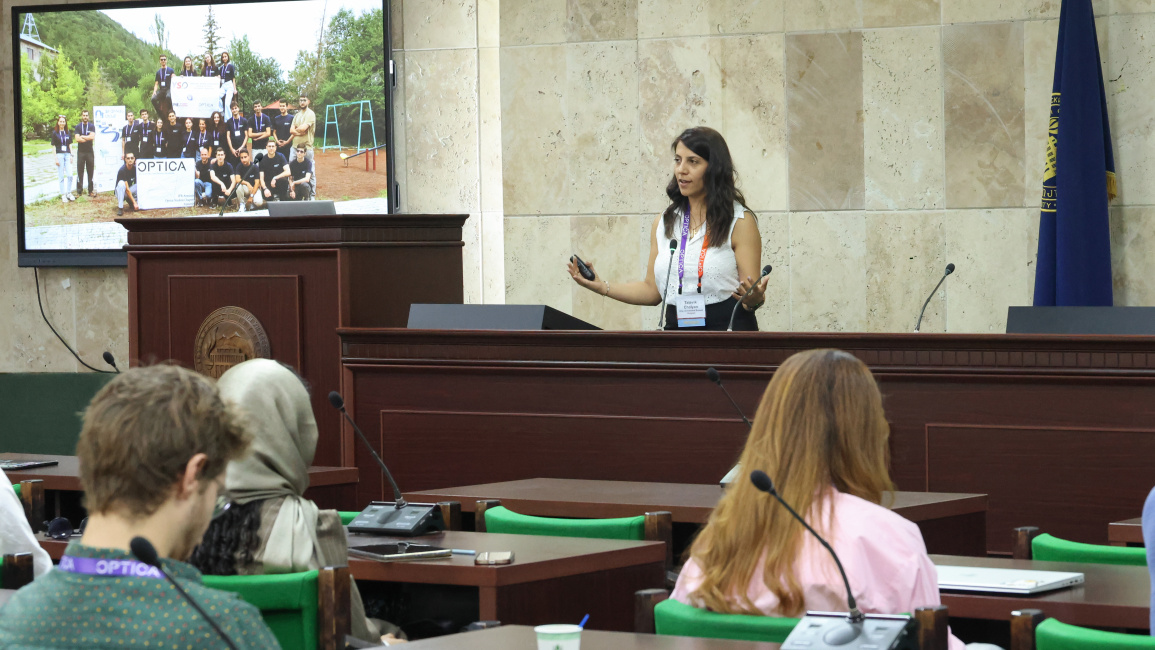
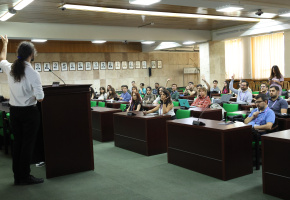
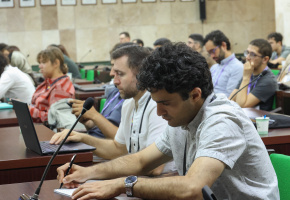
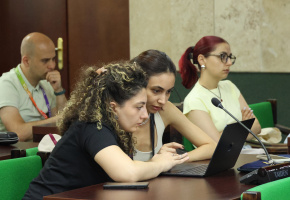
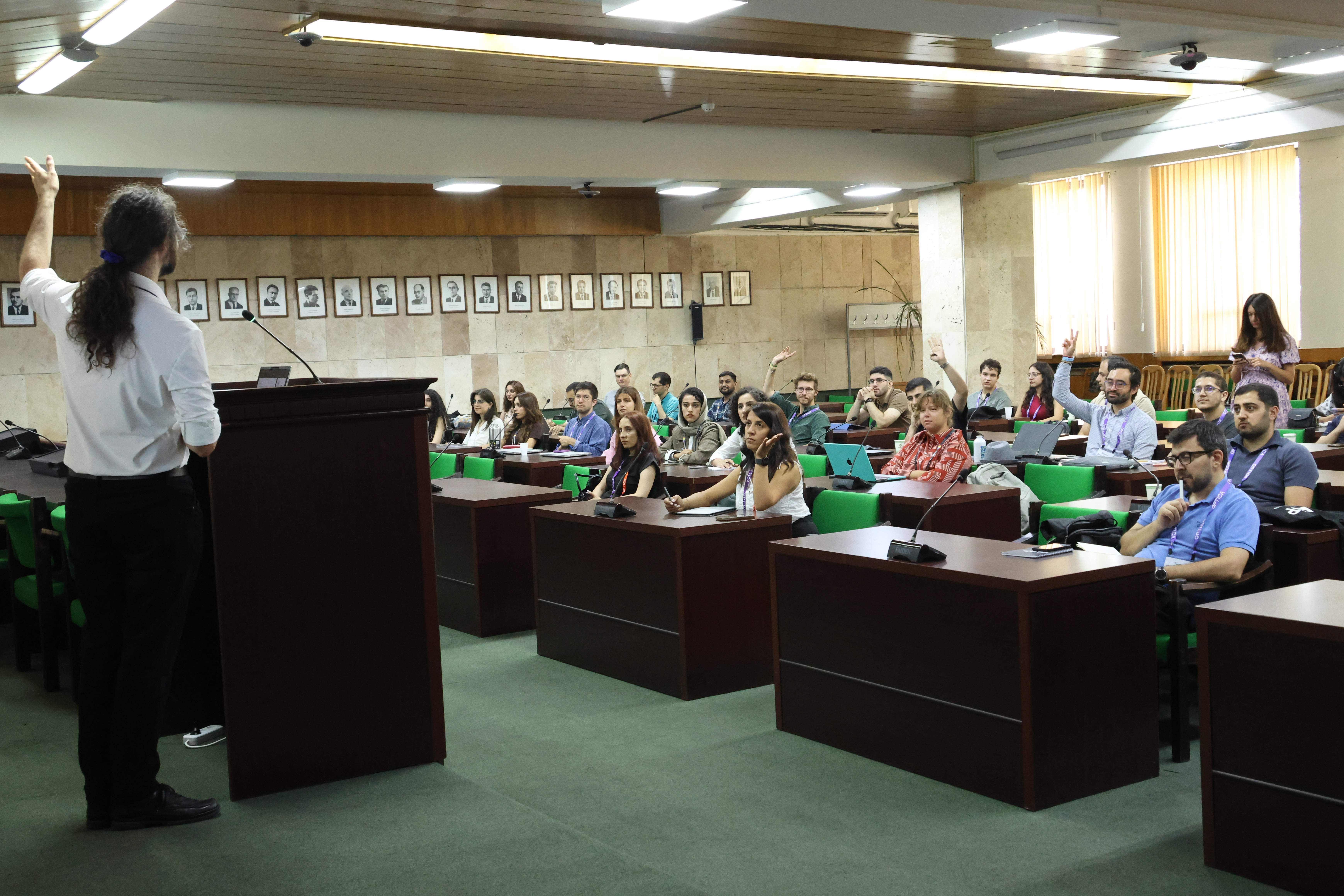
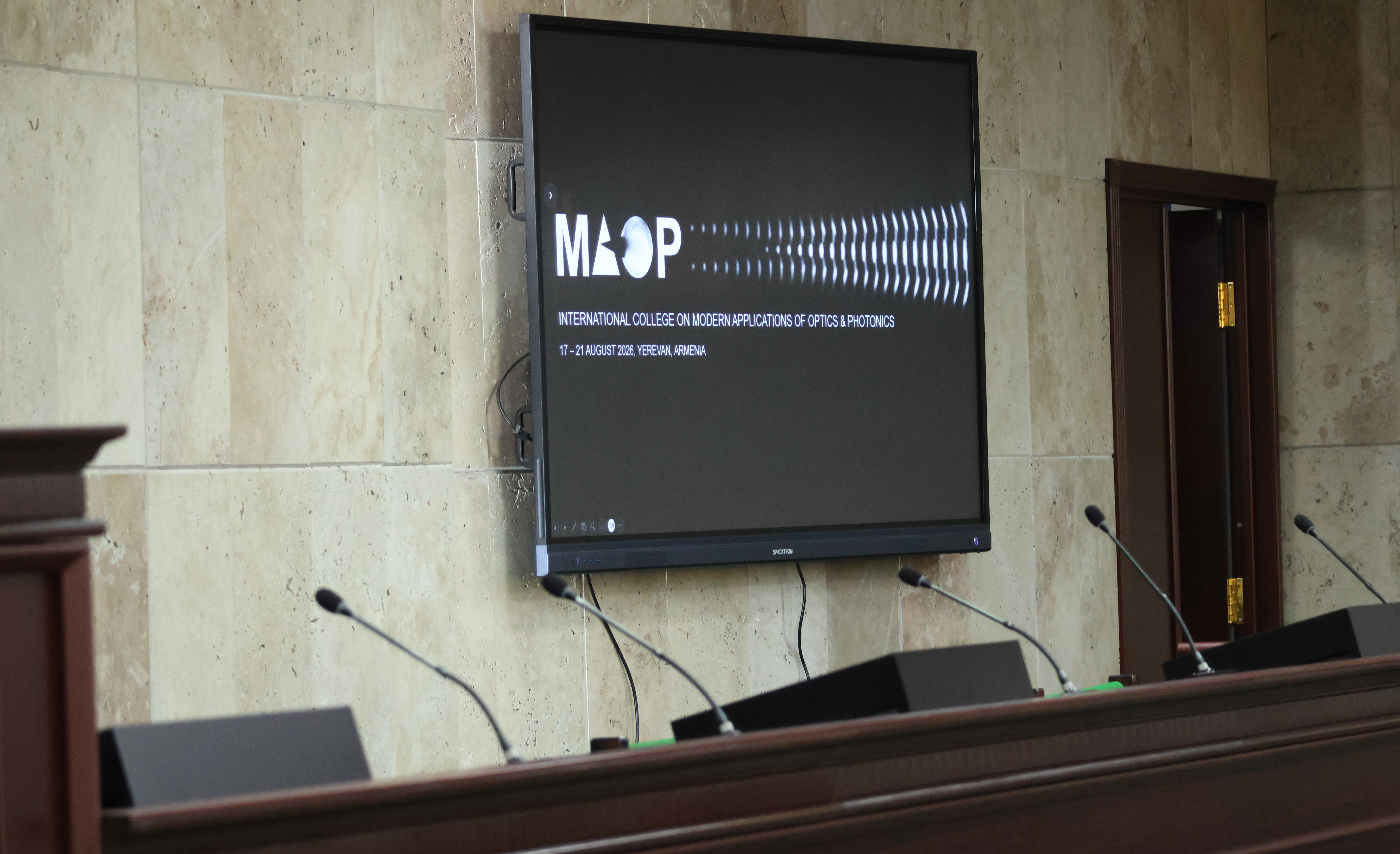
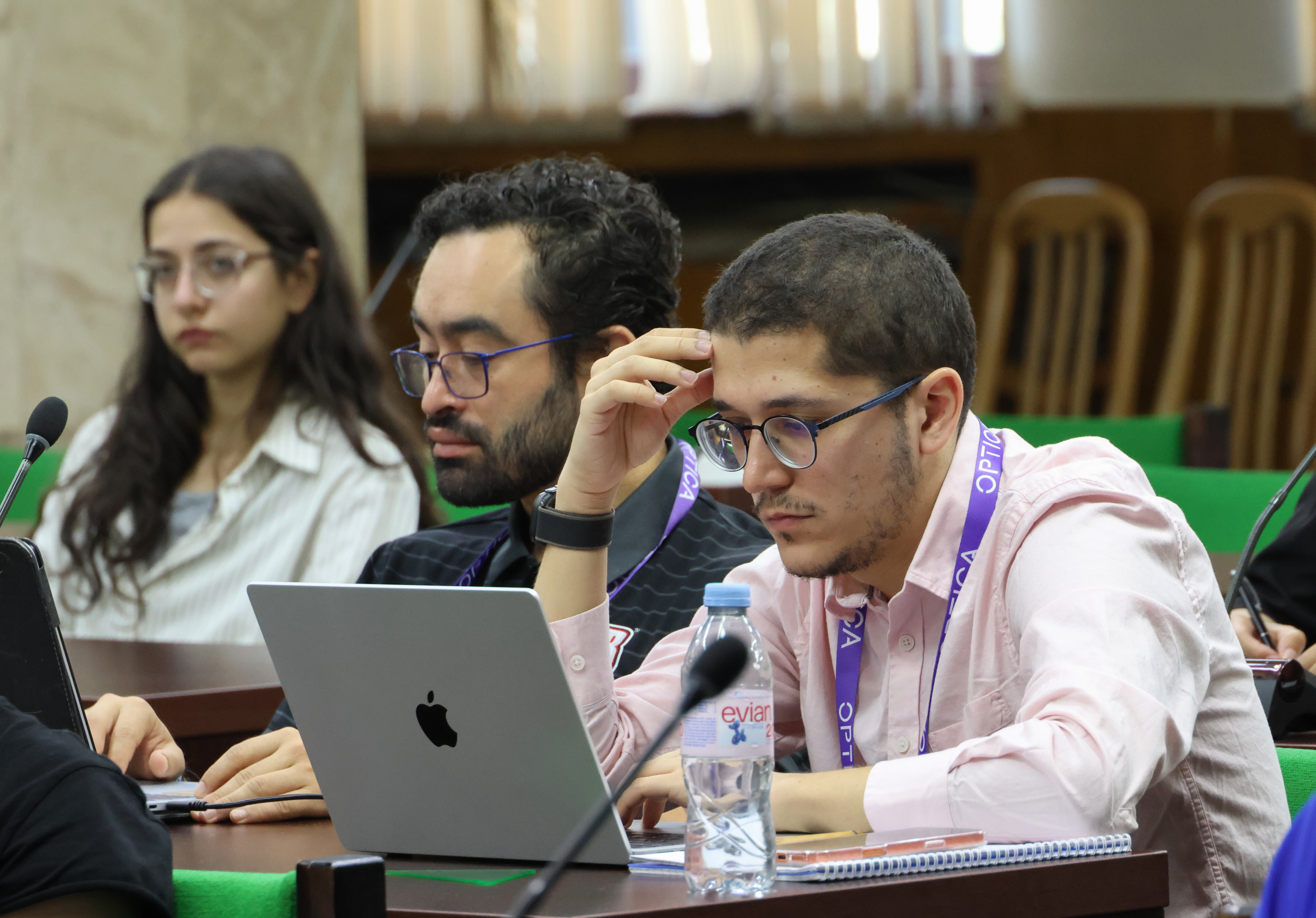
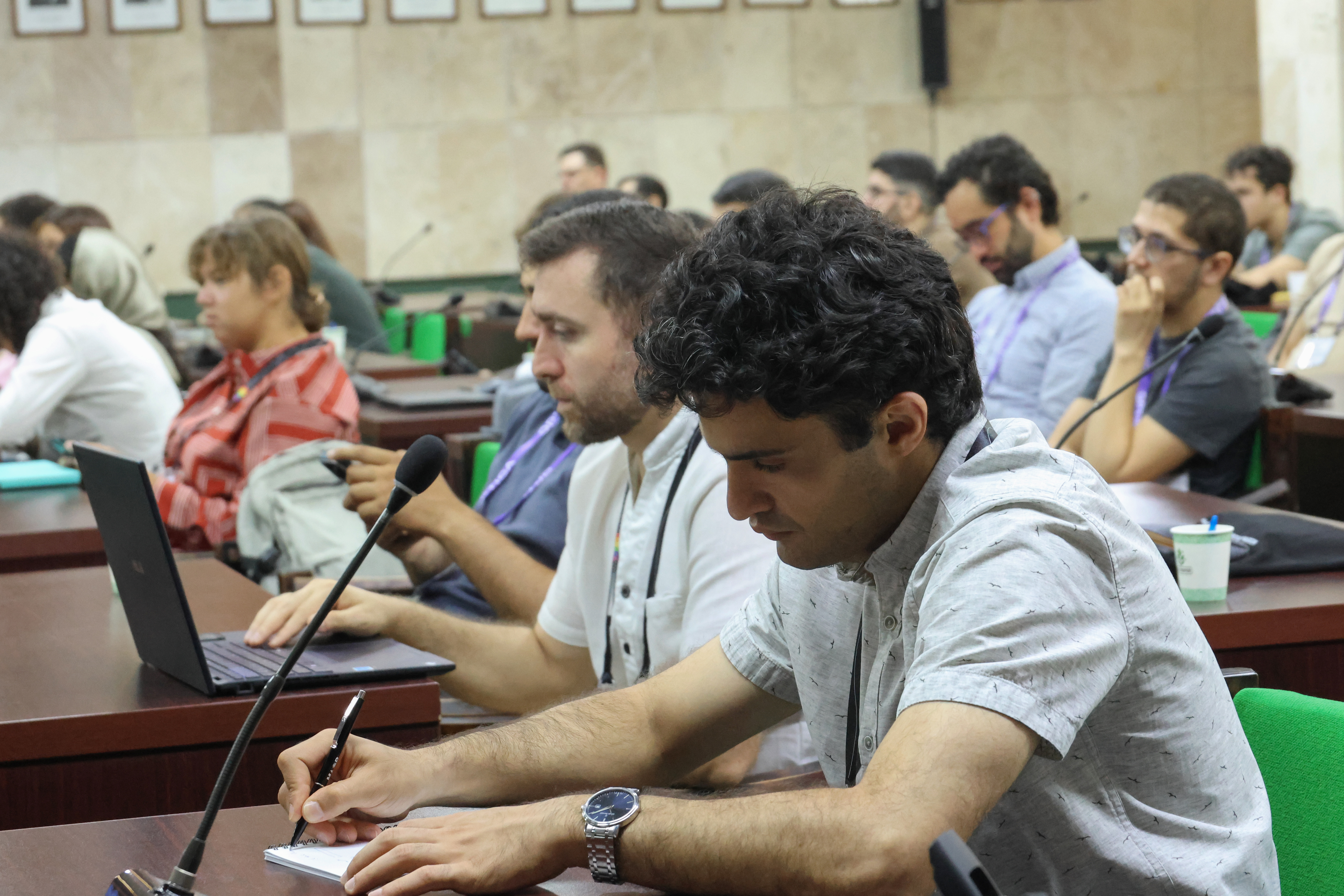
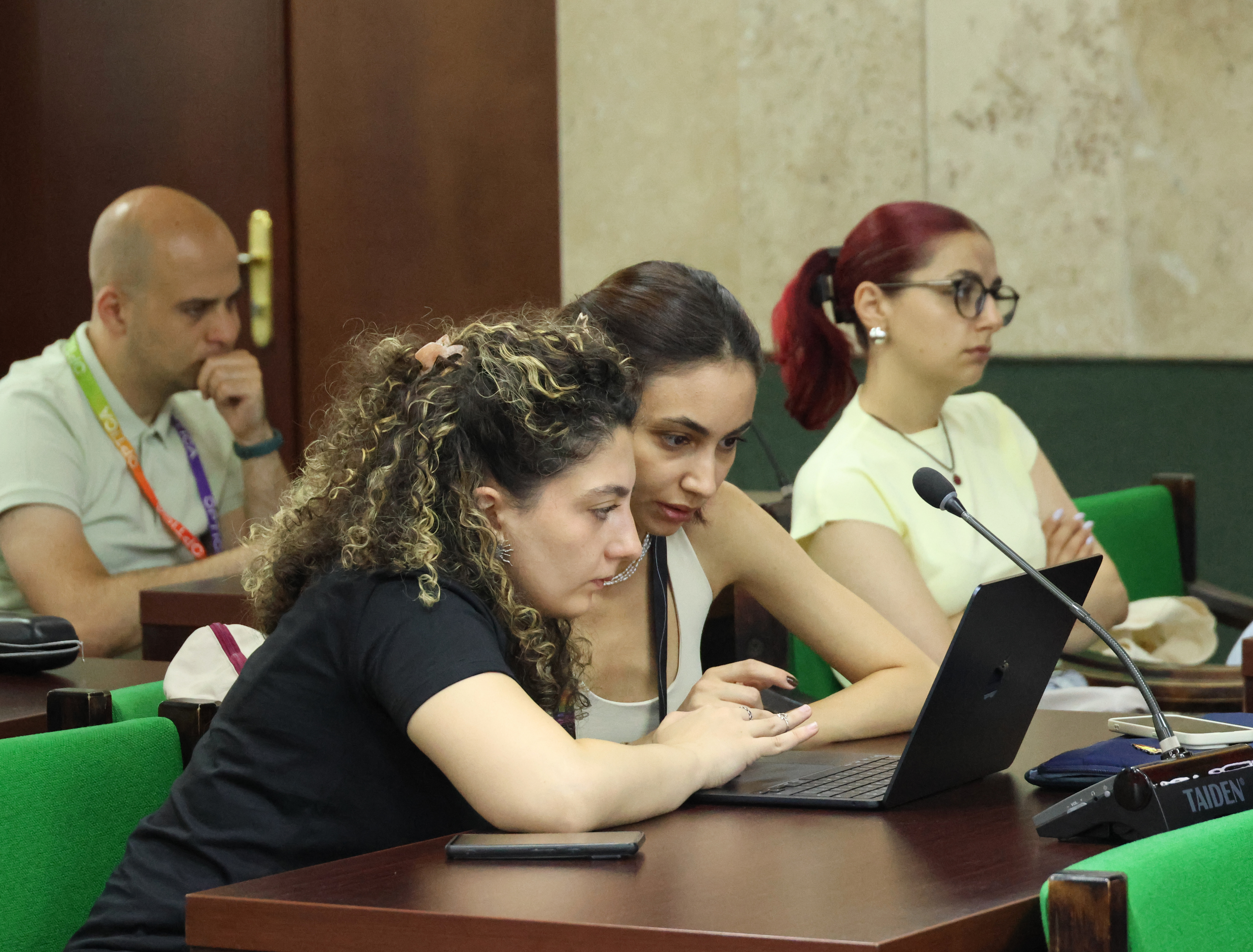
The week-long college, which opened on August 17, features lectures, poster presentations, panel discussions and laboratory sessions held at the YSU Institute of Physics.
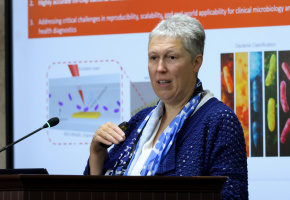
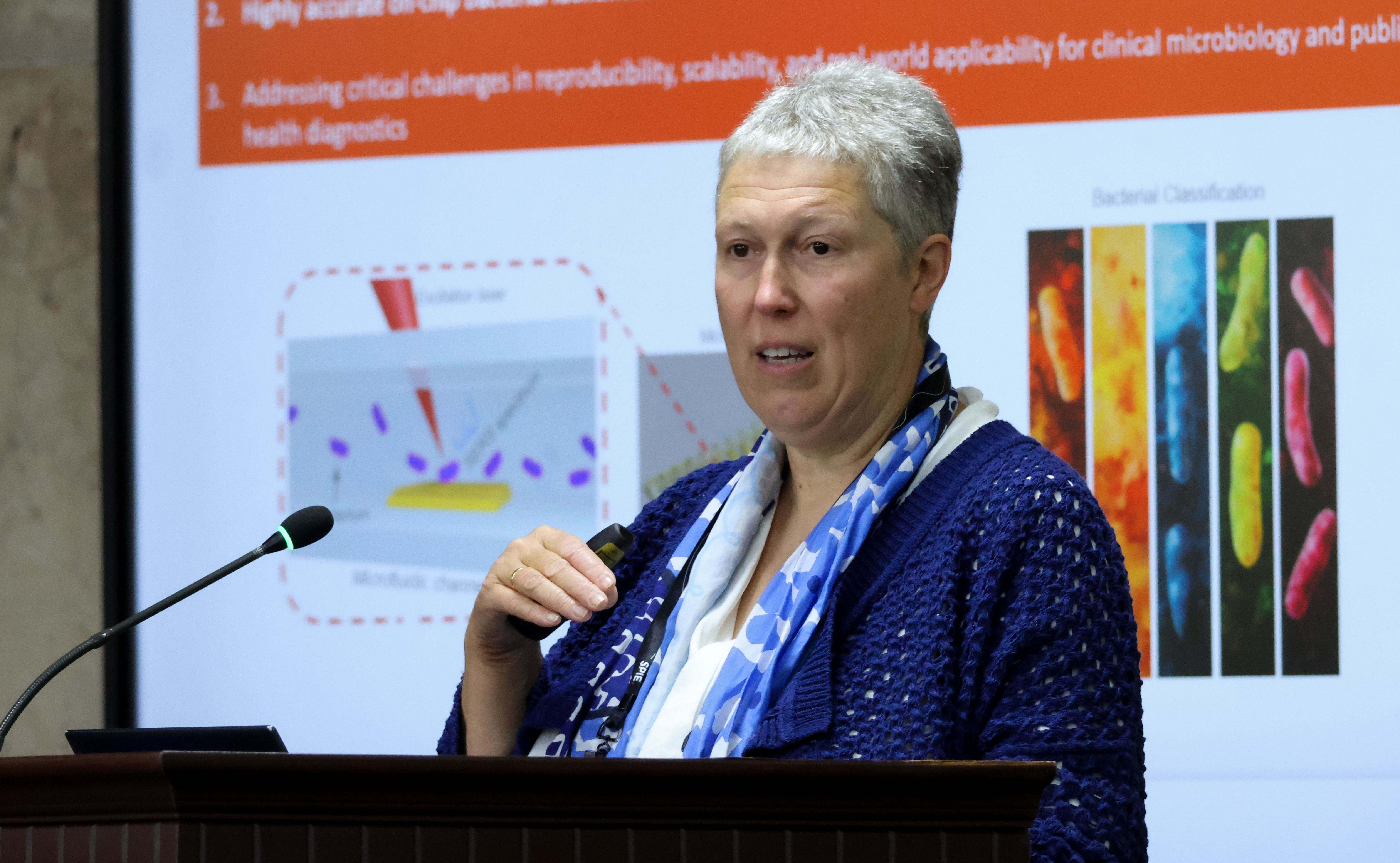
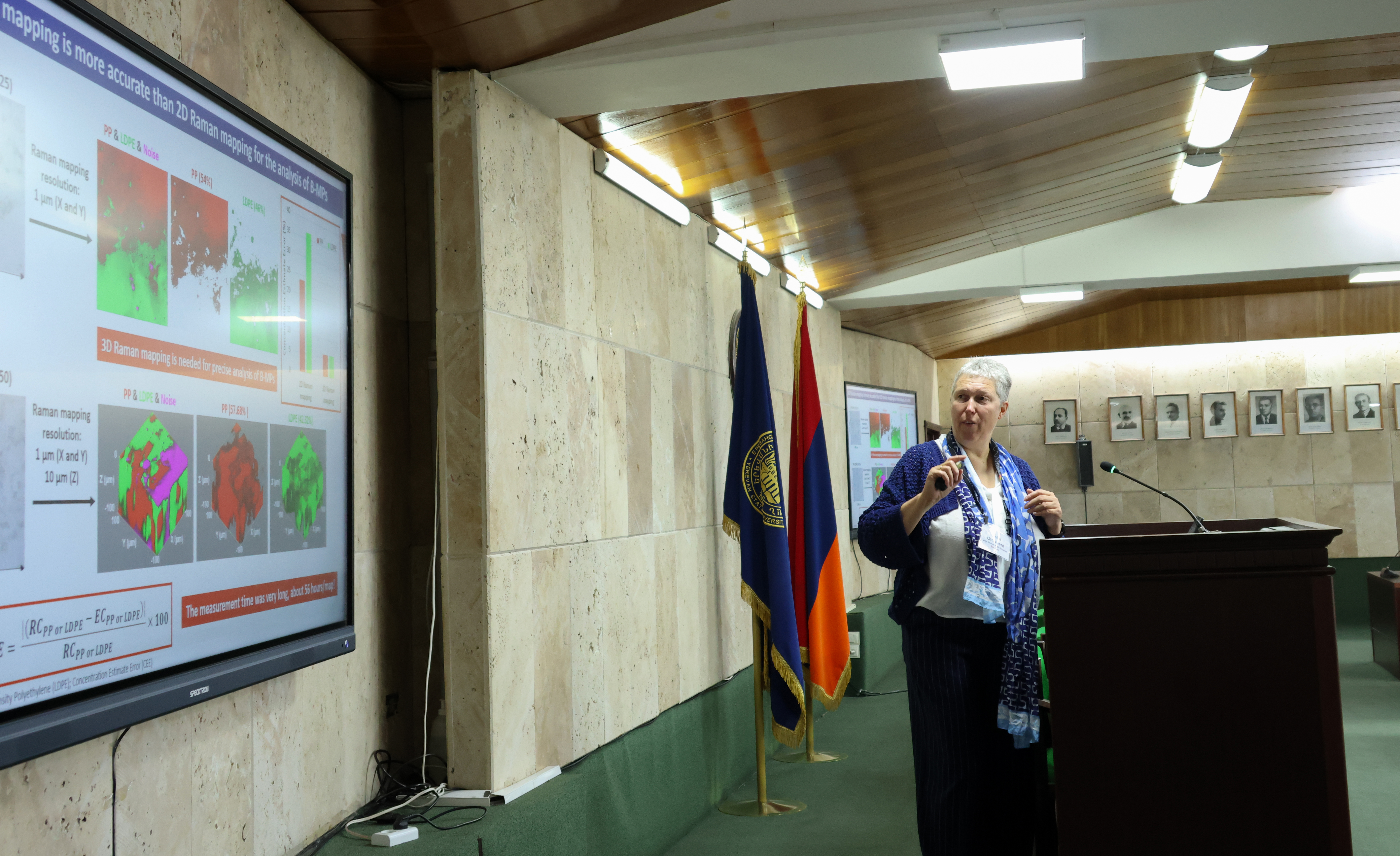
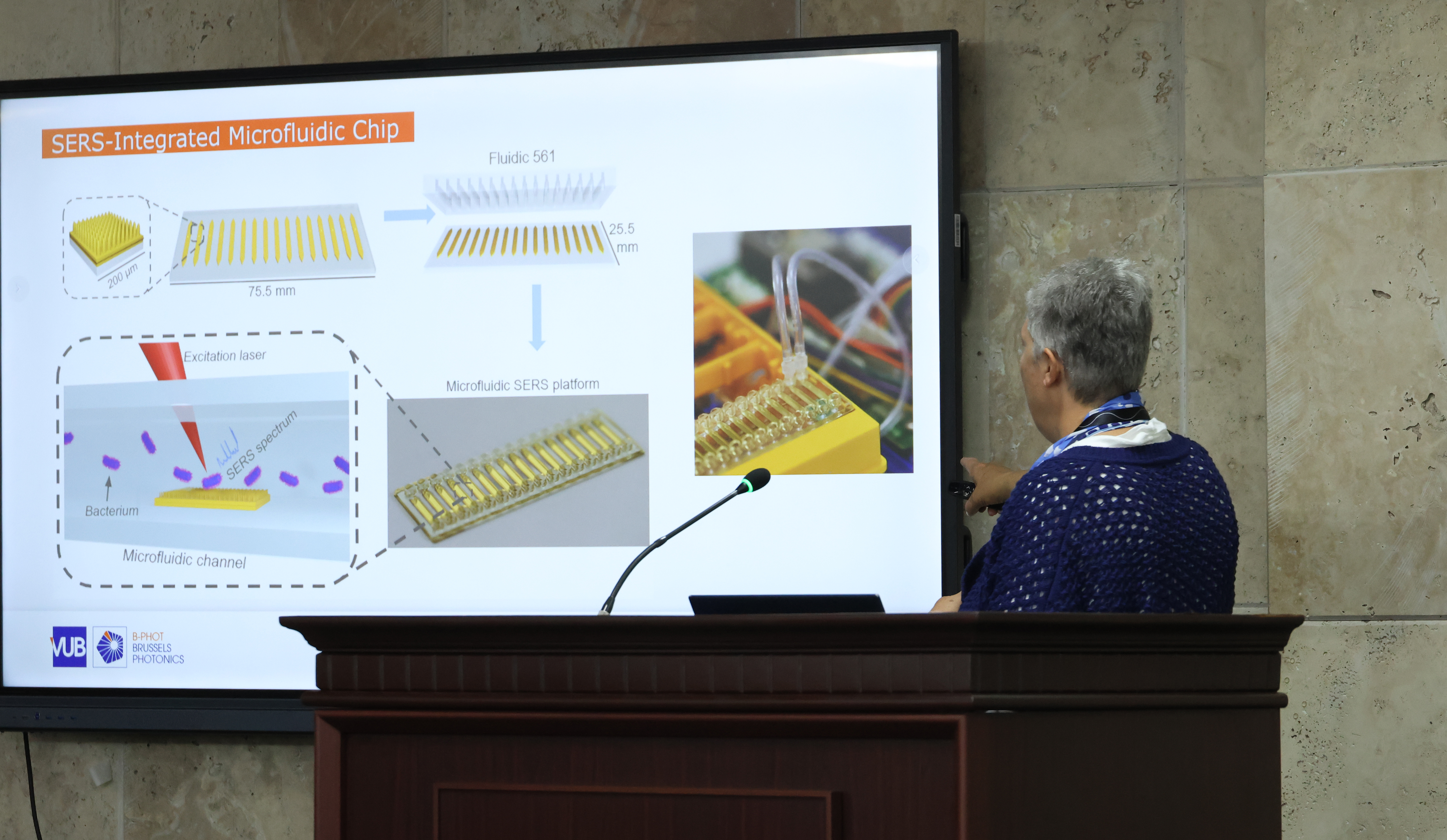
Tatevik Chalyan, a researcher at Vrije Universiteit Brussel and co-chair of the 2nd International College on Modern Applications of Optics and Photonics, noted that the lectures cover material designed to help students enhance not only their professional knowledge but also their soft skills.
"Students visit laboratories, where they conduct experiments related to quantum cryptography, liquid crystals and optical computing. They also learn about the work of the YSU Photonics AI Lab," she said, adding that the program also includes 8 student talks and 19 poster presentations.
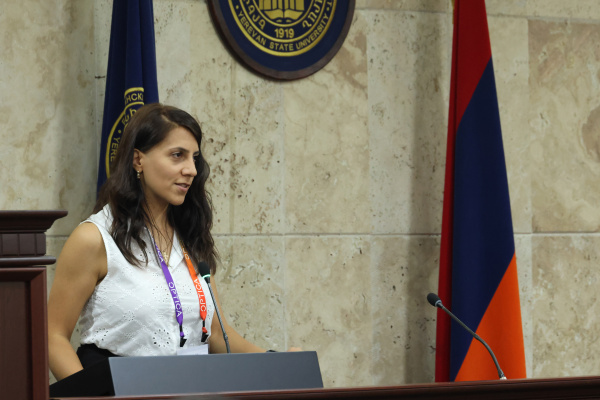
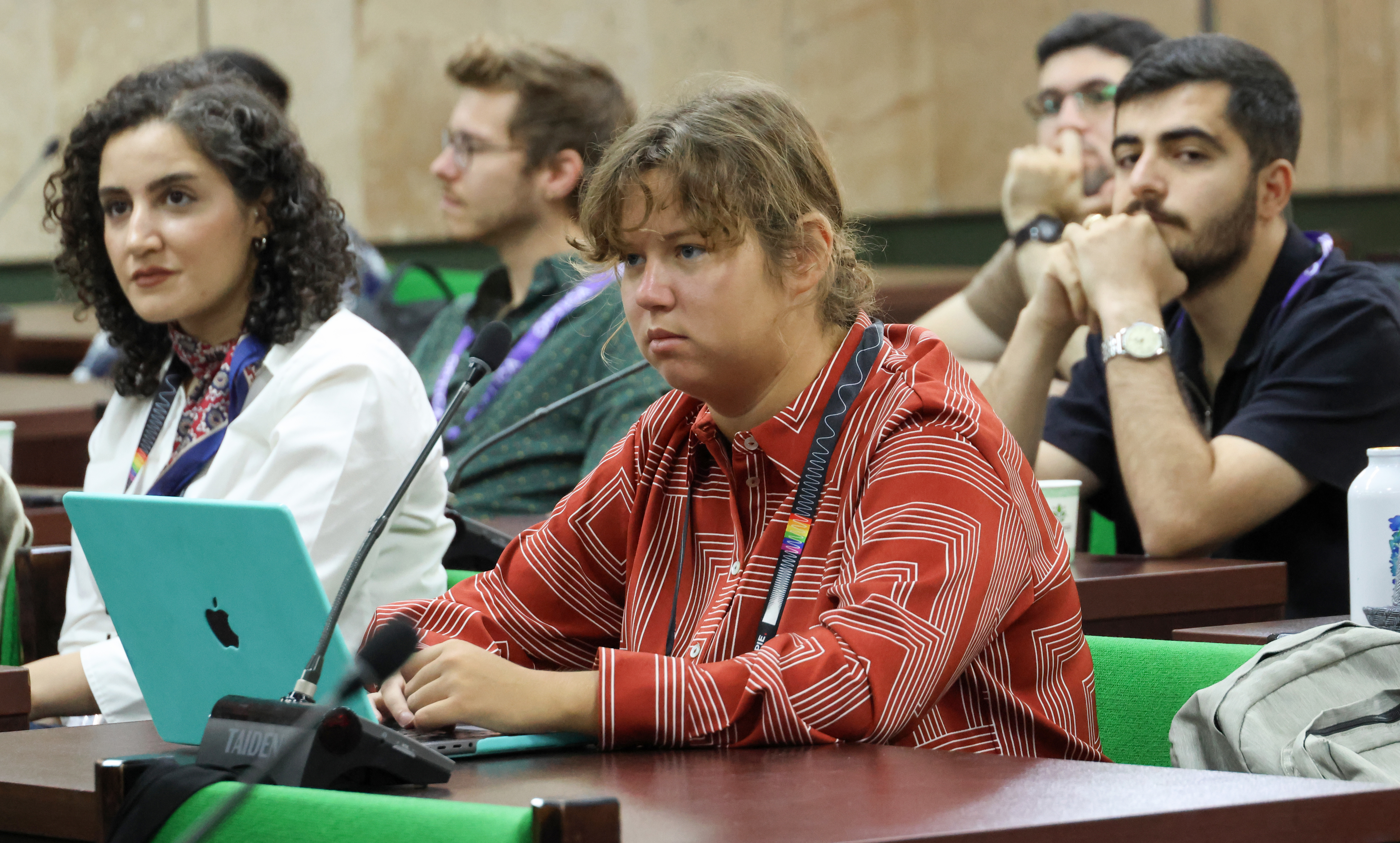
"Five student chapters from Armenia and abroad are also participating in the event and will have the opportunity to present their work," she added.
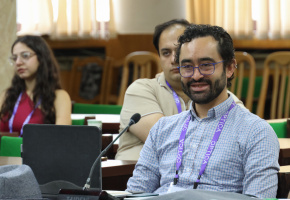
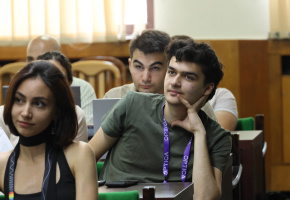
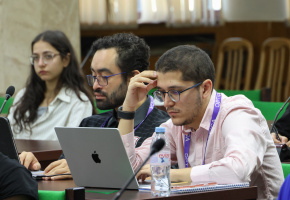
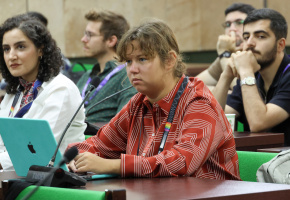
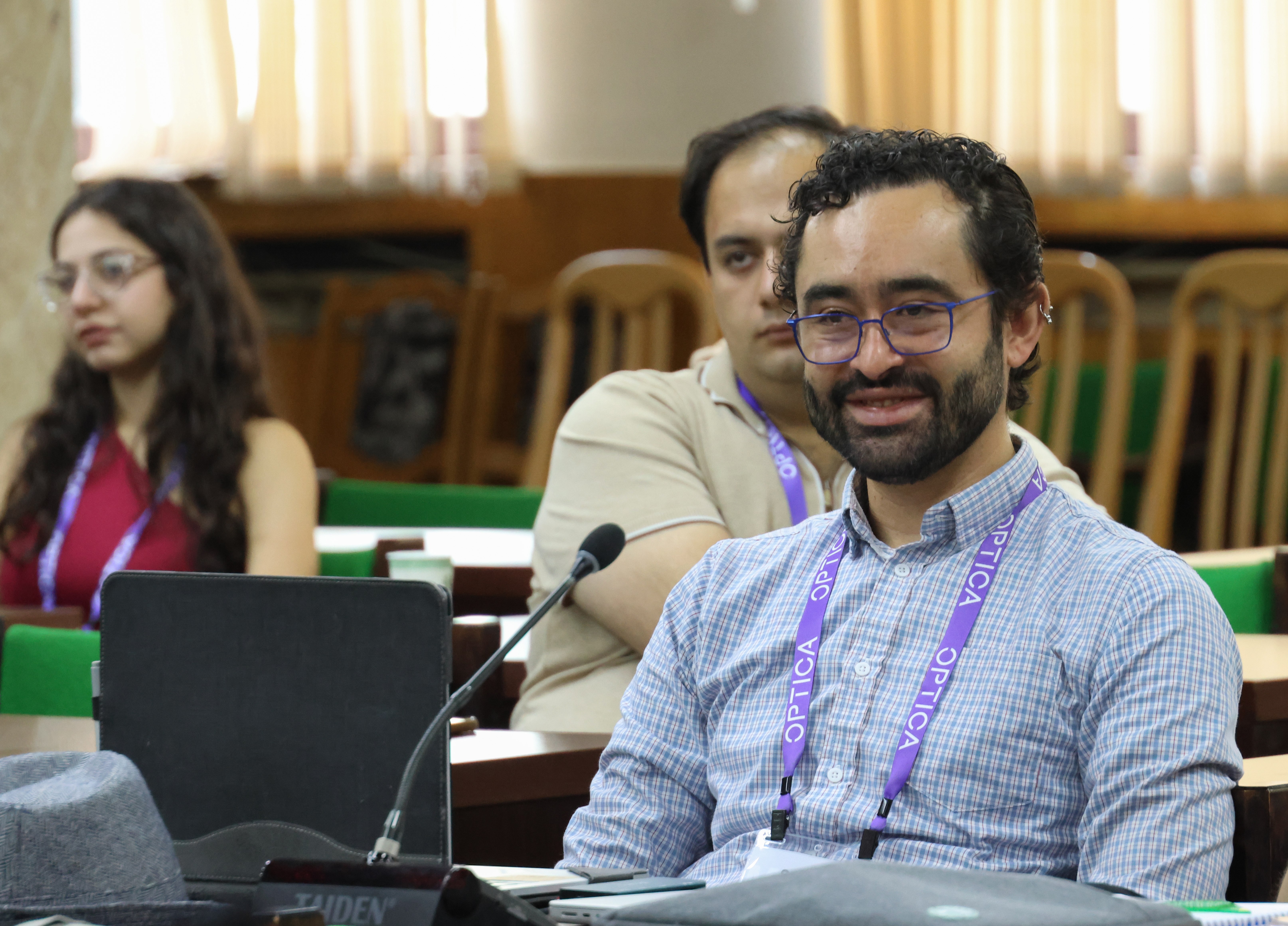
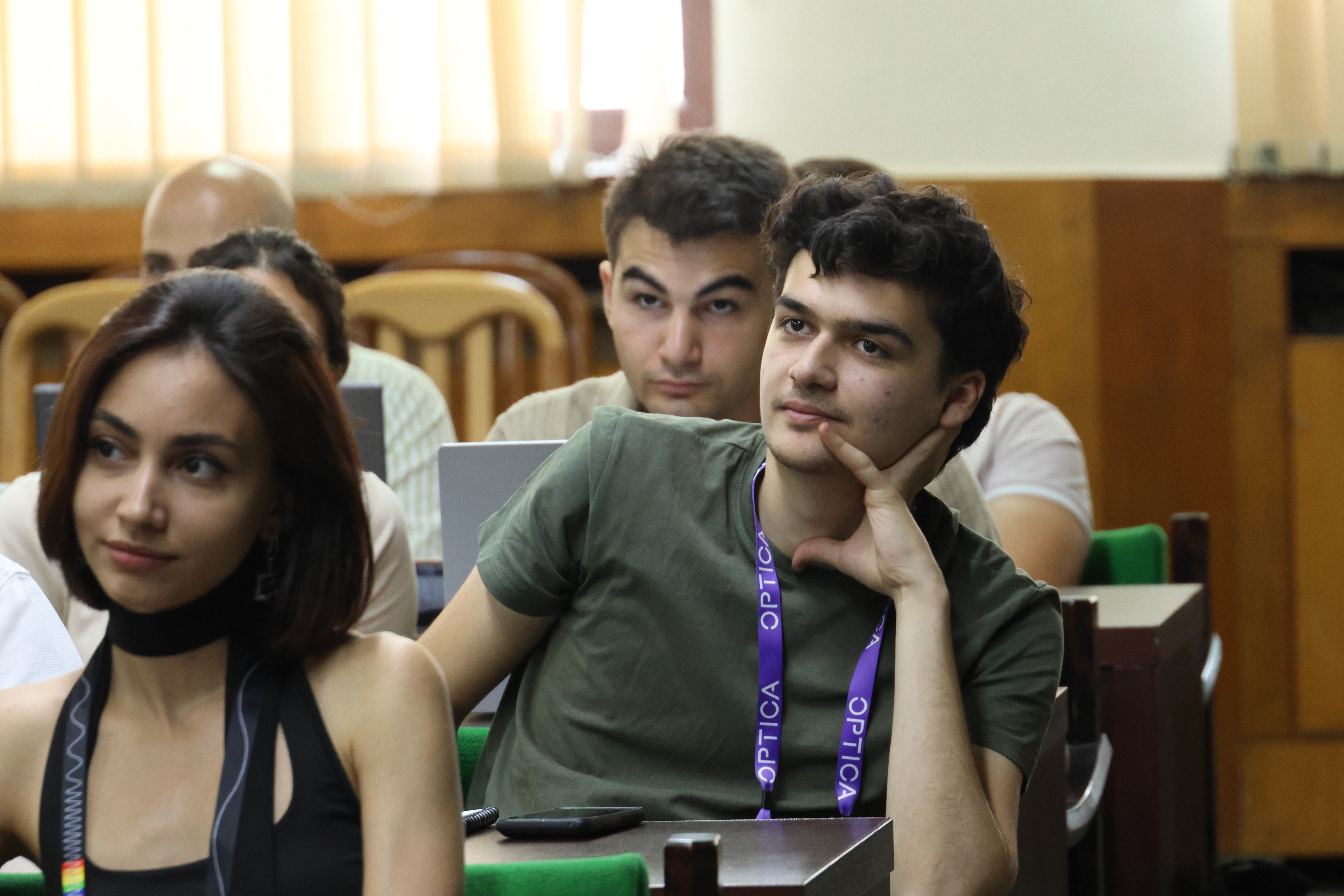
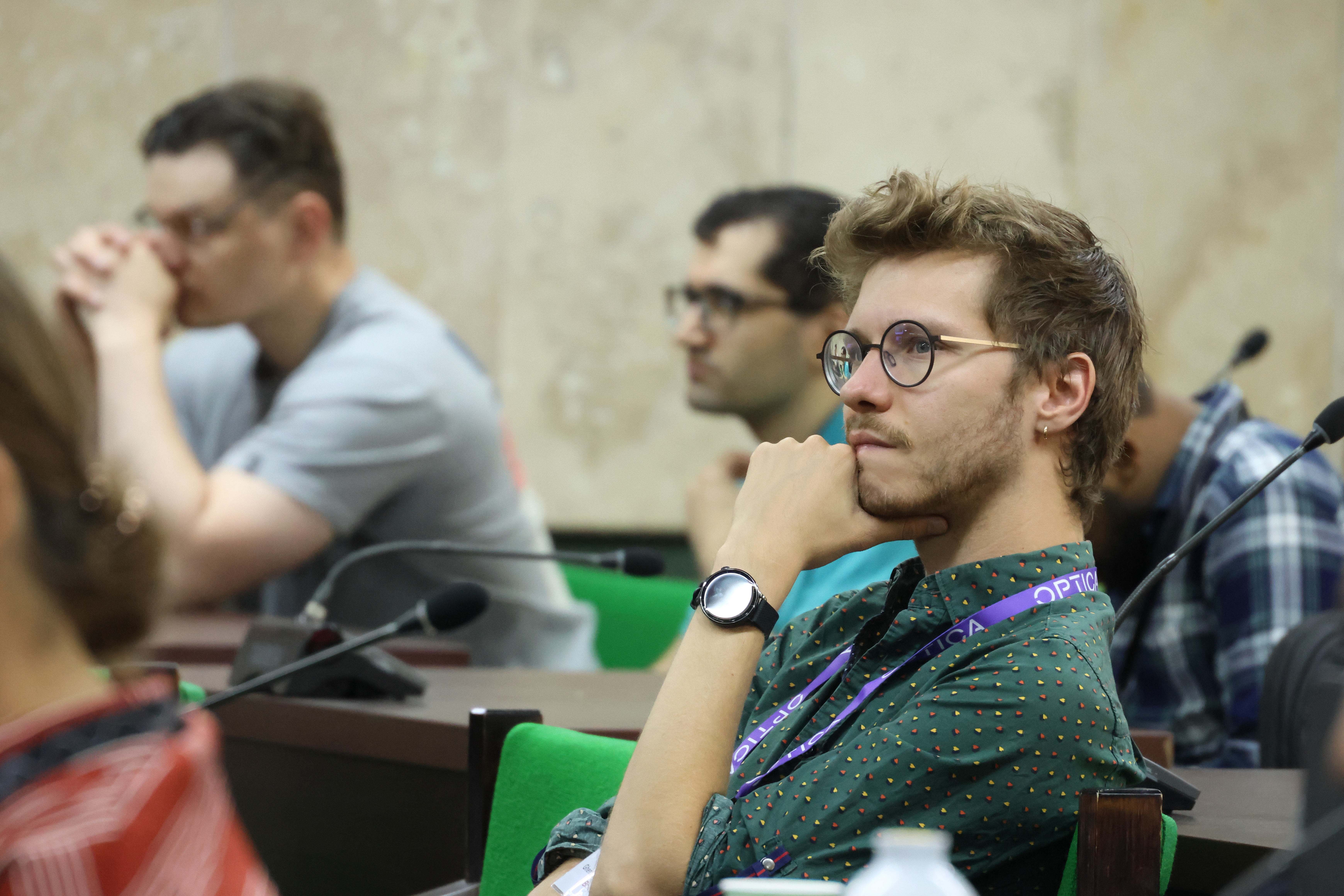
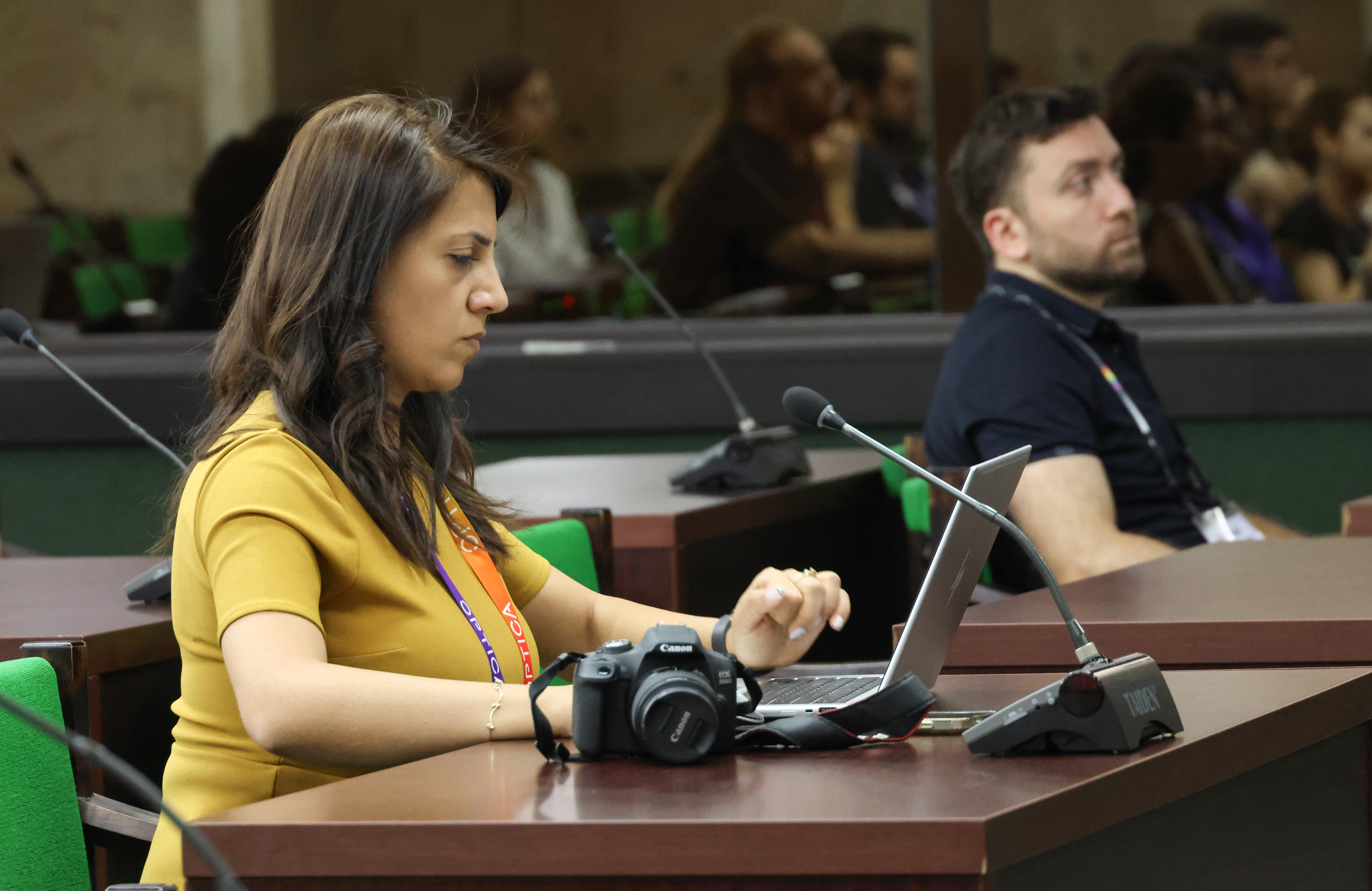
The college brings together 68 representatives of educational and research institutions from 12 countries, including 18 speakers and 50 students. Participants include representatives from the United States, Germany, Belgium, Saudi Arabia, France, Italy and Spain.
Speakers represent leading universities, scientific centers and research institutions in Armenia and abroad, including the Massachusetts Institute of Technology, Bridgewater State University, Fondazione Bruno Kessler, Vrije Universiteit Brussel, Institute of Chemical Technology in Spain, Johannes Gutenberg University Mainz, as well as YSU, the Institute for Physical Research, the A. B. Nalbandyan Institute of Chemical Physics of the National Academy of Sciences of Armenia and other institutions.
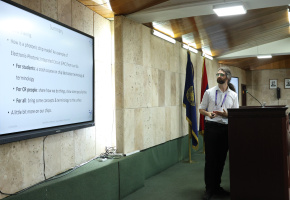
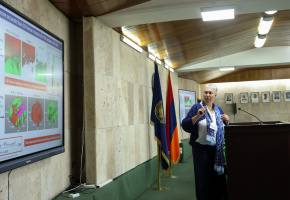
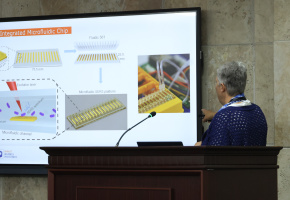
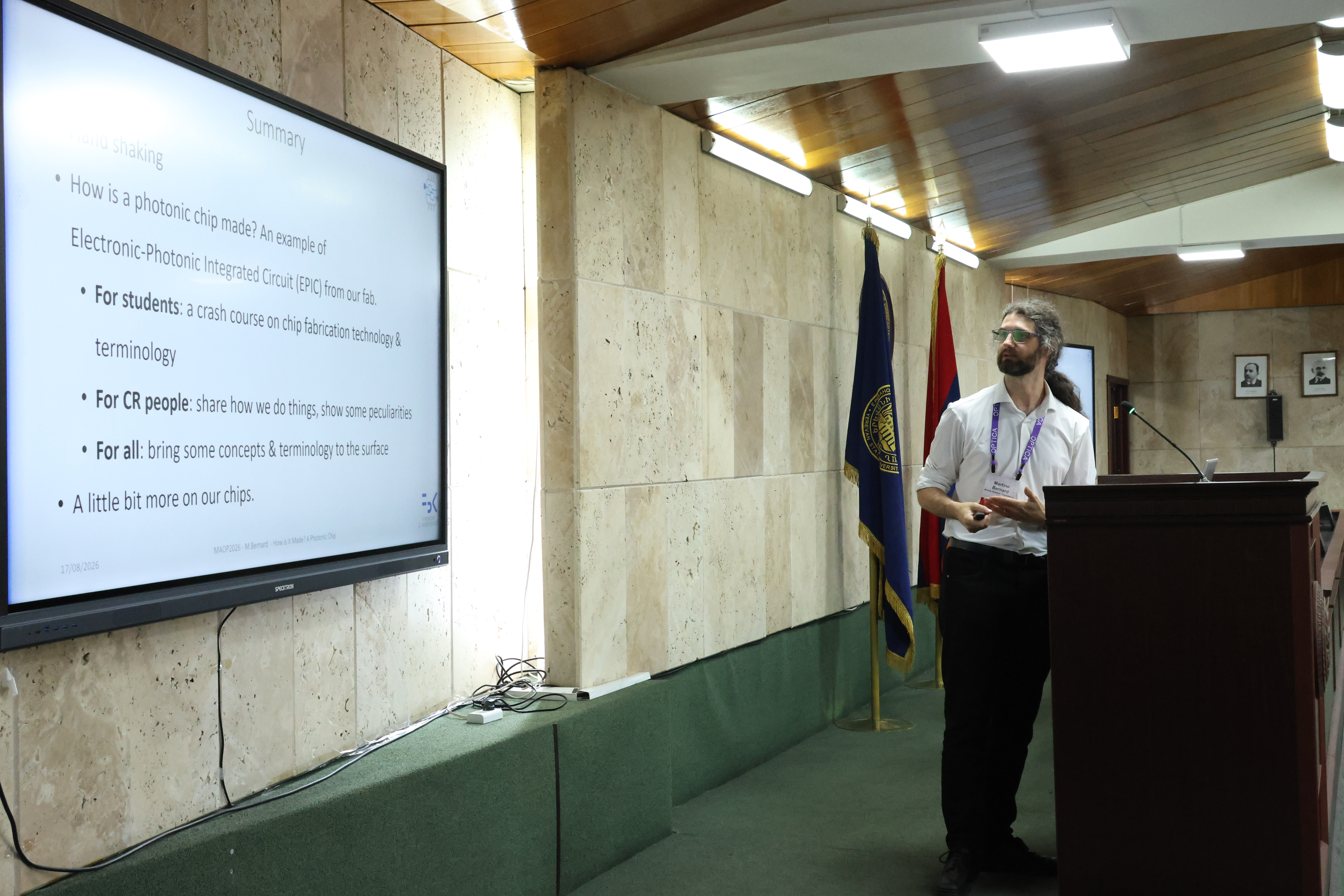
Martino Bernard, a researcher in the Integrated and Quantum Optics Group at Fondazione Bruno Kessler, presented the process of fabricating electronic-photonic integrated circuits, also addressing chip fabrication technologies and related terminology.
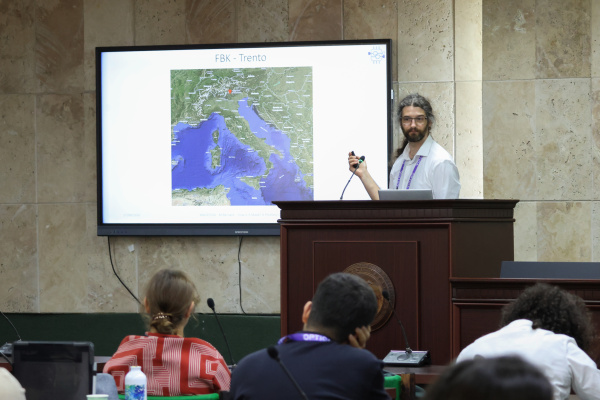
"My research group works on developing sensors and devices, which is also the topic of this talk. In our laboratory, we have the opportunity to work through the entire process, from an idea to the creation of a real device. If we have an interesting idea, we can develop it, carry out simulation and design, move on to fabrication, then take measurements and ultimately have a real device. These tasks are usually carried out by different teams and organizations," he said.
Bernard added that producing a photonic device involves processing a wafer through a series of stages. "The processing is based on three repeatedly performed steps: first, material is added to the wafer; then the required structure is patterned using lithography or another method; and finally, the excess material is removed. This principle is used in silicon microfabrication, both in CMOS technology and in photonics."
During the lectures, speakers address topics including photonic chip fabrication, the design of integrated couplers and nonlinear waveguides, the fabrication of complex 3D micro-objects through two-photon polymerization, light and matter in quantum photonics in the context of coherence, nonlinearity and sensing, among others.
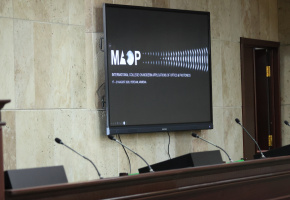
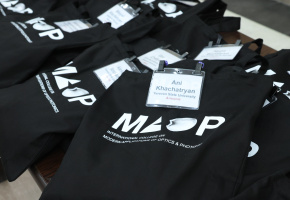
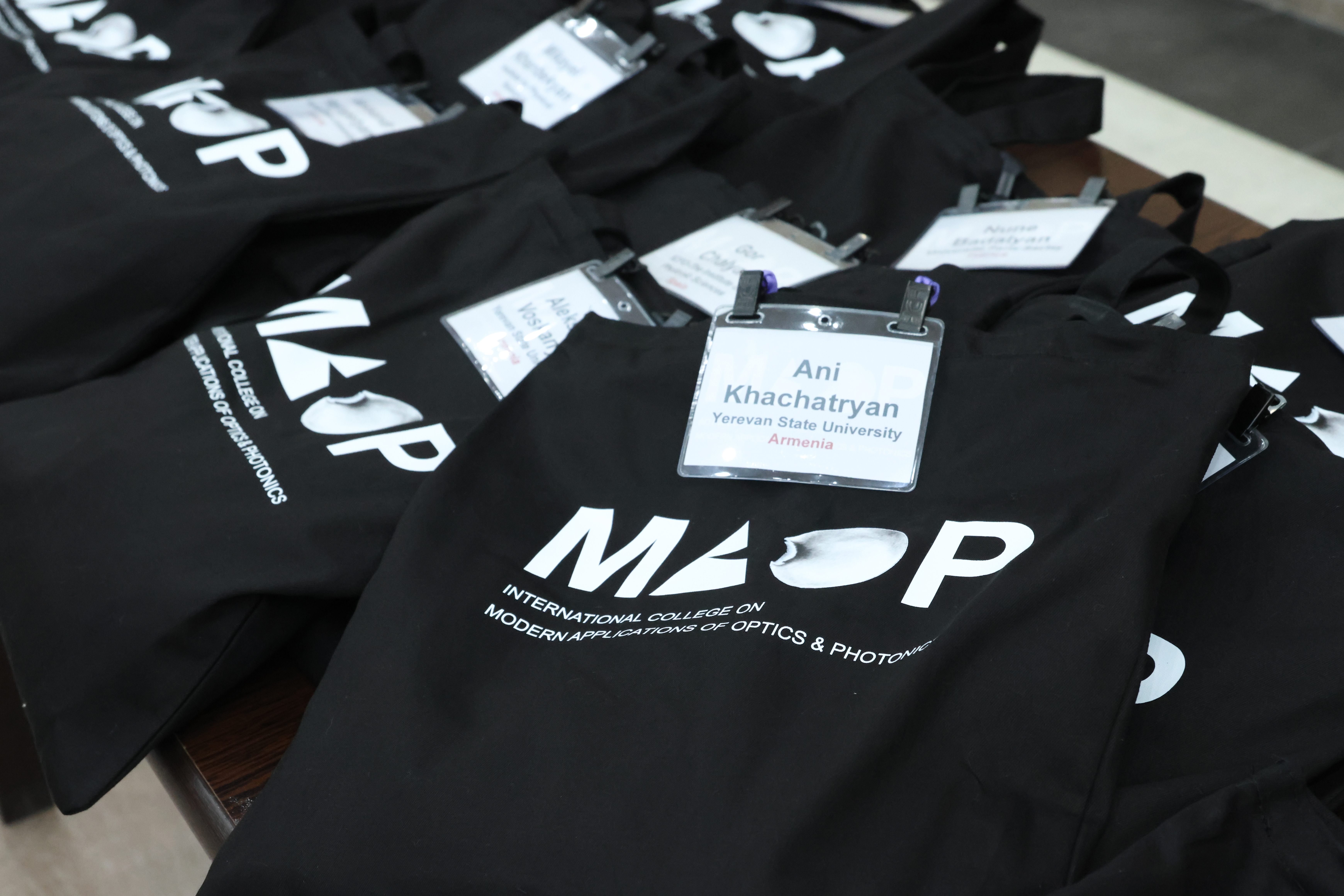
The 2nd International College on Modern Applications of Optics and Photonics (MAOP 2026) is organized through collaboration between the YSU OPTICA and SPIE Student Chapter (YSO), the Institute for Physical Research OPTICA Student Chapter, the YSU Photonics AI Lab, Brussels Photonics (B-PHOT) at Vrije Universiteit Brussel, and the Institute for Physical Research (IPR).