August 27, 2026 | 11:50
Volunteering, practice and internship
Culture
Graduates
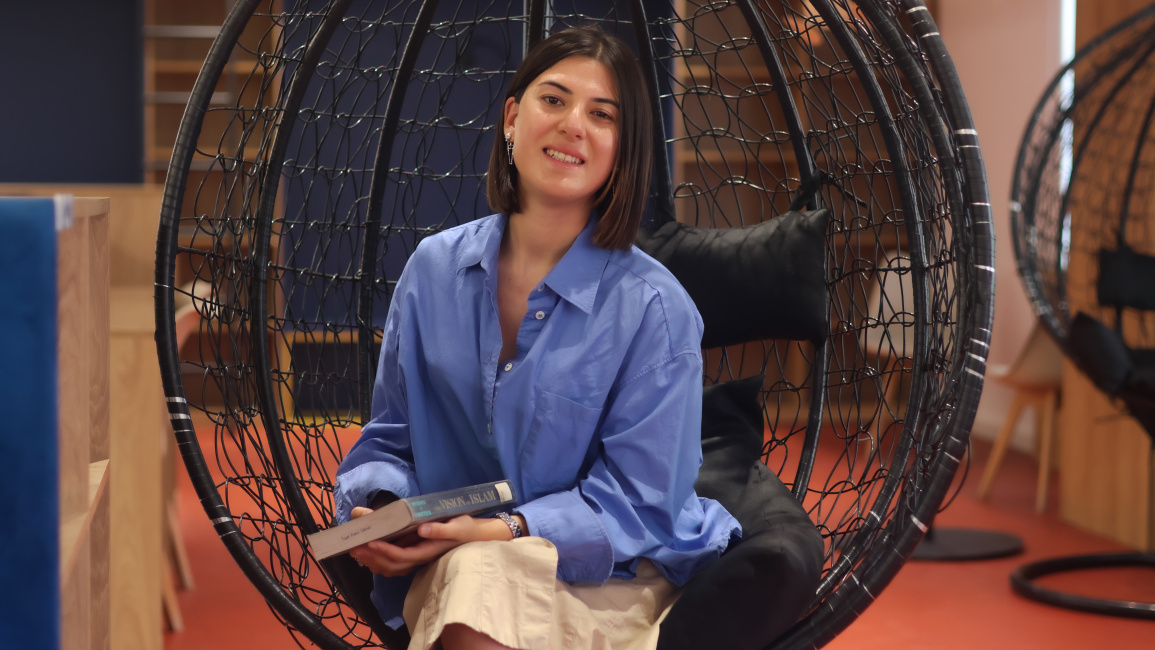
Astghik thinks that university education provides the necessary theoretical foundation, while professional skills are developed at excavation sites.
"The education I received at YSU gave me the necessary theoretical foundation, while field research complemented it with practical experience. At the university, I gained a general understanding of different periods and eras, and the knowledge I acquired helped me understand the characteristics of archaeological sites and areas and develop professional thinking. However, I learned the practical side of archaeology mainly through field research. It is during actual excavations that theoretical knowledge begins to be applied in practice: you learn to work with a site, materials and real-life situations, make observations and decisions in the field," she says.
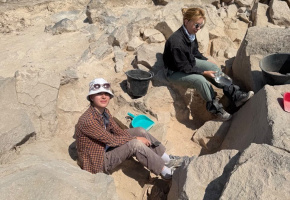
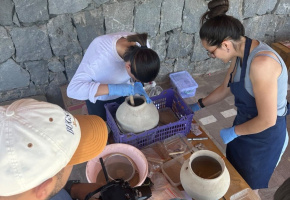
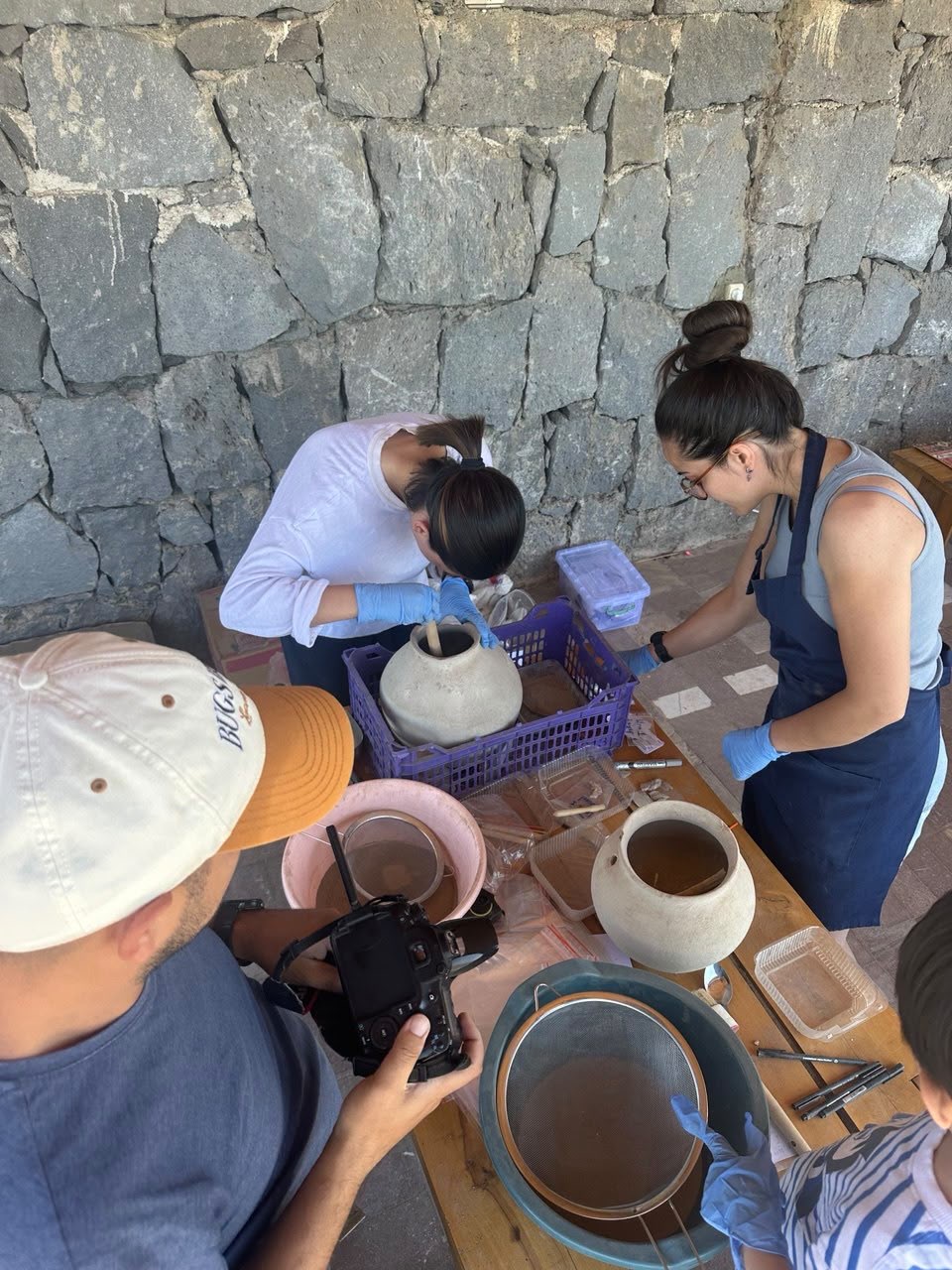
The young researcher has already participated in a number of international expeditions. During the excavations at Artanish, Astghik worked both at the excavation site and in the laboratory, cleaning and classifying anthropological remains. The results of research on the paleoanthropological materials discovered at the site formed the basis of both her undergraduate and master's theses.
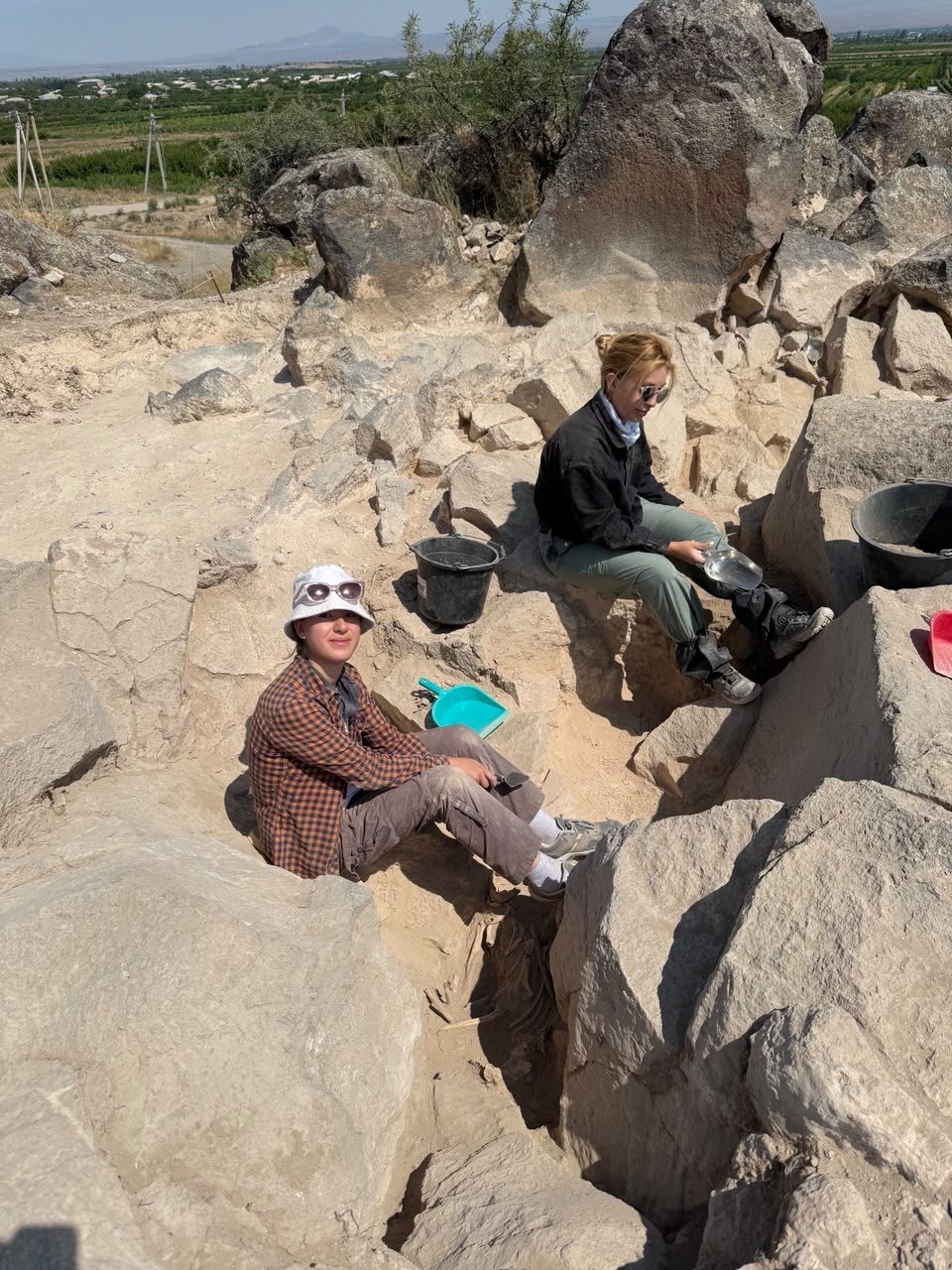
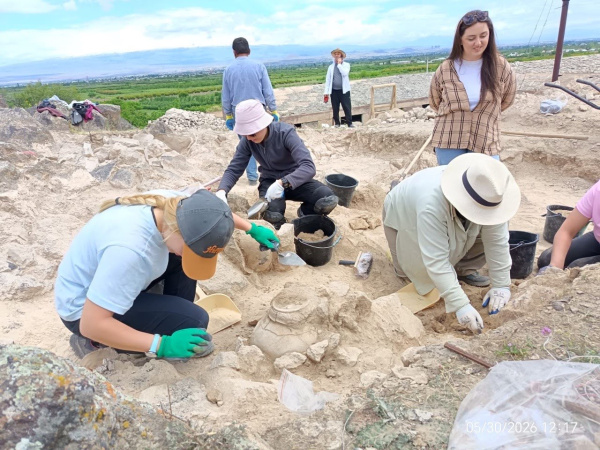
"I took part in the excavations at Artanish in 2022-2024 with an Armenian-German expedition, the 2023-2024 excavation seasons at Metsamor, and the work at Masis Hill in 2024-2025 with an Armenian-American expedition," Astghik says, adding that in 2025-2026 she also participated in the excavations at Argishtikhinili with an Armenian-Polish expedition.
"Argishtikhinili is also an important archaeological site where unique finds are being excavated, including burial urns dating to the eighth and seventh centuries BC. This is the second consecutive year that I have participated in these excavations. During this time, with the help of a cremation specialist invited from Poland, I learned the proper technique for excavating burial urns," she adds.
This year, Astghik has also participated in excavations at Agarak.
The study of paleoanthropological materials provides unique information about the lifestyles of past societies that cannot be obtained through conventional excavation alone.
Astghik already has experience working with medieval skeletal remains.
"Anthropological remains dating to the Middle Ages are quite well preserved, and they help fill gaps that cannot be addressed through excavation alone. For example, they can reveal how people lived, whether they experienced periods of famine, which diseases were prevalent, and whether they were well nourished. Anthropological remains themselves help answer these questions," she says.
Astghik Arzumanyan works as a specialist in the Research Department of the Service for the Protection of Historical Environment and Cultural Museum-Reservations under the Armenian Ministry of Education, Science, Culture and Sports.
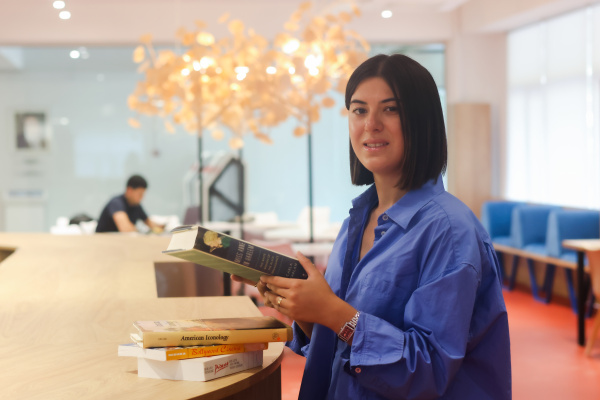
"I chose archaeology because I have been interested in history and the lives of people in the past since childhood — how people lived hundreds or thousands of years ago, and what kind of culture, customs and everyday life they had. Archaeology allows me not only to learn about the past from books, but also to uncover new pages of history through actual excavations and archaeological finds. What particularly appeals to me about this profession is the opportunity to conduct research, study and make discoveries. In addition, I believe the work of an archaeologist is important for preserving our historical and cultural heritage and passing it on to future generations," Astghik says, emphasizing the importance of her chosen profession.
The young specialist's immediate goal is to deepen her knowledge of cremation practices and paleoanthropology and continue field research. In the longer term, she plans to pursue doctoral studies.