August 26, 2026 | 15:00
Education
International cooperation
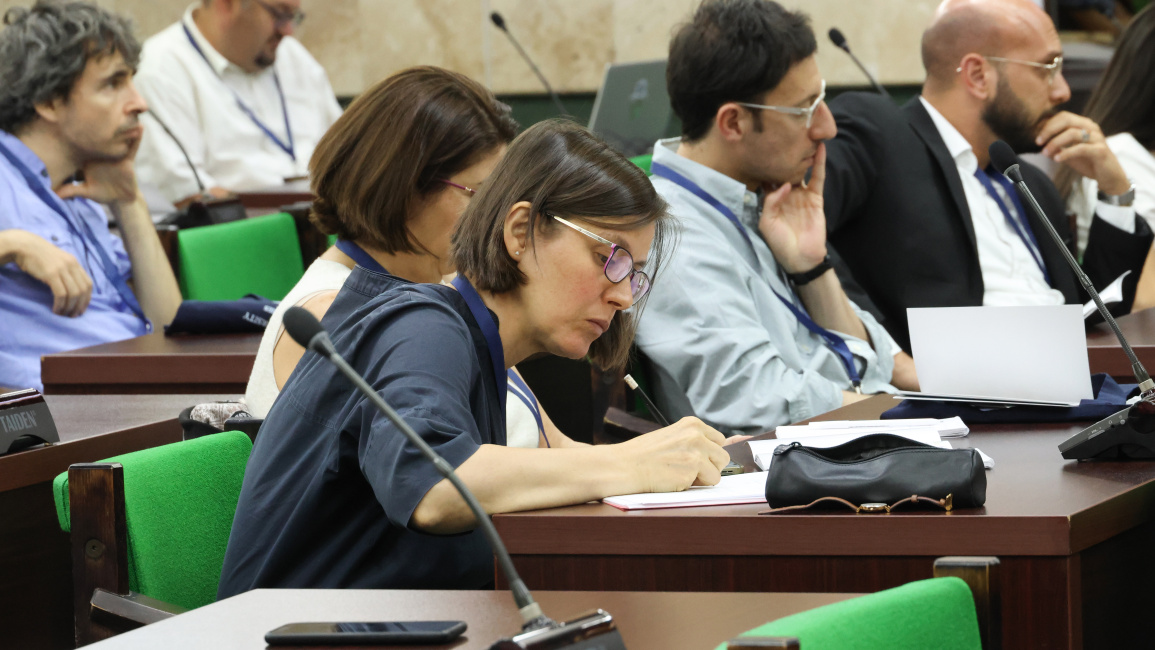
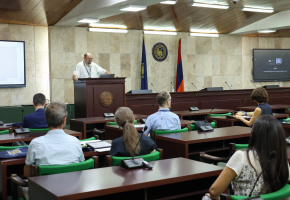
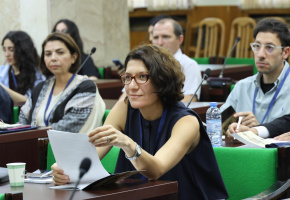
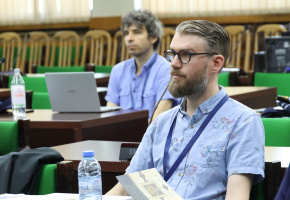
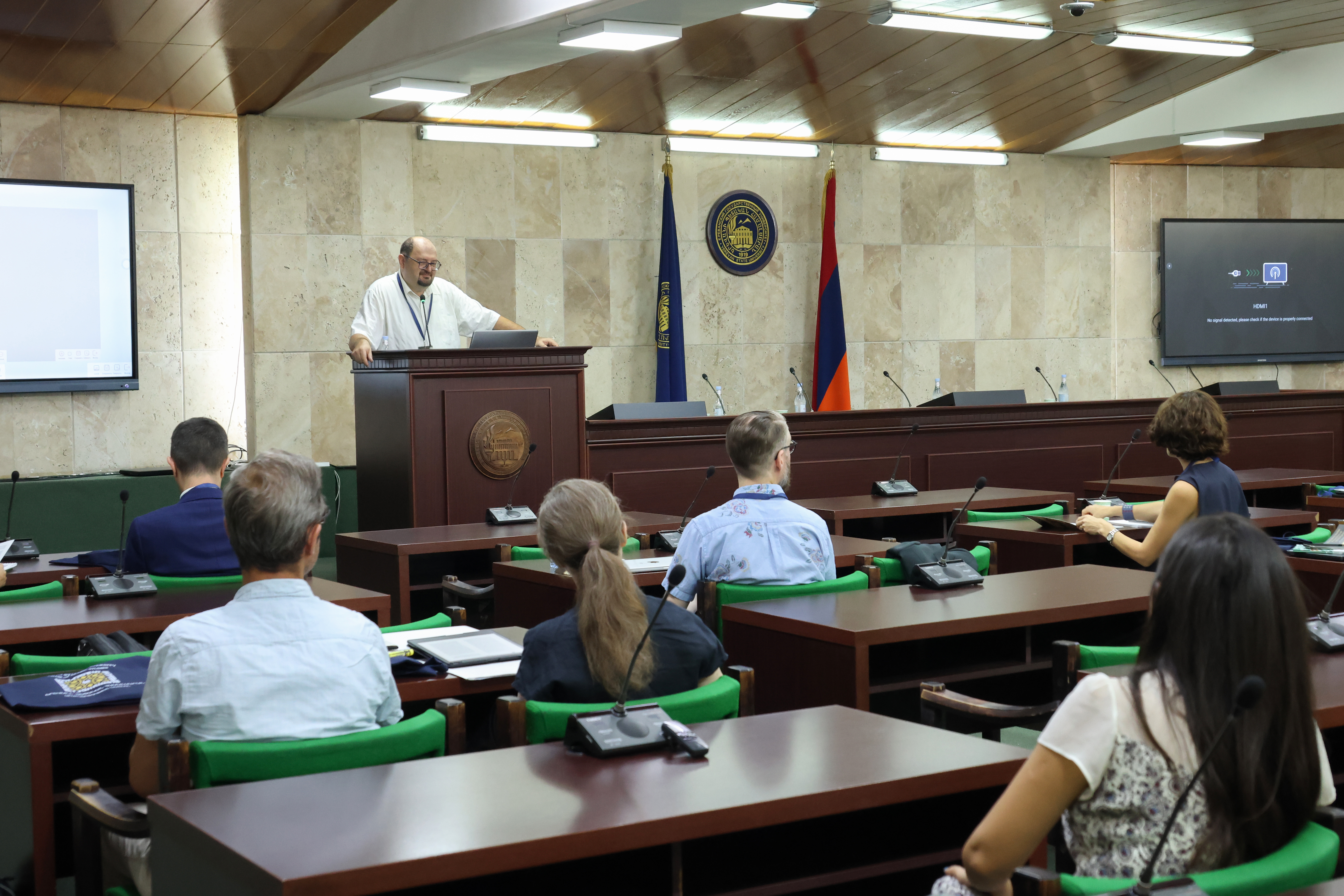
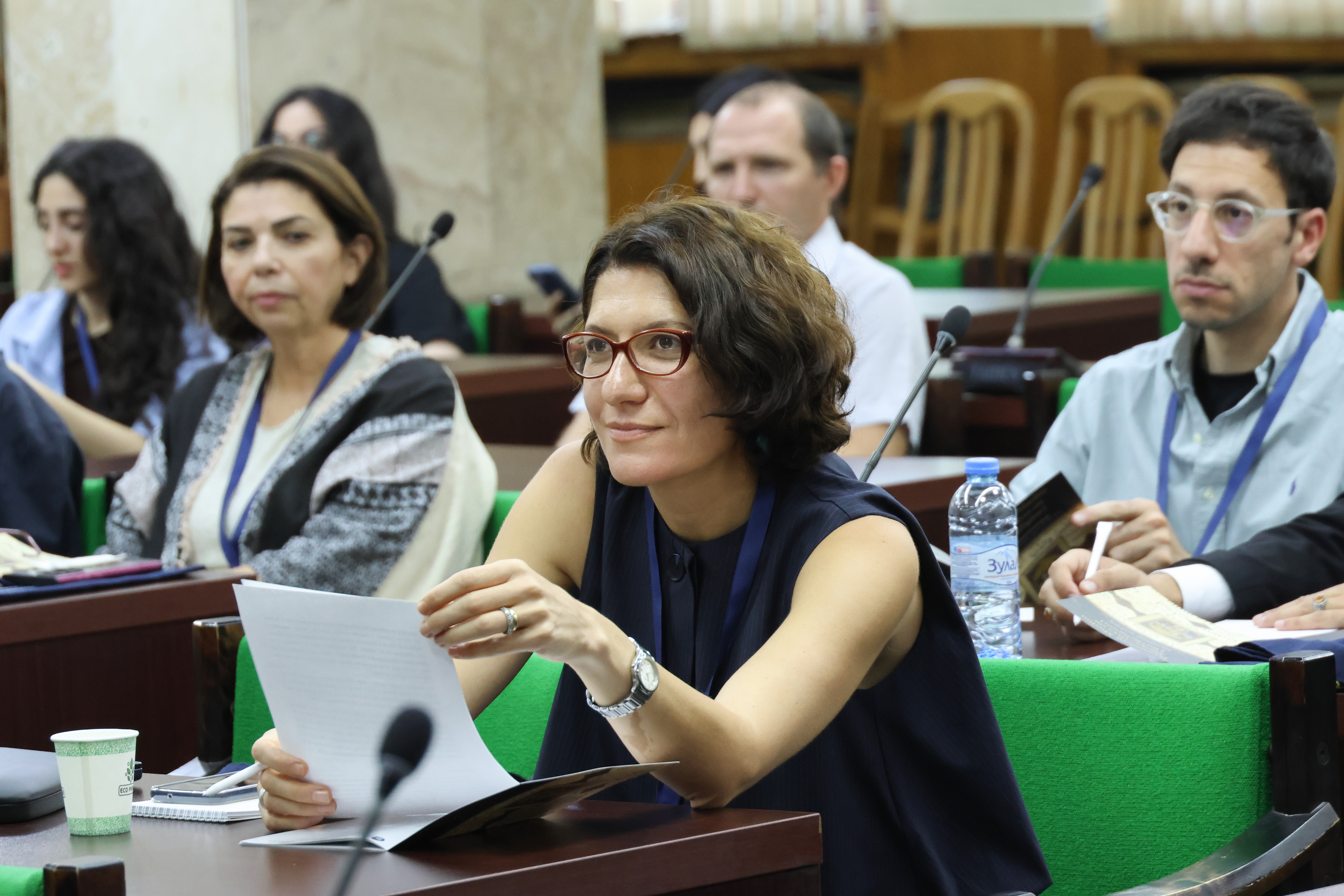
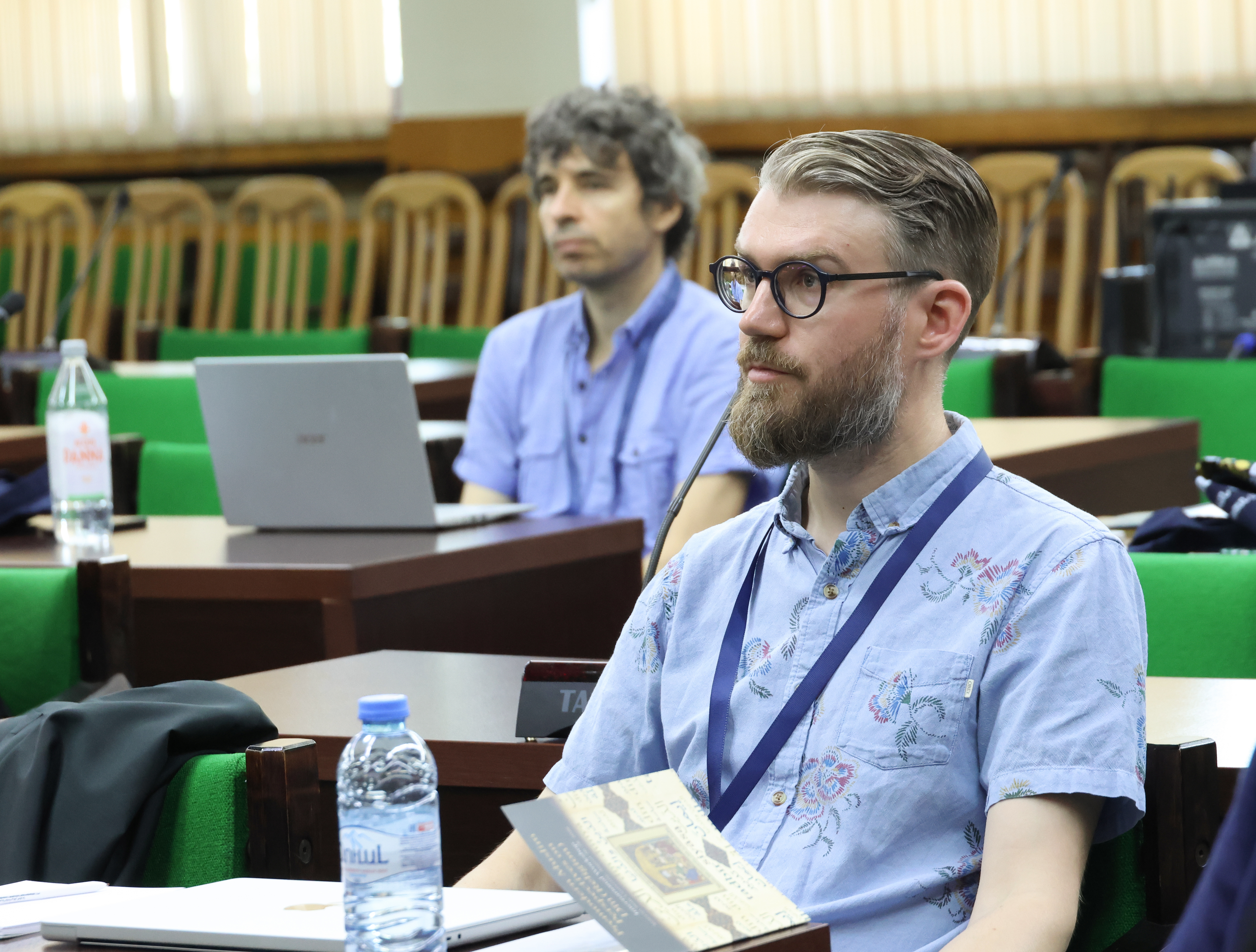
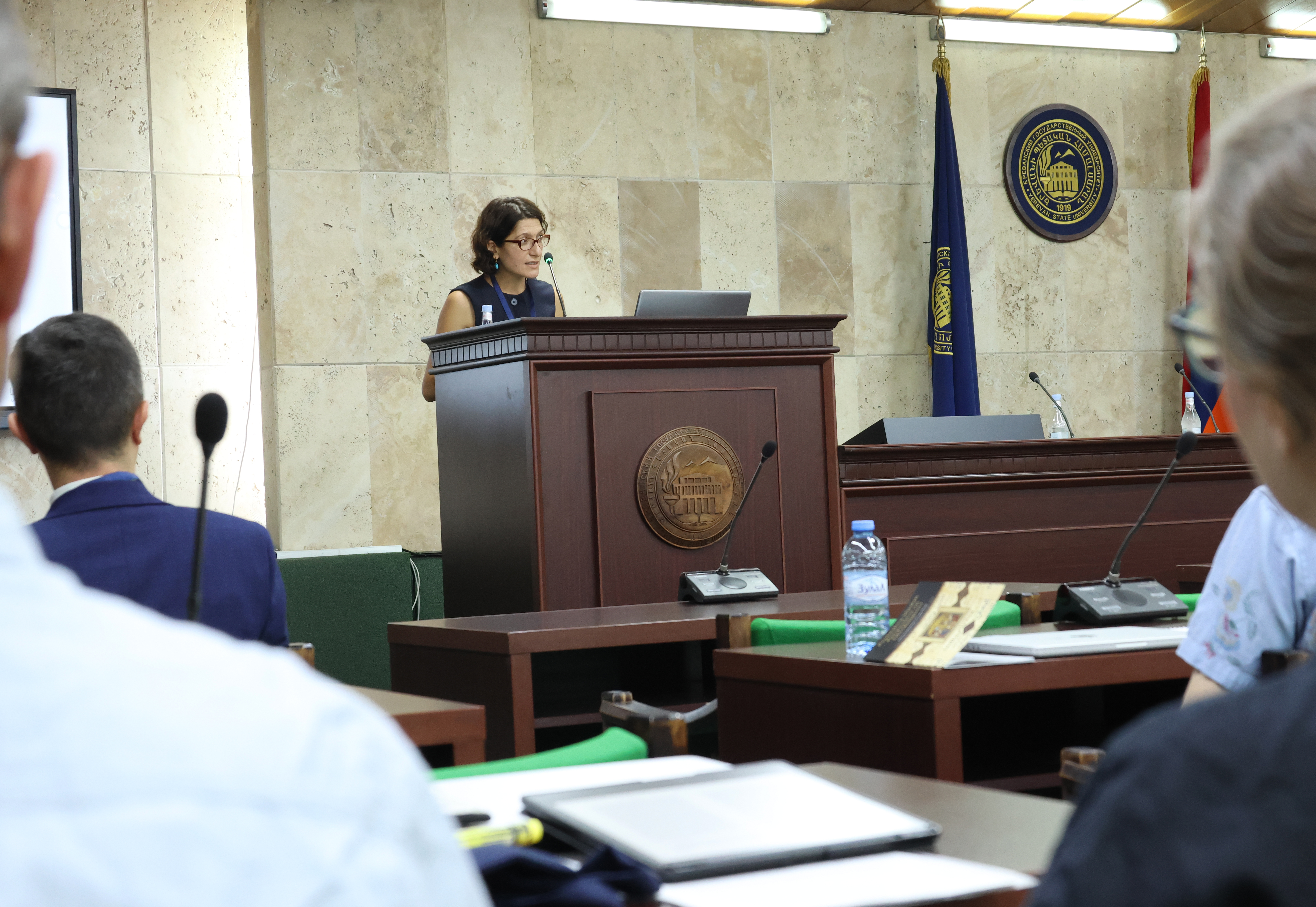
The central question of the "Pre-Modern Islamic Approaches to the Concept of Dīn ('Religion')" workshop concerns the characteristics of Dīn (broadly understood as "religion") as expressed in a range of pre-modern Arabic sources and their epistemic contexts. Key themes include examination of the dīn-dunyā pair, the relationship between "religion" and "governance" (siyāsa, tadbīr), "religion" and "law", and "religion" and "knowledge"; their role in shaping imperial and social orders; the role of religion in private, ethical and communal spheres and in the construction of otherness; and other related topics.
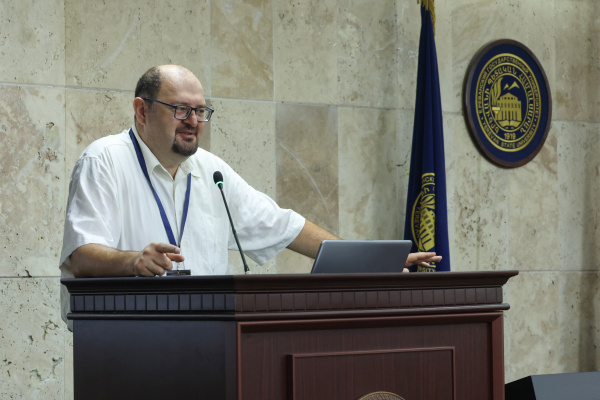
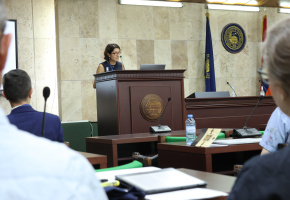
Hayk Kocharyan, Associate Professor and Head of the Chair of Arabic Studies at the YSU Faculty of Oriental Studies, highlighted the importance of such international academic gatherings. Presenting the history and development of the Chair of Arabic Studies, Kocharyan noted that its academic interests today encompass Arab culture, literature and Islamic studies. In this context, he stressed the importance of the workshop as a platform for scholarly discussion and cooperation among specialists in the field.
"This year, we decided to take a step further and publish the materials and research presented during the workshop in the form of articles or a book," he said, adding that similar academic events are planned to be organized regularly.
Given the renewed debate in contemporary scholarship over the extent to which the category of "religion" can be applied to the study of Islam at all, the workshop proposes reconsidering the concept of Dīn, including related terms such as īmān and milla, by giving priority to Muslim primary sources and internal debates. This approach seeks to reveal the historical diversity and semantic nuances of these concepts, allowing for a deeper understanding of the historical transformations and development of these complex notions.
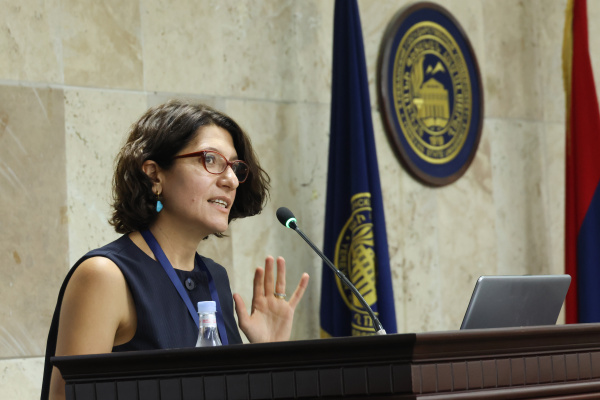
Sona Grigoryan, a YSU graduate and lecturer at the University of Vienna, emphasized the importance of the workshop's theme. Citing Gudrun Krämer, she said that the extensive body of material on the concept of Dīn, spanning the early Islamic period through the 18th century, still requires systematic study.
"This workshop is intended to make a small but important contribution to the study of the concept of Dīn," Grigoryan said. She stressed that the aim is not to define Dīn, but to map its semantic field, creating an opportunity to gain a deeper understanding of its multilayered meanings through a contextual and historicized approach.
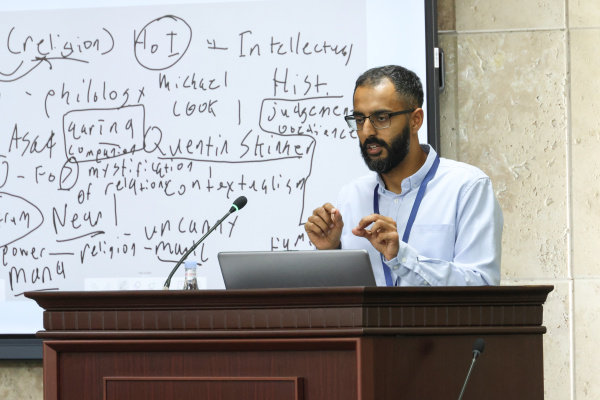
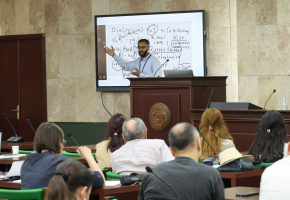
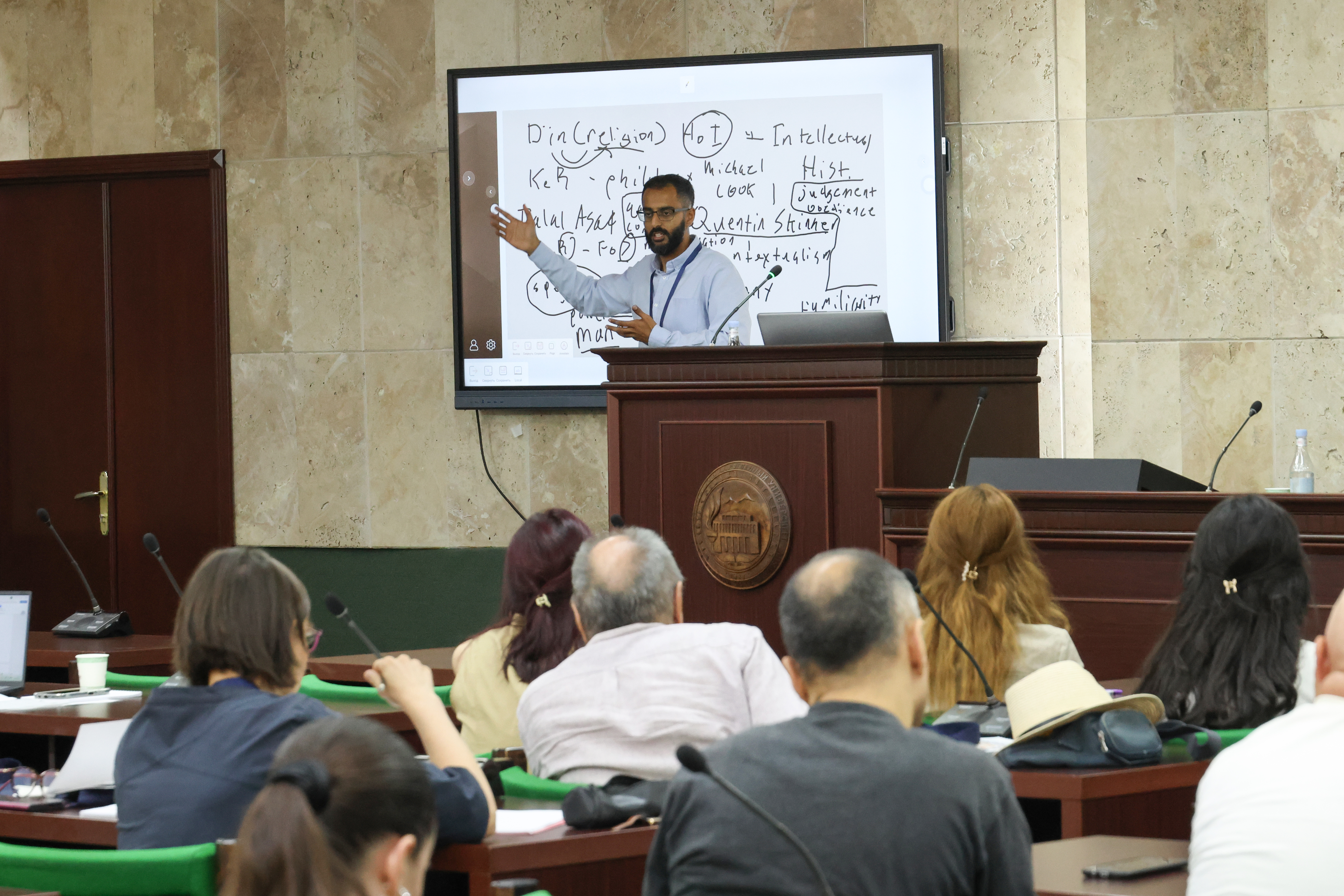
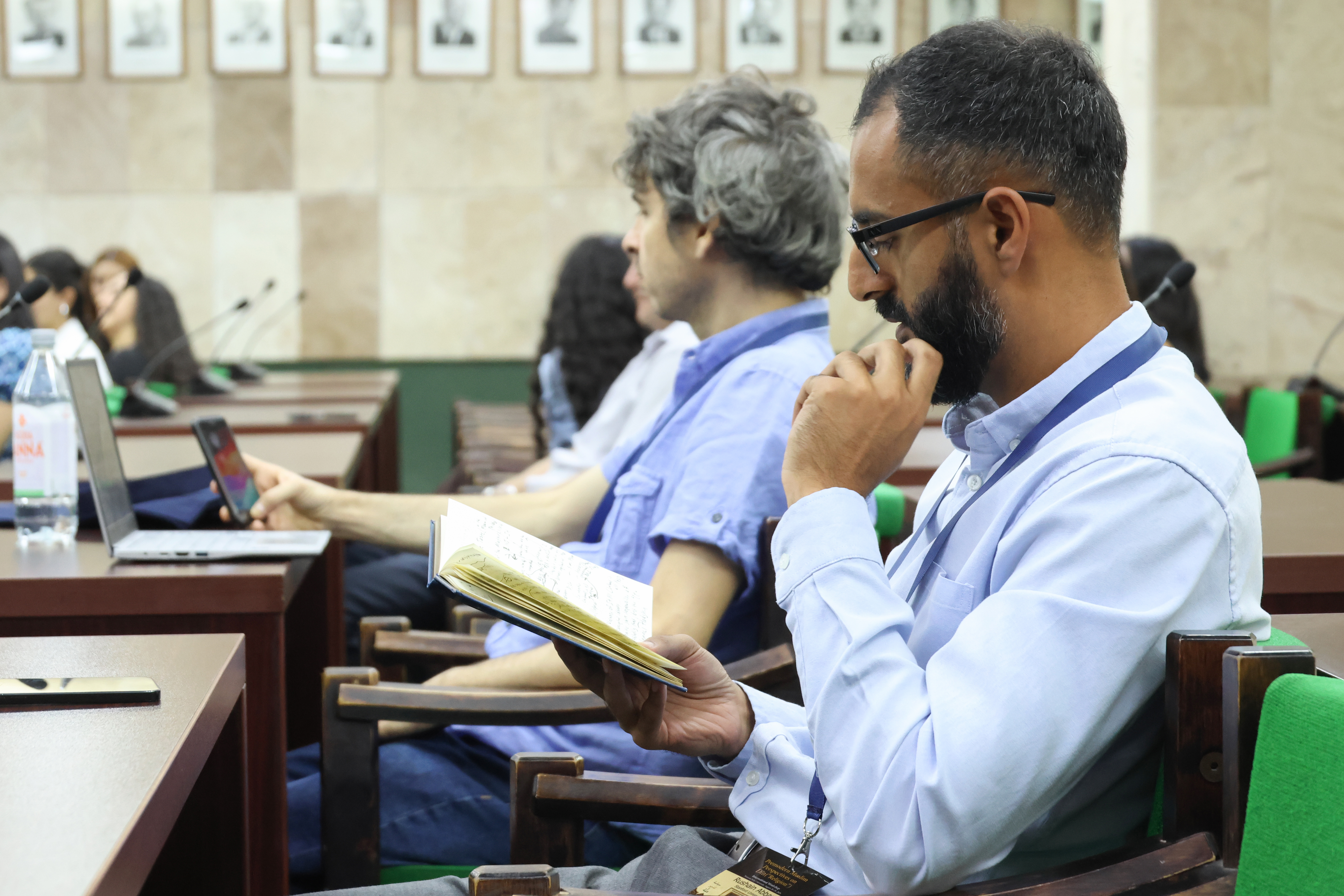
Among the workshop speakers was Dr Rushain Abbasi, Assistant Professor in Stanford University's Department of Religious Studies. Discussing the study of the concepts of Dīn and "religion", he noted that the subject is one of the key areas of his academic interest. He particularly highlighted the issue of translating concepts, noting that examining the relationship between the words Dīn and "religion" is important not only for understanding intellectual history but also for rethinking contemporary knowledge.
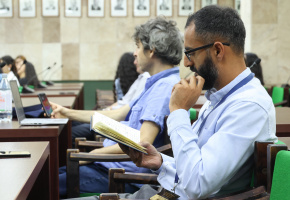
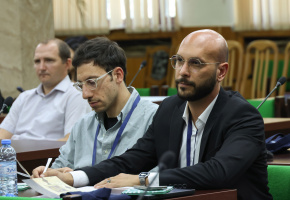
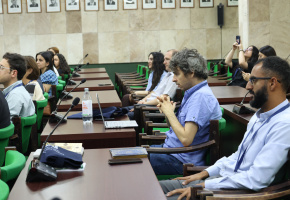
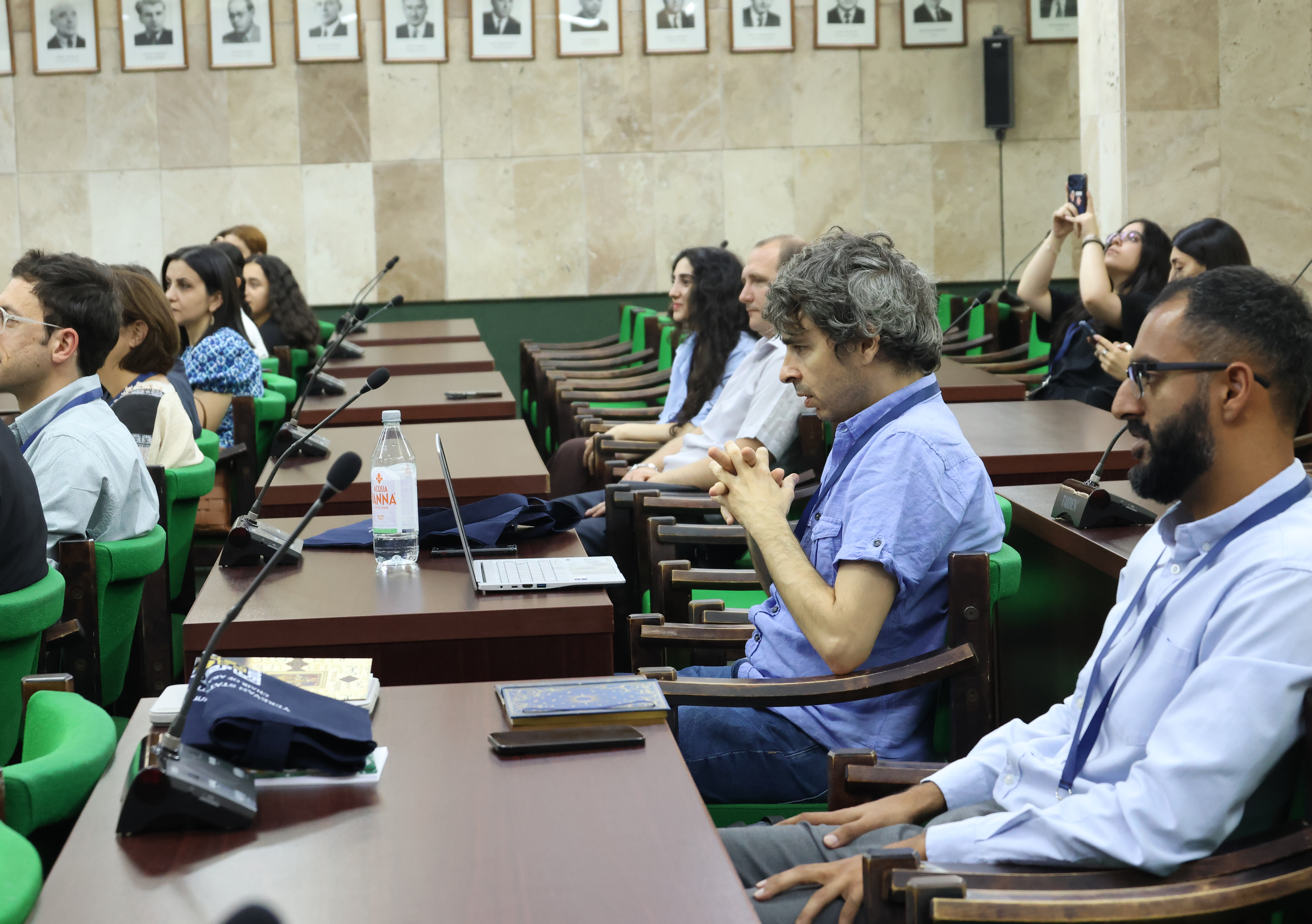
The workshop will continue through August 28. During the academic event, international and Armenia-based participants will discuss different understandings of Dīn, focusing on its significance in pre-modern Islamic sources.