August 04, 2026 | 15:00
Science
Graduates
Policy
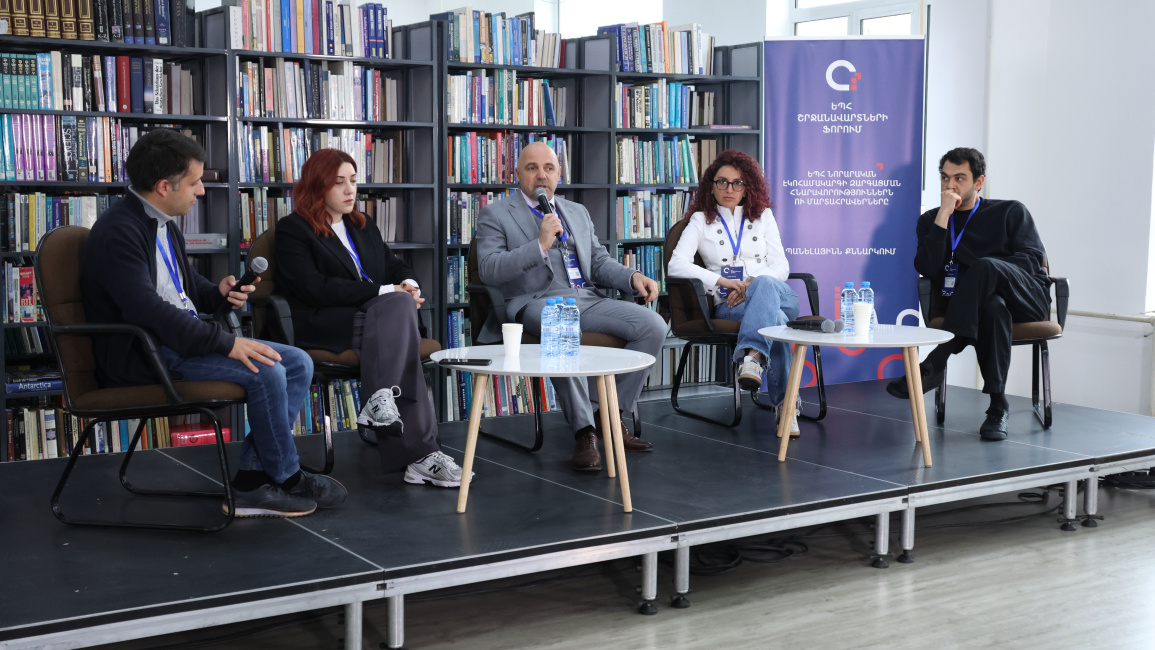
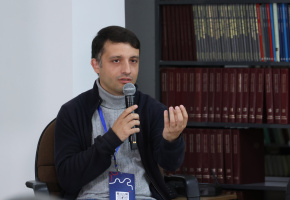
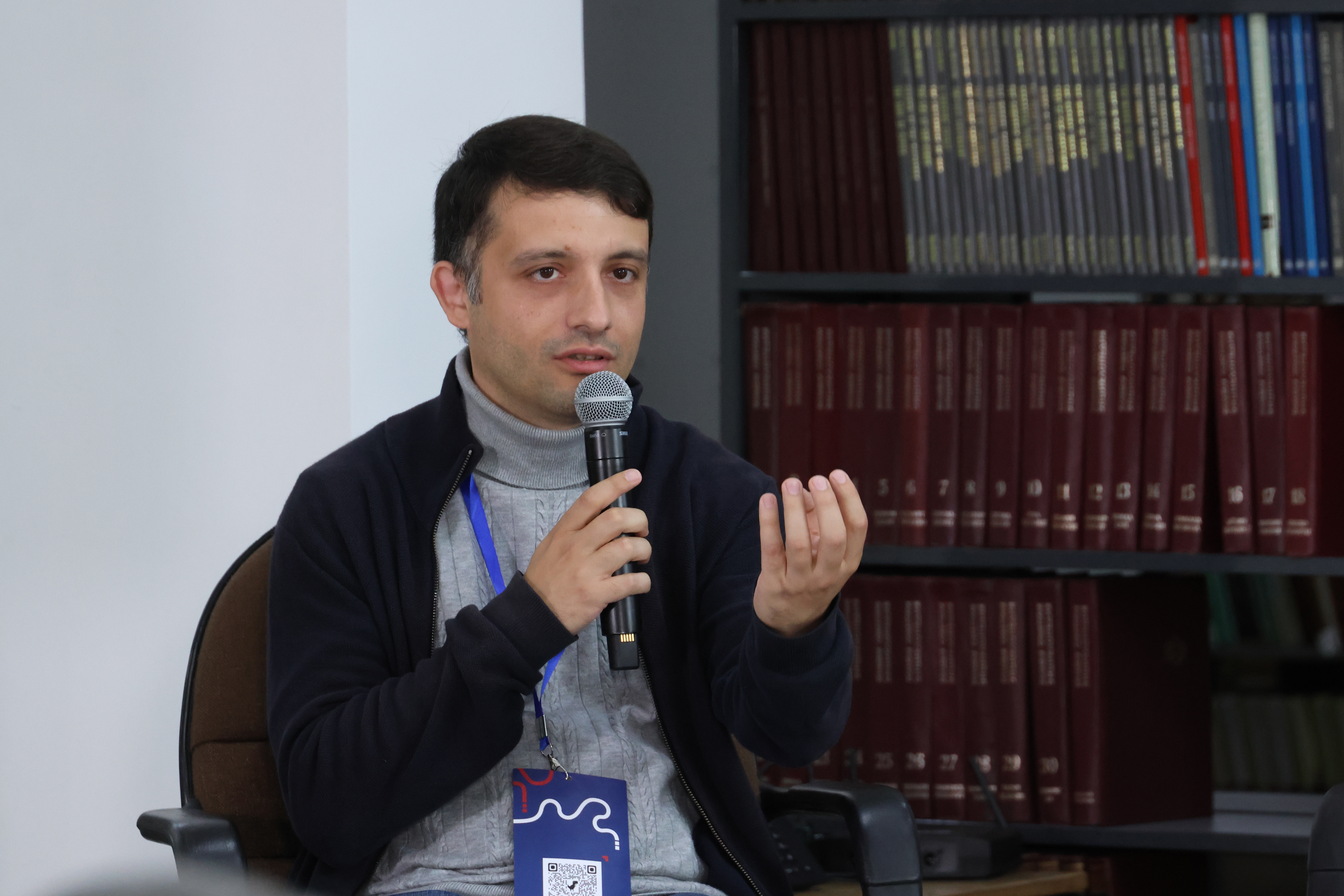
Hrant Khachatryan | Moderator | Head of a research group at the YSU Machine Learning Laboratory, Director of YerevaNN Laboratory |
|---|---|---|
Anahit Sargsyan | Speaker | Director of the Armenian Innovation Foundation |
Chinar Movsisyan | Speaker | Head of Applied AI and Senior Director at ActiveCampaign, founder of Feedback Intelligence (acquired) |
Karen Gyulbudaghyan | Speaker | Founder of Strategic Value Ventures, Global Ambassador for UC Berkeley SkyDeck, founder of Ground Zero Venture Café |
Areg Gevorgyan | Speaker | Co-founder and CEO of Labz.ai, Chair of the ISTC Board of Trustees |
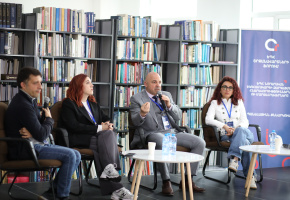
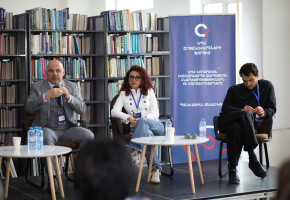
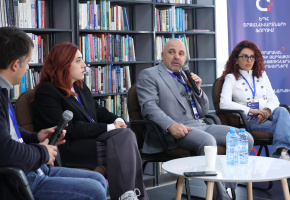
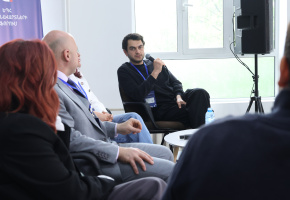
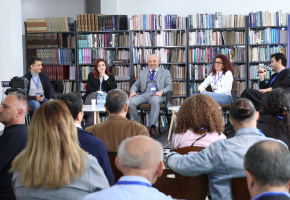
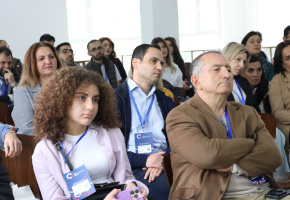
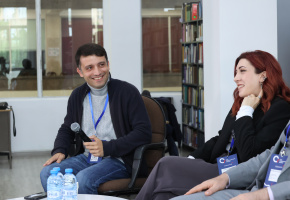
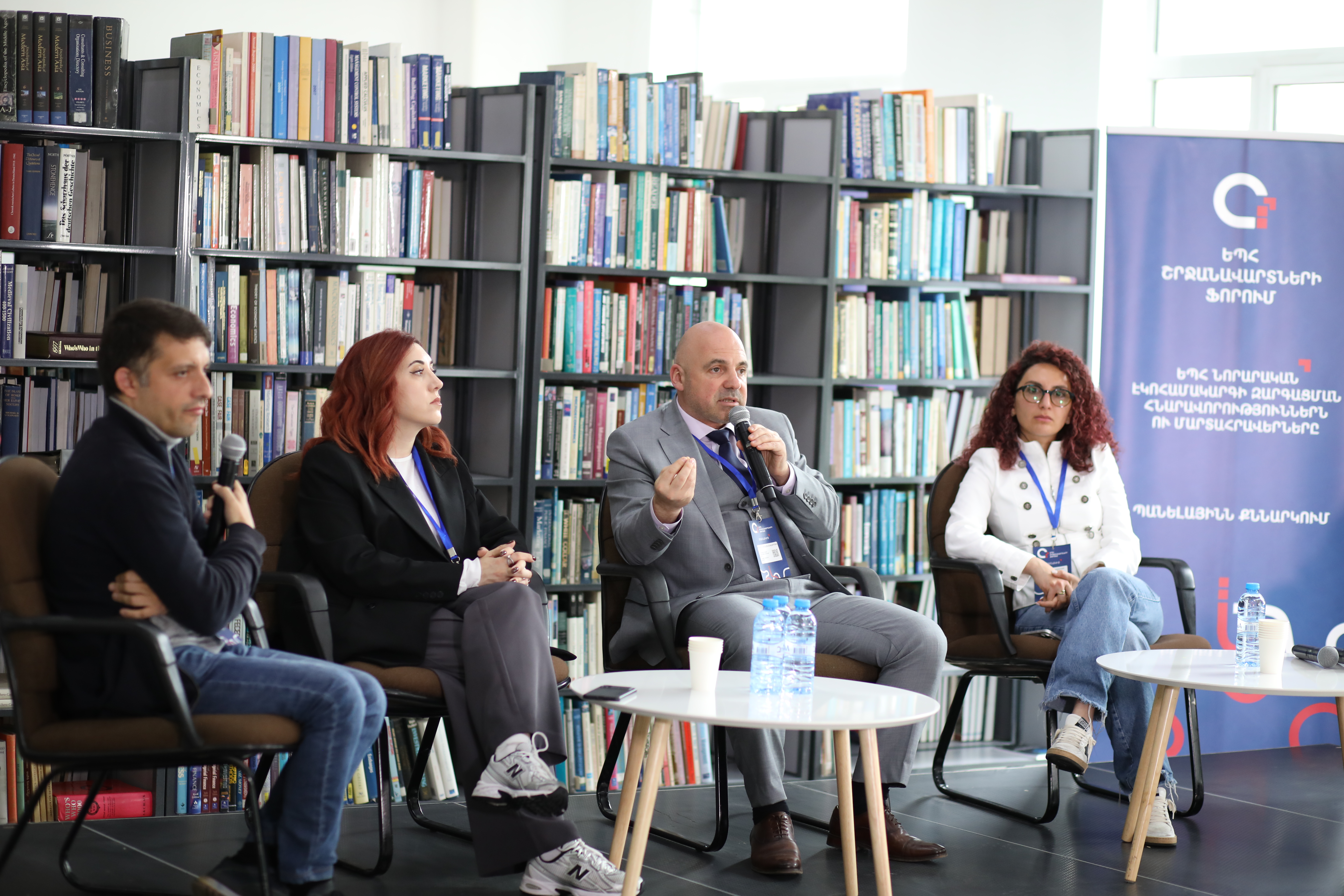
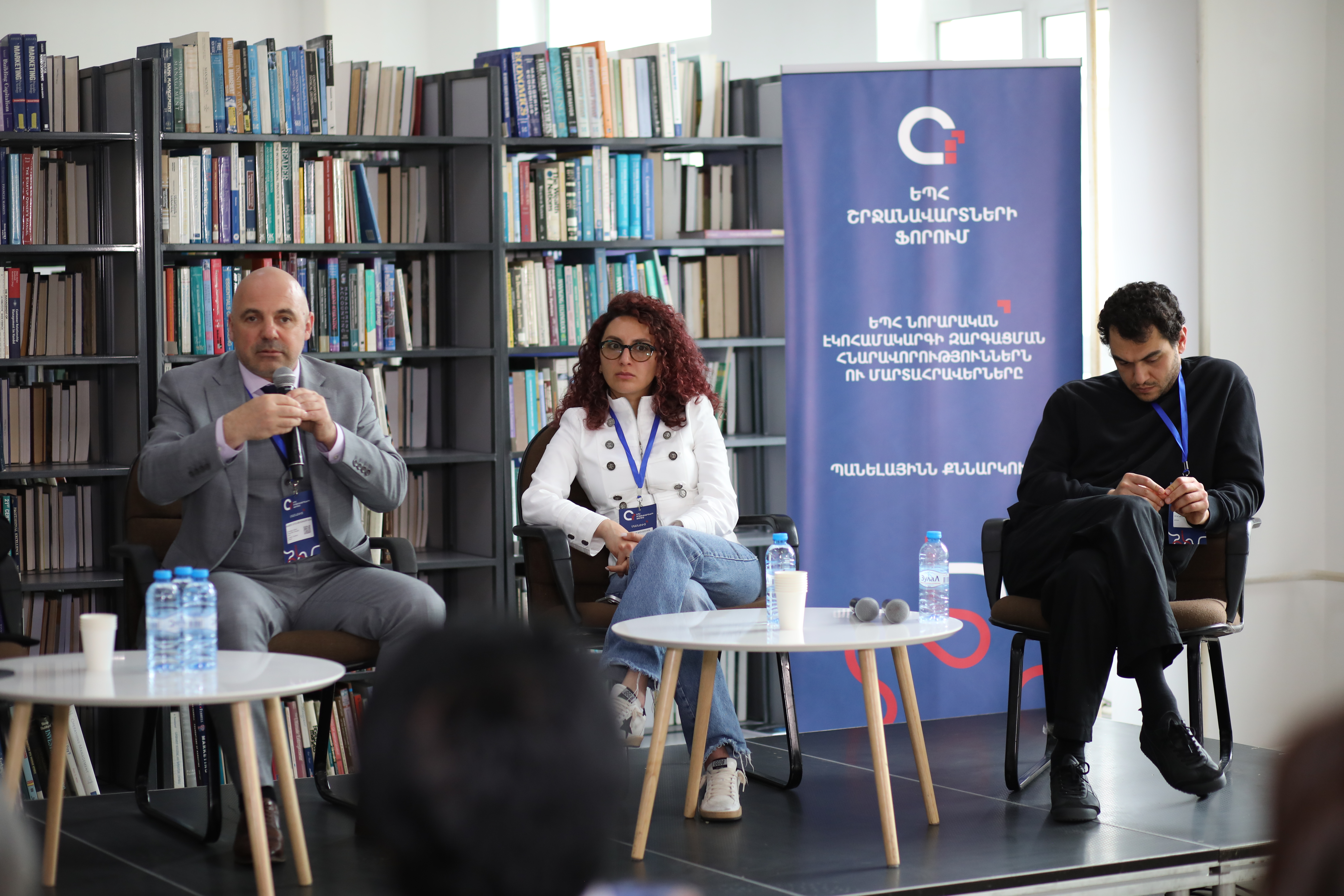
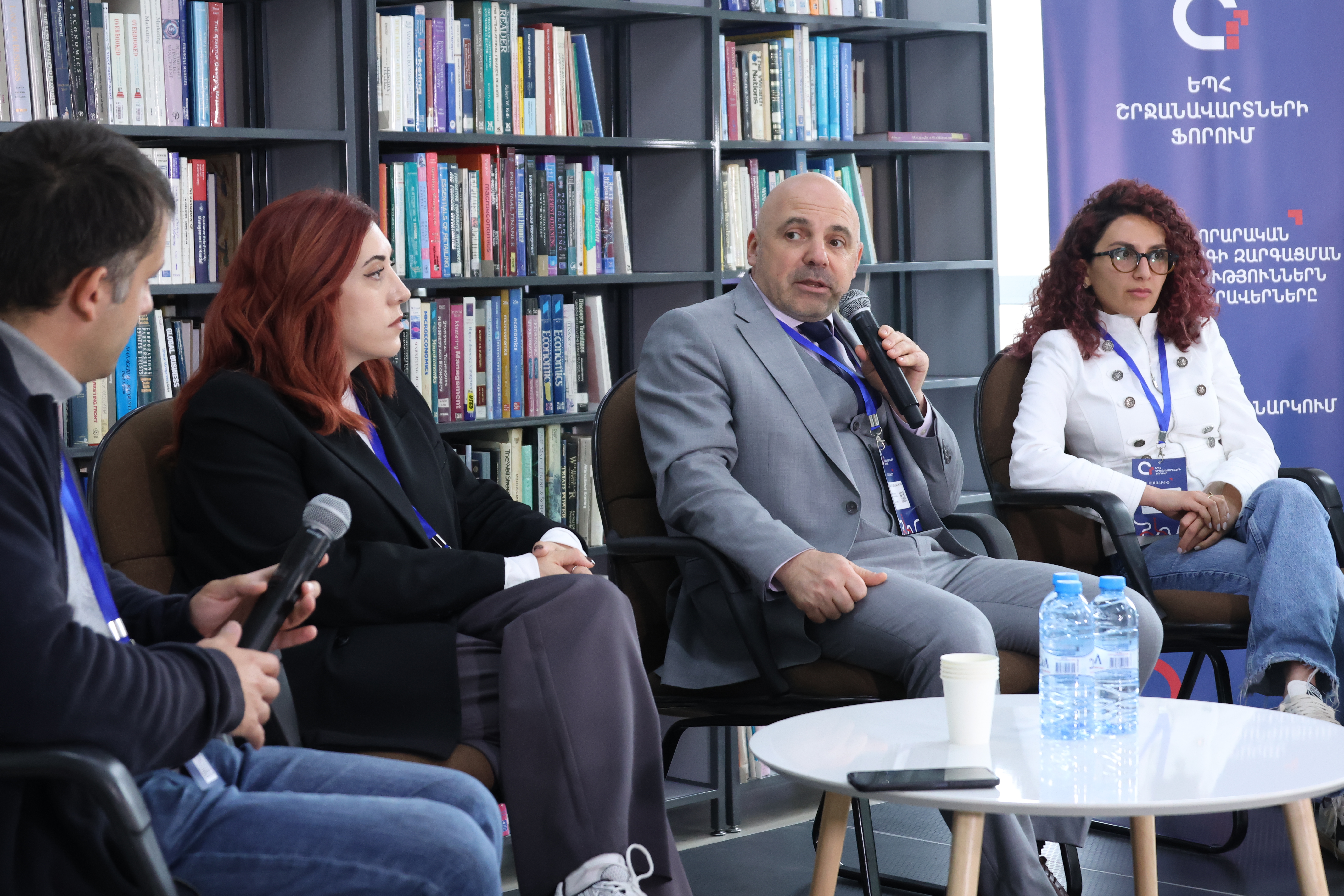
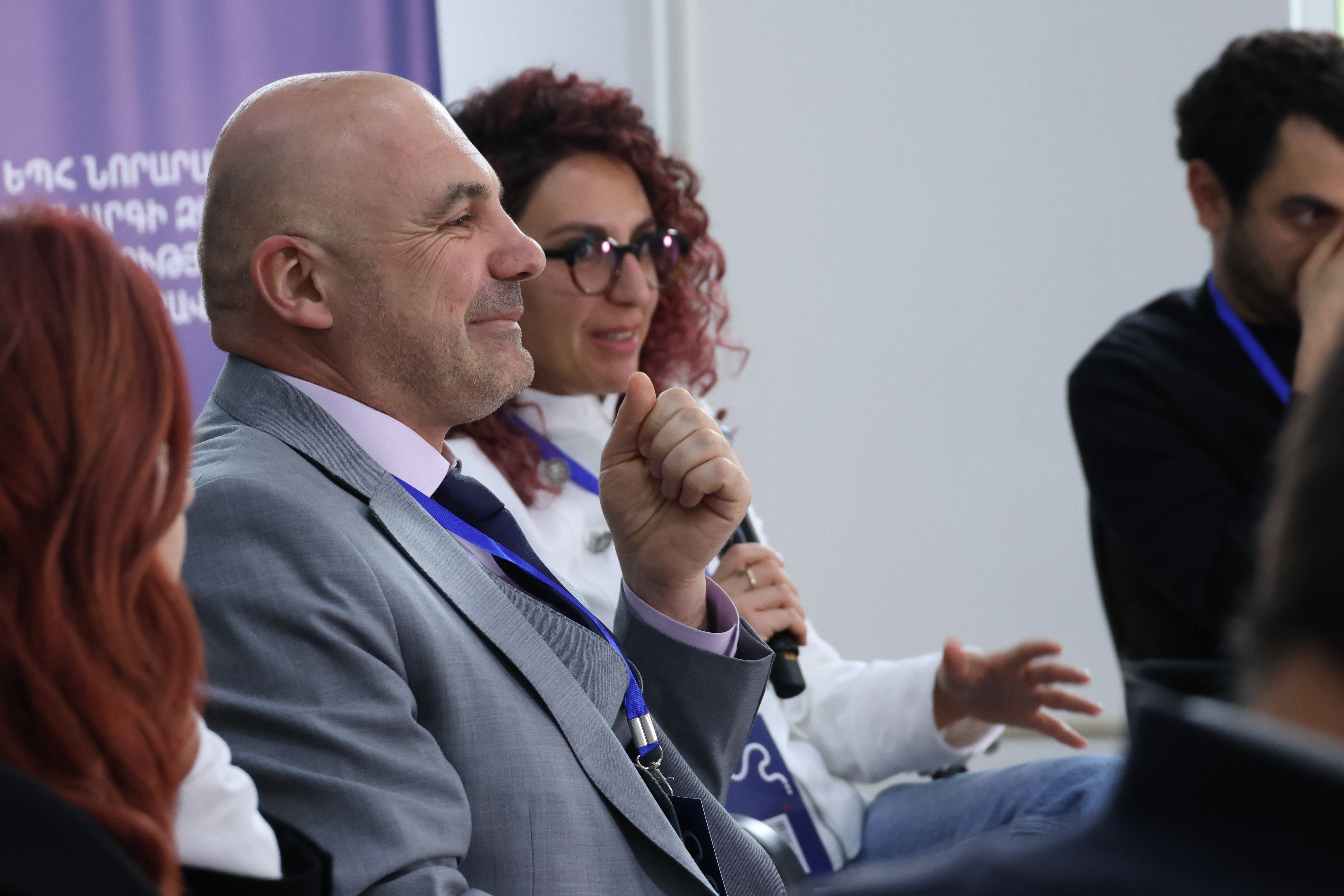
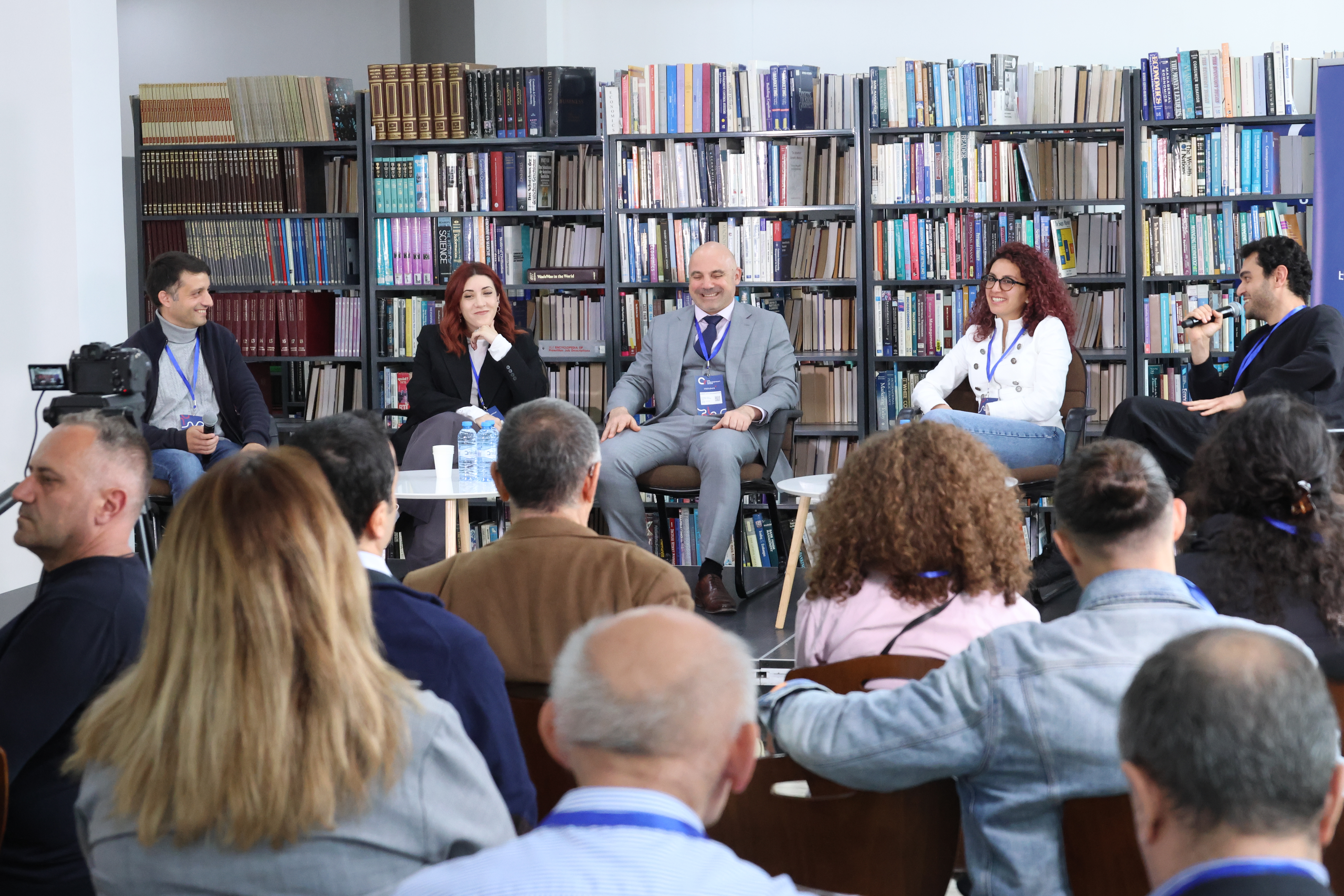
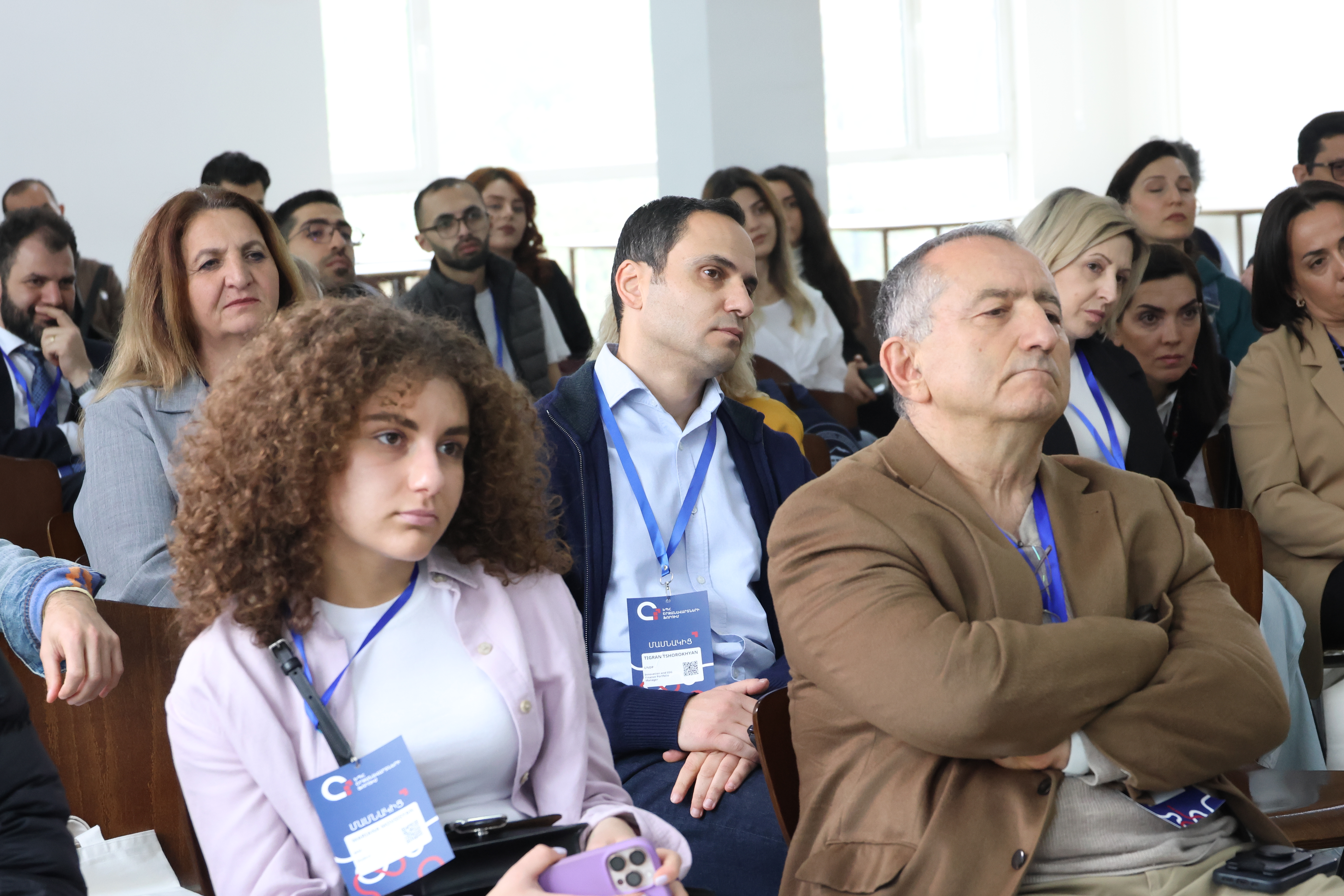
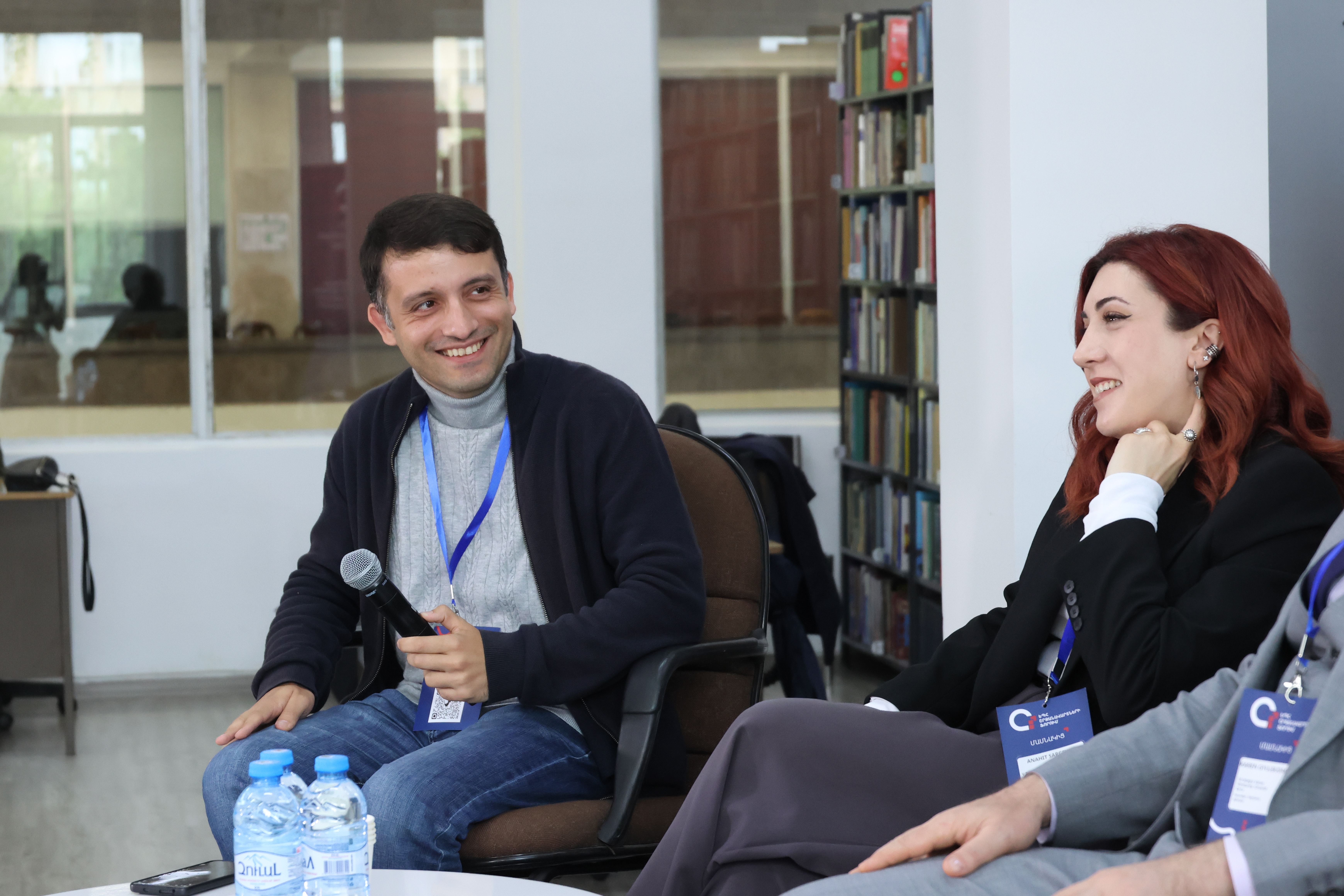
The YSU Alumni Forum, which once again brought members of the university community together around a shared idea, was held in four simultaneous panel discussions.
The discussion over "Opportunities and Challenges in Developing YSU's Innovation Ecosystem" focused on the priority of transforming university knowledge, research potential and creative ideas into practical solutions. According to the speakers, universities can no longer operate in isolation from business and the technology sector. They stressed that without such cooperation, university research is unlikely to be translated into practical solutions.
Another key topic was what kind of support 21st-century students and lecturers need to develop innovative thinking, practical skills and, importantly, the ability to turn ideas into real projects.
Drawing on their own experience, the speakers discussed how university education had contributed to their professional growth and what changes are needed for YSU to become a more competitive environment for innovation.
Moderator Hrant Khachatryan noted that while people and companies are not typically viewed through the lens of their university affiliations when discussing the sector's development, it is still worth examining the role YSU has played in and the contribution it has made to Armenia's startup and innovation ecosystem.
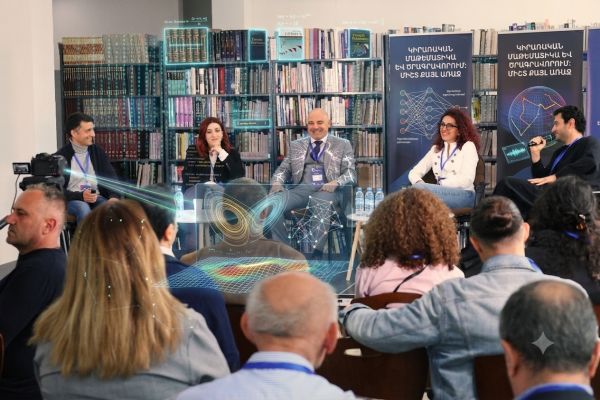
Yerevan State University, one of the main centers for developing the human and intellectual potential of Armenia's technology sector, has long stood out for the high level of preparation and competitiveness of its students, particularly in applied mathematics, physics and related fields. YSU alumni have a significant presence in public administration and research, as well as in the private sector.
YSU is now seeking to turn this potential into systematic cooperation by developing its alumni community — the YSU diaspora — and making it a strategically important resource for improving the quality of education, developing the educational environment and contributing to the country's progress.
According to the speakers, a well-organized YSU alumni network could become an important link between education and the labor market. In this context, participants discussed a number of issues related to the achievements and challenges of Armenia's technology sector that need to be addressed both to ensure long-term development and to transform the university into an institution that fosters innovation, entrepreneurship and technological leadership.
Participants noted that the overwhelming majority of professionals are YSU graduates. While unanimously acknowledging the high standard of technical education at the university, they also identified an important gap: YSU graduates are recognized for their strong academic foundations, but technical knowledge alone is not enough.
According to the speakers, YSU provides a strong professional foundation, but graduates often find it difficult to communicate effectively, present themselves and work with international partners because less attention is paid to soft skills, effective pitching of ideas and other important aspects that are essential in today's professional environment.
This observation became the next key topic of discussion: how should university education change so that strong technical preparation is complemented by modern entrepreneurial and communication skills?
Participants agreed that YSU remains one of the country's key centers for developing scientific and technological potential. However, they believe that maintaining international competitiveness requires greater emphasis in academic programs on entrepreneurship, communication skills and the development of university-industry cooperation. According to the speakers, these changes will make it possible to turn university knowledge into innovative solutions and strengthen YSU's role in shaping Armenia's technological future.