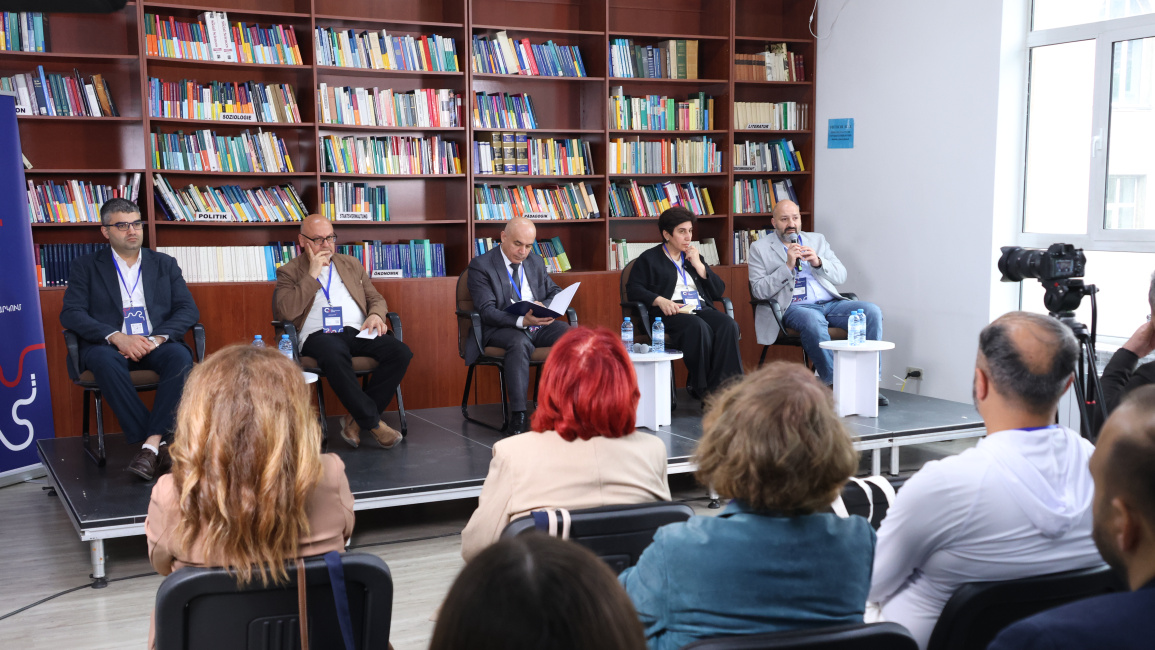
On May 16, marking the 107th anniversary of its founding, Yerevan State University hosted the Alumni Forum 2026.
The forum brought together alumni from different generations, whose professional paths, achievements, and accumulated experience are integral parts of YSU's history.
The event served not only as a traditional reunion but also as a strategic opportunity to reassess the university's ties with its alumni, discuss current challenges facing YSU, and outline a shared vision for how the university and its alumni community can shape the future.
Alongside other initiatives, the forum featured a series of panel discussions addressing key issues in education, science, and social development. Particular emphasis was placed on the panel titled "Development Prospects for Armenian Studies," which aimed to provide a comprehensive analysis of the field's current state, contemporary challenges, and main directions for development.
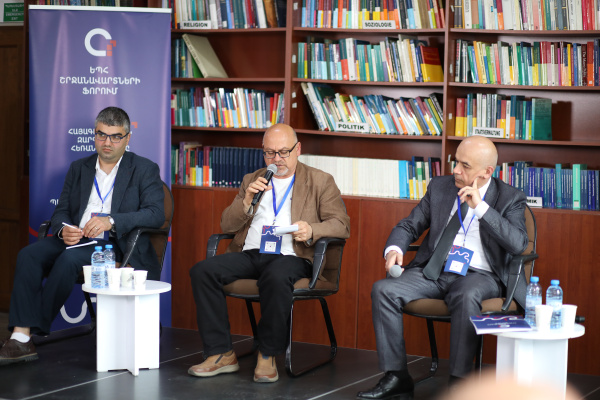
Opening the discussion, moderator Vahram Petrosyan, Director of the YSU Institute for Armenian Studies, Associate Professor, PhD in History, international relations scholar, highlighted the need to reconsider the concepts of "Armenian studies" in the context of ongoing geopolitical and academic transformations. In his remarks, he presented a SWOT-style approach—strengths, weaknesses, opportunities, and threats—revisiting the conceptual framework of Armenian studies and seeking to clarify its goals, challenges, and priorities.
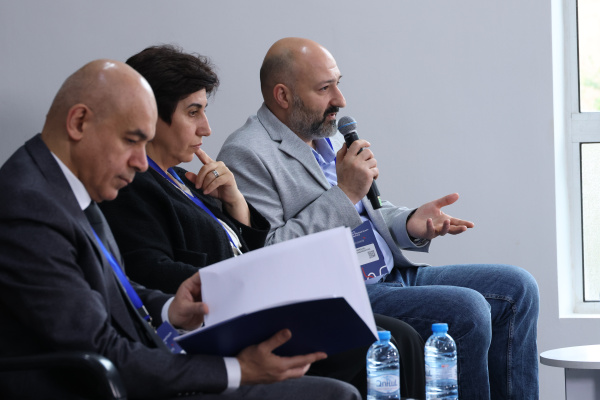
Leading specialists and representatives of academic institutions delivered presentations and expert observations covering multiple dimensions of Armenian studies, including strategies for the development of Armenian studies and the humanities, identity transformation, linguistics, ethnography, and cultural heritage management. Each participant outlined their own vision for the field, including Mikayel Hovhannisyan, YSU Vice-Rector for International Cooperation, Development and Innovation; Siranush Dvoyan, Chair of the Language Committee of the RA MoESCS; cultural anthropologist and ethnographer Aghasi Tadevosyan; and Nzhdeh Yeranyan, Deputy Scientific Director of the History Museum of Armenia.
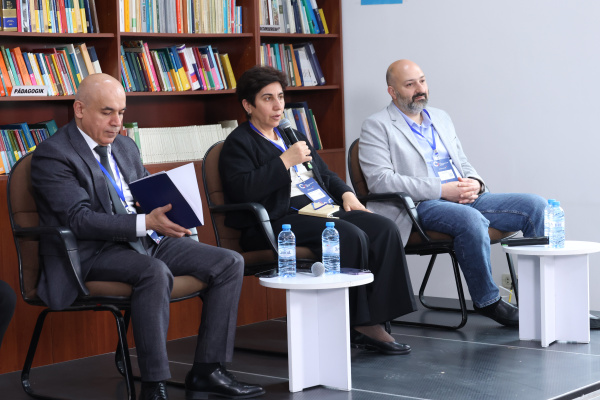
Following the presentations, the forum moved to its most dynamic segment—a 30-minute thematic discussion and debate conducted in an interactive format of responses, idea exchange, and critical questioning. The discussion was structured around three main strategic areas: redefining the current and future goals of Armenian studies; clarifying contemporary challenges; and reassessing YSU's role as a scientific hub in building an effective bridge between "internal" and "external" Armenian studies.
The next phase of the discussion focused exclusively on developing practical initiatives and formulating three specific steps for Yerevan State University to implement over the next one to three years.
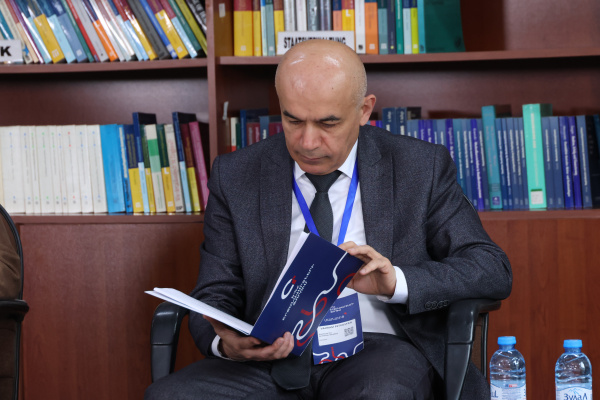
As a result of the joint discussion, experts identified three main applied directions for the development of Armenian studies, including political Armenian studies, digital Armenian studies, and public Armenian studies.
The panel discussion featured an active and engaging exchange of ideas. Participants emphasized that the modernization of Armenian studies is of strategic importance for advancing the national interests of the Republic of Armenia and strengthening the country's position in the international academic arena.
Participants agreed that similar panel discussions should continue to be held under the auspices of the YSU Institute for Armenian Studies.