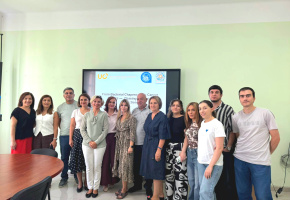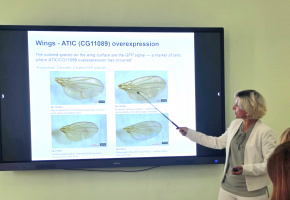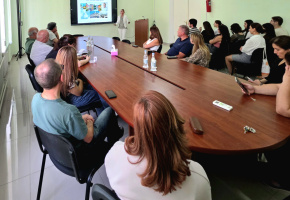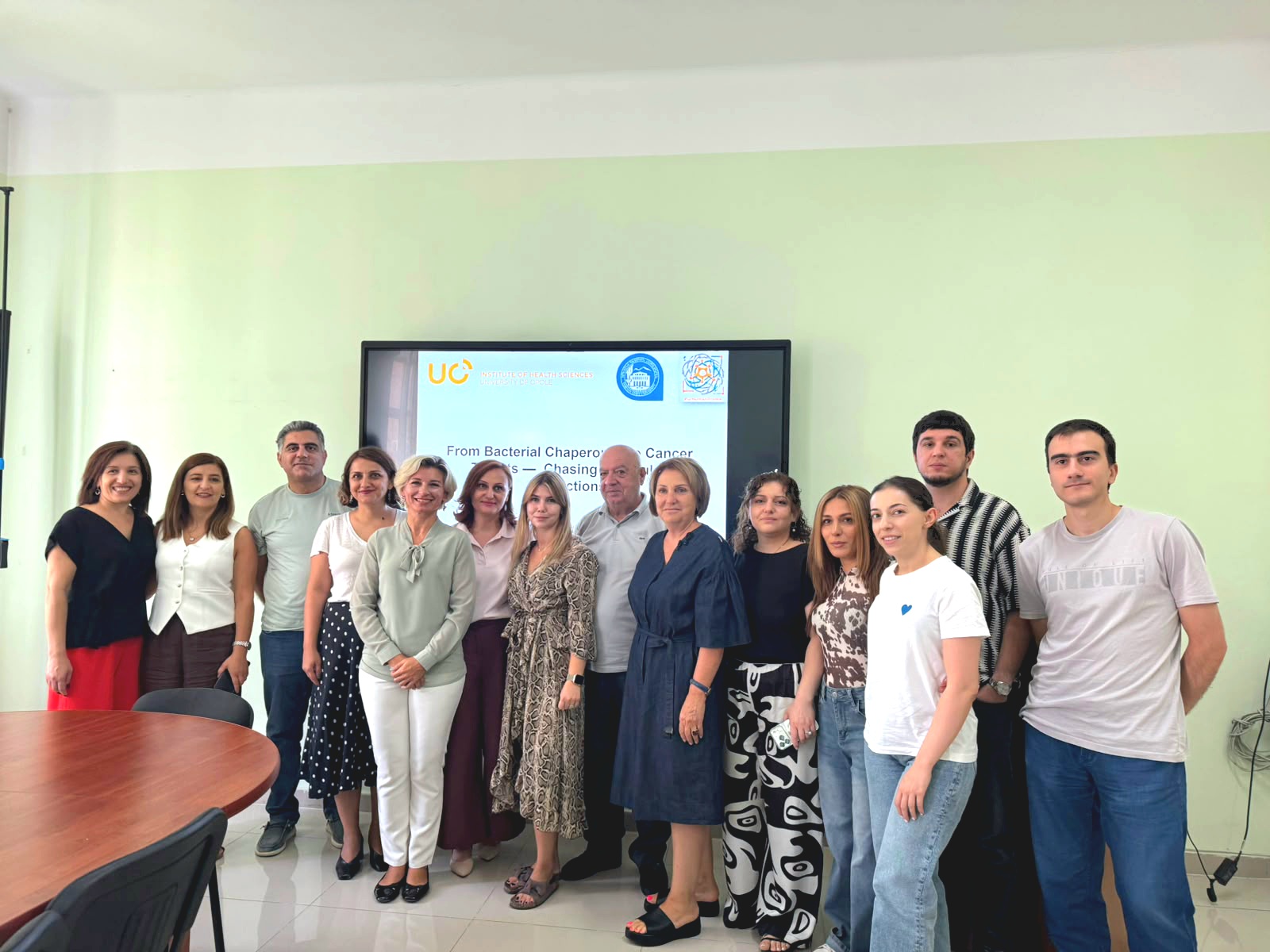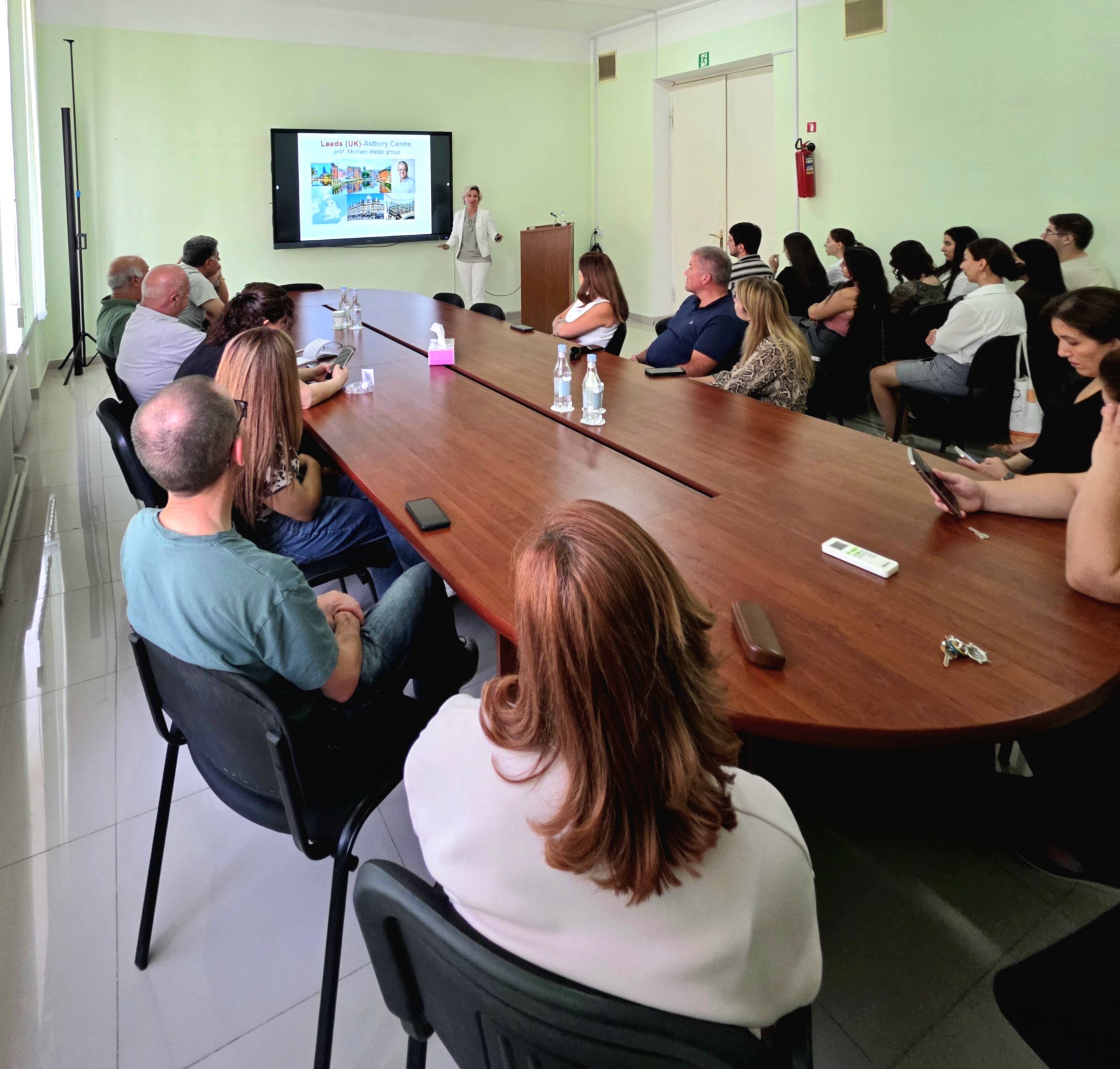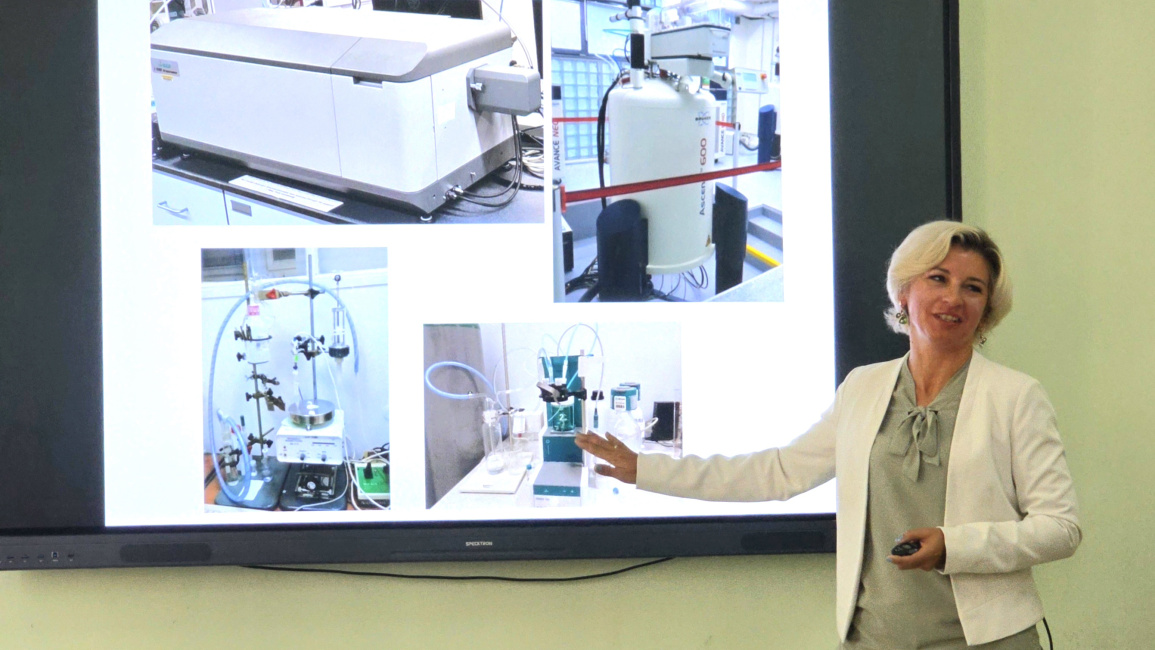
A scientific lecture titled "From Bacterial Chaperones to Cancer Targets: Chasing Molecular Interactions" was held at the YSU Institute of Pharmacy on August 31.
The lecture was delivered by Dr Danuta Witkowska, Professor at the Institute of Health Sciences of the University of Opole, Poland, who is the author of more than 40 scientific publications (H-index: 19, Scopus).
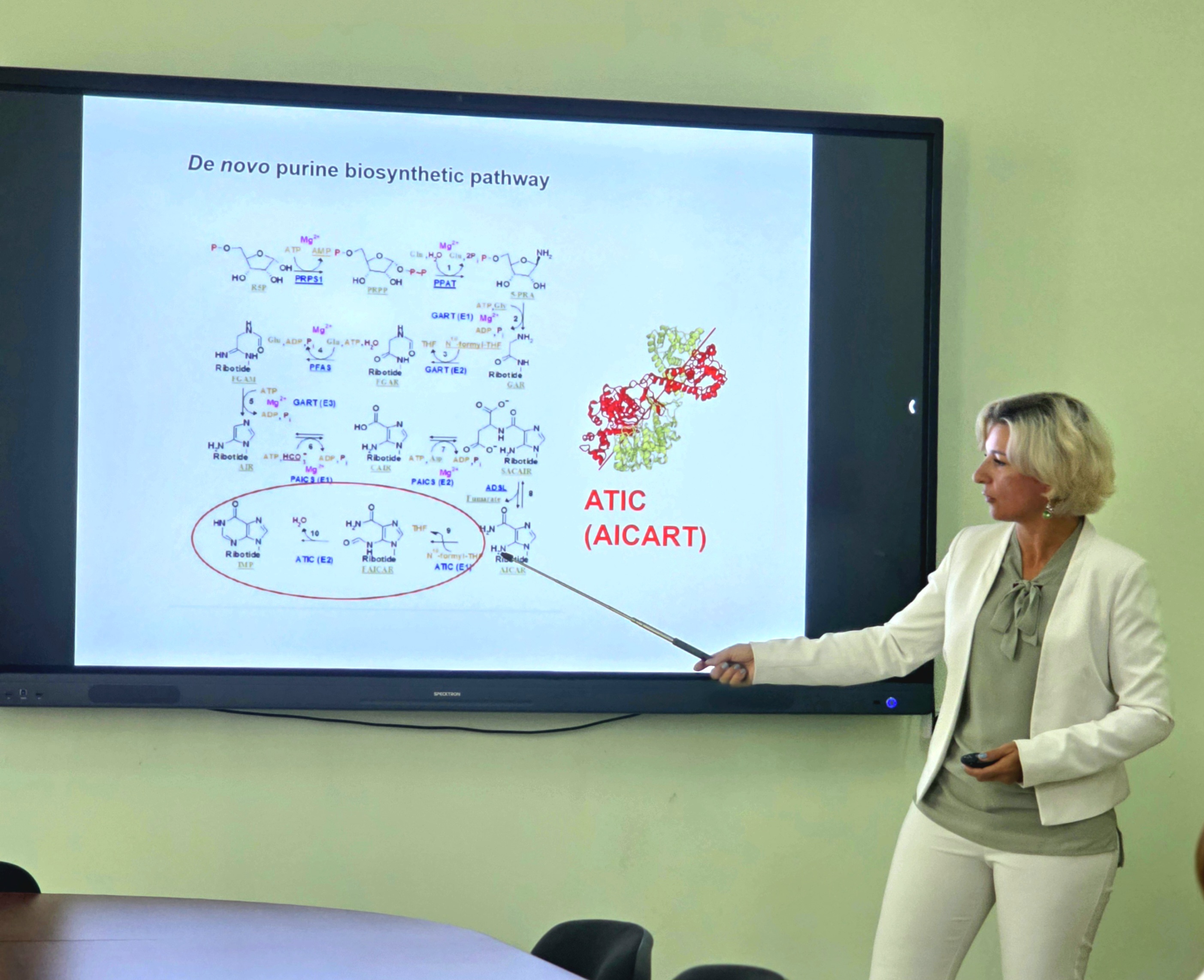
The visit and lecture took place within the framework of the European Commission-funded Horizon Europe Marie Sklodowska-Curie Actions Staff Exchanges (MSCA Staff Exchanges) program. As a beneficiary, the YSU Institute of Pharmacy is involved in the four-year grant-funded research project "Disrupting Purine De Novo Biosynthesis to Fight Cancer: From Molecules to Cells and In Vivo Studies (PurHumanDrome)."
The project brings together leading centers from five countries across three continents — Armenia, Poland, Italy, the United States and Australia. The beneficiaries are Yerevan State University (Armenia), the University of Opole (Poland) and the Institute of Biostructures and Bioimaging of the National Research Council in Naples (Italy), while the associated partners are Coastal Carolina University (United States) and RMIT University (Australia).
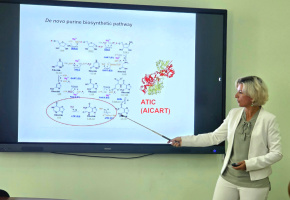
In her presentation, Professor Danuta Witkowska outlined the team's research at the intersection of bioinorganic chemistry, biophysics and biomedicine, as well as the project's interdisciplinary workflow and the complementary roles of the participating groups:
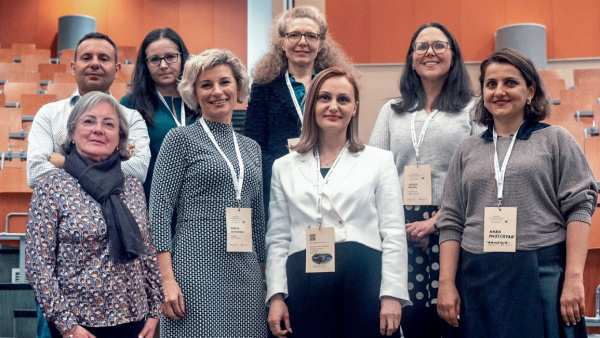
RMIT University (Australia) - computational modeling and machine-learning methods, including virtual screening, to design new inhibitors of the ATIC enzyme and modulators of protein-protein interactions.
YSU (Armenia) - synthesis of peptide mimetics, or non-natural peptides, as potential inhibitors of the ATIC enzyme, asymmetric synthesis and expert support in bioinorganic chemistry.
CNR (Italy) - spectroscopic studies, including ITC and UV-Vis, to assess the binding potential of newly synthesized compounds with biomedical targets, proteins and nucleic acids.
University of Opole (Poland) - project coordination, determination of the cytotoxicity of synthesized compounds in model normal and cancer cell lines, and studies of their interaction with the ATIC dimer.
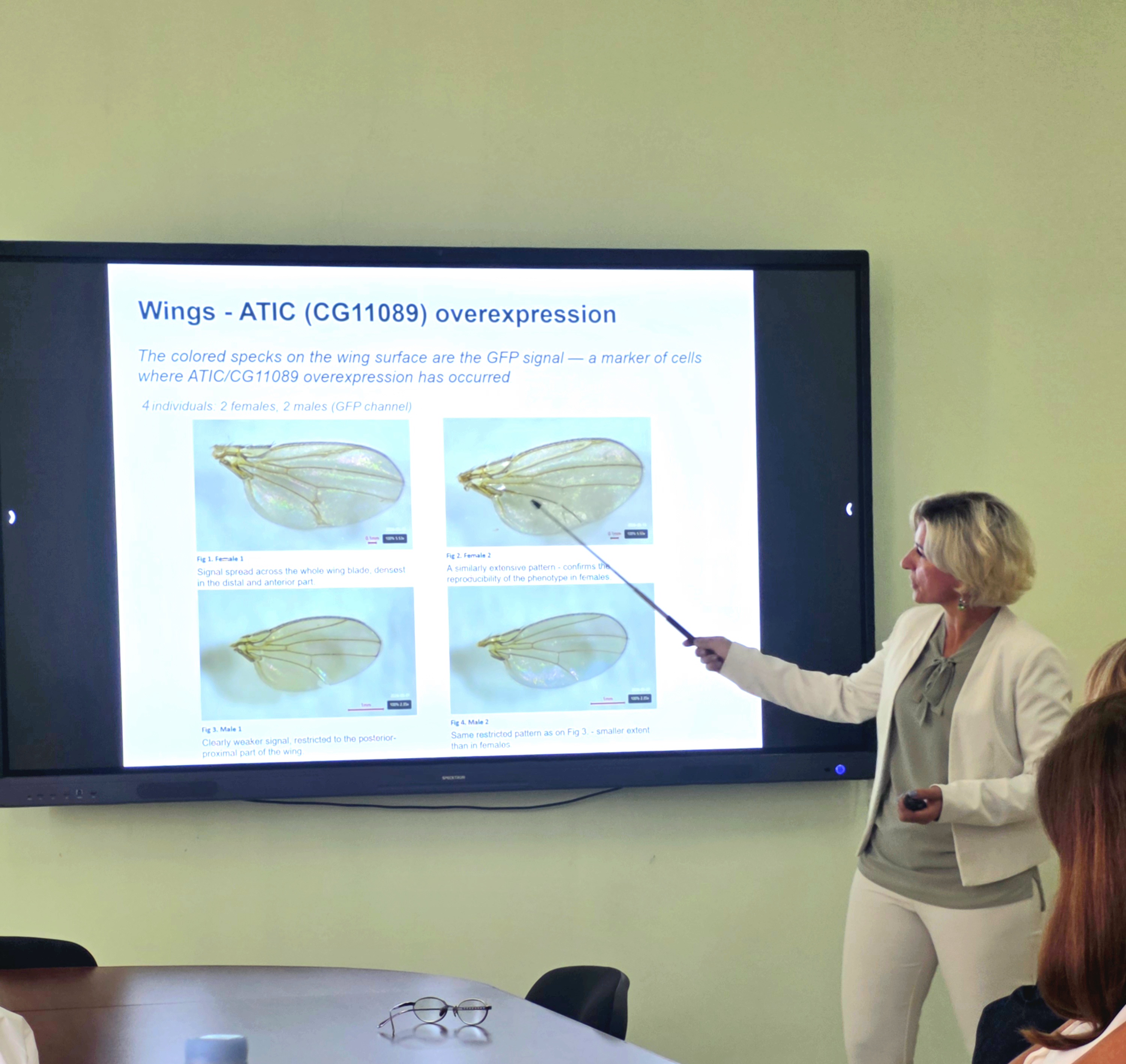
CCU (United States) - in vivo studies using the Drosophila melanogaster fruit fly model to investigate cancer pathways and assess drug efficacy.
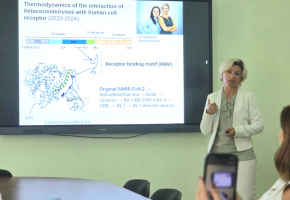
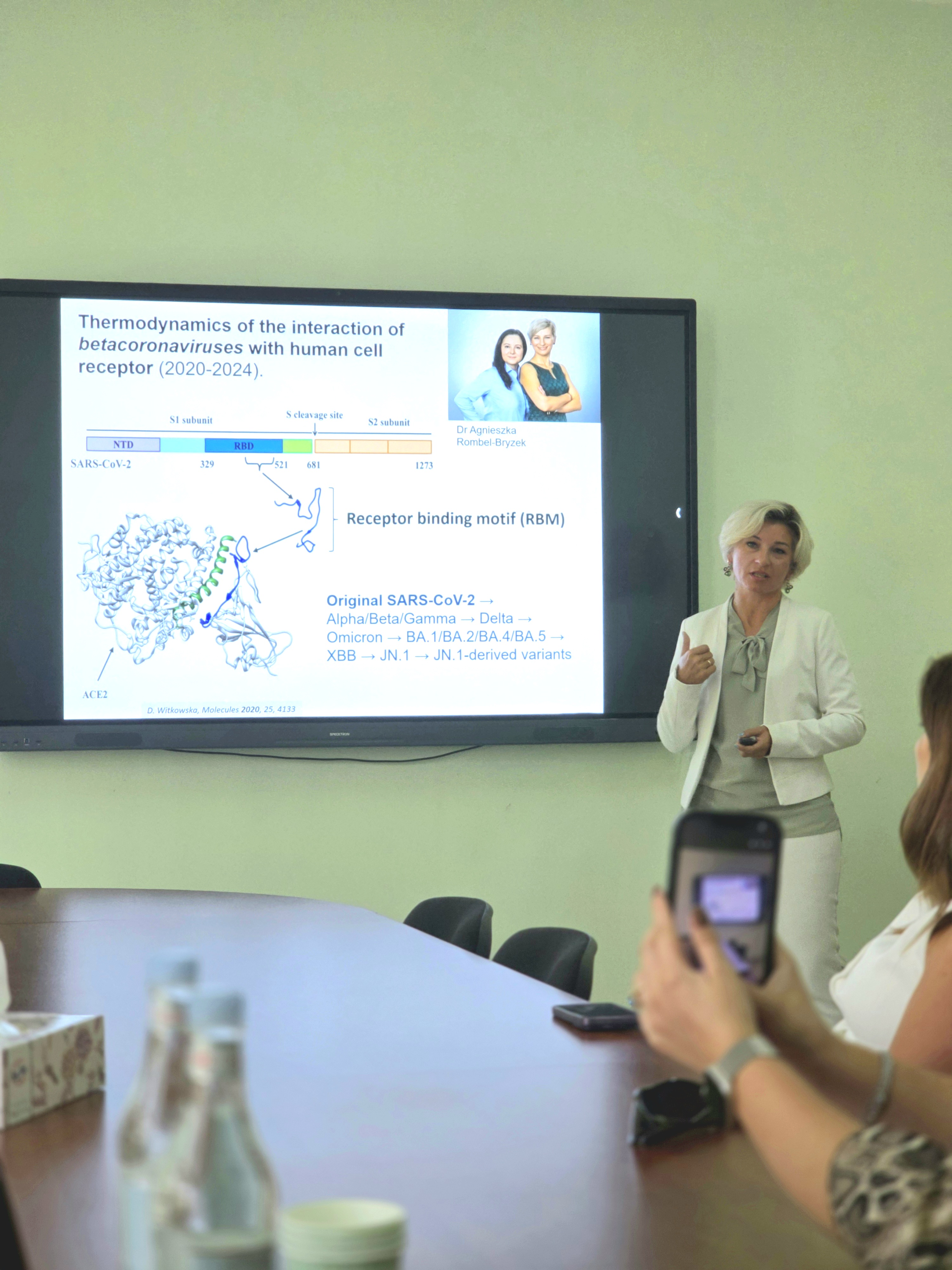
Professor Witkowska also addressed the coordination interactions of Ni(II), Cu(II) and Zn(II) ions, as well as thermodynamic patterns involving SARS-CoV-2 betacoronaviruses and human cellular receptors.
The PurHumanDrome project includes active reciprocal visits and joint research over 48 months, enabling both early-career and experienced researchers to acquire new professional knowledge and skills.
The active discussions held during the meeting at the YSU Institute of Pharmacy laid the groundwork for broader scientific cooperation in the future.