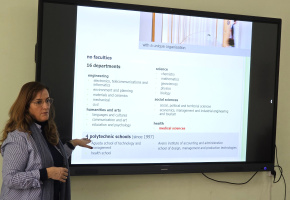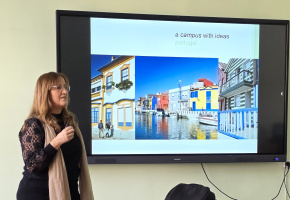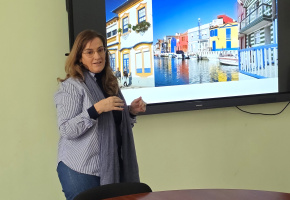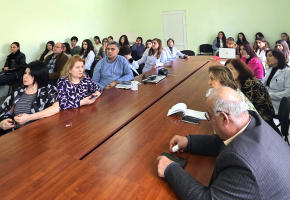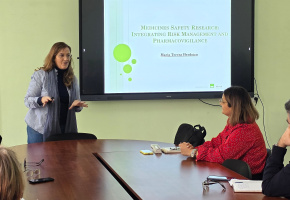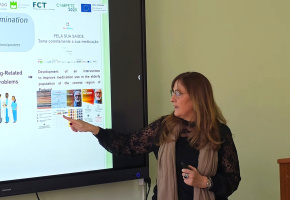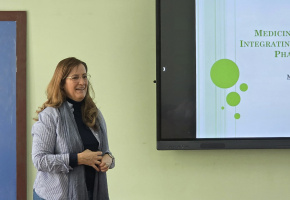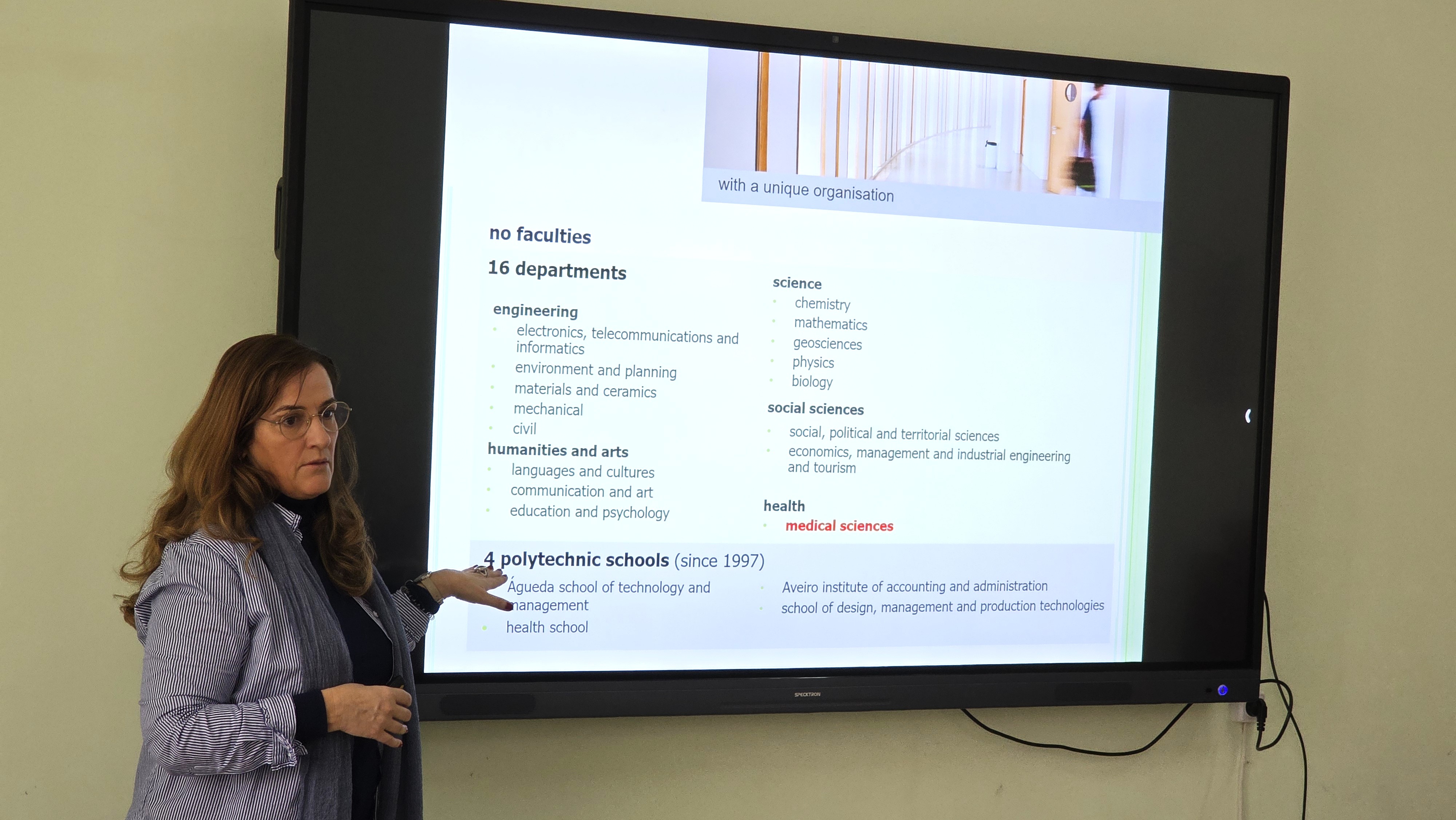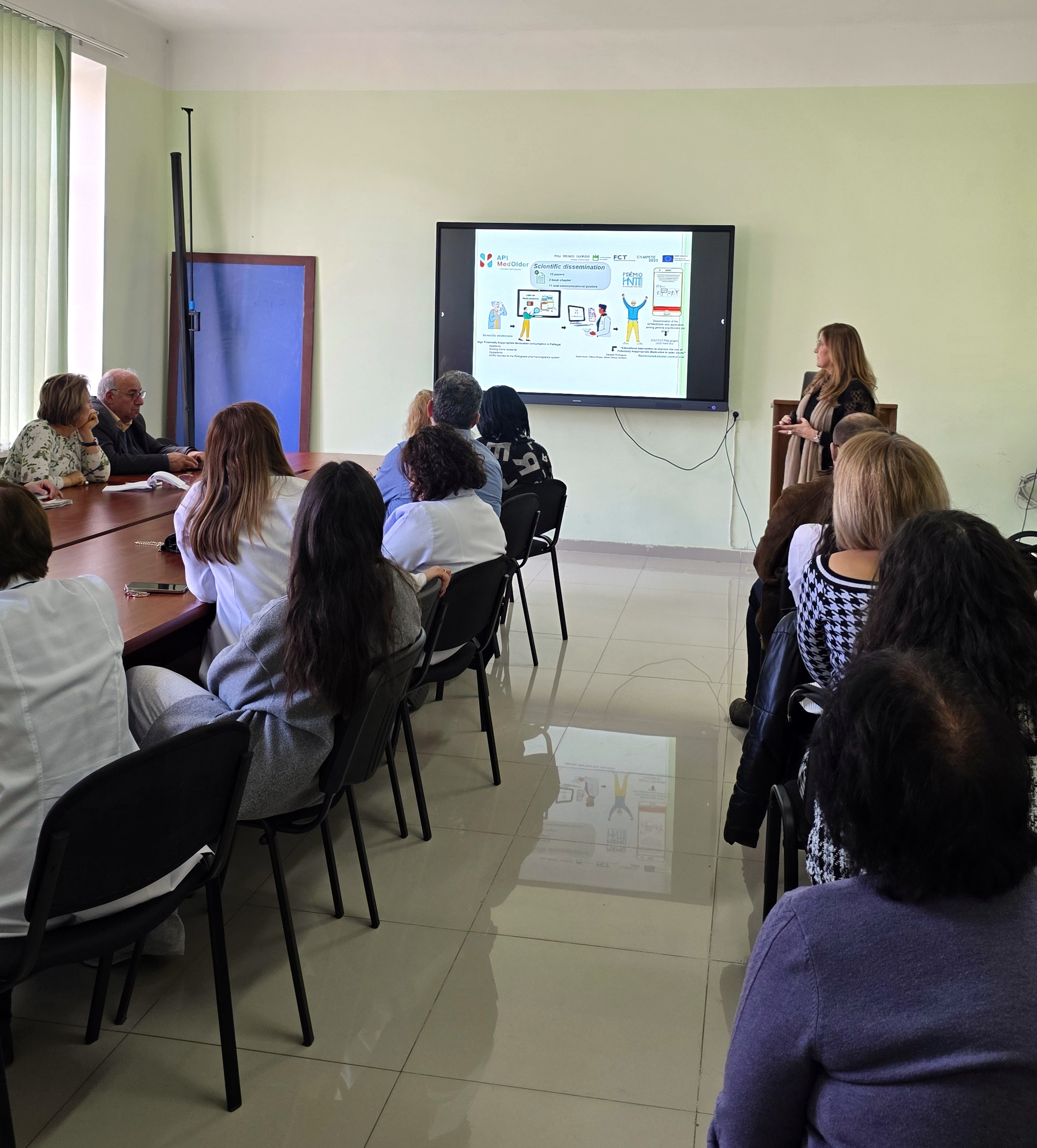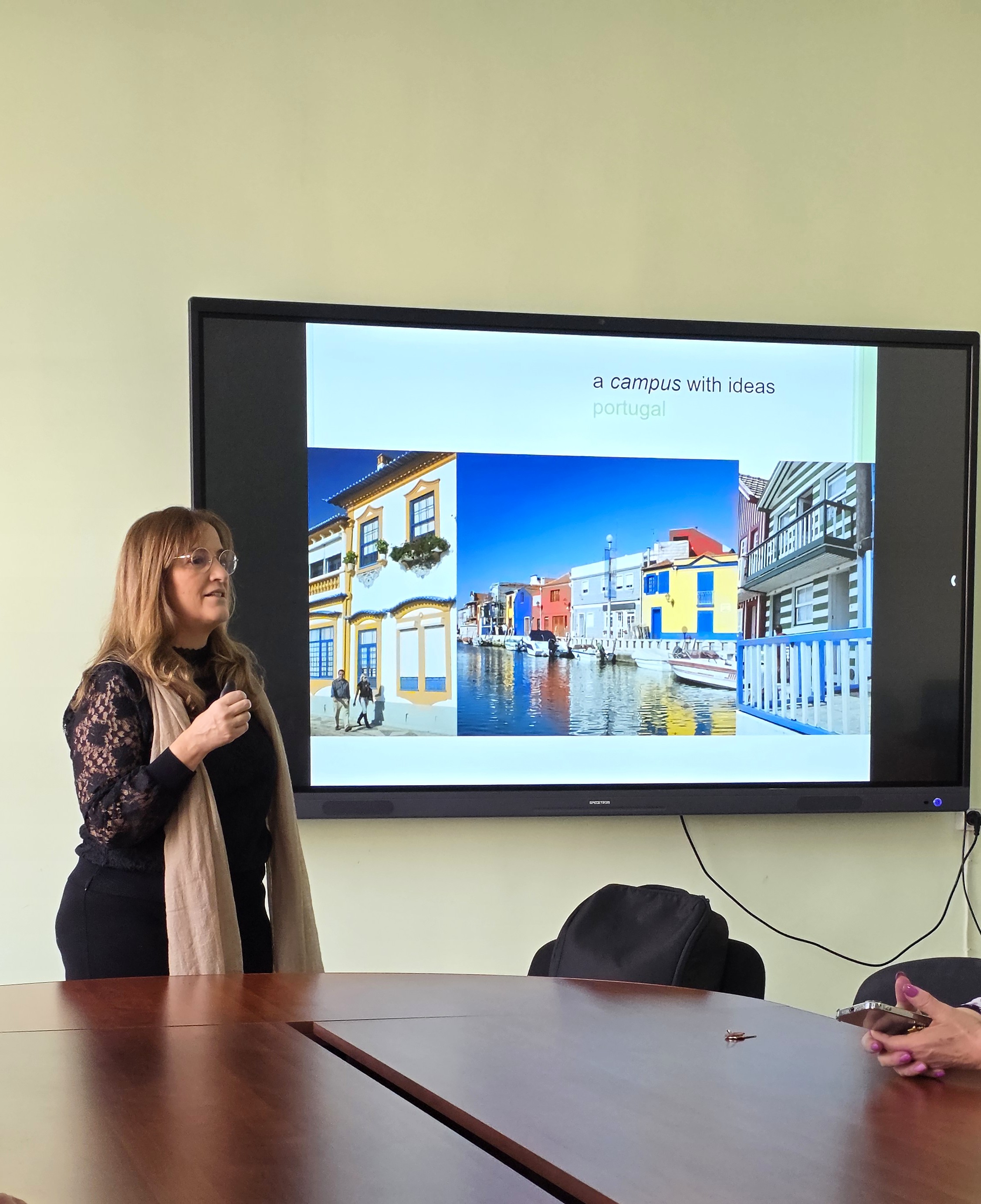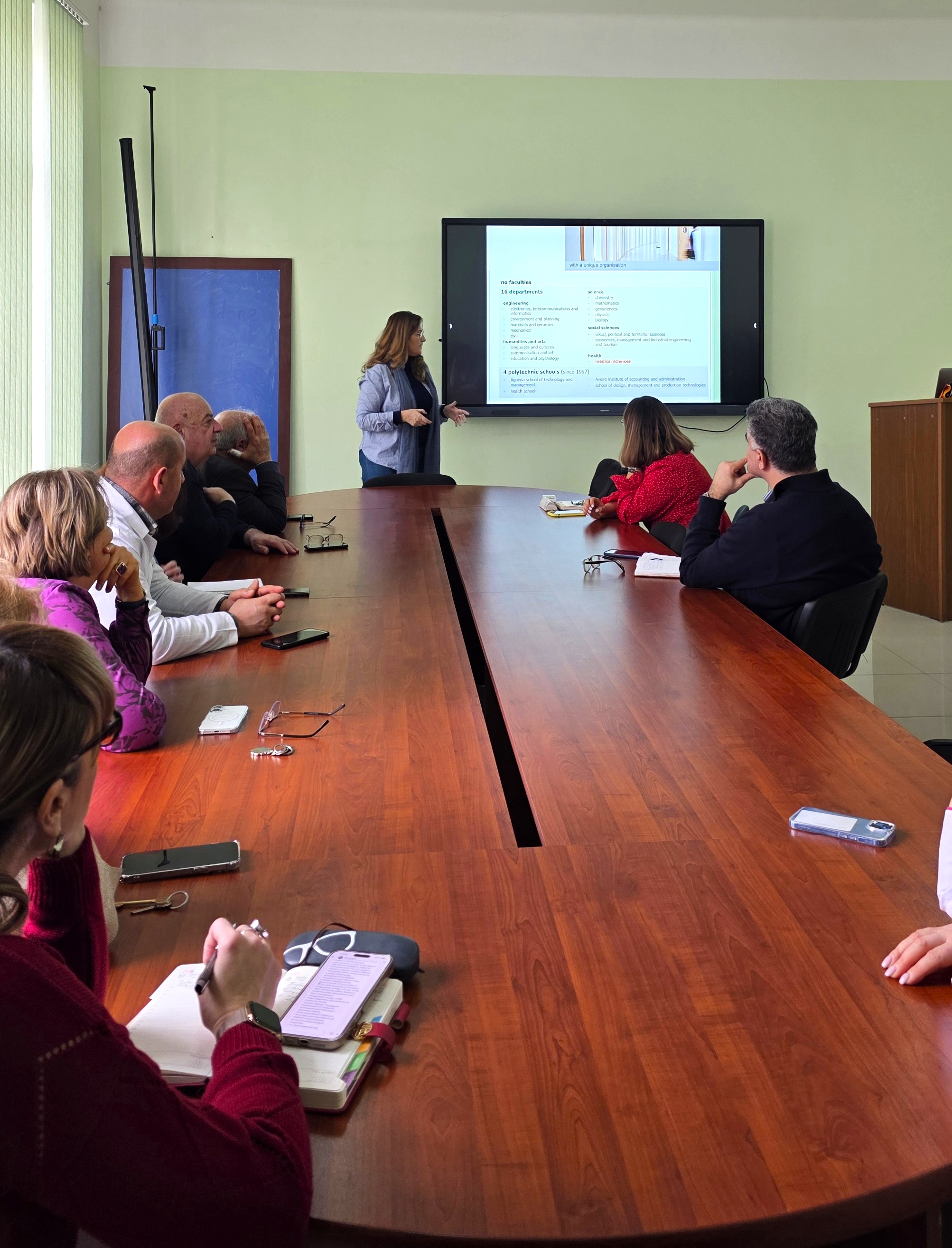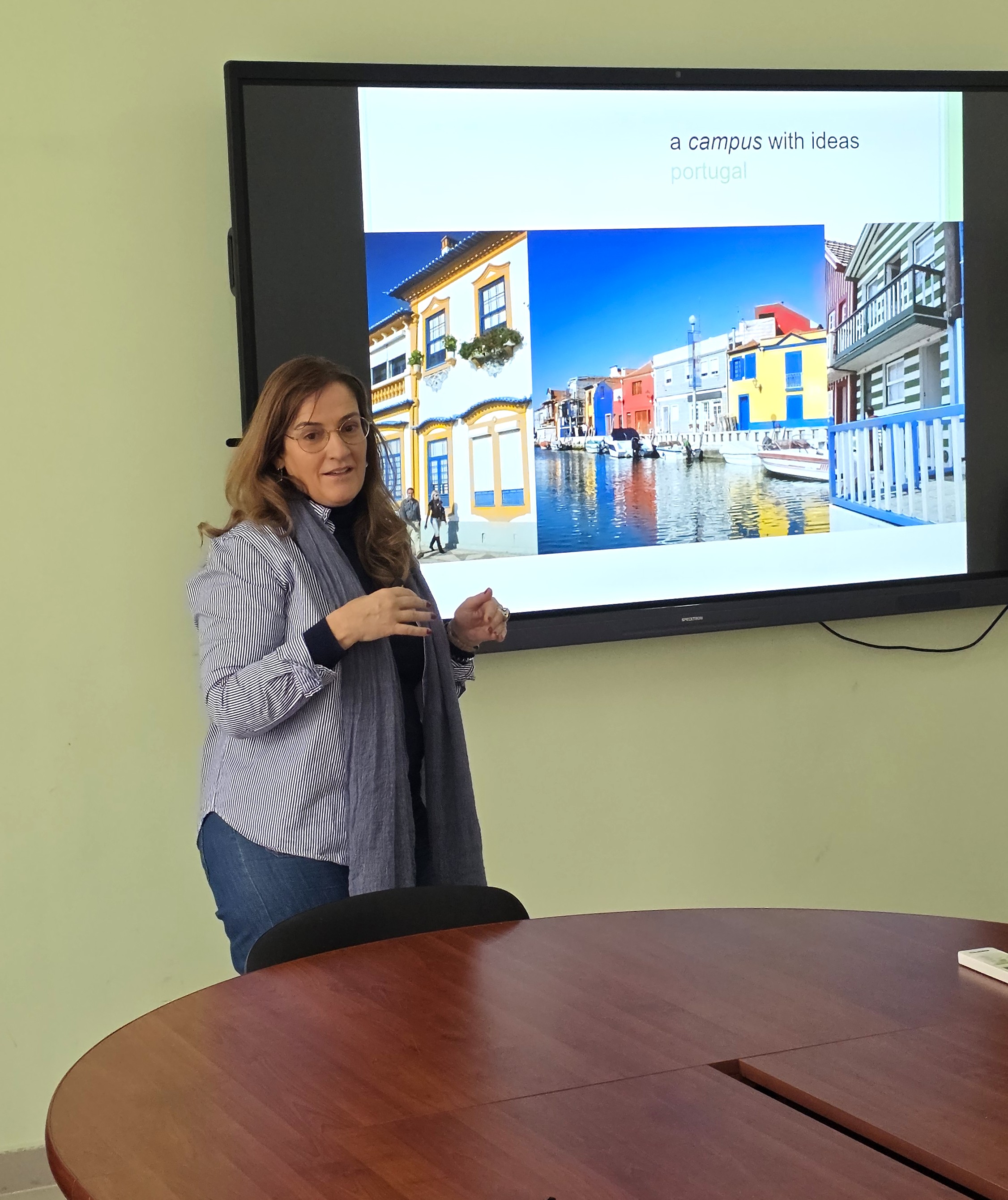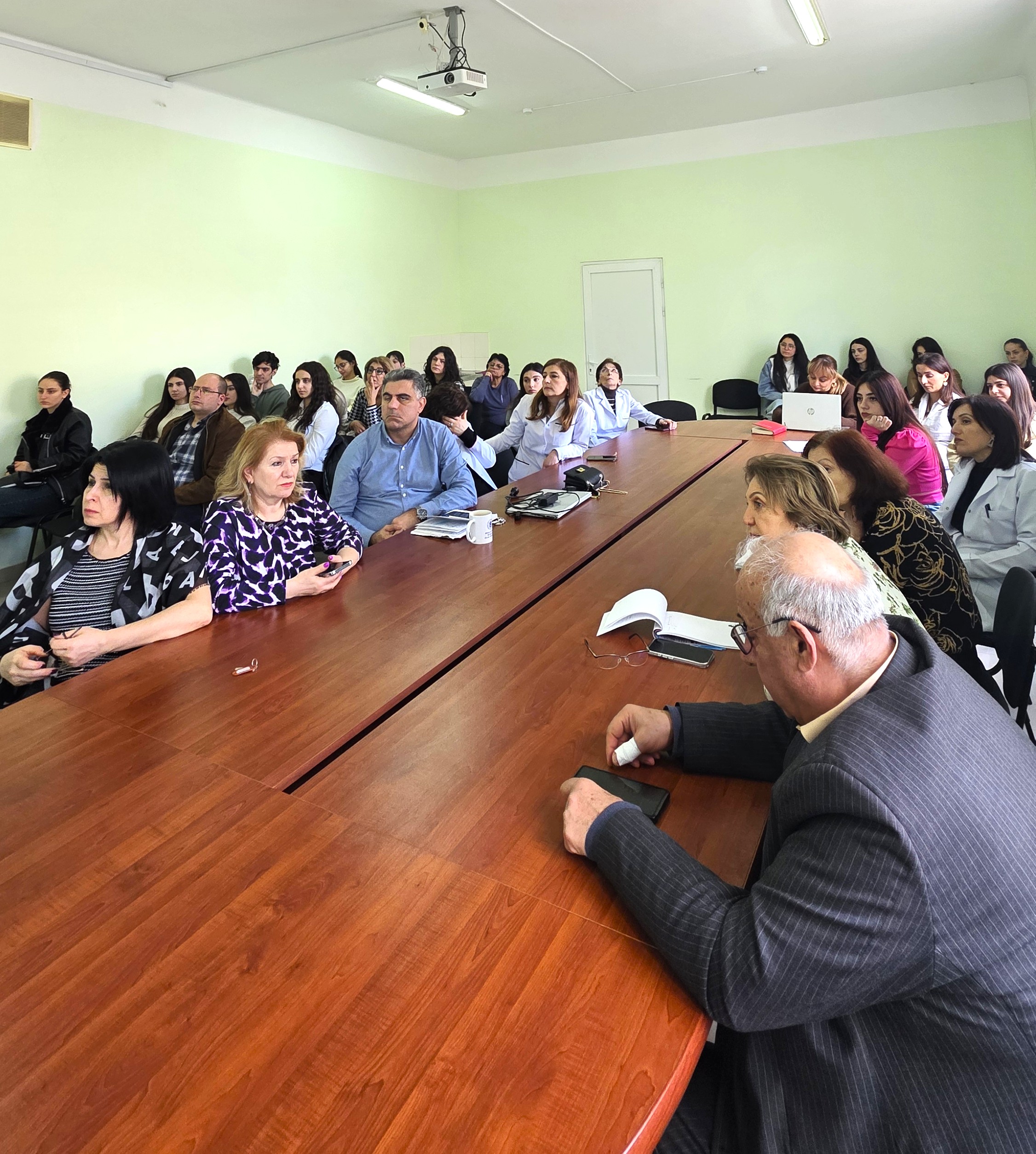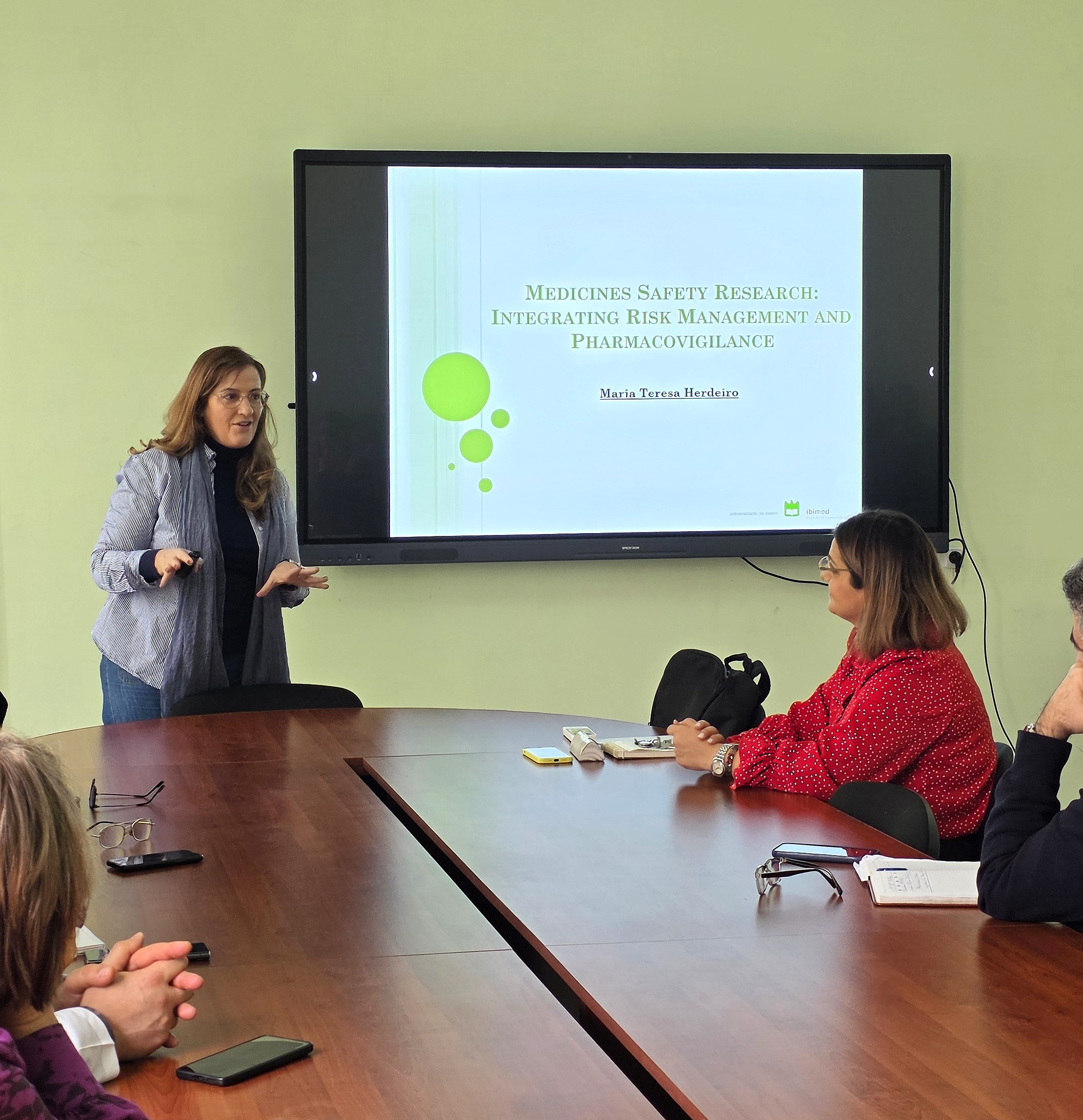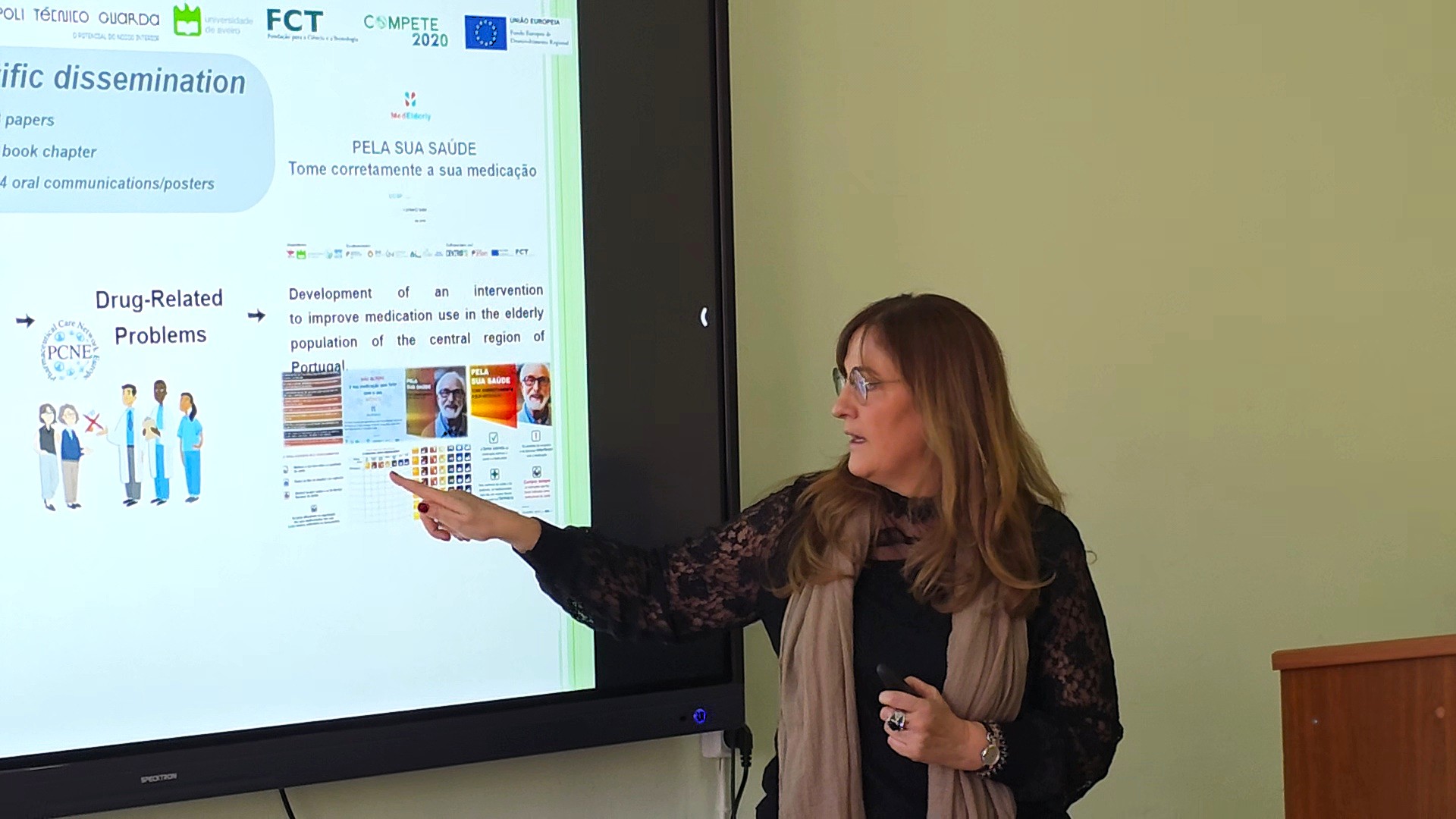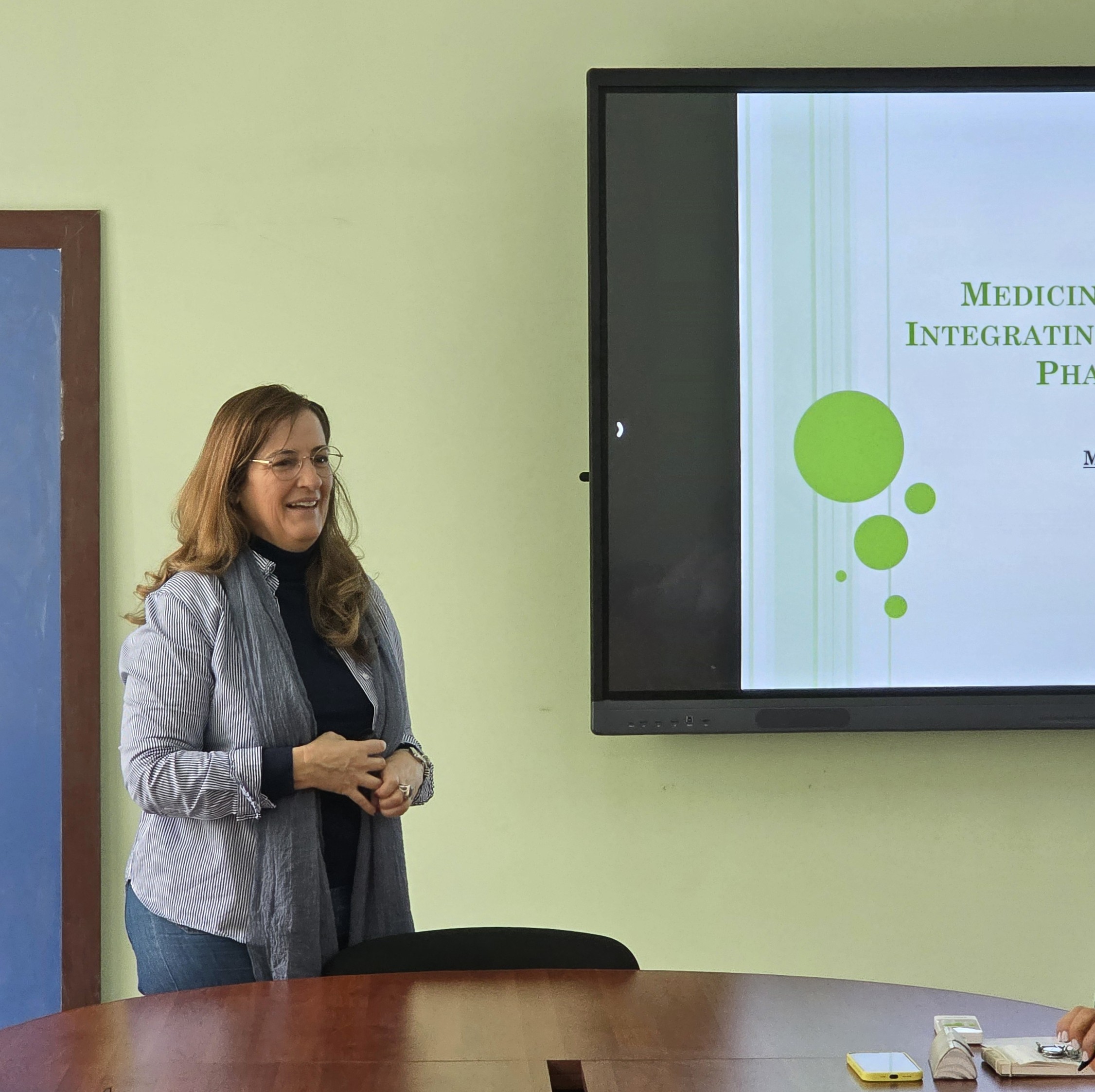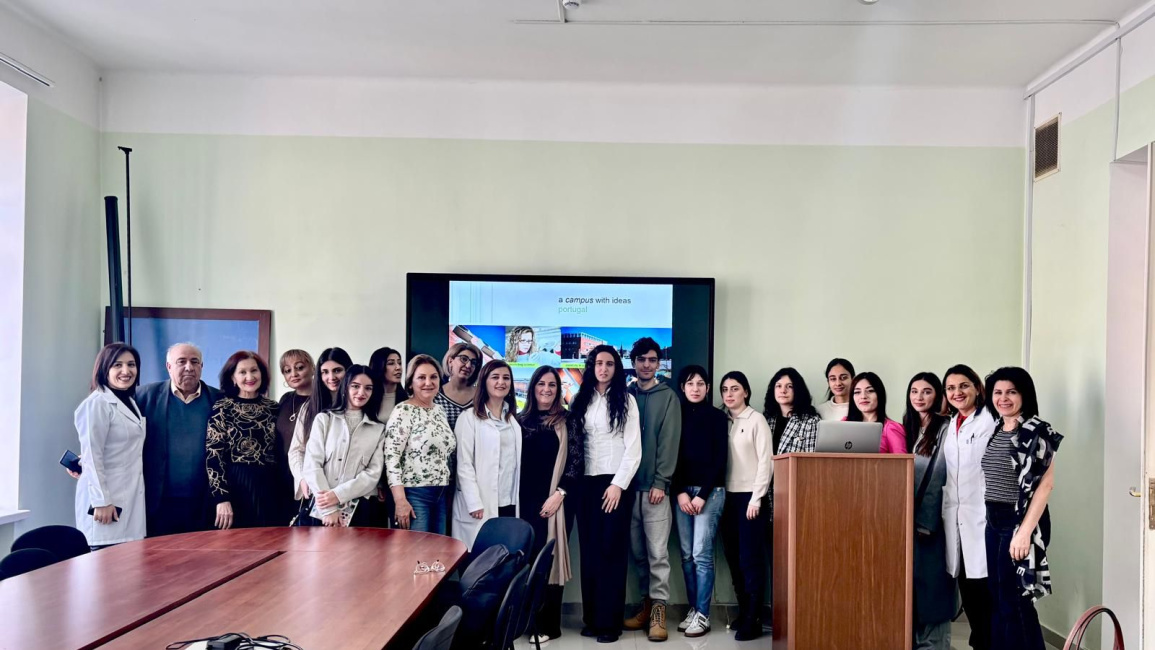
On February 17 and 19, the YSU Institute of Pharmacy hosted a series of professional lectures within the framework of the Erasmus+ (Erasmus PEERS) program. The lectures focused on the study of drug safety and emerging perspectives in the regulatory field.
The speaker of the event was internationally recognized expert Dr. Maria Teresa Herdeiro. She is an Associate Professor in the Department of Medical Sciences at the University of Aveiro, where she leads and coordinates research activities at the Institute of Biomedicine (iBiMED). Dr. Herdeiro holds a Habilitation in Biomedical Sciences and serves as a member of the Committee for Medicinal Products for Human Use at the European Medicines Agency (EMA). According to the prominent bibliometric database Scopus, she is the author of 157 scientific publications, cited more than 4,500 times, with an h-index of 33, reflecting her significant scientific impact. During the lectures, she introduced students to one of the most complex and responsible areas of pharmacy.
During the two-day sessions, several international processes and established concepts were introduced to the participants. Central to the discussion on pharmacovigilance was the importance of reporting adverse drug reactions (ADRs). The speaker highlighted the issue of under-reporting—when healthcare professionals don't report observed adverse effects—and the resulting consequences for patient safety.
The discussion on risk management detailed the structure of an effective risk management plan, with special emphasis on safety specifications, including known and potential risks, and the pharmacovigilance plan, which outlines follow-up actions for detecting and managing risks. In the session on regulatory frameworks and EU standards, the European Union's Volume 9A guidelines and Post-Authorisation Safety Studies (PASS) were presented, which help monitor the drug safety after they are authorized and marketed.
The lectures attracted significant interest among the institute's students and faculty. An active discussion unfolded during the sessions, with participants posing numerous questions concerning both professional nuances and global developments in the field.
This visit also laid the groundwork for future close collaboration. The parties agreed to continue joint work in scientific and educational directions. Particular importance was placed on students' and faculty members' participation in Erasmus+ exchange programs, which will provide opportunities to benefit from newly established connections and training in leading European research centers.
The event represented another important step in the internationalization of the YSU Institute of Pharmacy and in familiarizing students with European expertise in evaluating the benefit-risk balance.