Elen Hakobyan, a PhD student at the YSU Faculty of History, spent one academic semester studying at the University of Messina in Italy within the framework of the Erasmus+ exchange program. The program provided her with the opportunity to become acquainted with the European higher education system and to advance her academic research in new cultural and scholarly environments.
We spoke with Elen Hakobyan to learn more about her experience abroad.
– What important experience and knowledge did you gain during your studies?
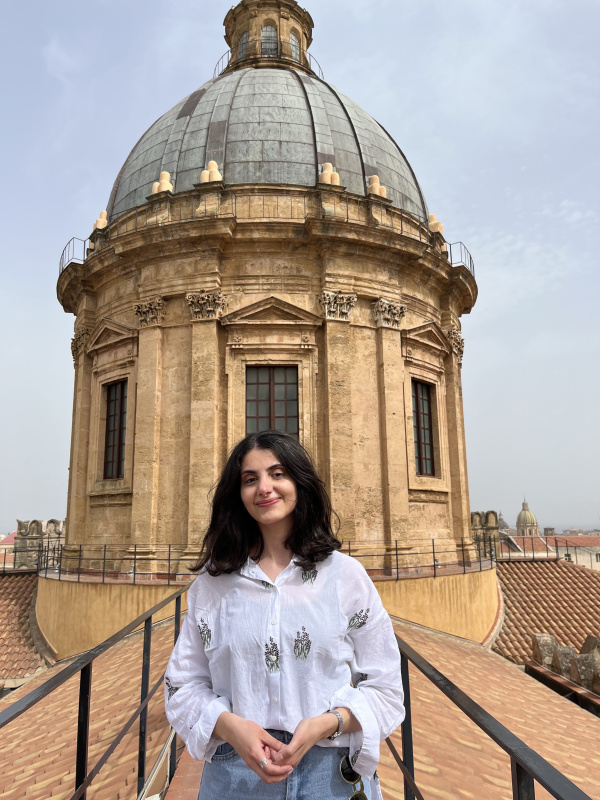
– As a visiting (non-degree) student, I attended several interesting seminars and courses organized by the Faculties of Ancient and Modern Civilizations, Political Science, and International Relations. These included lectures on intercultural communication and on the modern and contemporary history of Europe. At the same time, I participated in the Summer School of Social Anthropology at the West University of Timișoara in Romania. This experience was extremely valuable, as it allowed me to update and rethink my knowledge of 19th–20th century European history, to recognize the significance of African studies as a field, and to become familiar with the socio-cultural perceptions of students from different countries. In Timișoara, I also conducted thematic fieldwork in an urban environment.
– What role did Messina play in the development of your research?
– Being in Italy, and particularly in Messina, was symbolic for my research work; it felt like an investigative journey. Early medieval Greek and Latin sources testify that the Apostle Bartholomew was martyred in the territory of Greater Armenia. His relics were transported by sea to the island of Lipari, which is part of the administrative region of Messina. In the 9th century, part of these relics was transferred to Rome, where they are preserved in the church bearing the apostle's name. That church also displays reliquaries of the new martyrs of Christianity, including a cross commemorating the victims of the Armenian Genocide.
– How did the experience of delivering a presentation on your research at the University of Messina influence your professional development?
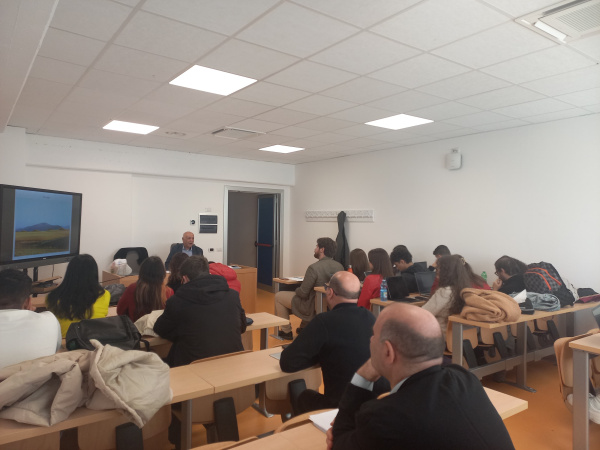
– Delivering a presentation on my research topic was akin to entering uncharted territory. Since the topic was still at an exploratory stage, the lecture provided an opportunity to clarify my ideas and to present new approaches to the audience. In addition, in my capacity as a staff member of the Armenian Genocide Museum-Institute, I also took part in lectures devoted to the subject of the Armenian Genocide.
– How has your education at YSU influenced your research approaches?
– Years of study at the YSU Chair of Cultural Studies have been decisive in shaping my worldview and professional growth. The knowledge and methodological training I acquired enabled me to collaborate effectively with academic staff members at the University of Messina. These ties were further strengthened by the fact that the Head of the Chair of Cultural Studies, Professor Hamlet Petrosyan, and Associate Professor Arsen Hakobyan delivered lectures and conducted seminars at the University of Messina.
– What advice would you give to Armenian students interested in international programs?
– I would advise them to remain constantly curious, to seek out the best opportunities, and at the same time to be prepared for the potential challenges associated with studying abroad. Such an experience not only provides new knowledge but also significantly broadens one's personal and professional horizons.