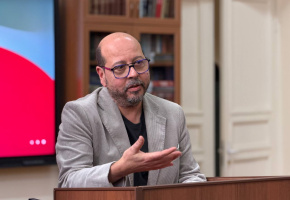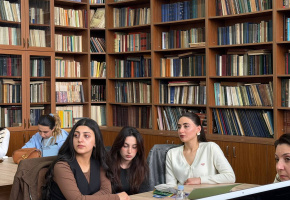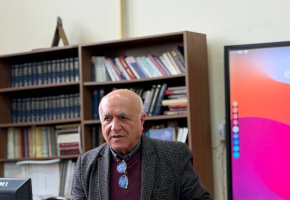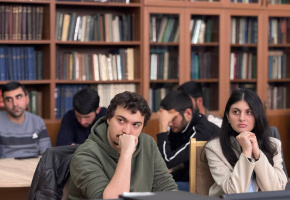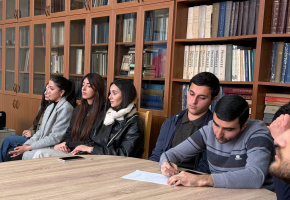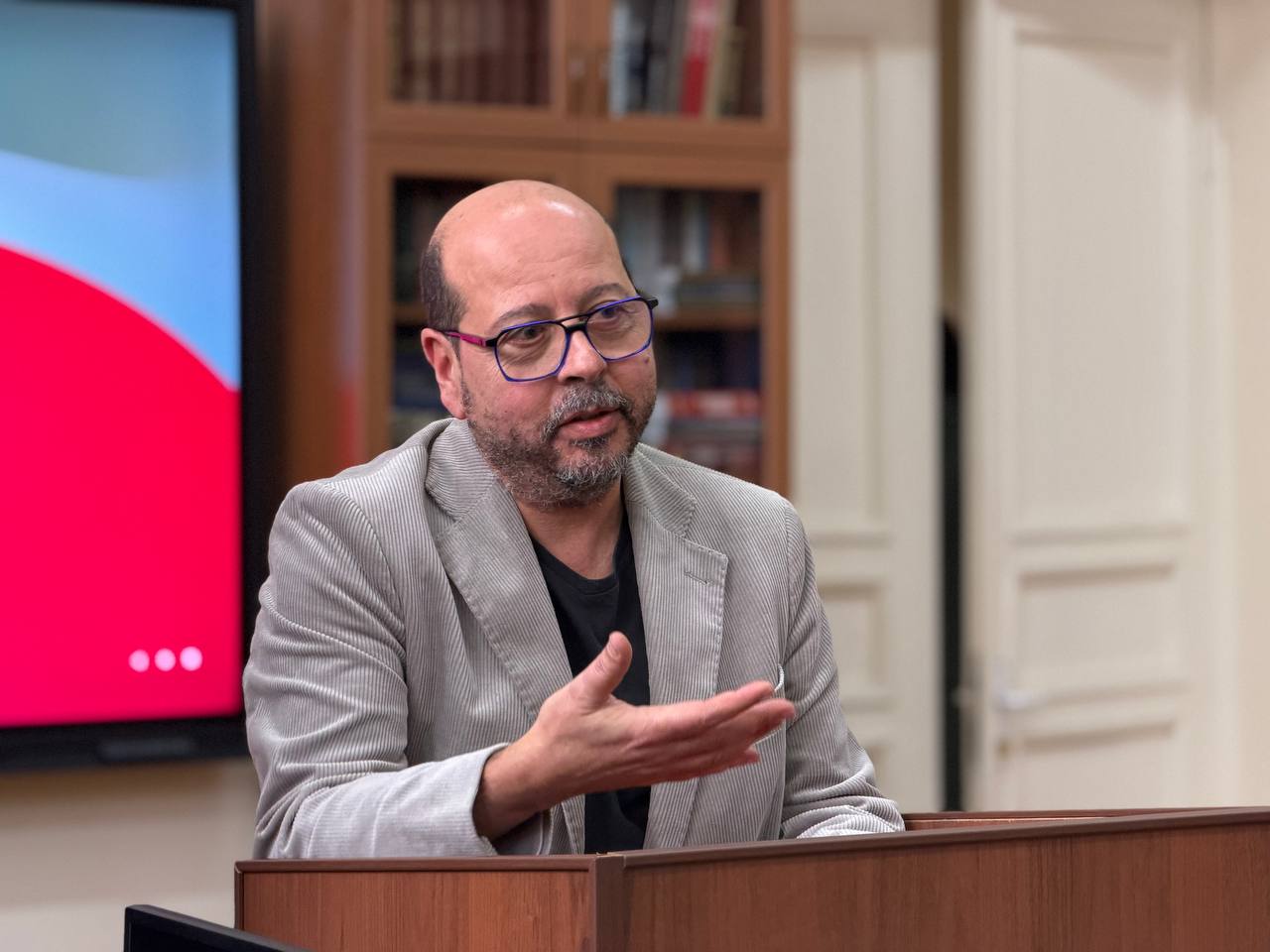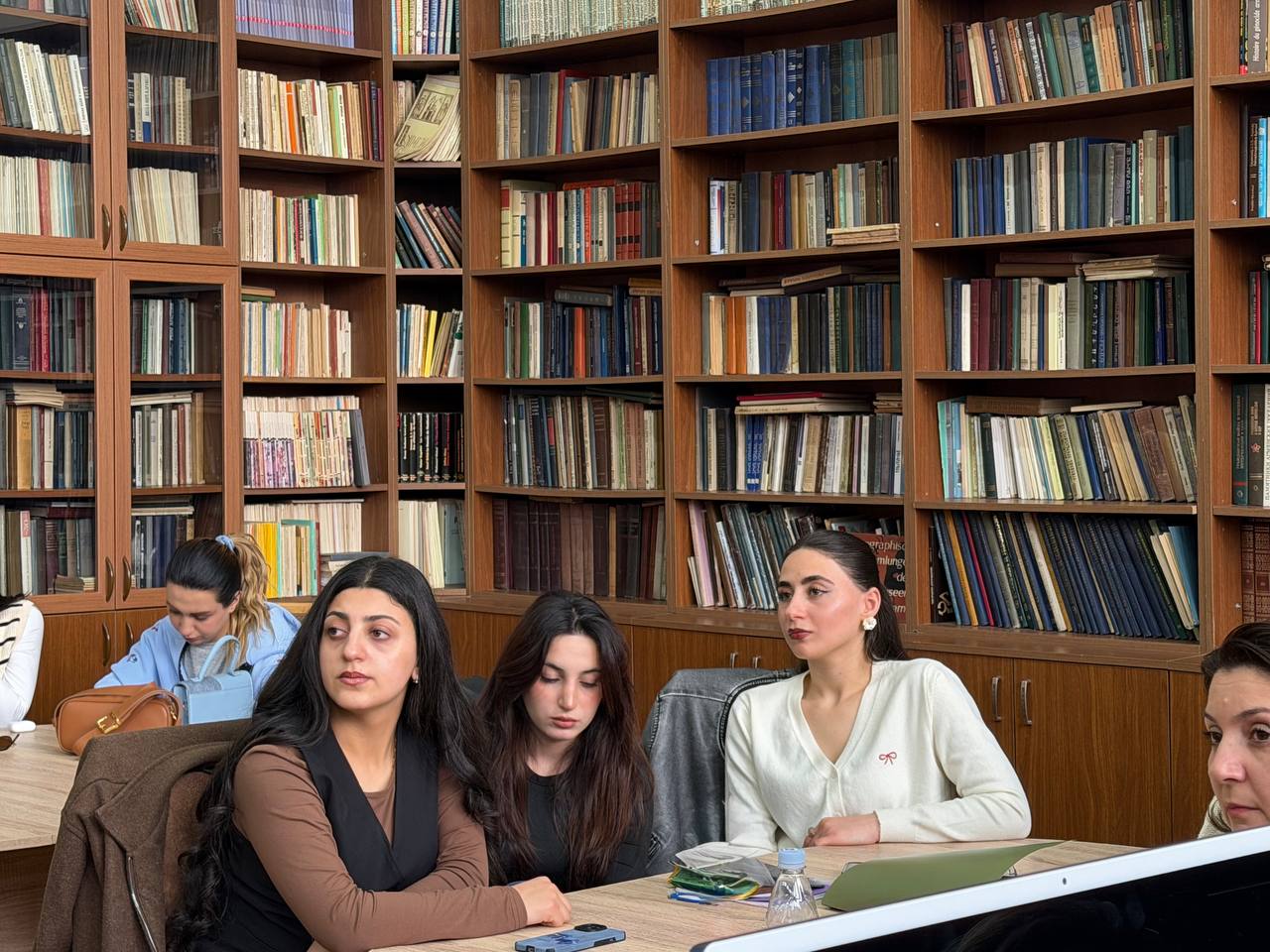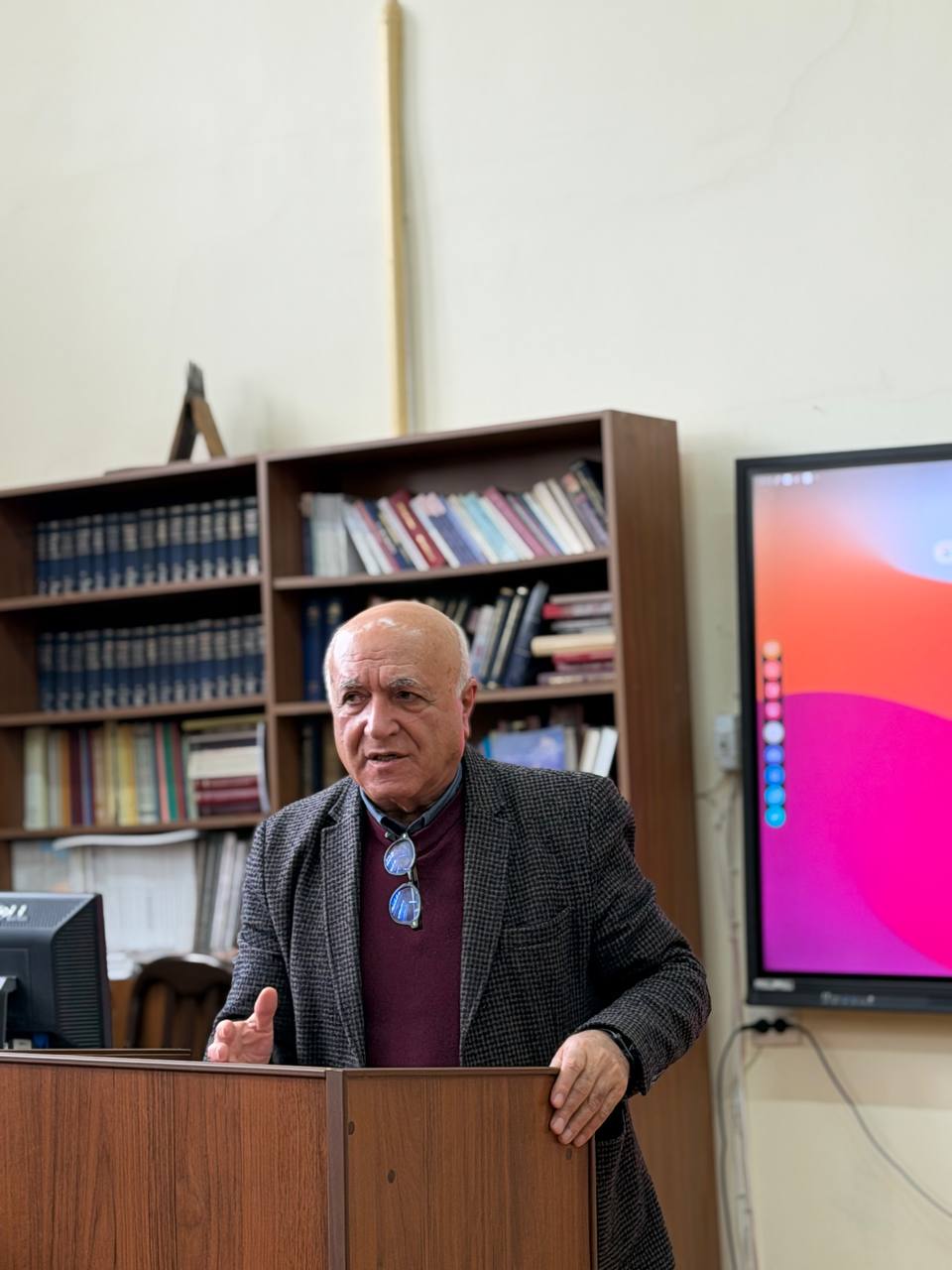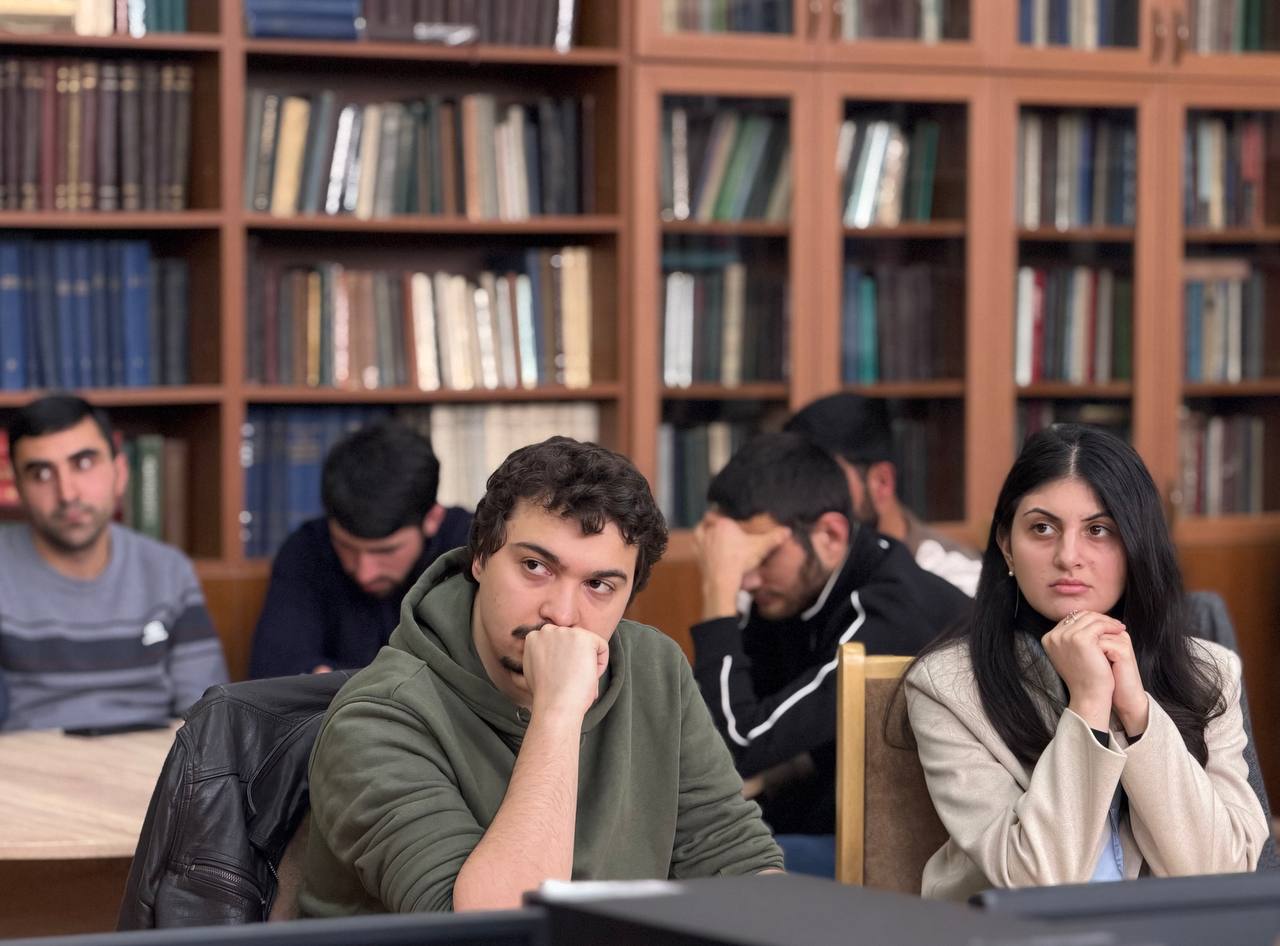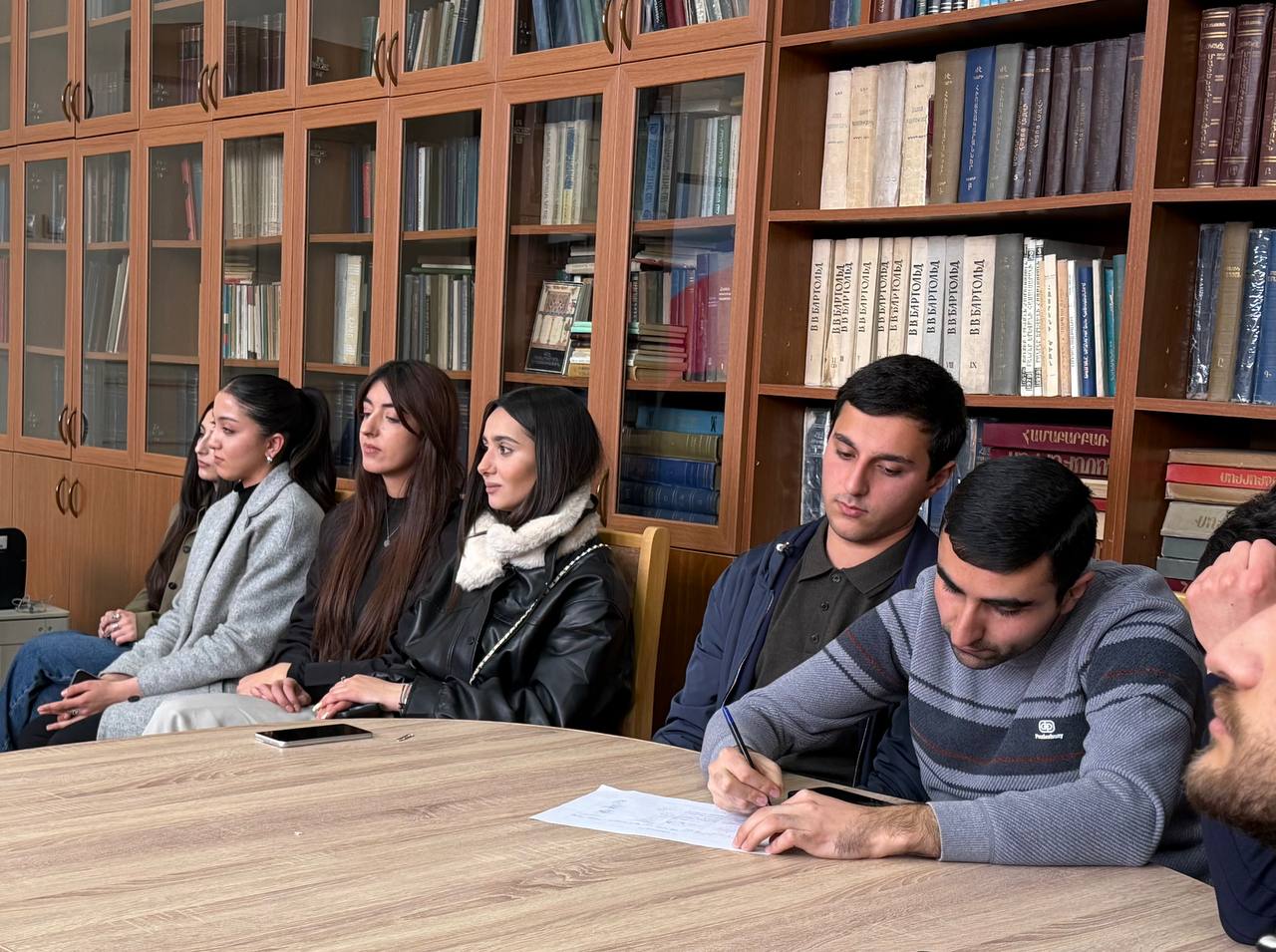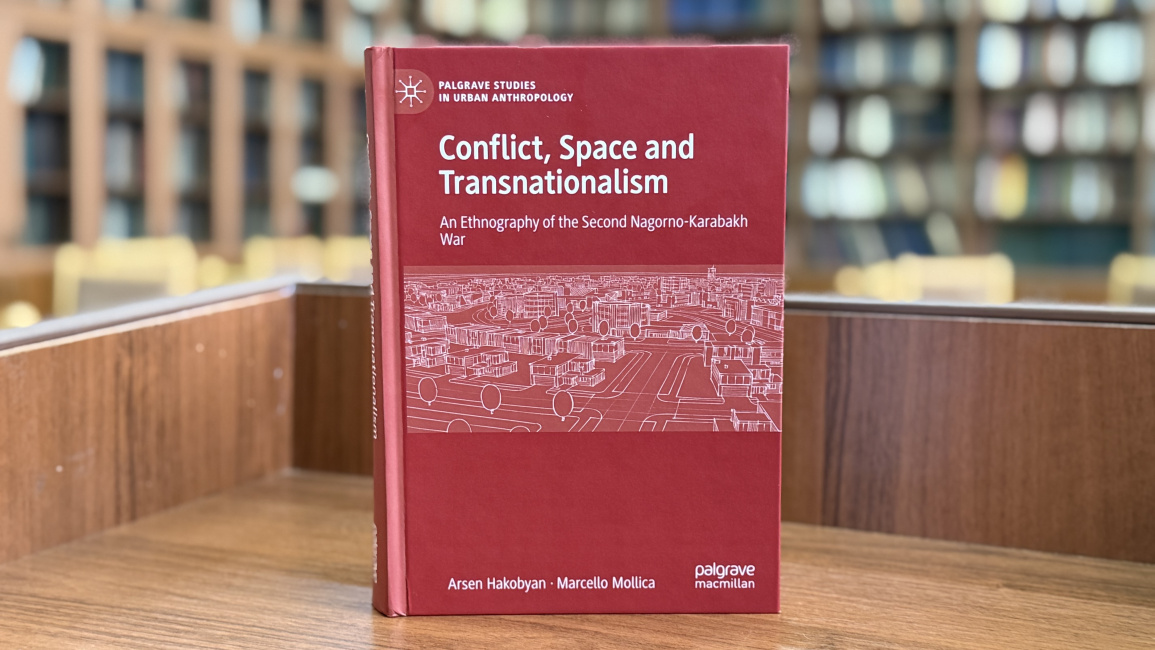
The Faculty of History has recently hosted a discussion on the book "Conflict, Space, and Transnationalism: An Ethnography of the Second Nagorno-Karabakh War", authored by Associate Professor PhD in History Arsen Hakobyan (YSU Chair of Culturology), and Marcello Mollica (University of Messina). Published by the prestigious Palgrave Macmillan, the work provides a comprehensive scholarly analysis of the Nagorno-Karabakh conflict and the 2020 war.
Through a broad historical lens and a careful examination of the conflict's developmental phases, the authors explore the wartime experiences of the Nagorno Karabakh Armenians in 2020, situating these experiences not only within local contexts but also within transnational processes.
A central focus of the study is the war's transnational dimensions. It addresses the involvement of external actors and analyzes how political and ideological factors influenced both the course and consequences of the conflict. Particular attention is devoted to the wartime and post-war trajectories of the capital, Stepanakert, and the city of Shushi, revealing the interconnectedness of space, identity, and belonging.
Another key component of the work is the study of the practical, political, and ideological mechanisms behind the destruction and appropriation of Armenian cultural heritage, examined with both documentary evidence and theoretical grounding.
Dean of the Faculty of History, Associate Professor, PhD in History, Mkhitar Gabrielyan, highlighted the book's relevance and its significance in the educational process. According to the dean, discussions of international scholarly publications such as this not only enhance the analytical skills of students and early-career researchers but also stimulate their interest and motivation to explore the historical and contemporary dimensions of regional conflicts in depth.
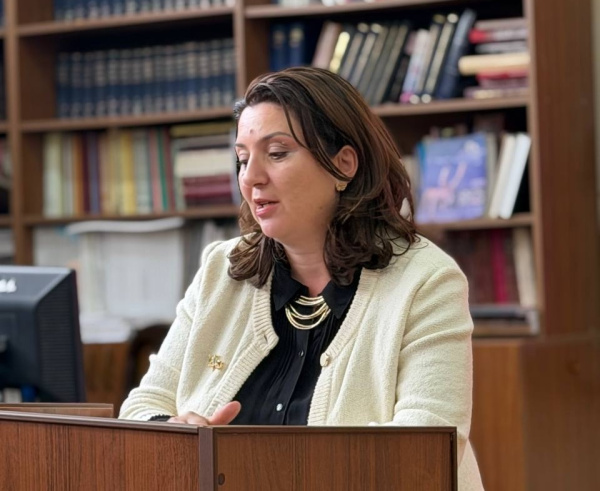
Ruzanna Tsaturyan, lecturer at the Chair of Archaeology and Ethnography, highlighted the book's structural and thematic sections, noting the comprehensive nature of their scope. She observed that the first part of the work provides the historical background of the Nagorno-Karabakh conflict, from its origins to the 44-day war, offering essential context for understanding the events. The second part presents case studies of Stepanakert and Shushi, revealing the political, religious, and cultural aspects of the conflict.
According to Tsaturyan, the terminological framework and analysis of symbols, accessible to the international scholarly community, allow for a precise representation of local realities. She also underscored the significance of post-war reconstruction efforts, particularly initiatives such as the reopening of the university, in the broader process of restoring urban and social environments.
Tsaturyan suggested integrating this work into the Faculty of History's curriculum as a resource of international significance that reflects contemporary realities.
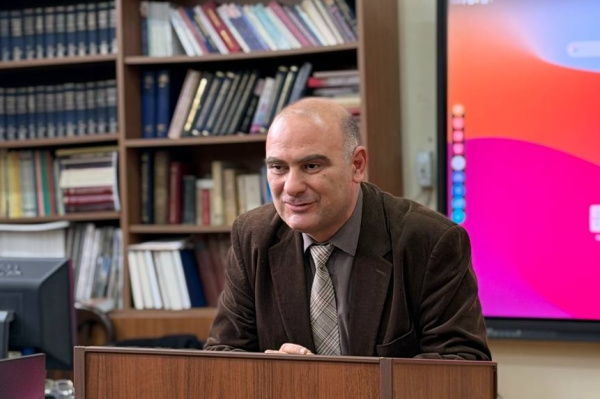
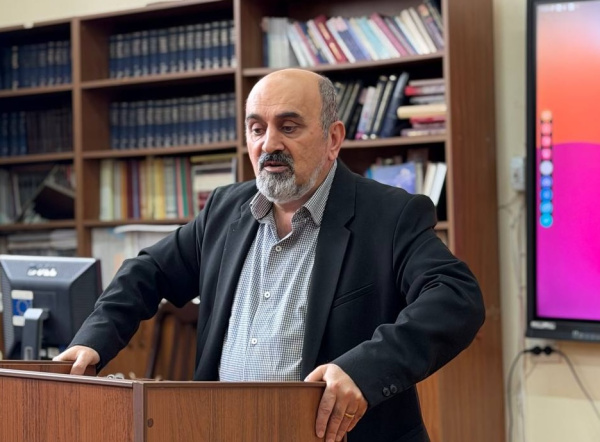
Arsen Hakobyan noted that the study draws not only on their own research but also on the work of colleagues. He highlighted the novelty of the book, which lies in the integration of local experience with an international context, offering a broader understanding of the social, political, and cultural dimensions of the conflict.
Reflecting on the motivation behind the work, Marcello Mollica noted that their goal was to foster a deeper public understanding of conflicts. He emphasized the "red line" in anthropology, which dictates that a researcher must maintain a certain professional distance from the subject. According to Mollica, this is no easy task when a conflict unfolds within one's own territory; consequently, he assumed the role of a 'balancer' in this project. The speaker specifically highlighted the caution exercised in the selection of terminology and pointed out that the prestigious international publishing house also maintained rigorous standards and requirements.
During the discussion, the novelty and methodological rigor of the work were highlighted. The book presents a multi-layered analysis of the Nagorno-Karabakh conflict and the 44-day war, integrating historical, anthropological, and cultural perspectives. It was noted that the study offers a significant contribution to both academic research and educational development.