The Chair of Media Studies and Semiotics at the Faculty of Journalism of Yerevan State University (YSU), represented by its Head, Professor Tigran Simyan, has participated in a research project carried out in cooperation with DVV International, the Institute for International Cooperation of the German Adult Education Association.
The project proposal was submitted as part of a competition organized in cooperation with YSU’s Continuing Education Department. In the humanities category, the research team led by Prof. Dr. Tigran Simyan, Professor of Philology, won the 2025–2026 period.
The research focused on how cultural, educational, and environmental infrastructure in Armenian cities promotes lifelong learning. The study selected three cities: Sevan, Dilijan, and Gyumri.
A key feature of the project was its interdisciplinary approach. Professor Simyan brought together a team of students from different faculties of YSU, including Mikayel Sargsyan (undergraduate student in Journalism), Shushan Bayatyan (Faculty of Biology, specializing in Ecology), Srbuhi Hovhannisyan (first-year Master’s student in Cultural Studies, Faculty of History), and Araqsya Hakobyan (first-year Master’s student in Art History and Theory, Faculty of History).
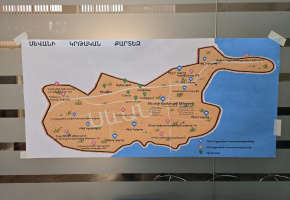
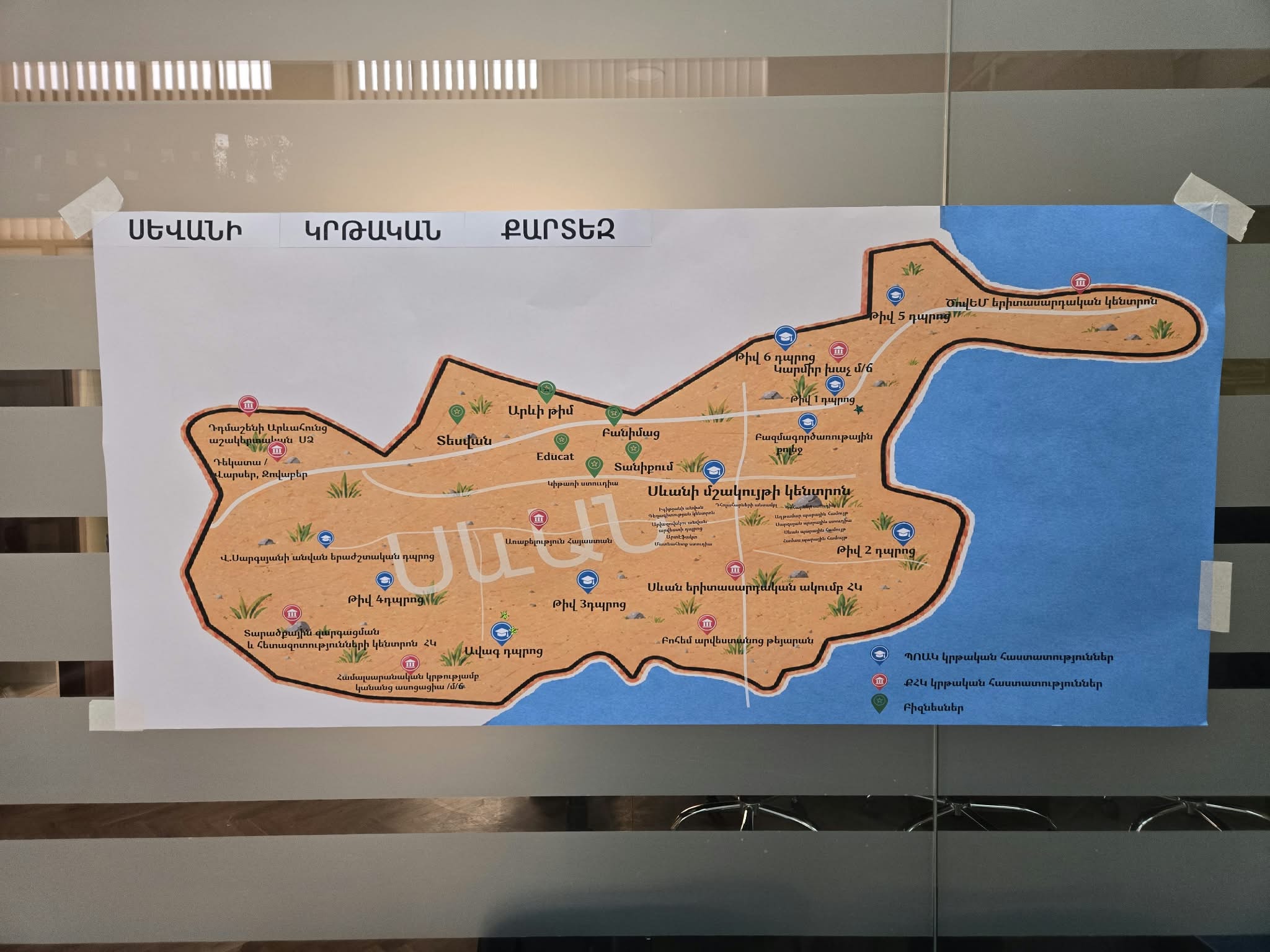
The diverse academic backgrounds of the team members made it possible to explore urban spaces as learning environments from several perspectives, combining semiotics, cultural studies, art history, and ecology. During fieldwork in Sevan, Dilijan, and Gyumri, the researchers examined not only educational institutions but also cultural centers, public spaces, the urban environment, elements of cultural heritage, and environmental infrastructure. The researchers paid particular attention to mapping educational opportunities in each city, including formal, non-formal, and continuing education.
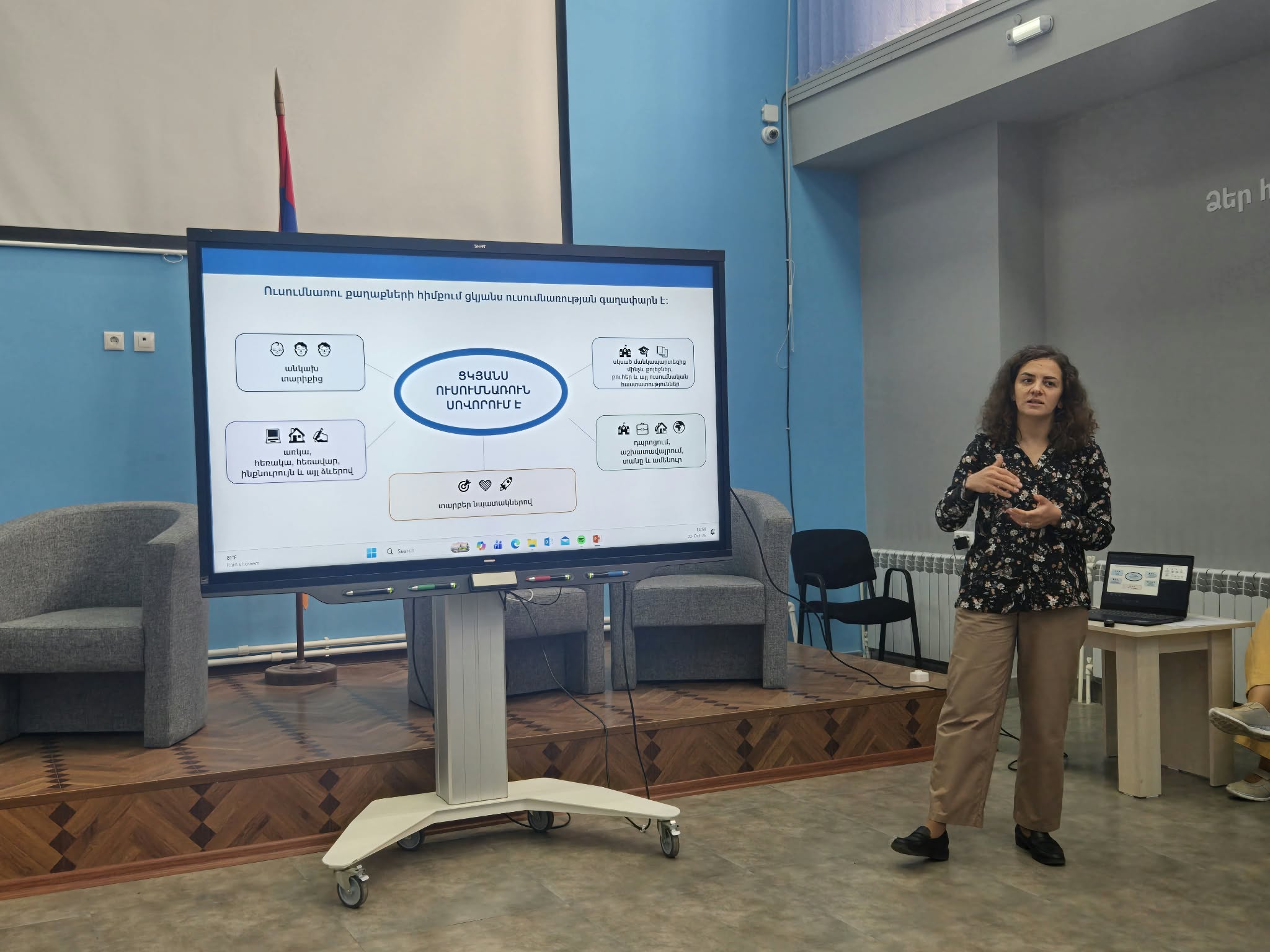
The project also drew on UNESCO’s Learning Cities concept, which views cities as places where people should have access to learning opportunities throughout their lives. Learning in this context is not limited to schools and universities. It also happens within families, communities, workplaces, cultural institutions, and through various civic initiatives. The concept links lifelong learning to social inclusion, cultural development, and the sustainability of urban communities.
In this context, learning is not limited to schools and universities. It continues in families, communities, workplaces, cultural centers, theaters, and through various civic initiatives. The concept unites lifelong learning with social integration, cultural development, and the sustainability of urban communities. More information about UNESCO’s approach is available here: Learning Cities: Drivers of Inclusion and Sustainability.
The study of Sevan, Dilijan and Gyumri aimed not only to identify existing educational opportunities but also to explore how urban spaces themselves can become environments for learning, personal development and cultural education.
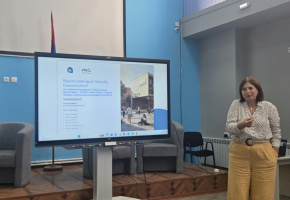
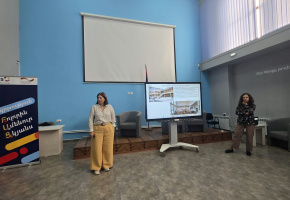
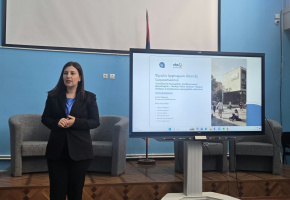
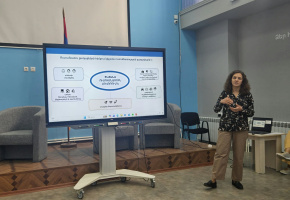
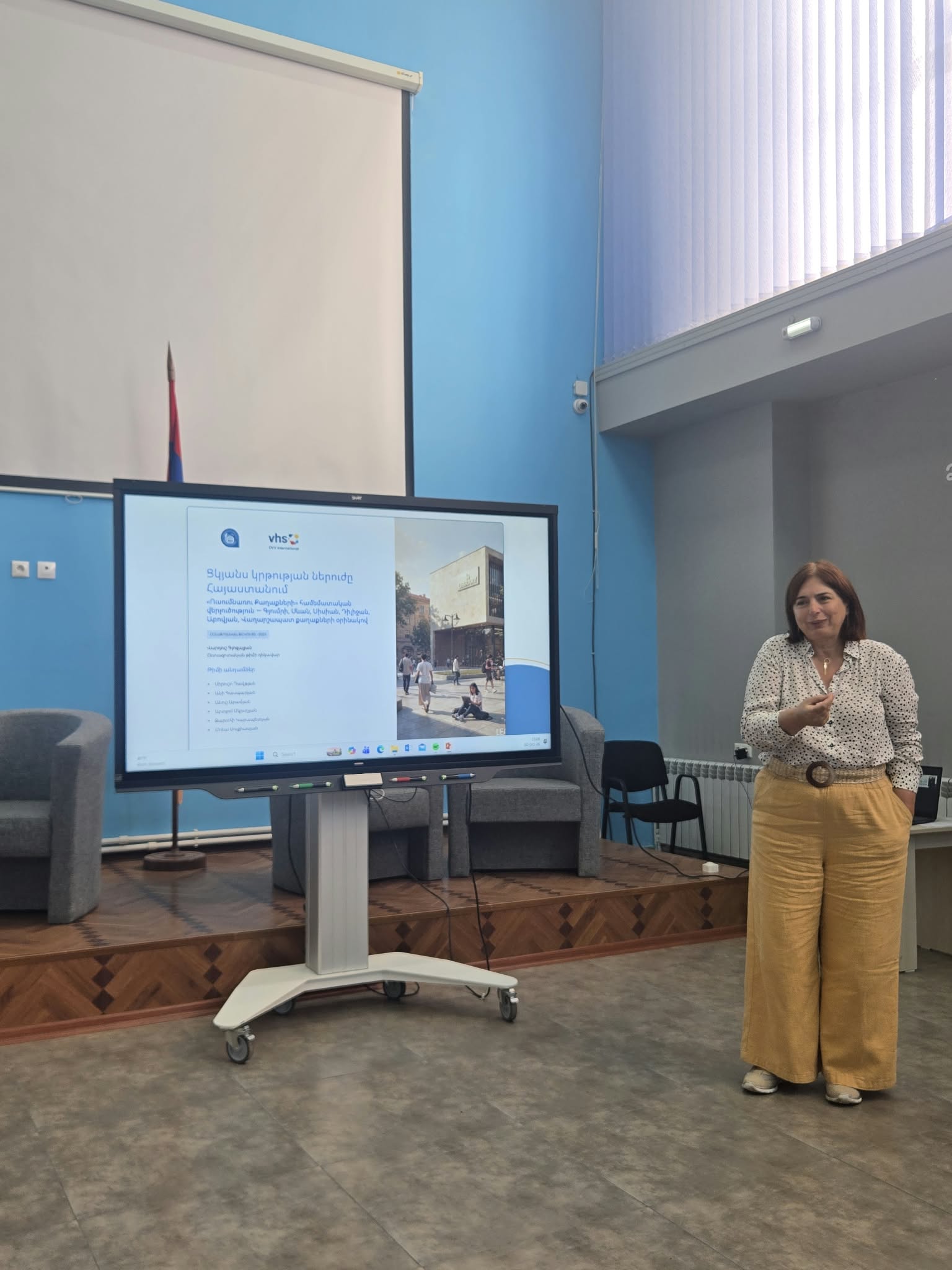
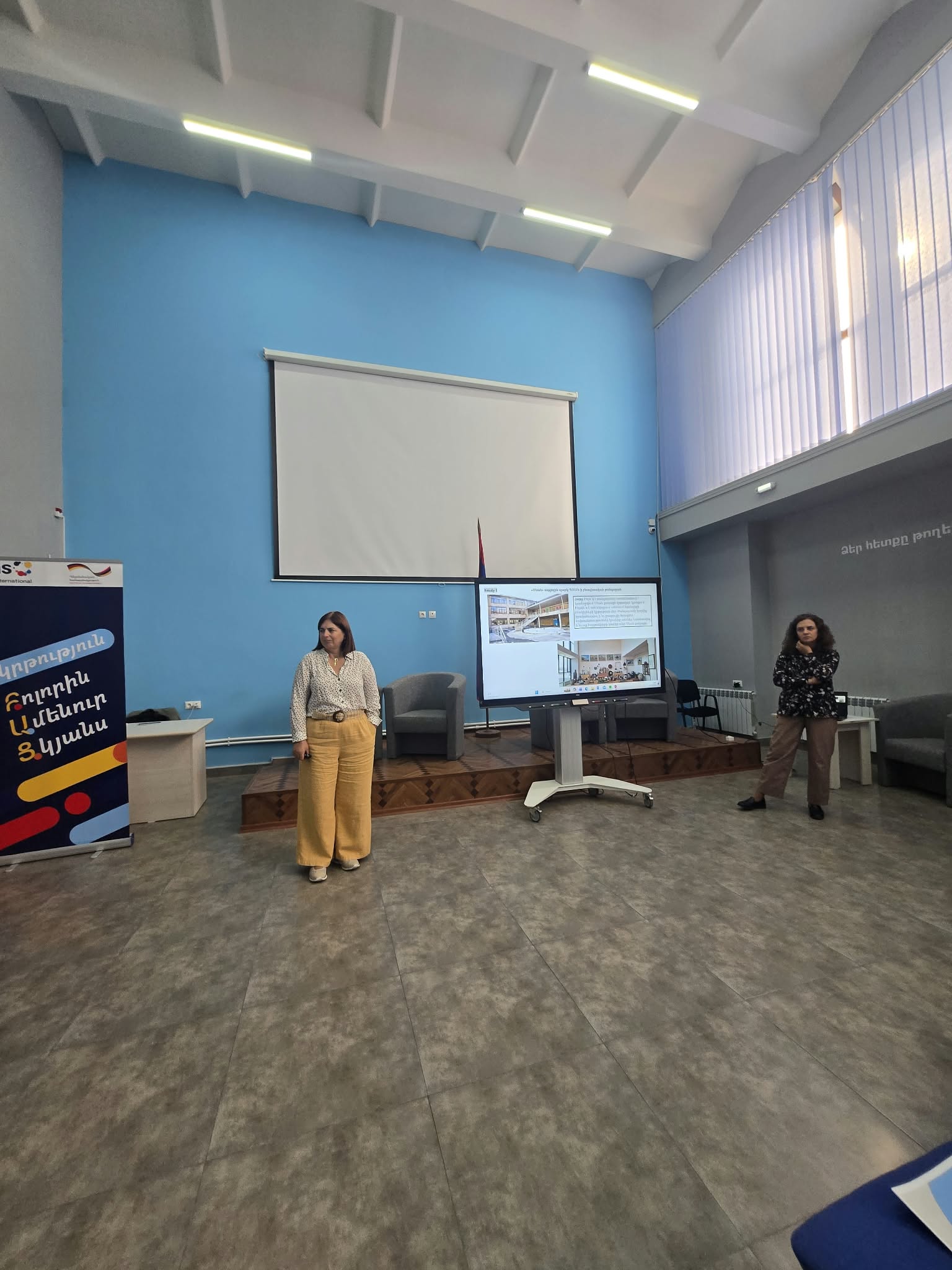
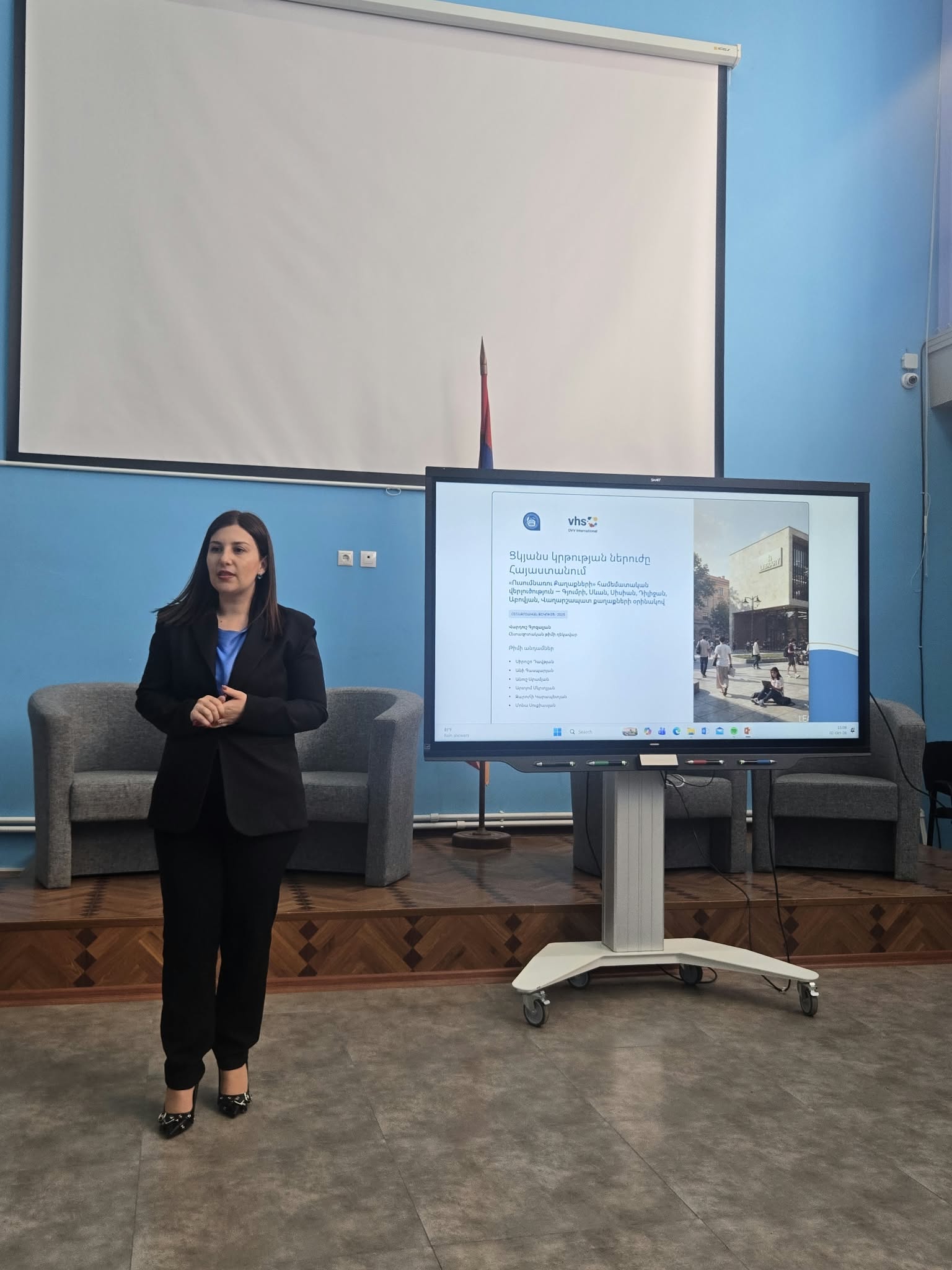
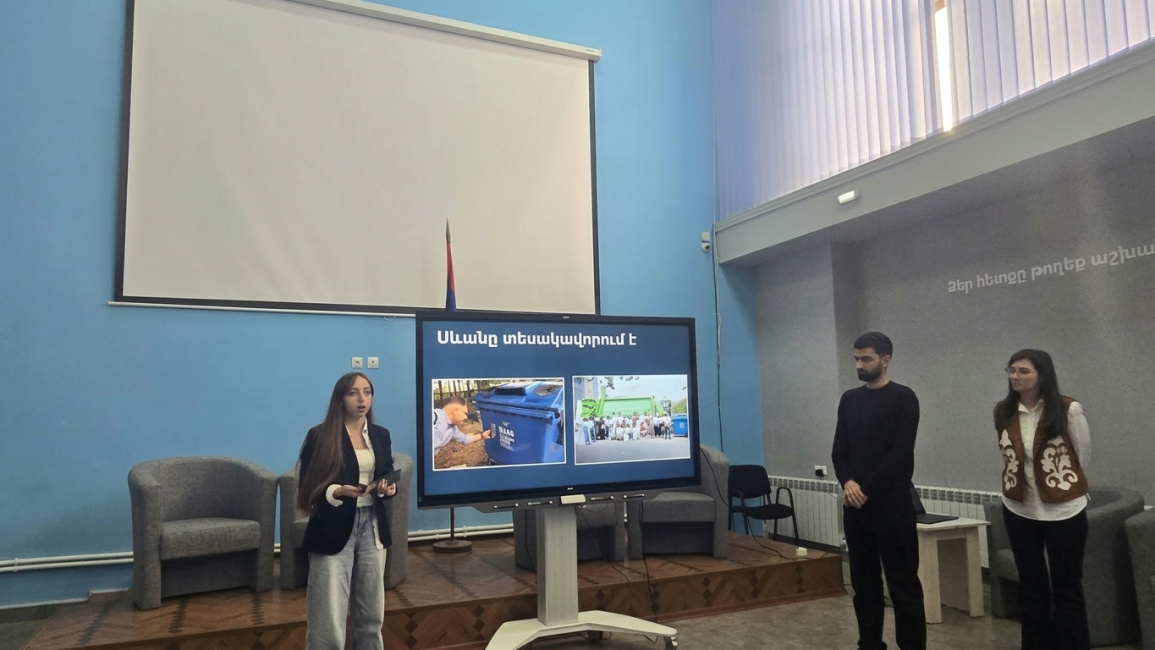
The project concluded with a final presentation held on 2 October 2026 at the Sevan Business Center, where the participating research teams presented their findings.
The research will also be presented at the international conference “Media Text, Semiotics and AI: In Search of New Meaning”, organized by Yerevan State University. As part of the conference program, Araqsya Hakobyan, Srbuhi Hovhannisyan and their academic supervisor, Professor Tigran Simyan, will present a paper entitled “The Landscape of Traumatic Memory”, drawing on materials collected in Sevan, Dilijan and Gyumri.
The project marks another step in strengthening the Chair of Media Studies and Semiotics’ cooperation with international organizations. It also offers a valuable example of how students from different academic disciplines can collaborate on field-based research, gain practical experience, and contribute to a better understanding of contemporary urban environments in Armenia.