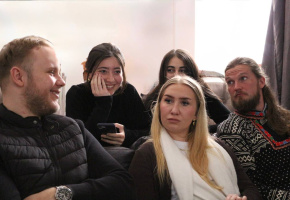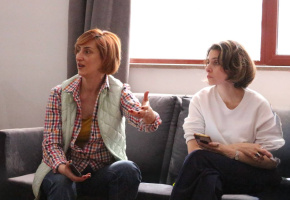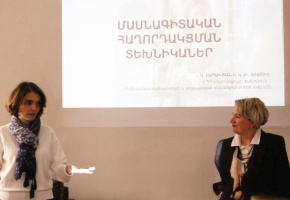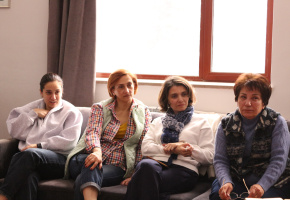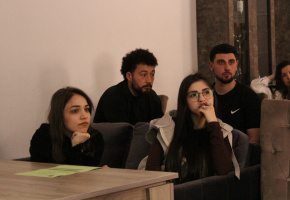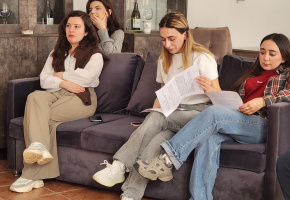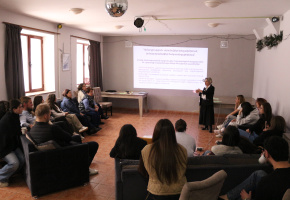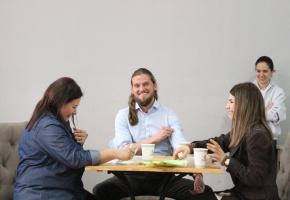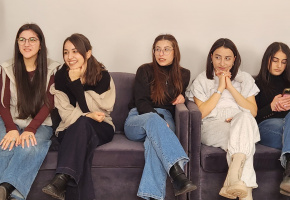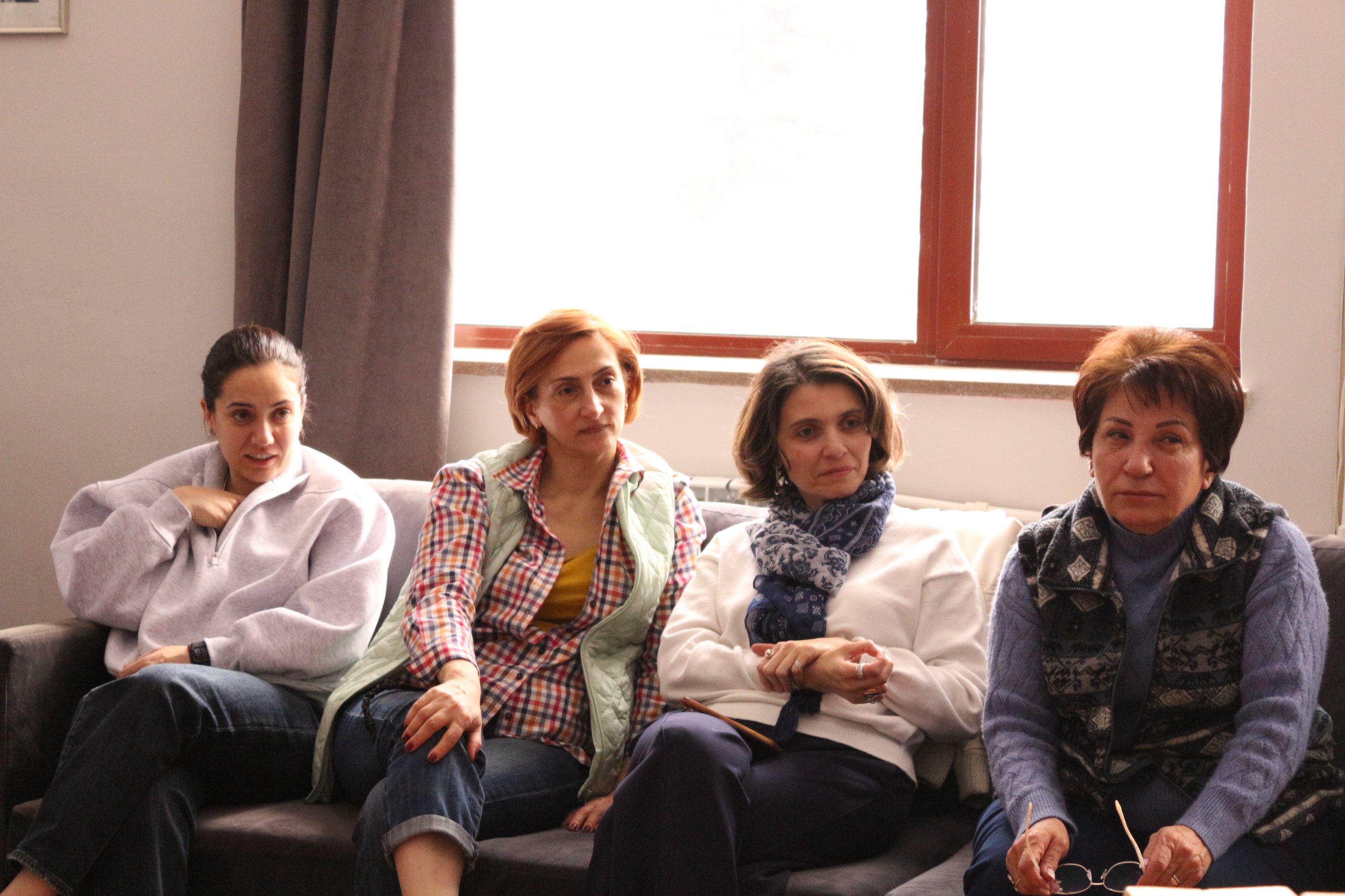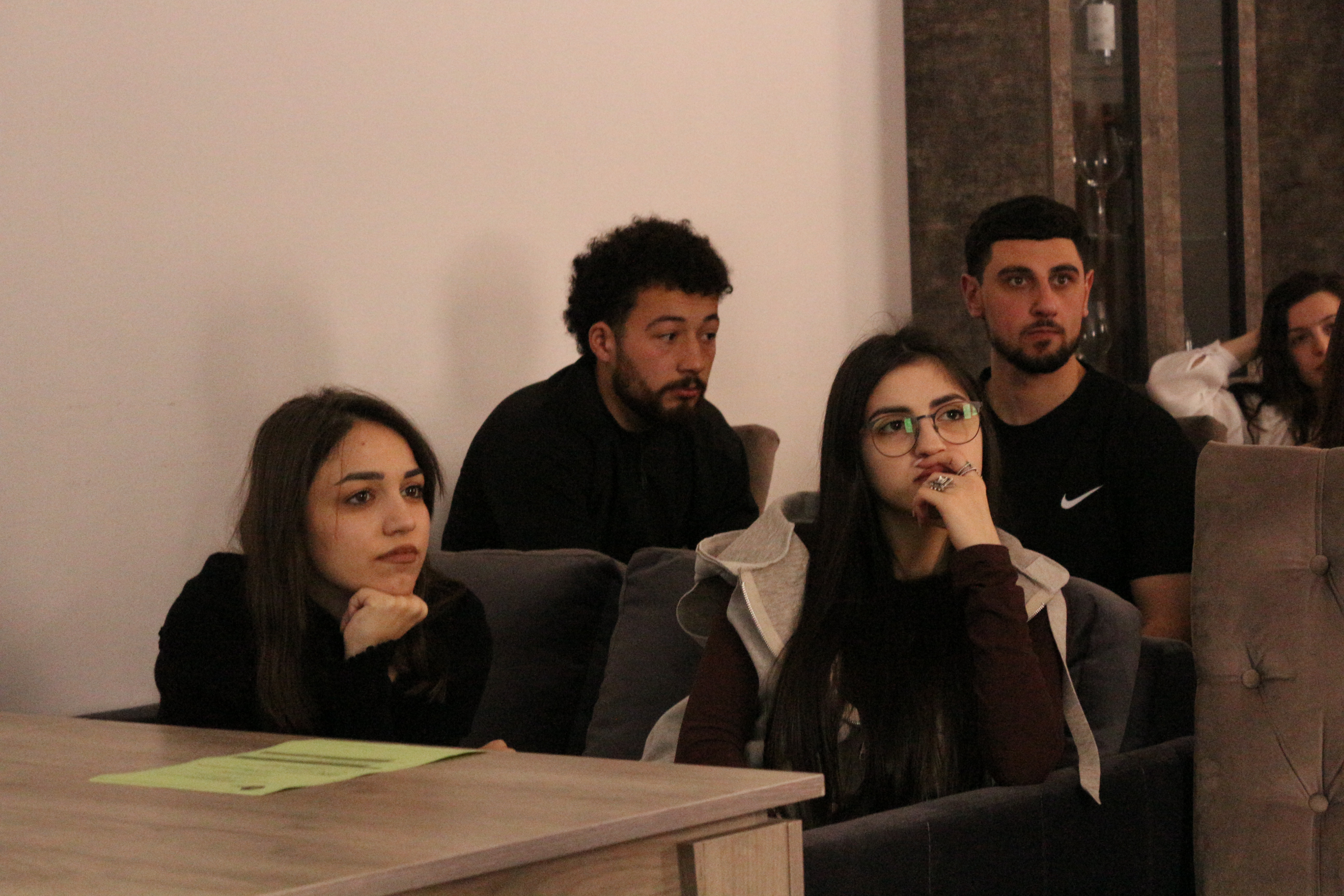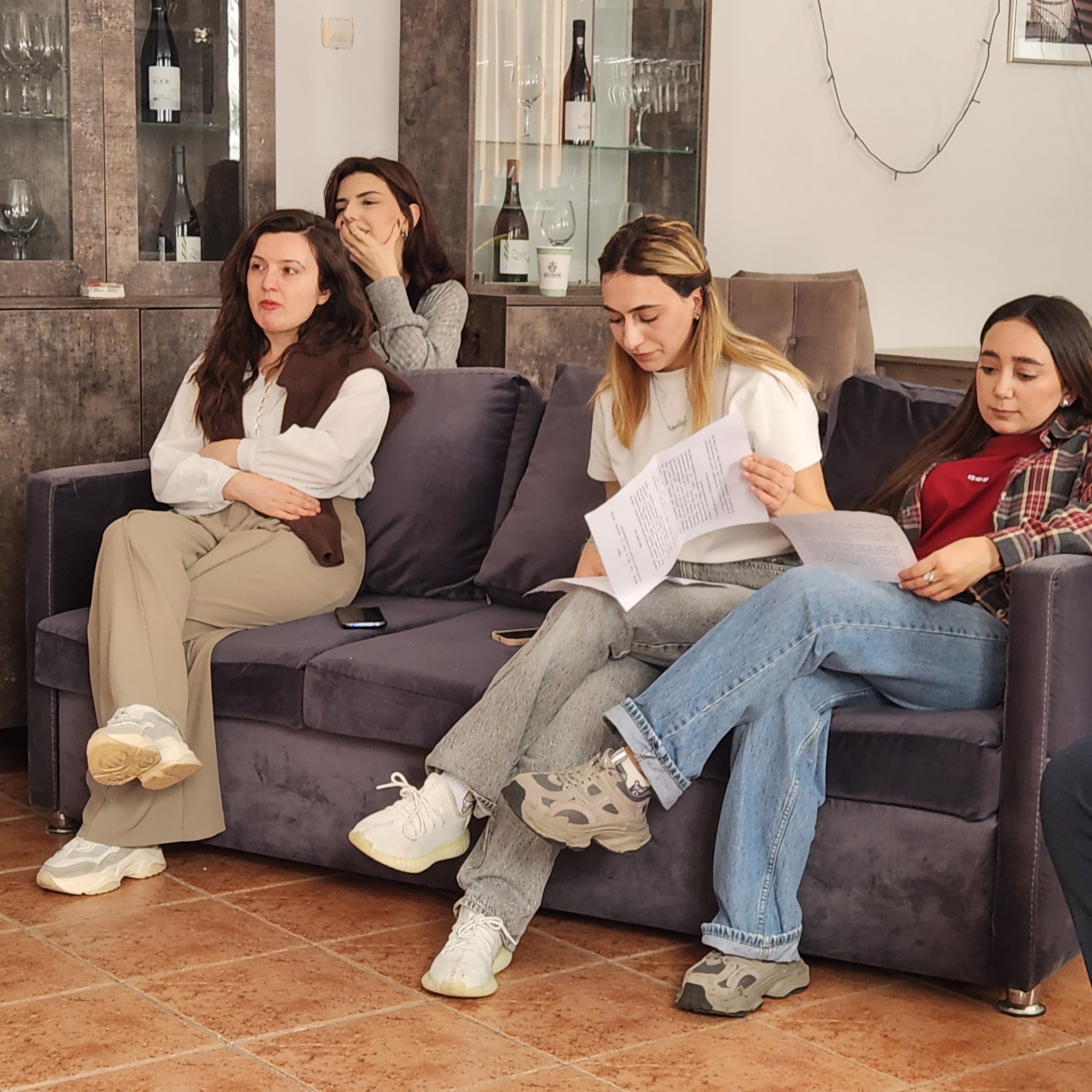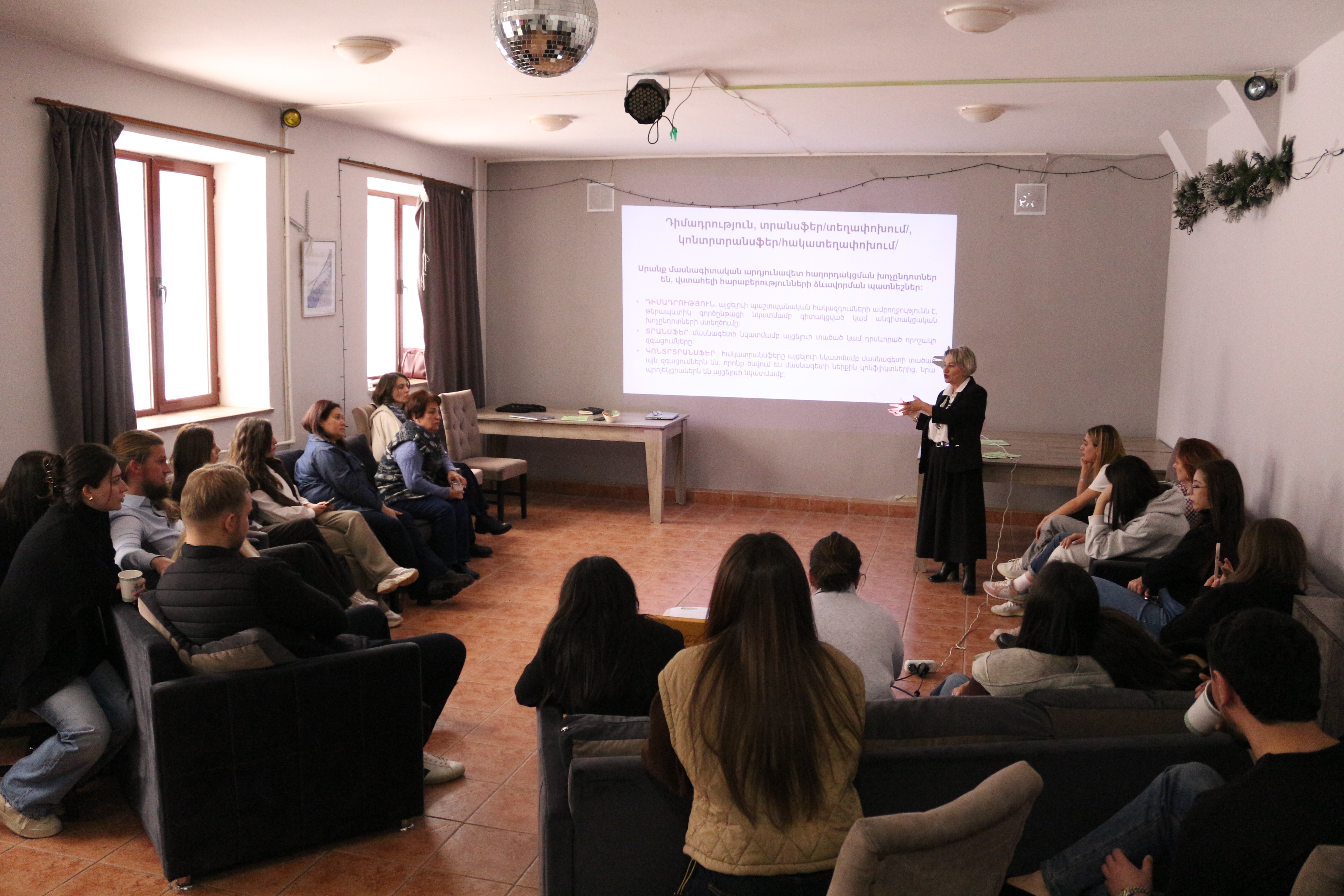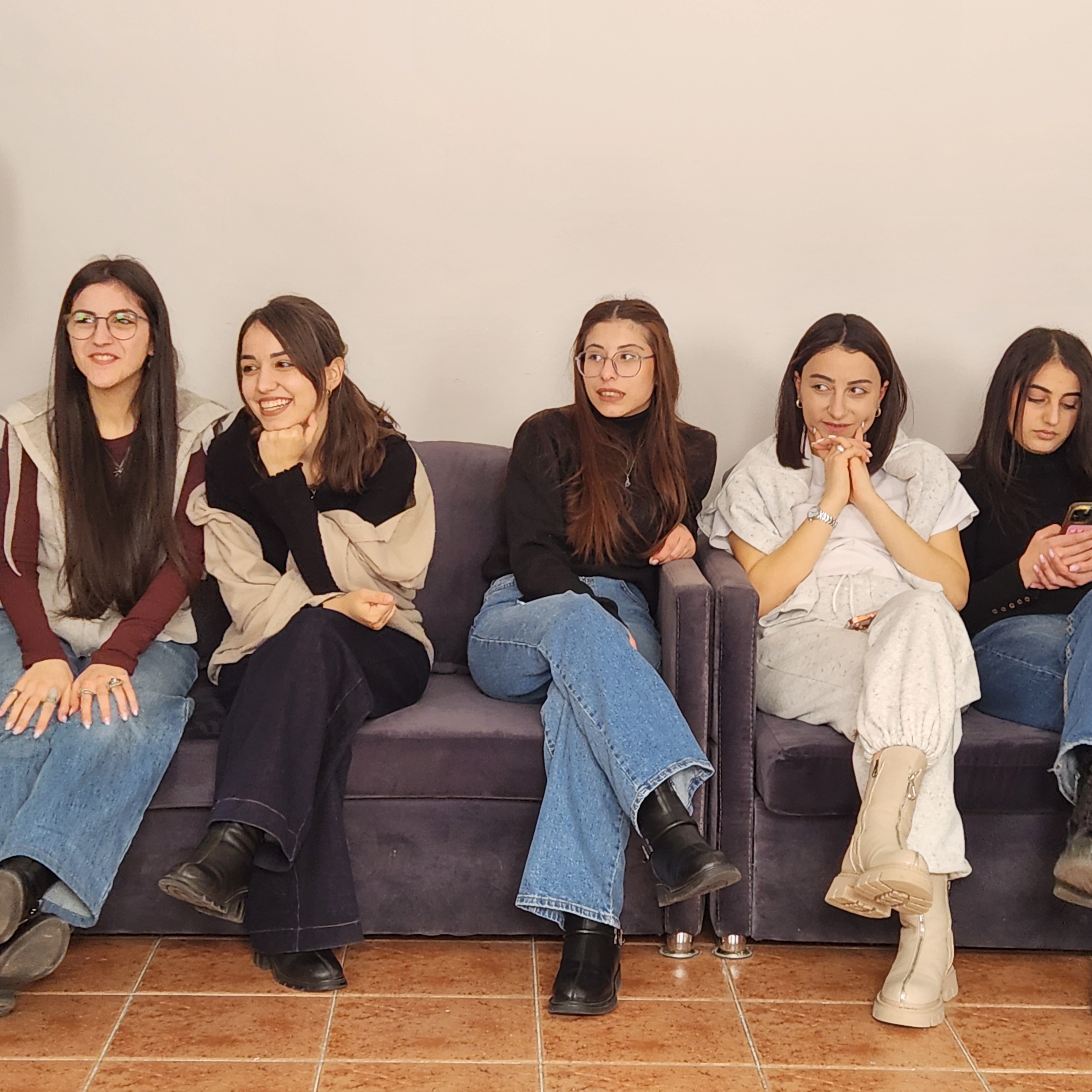
On February 28 and March 1, a simulation exercise was held at the YSU guesthouse in Tsaghkadzor, organized by the YSU Faculty of Sociology. The exercise was designed for students of the "Social Work" bachelor's program and the "Social Work and Social Policy" master's program.
Social worker education is built around two professional pillars: studying vulnerable groups in society and mastering methods for working with them. In real life, professionals face the individuality of social problems and must quickly determine how to engage with each client. Recognizing the importance of developing students' practical skills, the Faculty of Sociology included a simulation exercise for 25 students in its 2026 strategic development plan.
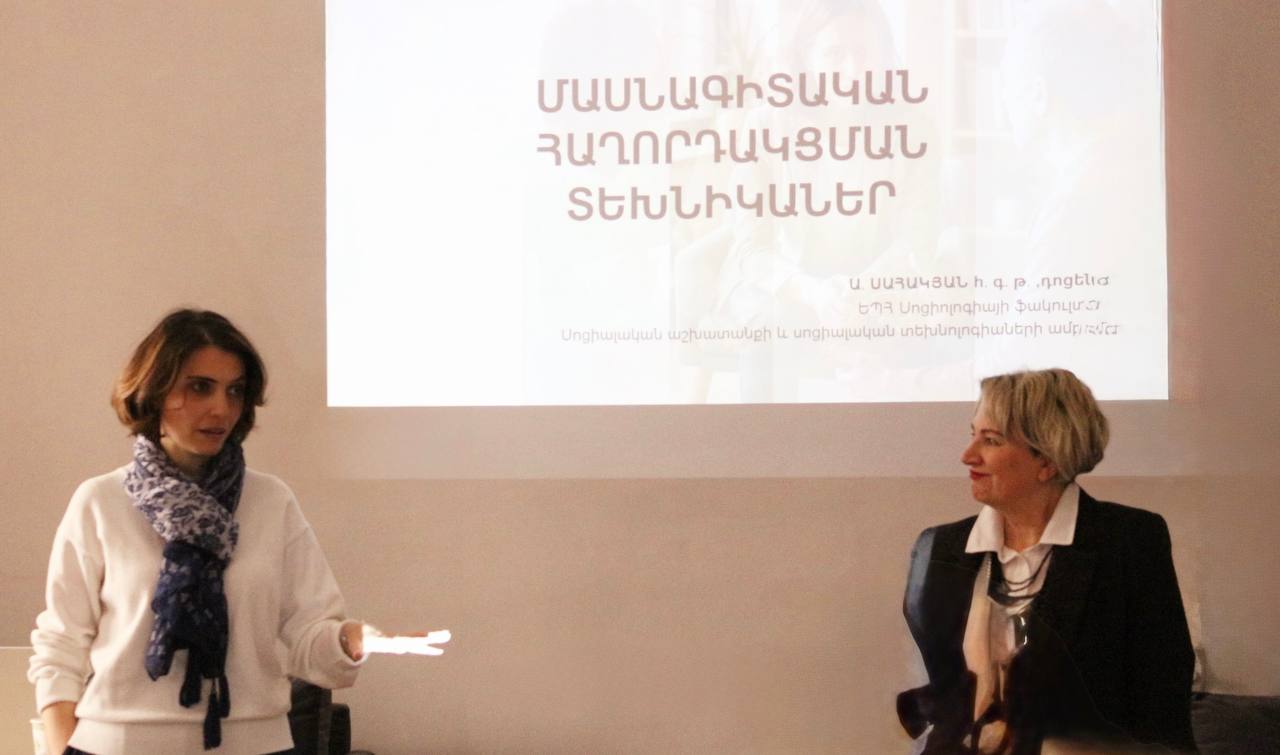
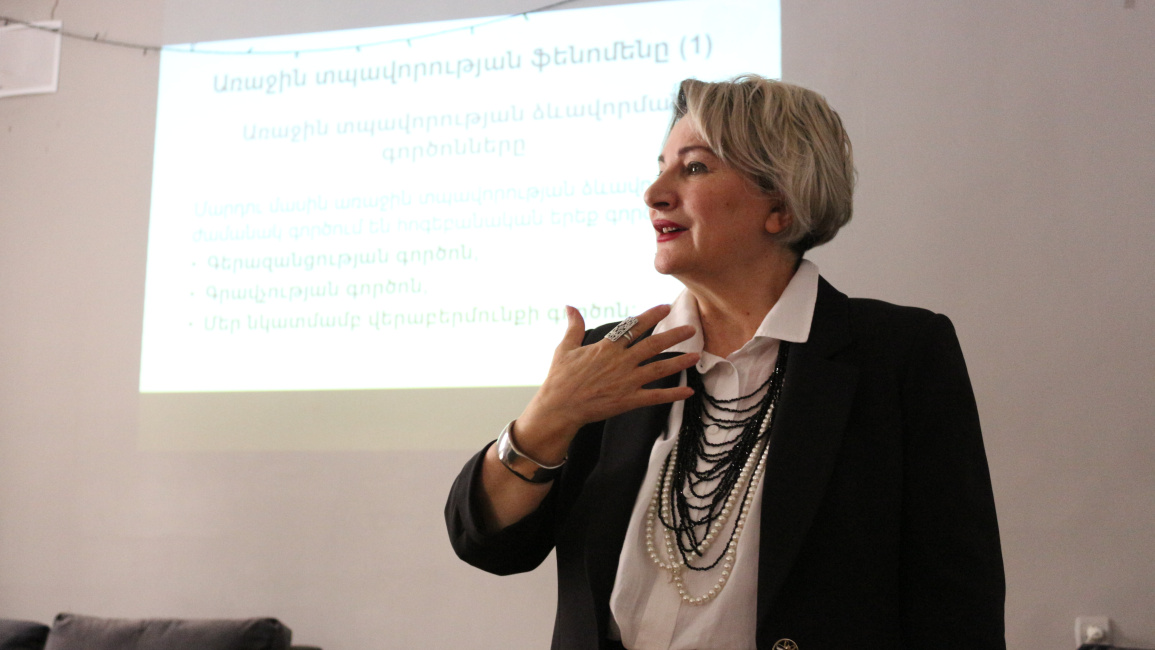
Welcome remarks were delivered by Anahit Sahakyan, Deputy Dean of the Faculty of Sociology, and Yuliana Melkumyan, Head of the Chair of Social Work and Social Technologies. Melkumyan emphasized that such initiatives provide an important platform for exchanging professional knowledge and practical experience, strengthening lecturer-student collaboration, and introducing modern approaches in social work education.
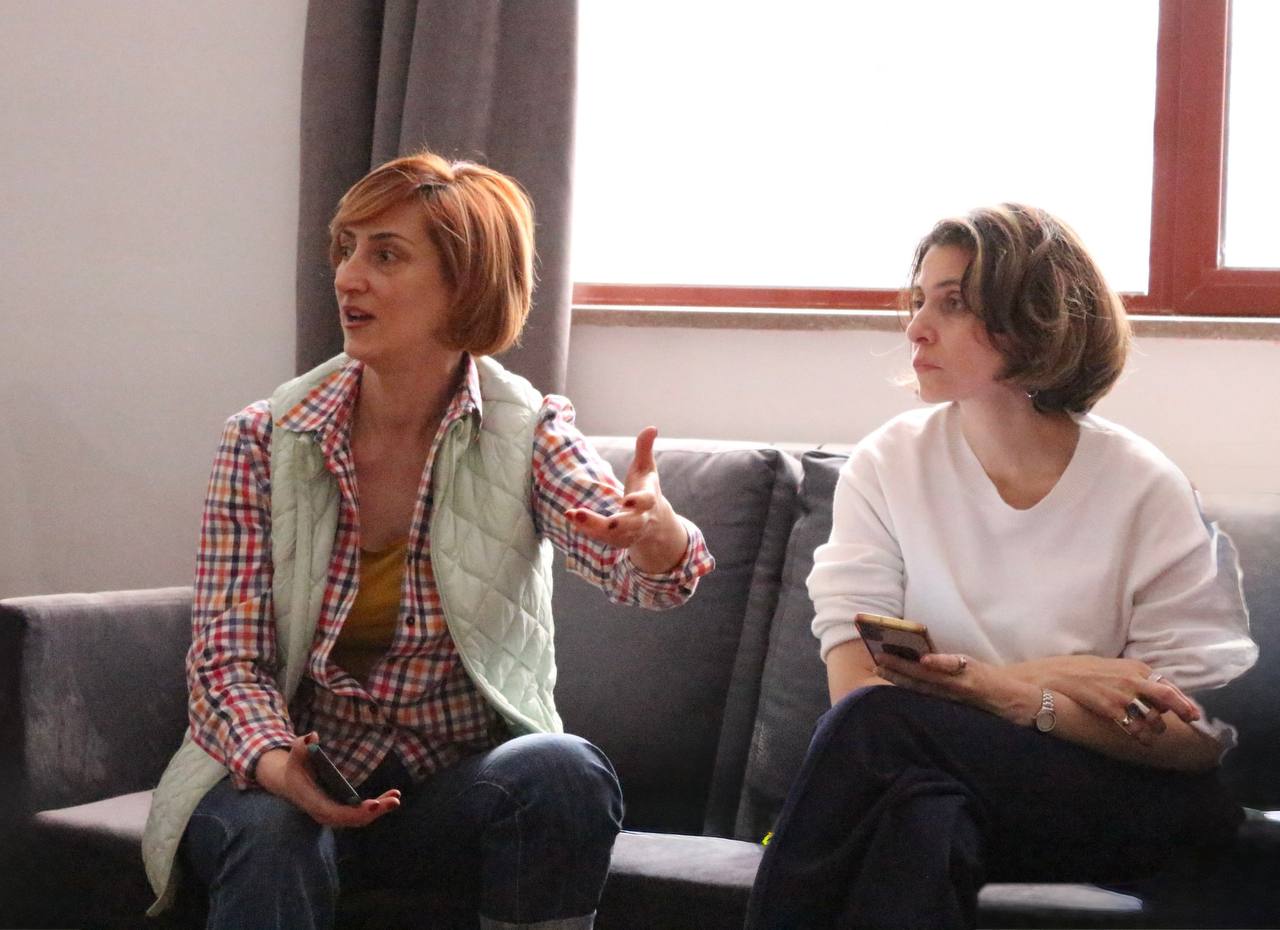
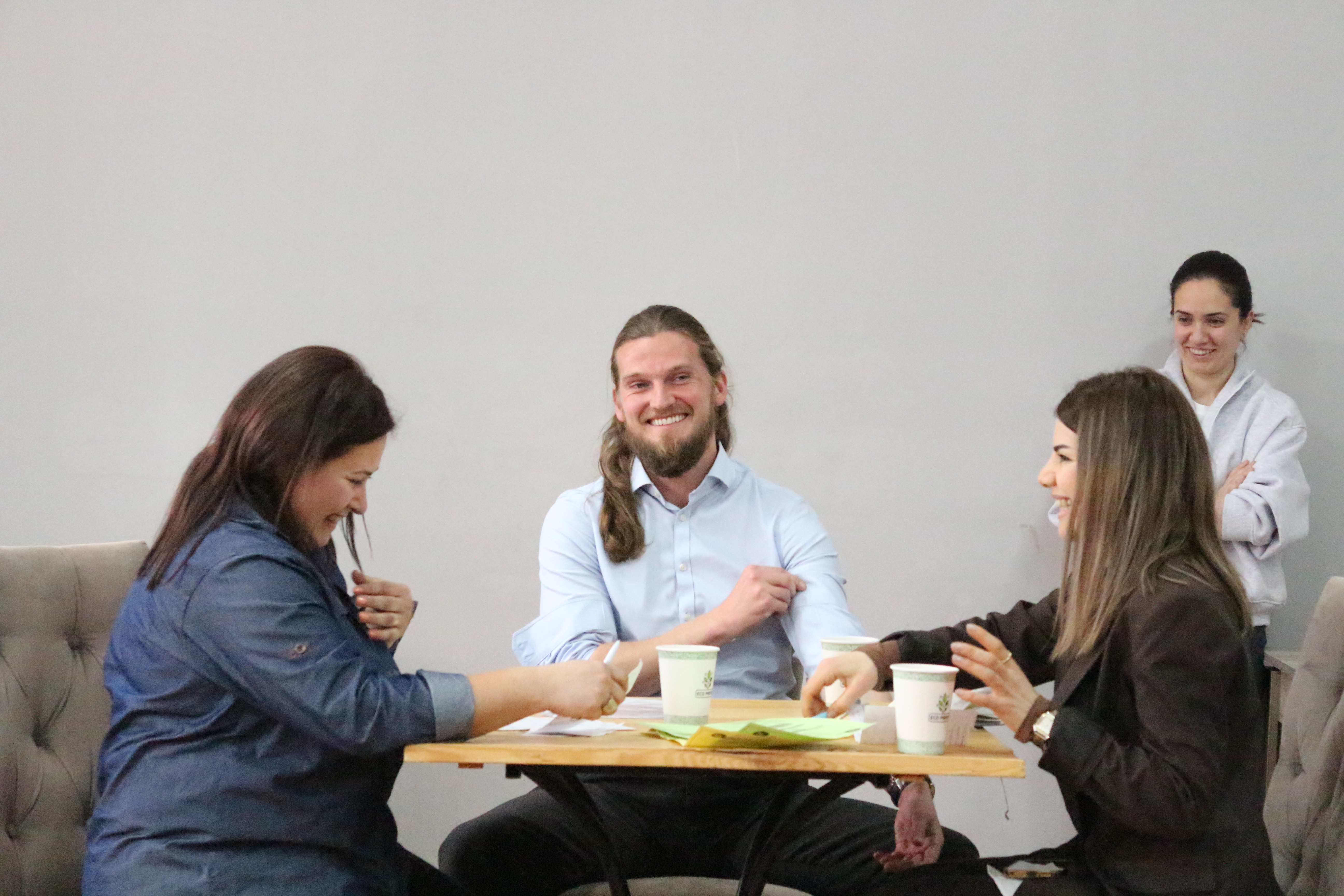
Anahit Sahakyan introduced the students to the fundamental principles and techniques for building trustworthy relationships with clients. Following this, assignments were given, and roles were distributed: some students assumed the roles of clients, while others acted as social workers interacting with the clients for the first time.
Associate Professor Mira Antonyan, along with lecturers Syuzanna Juharyan and Tatevik Karapetyan, had previously collected real-life cases and adapted them for the simulation exercise. These cases addressed challenges faced by a migrant worker, an unaccompanied minor refugee, an orphanage graduate, and a mother of multiple children.
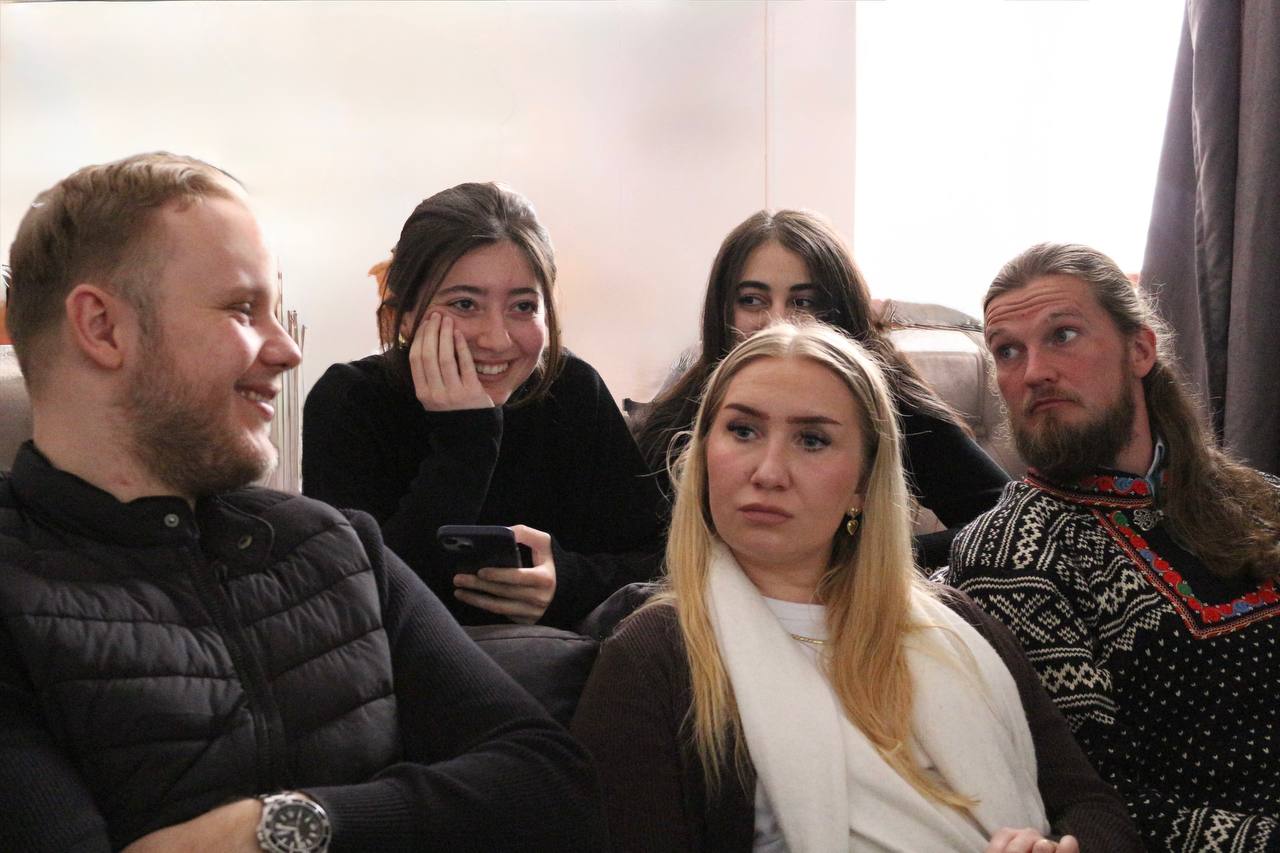
The exercise also included students from the University of Stavanger (Norway), who have collaborated with the YSU staff for over eight years and are completing a 22-week practicum in Armenian social services.
During the simulation, students applied their acquired knowledge, followed by professional reflection. This allowed both students and lecturers to discuss the strengths and weaknesses of social worker-client communication and identify opportunities for improvement.
Students emphasized that the role-playing exercise reinforced the knowledge gained in the classroom, transforming it into practical skills they can apply in real-world professional settings.