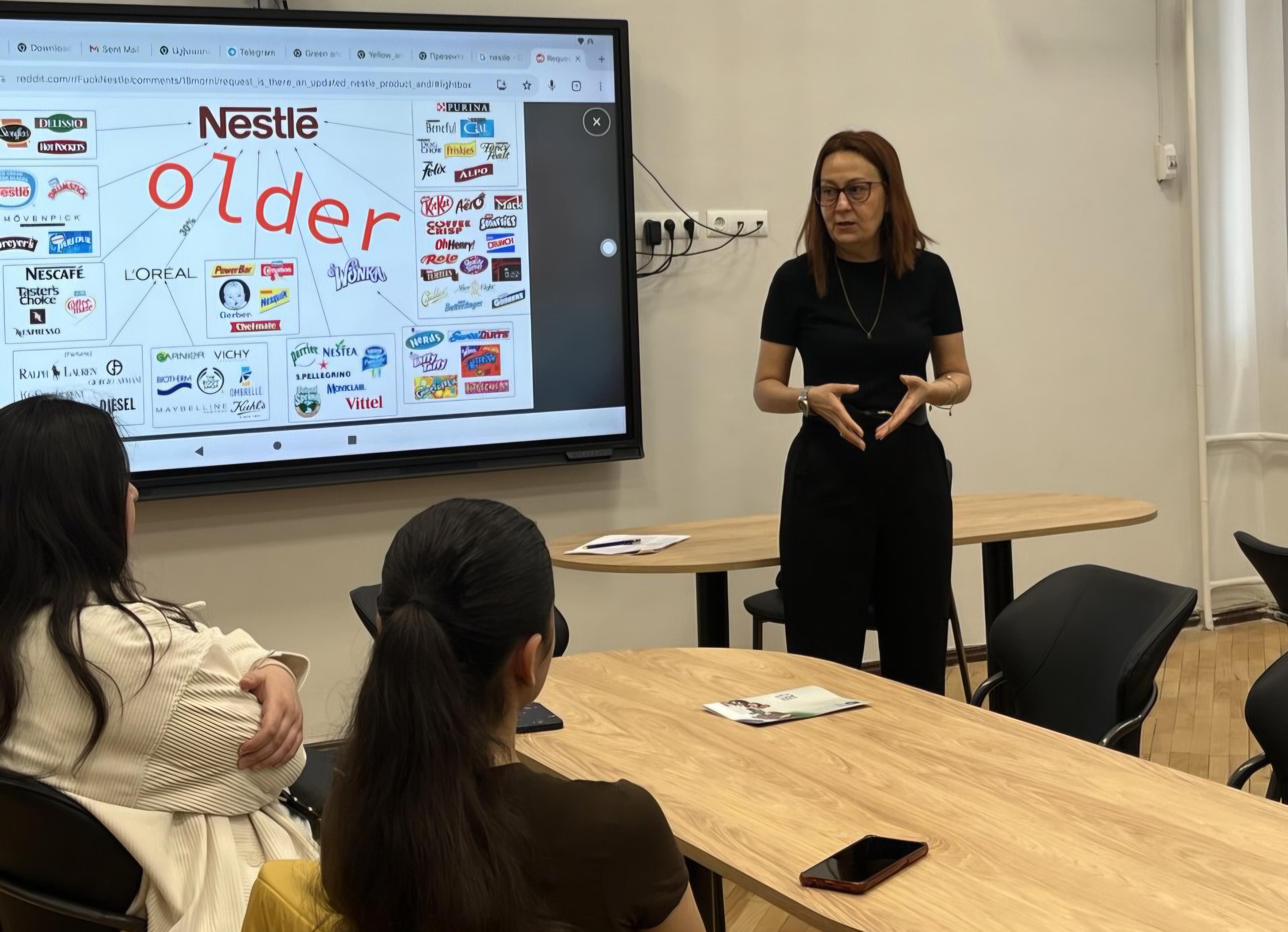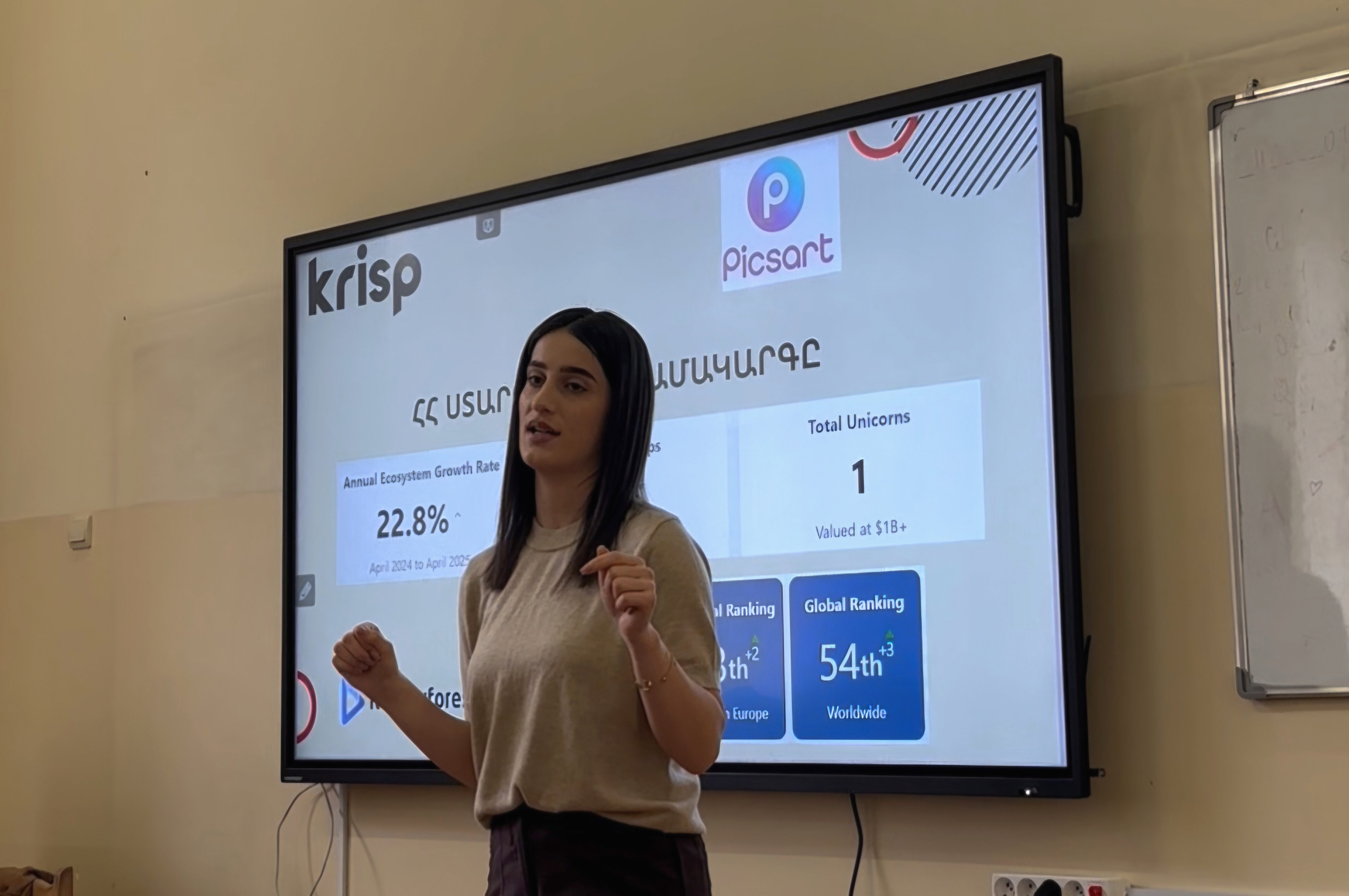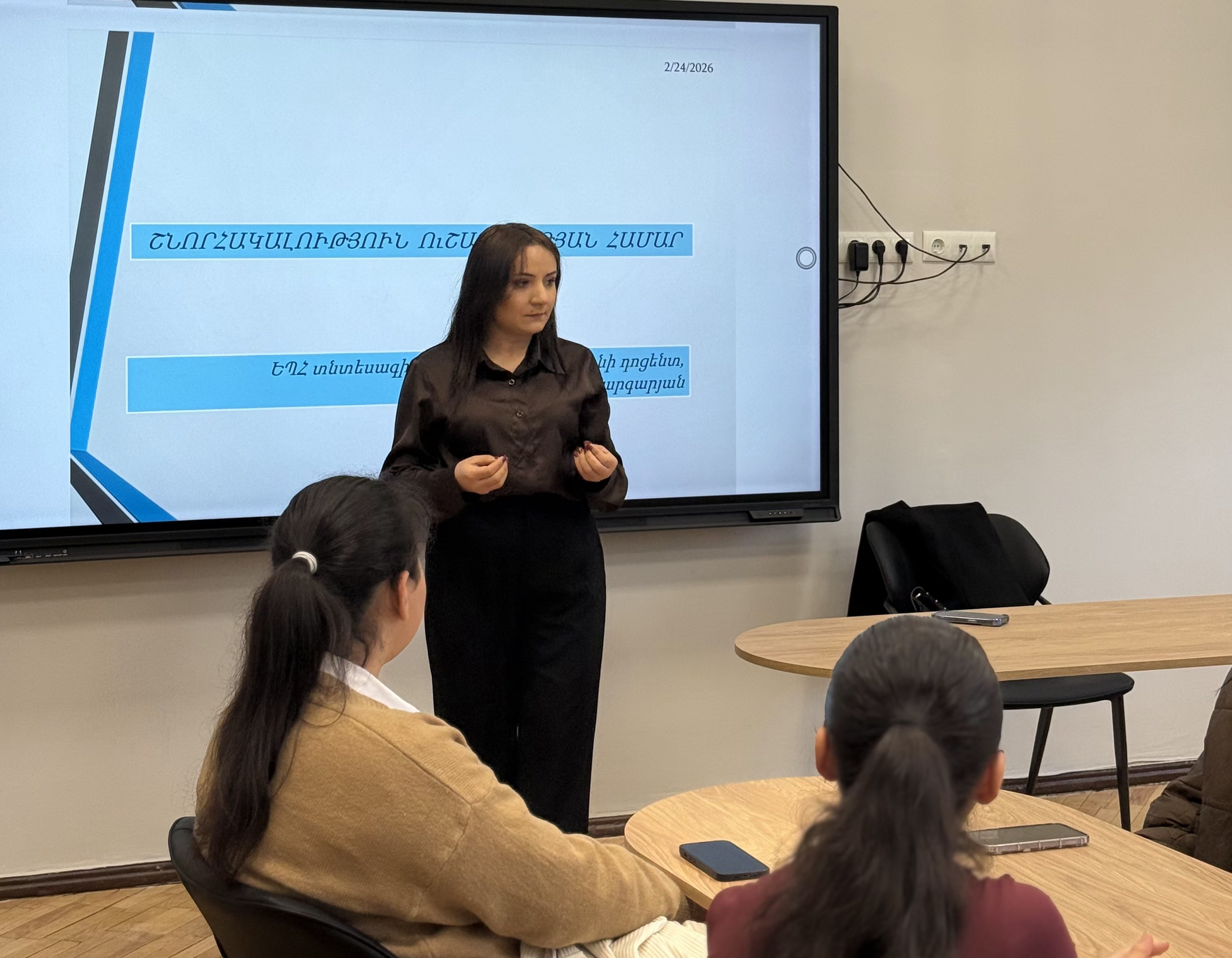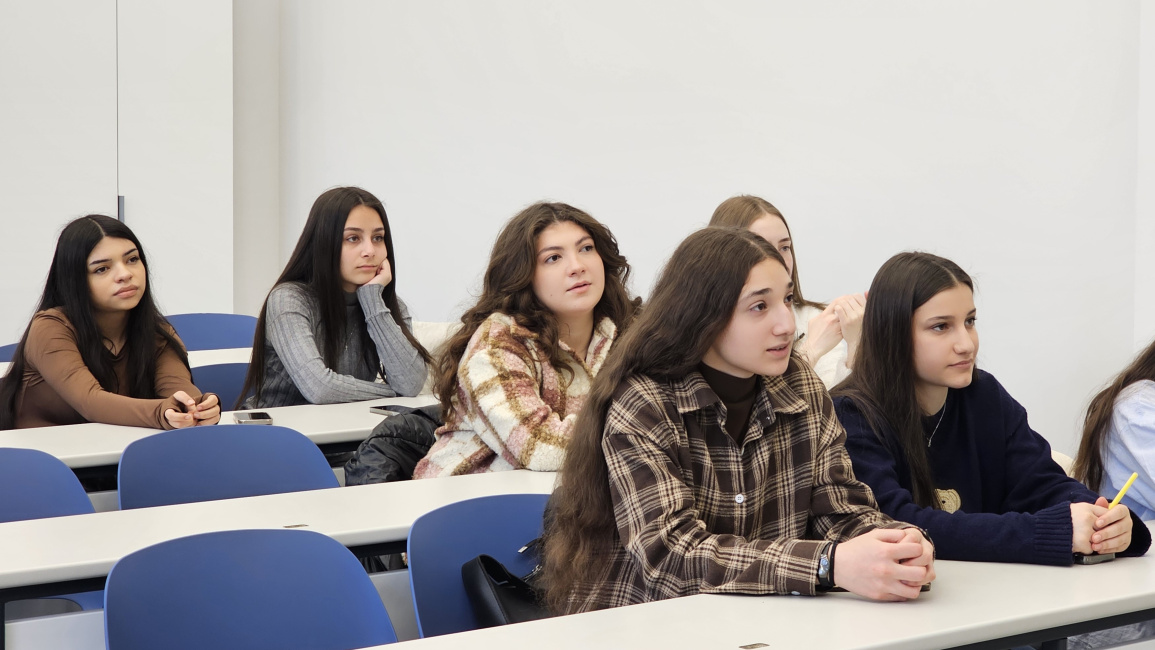
The YSU School of Economics is one of the Faculty of Economics and Management's traditional and highly anticipated programs. Its continuity and expanding scope demonstrate that higher education is most effective when students make informed choices about their profession.
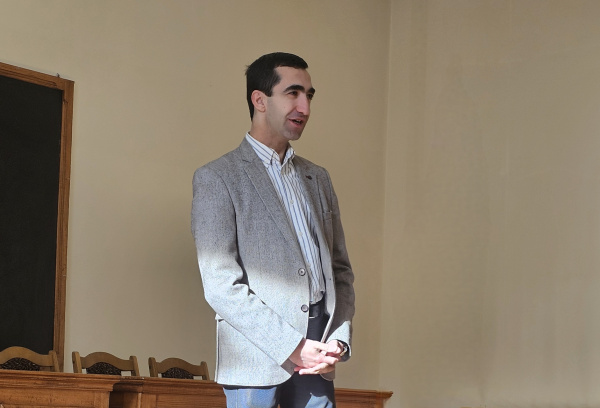
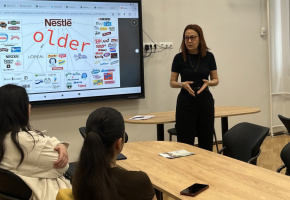
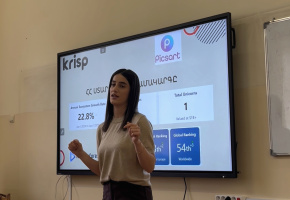
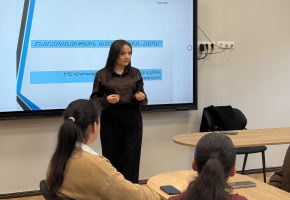
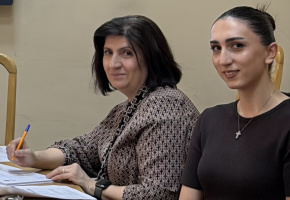
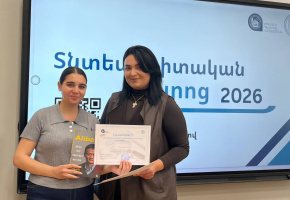
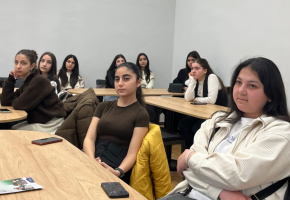
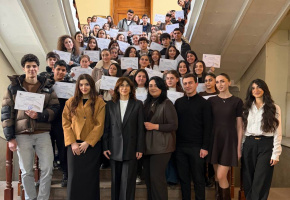
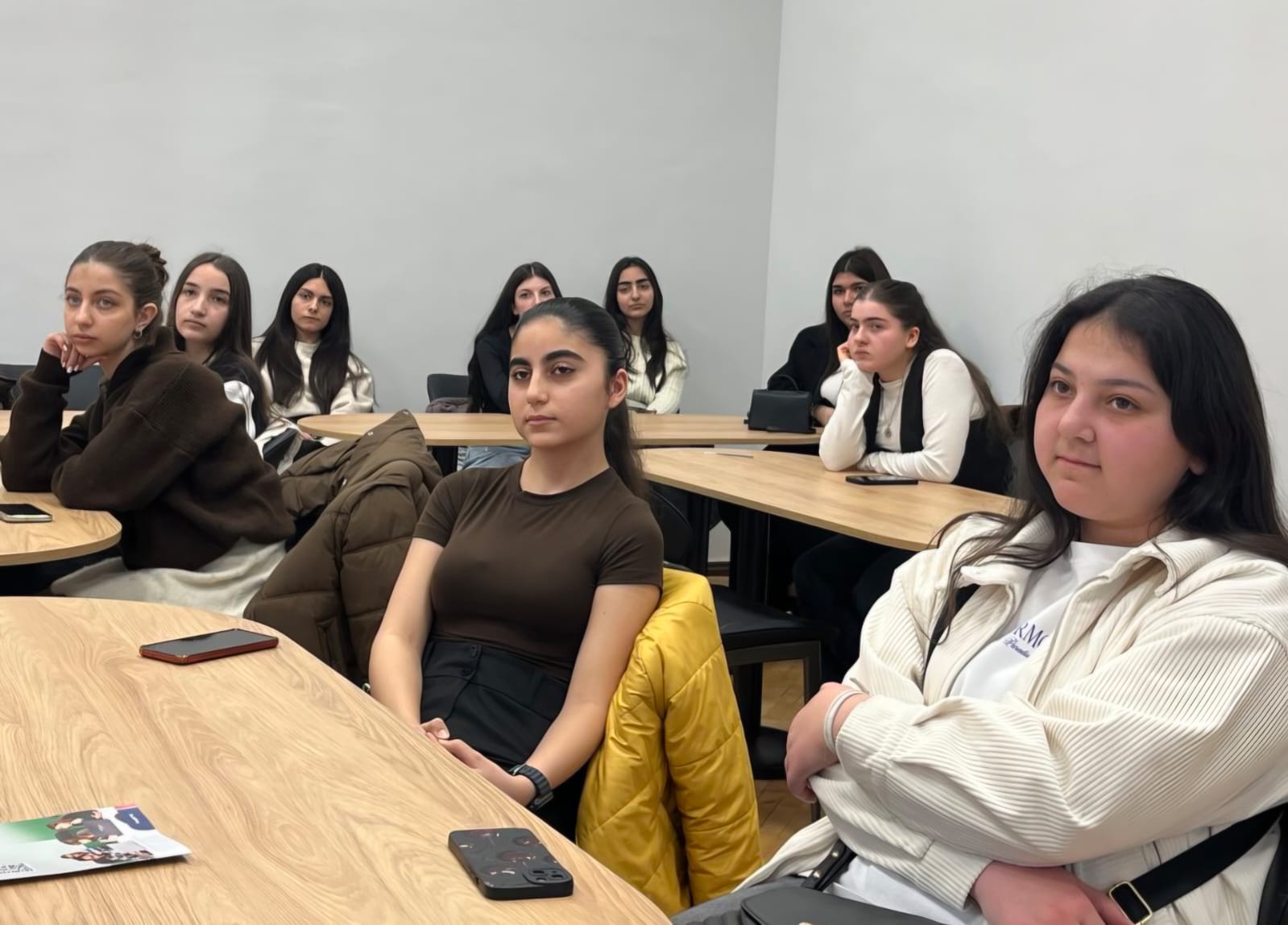
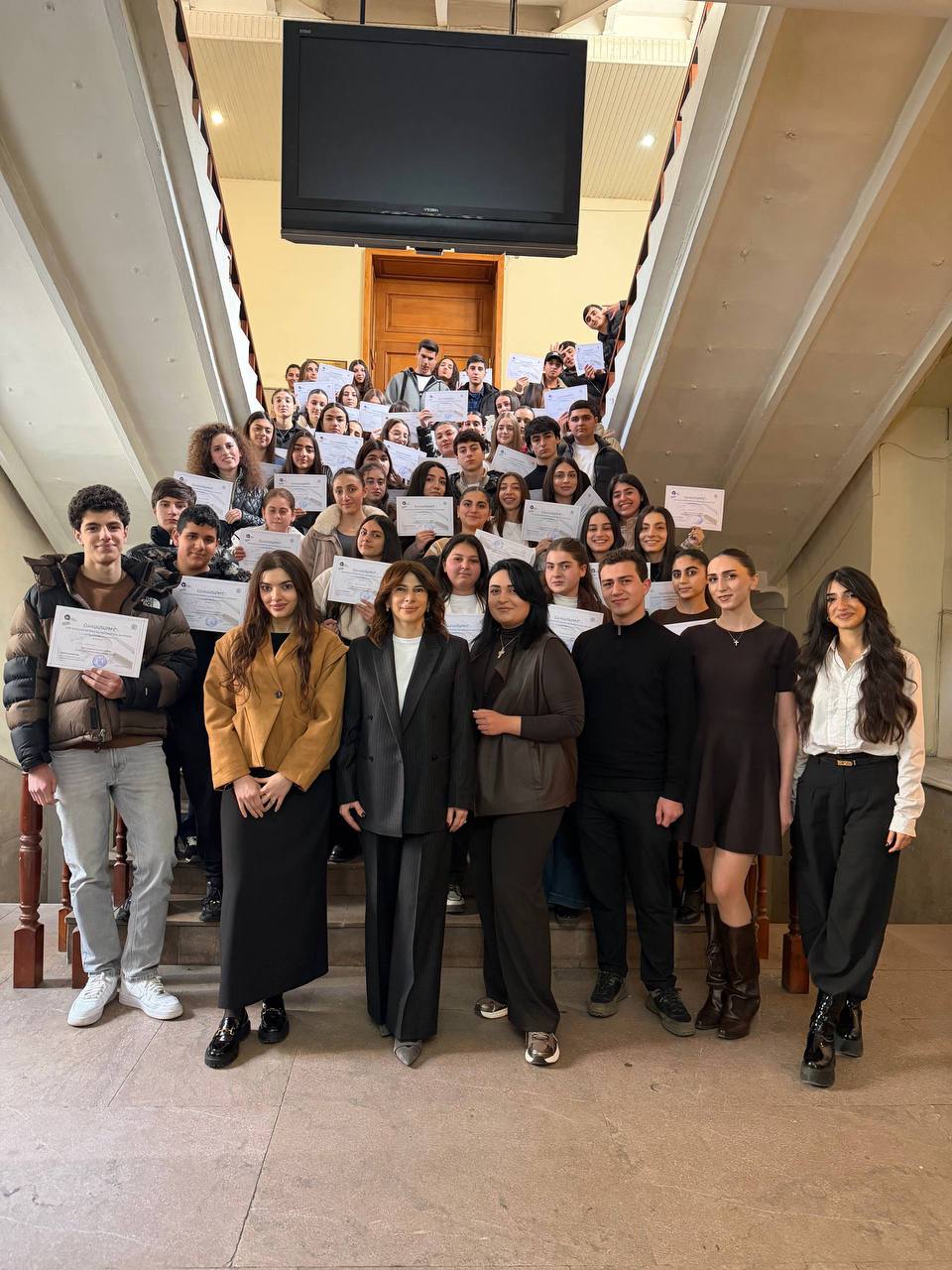
On February 28 and March 1, the Faculty of Economics and Management hosted the spring cycle of the YSU School of Economics for the 2025–2026 academic year. During the two-day intensive program, approximately 120 students from around 40 high schools and colleges in Yerevan and Armenia's provinces were introduced to the faculty's structure, the specifics of its educational programs, and opportunities for professional development.
A key component of the program consisted of interactive professional courses and business simulations, through which participants engaged in discussions and practiced decision-making related to business management and administration. This format allowed students to connect theoretical knowledge with real economic contexts, helping them independently assess their interest in and suitability for a chosen profession.
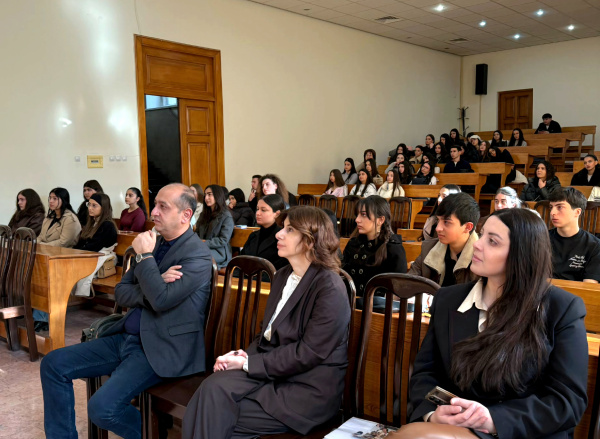
Participants also became acquainted with the university's history, academic traditions, and established corporate values, gaining a comprehensive understanding not only of the professional environment but also of the institutional setting. This is an important prerequisite when choosing a profession, as selecting a university depends not only on the content of its educational programs but also on the alignment of values and cultural fit.
Professional orientation should be grounded in awareness of the relevant field, knowledge, experience, and value-based self-determination. By continuing its mission to educate highly qualified economists and specialists in management and finance, the YSU Faculty of Economics and Management reinforces its active role in pre-university education through this program. Although brief in duration, the program's impact is systemic and long-term. It fosters a culture of informed choices of profession and strengthens institutional collaboration between universities and schools.
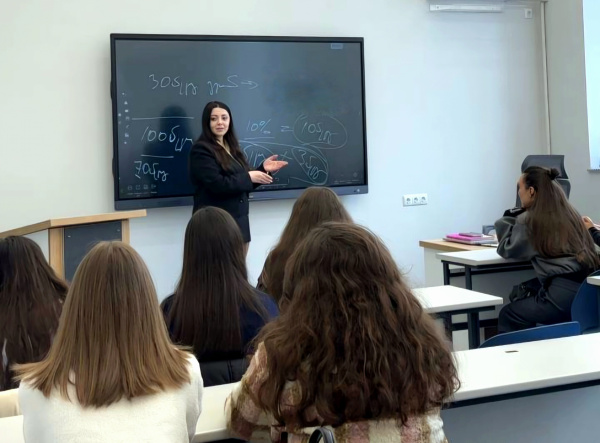
According to Associate Professor Karlen Khachatryan, Dean of the Faculty of Economics and Management, the YSU School of Economics addresses one of the most critical challenges in education — the quality of professional orientation. For many years, the process of choosing a university and a profession has often been influenced by superficial perceptions or social trends.
Beyond being an educational initiative, the program represents an important contribution to the long-term development of human capital, providing prospective students with a clear understanding of a profession's content, practical significance, and career growth opportunities. It serves not only as a platform for professional orientation and knowledge transfer but also as an environment that fosters critical thinking and makes the university accessible and familiar to high school students.
The successful implementation of the program is made possible by the dedicated involvement of the faculty's academic staff and student bodies, including the Student Council and the Student Scientific Society, ensuring the program's rich and comprehensive content.
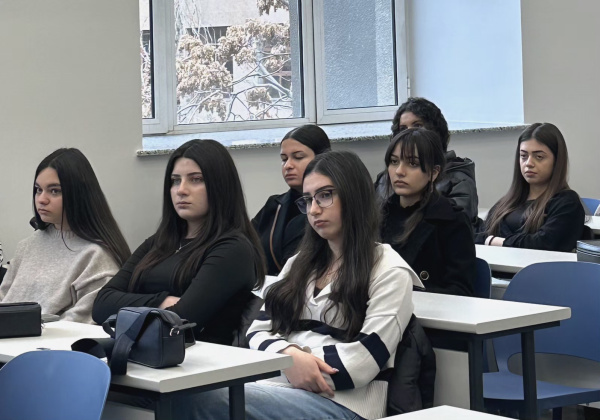
Unprecedented in both content and focus, the two-day program is organized by the Faculty of Economics and Management and supported by the YSU Center for Admissions and Affairs with Applicants. Through its spring and autumn cycles, the program brings together students from the 11th and 12th grades.
The program's strategic importance lies in addressing the frequent lack of sufficient information and superficial understanding of economics among students at the stage of choosing a profession. The YSU School of Economics seeks to fill this gap by providing direct engagement with the academic environment, presenting the structure of educational programs, international mobility opportunities, and prospects for applying professional knowledge and skills in the labor market. Accordingly, the initiative addresses not only informational but also qualitative challenges, promoting informed professional choices and reducing the risk of later career changes.
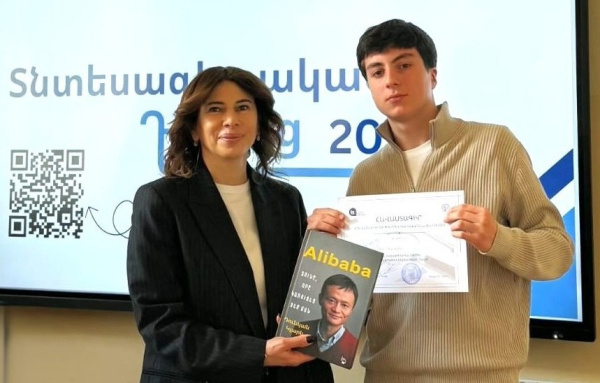
In summary, the latest cycle of the program highlighted several key trends. First, there is a growing interest in economics, driven both by the field's relevance and its diverse practical applications. Second, there is a strong demand for experiential and interactive learning formats, aligning with the characteristics of modern education and the learning preferences of the new generation. Third, the active engagement of students and the depth of their questions indicate that responsibility in choosing a profession is steadily increasing, becoming a conscious and independent decision. In upcoming cycles, the program will continue to expand its reach, involving a larger number of schools and students from Armenia's remote provinces.