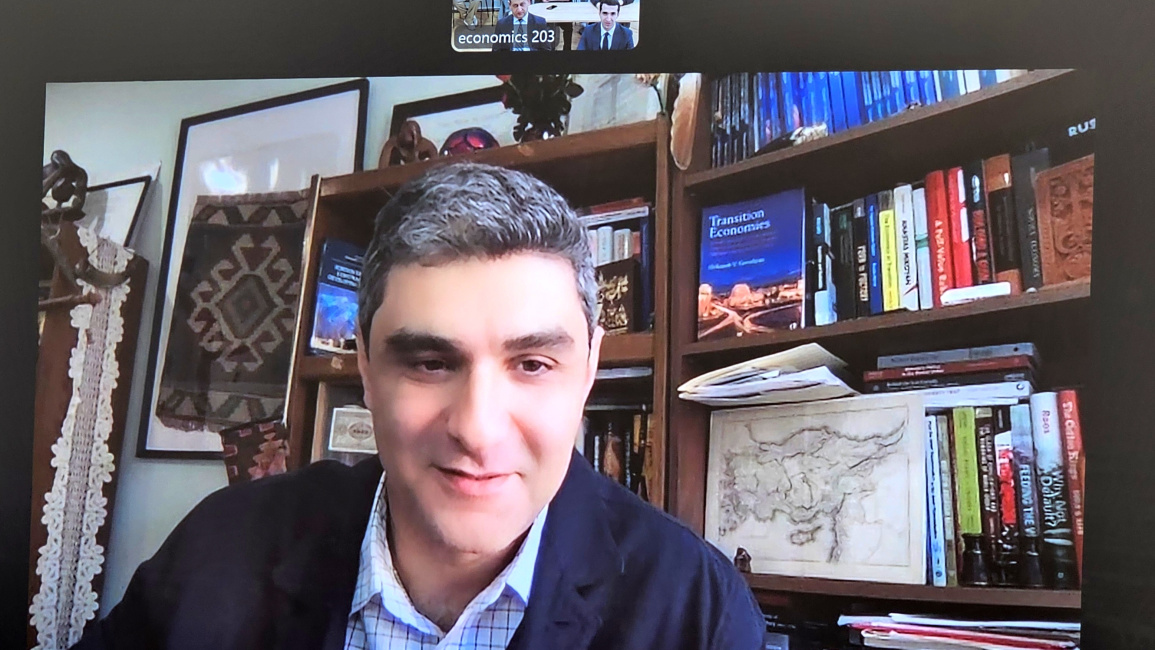
The Faculty of Economics and Management at Yerevan State University has launched a new initiative—a guest lecture series featuring international scholars. The inaugural session was led by Professor Aleksandr Gevorkyan of St. John's University in New York, who presented a lecture on "Global Poverty and Economic Inequality".
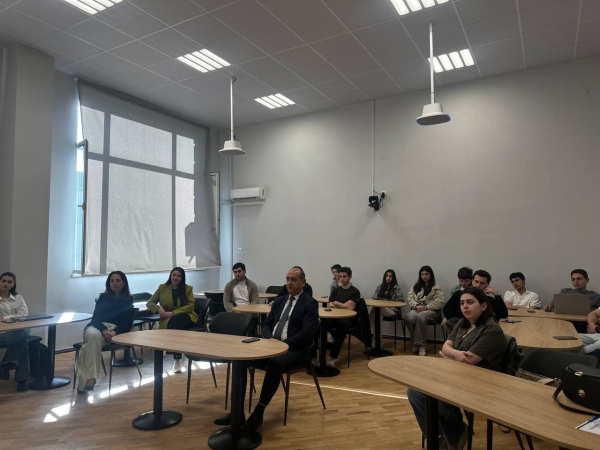
Opening the session, Dean of the Faculty of Economics and Management Karlen Khachatryan welcomed attendees and thanked the speaker for his willingness to take part, stressing the importance of such initiatives for students' professional development. He noted that the series offers students a direct link to the international academic community, helping them build the skills required to compete in today's global labor market.
The lecture addressed the key challenges of poverty and economic inequality at both global and national levels, examining their underlying causes and contributing factors.
Particular attention was given to ongoing transformations in the labor market, including the impact of emerging technologies and artificial intelligence on employment structures, skill demands, and work organization. Gevorkyan also shared his outlook, stressing that the most competitive professionals in the future will be those who can combine subject-matter expertise, technological literacy, and a commitment to lifelong learning.
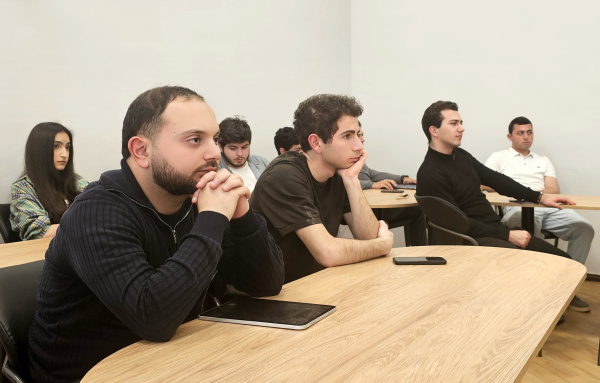
Students from various academic years attended the lecture, and the numerous questions raised at the end reflected a high level of interest and engagement.
One question from first-year student Sofi Aleksanyan stood out: "What impact do artificial intelligence and new technologies have on the labor market?" She noted that one of today's most pressing concerns is whether AI will replace humans across multiple sectors. She also questioned whether a university degree retains its value at a time when some individuals without higher education earn high incomes, while many graduates face comparatively lower pay.
Her question broadened into a wider discussion about what young people should do to achieve success and secure high incomes in the future. This question prompted a wider discussion on education, self-directed learning, continuous skills development, and the need to adapt quickly to a rapidly changing world.
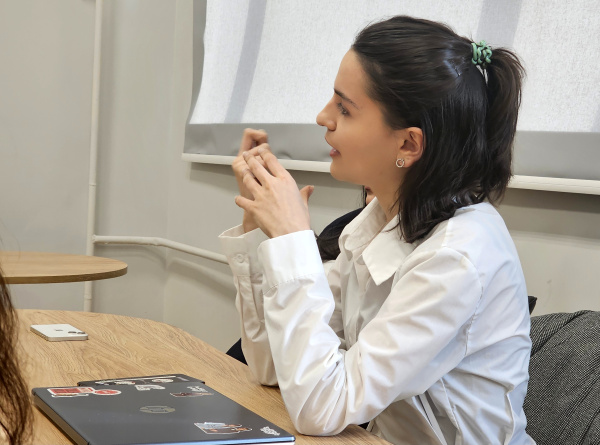
Responding, Professor Gevorkyan emphasized that the issue is complex and does not lend itself to a simple answer. However, he stressed that artificial intelligence and advanced technologies are unlikely to replace humans in all fields. He underscored the importance of continuous learning and development, both within and beyond formal education, highlighting the value of professional reading, self-education, and sustained motivation to acquire new knowledge.
He also encouraged students to stay attuned to current trends, remain flexible, and respond quickly to changing environments. In his view, the most competitive young professionals will be those who successfully combine professional knowledge, technological skills, and a commitment to self-improvement.
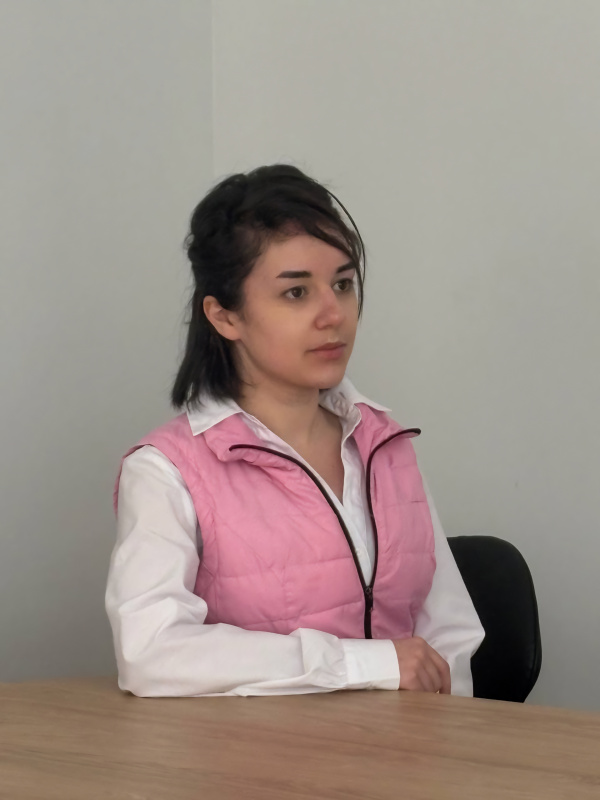
Sharing her impressions after the lecture, Sofi said: "The seminar was highly informative, filled with a variety of interesting questions and interpretations. It offered a valuable opportunity to view issues from new angles, broaden my horizons, and deepen my interest in these topics and their solutions. I especially appreciated the chance to raise my question and receive a comprehensive answer. This experience allowed me to gain new knowledge, hear the views of an internationally recognized professor, and reconsider my own approaches."
The initiative marks an important step by the faculty toward broadening students' perspectives, connecting them with the international academic environment, and promoting active learning. Such meetings with foreign scholars not only complement the academic curriculum but also create a space where students can ask questions, listen, compare viewpoints, and refine their own understanding.
This format contributes not only to knowledge sharing but also to the development of communication skills beyond the classroom, enabling students to engage in real academic discussions as active participants.
Faculty members were also among the attendees and contributed to the discussion by posing questions, helping to ensure a more comprehensive exploration of the topic for students.