September 17, 2026 | 14:30
Science
Conferences
International cooperation
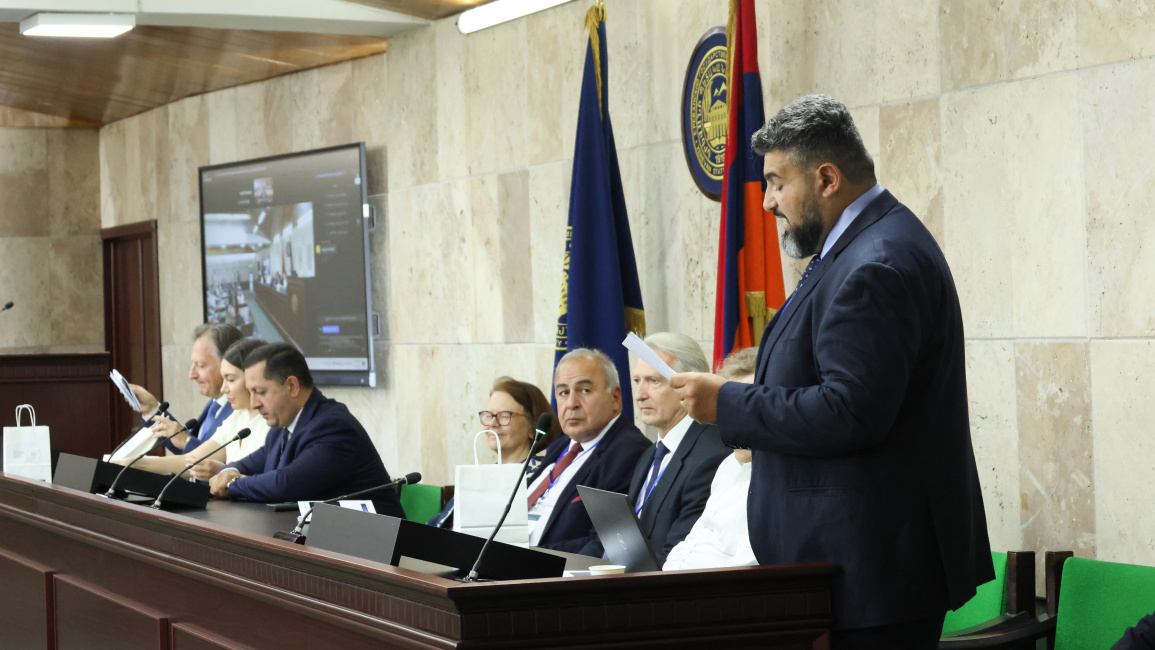
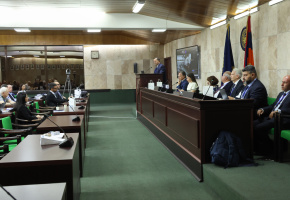
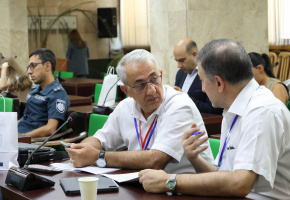
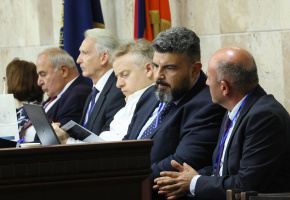
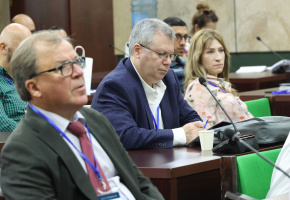
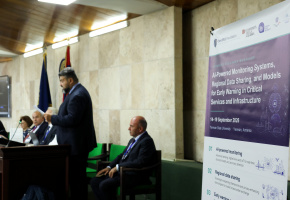
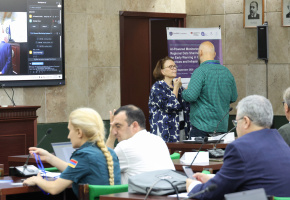
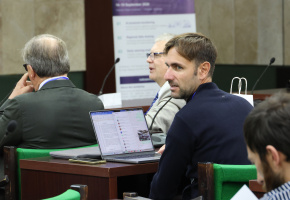
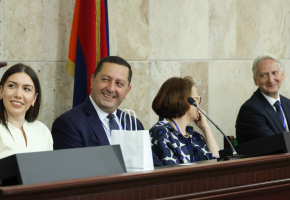
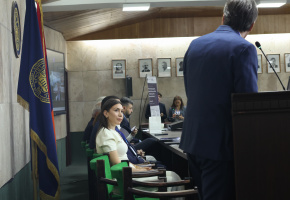
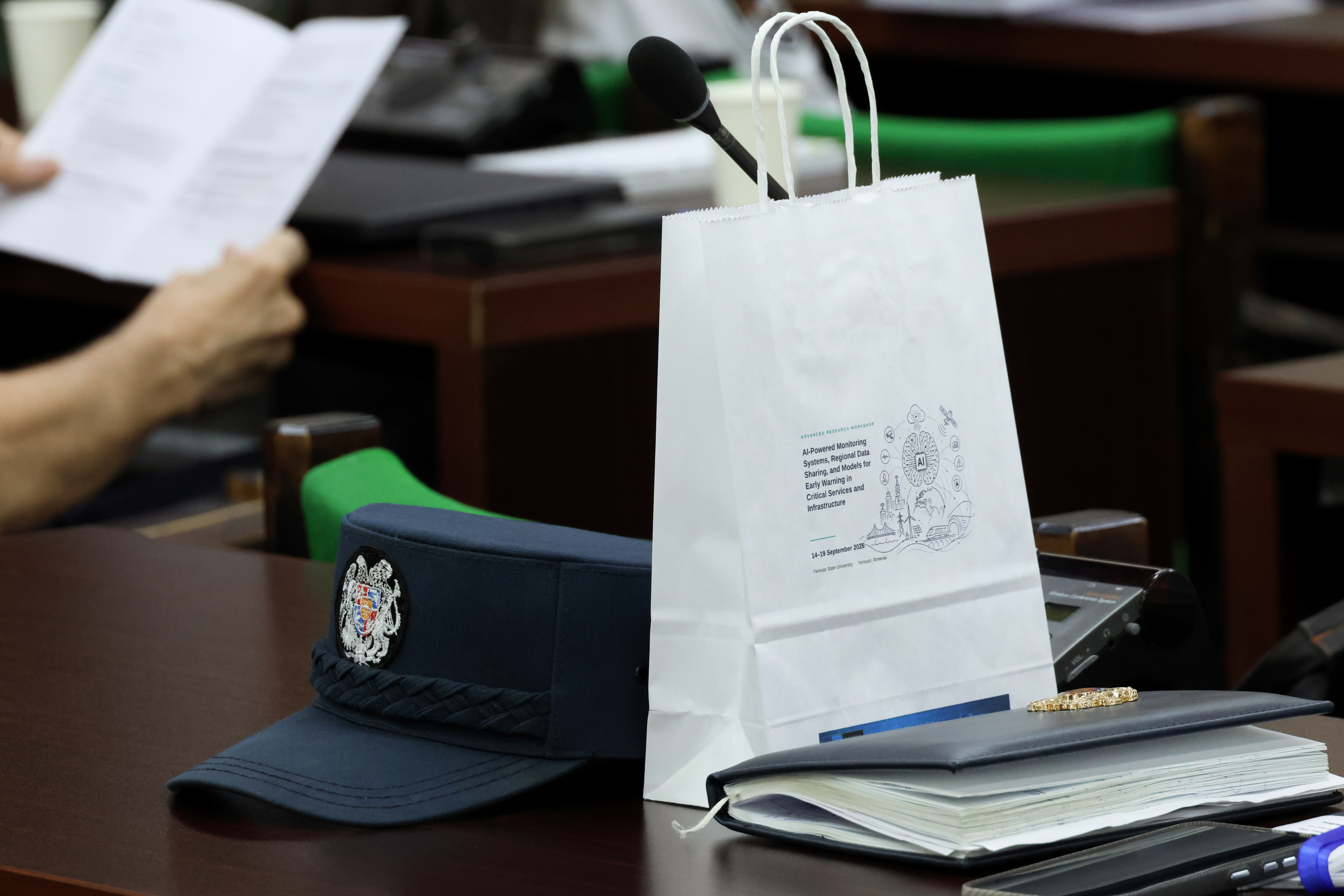
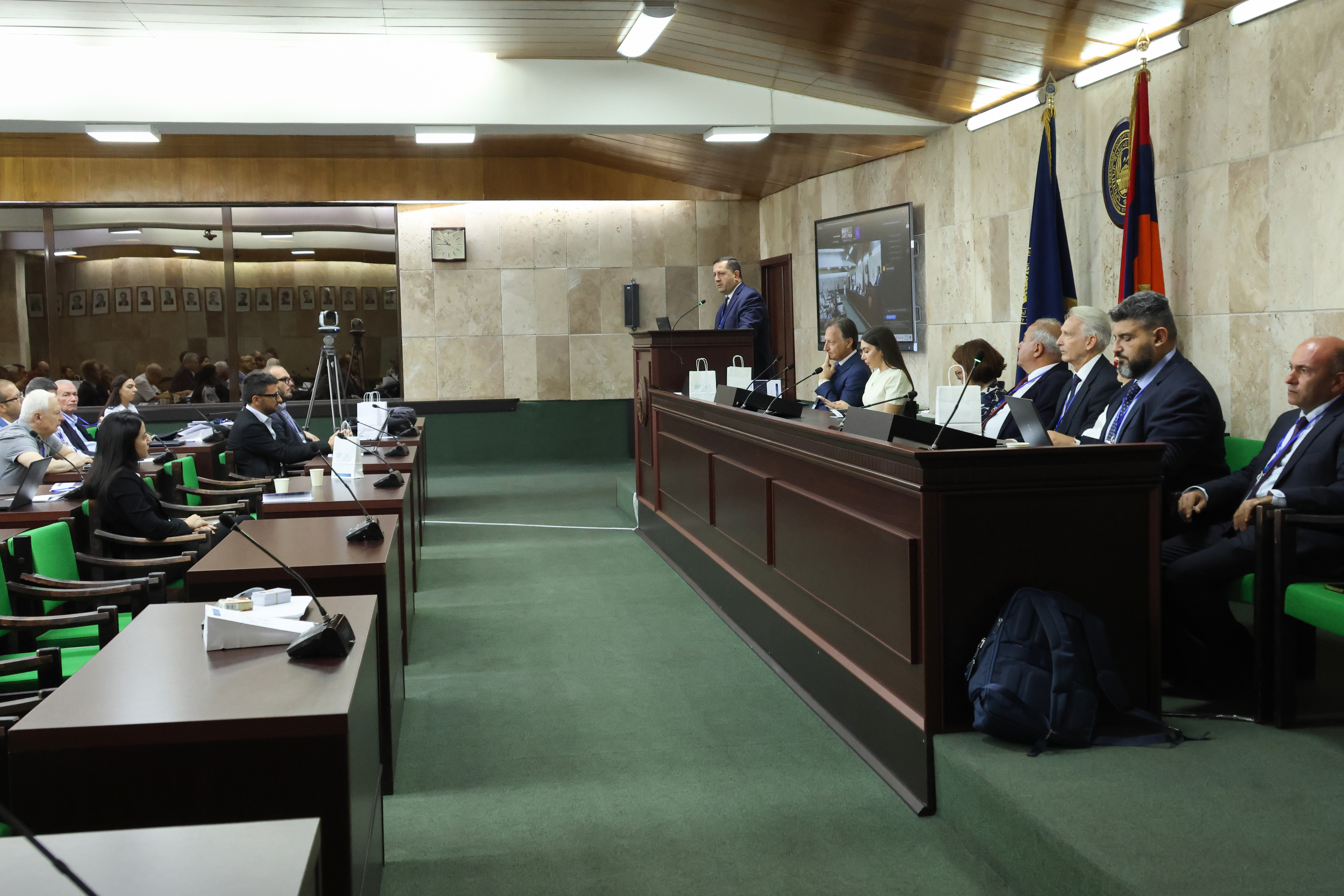
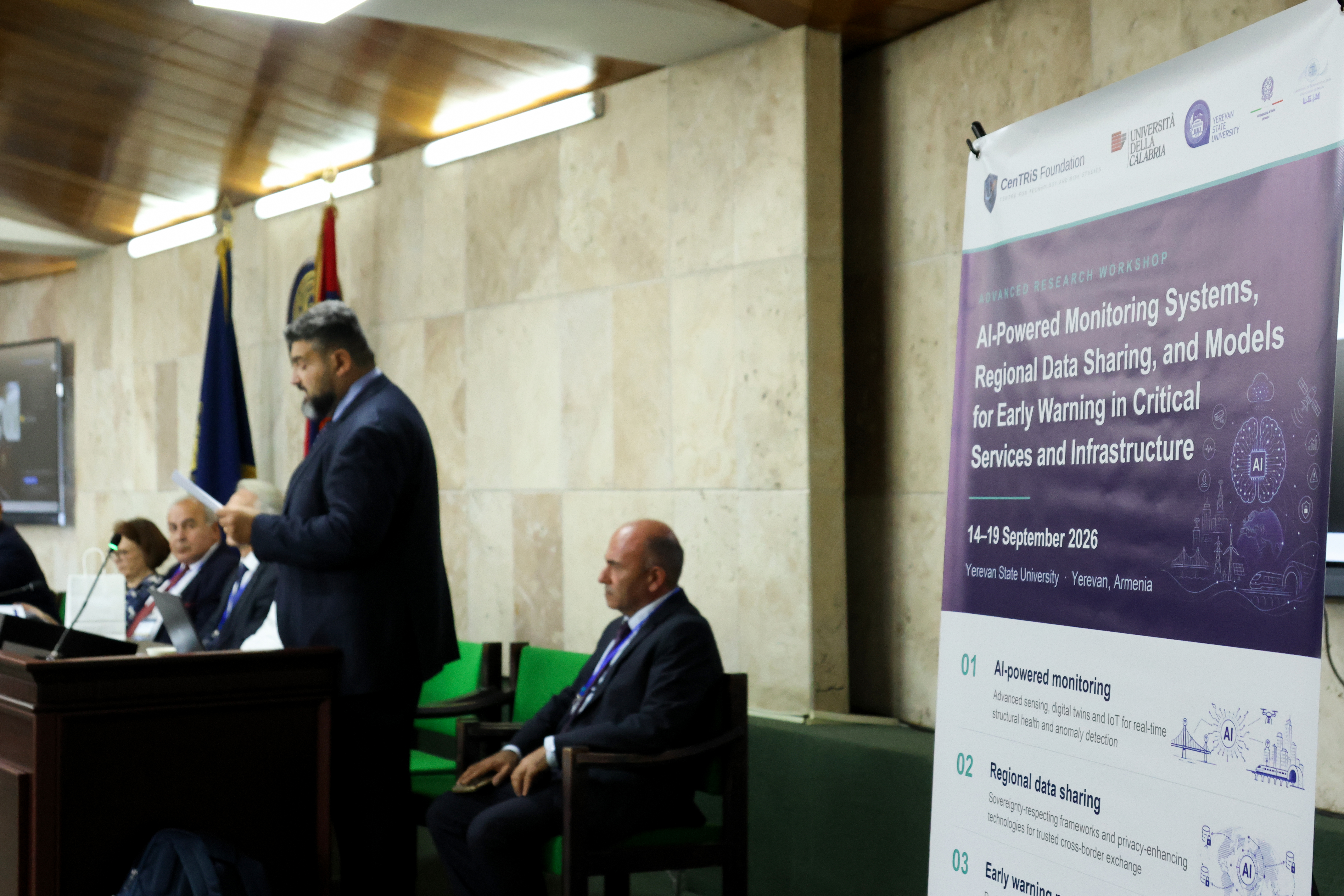
The agenda of the workshop, titled "AI-Powered Monitoring Systems, Regional Data Sharing, and Models for Early Warning in Critical Services and Infrastructure," covers three main areas: monitoring energy, water and transport networks; secure data sharing across institutions and borders; and predictive models for early warning and risk forecasting.
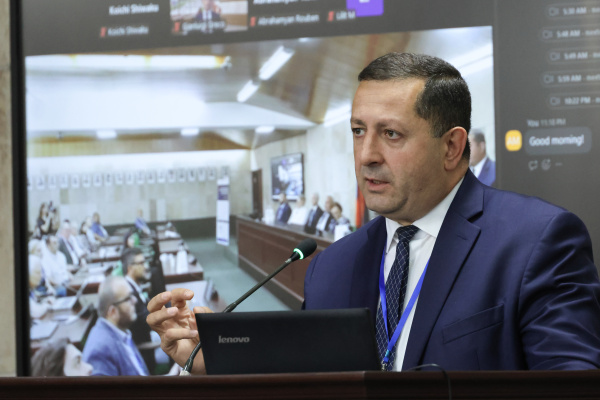
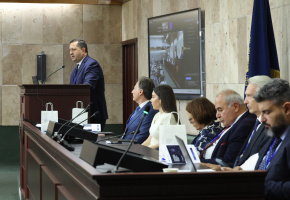
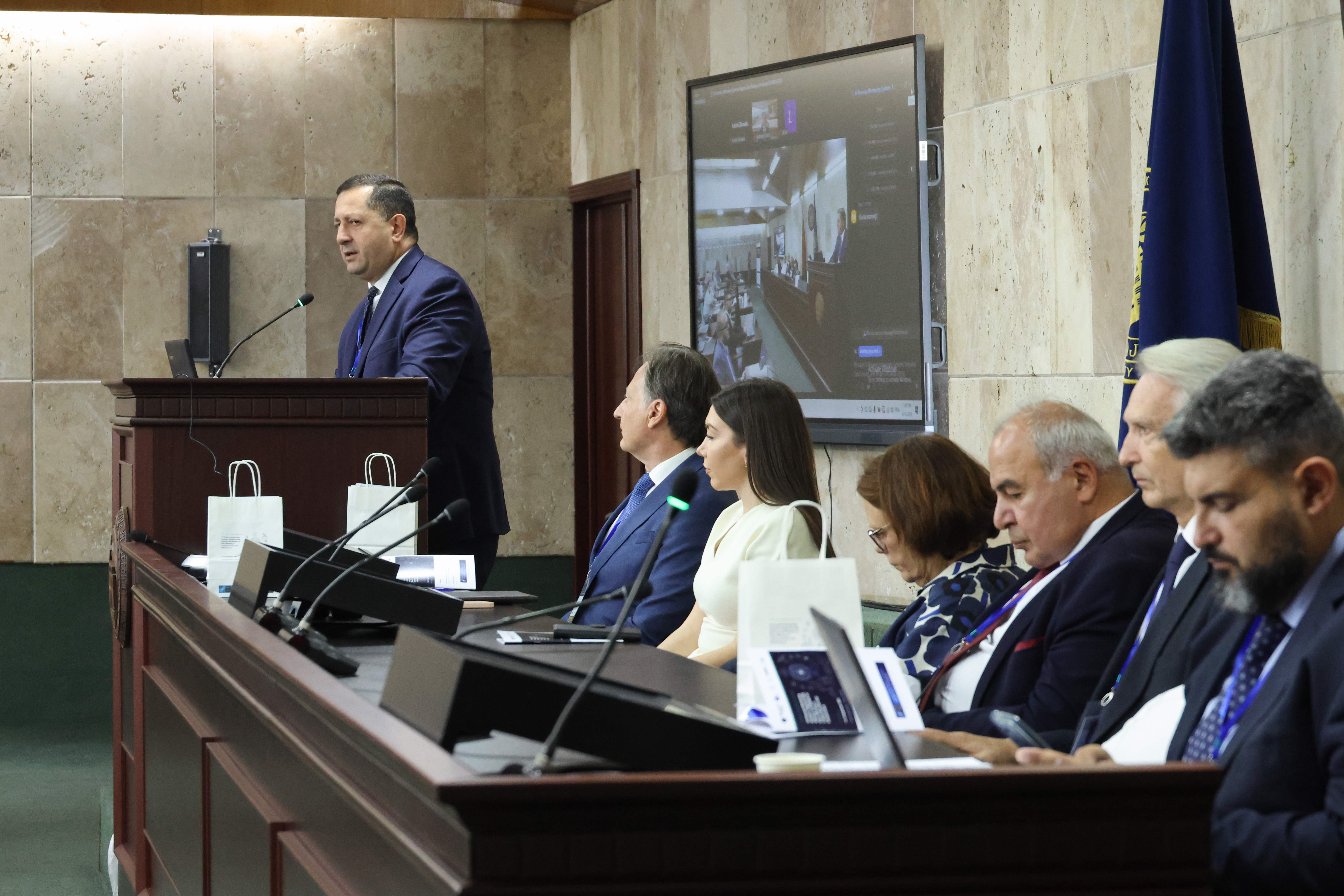
YSU Rector Hovhannes Hovhannisyan emphasized that the world today faces growing threats from natural disasters, diseases and cyberattacks, and individual countries or organizations cannot address these challenges alone. He stressed the need for regional data sharing and collaborative efforts.
"Artificial intelligence can help create more effective monitoring systems and improve data analysis. It is also important for cooperation to take place at the regional level. Of course, there are issues related to data security and data sovereignty; however, data sharing is necessary to prevent such events through joint efforts," the YSU rector said, highlighting AI initiatives underway in Armenia, particularly the Firebird and Eleveight AI projects, as well as the supercomputer used for research at the university.
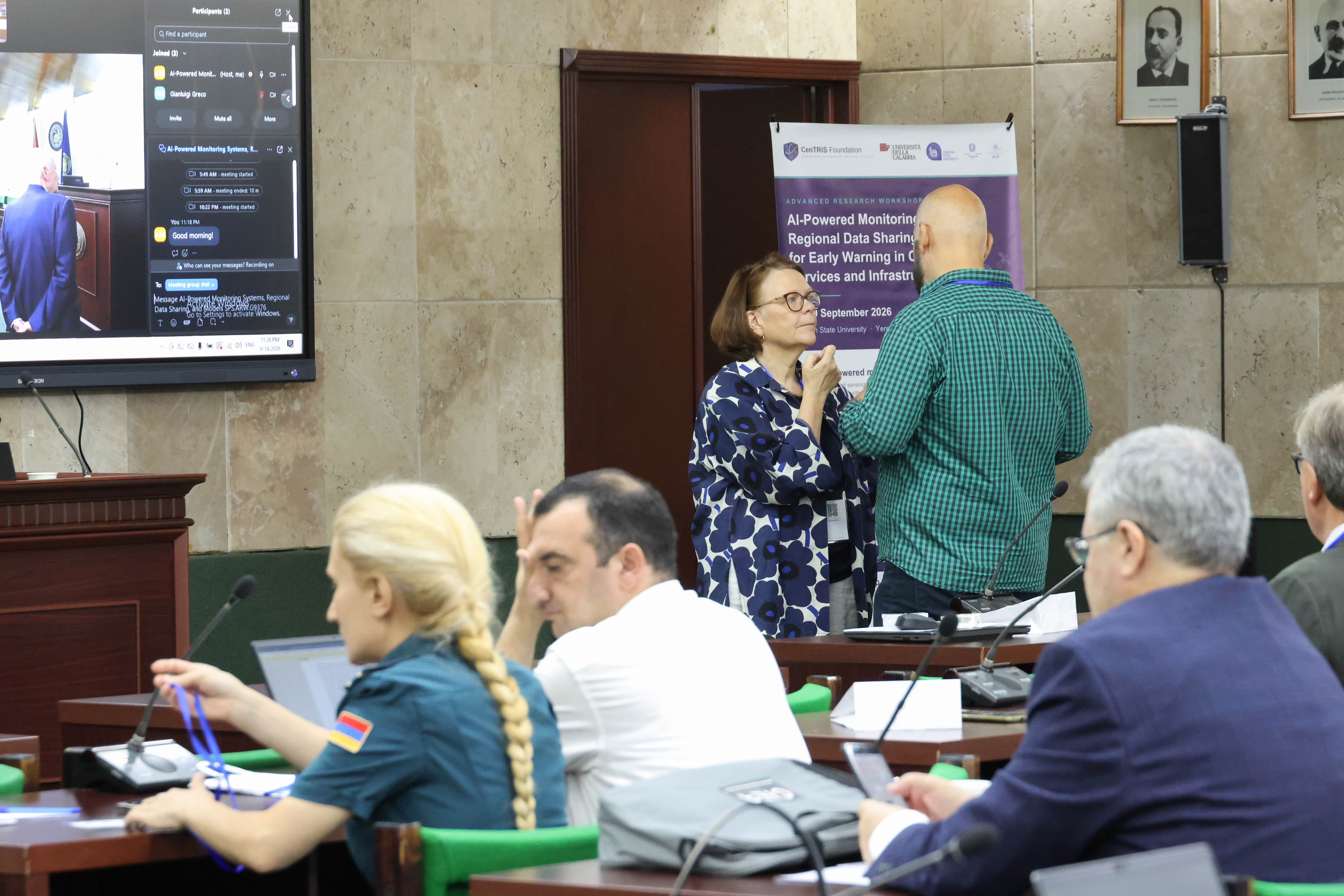
University of Calabria Rector Gianluigi Greco, speaking online, emphasized the role of "science diplomacy" for strengthening ties between Italy and Armenia, as well as among NATO member and partner countries.
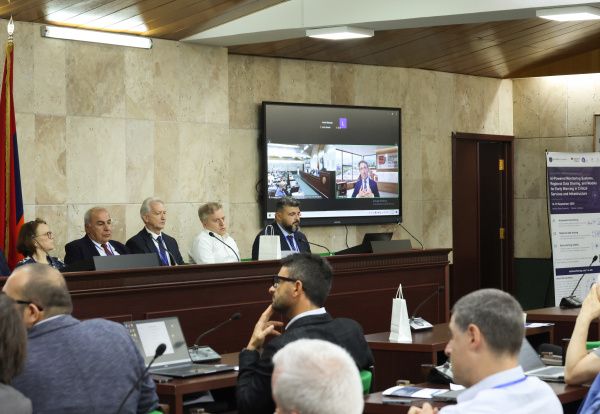
"This topic is of particular interest to me as well because I am a researcher in artificial intelligence. Critical infrastructures are becoming increasingly interconnected, but are actually exposed to natural hazards, technological accidents and, especially, cyberattacks and complex cascading risks. I therefore believe that one of our objectives for the coming year should be to strengthen our expertise in this area," Greco said.
According to him, such events provide an opportunity to build a collaborative network among partner countries around shared challenges that affect countries' stability and societies' resilience.
"I am really confident that the discussion of these days will not only produce scientific results but will also lead to concrete proposals, new partnerships and, in particular, serve as a basis for future collaborative initiatives," he said.
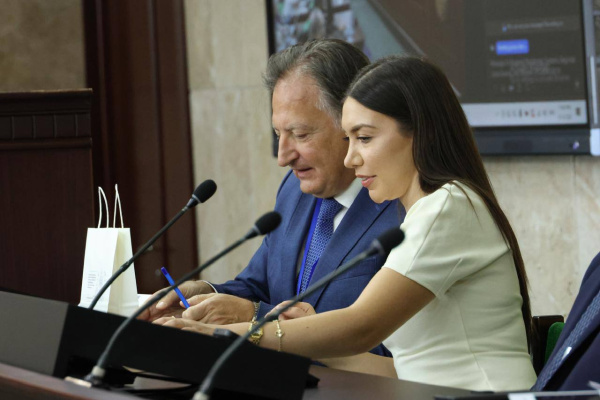
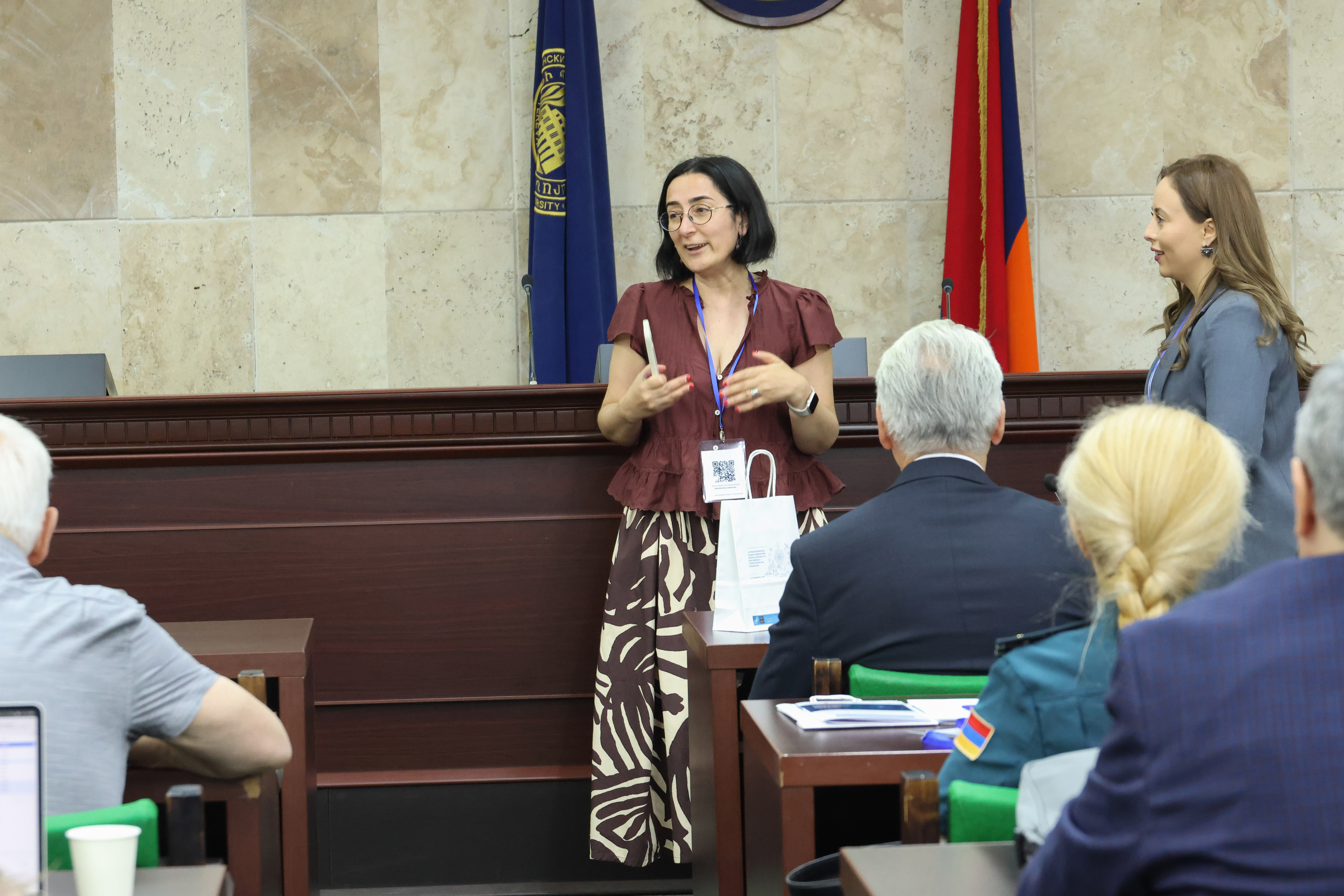
Armenia's Deputy Minister of High Tech Industry and Artificial Intelligence Tatev Aslanyan discussed the country's potential to become a regional hub for AI and high-performance computing and the initiatives being implemented in this area. She specifically referred to the Firebird AI and Eleveight AI data centers established in cooperation with NVIDIA, emphasizing their importance for expanding Armenia's high-performance computing capacity. She noted that these facilities, along with YSU's and the Institute for Informatics and Automation Problem's current research and computing capabilities, form an important foundation for developing Armenia's high-performance computing resources and help position the country as a regional high-tech and AI hub.
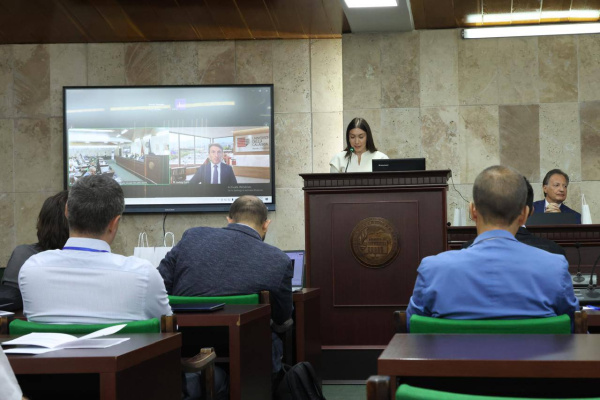
The deputy minister also addressed the AI-first principle adopted across the public administration system and steps toward establishing an Artificial Intelligence Office. Highlighting the memorandum of understanding on artificial intelligence and semiconductors signed in the United States in August 2025, as well as international cooperation with Mistral AI, Google and OpenAI, Aslanyan stressed that these partnerships reflect the state's commitment to supporting the development of the national technology ecosystem, expanding infrastructure and creating opportunities for talent to realize its potential.
Drawing on the experience of the Spitak earthquake and regional risks, she stressed the vital importance of AI-based early warning and infrastructure monitoring systems.
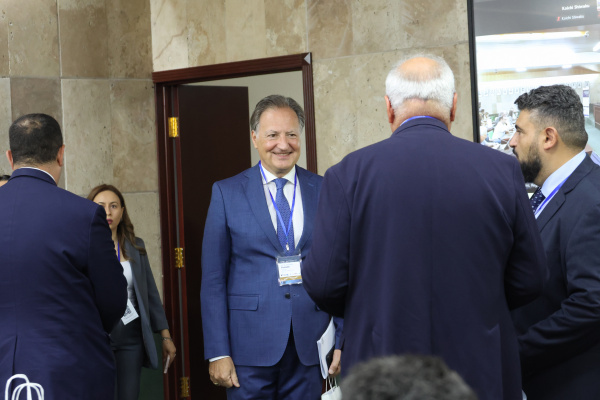
In her concluding remarks, the deputy minister reaffirmed Armenia's aim to be a trusted and full-fledged partner in AI, creating an environment where innovation develops in line with the principles of security, transparency and responsibility.
Italian Ambassador Extraordinary and Plenipotentiary to Armenia Alessandro Ferranti recalled the Latin origin of the word "artificial," artificialis, meaning "made with art and ability."
"It can therefore be said that people have always been at the core of this concept. It is people who, through their actions, change their environment and make new advances day by day, including in technological development," he emphasized.
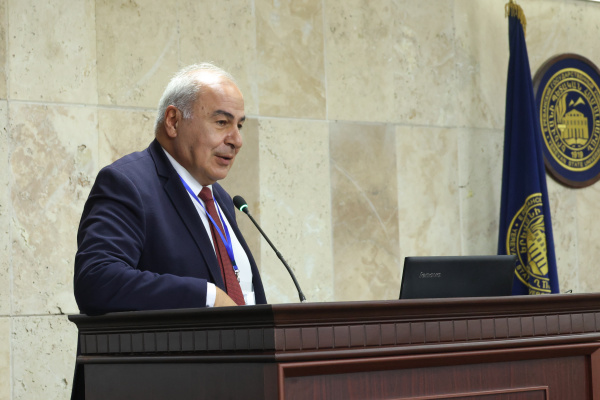
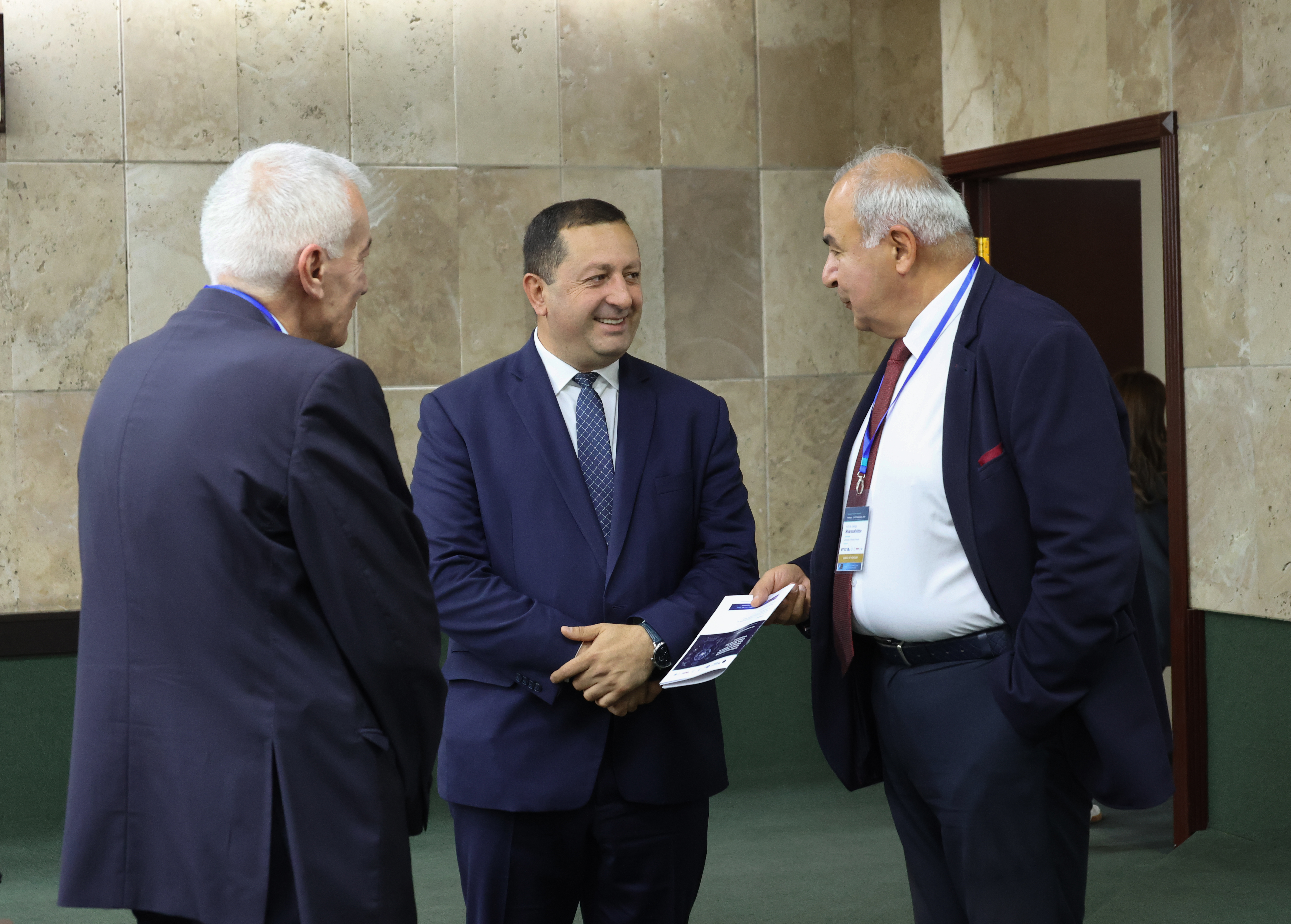
Georgian Ambassador Extraordinary and Plenipotentiary to Armenia George Sharvashidze noted that the Caucasus' seismic and climate-related risks, including floods and landslides, require urgent regional data sharing and scientific cooperation.
"We have to remember that we live in the Caucasus, in a seismic zone, and that recently we have also been facing the consequences of environmental changes, including floods, avalanches and other phenomena. I am convinced that without cooperation in science, we cannot achieve the necessary results," he said.
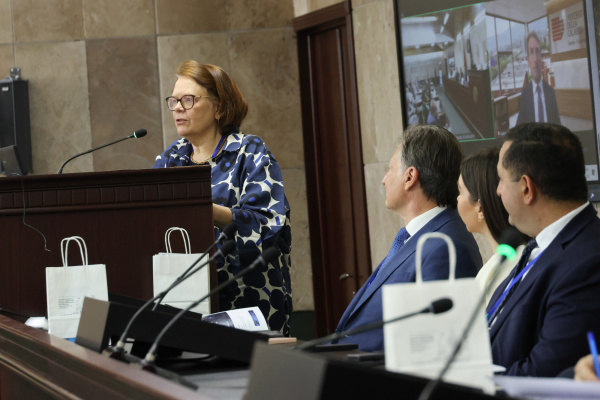
Finnish Ambassador Extraordinary and Plenipotentiary to Armenia Kirsti Narinen praised Armenia's technological potential and the high participation of women in the IT sector, emphasizing the importance of public-private cooperation. She said AI should be a "servant," not a "master."
"I think it is very important to identify the specific areas where small countries such as Finland and Armenia can cooperate. You can have scientific research, policies and strategies, but you also need experts who can bring all of that into practice," she said.
Aaron Coe, Chargé d'Affaires at the Embassy of Canada in Armenia, welcomed the focus of the workshop, highlighting the positive applications of AI in disaster prevention.
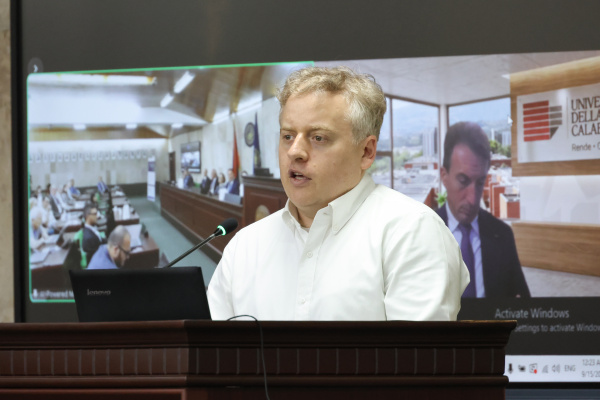
"I am pleased that almost the entire program will focus on the positive applications of artificial intelligence — early warning systems, disaster prevention and the ability to respond to difficult situations. I hope artificial intelligence develops in this direction, rather than toward the disastrous developments we hear about more and more often in the media," he emphasized.
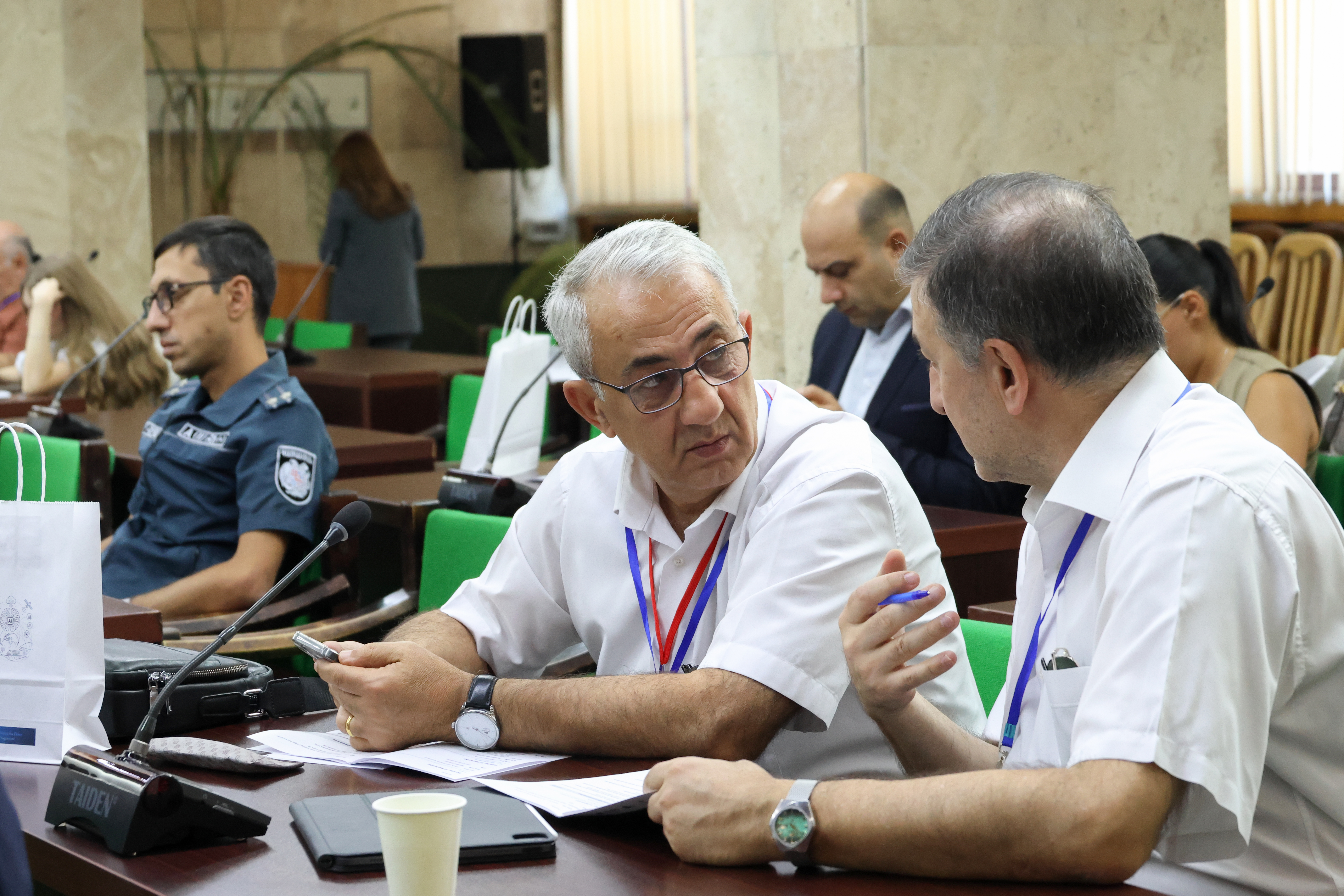
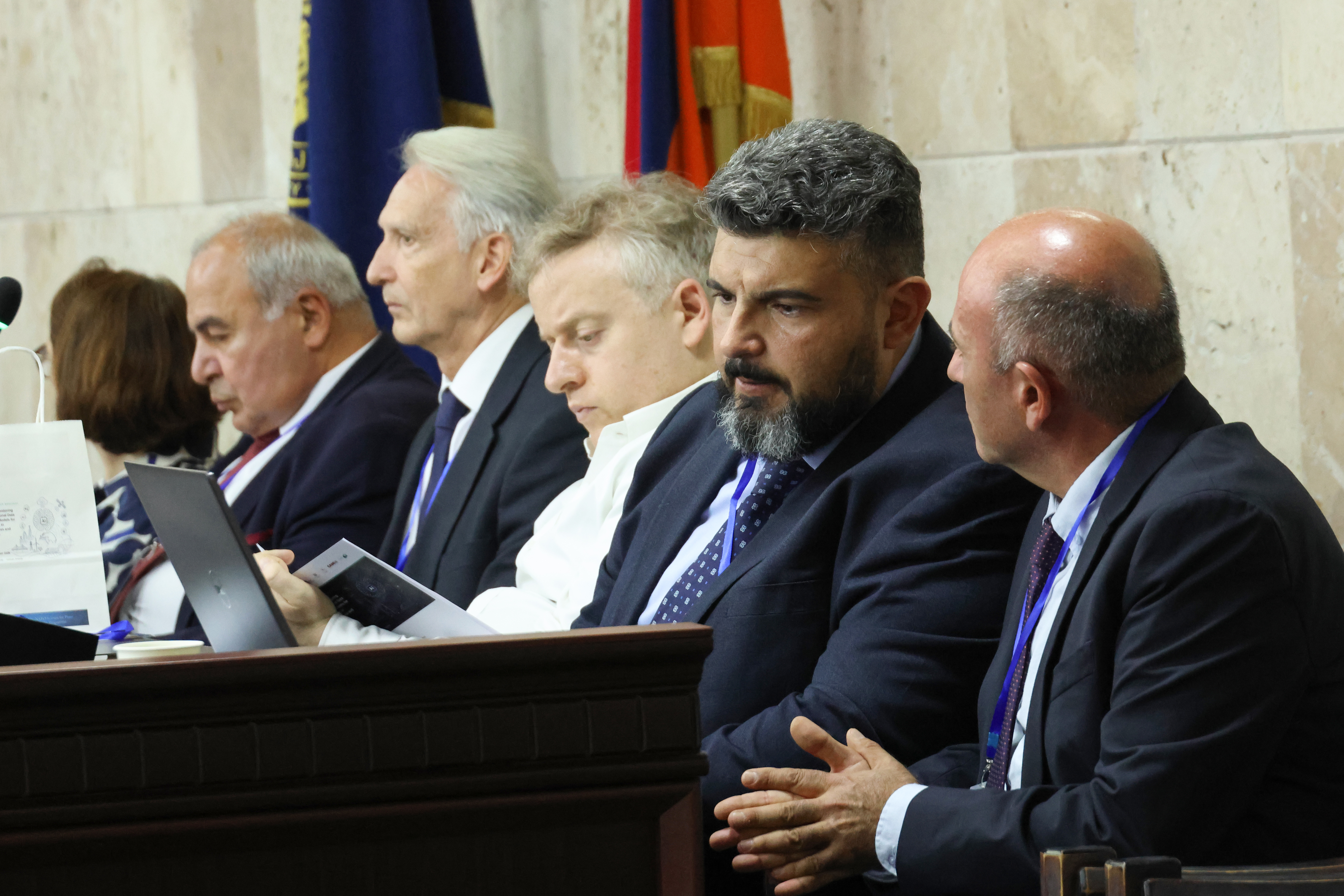
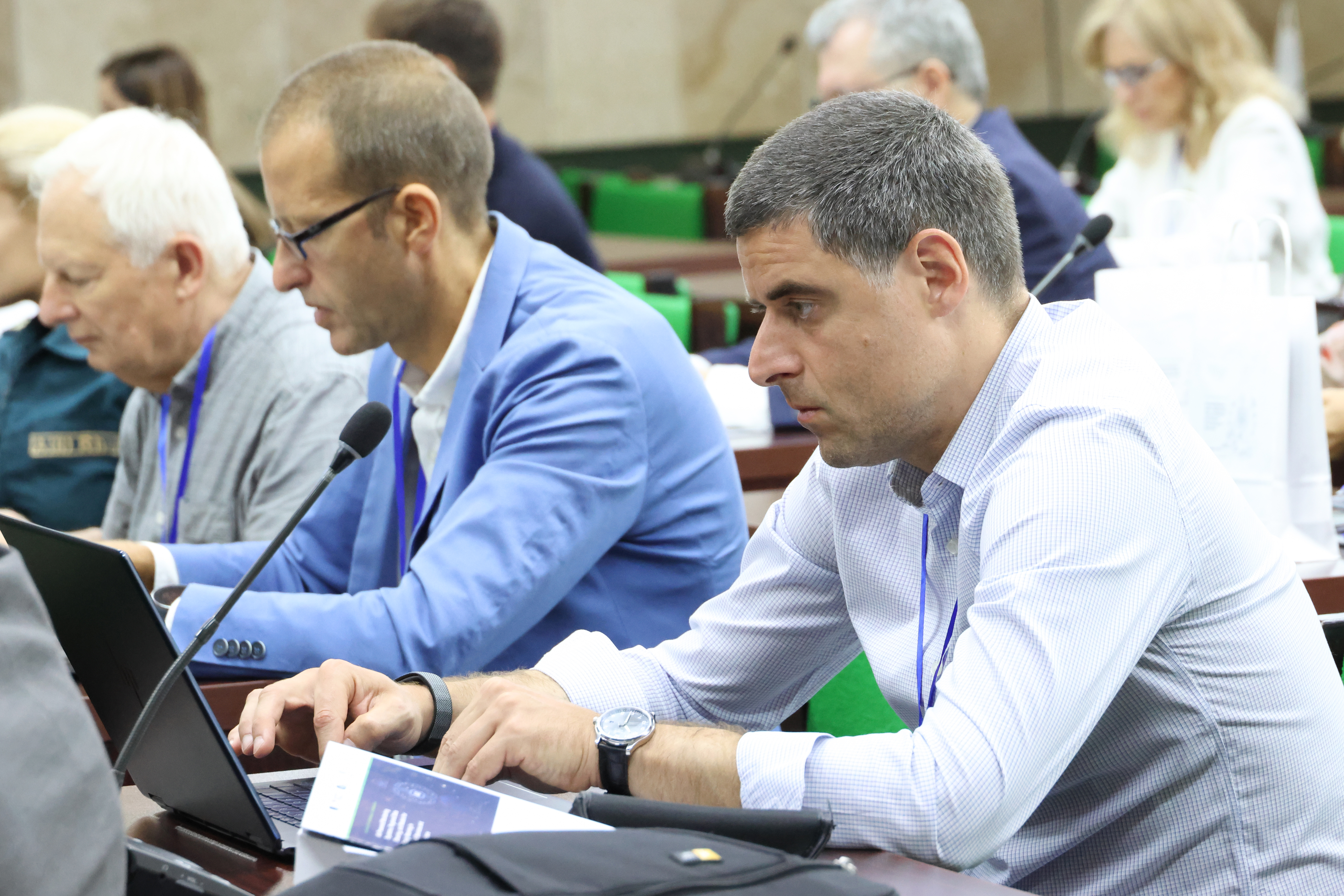
During the workshop, experts from 14 countries will deliver 37 presentations, five of them online. Plans also include roundtable discussions, visits to YSU's supercomputing center and the YSU-Krisp AI Lab research center, and a final session to adopt recommendations. The conclusions will be published open access in the NATO Science for Peace and Security Series.
The workshop is co-organized by the Yerevan-based Center for Technology and Risk Studies Foundation (CenTRiS) and the University of Calabria in Italy.
The workshop will continue through September 18.