September 24, 2026 | 12:05
Research
International cooperation
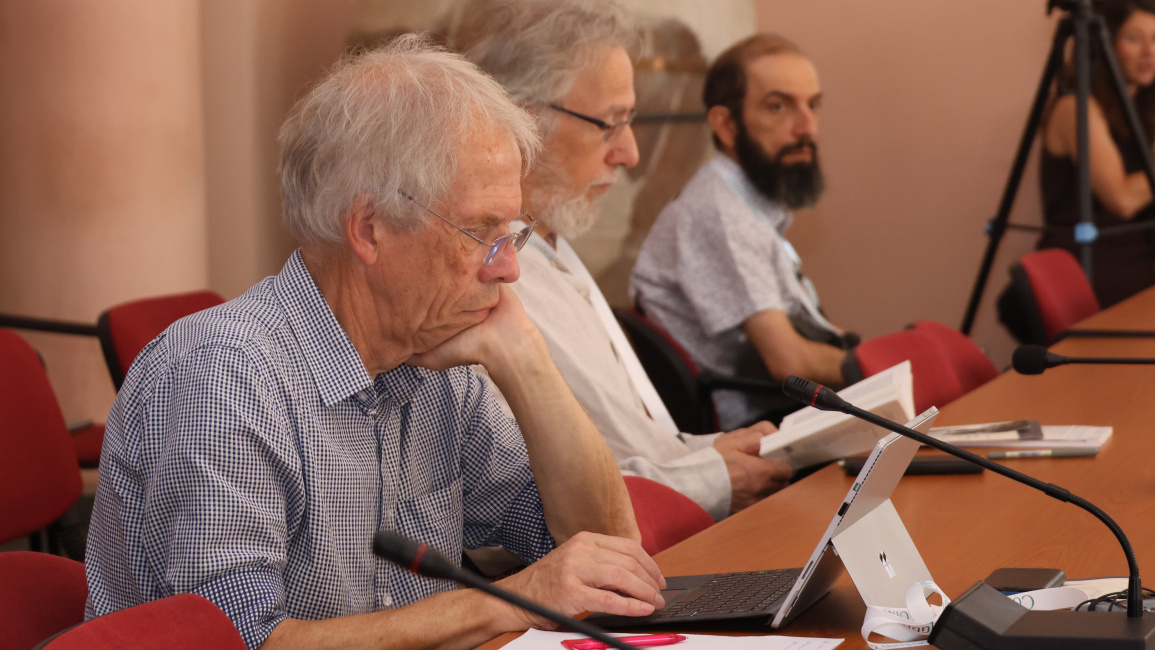
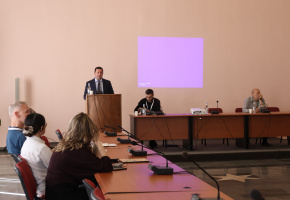
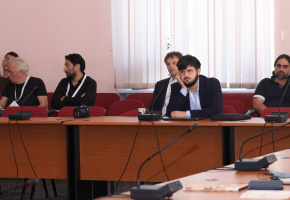
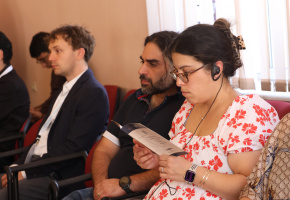
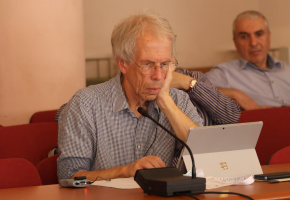
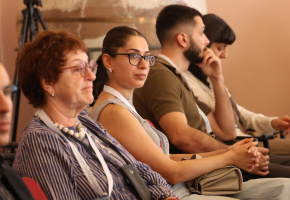
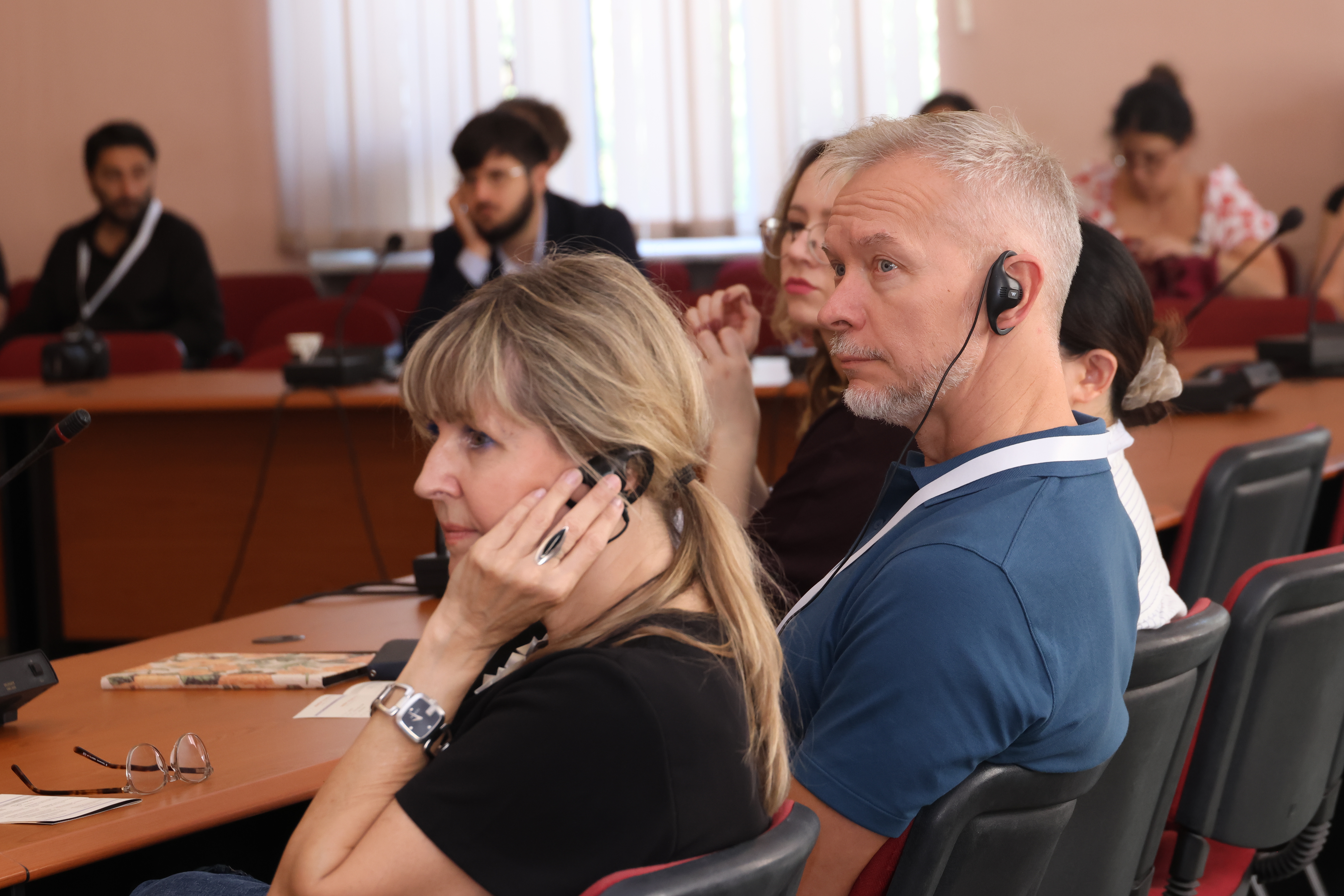
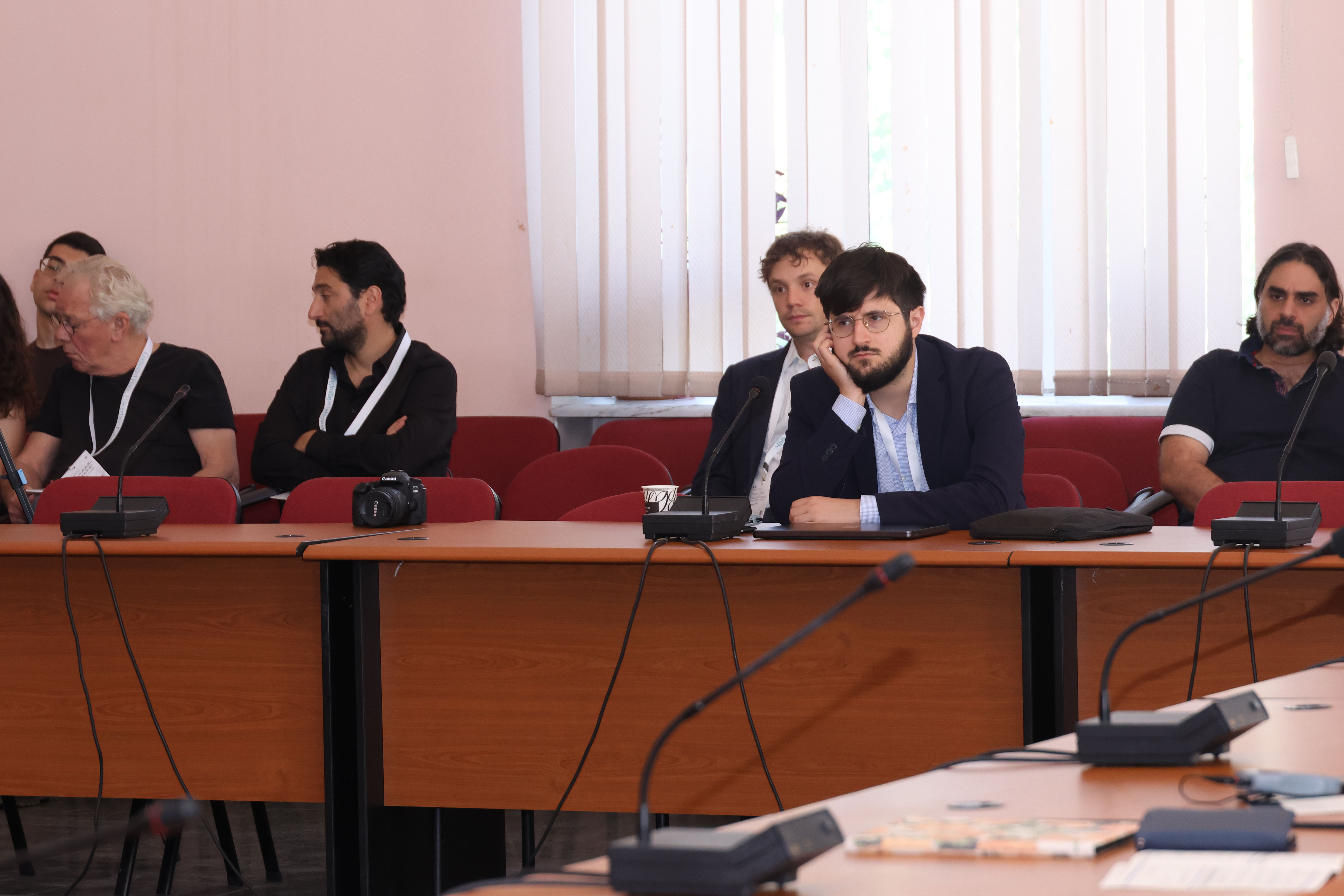
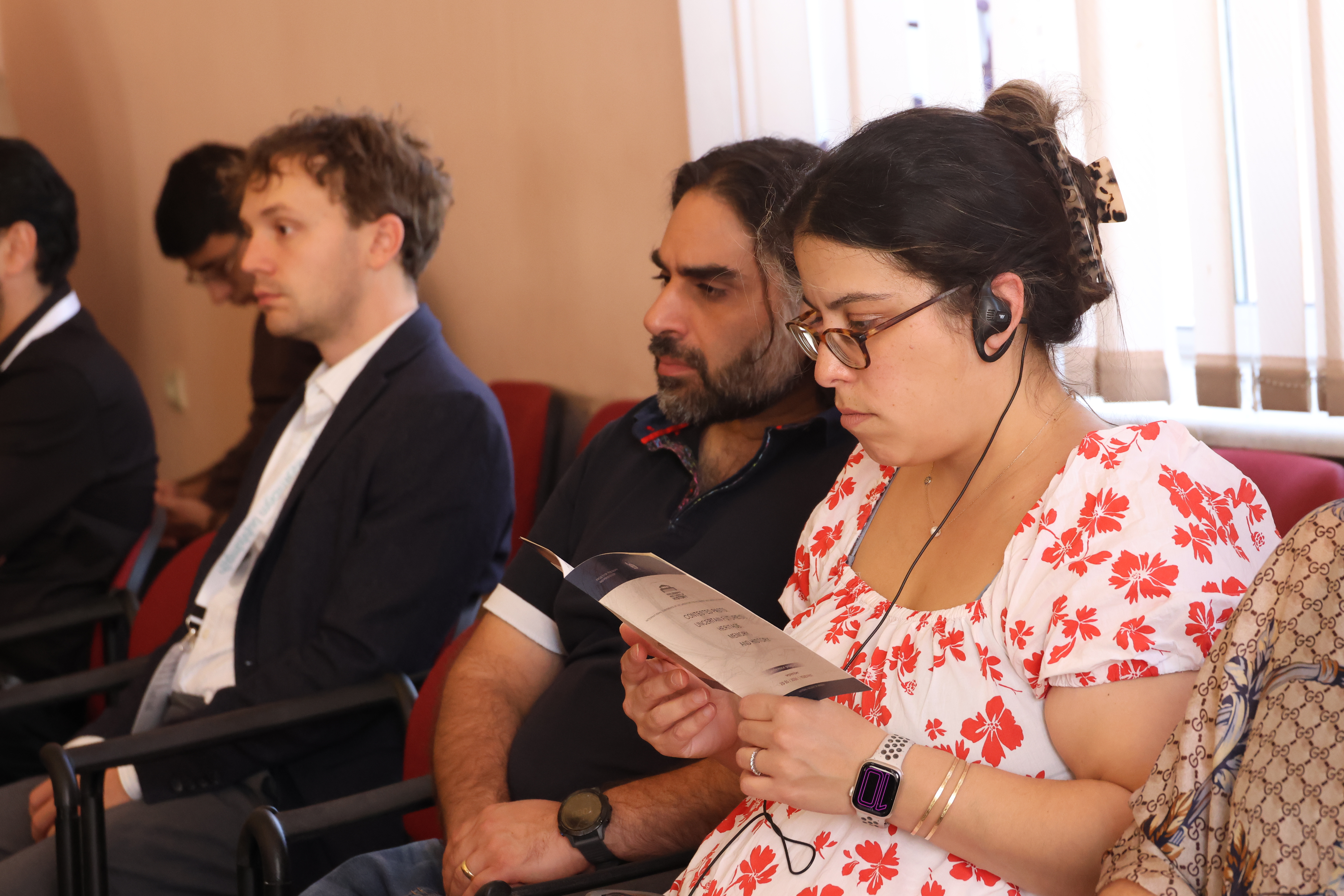
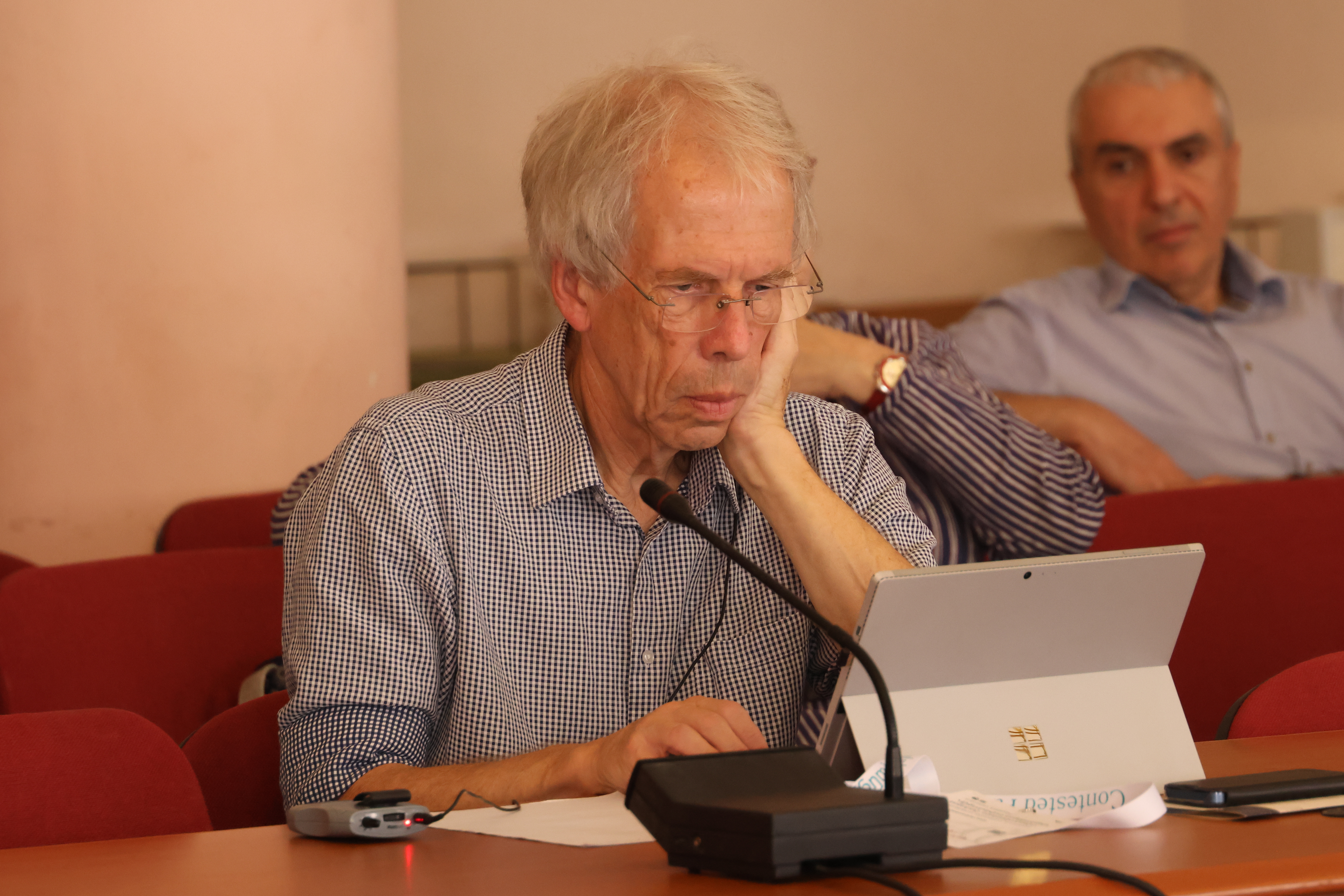
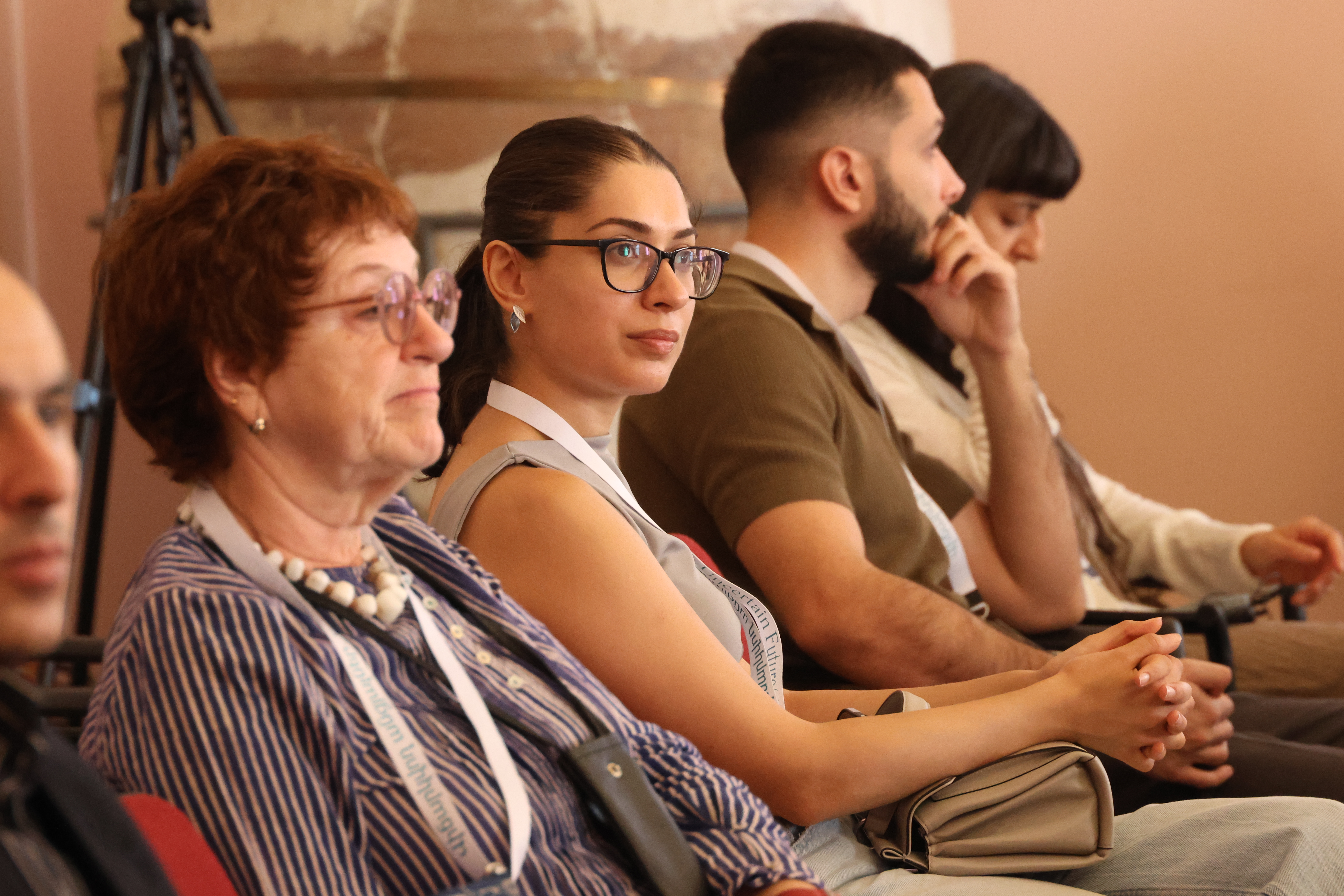
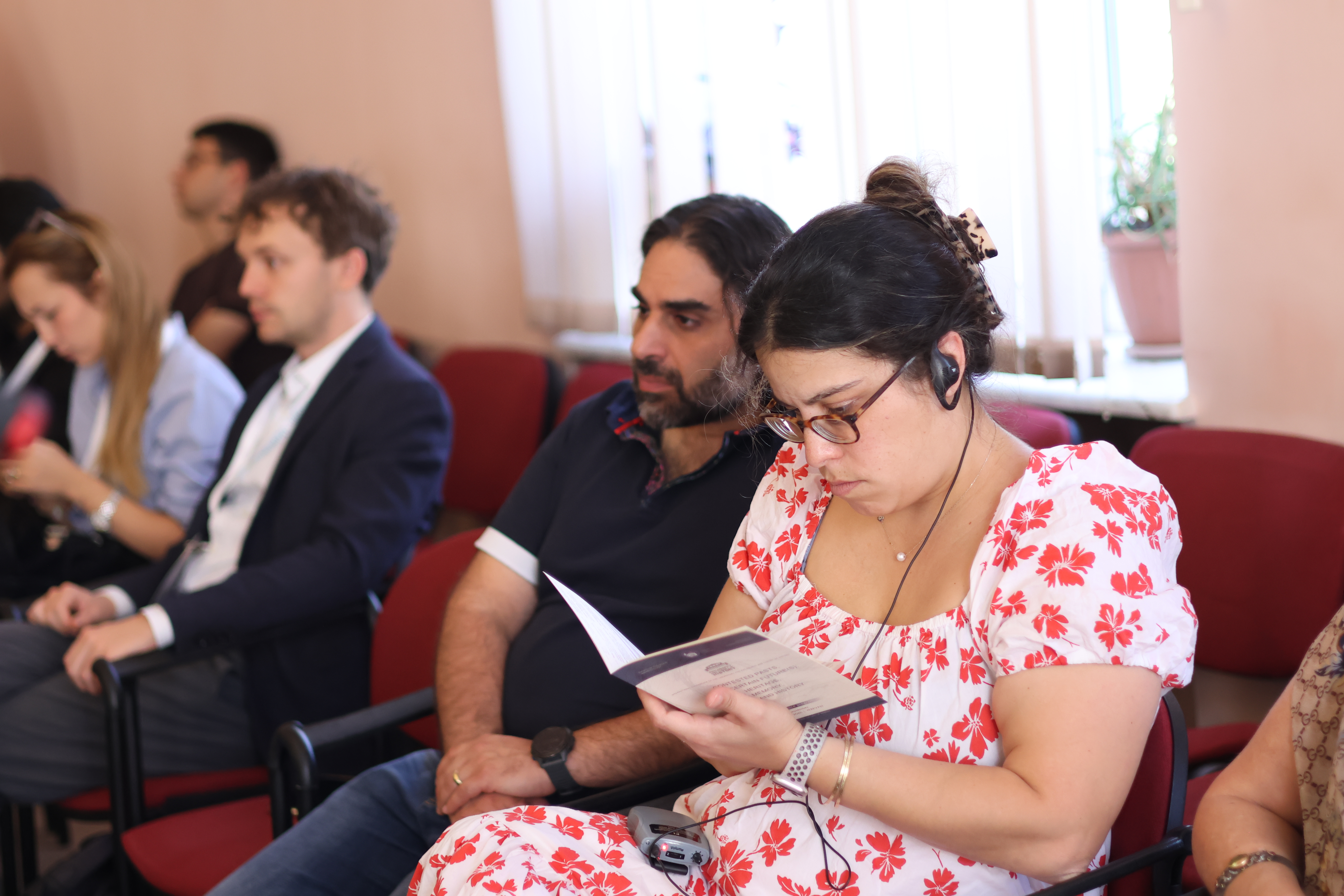
Organized on the initiative of the YSU Laboratory of Philosophy and Theory of History, the conference addresses a range of issues concerning the relationship between the past and the present. Discussions focus on heritage not only as a body of cultural values preserved from the past, but also as a complex process shaped around memory, identity, belonging and power. Participants are also examining how different societies shape their perceptions of the past, why some histories are preserved while others are contested or marginalized.
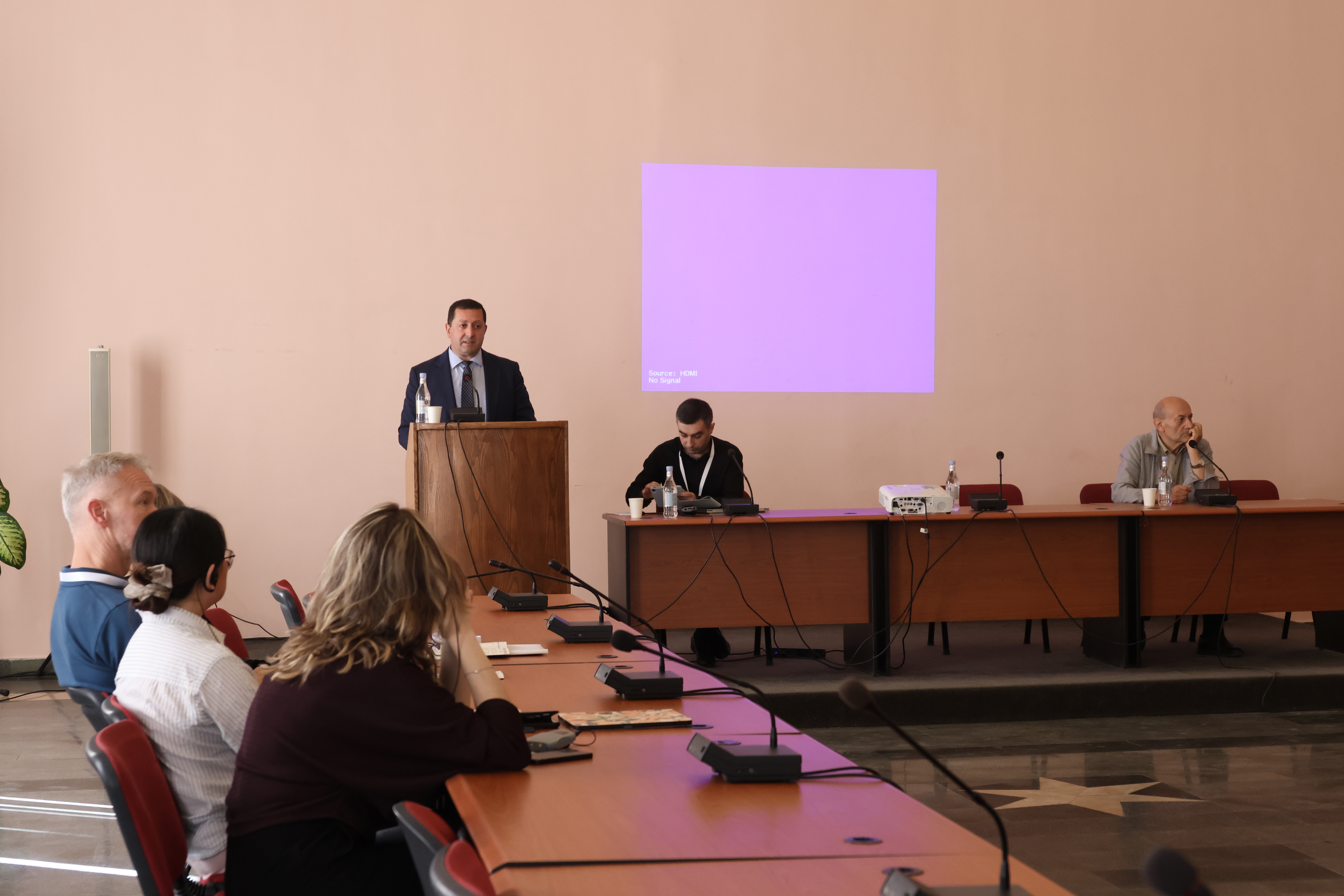
At the opening of the conference, YSU Rector Hovhannes Hovhannisyan emphasized the importance of participation by international partners and representatives of various academic and cultural institutions in Armenia.
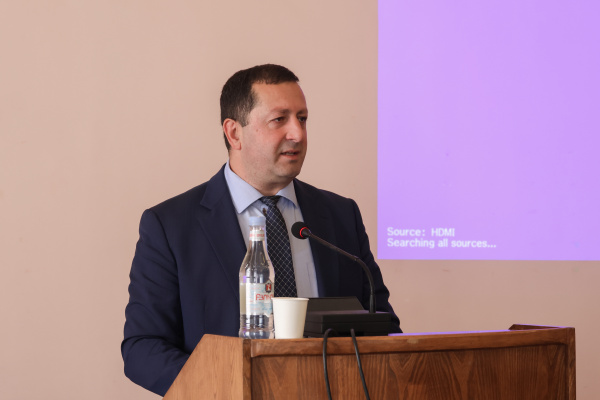
Referring to the title of the conference, Hovhannes Hovhannisyan stressed that it raises a number of important questions: What does it mean to live with the past? How does the past become memory, memory become heritage, and heritage become part of our understanding of the future? According to the rector, it is also important to understand who decides, and how, what from the past will be preserved, what will be forgotten and what will be reinterpreted.
"At first glance, these questions may seem purely historical or cultural. Yet we return to the past with questions from the present, while our current perceptions of the past, to a certain extent, shape our vision of the future. In this sense, history is not merely knowledge about the past, but also a means of shaping our understanding of the present and the possibilities of the future," Hovhannisyan said.
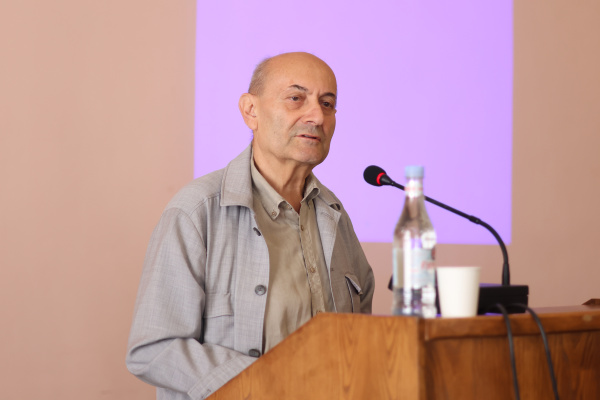
Aleksan Baghdasaryan, Dean of the YSU Faculty of Philosophy and Psychology, highlighted the conference's interdisciplinary scope, noting that the meeting, held in a setting of historical significance, brings together perspectives from different disciplines on history, memory, heritage and related issues.
Davit Mosinyan, Associate Professor at the YSU Faculty of Philosophy and Psychology and Head of the Laboratory of Philosophy and Theory of History, emphasized the significance of the event, noting that during the three-day conference participants are also discussing how historical memories and perceptions of heritage are formed and what role they play in shaping understandings of the present and future.
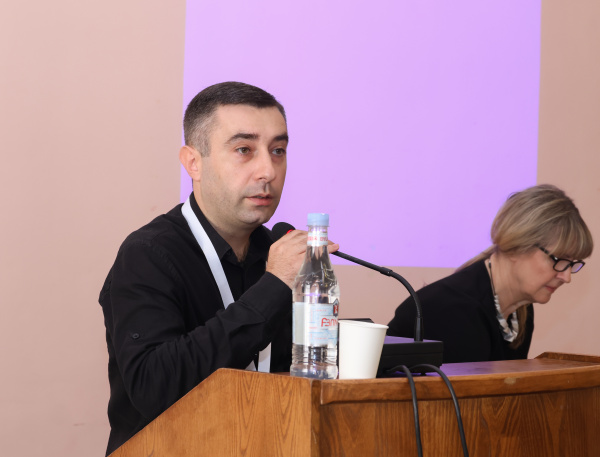
"One of the key objectives of the event is to broaden the theoretical study of heritage by considering it not only in terms of the preservation of cultural values but also in the context of conflict, negotiation and relations between different groups. The conference also examines heritage as a non-neutral process. Heritage is often associated with competing claims of ownership, belonging and continuity, which in turn may be intertwined with issues of displacement, colonial legacies, political power and identity," Mosinyan said.
The conference's first speaker was Professor Ewa Domanska from the Faculty of History at Adam Mickiewicz University in Poznan. For around 25 years, she taught as a visiting professor in the Department of Anthropology at Stanford University. She is also a corresponding member of the Polish Academy of Sciences in the humanities and social sciences. She was the first woman in the field of history to be elected a member of the institution. Domanska is the author of numerous books and hundreds of research articles that have had a significant impact on the fields of theory of history, historiography and anthropology.
She presented her research project, conducted since 2000, which focuses on genocide, mass killings and mass graves. Domanska discussed the concept of "necrocide," addressing practices aimed at concealing traces of crimes through the destruction of mass burial sites and human remains. She also addressed the study of "necroheritage" and the decolonization of knowledge, considering historical and philosophical approaches in the context of contemporary geopolitical and ecological crises.
The conference also featured keynote presentations by Arsen Bobokhyan from the Institute of Archaeology and Ethnography (Armenia) and Lynn Meskell from the University of Pennsylvania (USA). Researchers from higher education institutions in different countries are participating in the conference and presenting studies addressing various dimensions of the topic.
Separate discussions also address processes of global appropriation, modernization and destruction, as well as questions about how indigenous and local communities struggle to preserve their historical lands, languages and material culture.
The international conference will continue through September 26.