October 30, 2026 | 13:15
Education
Competitions
Student
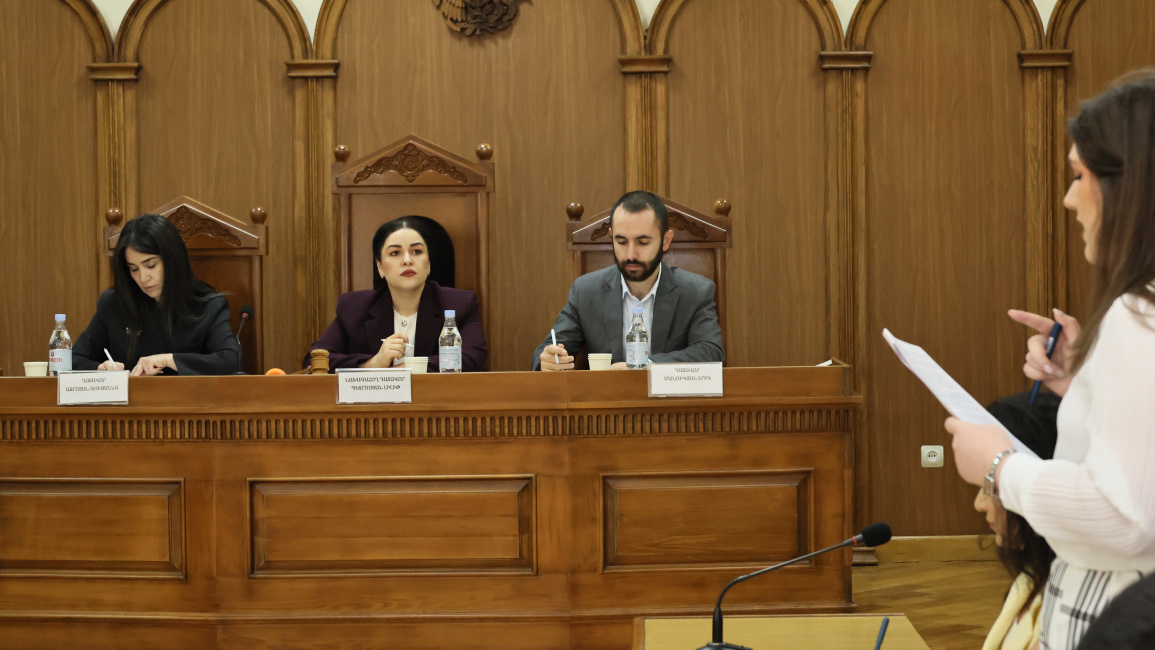
The competition aims to give law students an opportunity to apply their theoretical knowledge in practice and develop their skills in legal research, analyzing facts, identifying legal issues and presenting well-reasoned legal arguments. Particular emphasis is placed on deepening students' understanding of the powers of the Prosecutor's Office in protecting state and community interests, as well as fostering a culture of professional ethics, integrity and fair competition.
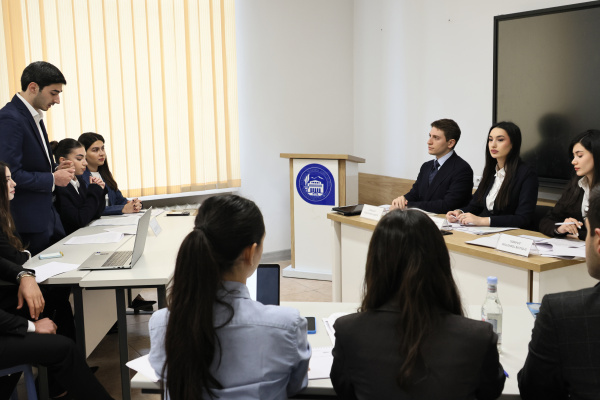
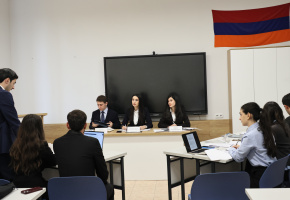
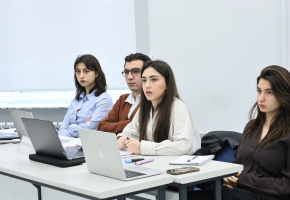
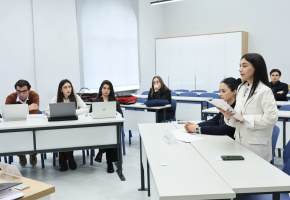
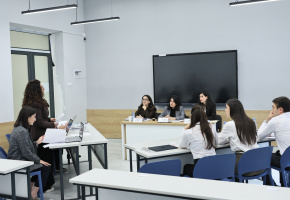
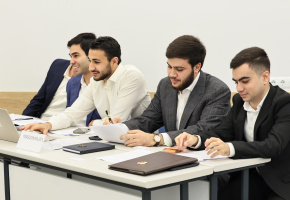
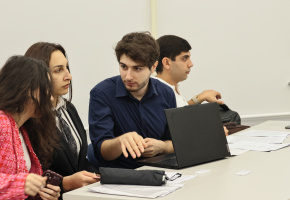
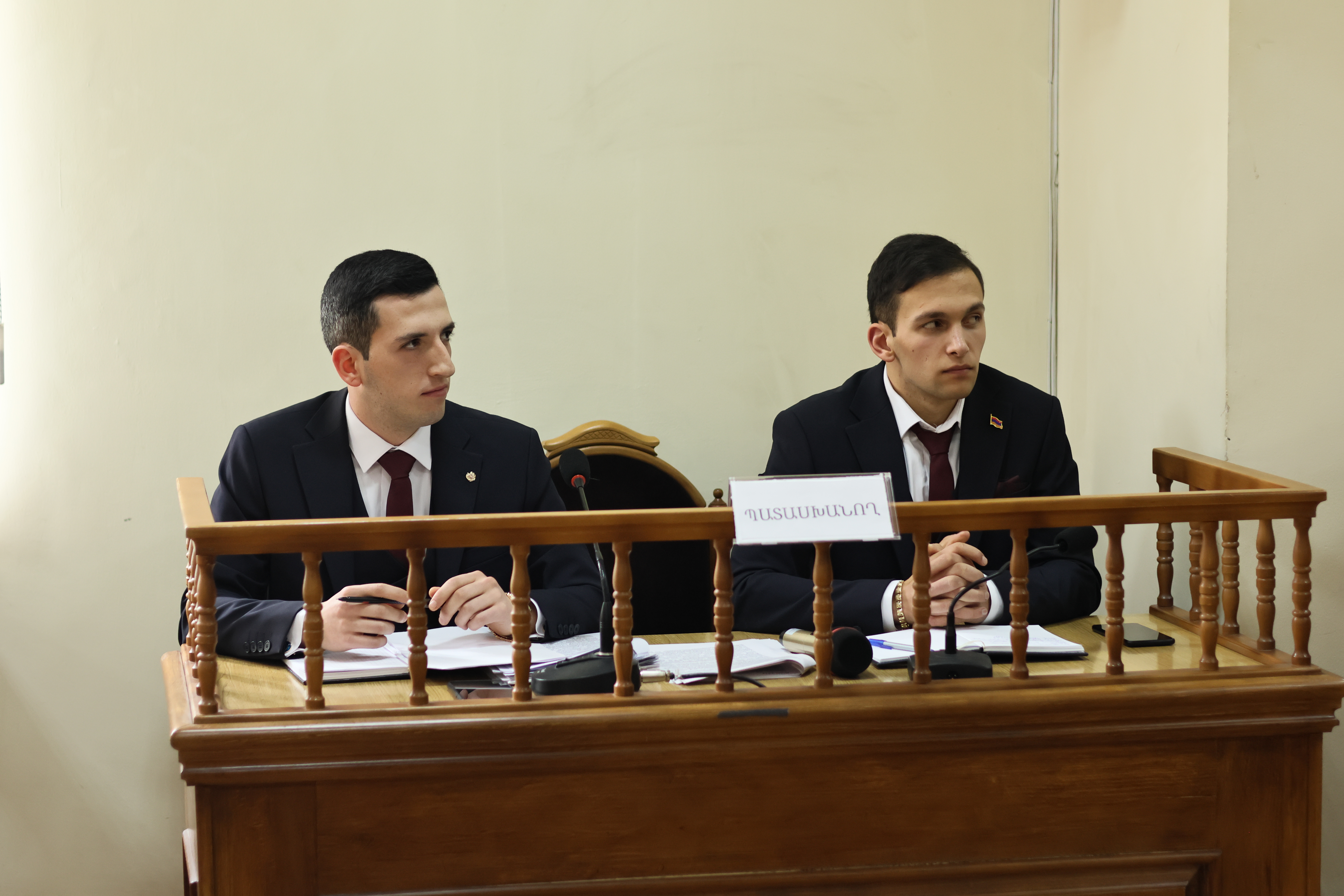
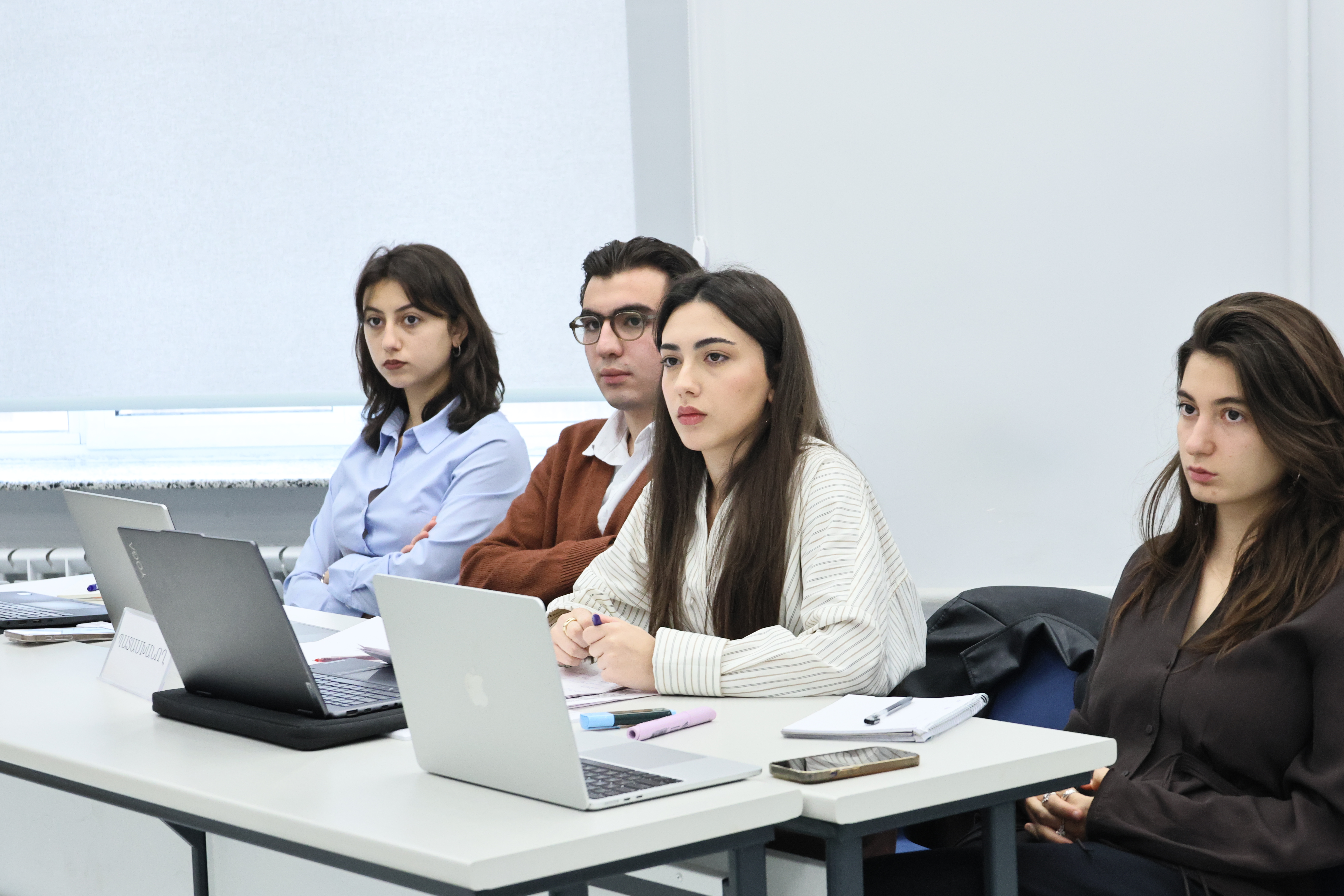
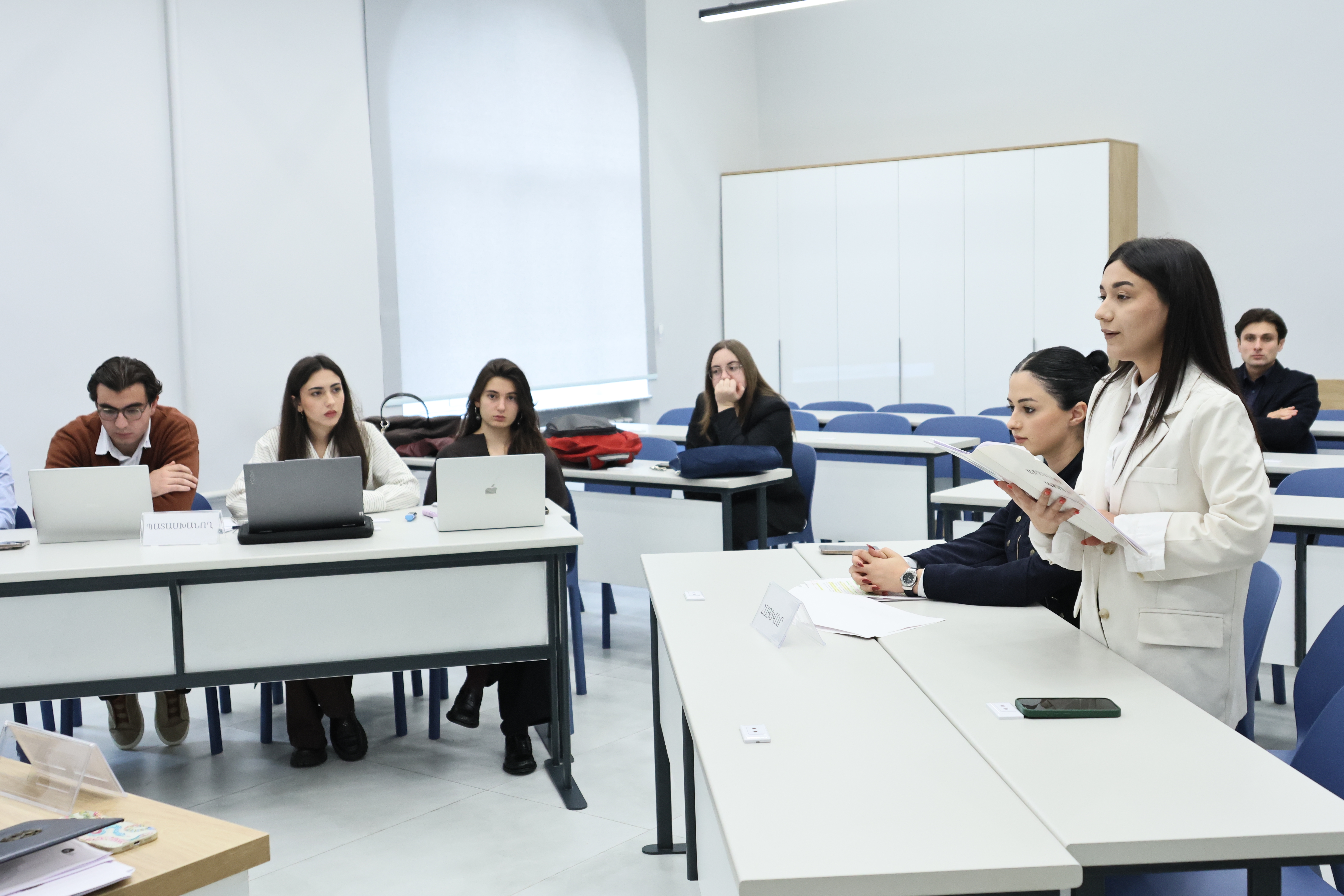
The competition brings together 14 teams comprising 55 students from law faculties at universities across Armenia. Participants are testing their professional skills in an environment designed to replicate real court proceedings as closely as possible.
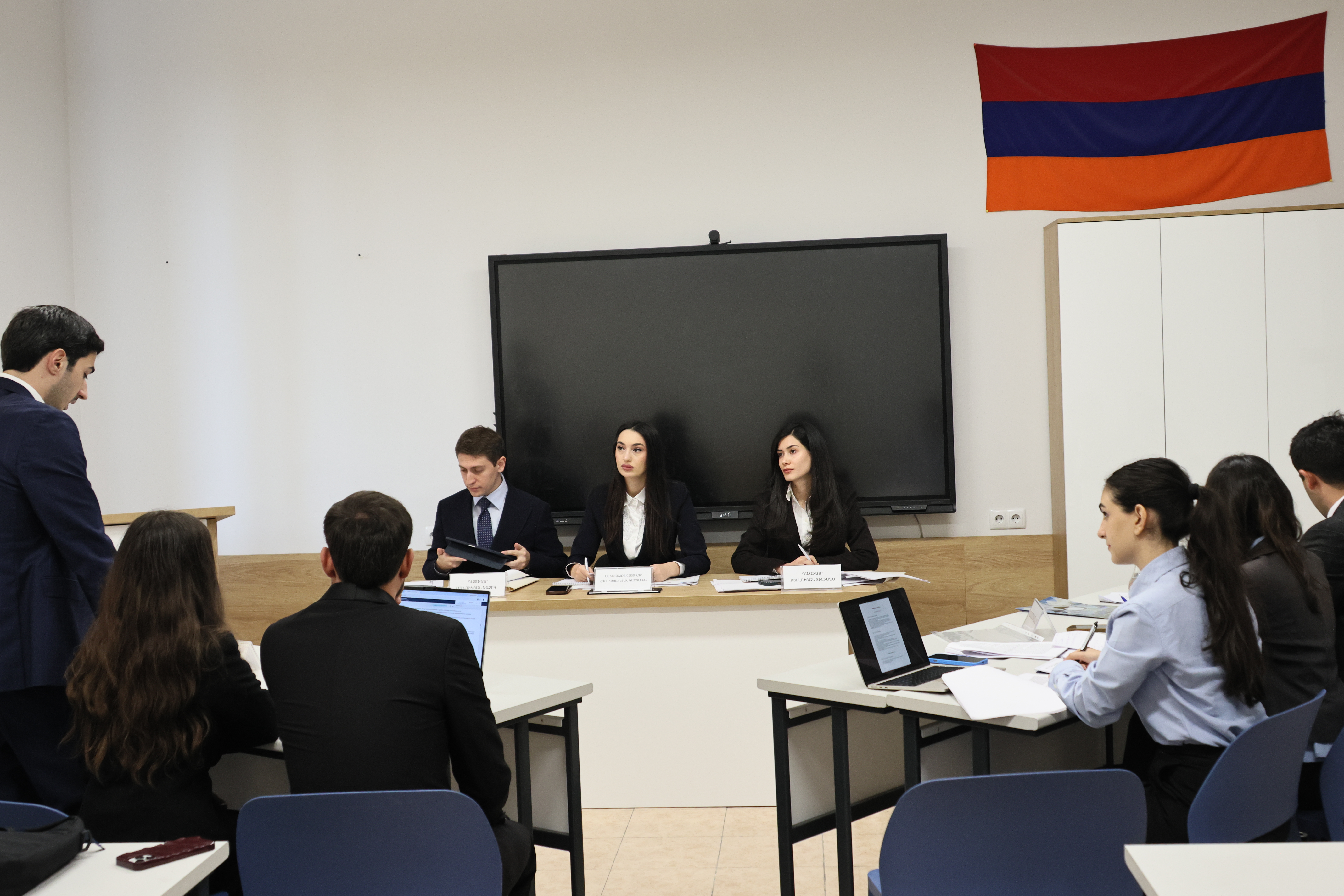
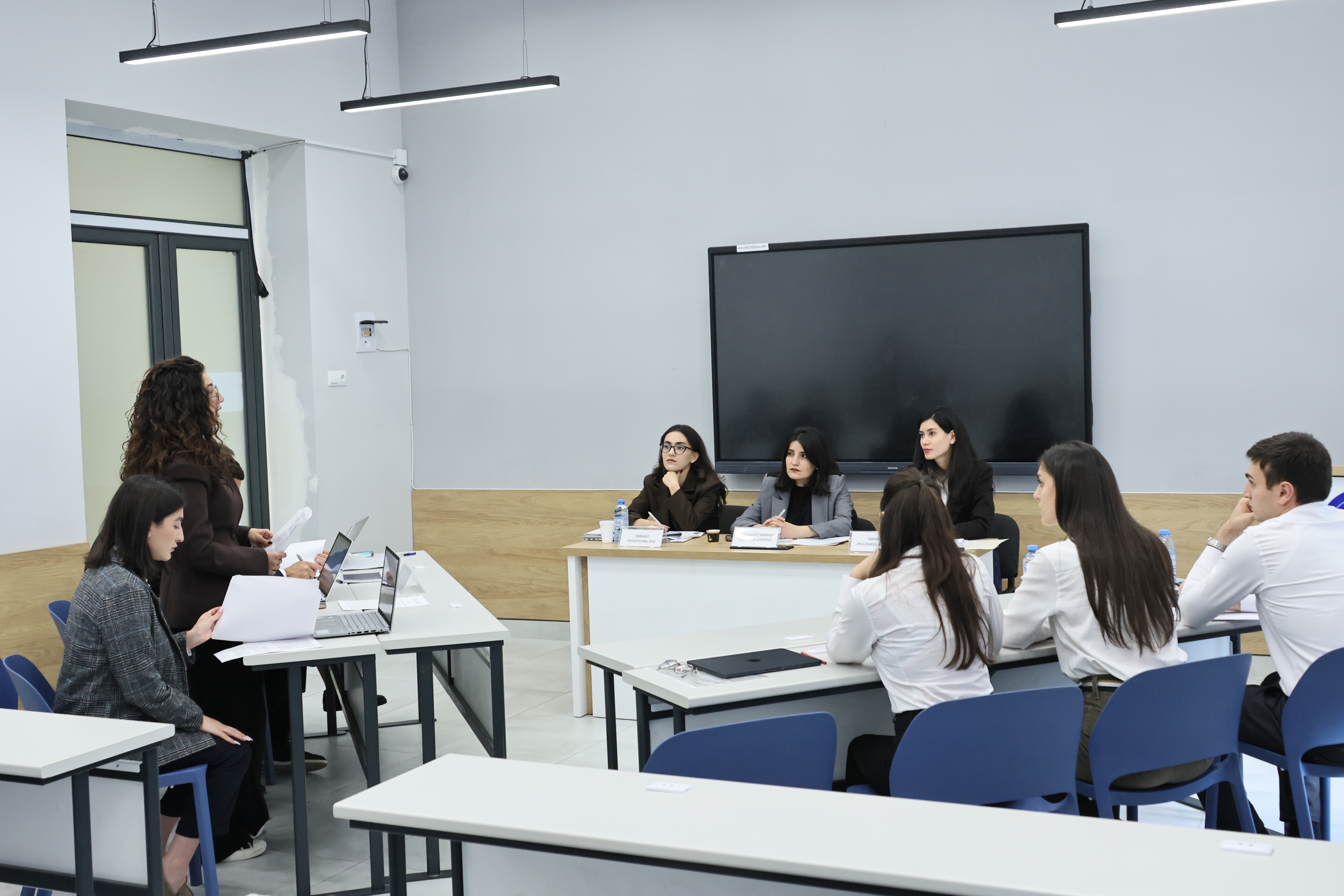
The moot court competition consists of written and oral rounds. Under its rules, the competition is based on a fictional court case involving a claim to protect state or community interests. Teams represent both the claimant and the defendant, presenting and defending their respective legal positions.
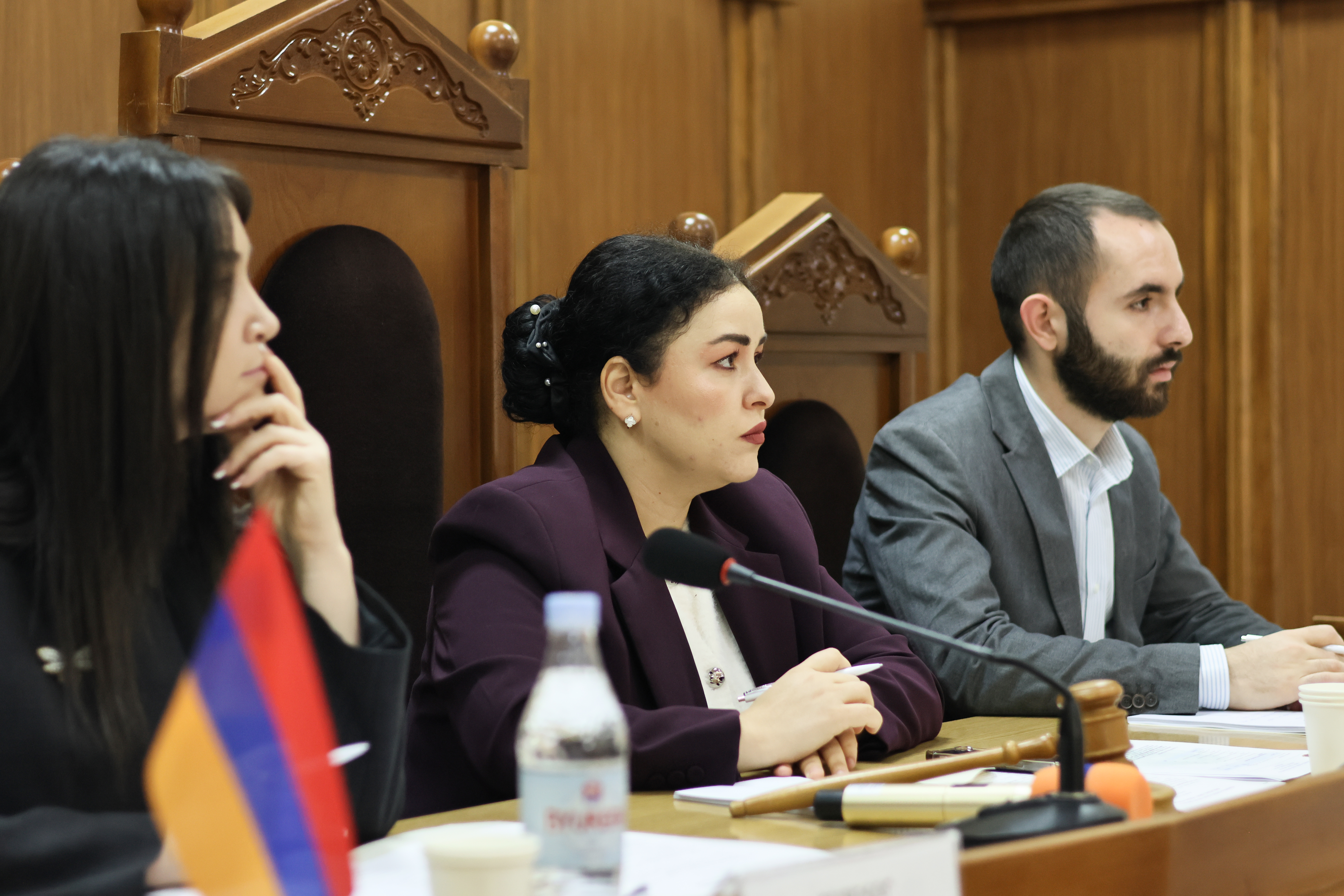
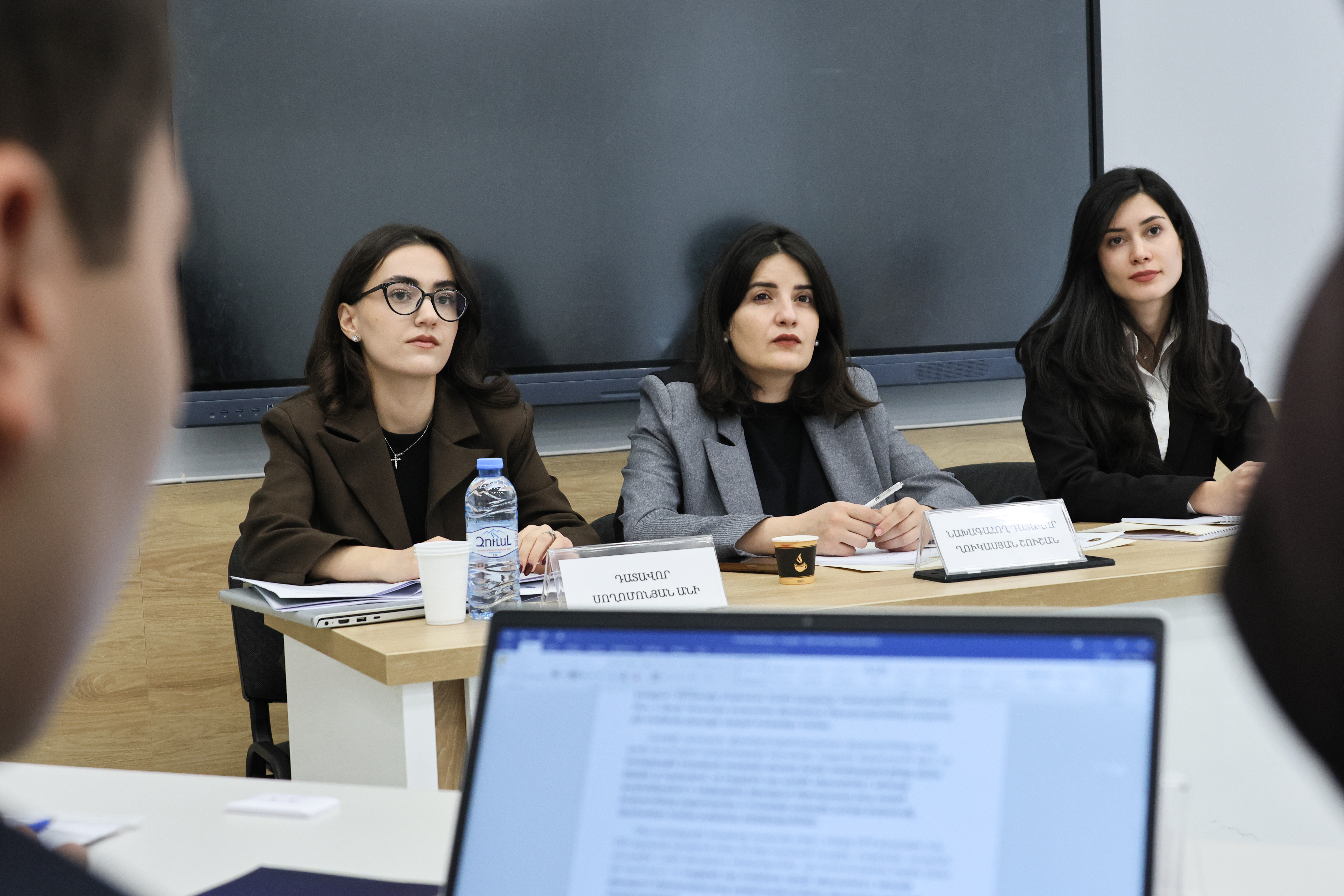
More than 40 legal professionals, including prosecutors, judges and lawyers, are serving as judges in the competition.
Mane Markosyan, Adviser to the Prosecutor General of the Republic of Armenia, said the moot court competition, dedicated to the 100th anniversary of the birth of former Prosecutor General Artavazd Gevorgyan, was organized jointly by the Prosecutor's Office of the Republic of Armenia, the Raoul Wallenberg Institute of Human Rights and Humanitarian Law and the YSU Legal Laboratory.
She explained that the competition's main objective is to deepen students' knowledge of the powers granted by law to the Prosecutor's Office in protecting state interests and to develop their professional skills. The moot court format was chosen because such competitions have long been, and continue to be, an important and distinctive way of deepening professional knowledge, improving practical skills and advancing legal thought.
Markosyan also emphasized that responding to questions from the judges is a key part of the oral rounds. Judges may request clarification of the arguments presented, the application of legal provisions and the circumstances of the case. Participants are assessed not only on the content of their prepared material but also on their ability to respond quickly and with sound legal reasoning to unexpected questions.
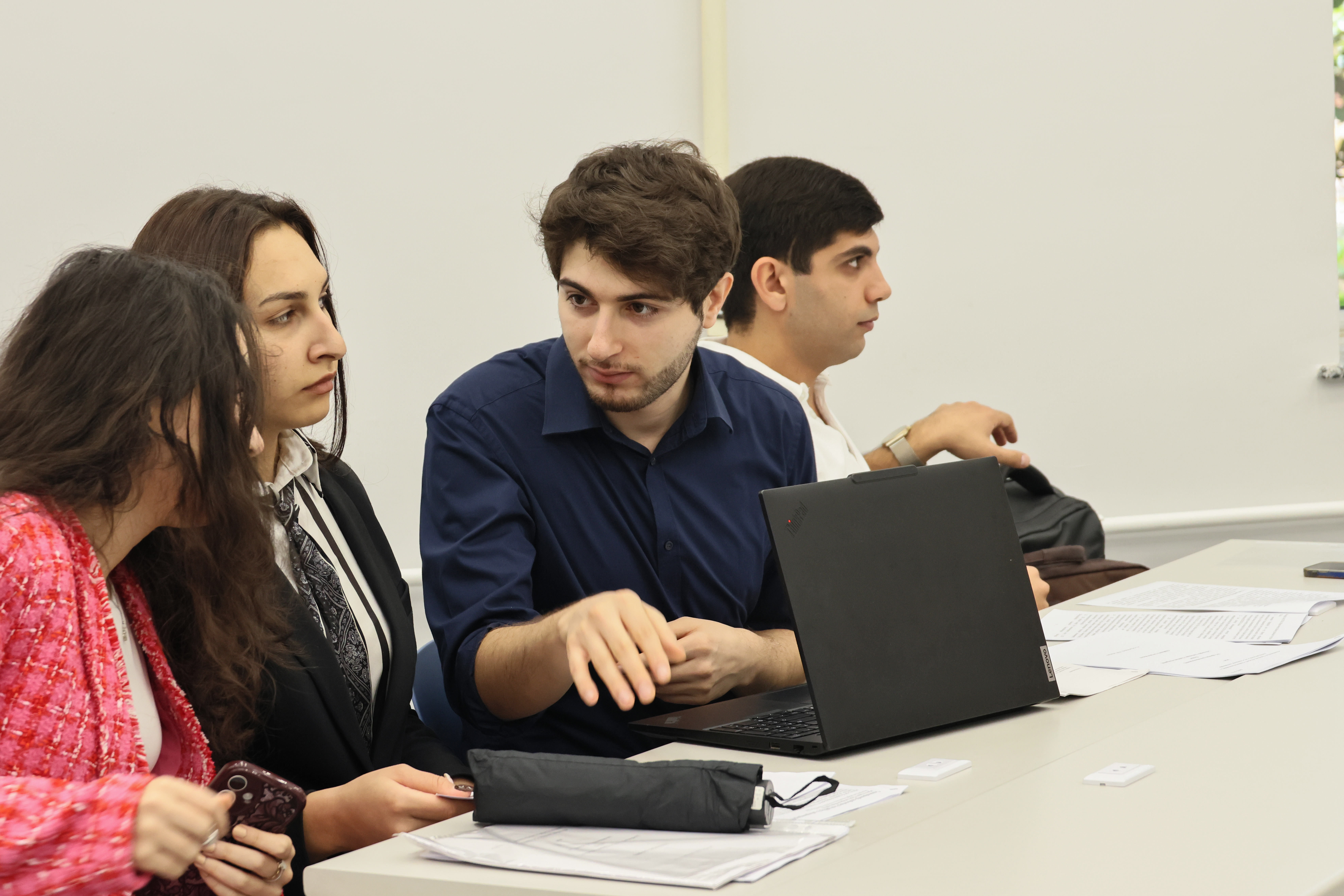
According to participating students, the moot court provides an opportunity to consolidate theoretical knowledge and develop critical thinking and teamwork skills.

"Taking part in this competition has been an important experience for us. We had the opportunity not only to apply the theoretical knowledge we gained at university but also to put our skills to the test by representing both the claimant and the defendant. Most importantly, we learned to substantiate our positions, respond quickly to judges' questions and work as a team. I believe competitions like this are very important for the professional development of future lawyers," said participant Anna Sardaryan.
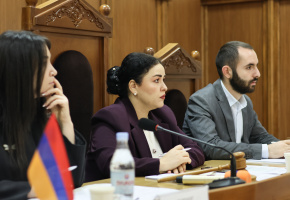
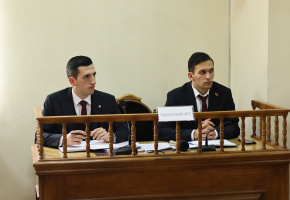
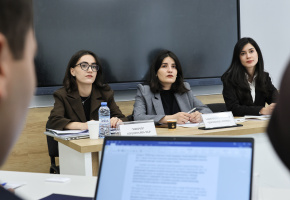
During the oral rounds, teams' performances are evaluated by a three-judge panel. The assessment criteria include the quality of legal research and analysis, knowledge and accurate interpretation of applicable law, persuasiveness of arguments, procedural skills, adherence to professional ethics and communication skills.
The highest-scoring teams will advance to the subsequent rounds. The semifinal and final rounds will take place on 1 November.