November 12, 2025 | 15:04
Education
International cooperation

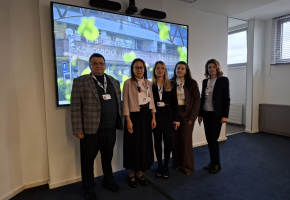
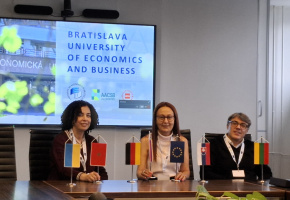
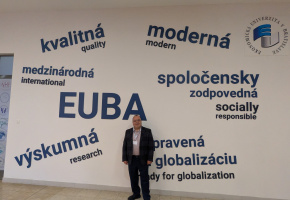
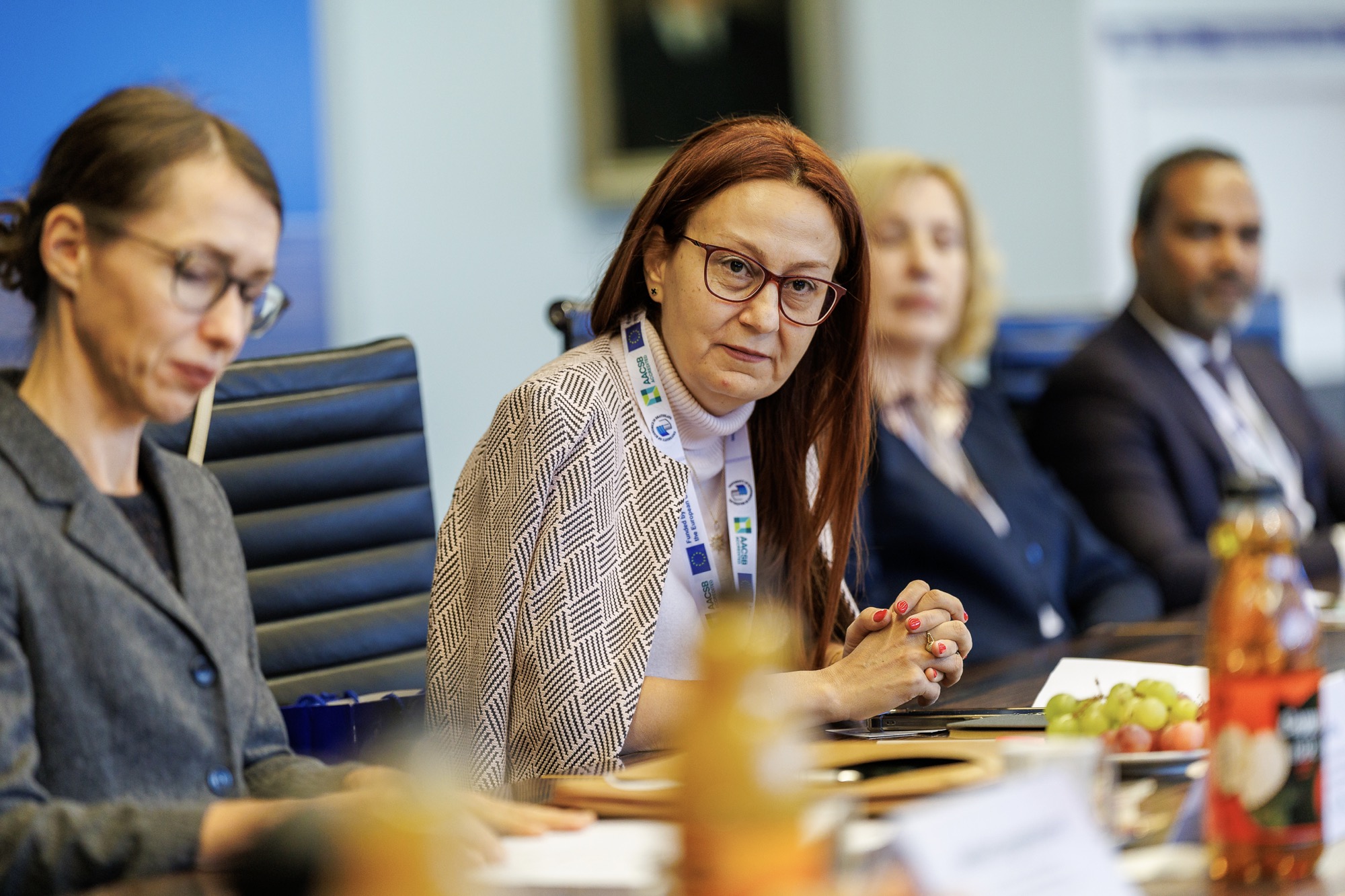
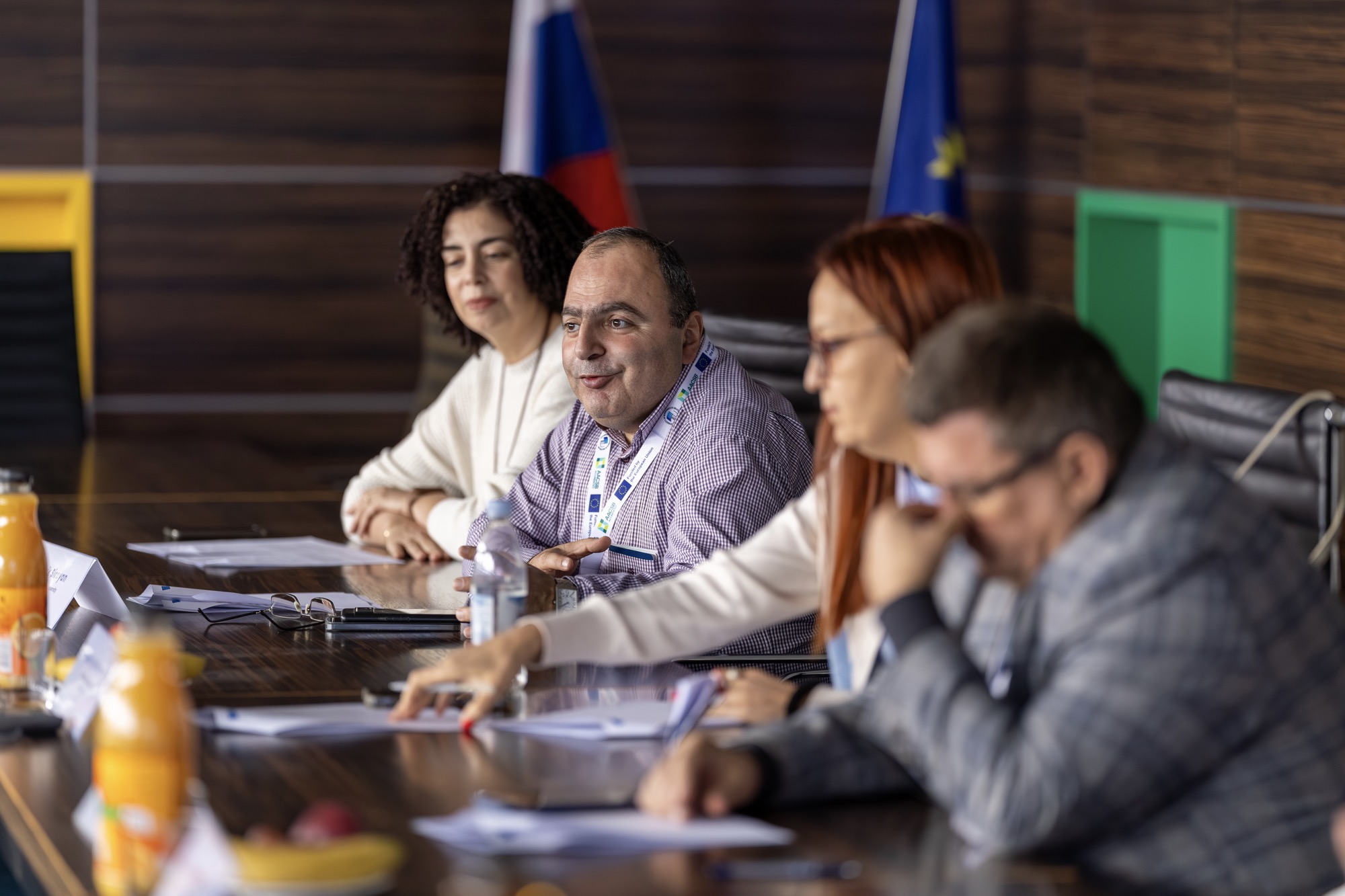
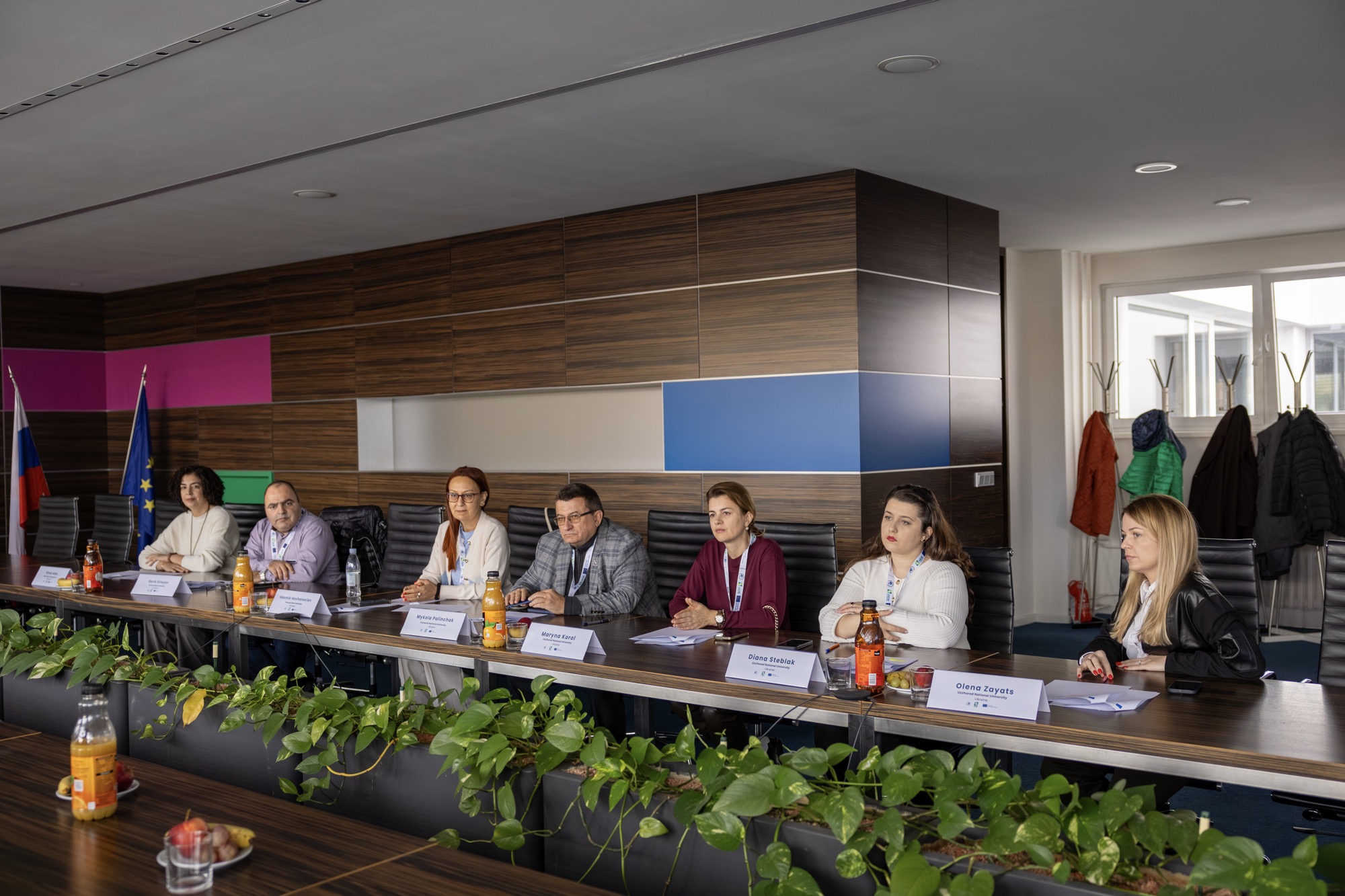
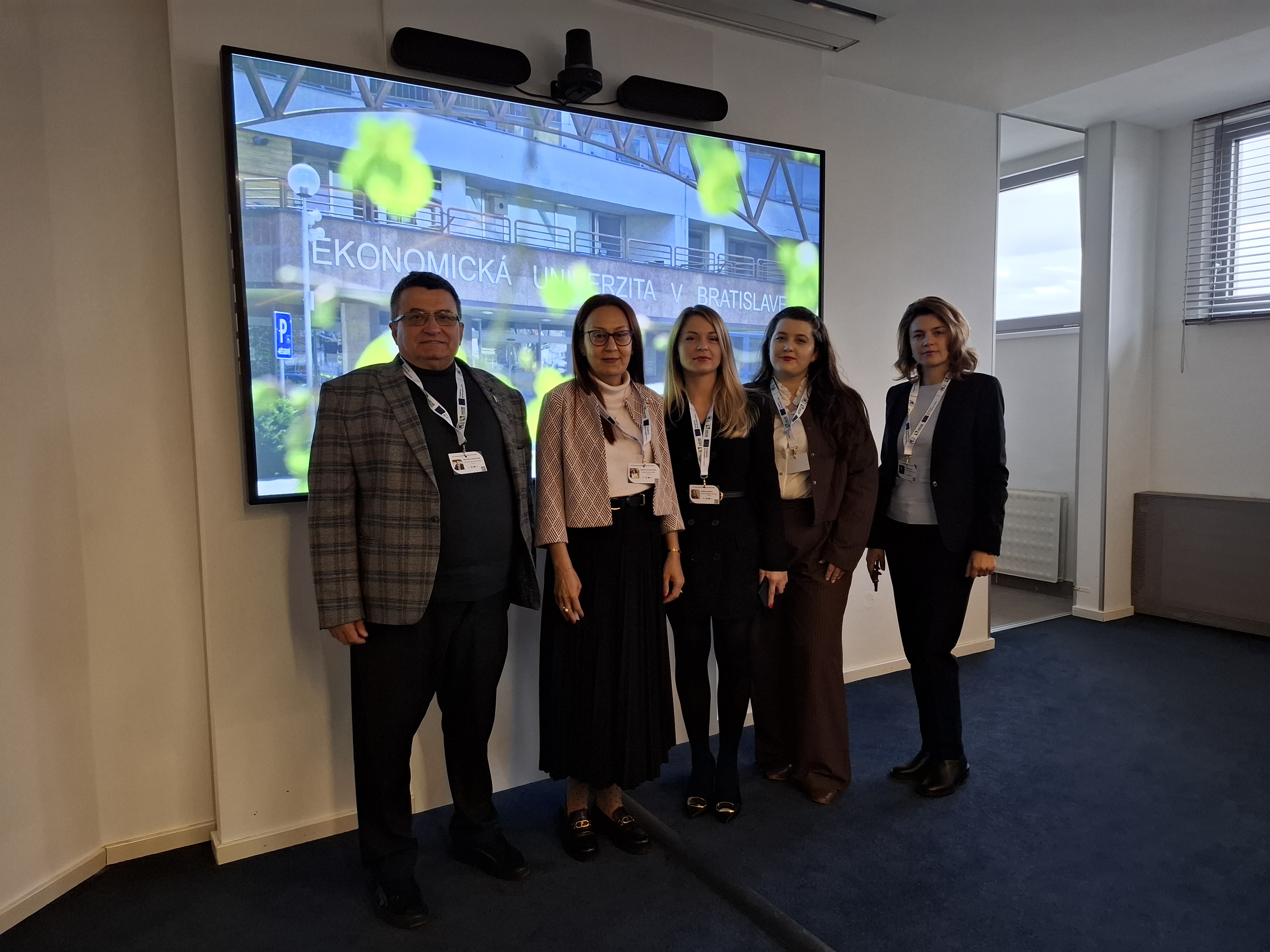
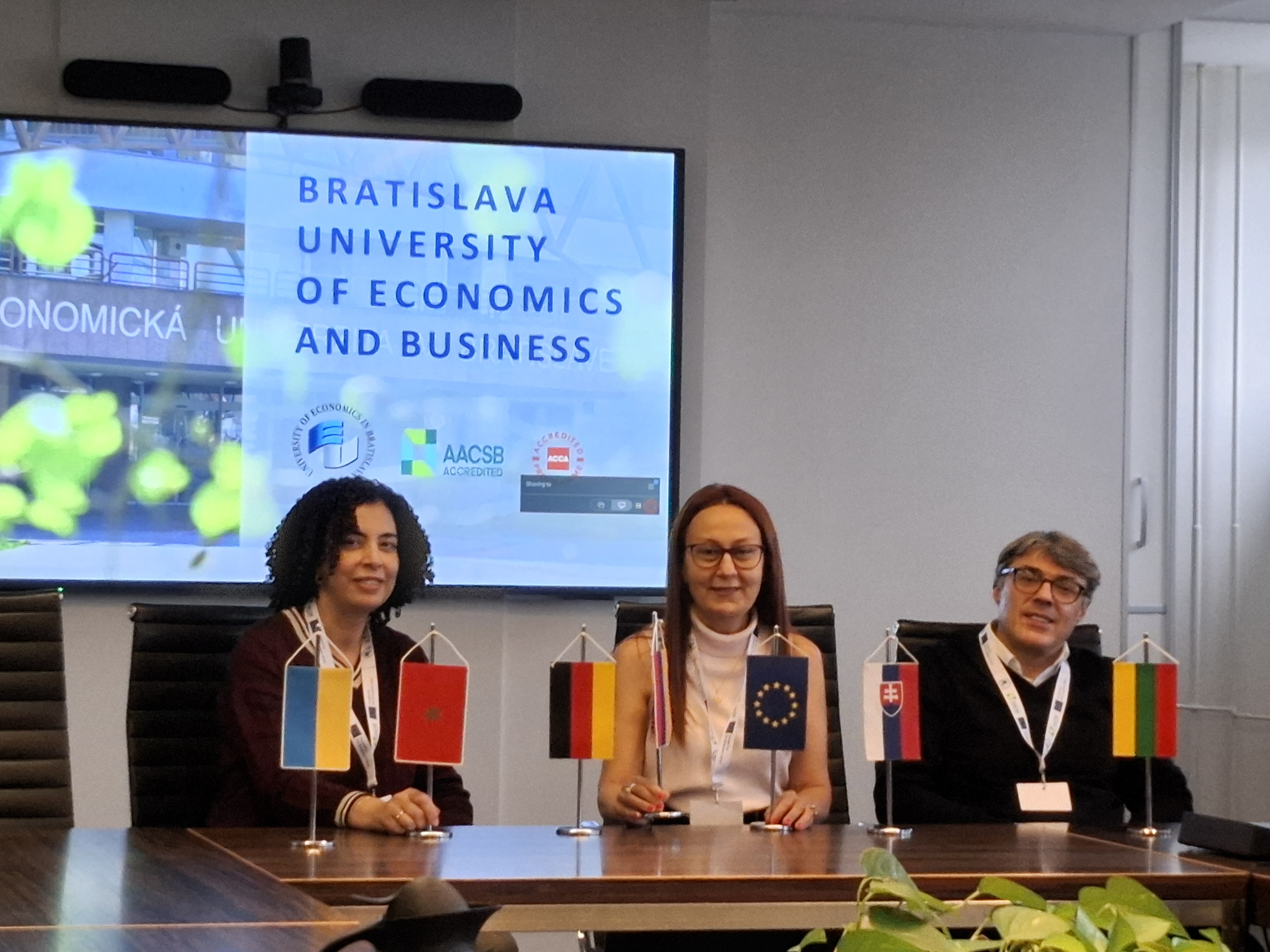
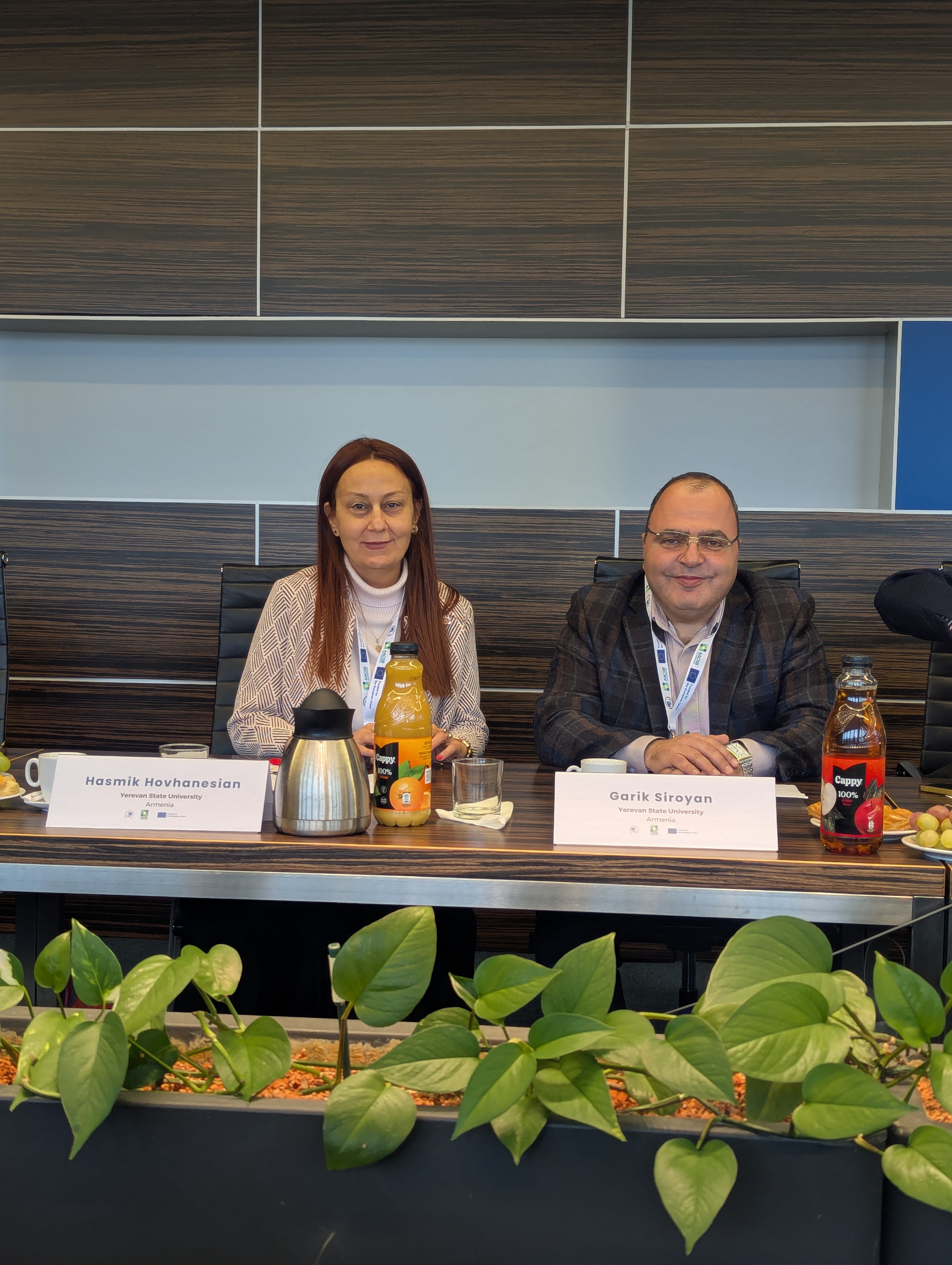
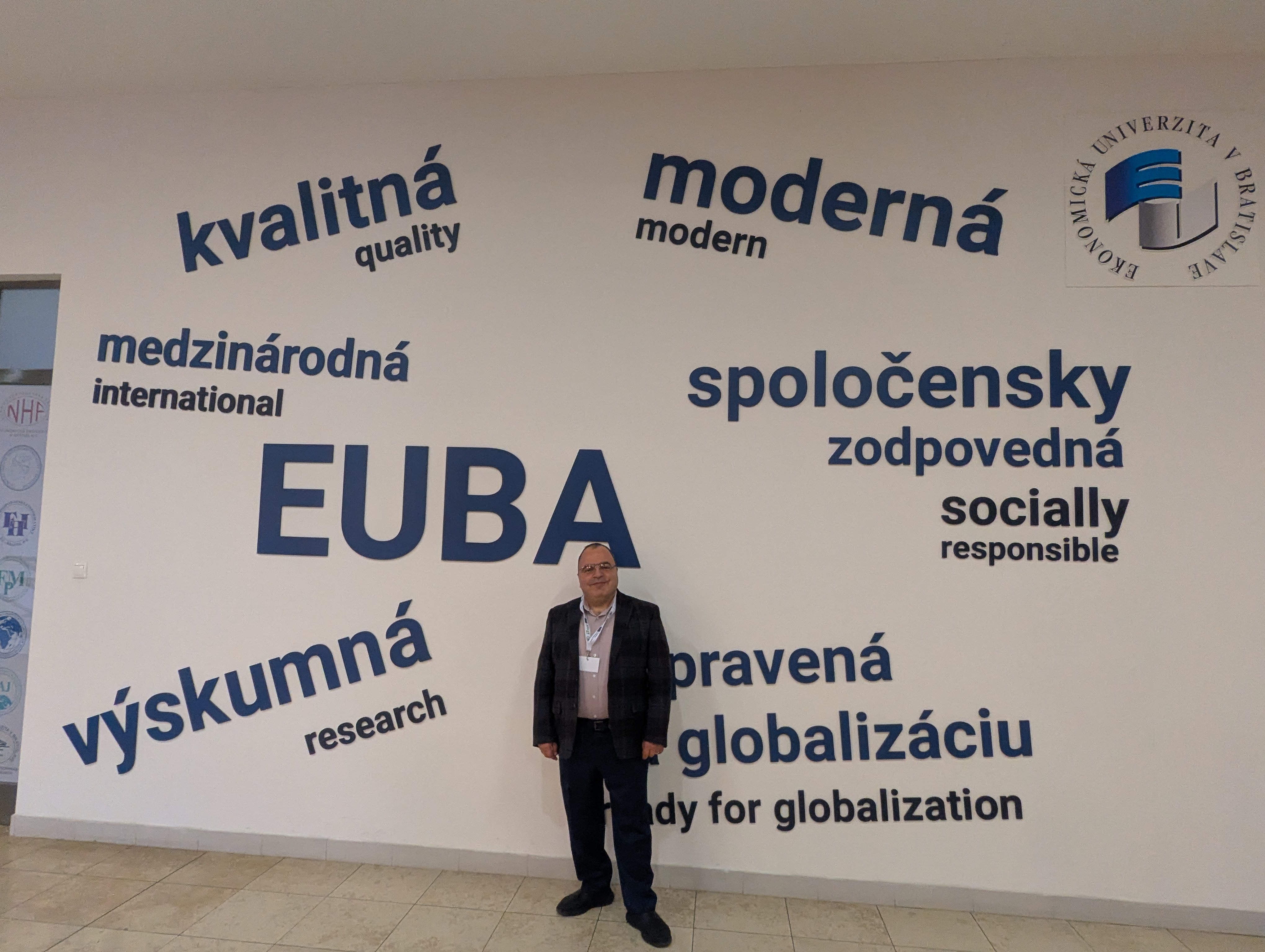
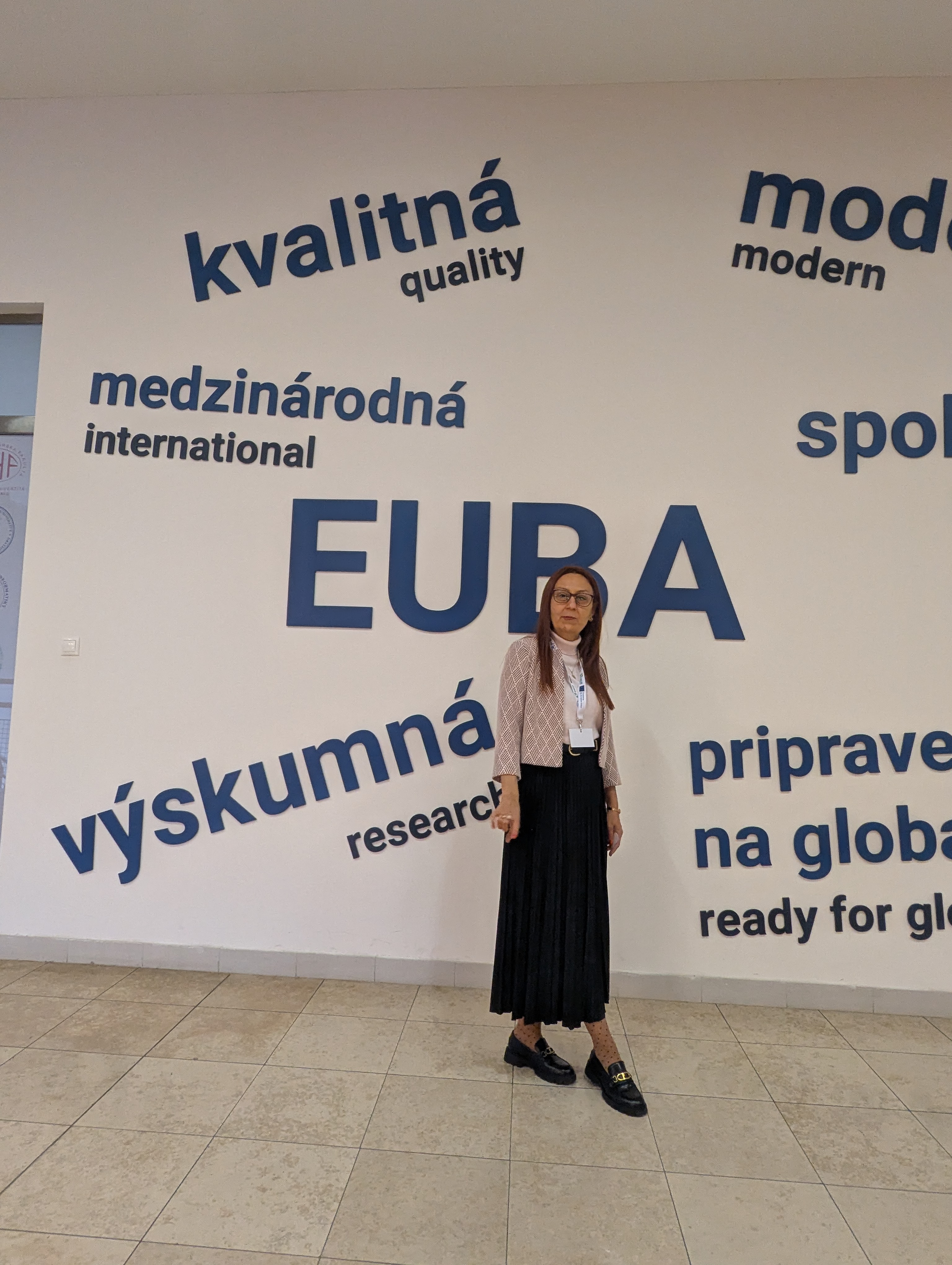
During their visit to the Bratislava University of Economics and Business from October 27 to 31, Associate Professor Garik Siroyan from the Chair of Finance and Accounting and Associate Professor Hasmik Hovhannisyan from the Chair of Economics and International Economic Relations at the YSU Faculty of Economics and Management took part in the 19th International Teaching Week. The event brought together more than a dozen lecturers from six countries—Slovakia, Armenia, Germany, Lithuania, Ukraine, and Morocco.
According to Garik Siroyan, discussions with international colleagues focused on opportunities for joint programs, research projects, and publications, as well as the academic directions and capacities of the participating universities.
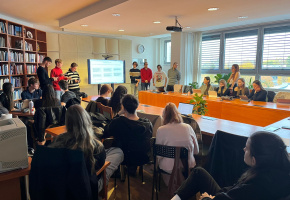
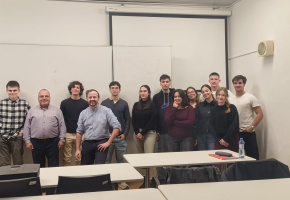
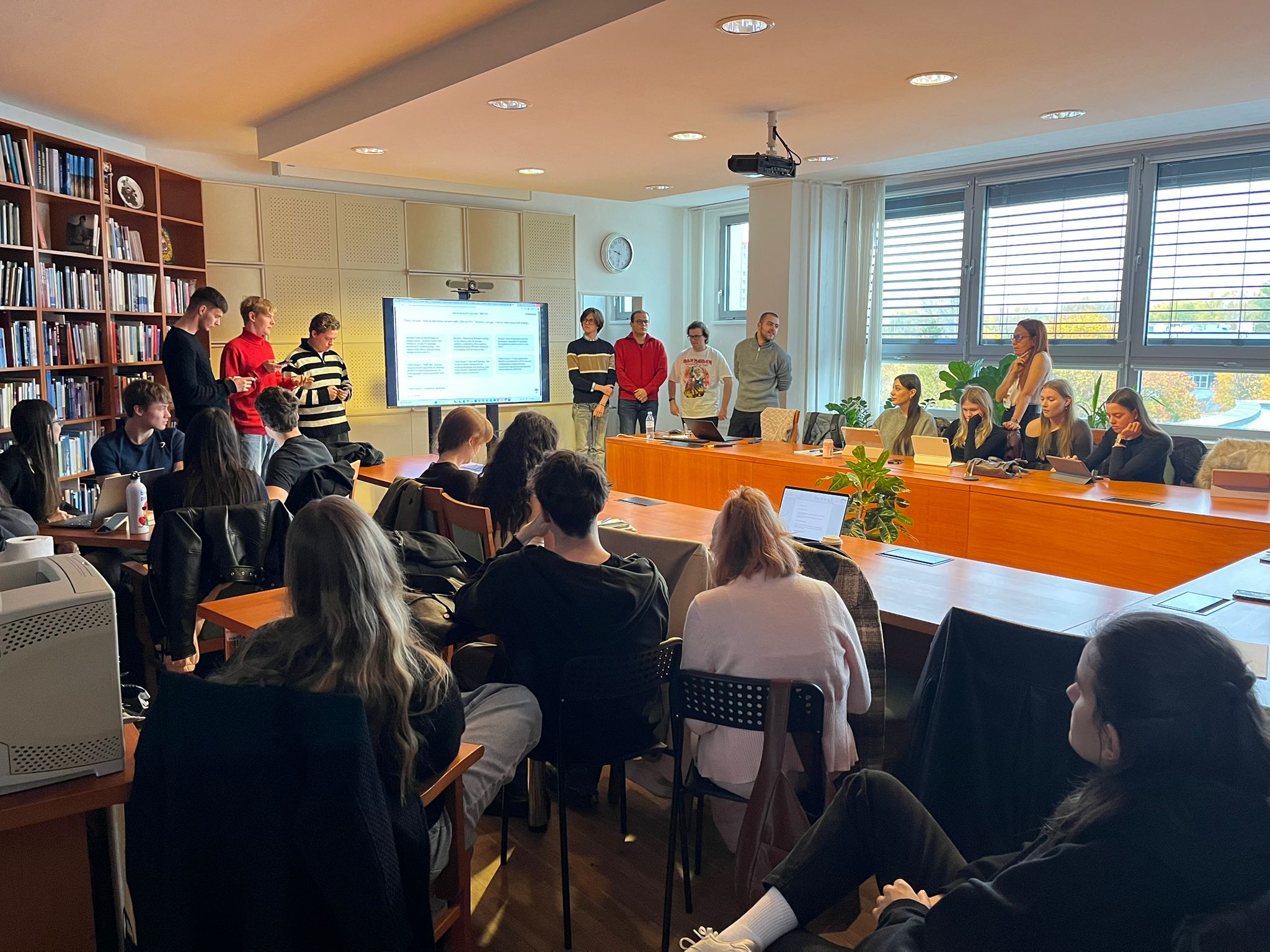
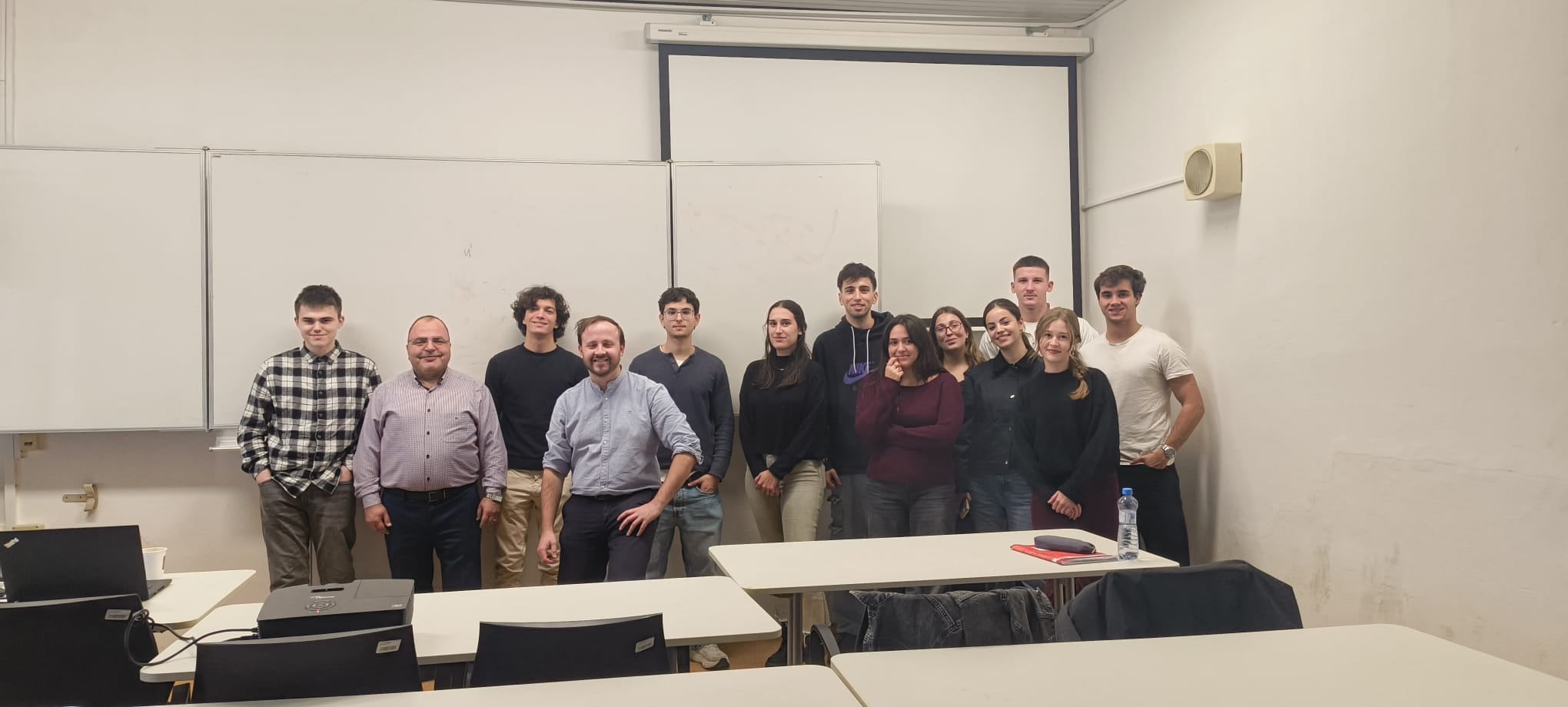
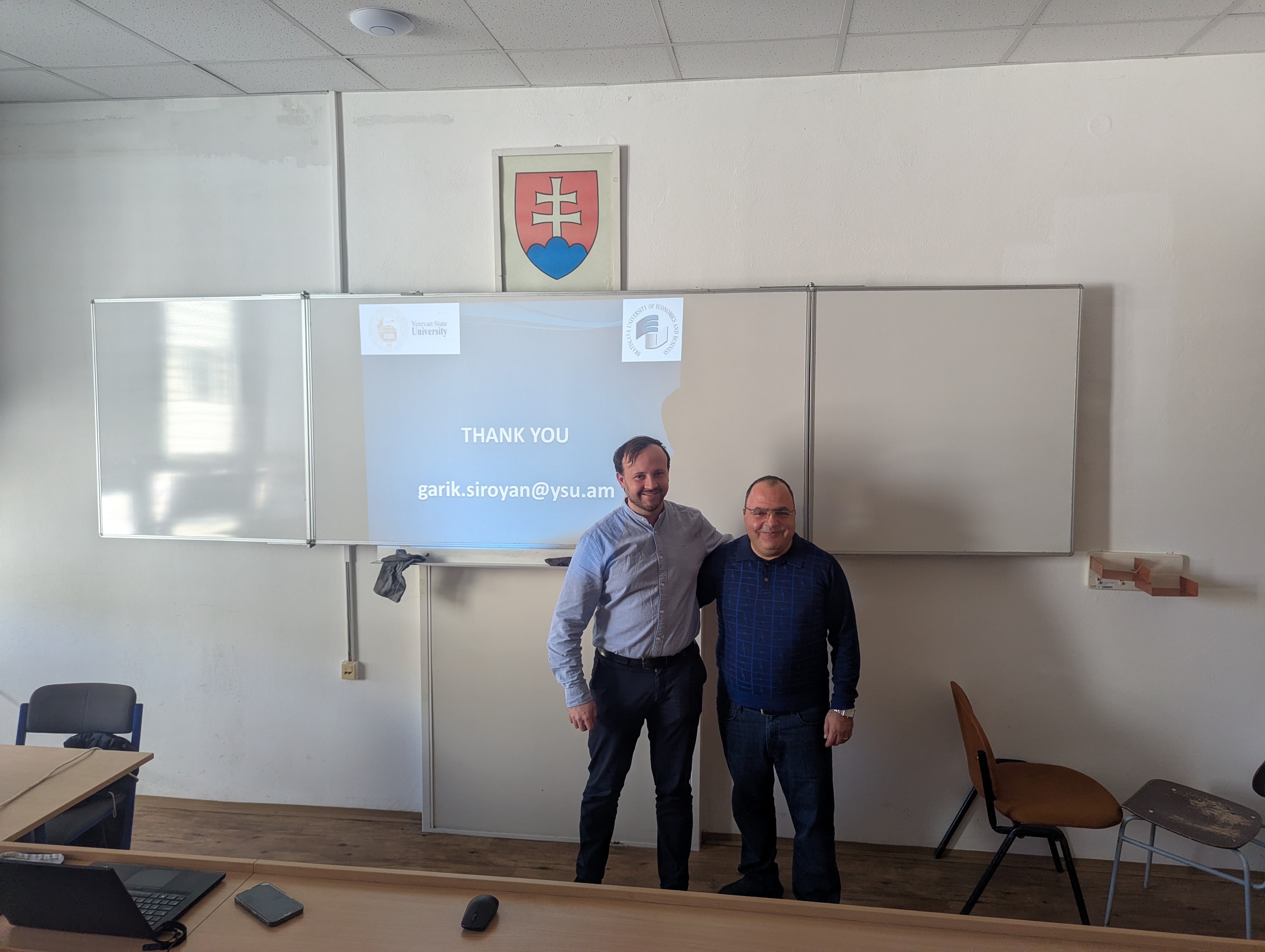
As part of the visit, the YSU representatives delivered lectures to both local and foreign students of the Faculty of Economics on the bachelor's programs in Economic Policy and Economic Development, covering the topics: "Migration as a Factor in the Reproduction of Human Capital", "The Economic Consequences of Migration Policy", and "Protectionism and Instruments of Trade Policy."
Hasmik Hovhannisyan noted that the students listened with great interest and actively engaged in the discussions, providing examples from both EU countries and Slovakia's trade practices.
"The discussions were particularly lively regarding whether small economies should pursue protectionist policies or instead focus on enhancing innovation and competitiveness," she said.

When asked about novel teaching methods observed in Bratislava that could be adopted at YSU, Garik Siroyan replied, "I cannot single out any particularly novel method, but I would like to highlight the following observations regarding Slovakia's higher education system.
Students have a high level of English proficiency and communication skills.
In addition to local professors, courses are also taught in English by foreign lecturers. In recent years, the university has achieved significant growth in attracting foreign students.
Currently, more than 1,000 foreign students study at the university, out of a total of 7,000 students.
The government supports the involvement of foreign students.
Instruction is conducted both in Slovak and English.
Higher education in the Slovak Republic is tuition-free.
PhD students receive a monthly scholarship of around 1,000 euros."
Hasmik Hovhannisyan emphasized that the educational environment in both Armenia and Slovakia is open, collegial, and respectful. The only noticeable difference, she said, is that Slovak students tend to be slightly more organized during the learning process, while communication in Armenia is warmer and more personal. She added that both sides share the same academic values and a culture of collaboration.

"Based on my international experience in Portugal, Spain, Greece, and Slovakia, I would like to introduce several new ideas and approaches within YSU's educational environment that would enhance teaching quality, international cooperation, and the development of students' practical skills," Hovhannisyan said.
"First of all, I suggest implementing joint courses and bilateral teaching models between YSU and partner universities. This would allow students to attend lectures by professors from different institutions simultaneously, compare perspectives, and build international academic networks."
She added that it would also be beneficial to introduce dual degree programs, enabling students to receive diplomas from both universities—thus strengthening YSU's international reputation and enhancing the global competitiveness of its graduates.
"In addition, it would be effective to introduce blended learning models that combine online and in-person formats, and to create international team-based projects that promote intercultural communication and practical collaboration. These approaches would help YSU evolve into a more open, collaborative, and internationally aligned educational center," the associate professor noted.

Summing up their experience abroad, the YSU representatives highlighted the importance of the Erasmus+ program, noting that it provides an excellent opportunity to represent YSU while learning from the best practices of European universities in the fields of teaching, technology, and management. Such visits foster international cooperation, joint research and program implementation, as well as the development of intercultural communication and innovative ideas.
During the visit, several meetings and discussions were also organized with the university's leadership—including Rector Prof. Ferdinand Daňo, Vice-Rector for International Relations Boris Matoš, Dean of the Faculty of International Relations, Assoc. Prof. Rudolf Kucharčík, PhDr., PhD, as well as faculty members and colleagues from other participating countries.
According to Hasmik Hovhannisyan, the visit stood out with its high efficiency and intensive agenda, encompassing lectures, professional discussions, and experience-sharing formats. She emphasized that it was significant both for the development of individual professional competencies and for the strengthening and expansion of interuniversity partnerships.