November 28, 2025 | 15:15
Education
Society
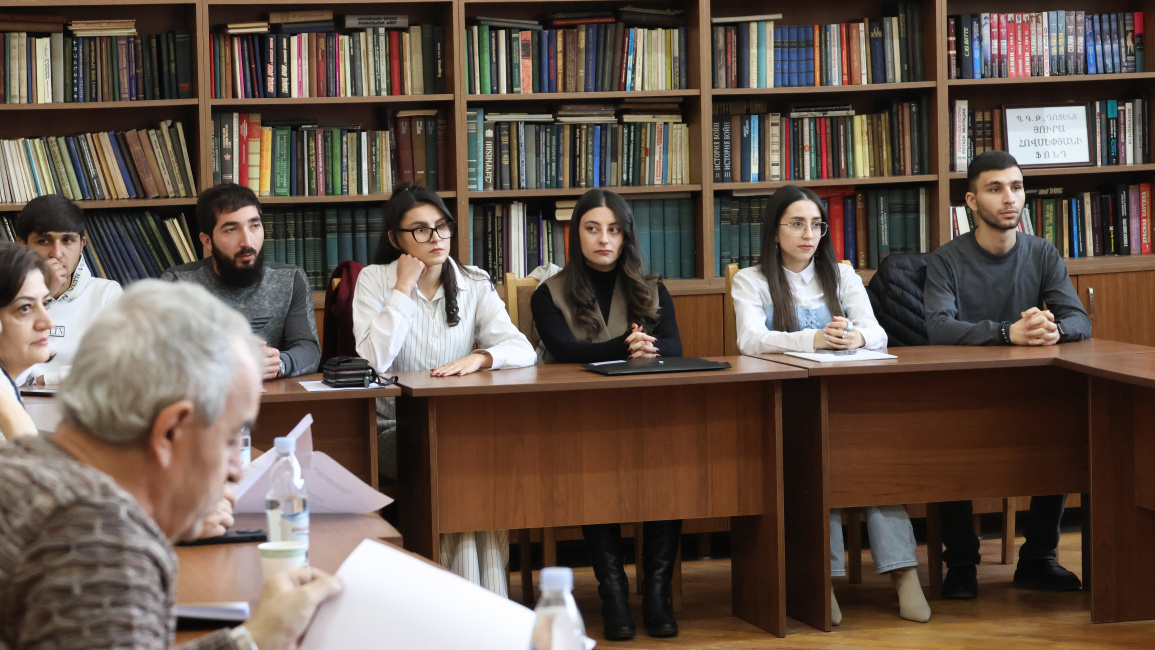
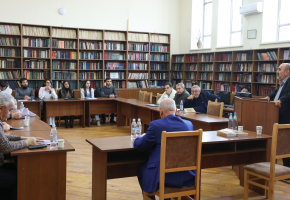
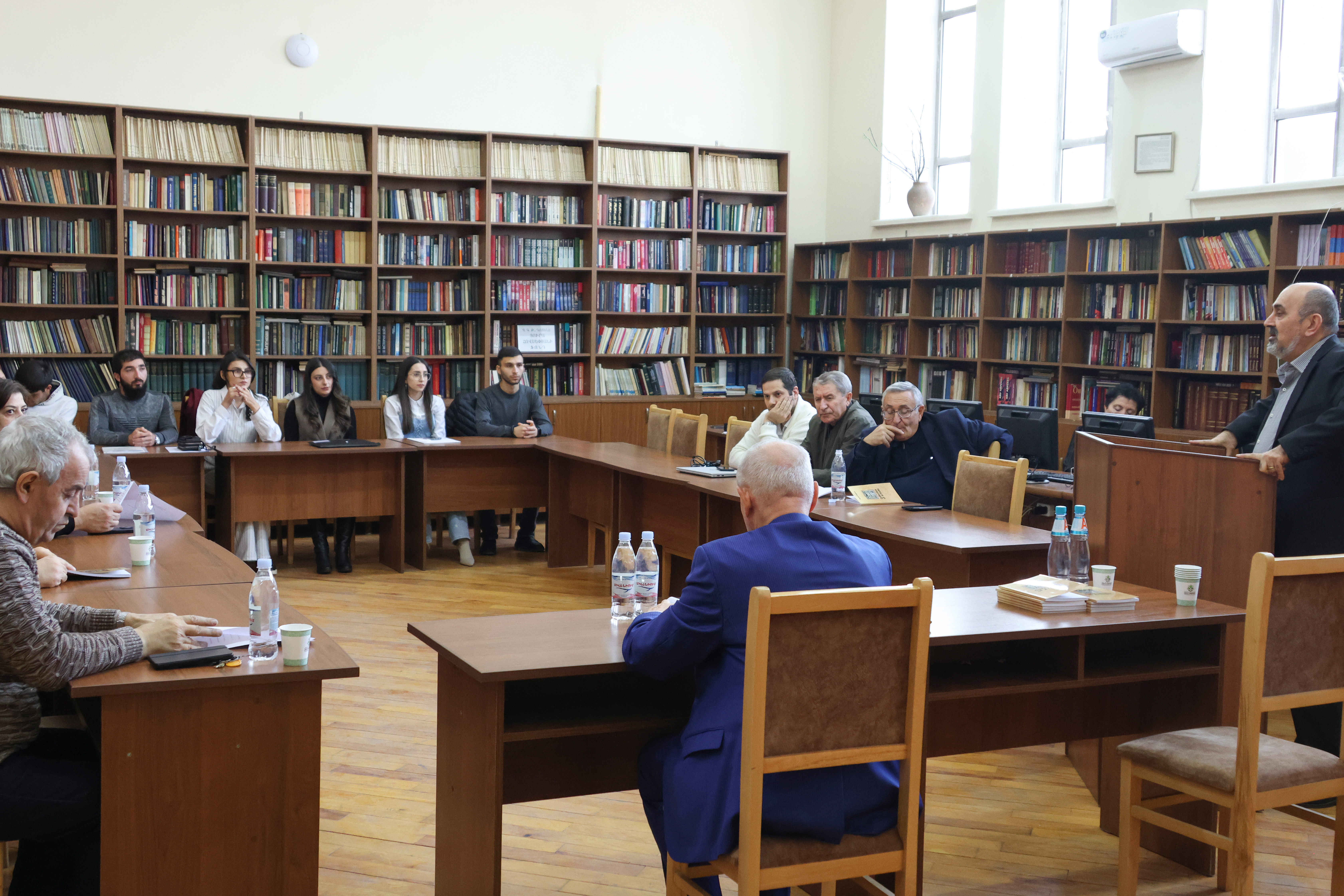
Workshop participants, including the faculty members and students, emphasized that Hayrapet Margaryan's works have had a significant impact on the development of both Armenian and regional historiography.
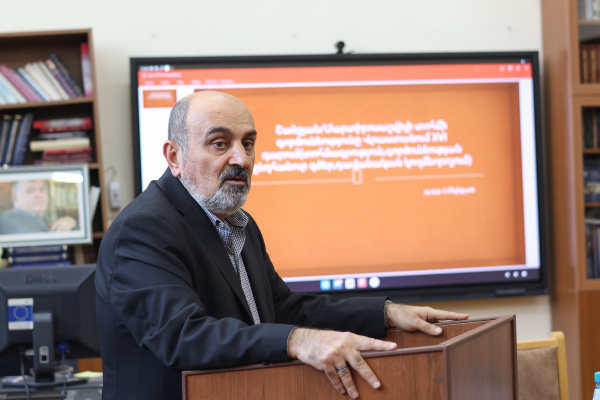
Workshop participants, including the faculty members and students, emphasized that Hayrapet Margaryan's works have had a significant impact on the development of both Armenian and regional historiography.
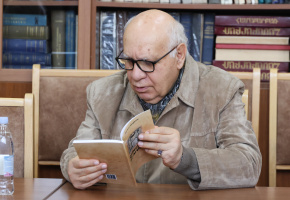
Mkhitar Gabrielyan, Dean of the YSU Faculty of History, PhD in History and Associate Professor, noted that studying Margaryan's biography allows for a renewed understanding of the extensive work he carried out—both as a scholar and lecturer, and as an educational figure. He stressed that it is a great honor to recognize the legacy of a man who was, regrettably, one of the "last Mohicans" of classical Armenian studies, Georgian studies, and Caucasian studies.
"Hayrapet Margaryan thoroughly studied Georgia and everything related to Georgia and the region—many Georgians would wish to know as much as he did. His favorite place was the library; his favorite occupation—reading books and exploring," the dean noted, emphasizing the importance of holding such an event to discuss the work of an experienced, now blessedly remembered scholar, and to help popularize his contributions.
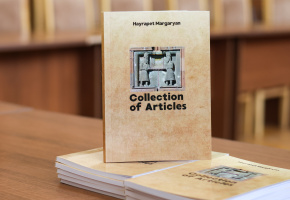
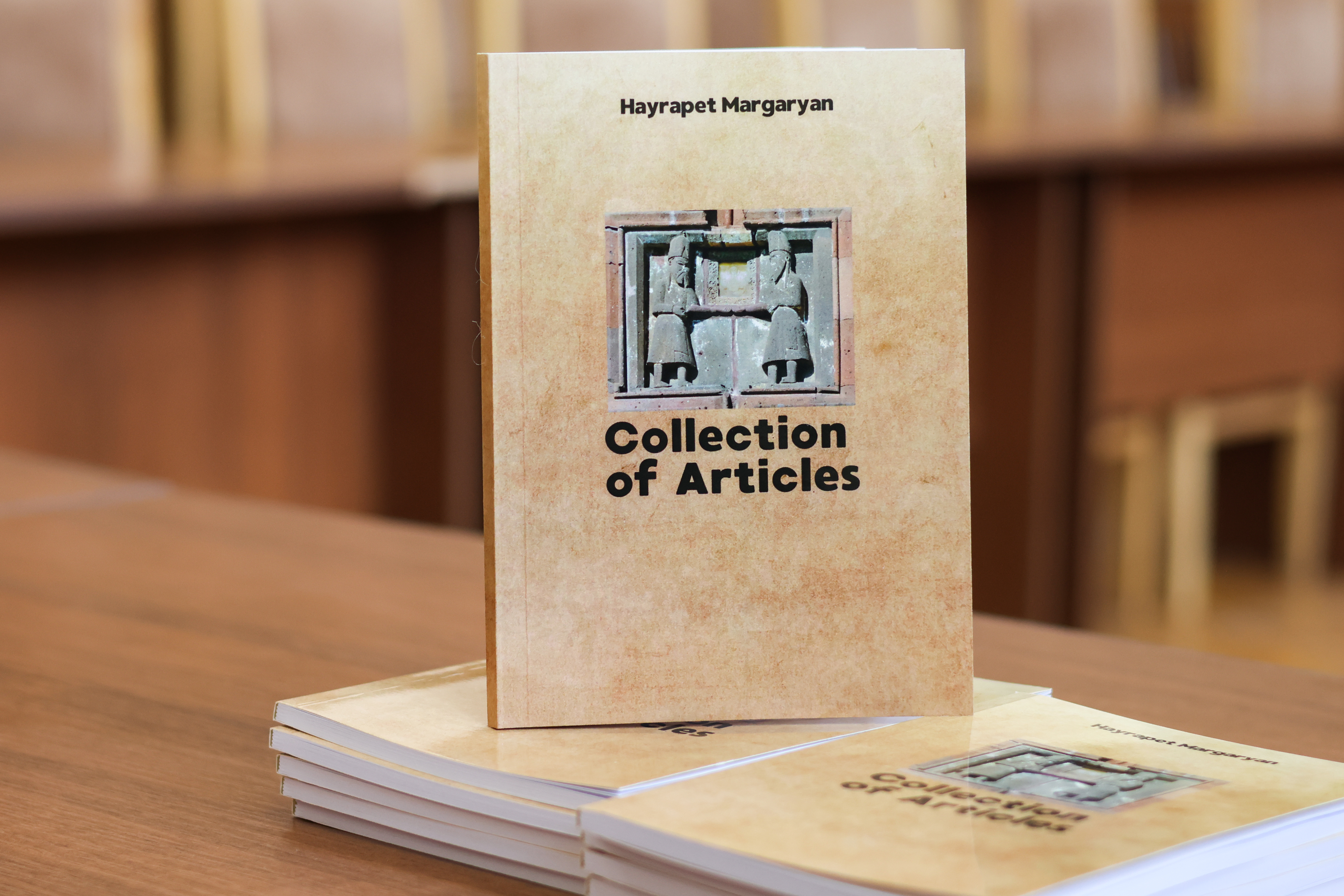
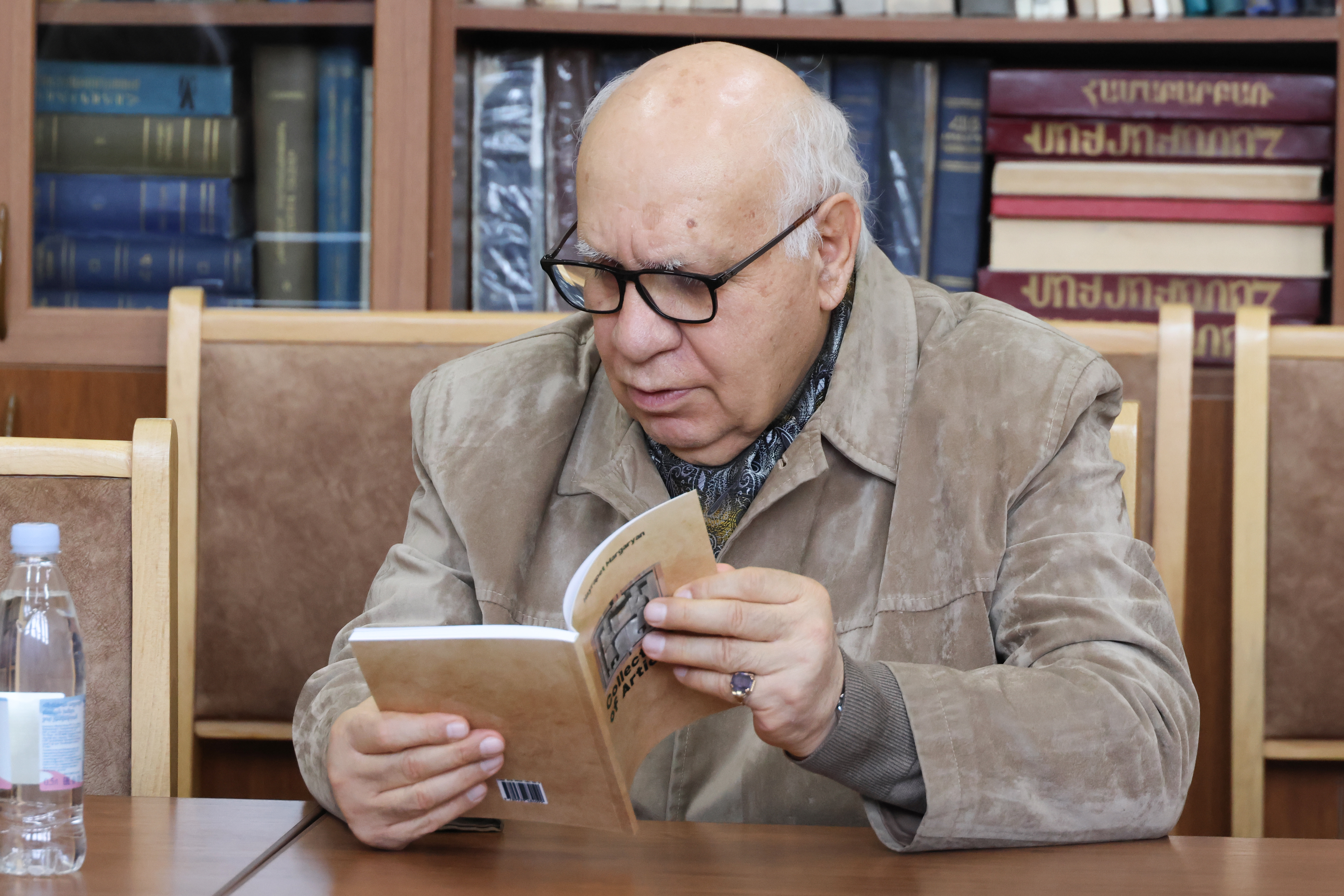
In honor of Professor Hayrapet Margaryan's 75th birthday and the 50th anniversary of his academic activity, several of his significant scholarly articles have been translated and published in English to make them accessible to the international scholarly community. The studies included in the collection address a number of complex and multifaceted issues in the history of the South Caucasus. They explore issues concerning the histories, historiographical developments, ethno-national identities, and public life of Armenia and Georgia.
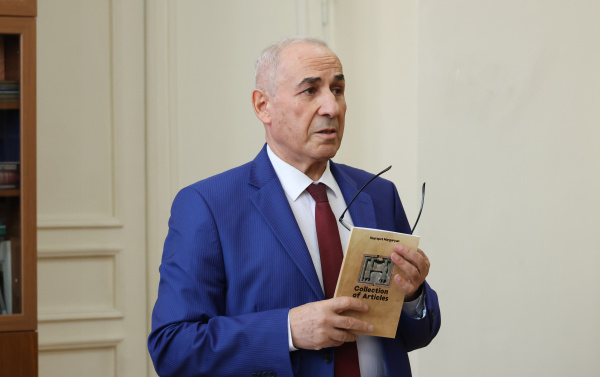
"Highlighting the importance of the great scholar's works, four articles have been selected and translated into English (translated by Gevorg Harutyunyan; compiled by Eduard Zohrabyan, Lilit Melikyan, Babken Ghazaryan) and published in a single book. I believe they are so valuable that it is essential to present these scholarly works to readers in other languages as well. In my view, this will be very useful for further evaluating and appreciating Hayrapet Margaryan's scholarly legacy, as well as for presenting more comprehensively the study dedicated to the Zakarian (Zakarid) dynasty," said Eduard Zohrabyan, Head of the Chair of the History of Neighboring Countries of Armenia at YSU, Head of the Center of Georgian Studies, PhD in History and Associate Professor.
During the event, participants reflected on Margaryan's scholarly path, presenting his contributions to the formation of historical thought and to the study of the historical heritage of neighboring countries. They also discussed the new approaches the professor introduced into Armenian historiography, which have contributed to a more multifaceted analysis of historical processes.
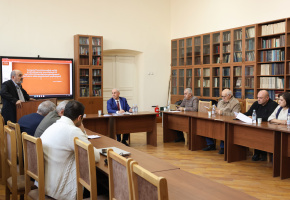
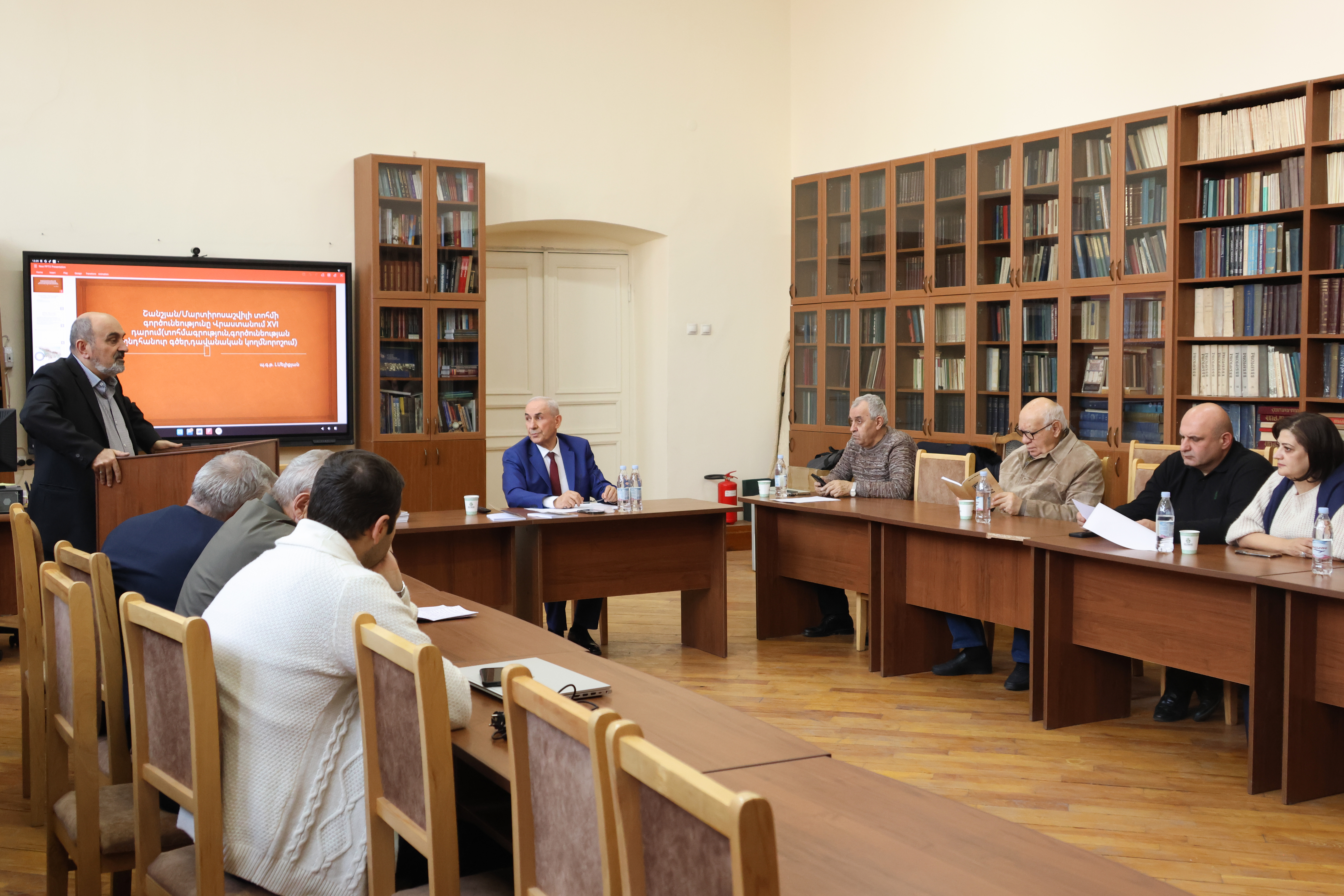
Throughout the workshop, field specialists delivered reports on the following topics: "The Depiction of the Zakarian House in H. Margaryan's Scholarly Research", "Issues of Armenian Diplomatic History in H. Margaryan's Works", "Memories of H. Margaryan's Scholarly Activities", "The patron of the unique fresco of the Savior in the 13th-century gavit of Kecharis Monastery may have been Hasan Jalal, prince of Khachen", "The Activities of the Shanshyan/Martirosashvili Family in Georgia in the 16th Century (Genealogy, General Features of Their Activity, and Confessional Orientation)".