December 12, 2025 | 14:31
Society
Policy

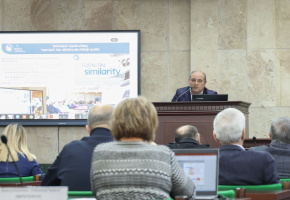
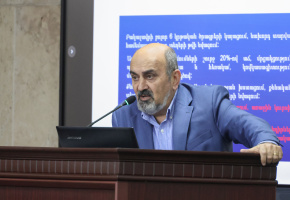
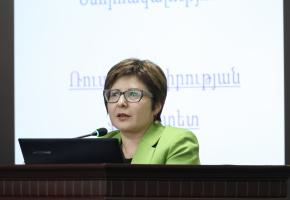
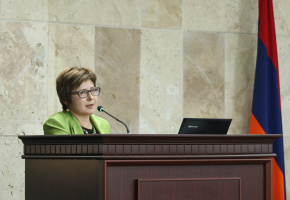
As part of the second session of the annual performance review, the heads of 11 academic subdivisions presented their reports. This session also focused on the outcomes of educational, methodological, and research activities, as well as on issues requiring further development and the setting of new goals. The meeting was conducted in a practical and collaborative environment, facilitating productive discussions and the formulation of new perspectives.
Following the approval of the agenda, members of the Academic Council presented their reports.
Mkhitar Gabrielyan, Dean of the YSU Faculty of History, highlighted several key areas, including the development of work with applicants, the improvement of educational programs, and the increased engagement of students and faculty members. The dean emphasized the faculty's active cooperation with schools, noting over 30 visits, project presentations by high school students, and the organization of the History Olympiad, which this year saw unprecedented participation. He stressed steps aimed at reviewing and updating educational programs, as well as the introduction of Georgian and Azerbaijani language instruction in the "Caucasus Studies" program. From the 2025–2026 academic year, students will study both Georgian and Azerbaijani, enhancing the program's competitive advantages. Other key points in the report included the activation of student life through the formation of volunteer groups, organization of seminars and conferences, and the introduction of new mechanisms for fair and controlled examination processes.
Diana Gazarova, Dean of the YSU Faculty of Russian Philology, addressed the faculty's multi-faceted activities, emphasizing the revision of certain components of the master's programs and the organization of practice in a new format. She also noted student participation in international summer schools, conferences, and research projects. The dean highlighted research activity, the strengthening of collaboration with foreign partner universities, the increase in international visits, the growth of foreign student enrollment, and infrastructural improvements. According to Diana Gazarova, the year was productive, with future goals including the enhancement of work with applicants, digital accreditation of educational programs, expansion of student international mobility, and the organization of a jubilee conference dedicated to the faculty's 50th anniversary.
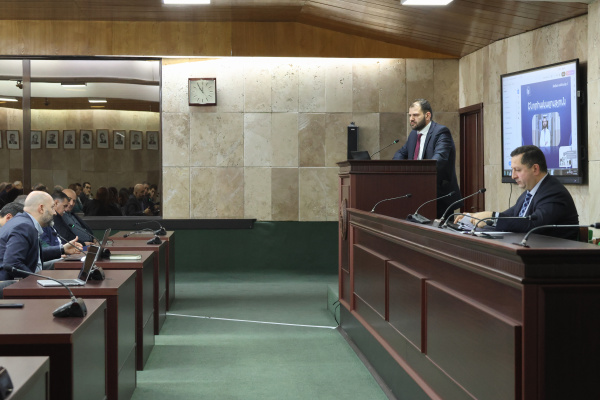
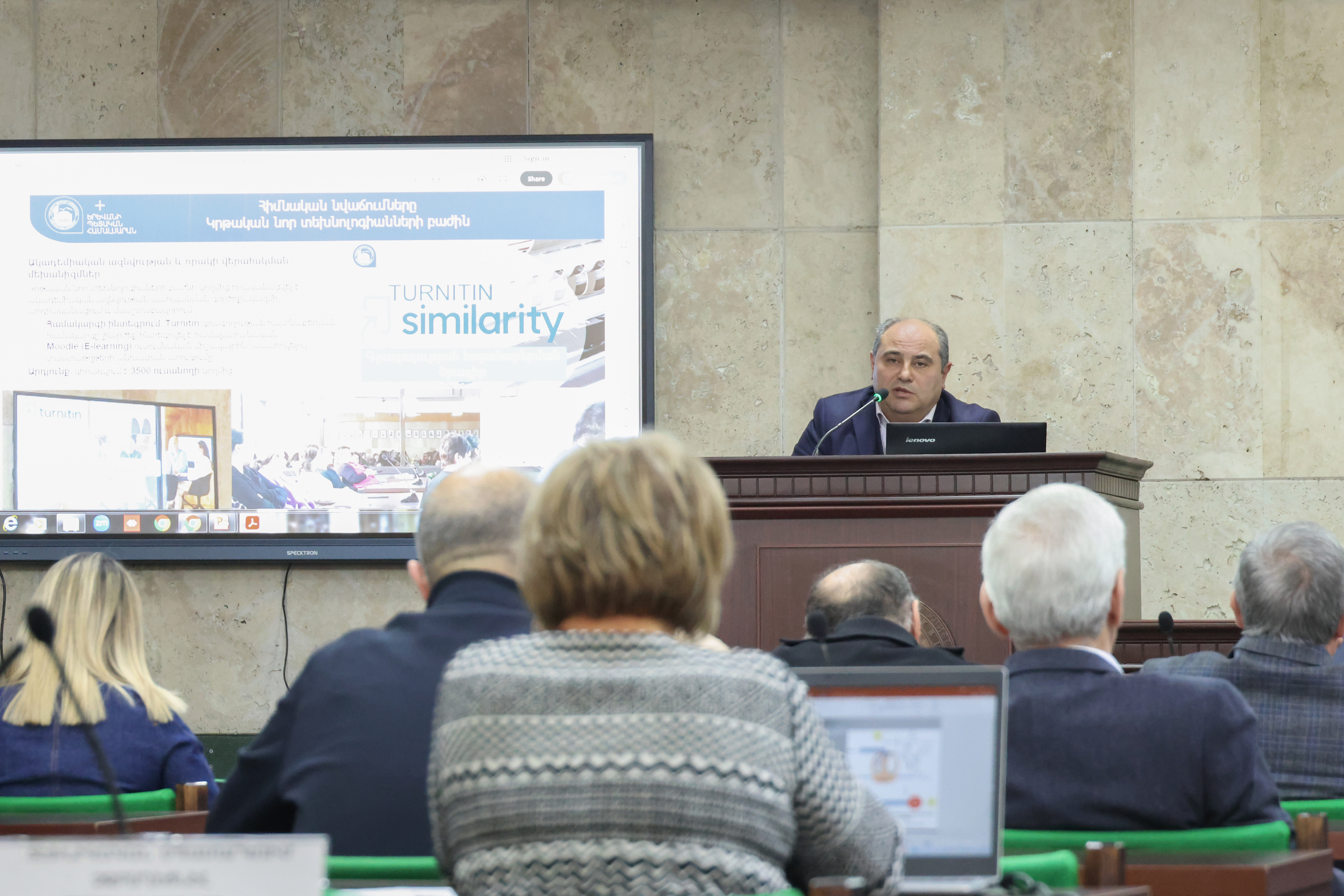
Artur Avagyan, Director of the YSU Information Technologies Educational and Research Center, stated that the 2024–2025 academic year marked a period of development and comprehensive modernization. Thanks to new initiatives in professional orientation for applicants, enrollment increased by approximately 10%. Several components of the curriculum were updated to enhance content related to AI, Cloud, Data Science, and modern web technologies, while students maintained 100% employment with leading industry companies. He particularly emphasized improvements in infrastructure and technical resources aimed at both digital learning environment enhancement and better physical working conditions. The director noted the creation of two new computer laboratories, improvements to the E-learning platform, and updates to the Registrar and Supervision systems, as well as the full integration of the Turnitin system into the university's Moodle (E-learning) environment to ensure academic integrity.
Artur Avagyan also indicated that the center will continue to deepen collaboration with MIT and other international institutions, while expanding student involvement in research to ensure alignment of programs with the rapidly evolving demands of the IT sector.
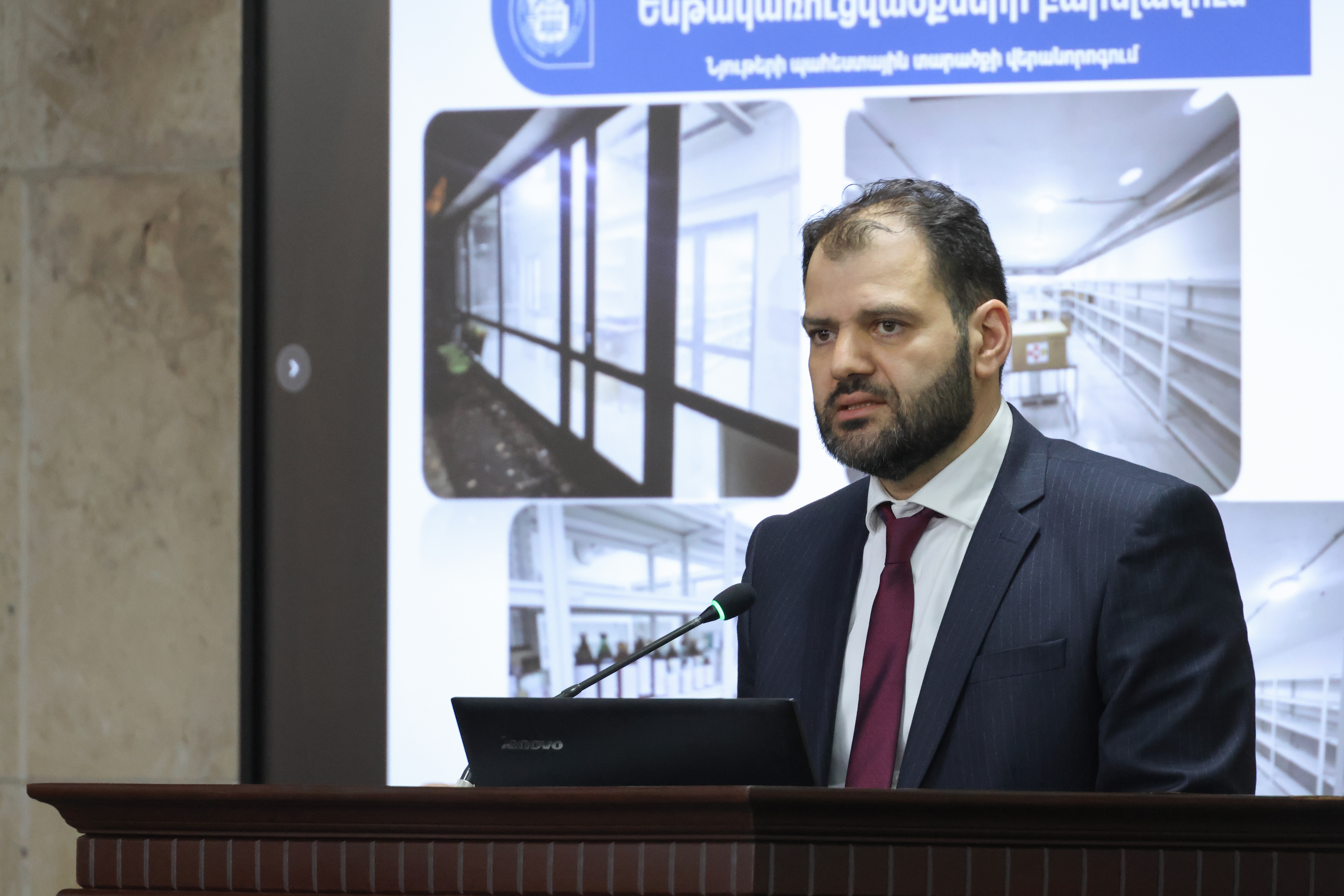
Armen Galstyan, Acting Dean of the YSU Faculty of Chemistry, presenting the faculty's scientific and educational activities, noted that the Research Center of Chemistry continues to actively pursue scientific work with its 37 staff members, 23 of whom are also involved in teaching. Over the year, 30 of the 33 scientific articles produced by the center's staff were published in internationally peer-reviewed journals. Armen Galstyan emphasized student participation in research programs. The faculty maintained fruitful international and local collaborations, securing joint grants and high-ranking publications.
According to Armen Galstyan, primary objectives for the upcoming academic year include completing the renovation and furnishing of faculty facilities, fully implementing the updated bachelor's programs, and aligning them with master's program components. Additionally, the faculty plans to expand its material and technical resources, recruit new specialists, activate international collaborations, and increase the frequency of meetings with prospective applicants.
Karlen Khachatryan, Dean of the YSU Faculty of Economics and Management, emphasized that during the 2024–2025 academic year, the faculty's educational programs were modernized, new courses aligned with contemporary requirements were introduced, and programs were developed in accordance with the standards of international partner institutions. The faculty made significant progress in enhancing student performance, promoting research activity, expanding students' international engagement, and increasing scholarship opportunities. Concurrently, initiatives were undertaken in collaboration with the labor market, several programs received international accreditation, and new master's programs were successfully licensed.
For the upcoming academic year, the faculty aims to continue active work with applicants, promote research activity, and expand international collaborations through faculty mobility and cooperative initiatives. Plans also include deepening collaboration with employers and organizing the "Transforming Economy" conference, which turned into a traditional event for the faculty.

Yuri Hakobyan, Dean of the YSU Faculty of Informatics and Applied Mathematics, noted that in the 2024–2025 academic year, the faculty implemented the "Towards IAM" awareness program, organizing extensive outreach activities in schools. During the year, the educational programs were updated, new courses in machine learning and data science were introduced, the automated examination system was expanded, and interdisciplinary thesis defenses were organized. Students achieved outstanding results, including in international programming olympiads.
He further indicated that in the 2025–2026 academic year, the faculty plans to undertake a number of continuous and targeted measures. Specifically, the goal is to introduce and advance educational programs, updating the "Informatics (Computer Science)" and "Information Security" specialities to meet current requirements and obtain accreditation. Additionally, the faculty plans to intensify research activities within chairs and increase the number of scientific publications in high-impact journals.
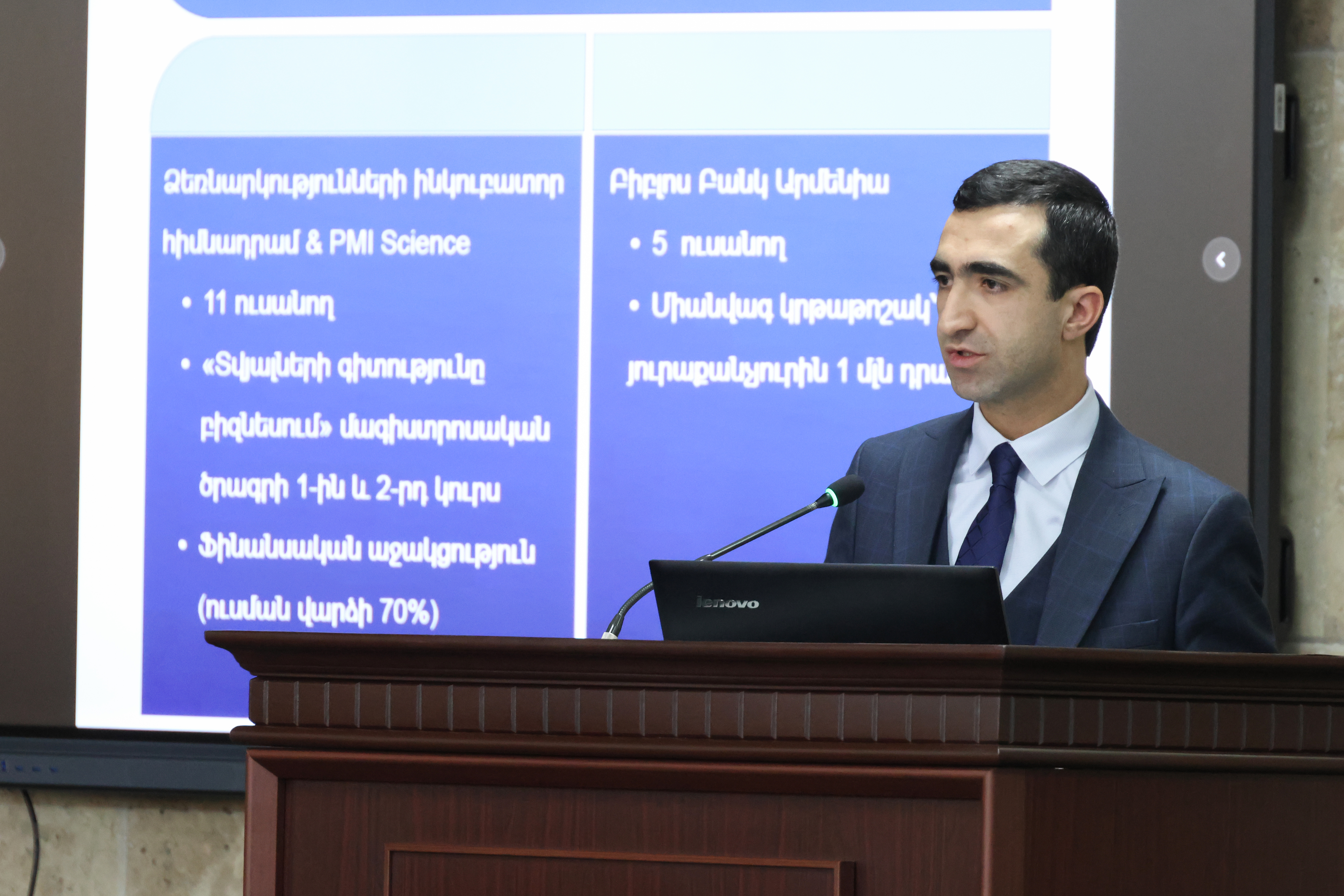
Karen Ghazaryan, Dean of the YSU Faculty of Biology, emphasized that in recent years, increased funding for science has significantly intensified the faculty's research activities. The number of grants has increased, modern high-cost laboratory equipment has been acquired, and the number of published scientific articles has grown by more than 53%, while publications indexed in international databases such as Scopus and Web of Science have increased by 63%. At the faculty's initiative, nearly two dozen seminars were held, and several conferences were organized through active cooperation with state, private, and international organizations. Student internships were further developed, the range of partner organizations was expanded, and laboratories were renovated and re-equipped. According to the dean, in the coming years the faculty plans to continue modernizing educational programs, developing scientific infrastructure, strengthening ties with the labor market, and ensuring the delivery of high-quality, research-based education in line with YSU's strategic priorities.
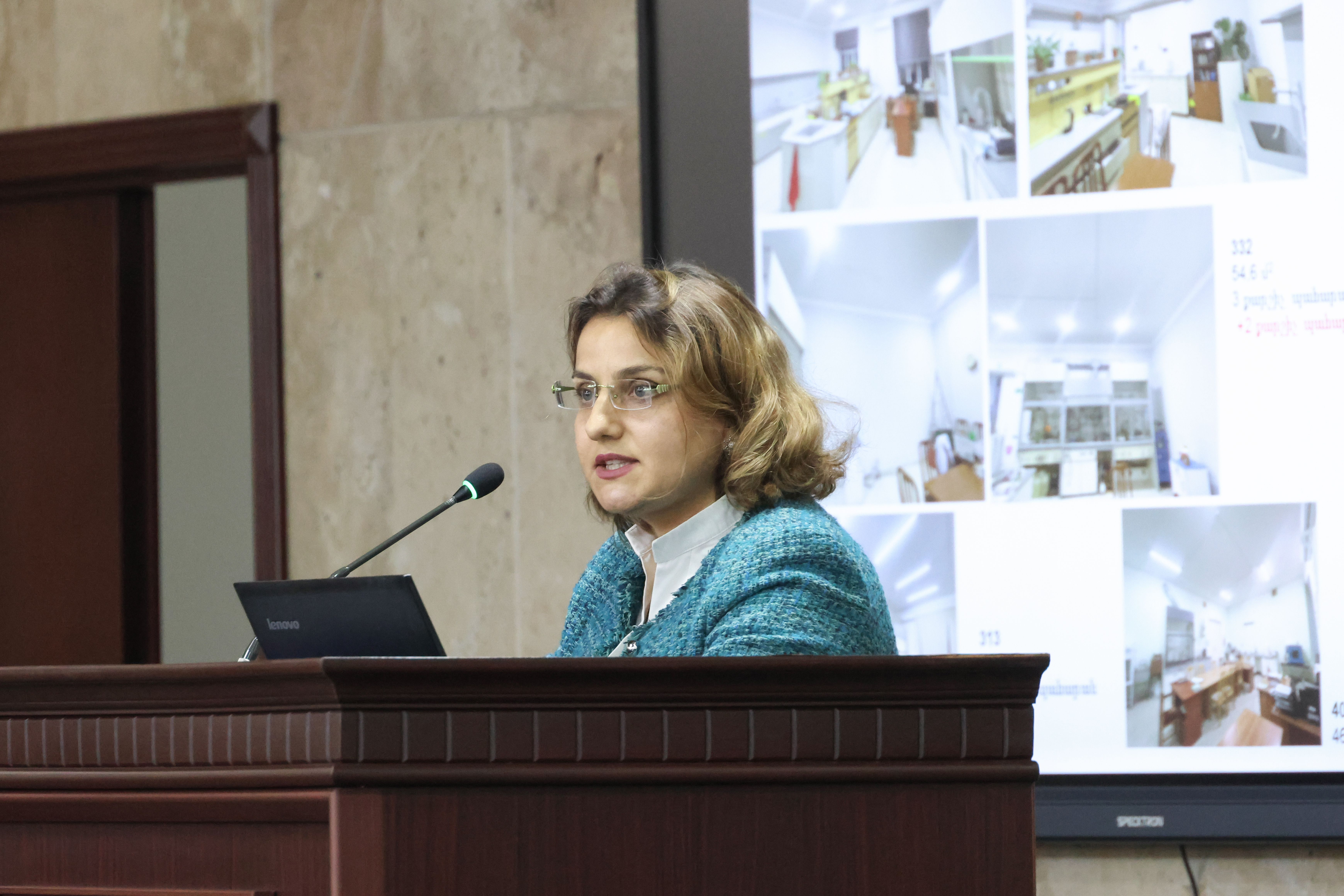
Anna Mkrtchyan, Director of the YSU Institute of Pharmacy, presenting the work and outcomes of the current year, noted that the institute's research and educational activities were particularly active during the academic year. Research was conducted in the fields of asymmetric synthesis and biomedical screening, funding was secured through national and international grants, conferences and seminars were organized, and students were actively involved in research work. The main directions of the institute's next steps include:
expansion of educational programs (particularly double-degree and foreign-language programs),
strengthening research capacity (encouraging grant acquisition and deepening international cooperation),
expanding the capabilities of the Center for Control and Monitoring of the Quality of Medicines,
increasing the active engagement of students and alumni,
implementation of continuing professional development programs and promotion of cooperation with industry stakeholders, among other initiatives.
Khachatur Nerkararyan, Director of the YSU Institute of Physics, stated that the institute has established cooperation with the companies Grovf and Boo Vision, as part of which several students are already undertaking internships or working at these companies.
Addressing future priorities, Khachatur Nerkararyan noted that in the upcoming academic year, emphasis will be placed on developing students' technical skills through the activation of physics and technology laboratories. Efforts will continue toward the licensing of the "Radiation Medicine Physics" master's program, as well as toward clarifying the principles of coordinated cooperation between the YSU Institute of Physics, scientific institutes, and a designated technological cluster, in accordance with current legislation.
Artur Sahakyan, Dean of the YSU Faculty of Mathematics and Mechanics, reported that during the reporting year, the modernization and international accreditation of educational programs continued. Three out of four bachelor's programs ("Mathematics", "Actuarial and Financial Mathematics", "Applied Statistics and Data Science") and three out of five master's programs ("Mathematics and Applications", "Financial Mathematics", "Applied Statistics and Data Science") received international accreditation during the current year from the German agency ASIIN. The faculty's students also achieved notable success at the International Mathematical Olympiad held in Bulgaria, with two of the four YSU team members winning gold medals and two winning bronze medals.
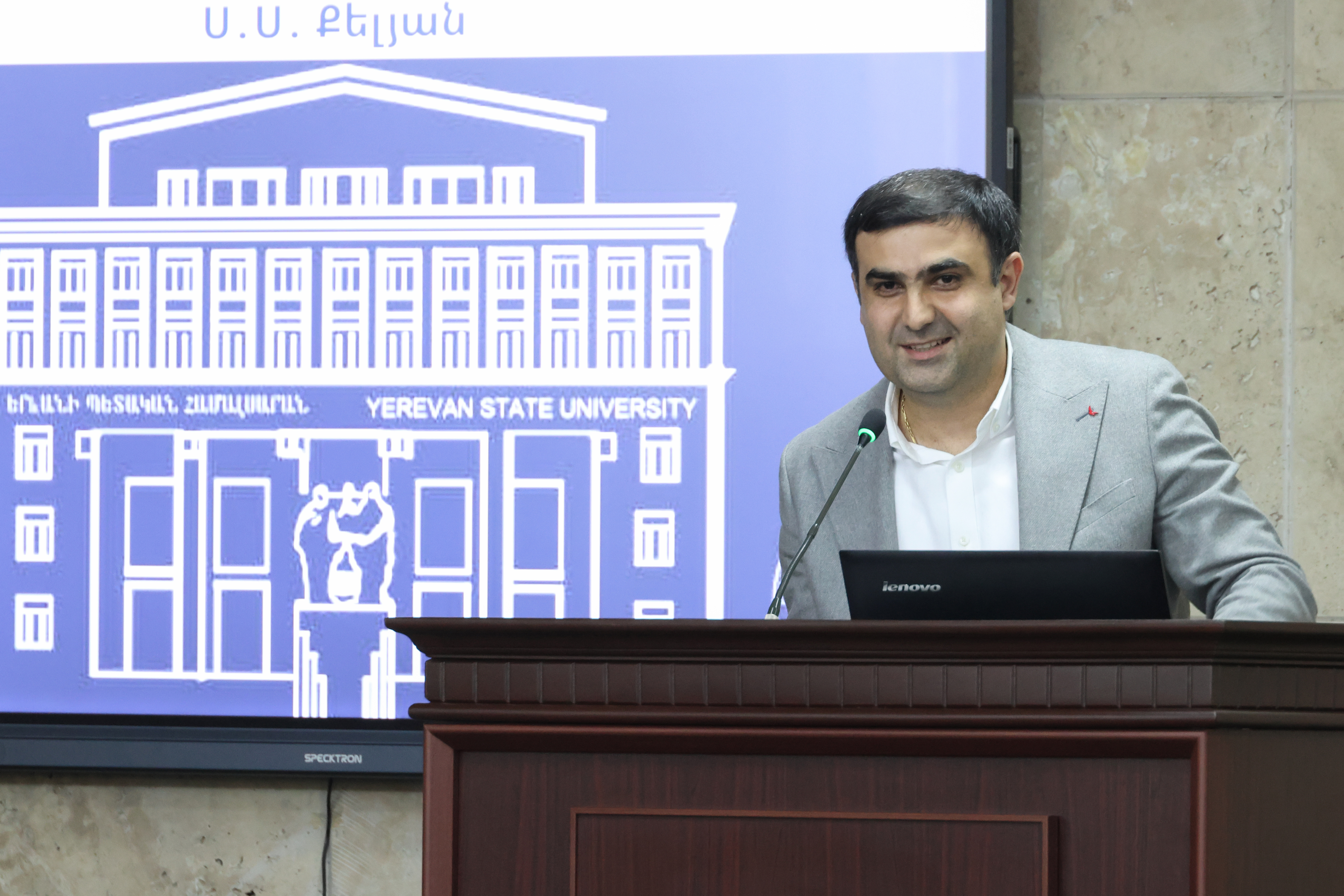
Sargis Kelyan, Dean of the YSU Faculty of Geography and Geology, summarizing the faculty's achievements, noted that during the reporting period the faculty actively participated in grant and international scientific initiatives. International conferences, seminars, and panel discussions were organized with the participation of both local and foreign experts.
Within the framework of cooperation with partner organizations, memoranda of understanding were signed focusing on student internships, modernization of educational programs, and scientific and educational collaboration.
During the reporting period, cooperation with alumni was further strengthened. Numerous graduates were invited to events dedicated to the faculty's 90th anniversary, and various initiatives were undertaken to involve them in and encourage their support for the faculty's activities. As part of these events, an advisory body affiliated with the faculty was formed, comprising alumni who have achieved significant success in their professional careers.
At the conclusion of the session, all reports presented by the members of the YSU Academic Council were approved through a closed and secret ballot.