December 18, 2025 | 15:14
Education
Events
Culture
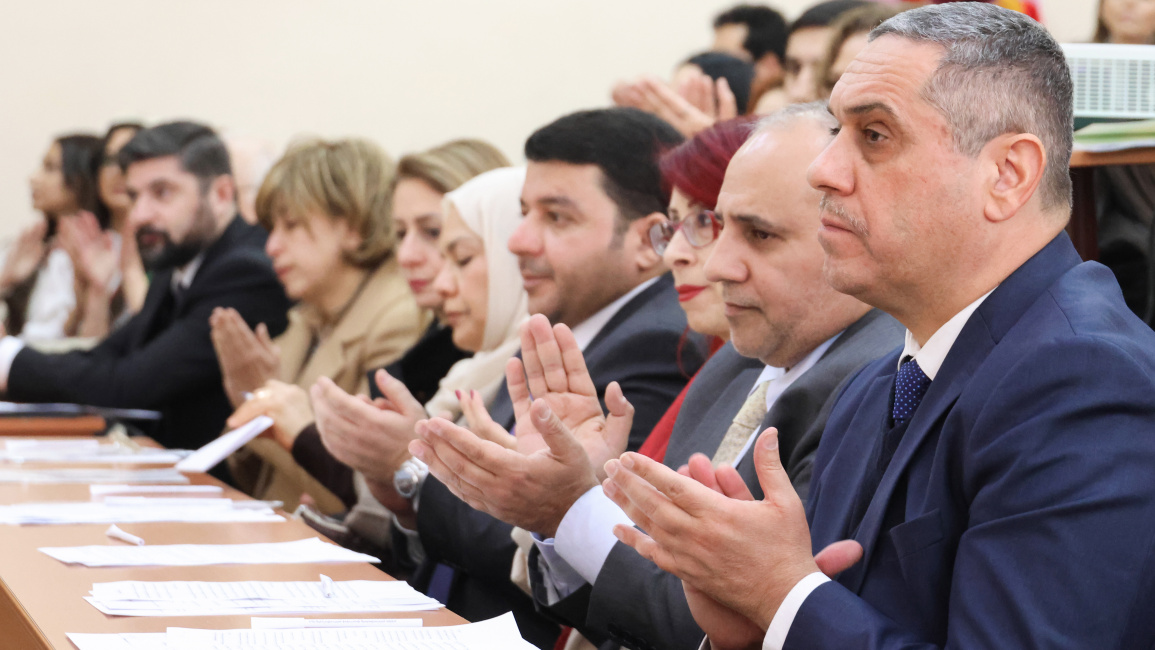
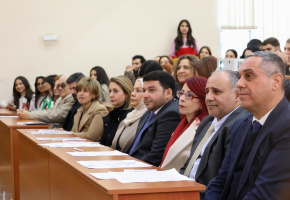
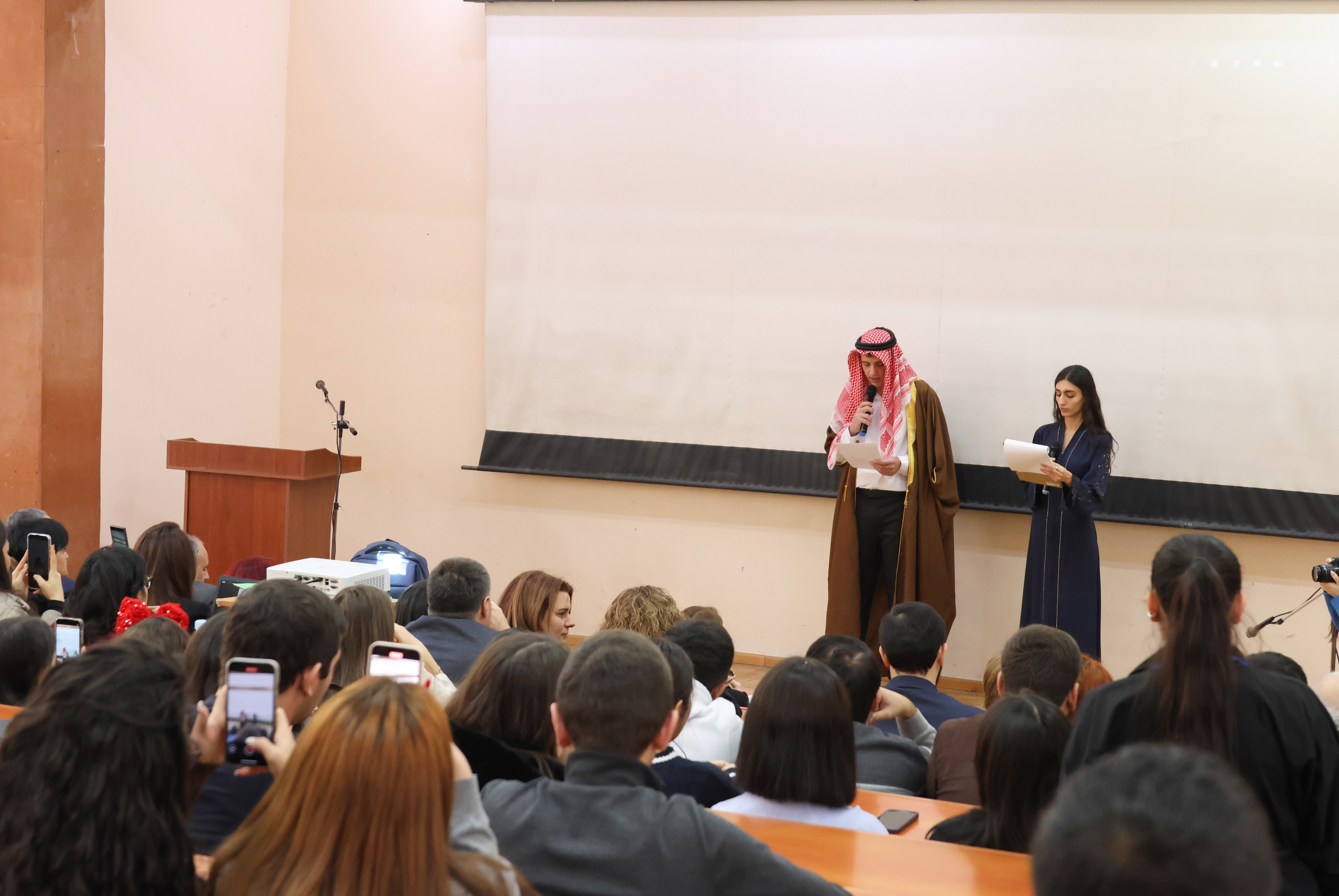
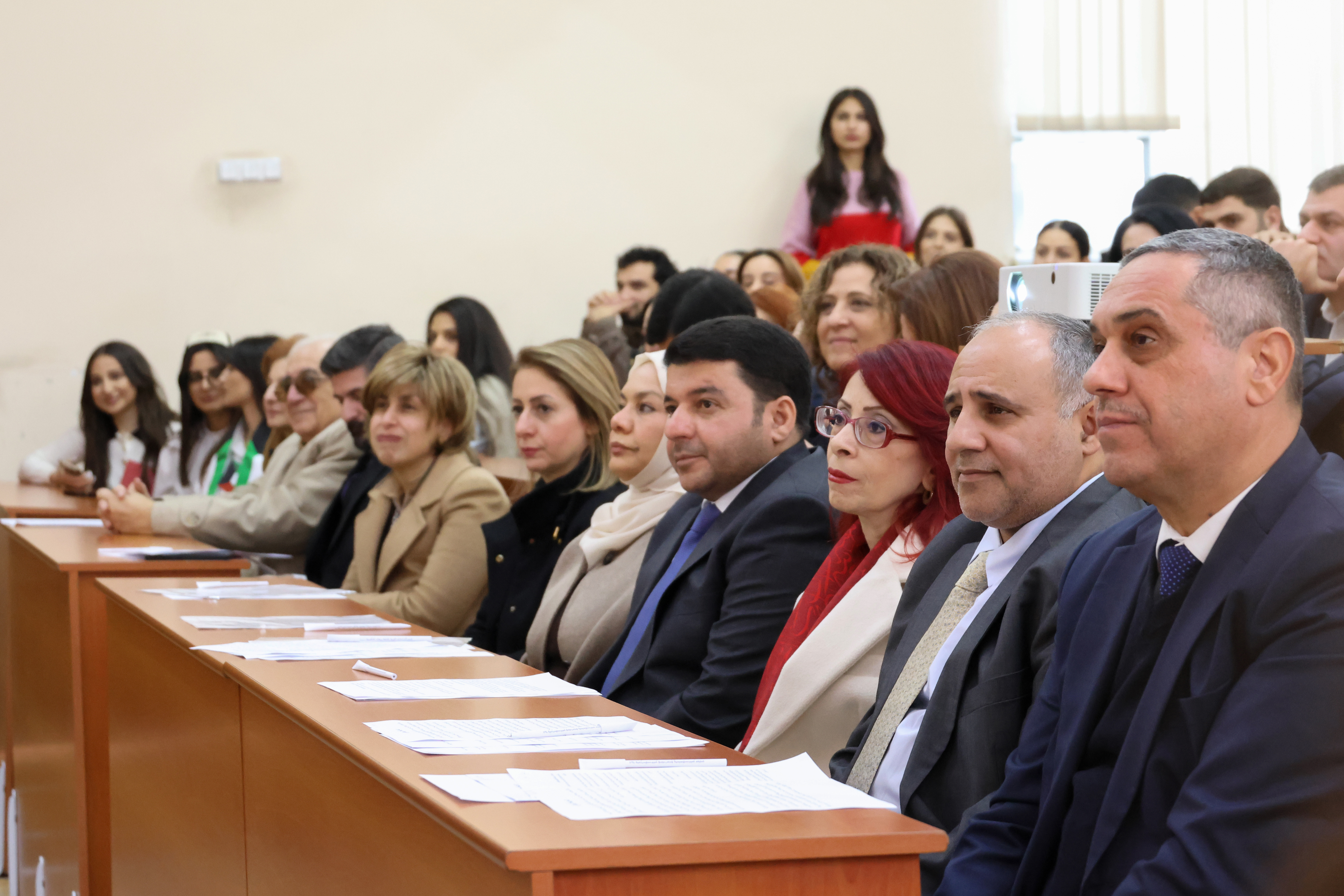
The event was also attended by the ambassadors Extraordinary and Plenipotentiary of the United Arab Emirates, the Syrian Arab Republic, the Lebanese Republic, the Arab Republic of Egypt, the Republic of Iraq, the State of Qatar, and the State of Kuwait to the Republic of Armenia.
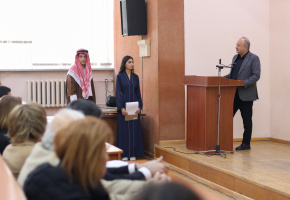
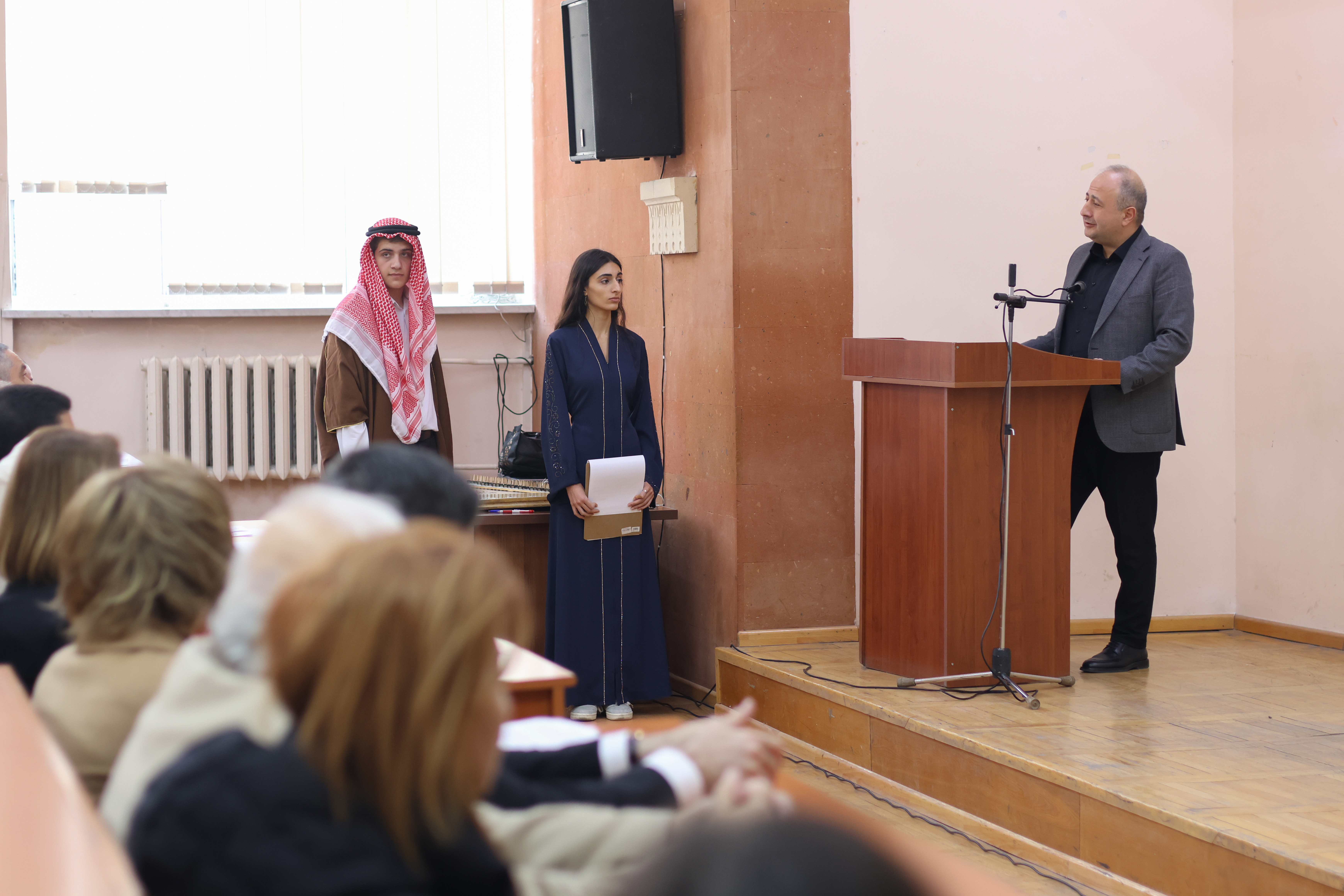
The opening address was delivered by the YSU Vice-Rector for Development and Innovation, Mikayel Hovhannisyan, who emphasized the significance of the day and the role of the Arabic language not only for the faculty and the university, but also for the state and society at large.
Viewing Arabic in the context of intercultural communication, the vice-rector highlighted its role not only as a unique tool for studying, analyzing, and enriching one's own culture and history, but also as a means of identity formation and self-awareness.

"This day is very important for highlighting and outlining the significance of the Arabic language not only for the Faculty of Oriental Studies and Yerevan State University, but also for our state and society. Knowledge of a language is a key to uncovering cultural, historical, and political layers—through the study of both medieval sources and contemporary processes. It is precisely this key that is applied here at the Faculty of Oriental Studies, as the existing educational programs provide opportunities to use the language as a tool for in-depth study of culture, history, and religion," noted Mikayel Hovhannisyan.
Dean of the YSU Faculty of Oriental Studies, Ruben Melkonyan, underscored the importance of Arabic Language Day, describing it as an occasion to strengthen ties between friendly peoples and cultures.
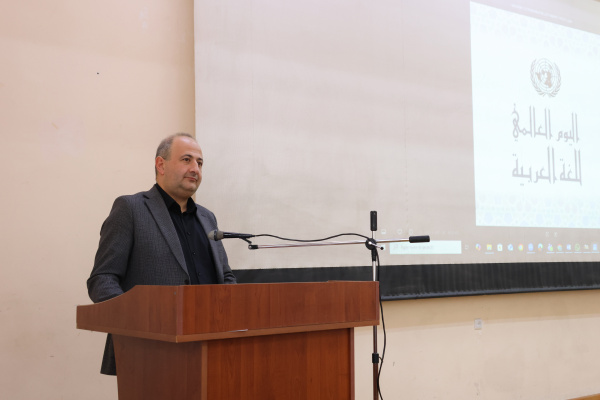
"Today is the language day of our friendly peoples, and it also provides an opportunity to host the ambassadors of friendly countries at our faculty. For decades, the Chair of Arabic Studies has carried out its mission of teaching and promoting the Arabic language and culture with great dedication. You should realize that you are at the center of three forms of beauty: beautiful lecturers, a beautiful language, and beautiful students. All these forms of beauty should be embraced to the fullest," emphasized the dean.
Head of the Chair of Arabic Studies at the Faculty of Oriental Studies, Hayk Kocharyan, in turn, spoke about the symbolic and intrinsic significance of Arabic studies.
"Arabic studies are not merely an academic discipline. They constitute a complete and beautiful world that we explore together over the years. The International Day of the Arabic Language is special for us, offering an opportunity to reassess the path we have taken, summarize our achievements, and outline future plans. This day also serves as a kind of annual report—not only in terms of numbers or results, but of values, ideas, and scholarly continuity. The mission of our chair is to instill a love for the language, a deep understanding of culture, and a passion for scholarship, shaping specialists capable of bridging cultures and historical periods," said Hayk Kocharyan.
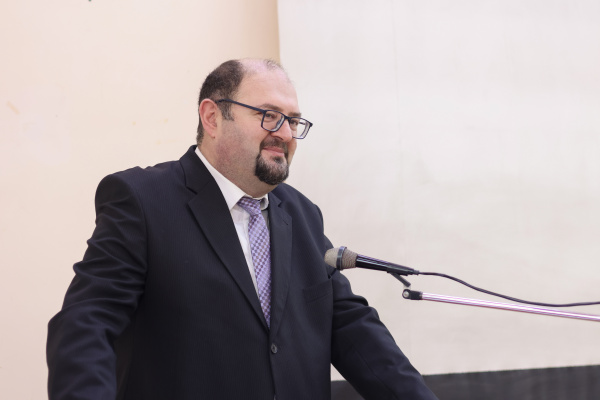
According to him, the study of Arabic is important not only from an academic perspective but also for understanding global processes, as the language enables the reading and analysis of the region's social, political, and cultural developments directly from primary sources.
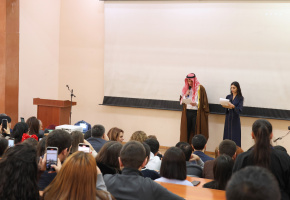
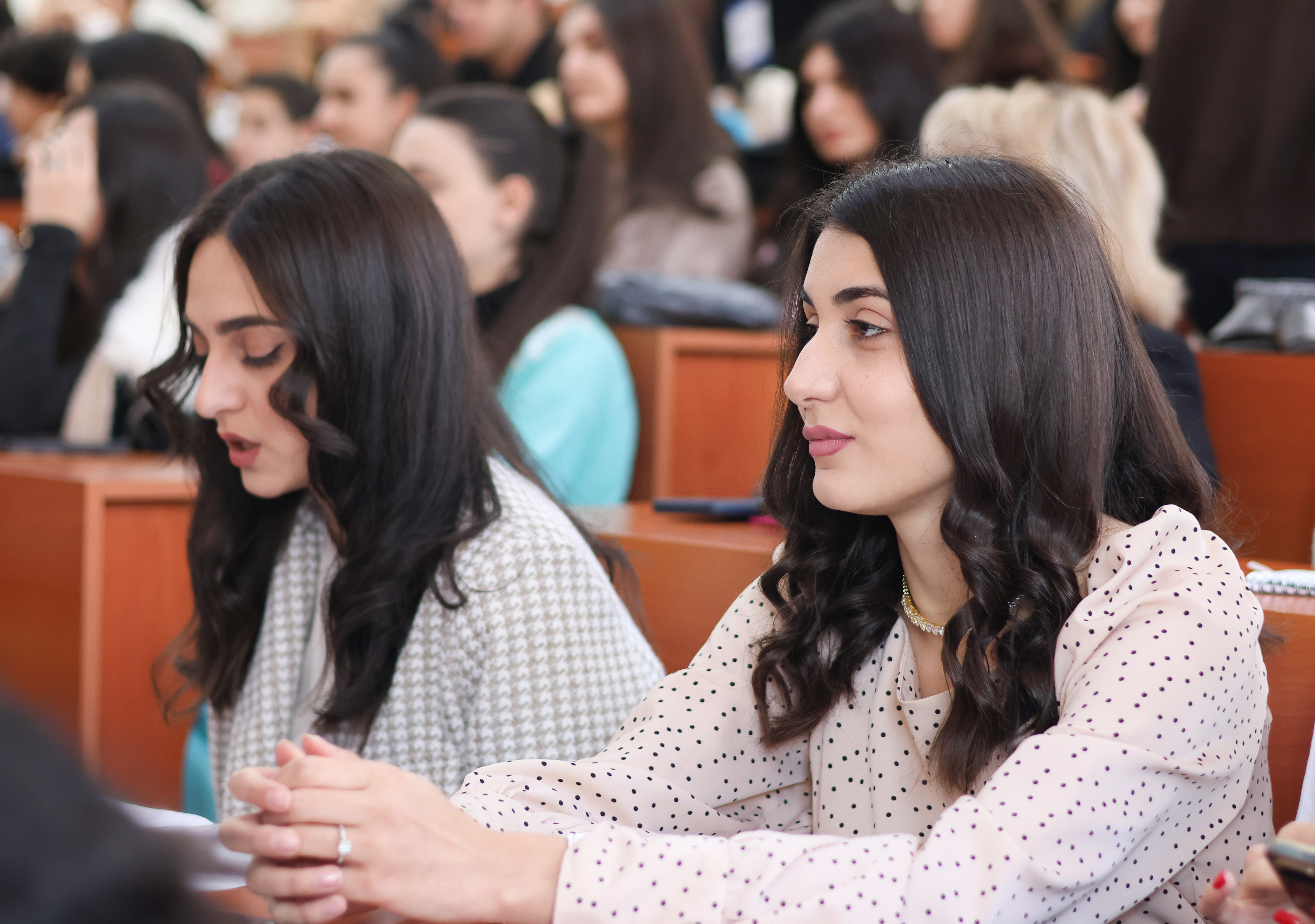
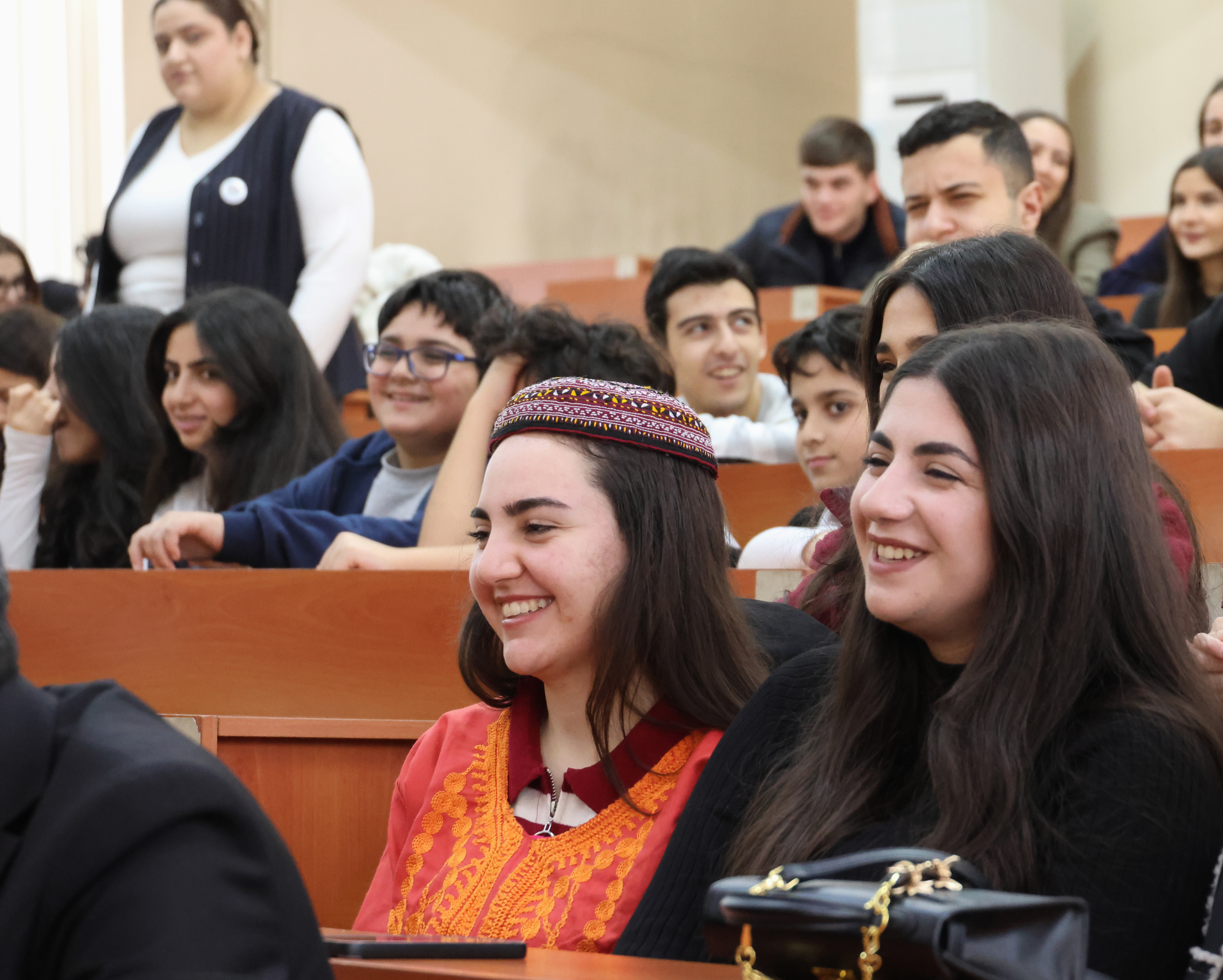
The event was also attended by school students who are interested in and study the Arabic language. According to the organizers, their presence attests to the future, continuity, and generational succession of the field.