March 13, 2026 | 10:57
Science
Research
International cooperation
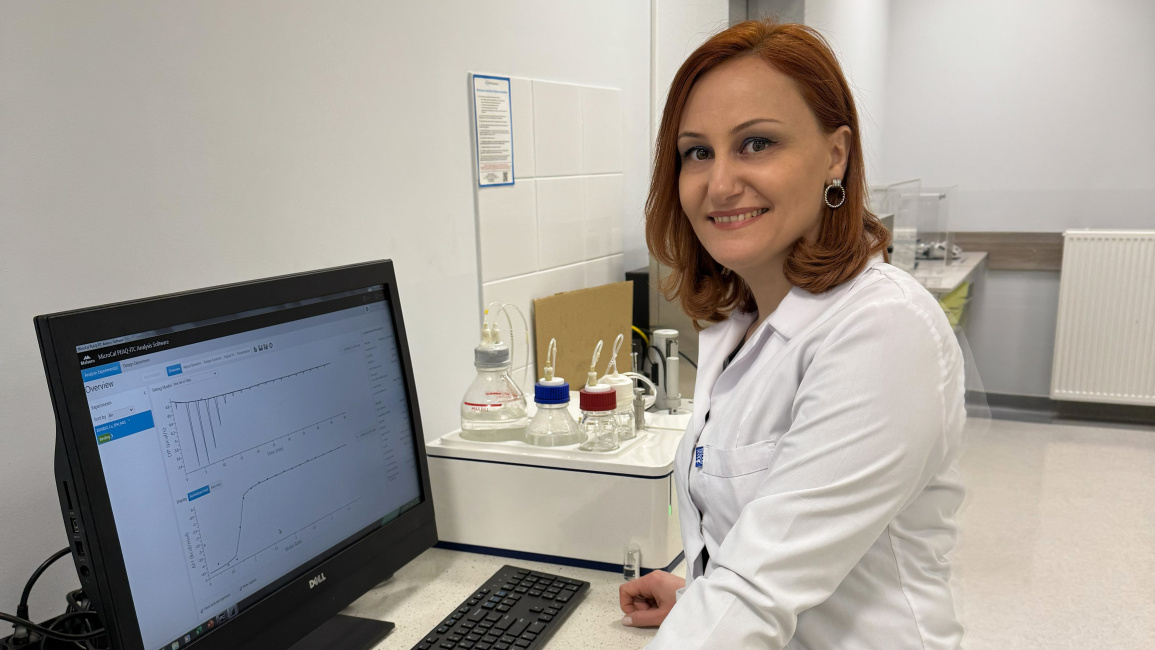
We spoke with Associate Professor Hayarpi Simonyan about the objectives of her visit, the details of the research project, and the current results achieved within the framework of the grant project titled "Disrupting Purine De Novo Biosynthesis to Fight Cancer – From Molecules to Cells to In Vivo Studies (PurHumanDrome)."
– Ms. Simonyan, what is the main objective of the project?
– The core aim of the research is to deepen our understanding of the purine de novo biosynthetic pathway in both healthy and cancerous cells. This goal can be achieved by designing and synthesizing novel and selective inhibitors of the ATIC enzyme (5-aminoimidazole-4-carboxamide ribonucleotide transformylase/inosine 5'-monophosphate cyclohydrolase), which becomes activated during cancer progression. The outcomes of this research could help develop more effective cancer therapies. Specifically, our project focuses on synthesizing new and selective ATIC enzyme inhibitors in cancer cells, which may lead to more targeted and efficient treatment methods.
– What were the objectives of your mission to Poland?
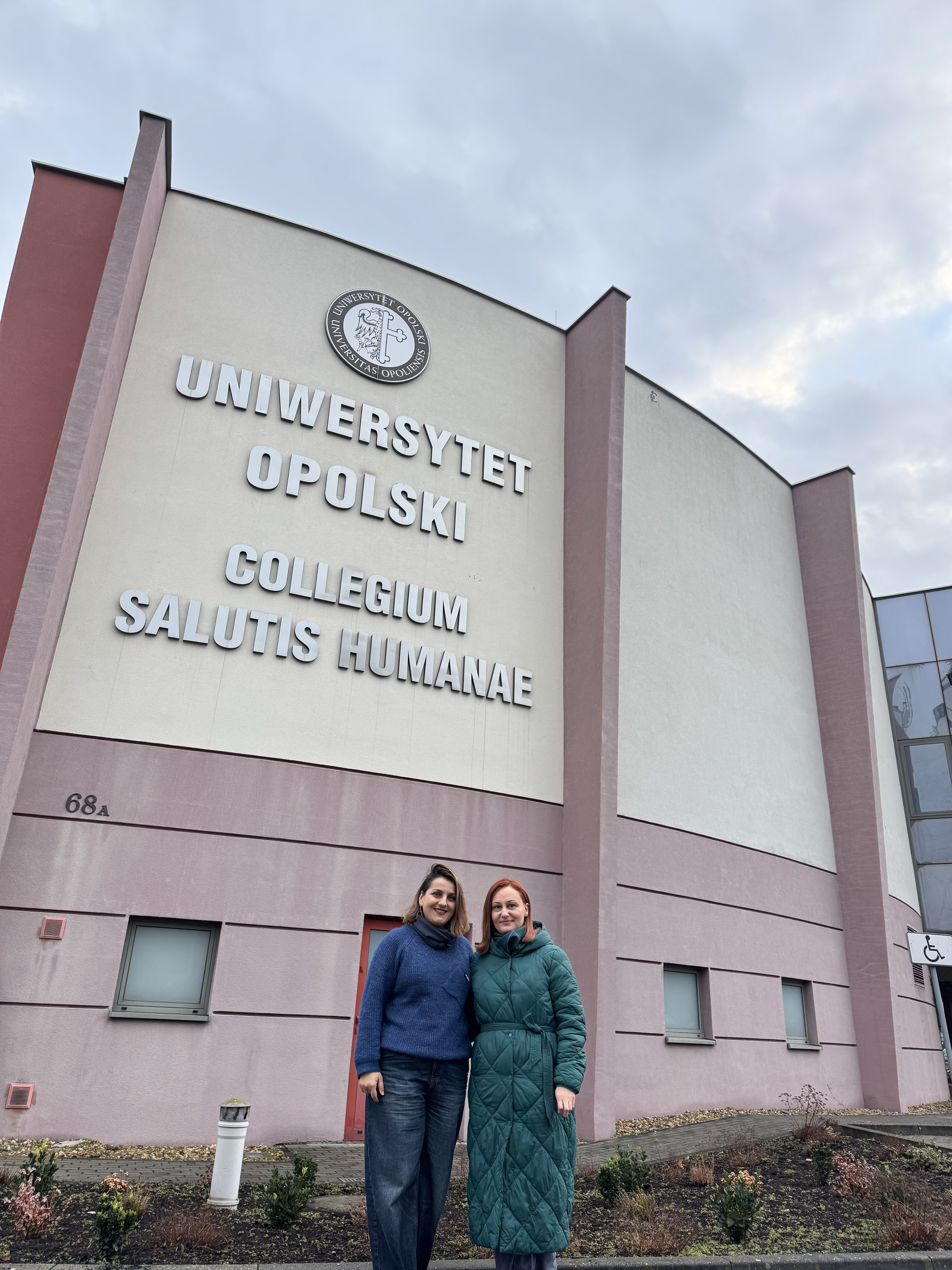
– The mission primarily aimed to promote the exchange of expertise and acquire new skills. During my scientific visit, I also participated in the project's midterm meeting, where I presented the work carried out by YSU, as a beneficiary member of the project, during the reporting period from November to January.

– How is the international team collaboration progressing, and what results have been achieved so far?
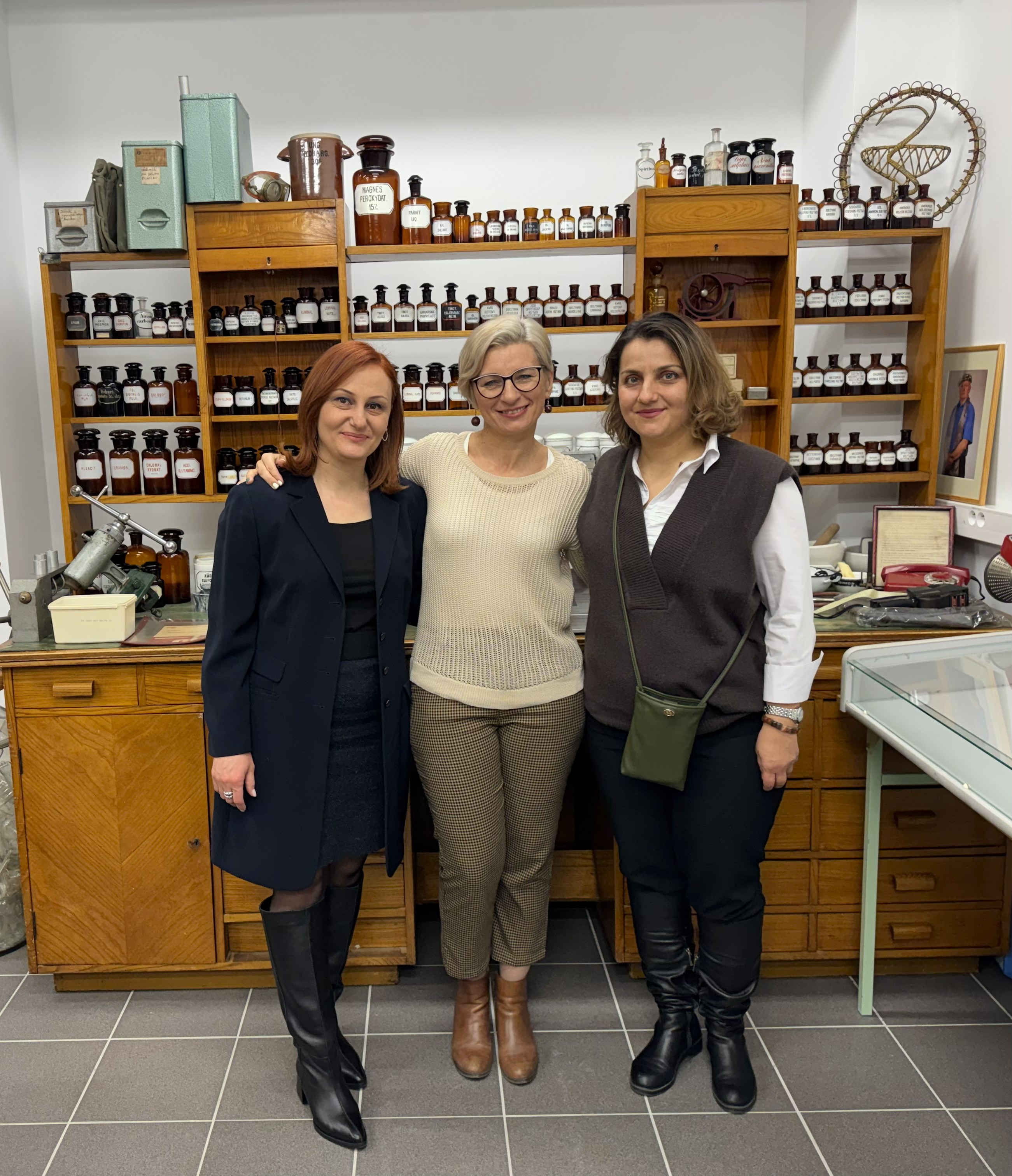
– The collaboration has been mutually beneficial and productive. In March and June 2025, the Institute of Pharmacy hosted three researchers from the University of Opole as part of the project. As a result of this joint work, the first series of peptides, potential inhibitors of the ATIC enzyme, was synthesized at YSU. During my visit, I was involved in studying the biological properties of these synthesized peptides. The Polish colleagues warmly welcomed me, generously sharing their expertise and skills, while also introducing me to their country's culture, history, and traditions.
– What new research tools and professional skills did you gain?
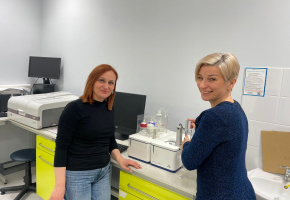
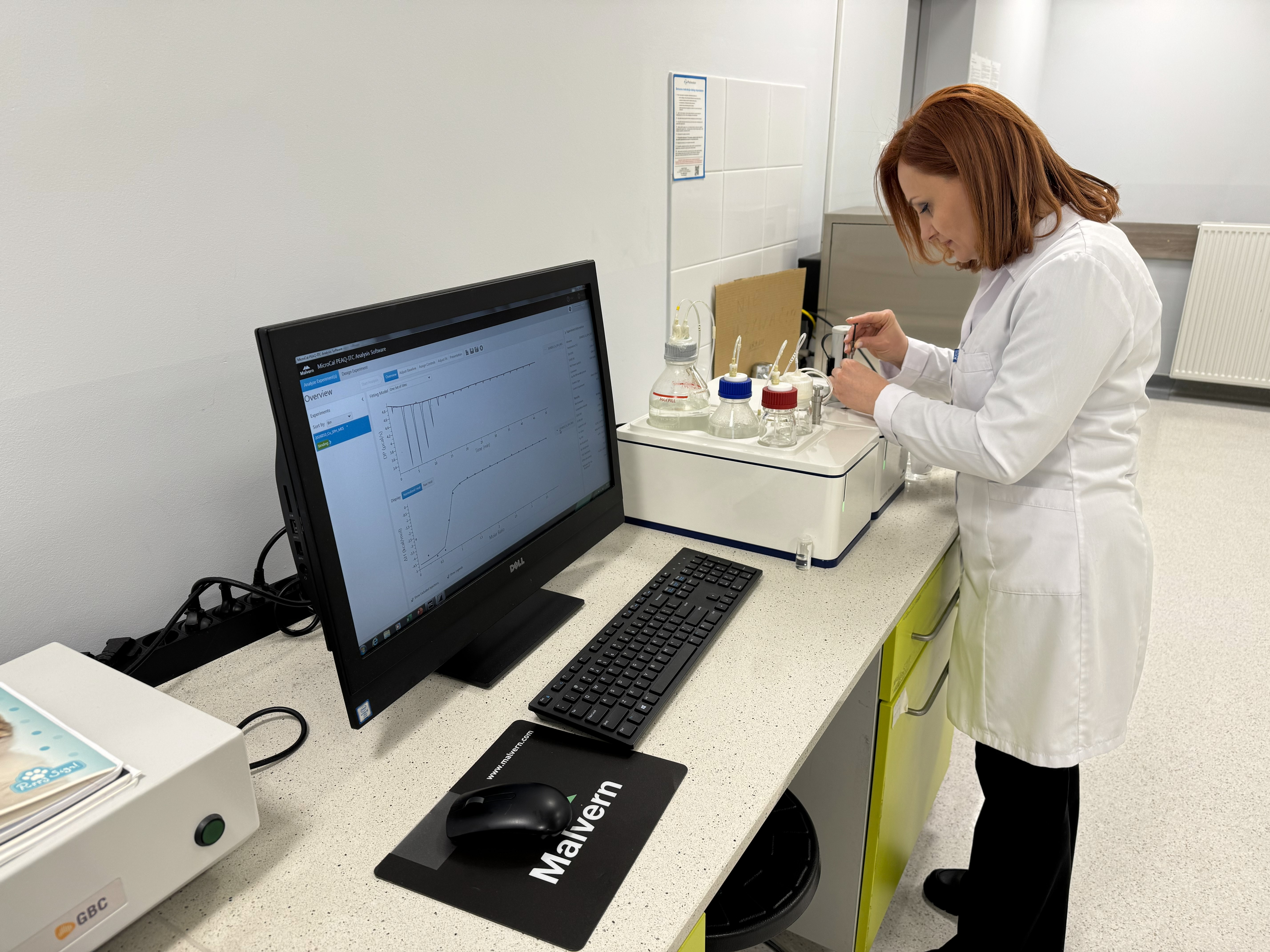
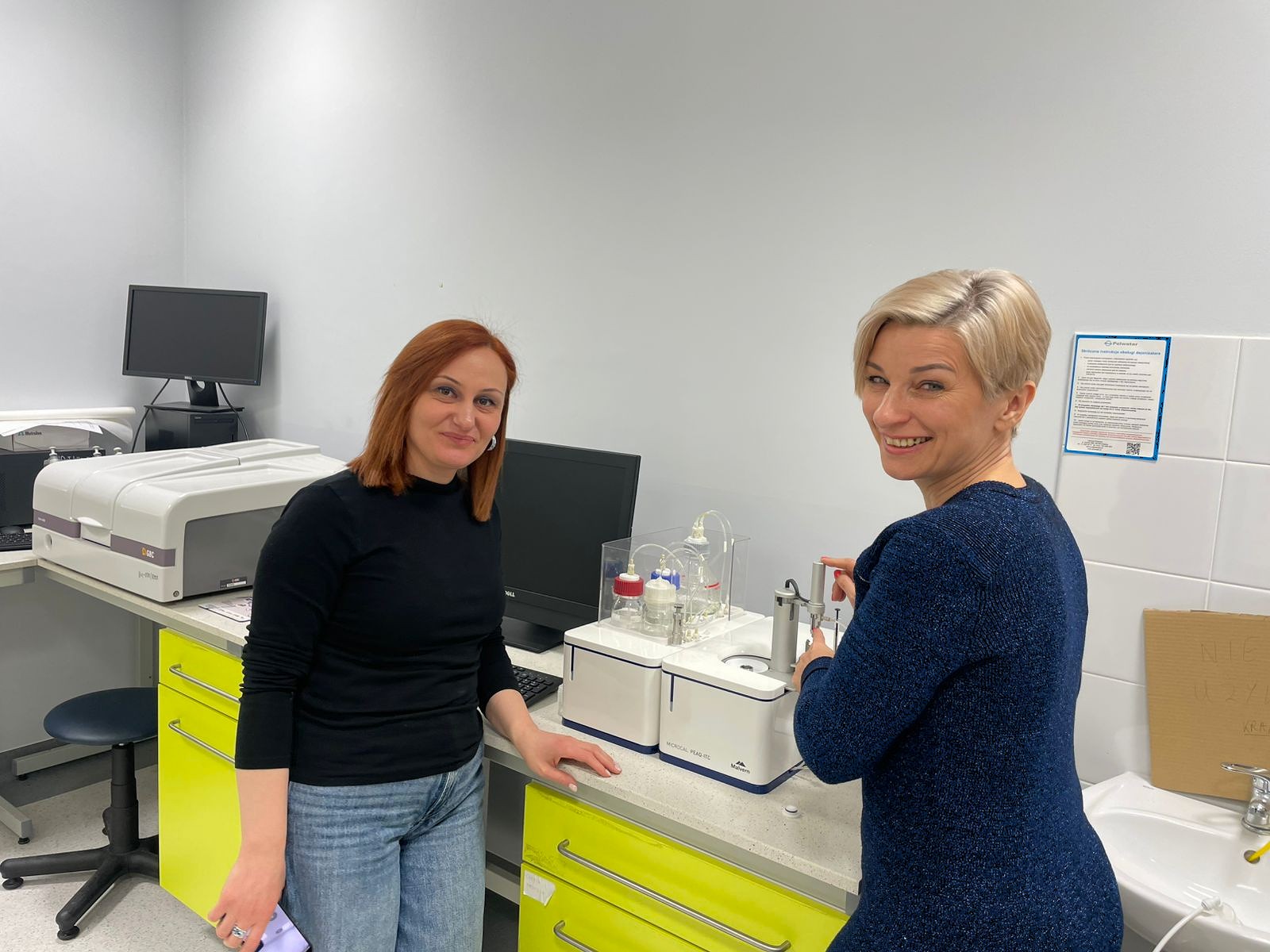
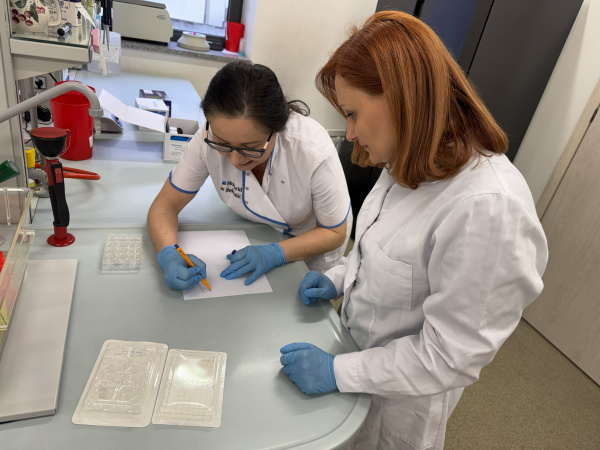
– I became familiar with the methodology and working principles of isothermal titration calorimetry (ITC) and participated in studies on the interactions between synthesized peptides and the ATIC enzyme using this equipment. This was particularly important, as our institute plans to acquire similar instruments in the near future. Additionally, I took part in cytotoxicity studies of the synthesized peptides. This methodology is also central to my research field, as our scientific team focuses on the synthesis of new biologically active compounds.
– Did this visit help strengthen the ties between YSU and the University of Opole? What are the next steps?
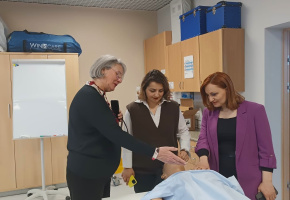
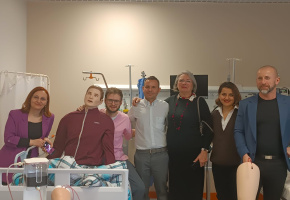
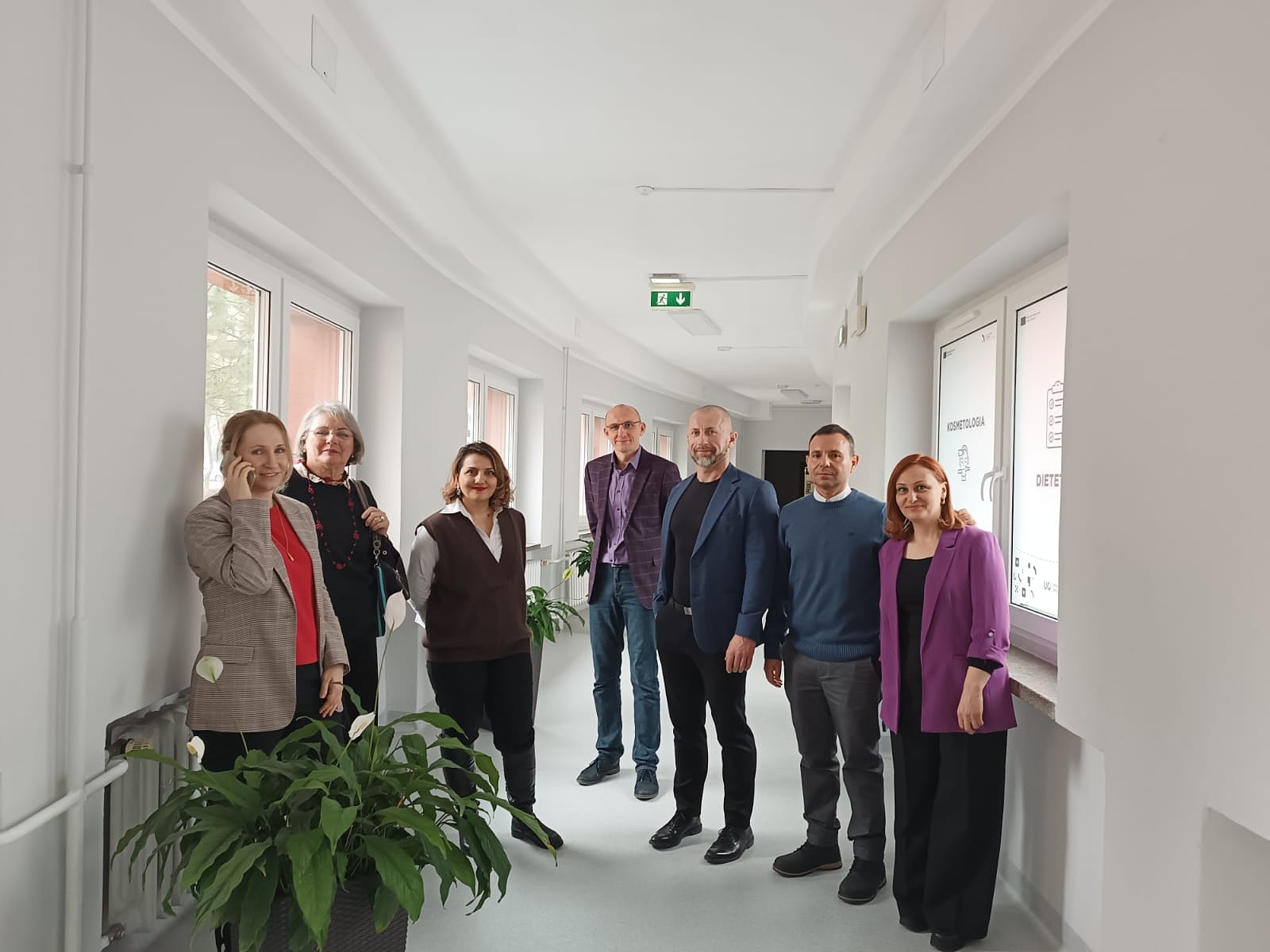
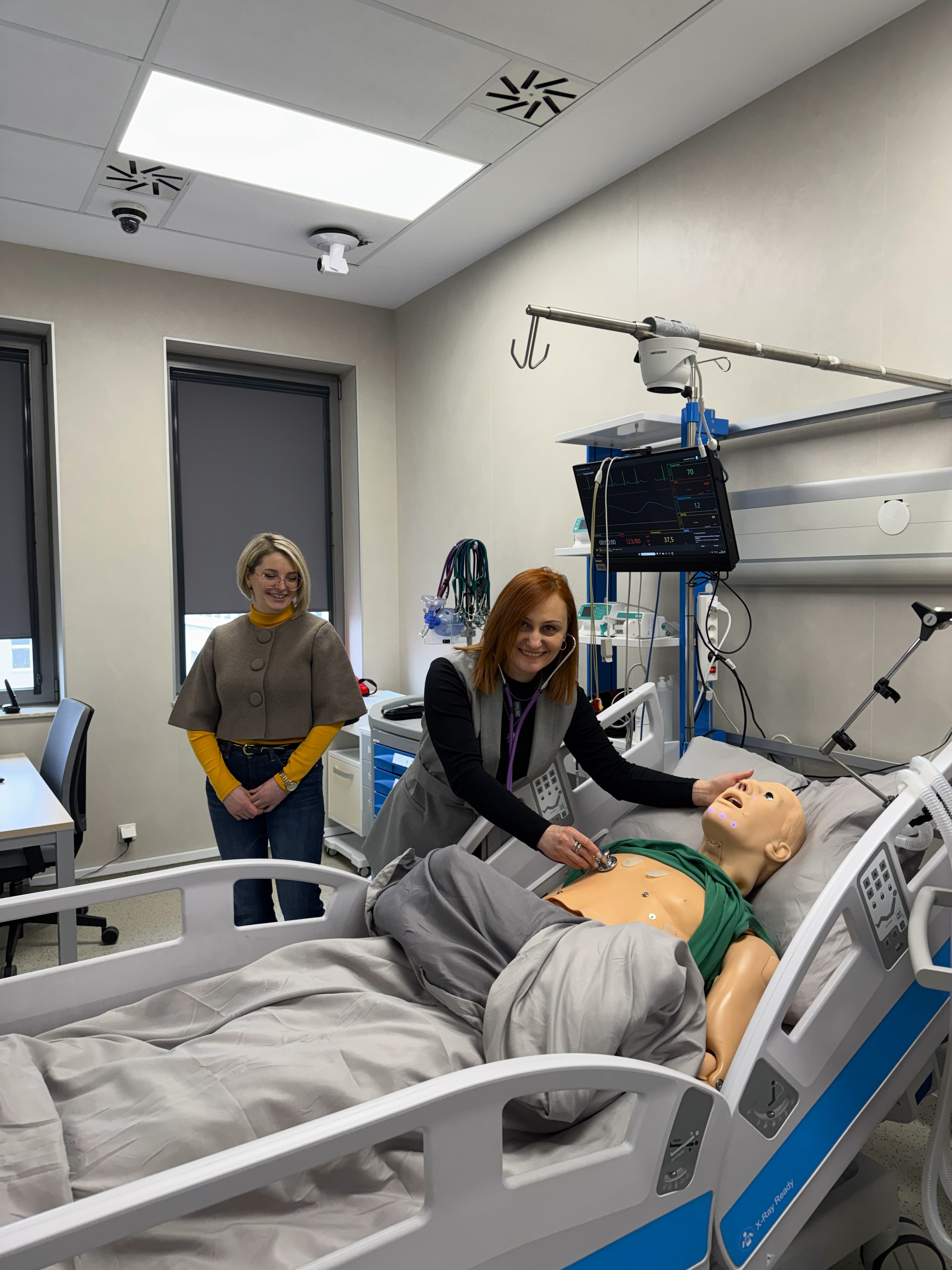
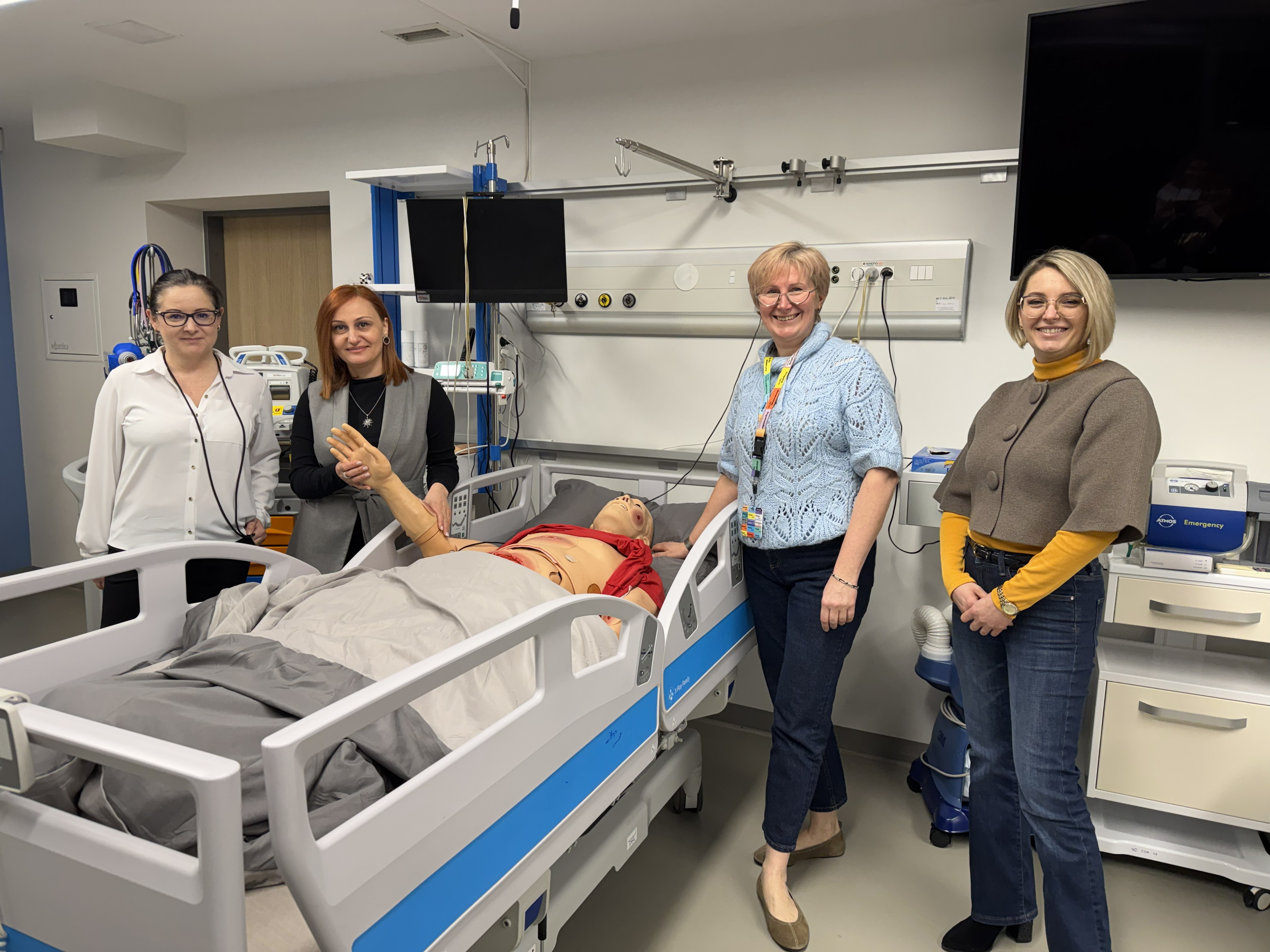
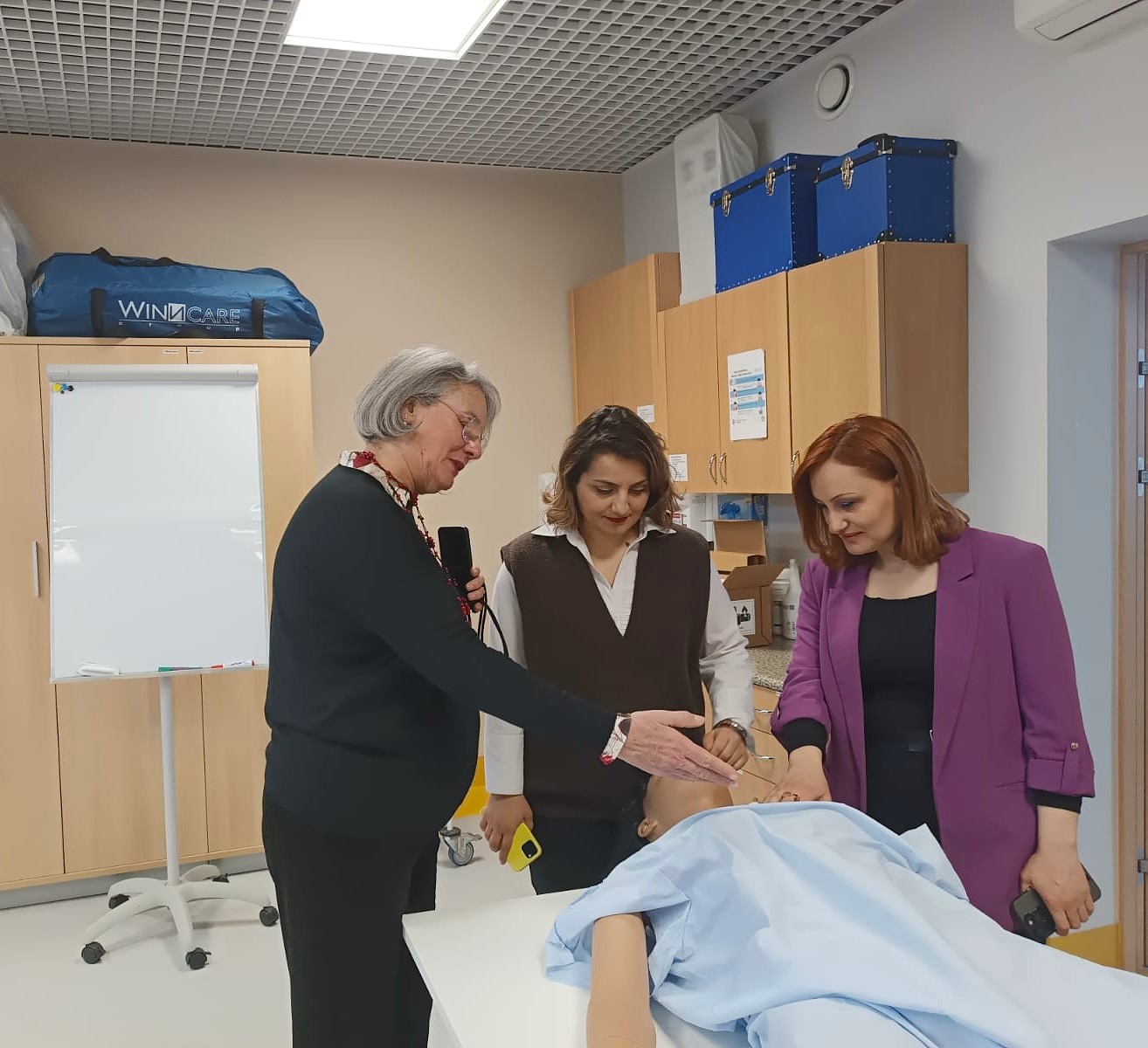
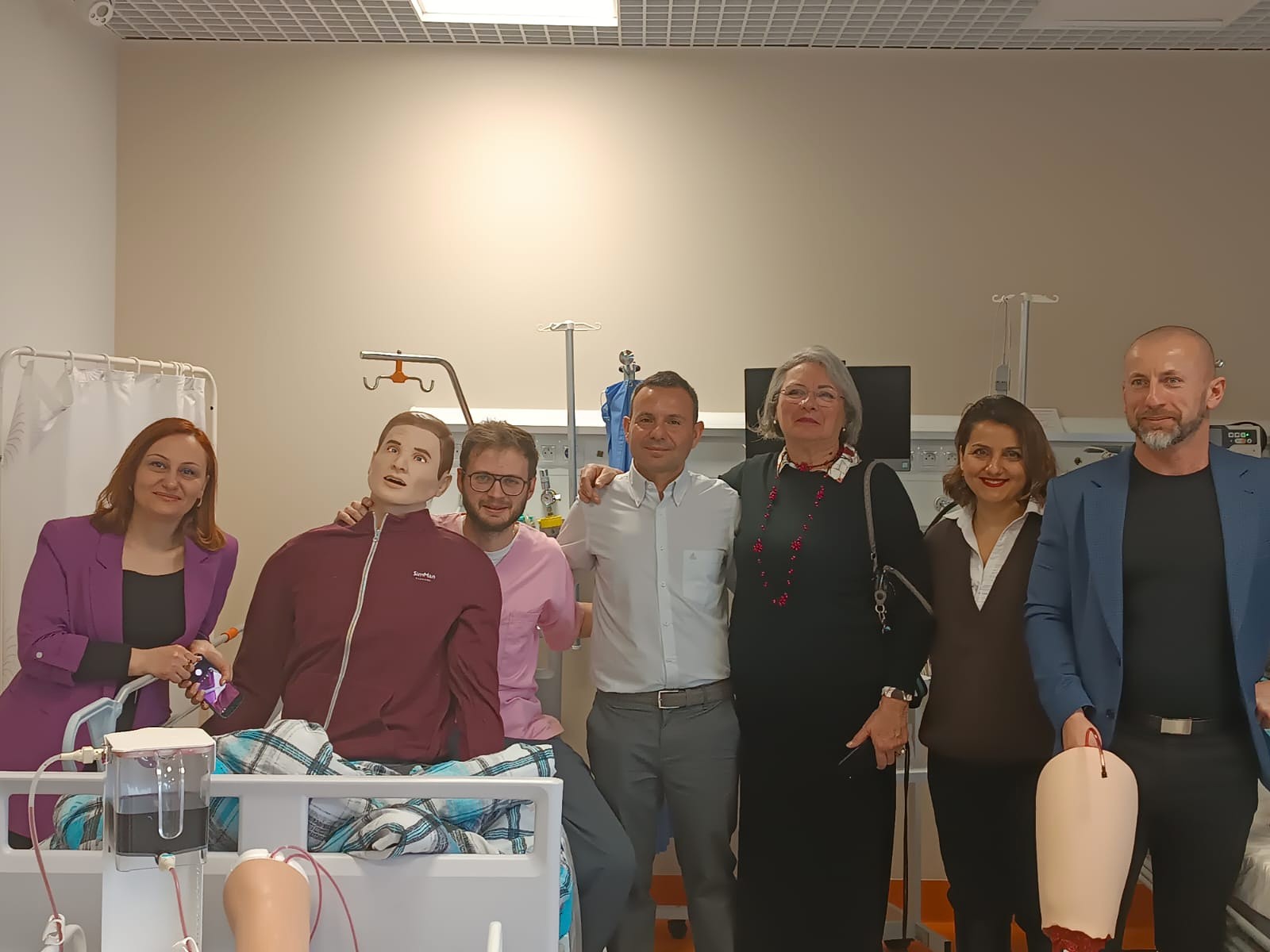
– During the visit, I became acquainted with the infrastructure and research directions of the health sciences, medical, chemistry, and pharmacy institutes at the University of Opole. Another one-month visit to the University of Opole is planned in 2028 as part of the project. Discussions during the visit led to further collaborative agreements: in October of this year, researchers from YSU’s Institute of Pharmacy are invited to participate in the International Conference "Modern Research Trends in Biomedical Sciences: Many Faces of Health Sciences".
The agreements reached with our Polish colleagues and the joint research efforts create a solid scientific bridge between YSU and the University of Opole, laying the foundation for new and ambitious projects.