March 23, 2026 | 15:02
Partners
Education
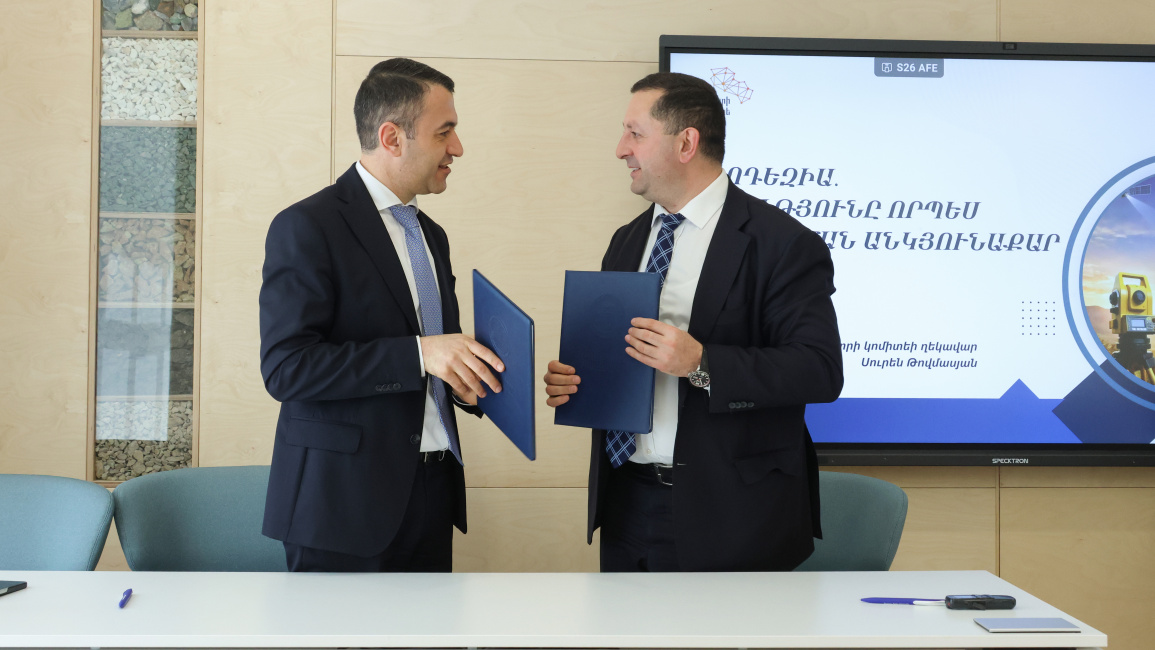
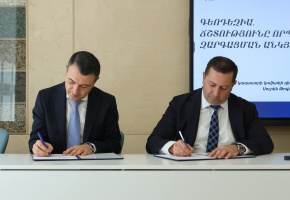
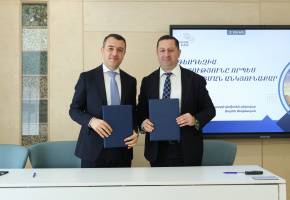
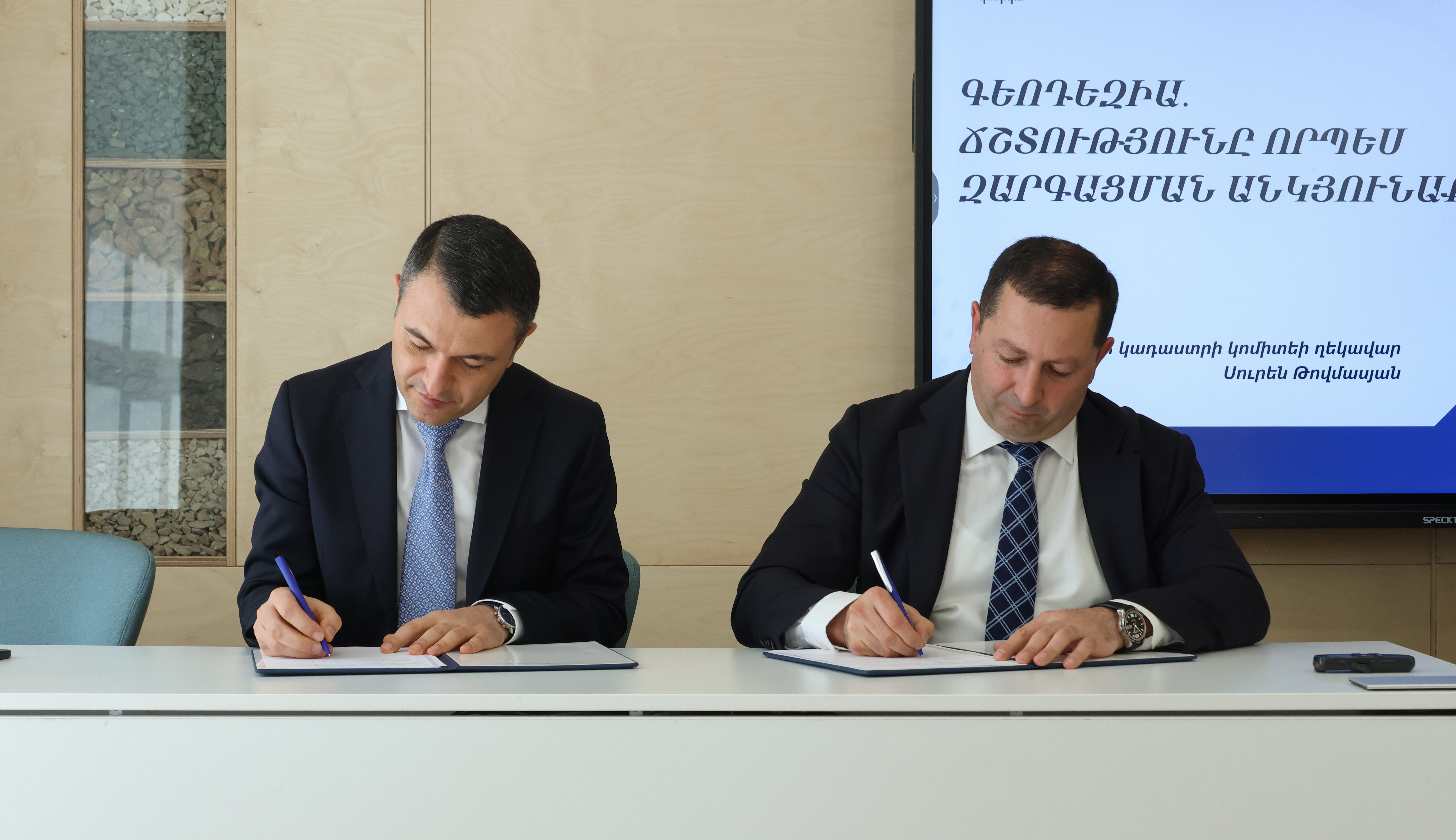
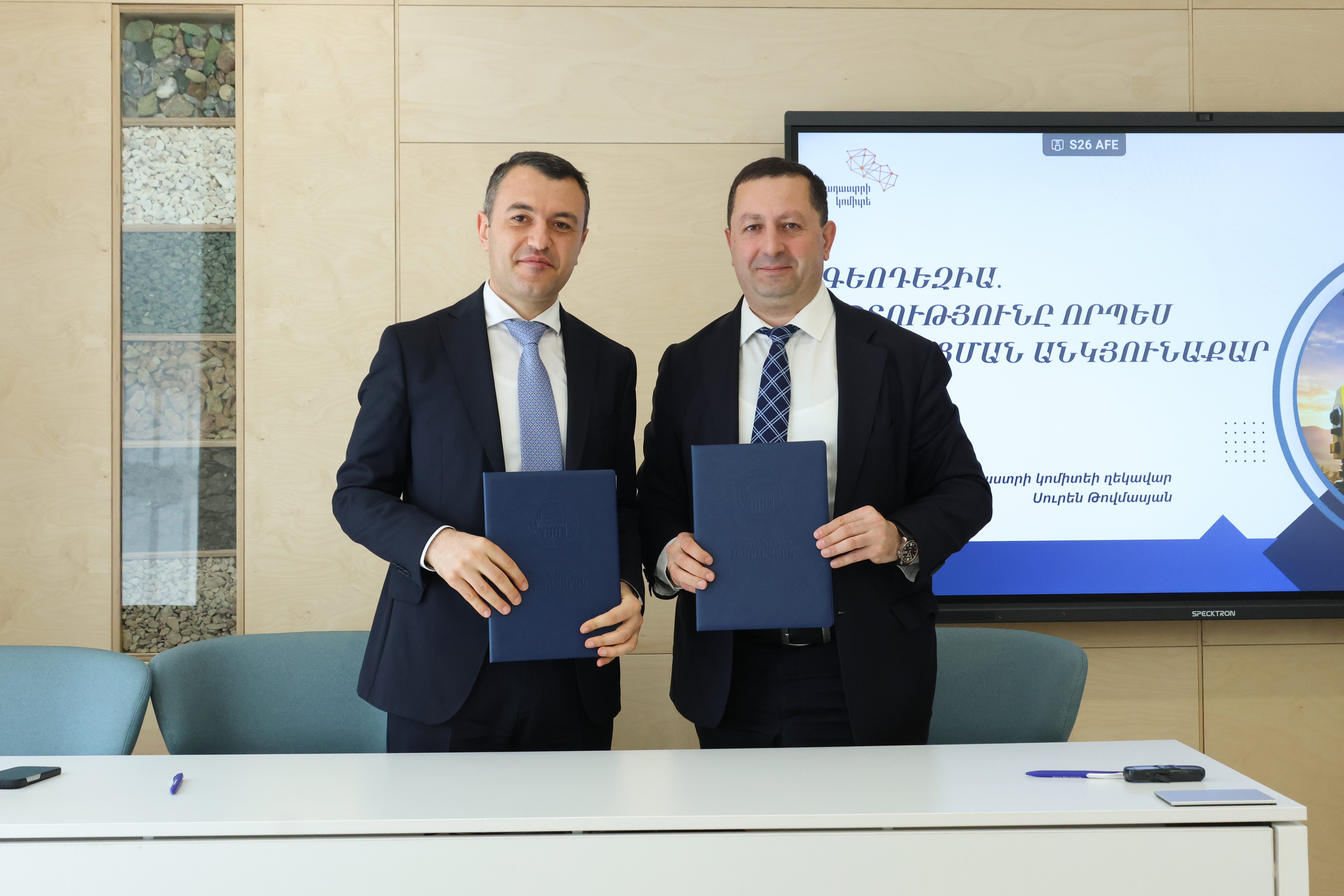
The Head of the Cadastre Committee of the Republic of Armenia, Suren Tovmasyan, and the Rector of Yerevan State University, Hovhannes Hovhannisyan, have signed the document with a view to providing training for students in several key fields, including the registration of rights and encumbrances over real estate, the provision of information on restrictions of real property rights, real estate valuation, real estate surveying (measurement and recording), land management, geodesy, and cartography. Students will have the opportunity to participate in academic, professional, and pre-graduation internships both at the committee's administrative building and in its territorial subdivisions.
The memorandum outlines a framework for joint practical exercises, seminars, and professional forums involving seasoned experts from the committee and YSU academic staff. Furthermore, committee representatives will take part in supervising student theses, ensuring their practical components align with current industry requirements.
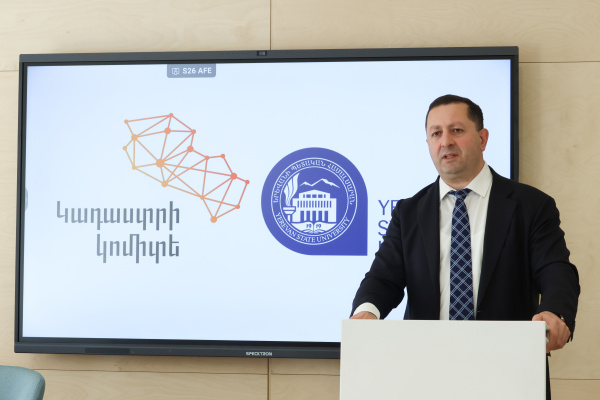
YSU Rector Hovhannes Hovhannisyan emphasized the close and complementary partnership between the university and the Cadastre Committee. He noted that the university's academic programs are directly linked to the committee's operations, with a significant number of students already gaining valuable practical experience through internships at the institution.
The rector also highlighted the expansion of state support, noting Armenian government's recent decision to increase the number of state-funded (tuition-free) positions for the "Cartography and Cadastral Work" program from four to five.
"The cooperation between Yerevan State University and the Cadastre Committee is of paramount importance. Close interaction with state bodies for which we prepare specialists is an imperative of our time. This is a mutually reinforcing process," stated Hovhannisyan.
Speaking on the role of education, Suren Tovmasyan stressed that the quality and content of education are decisive factors in national development. He noted that the lack of specialized knowledge poses a serious obstacle to economic growth and the formation of competitive, modern systems, often forcing the country to seek costly assistance from foreign partners.
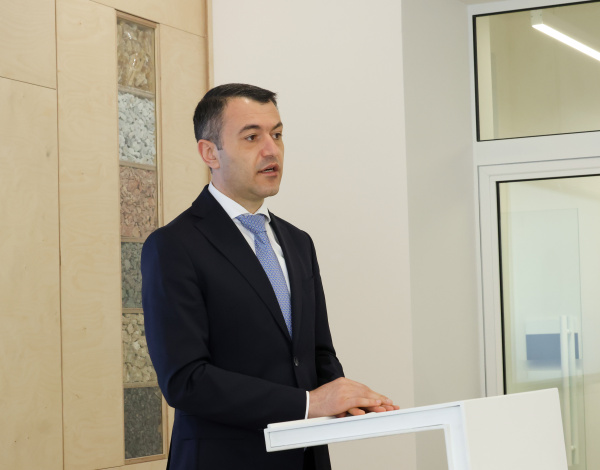
"The comprehensive development of the educational environment goes far beyond modern infrastructure. For education to be effective, we must foster a substance-driven environment—one that integrates knowledge transfer and hands-on experimentation with a strong professional culture of networking and vibrant campus life. If focus is placed solely on external conditions while ignoring the core content of education, we will fail to produce skilled specialists necessary for Armenia and its economy," Tovmasyan emphasized.
He further urged students to fully recognize the importance of natural sciences in national and economic development, encouraging them to treat every moment on campus as an opportunity to deepen their expertise, explore international literature, advance their language proficiency, and build professional networks.
The Dean of the Faculty of Geography and Geology, Sargis Kelyan, added that the partnership provides an excellent opportunity to reinforce theoretical knowledge through practical application, ensuring they graduate as specialists fully aligned with industry demands.
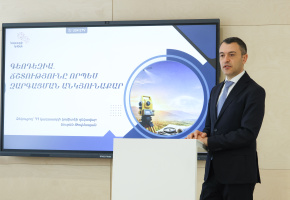
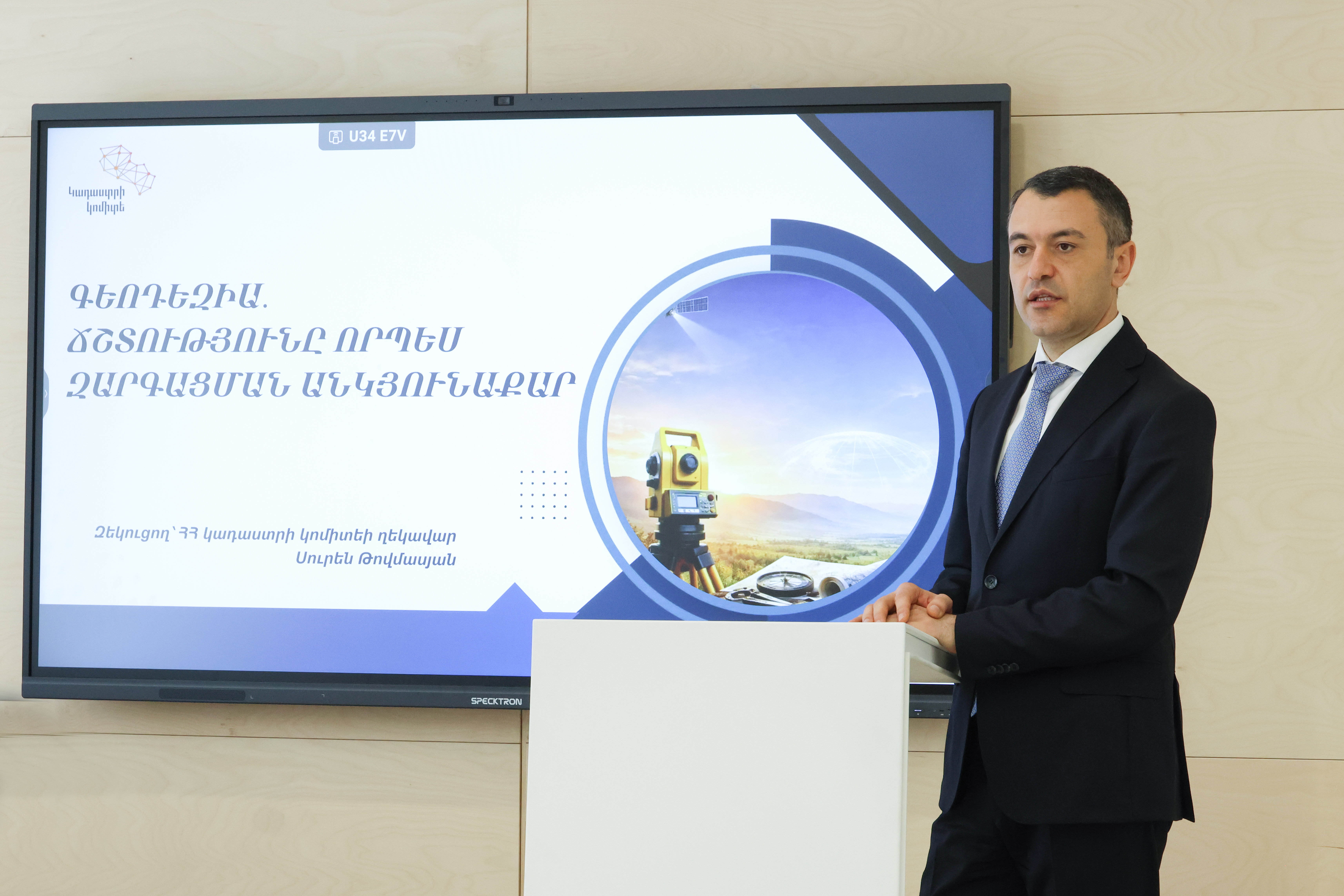
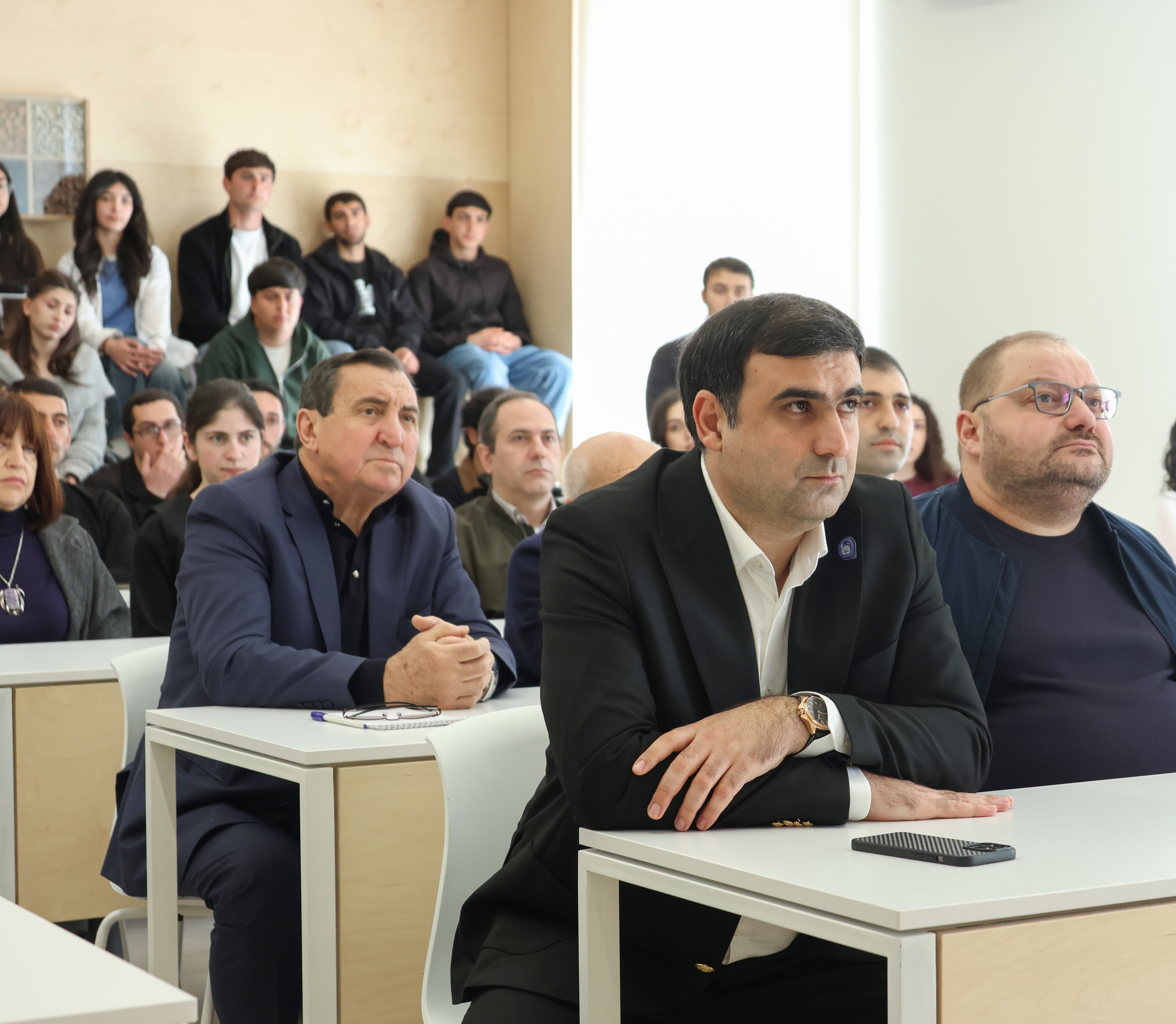
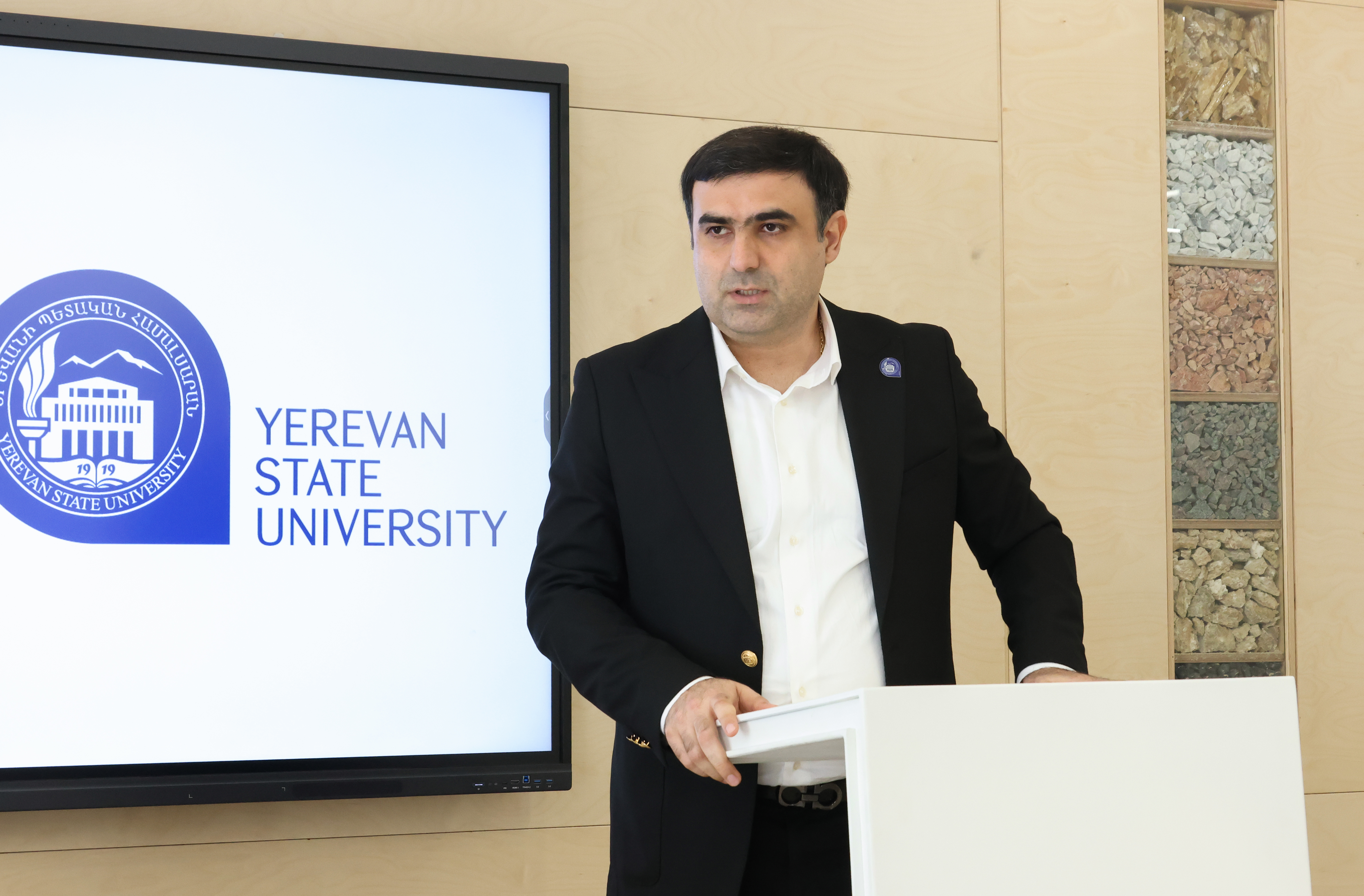
As part of the meeting, Suren Tovmasyan delivered a lecture titled "Geodesy: Truth as a Cornerstone of Development", where he detailed the fundamentals and developmental prospects of the field, while emphasizing the application of knowledge and the importance of practical experience for professional advancement. He pointed out that accurate geodetic data serves as the strategic foundation for the nation's governance structure.
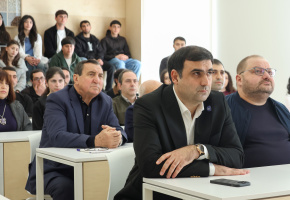
Following the lecture, students had the opportunity to pose questions to the speaker, receiving direct responses and professional insights from a leading industry expert.
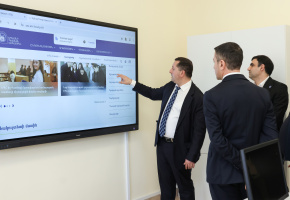
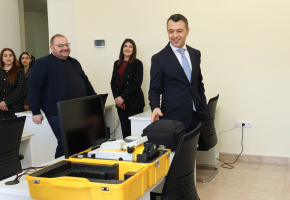
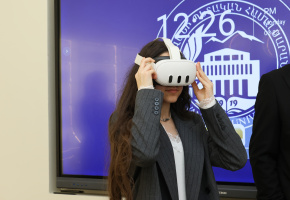
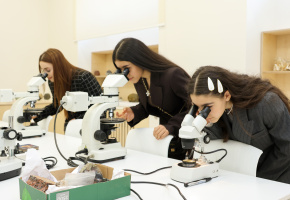
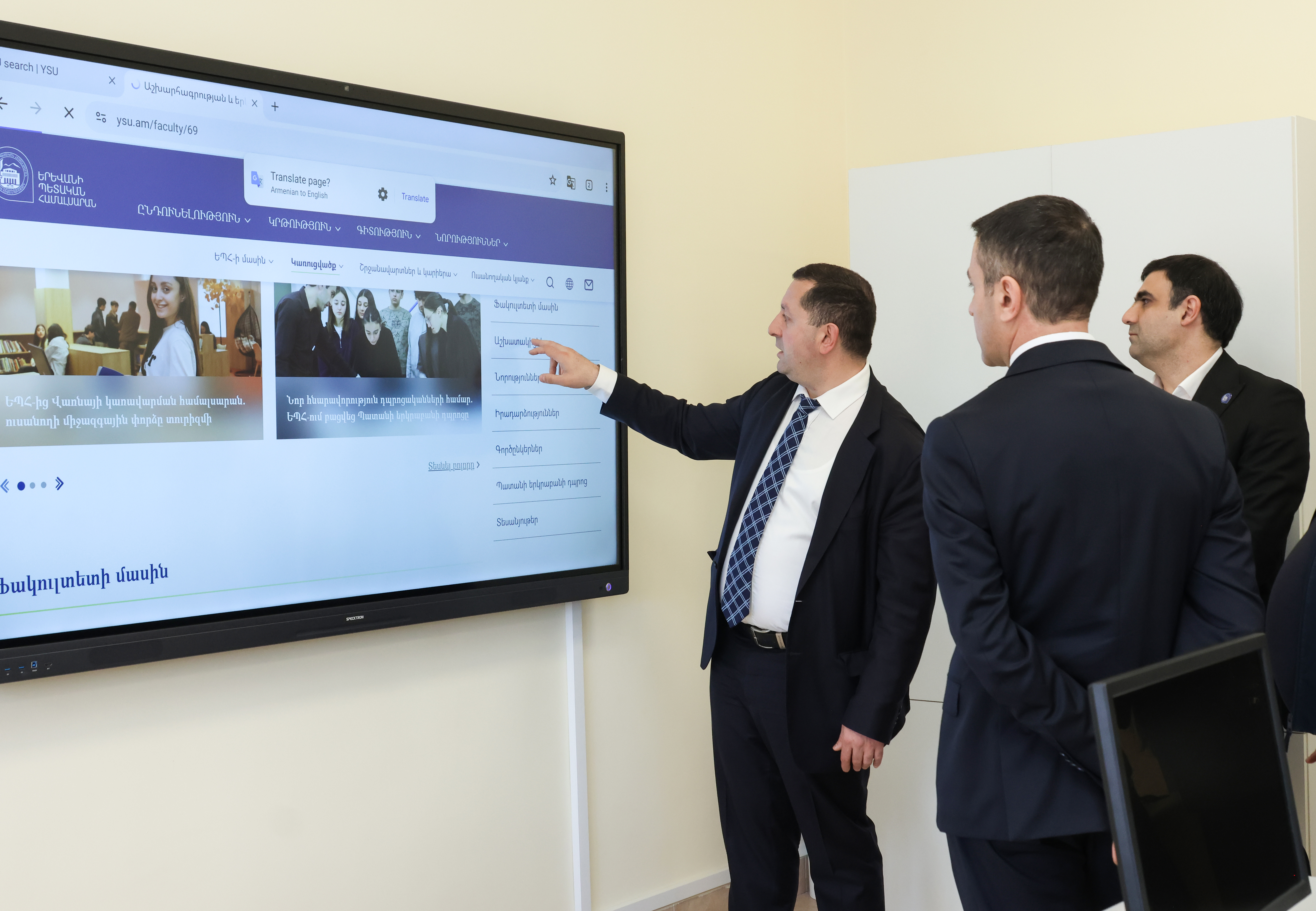
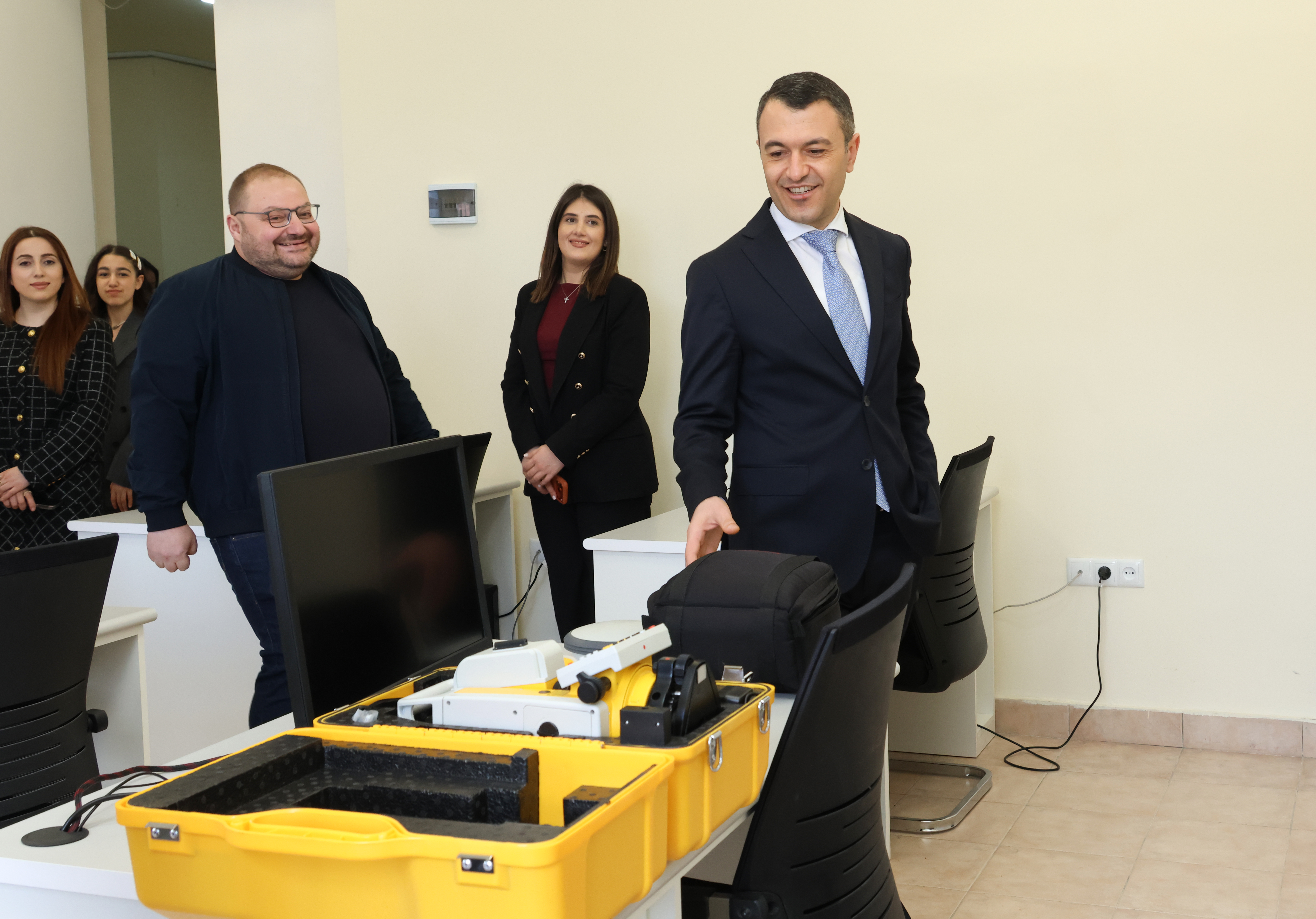
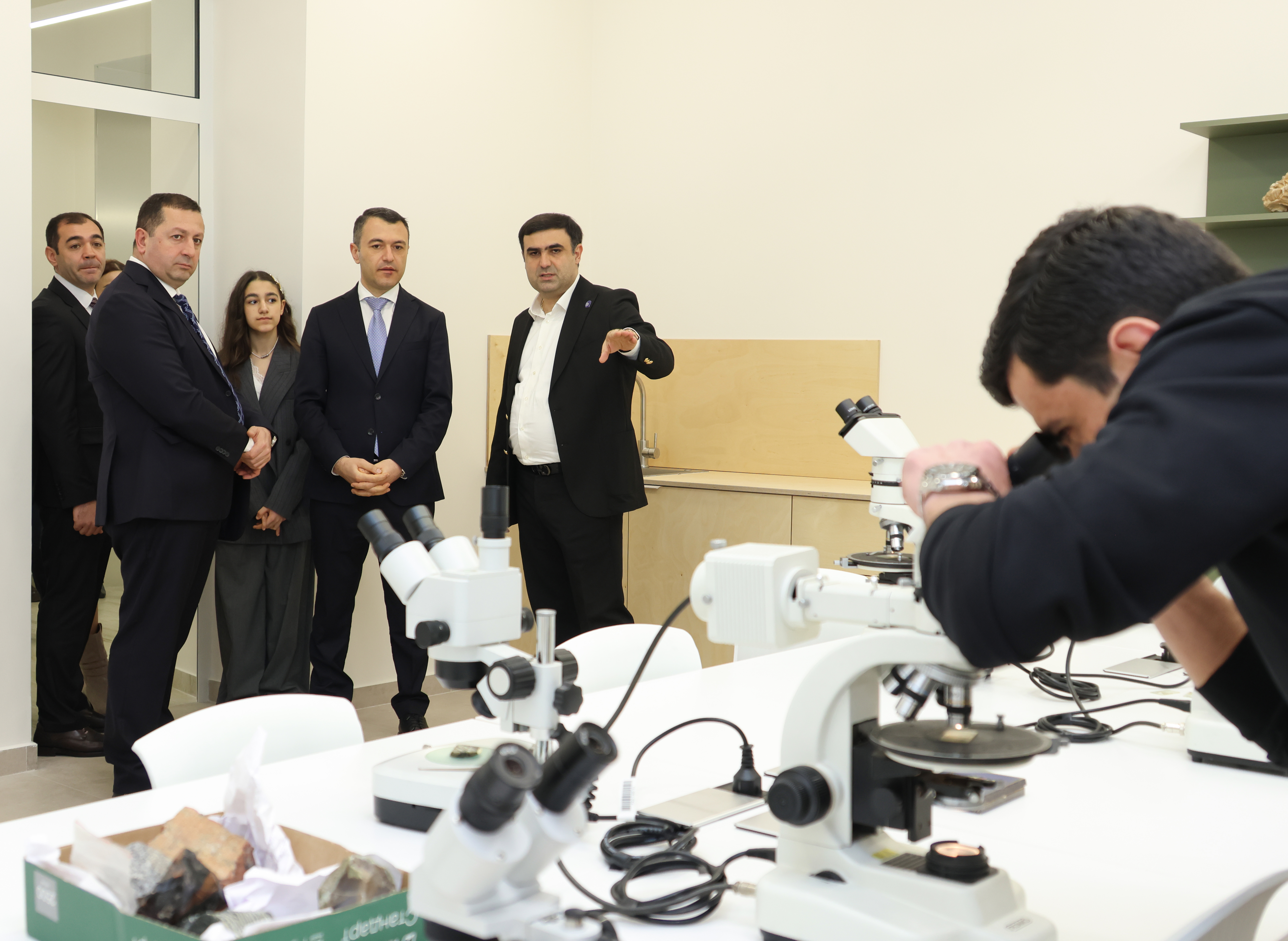
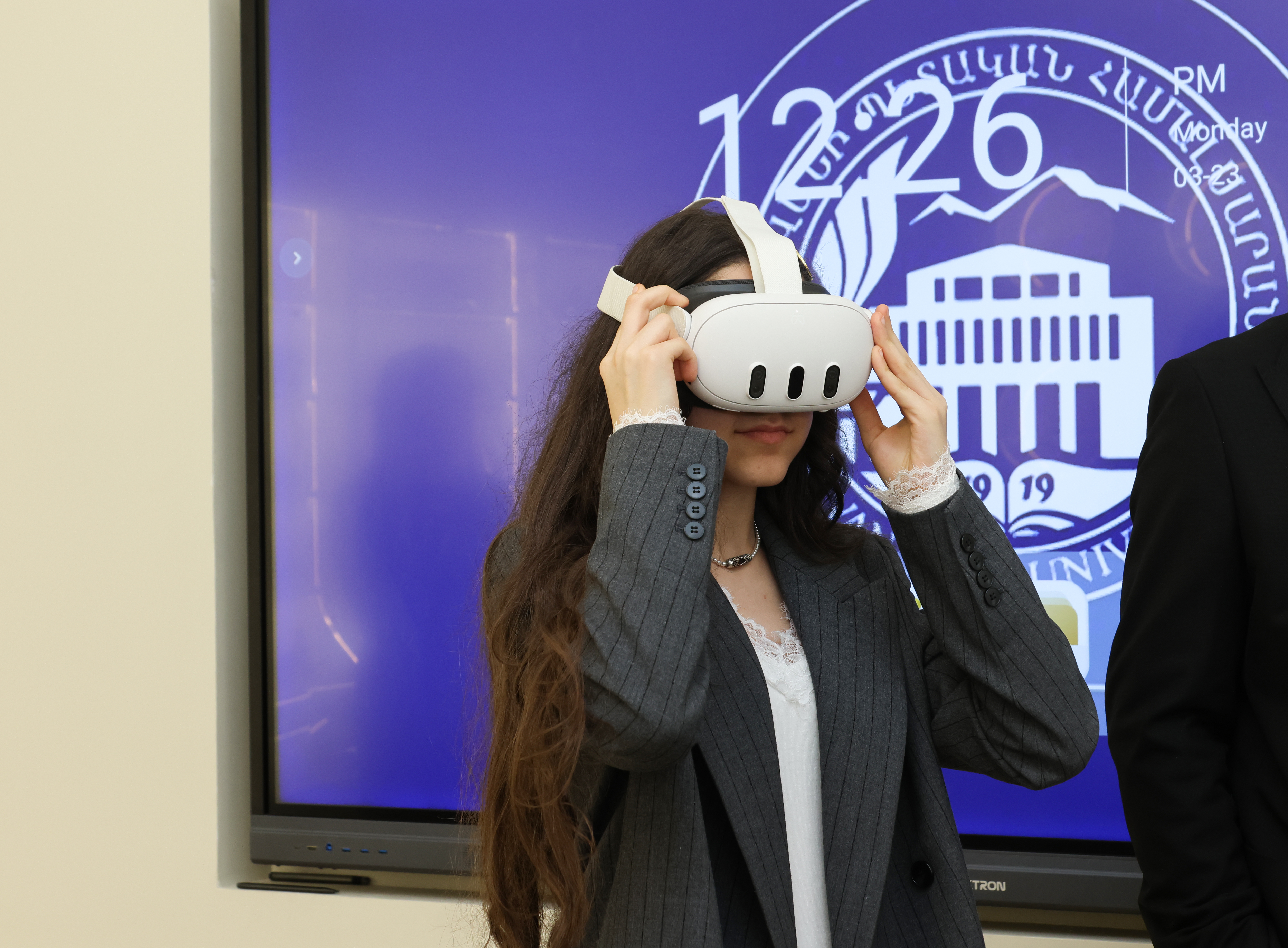
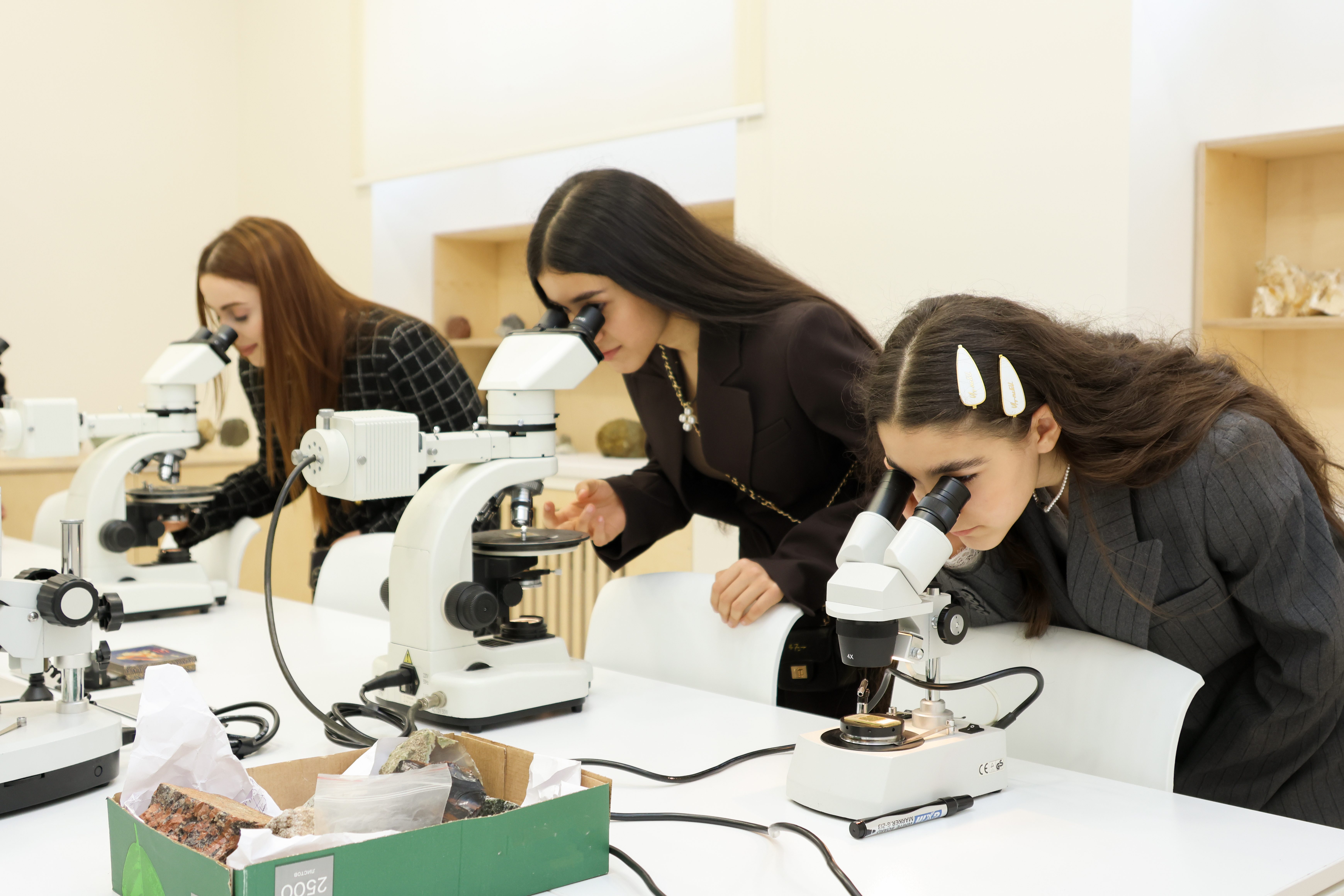
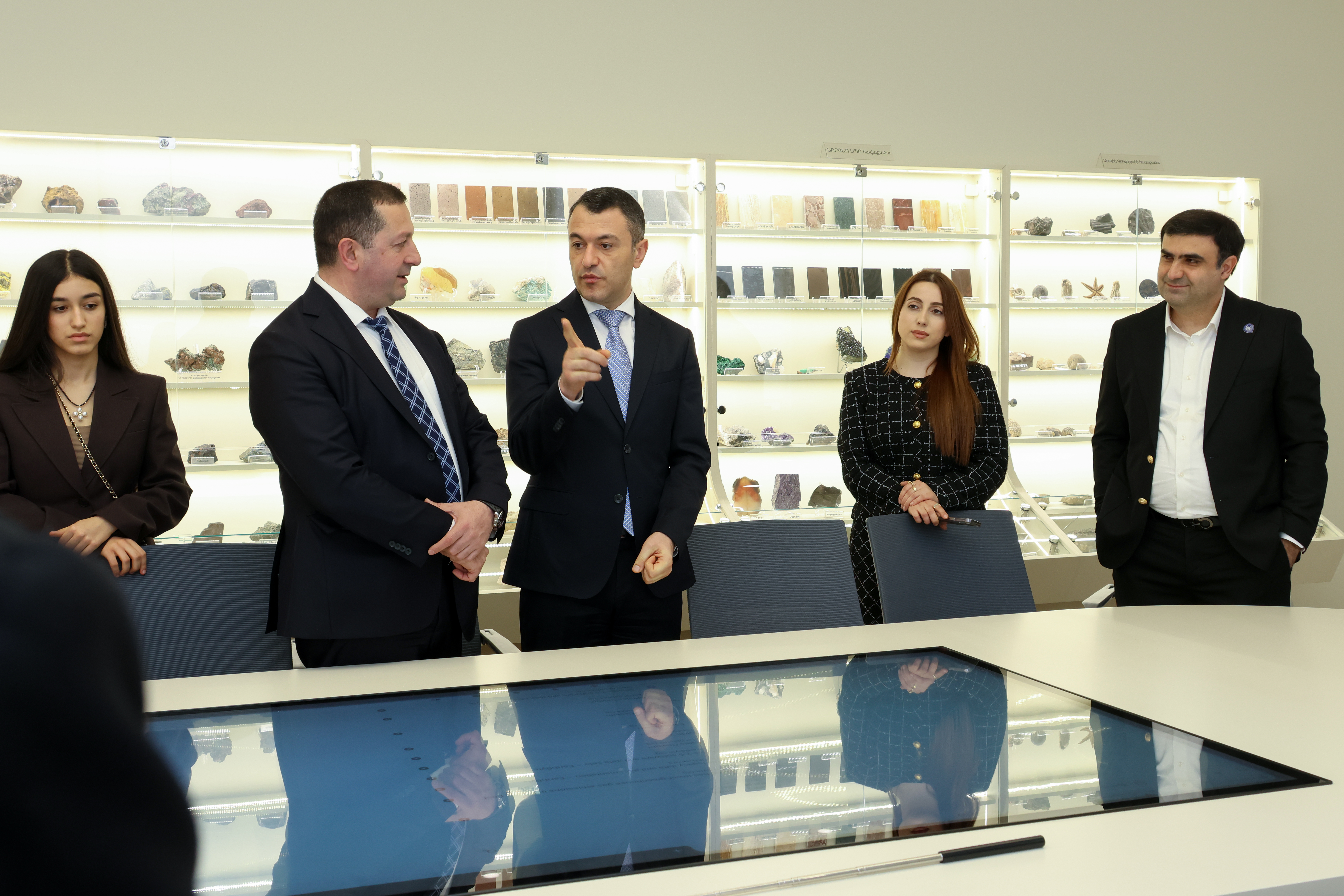
The event concluded with a tour of the YSU Faculty of Geography and Geology, including visits to the "GeoLab: Environment of the Future" education center and the Gagik Karapetyan Interactive Classroom, where students engage in theoretical, laboratory, and practical coursework within a modern educational setting.