April 10, 2026 | 11:30
Education
Student

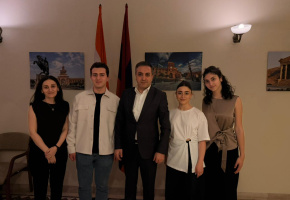
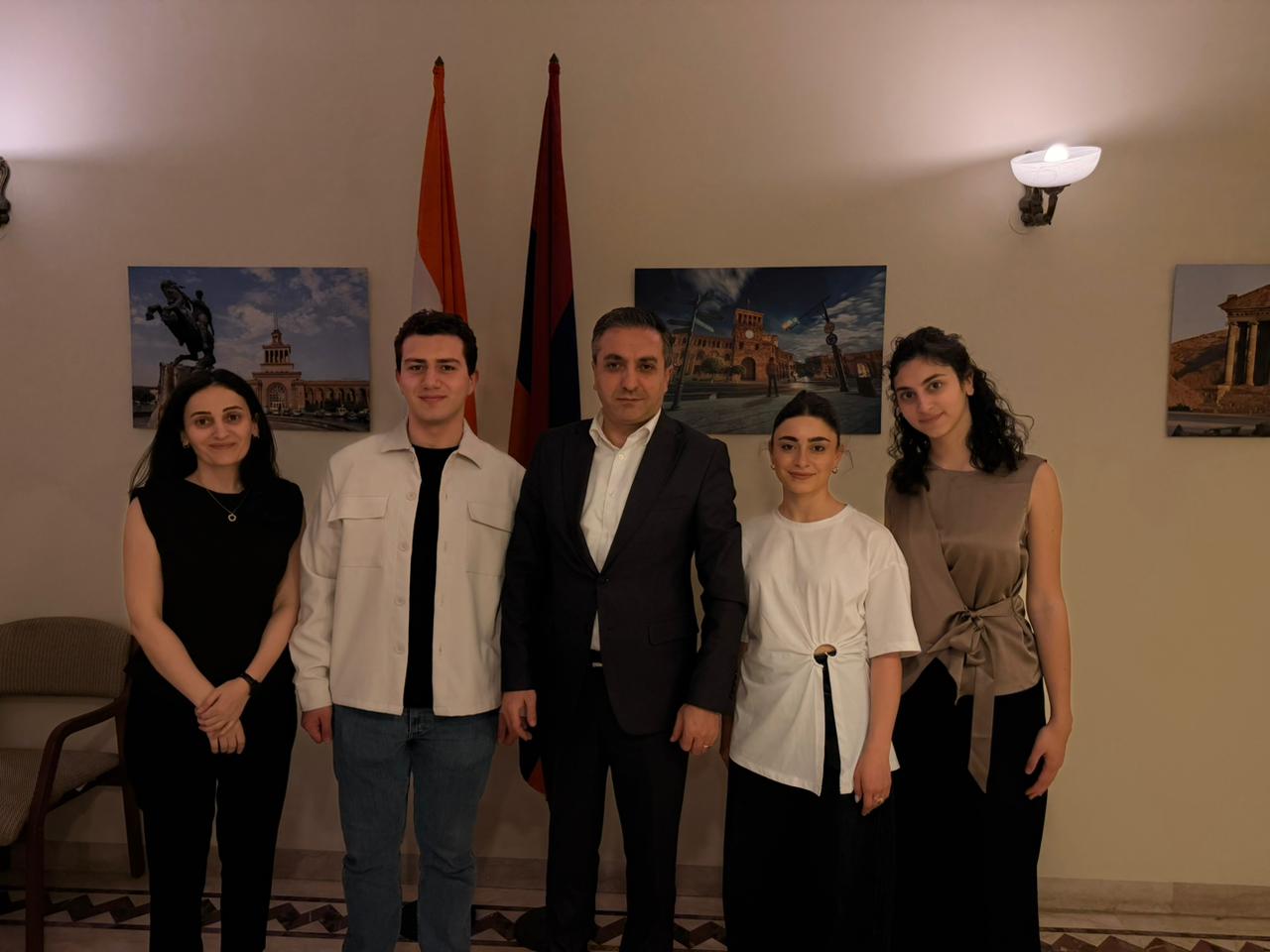
Lia chose the Faculty of Mathematics and Mechanics on the recommendation of her friends, while also valuing the relevance and strong demand of the profession. Throughout her studies, she has prioritized not only academic knowledge but also the university environment, new connections and friendships. Benik, meanwhile, chose the Faculty of Economics and Management, driven by his interest in the interconnection between economics, politics, and innovation, as well as his potential role within these fields.
Both students are deeply committed to the practical application of theoretical knowledge while leading an active student life. They envision their futures built upon a solid professional foundation, guided by clear development goals.
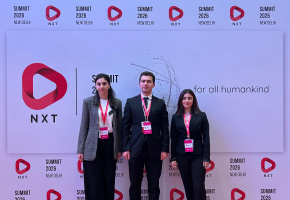
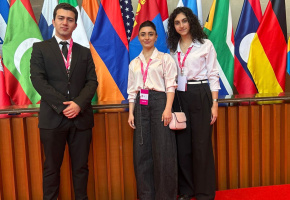
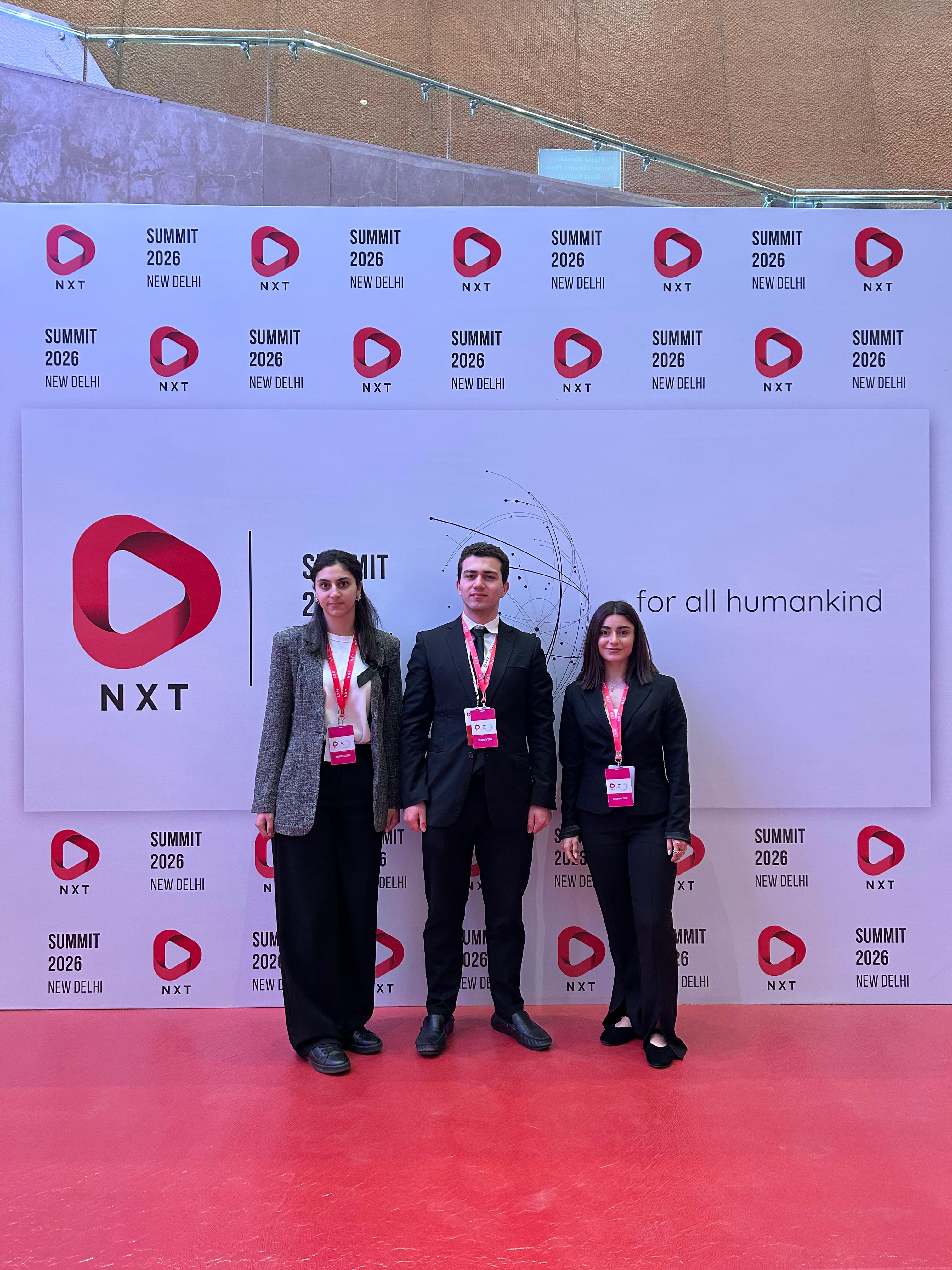
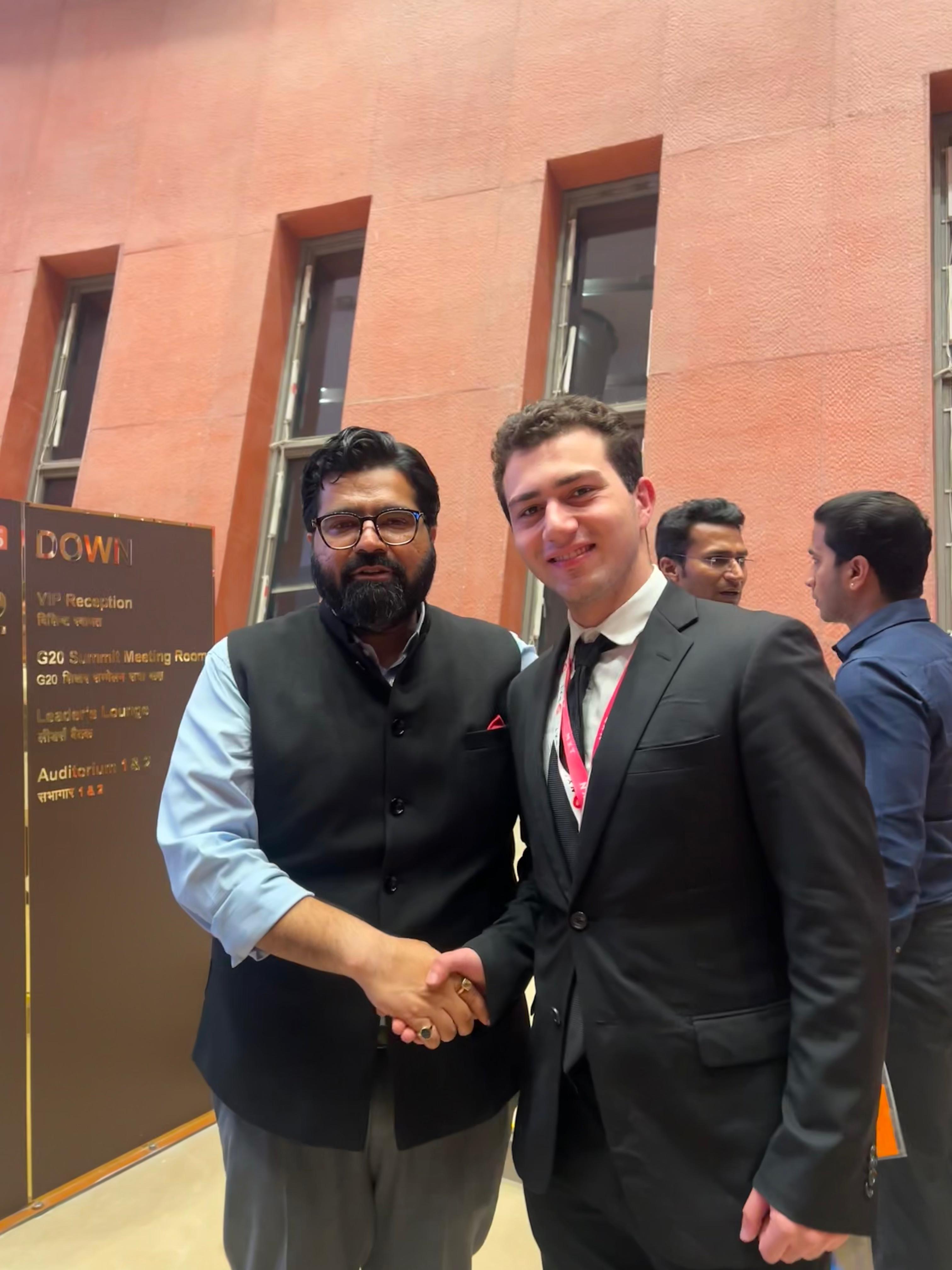
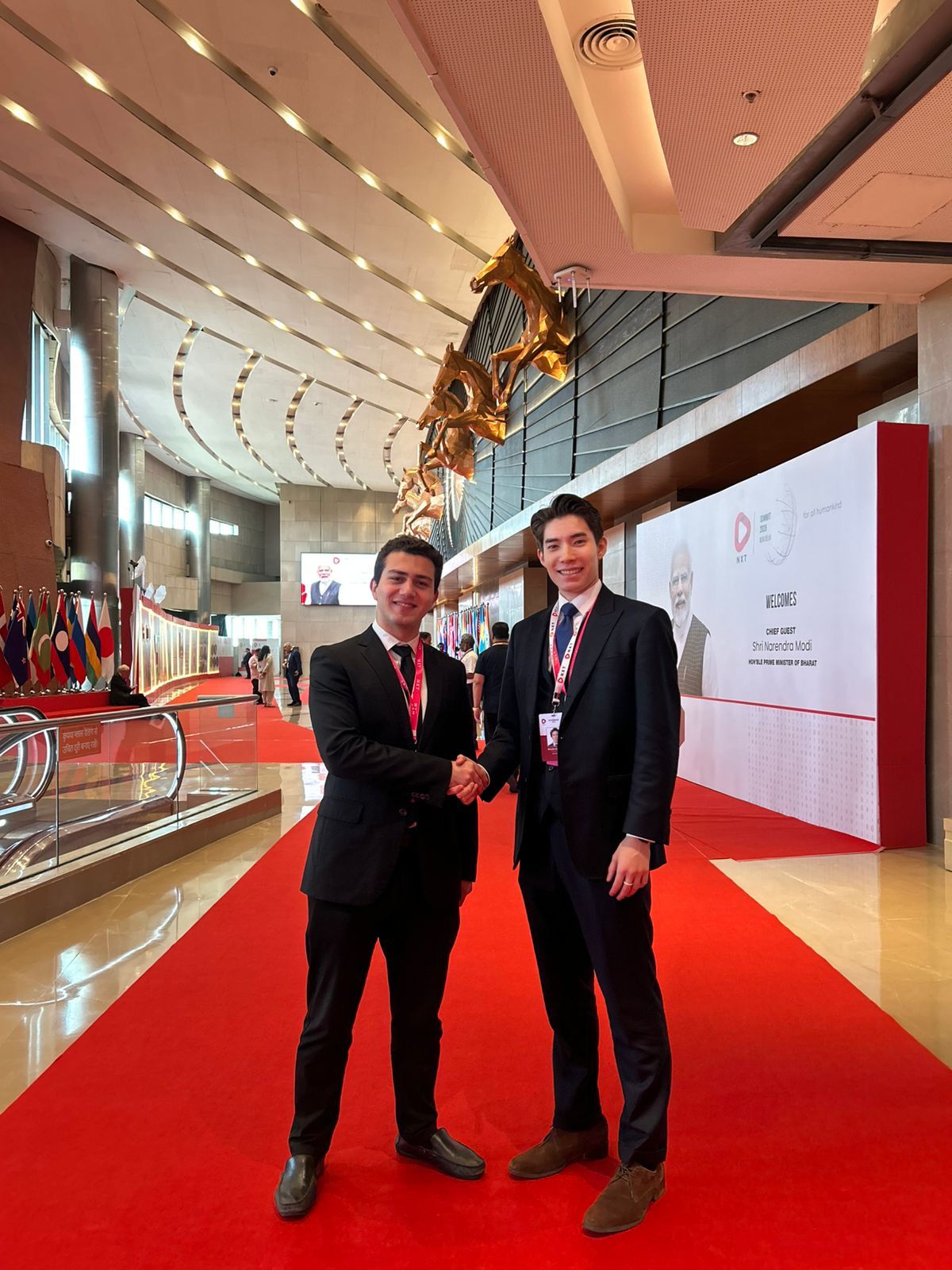
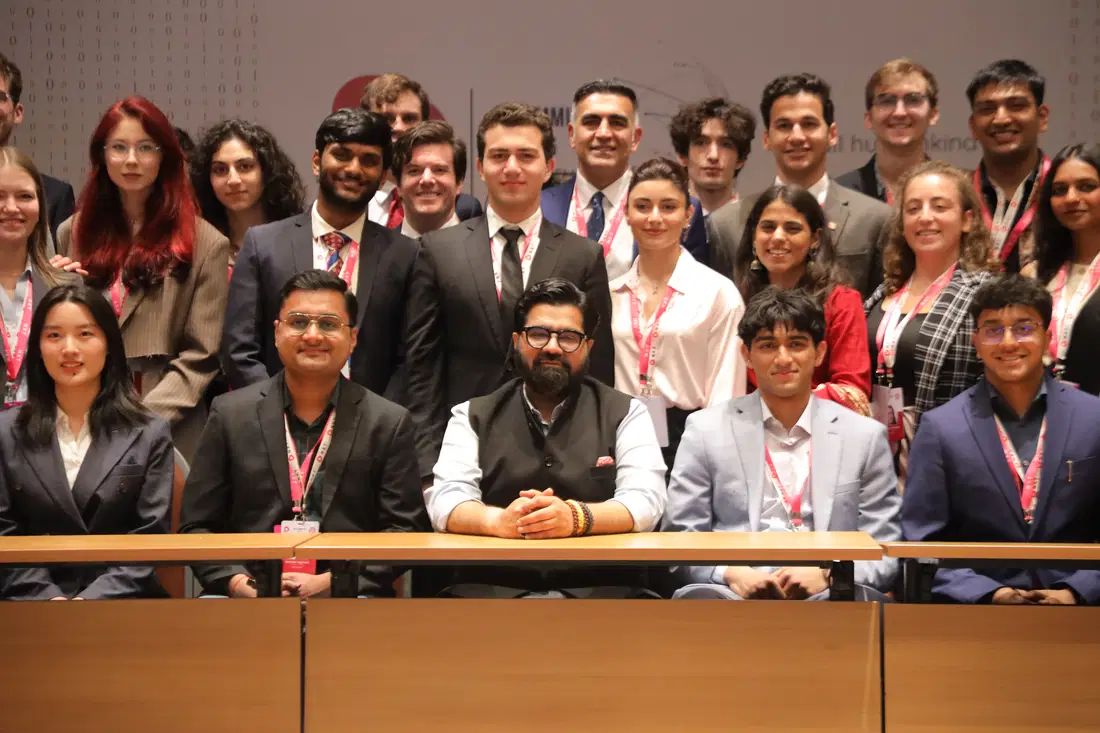
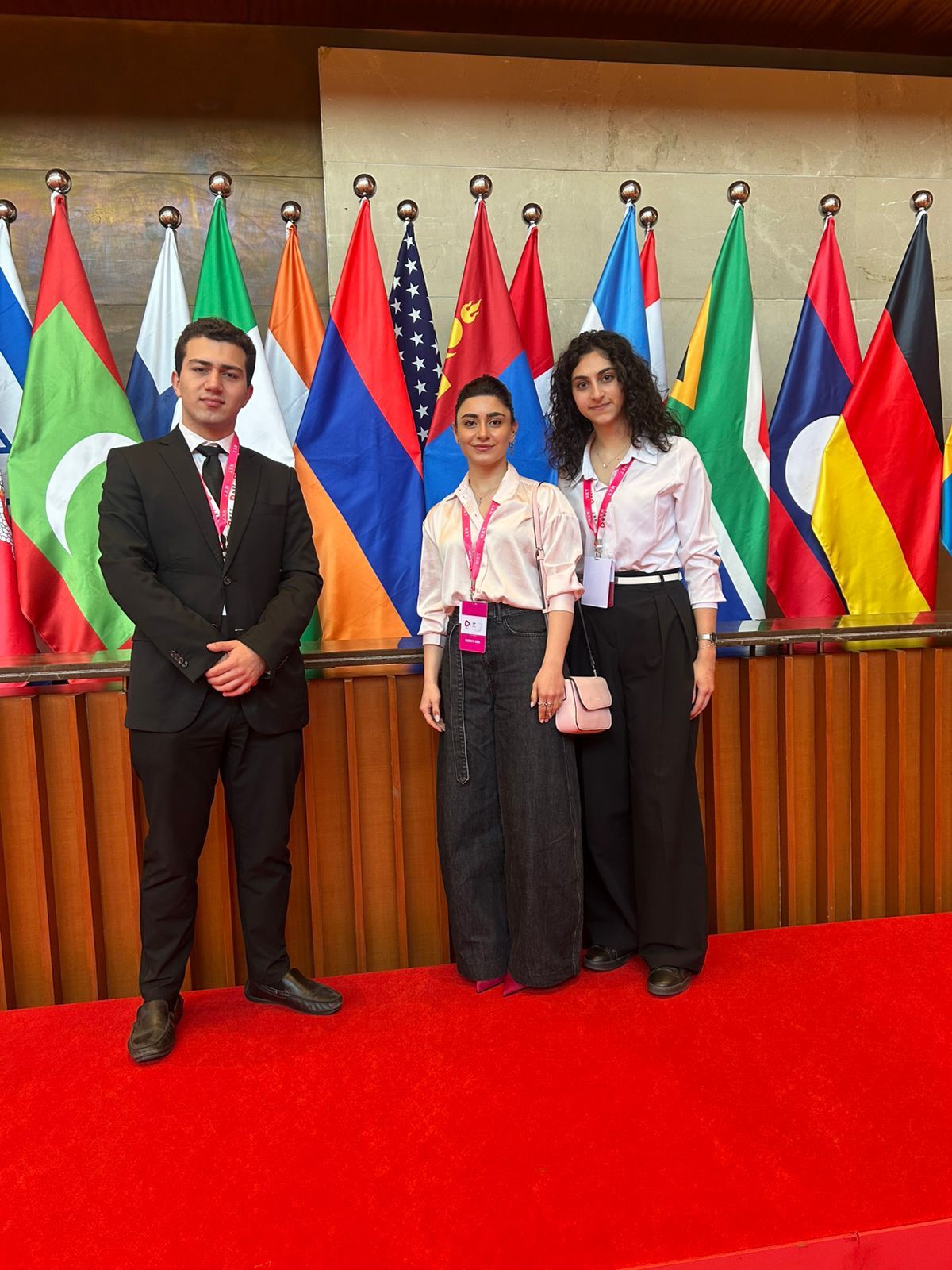
After applying individually for the NXT Fellowship 2026, the YSU students passed a competitive selection process and secured their place in the program, gaining the opportunity to travel abroad. During the one-week program, they participated extensively in seminars, panel discussions, and lectures, gaining international experience and building new connections that will support both their professional and personal development.

"My decision to join the program stemmed from my interest in exploring new countries and cultures and interacting with different people. This was my first experience in an international program, which became an interesting and strong starting point for being more active in similar initiatives in the future," says Lia. "Over the course of seven days, I not only gained theoretical knowledge but also developed practical skills. One of the most important was the ability to communicate effectively with people from different cultures."
For Lia, the most impactful discussions were those on global developments and the economy, particularly global inequality, sustainable development, and the impact of new technologies.
"One of the most striking ideas for me was how relatively young countries can achieve immense economic success. It showed that through the right strategy, effective governance, and the development of human capital, it is possible to reach even leading global positions. This idea made me reflect more deeply on development paths and understand that the success of a country or an individual largely depends on determination, innovation, and the right decisions," she adds.
For Benik, the key motivation for joining the program was his desire to observe how young leaders from different countries address global challenges. He expected to gain new ideas and build strong international connections.
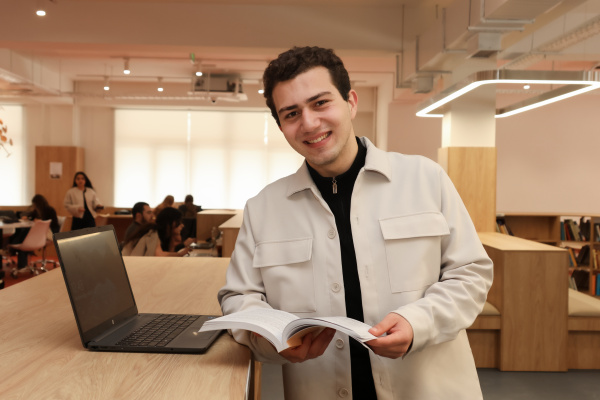
"This program stood out because it was focused on active participation. The student was not just a listener but a direct participant in discussions, simulations, and team projects. I gained not only in-depth knowledge of global economic and political developments but also improved my teamwork and communication skills. The most impactful topics were sustainable economic development, global politics, and technological innovation. What impressed me most was the idea that global challenges can only be solved through cooperation," he says.
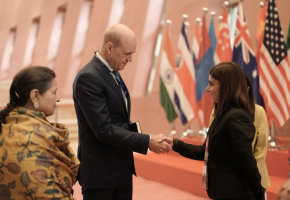
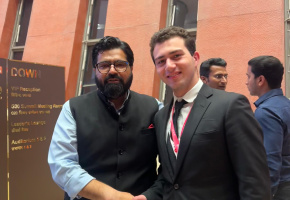
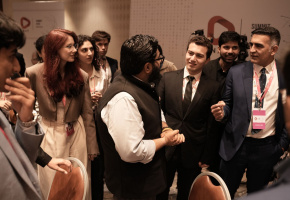
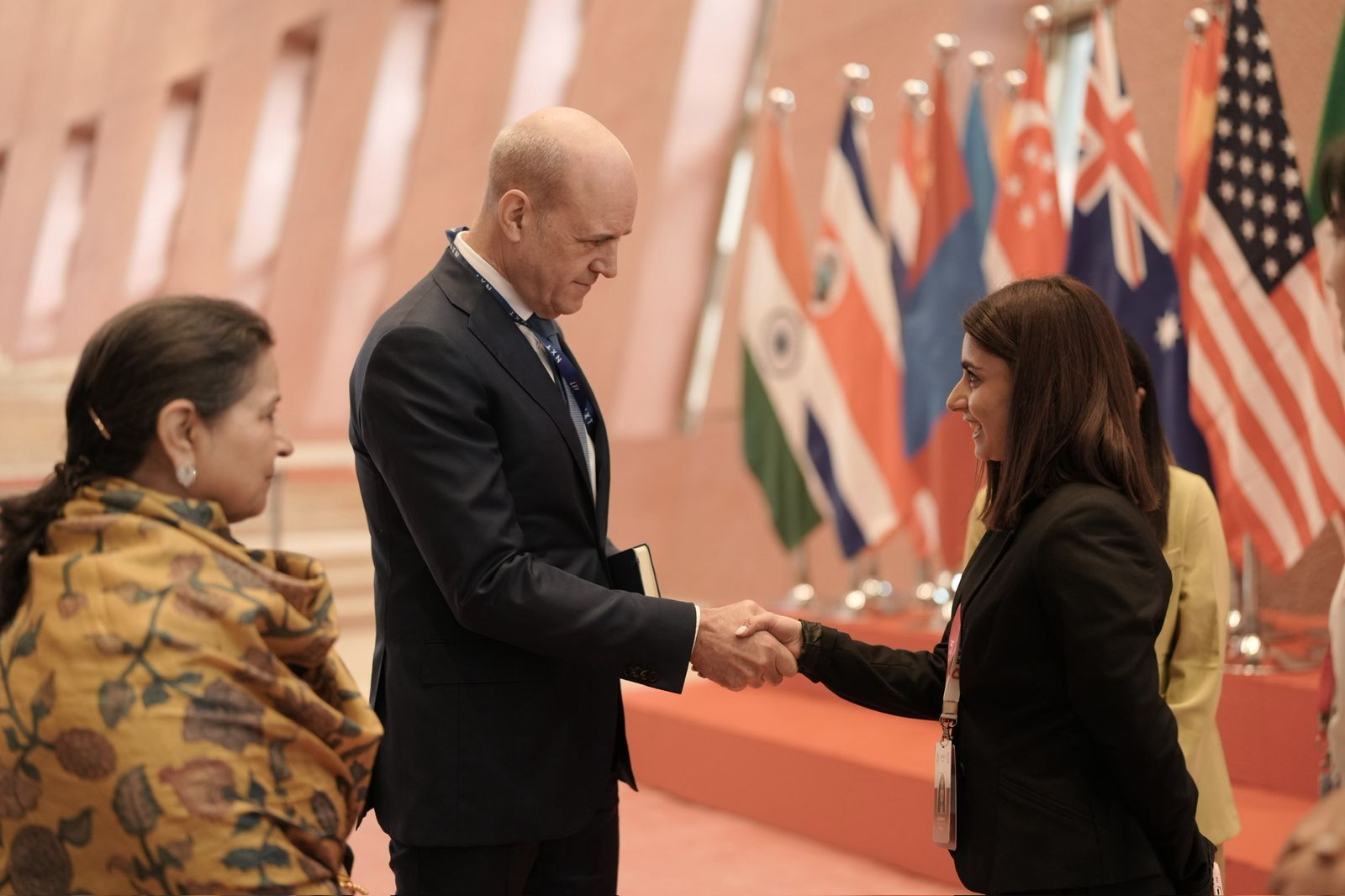
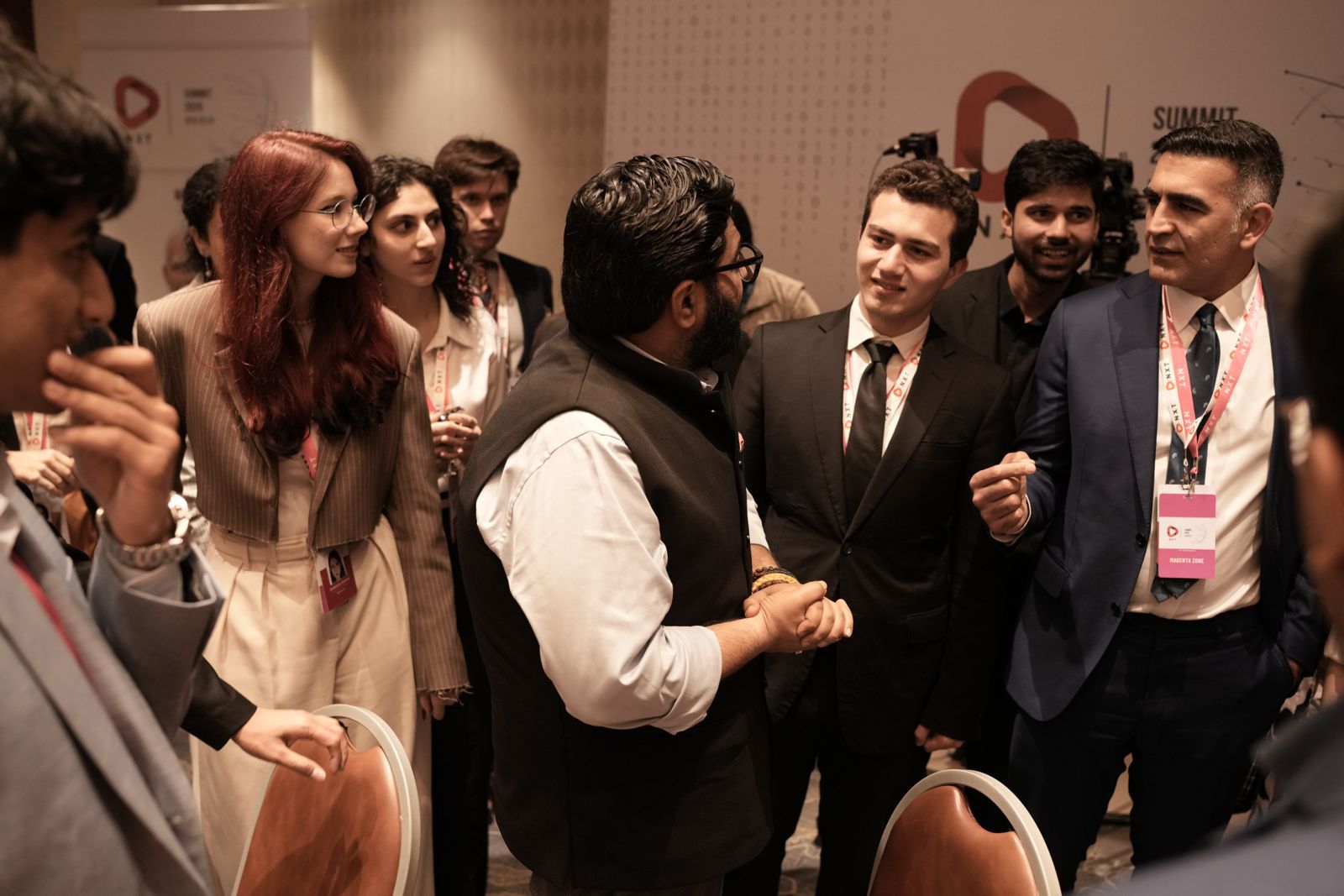
Within the framework of the program, students interested in global challenges had the opportunity to meet leaders from various countries, including Indian Prime Minister Narendra Modi, former prime ministers of Sweden and Australia, as well as ministers, ambassadors, and members of parliament from different states. According to the participants, these meetings were highly inspiring. Lia notes that she observed how key decisions are made in complex real-life situations, while Benik emphasizes that he had the opportunity to engage directly with leaders and inquire about the role of youth in economic and innovation-driven initiatives.
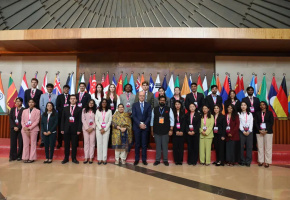
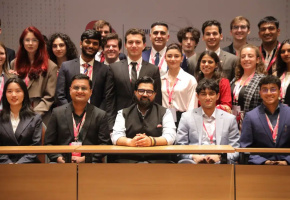
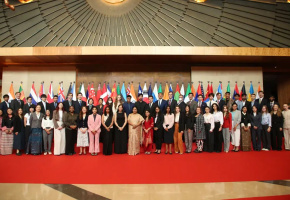
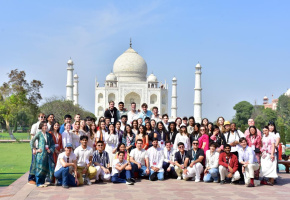
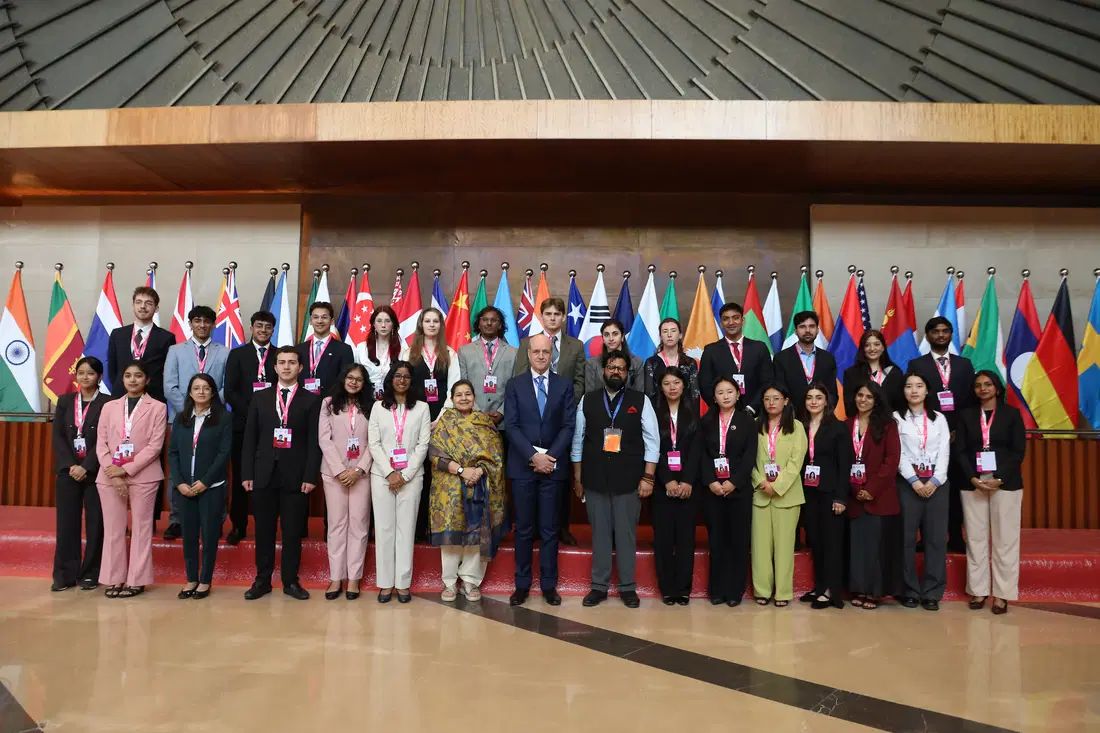
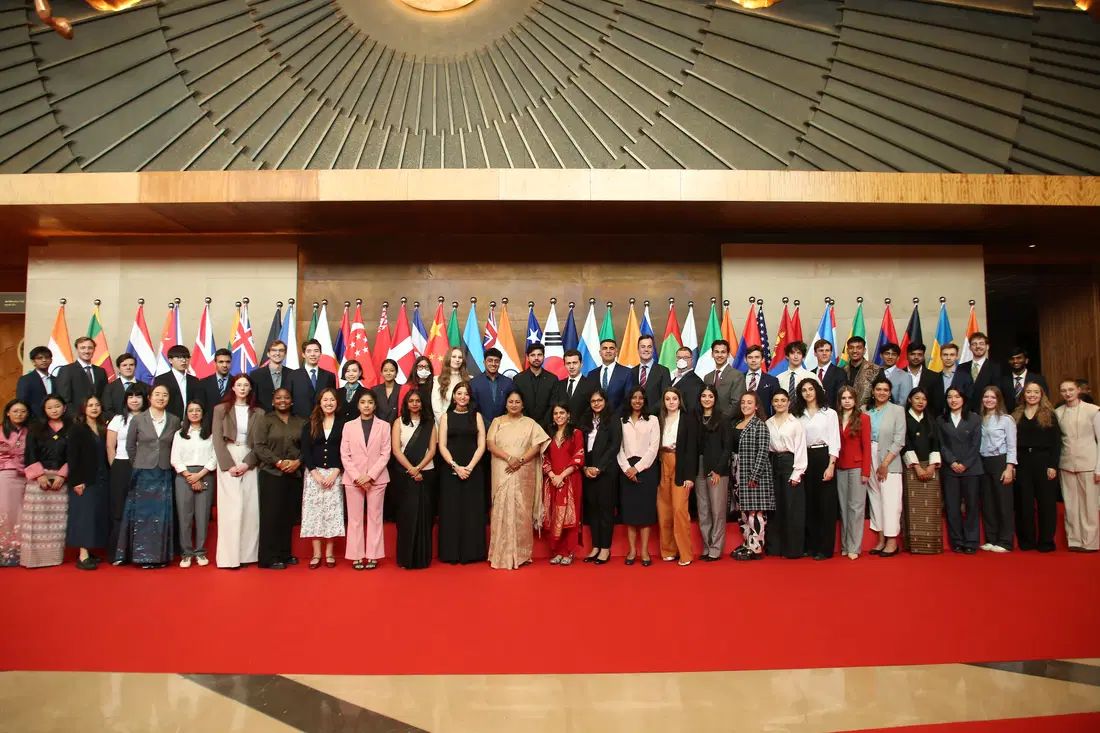
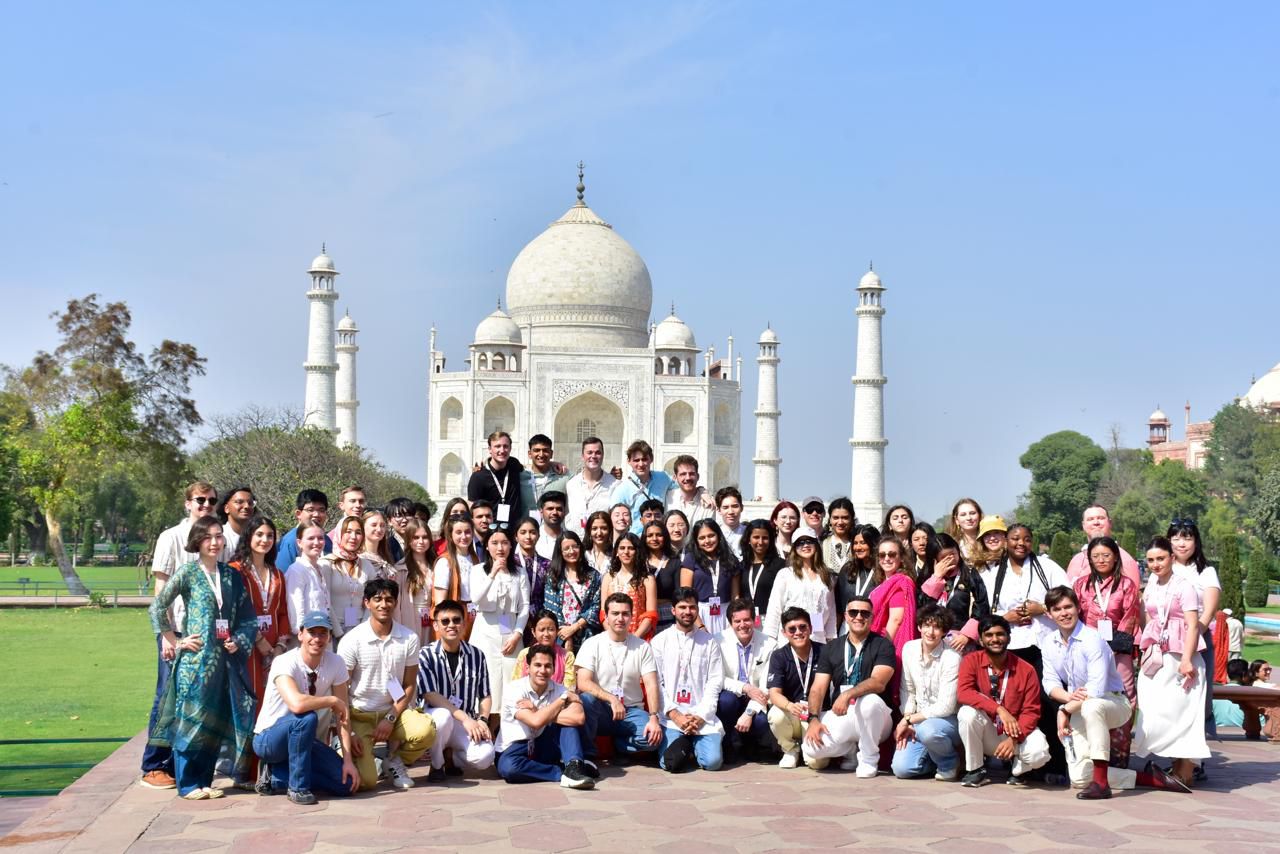
The program brought together 70 students from 35 universities across multiple countries and was characterized by a highly multicultural and dynamic collaborative environment. Lia and Benik stress that interactions and teamwork with peers from different countries enabled them to develop ideas and solutions they had not previously considered, while also providing strong motivation for their future plans. Group discussions and joint projects not only clarified their goals but also proved to be a valuable experience for both personal and professional development.
"This experience further strengthened my goals of continuously developing my skills in economics and leadership, becoming more actively involved in global initiatives, and bringing the most relevant practices and ideas back to the Armenian community," says Benik.
Lia, who sees herself building a strong professional foundation in the coming years, adds: "I developed my communication skills the most. These meetings not only broadened my perspective but also gave me a better understanding of real leadership and decision-making processes."
As part of the program, students from various universities were required to present research projects on the strategic development of different sectors in India up to 2050. The best project will be selected as the winner and awarded a cash prize.
The results of the research competition have not yet been announced.