April 09, 2026 | 15:37
Society
International cooperation
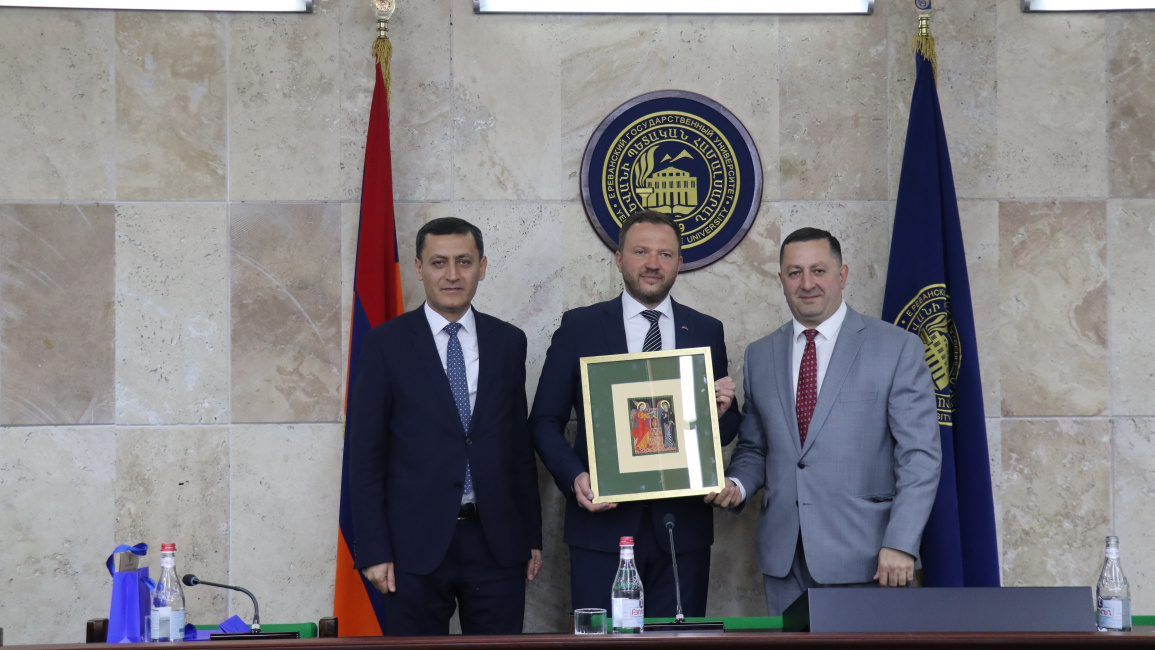
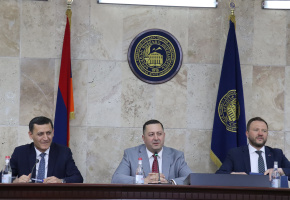
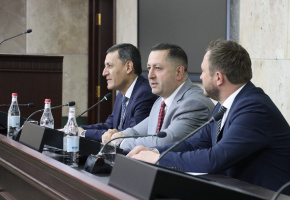
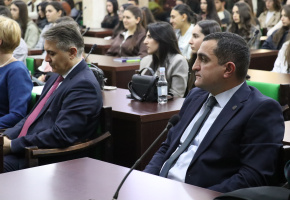
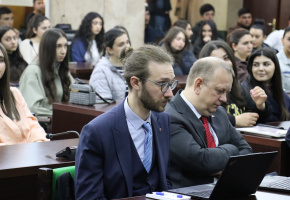
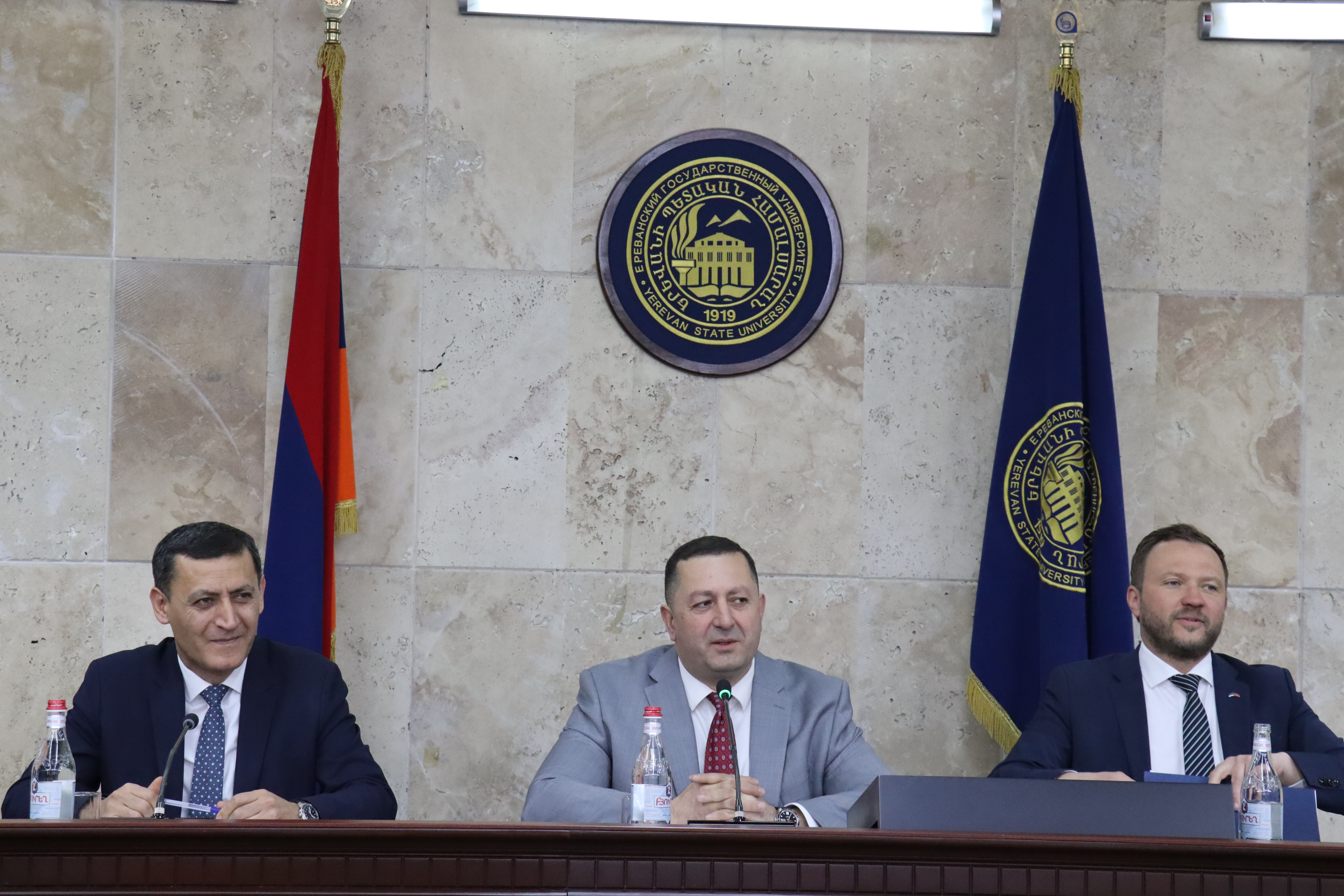
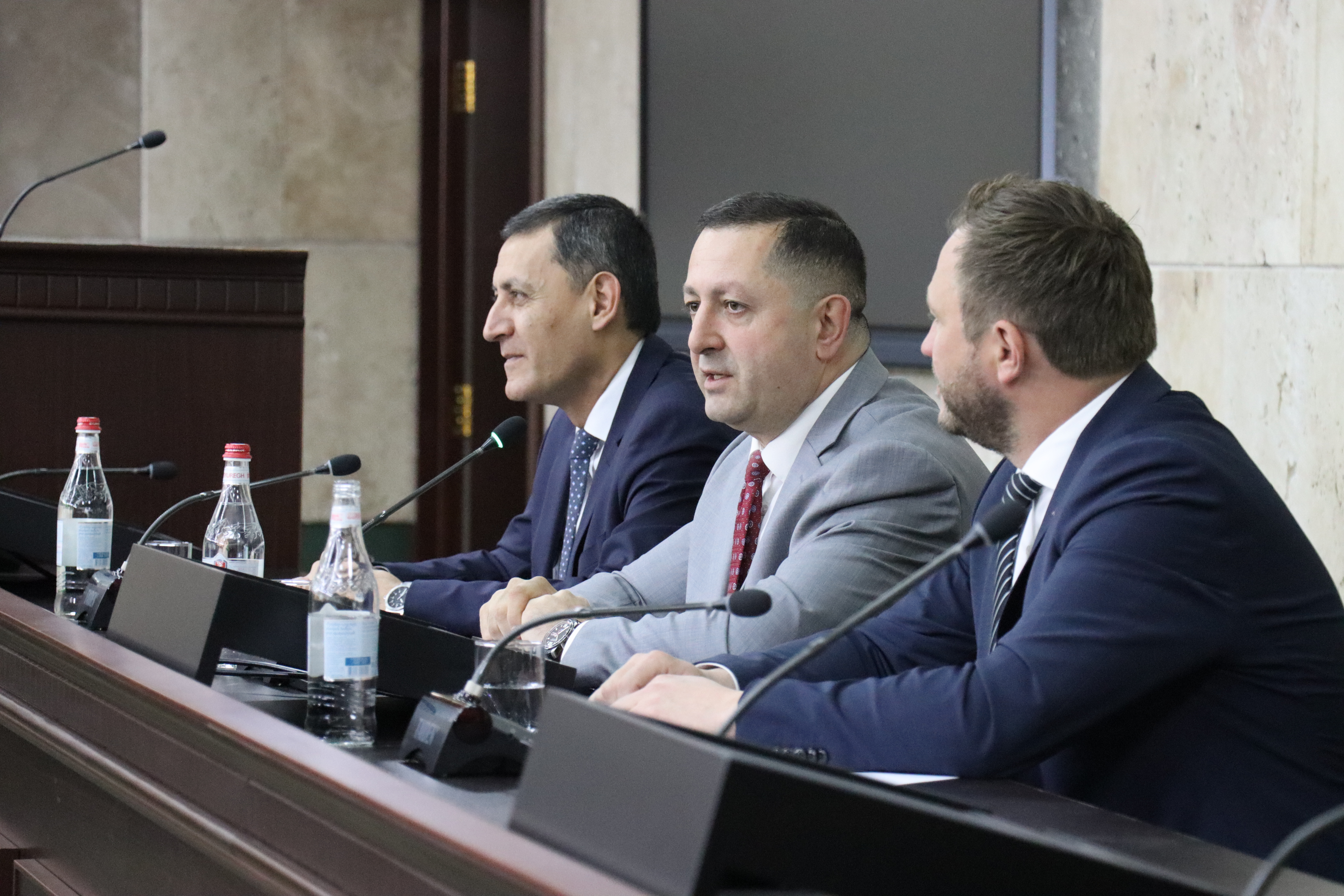
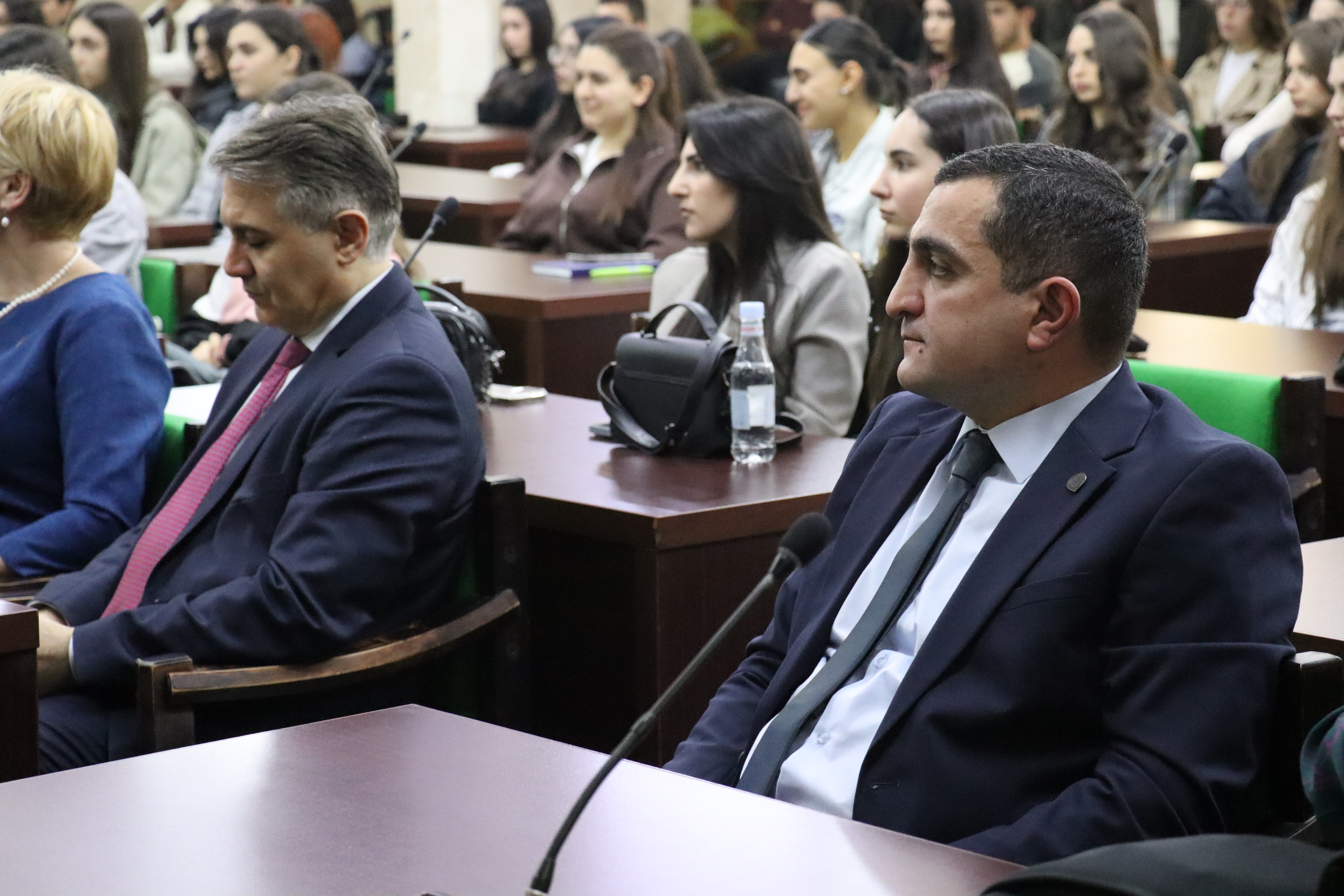
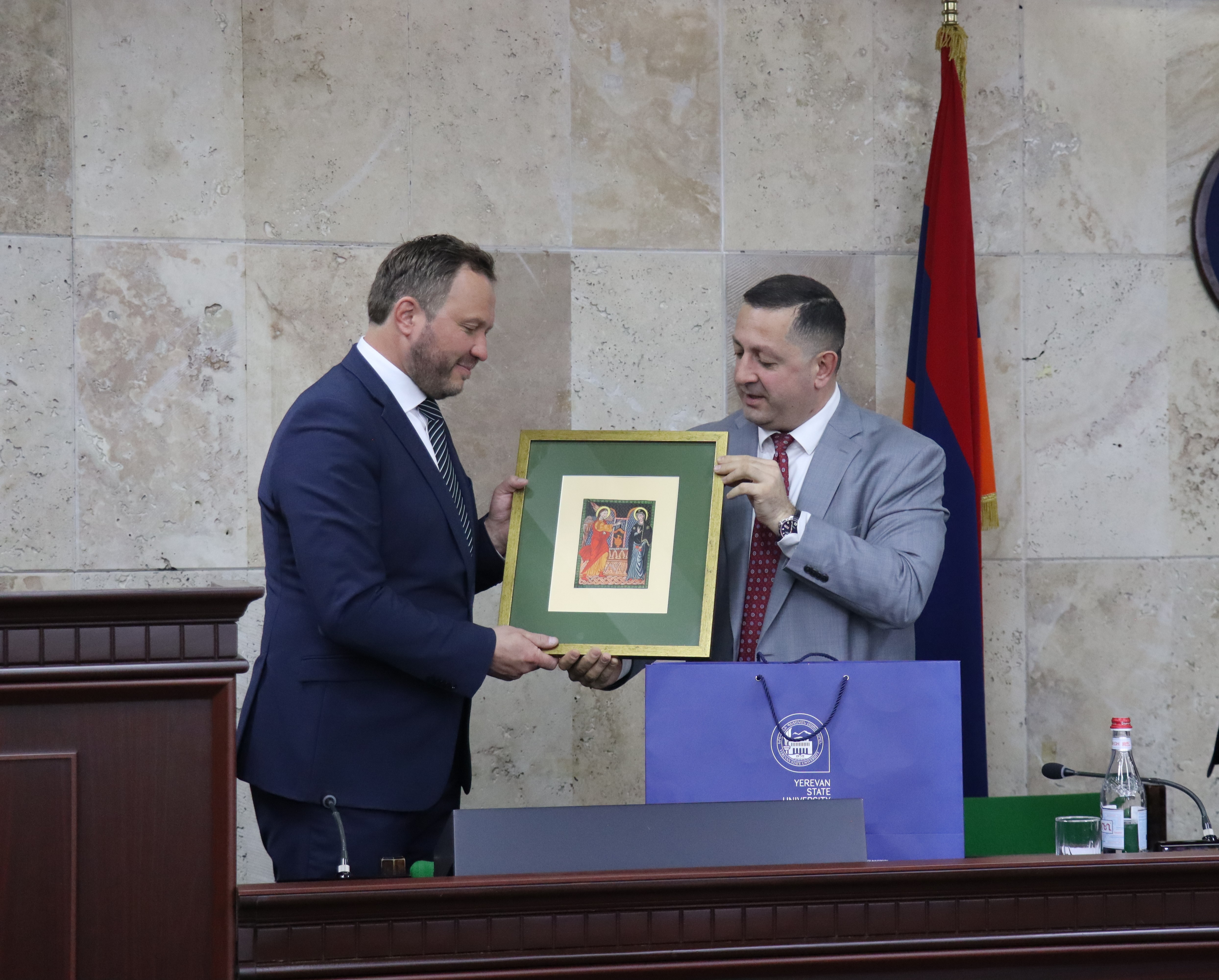
Welcoming the guest, YSU Rector Hovhannes Hovhannisyan emphasized that hosting high-ranking diplomats is a longstanding tradition of the university, offering students the opportunity to gain first-hand insights into foreign policy.
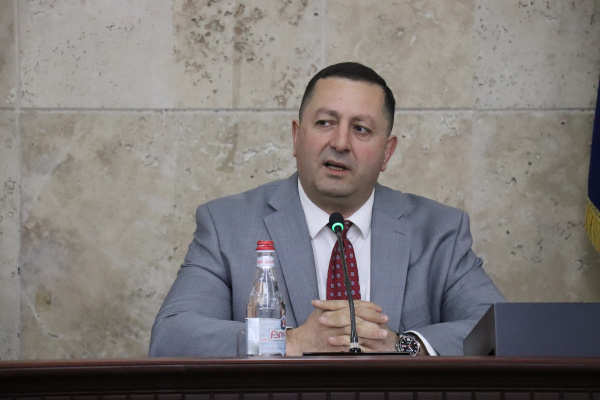
"Today, Armenia is making significant strides in the visa liberalization process and aims to get as close as possible to the European Union. Since Estonia is an EU member, its experience with change will be very interesting for our students," the rector said.
He also touched upon the historical educational ties between Armenia and Estonia, highlighting the journey of the prominent Armenian writer Khachatur Abovyan to the University of Tartu. The rector added that YSU continues to cooperate with the University of Tartu today, with the aim of further deepening academic and research collaboration.
Armenia's Deputy Minister of Education, Science, Culture and Sport, Artur Martirosyan, spoke highly of the established relations with Estonia and underscored Margus Tsahkna's efforts to bring Armenia closer to the European Union.
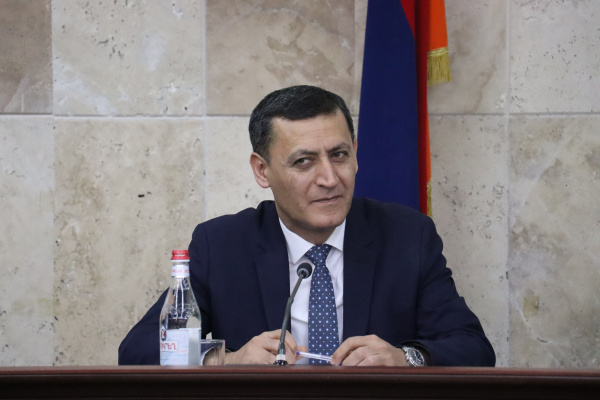
"Small countries must learn how to secure their place in this unstable world. Both our countries are small, yet they possess strong identities and a long history of preserving them. We must learn from one another how countries like ours can contribute to peace and maintain our place in the world during these uncertain times," he said.
Martirosyan also pointed out that Estonia is a global leader in digital transformation, noting that Armenia is actively studying and adapting this experience through various initiatives.
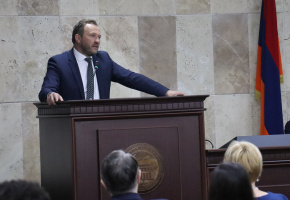
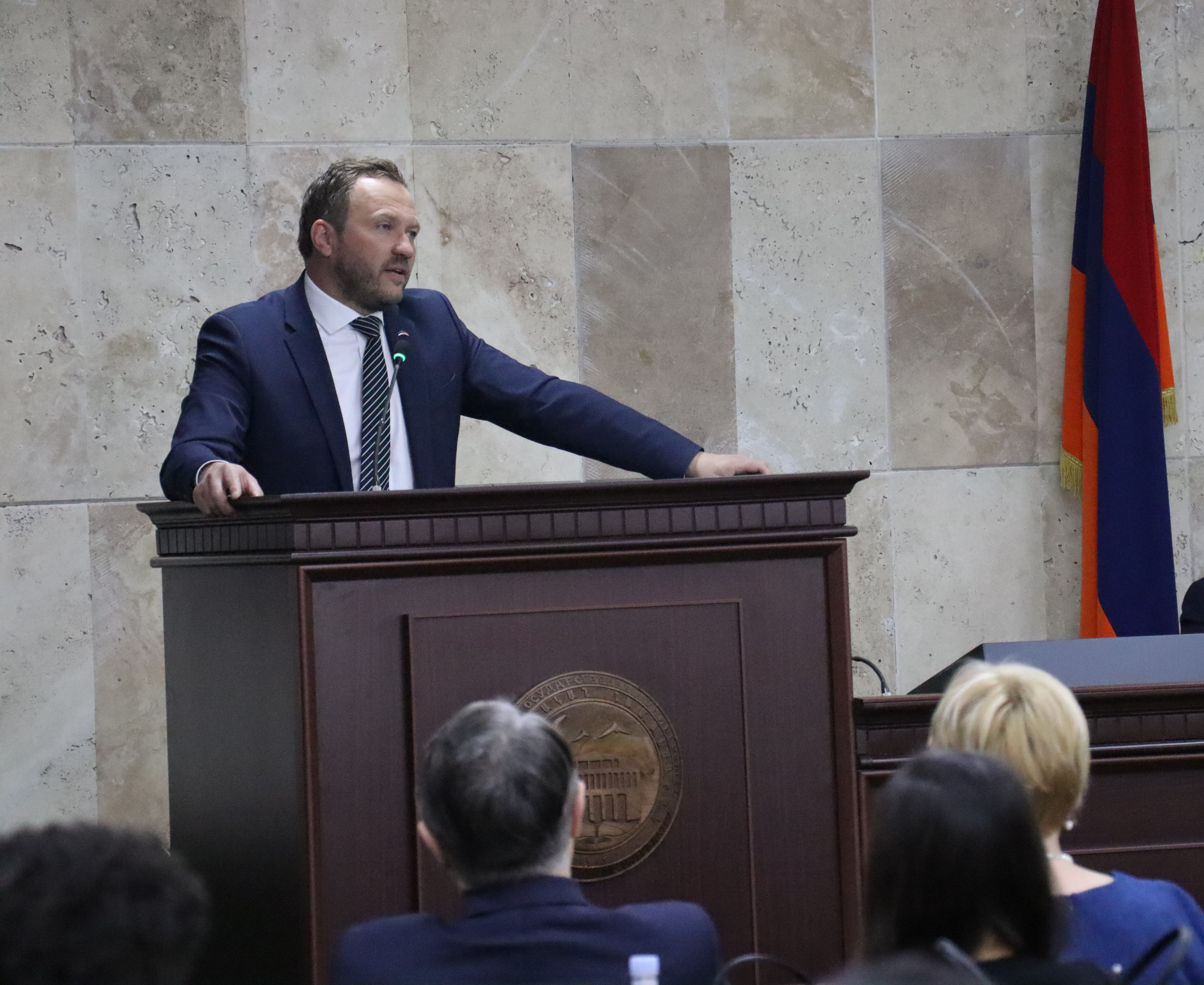
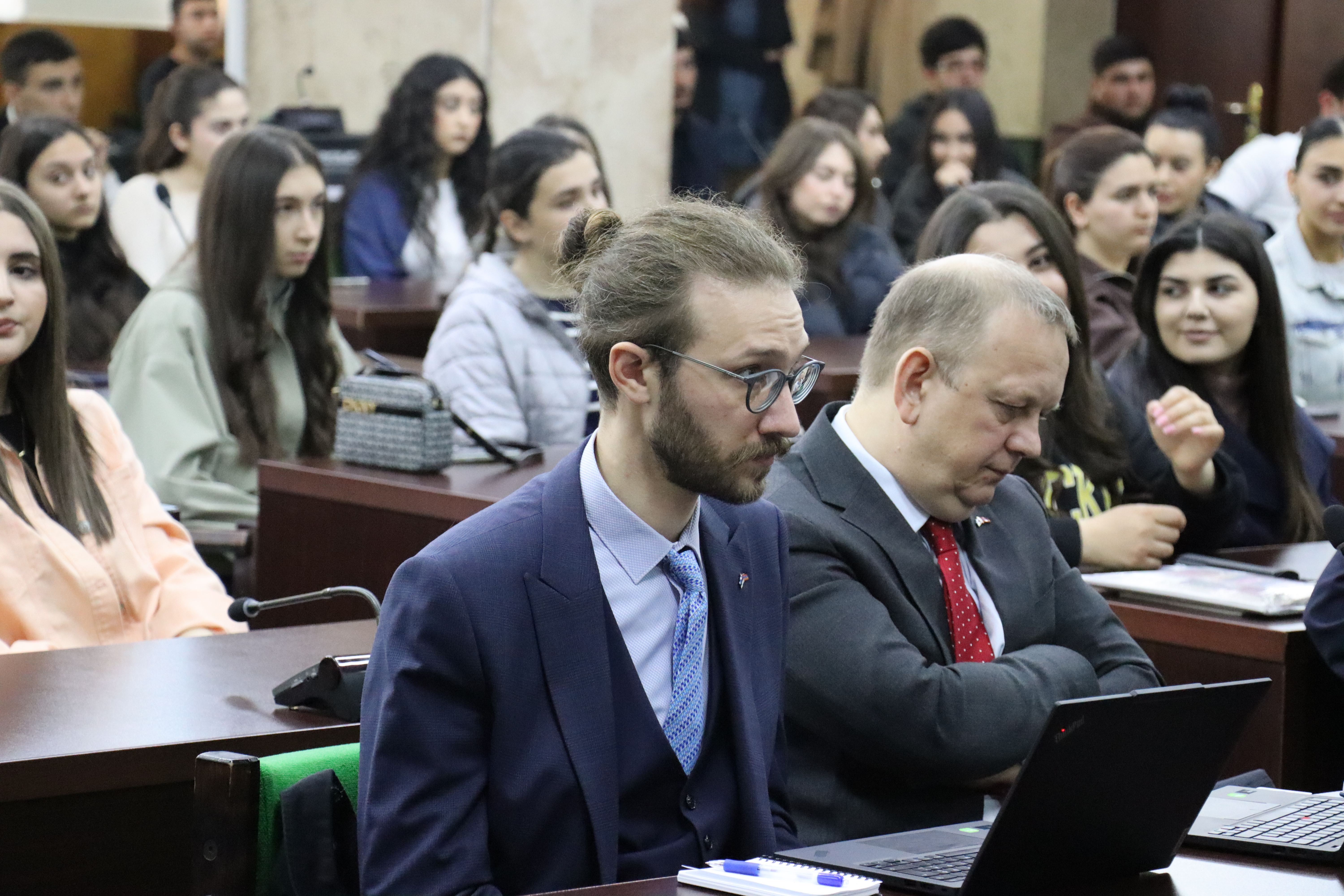
Addressing the topic of small states, Tsahkna remarked: "Estonia has a population of 1.3 million, but in today's world, what truly matters is spirit. Our spirits are very similar when it comes to freedom, our roots, and our history."
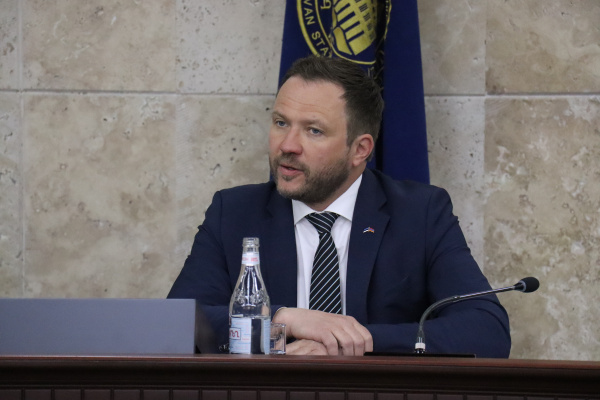
The minister provided a comprehensive overview of Estonia's history and the lessons learned from past mistakes, which have shaped its current security policy.
According to Tsahkna, Estonia's membership in the European Union and NATO serves as a key guarantee of its security.
Detailing Estonia's successful policy model, he noted that despite limited natural resources, the country has invested heavily in intellectual capital and technology.
"Today, 100% of our public services are digitalized. This is not only about convenience but also transparency; as a result, we have made significant progress in combating corruption," he said. He jokingly added that the only service in Estonia that still requires a physical presence at a government institution is marriage.
Speaking about the use of artificial intelligence, the minister noted that pilot programs are being implemented in Estonian universities and high schools to effectively integrate AI into the educational process.
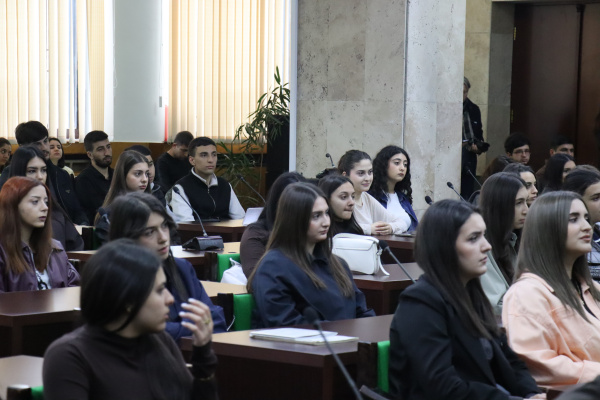
"We cannot fight innovation and technological progress; instead, we must learn how to use them. The entire government is now working on AI solutions and the digitalization of public services so that they reach citizens directly—tailored to their income, social background, medical data, marital status, and other information," he explained.
According to the minister, Estonia has developed a globally unique system capable of designing personalized public services tailored to the individual needs of each citizen. Instead of applying for services, individuals simply confirm their consent.
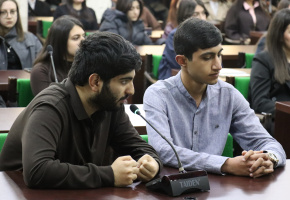
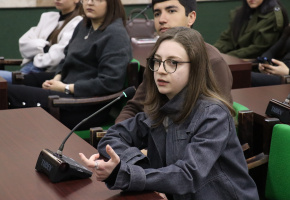
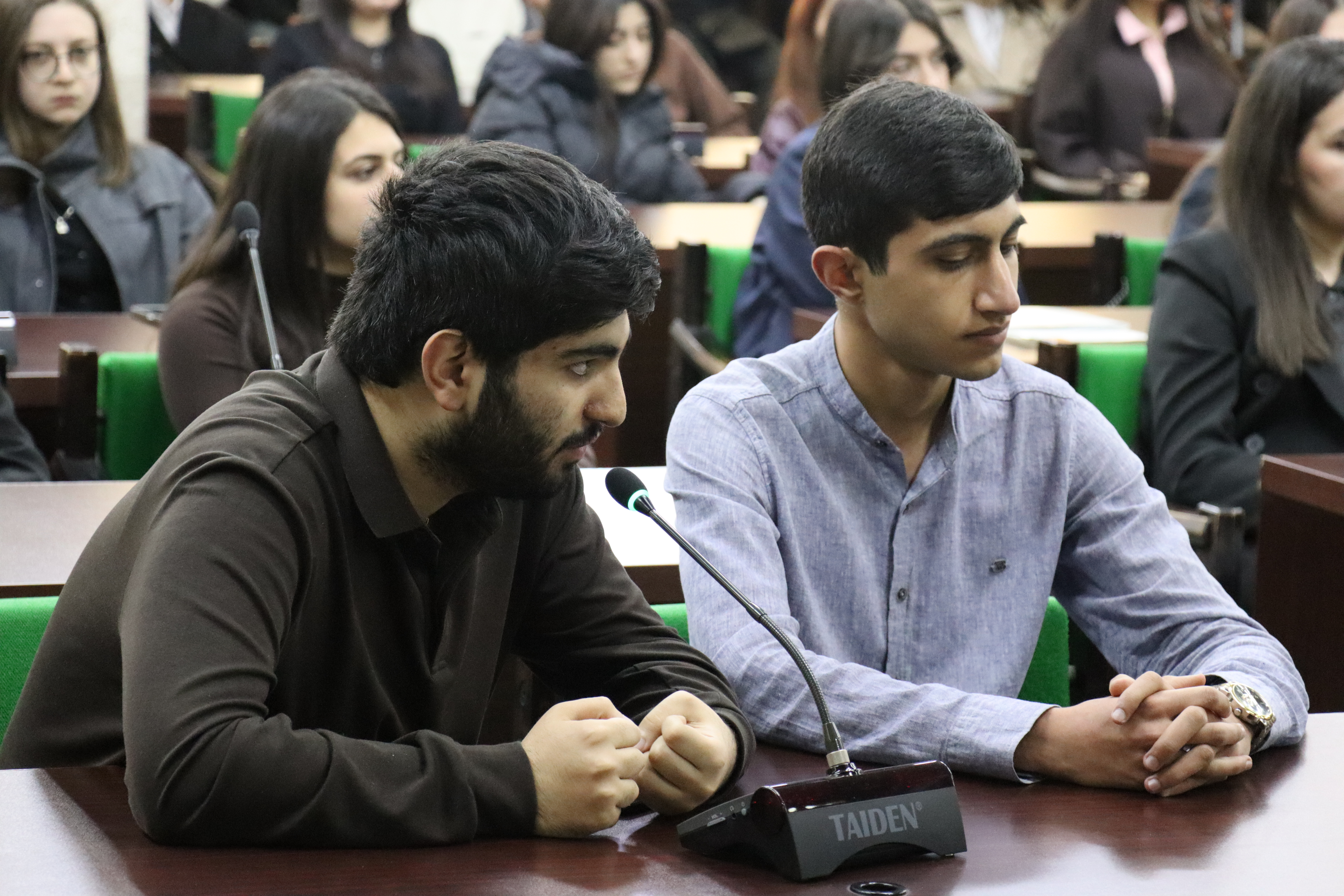
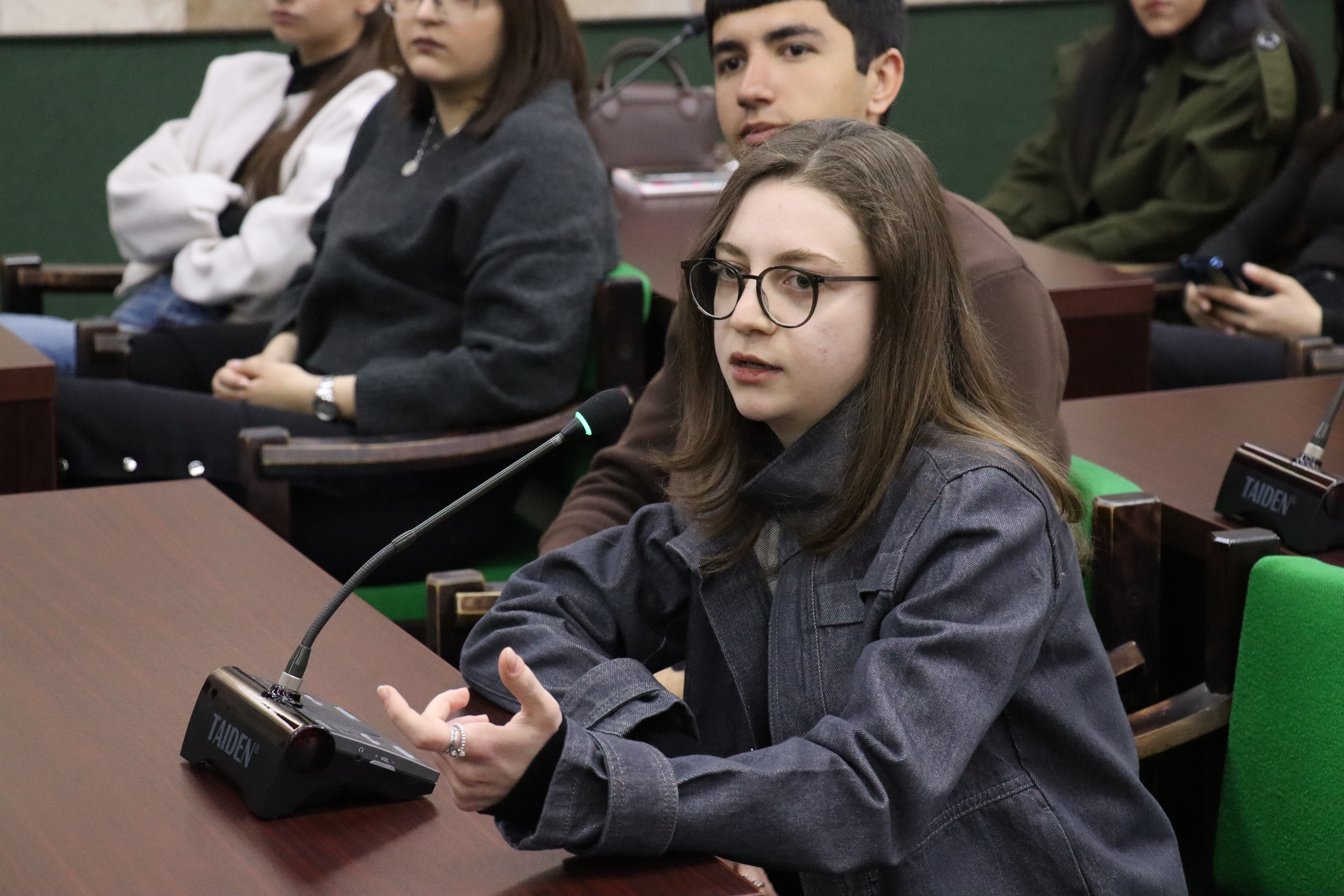
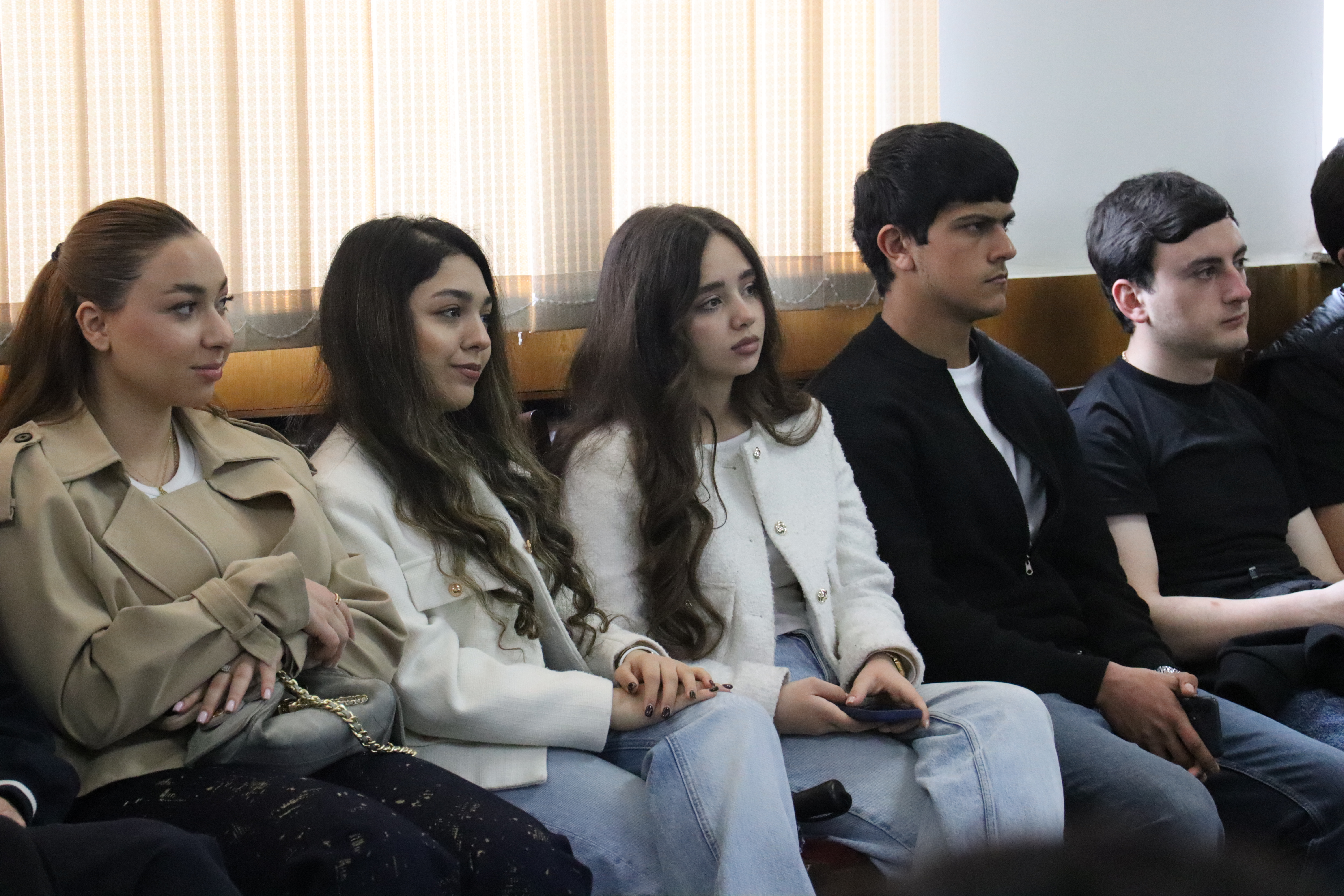
During the Q&A session, Tsahkna noted that in the process of building and developing its statehood, Estonia has naturally made mistakes—experiences it is now ready to share to help others avoid similar missteps. In this context, he also encouraged students not to fear failure.
"Fear of making mistakes undermines innovative thinking. The worst thing is when, out of fear of making mistakes, you do nothing at all. So act—even if you make mistakes, learn from them and keep moving forward," concluded Estonian Minister of Foreign Affairs Margus Tsahkna.