April 20, 2026 | 15:31
Society
Student
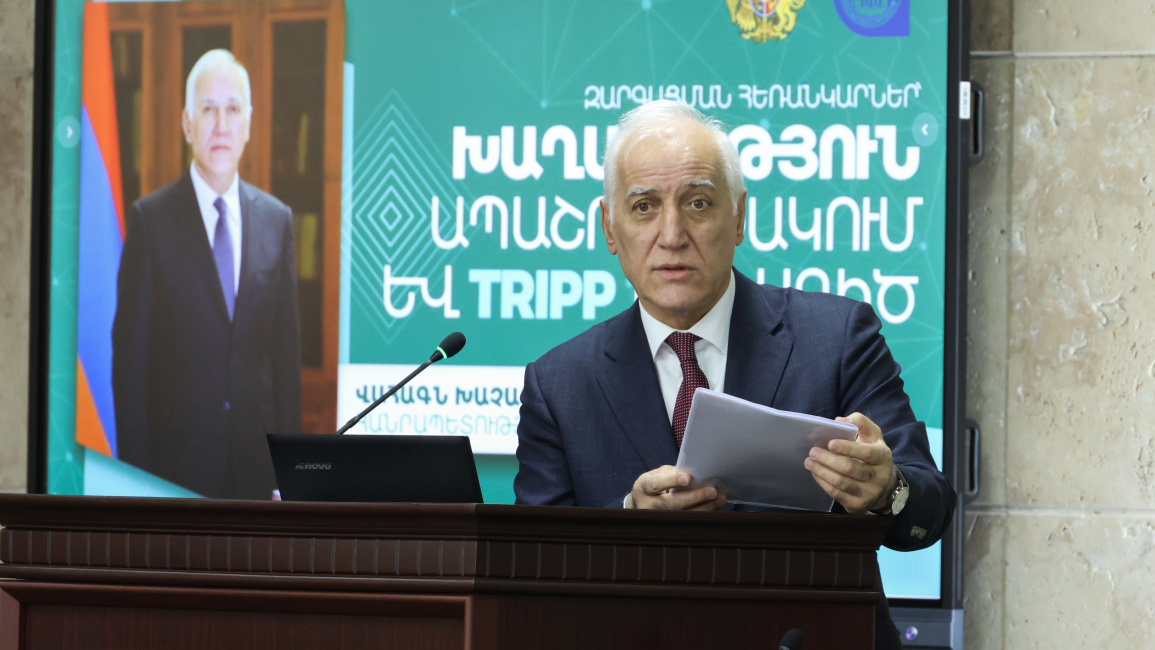
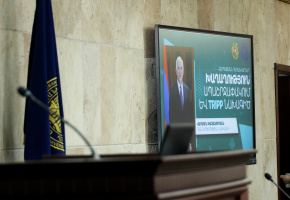
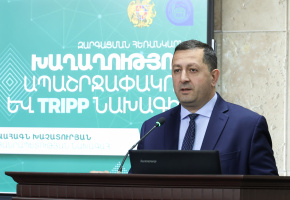
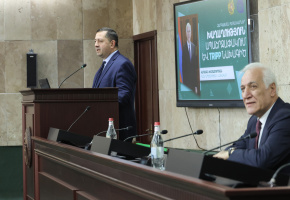
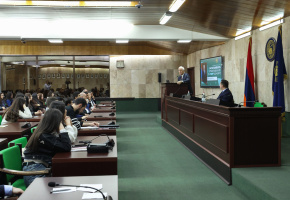
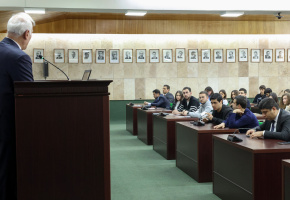
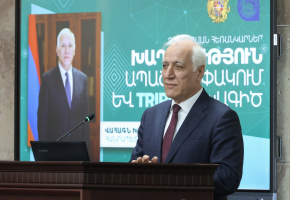
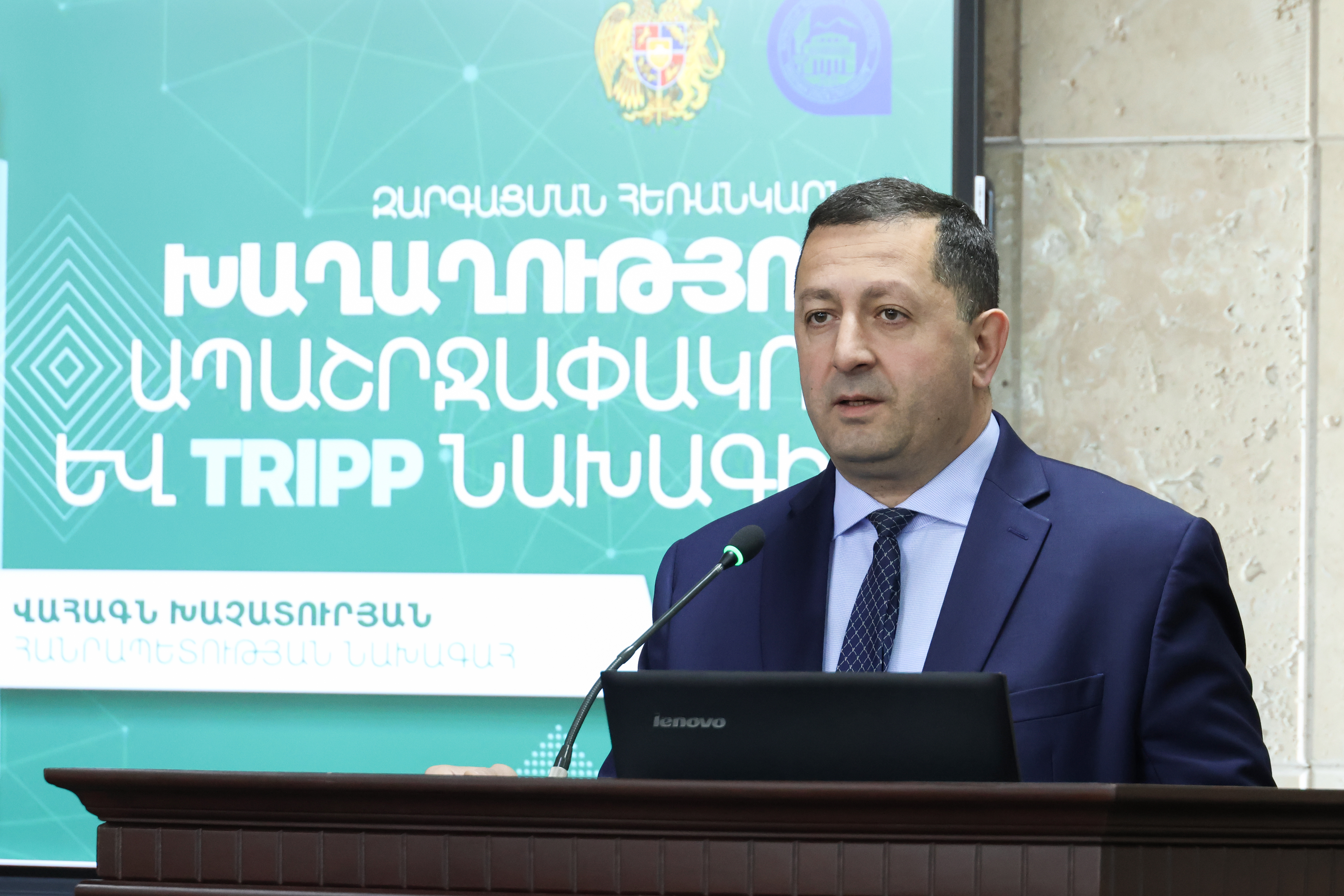
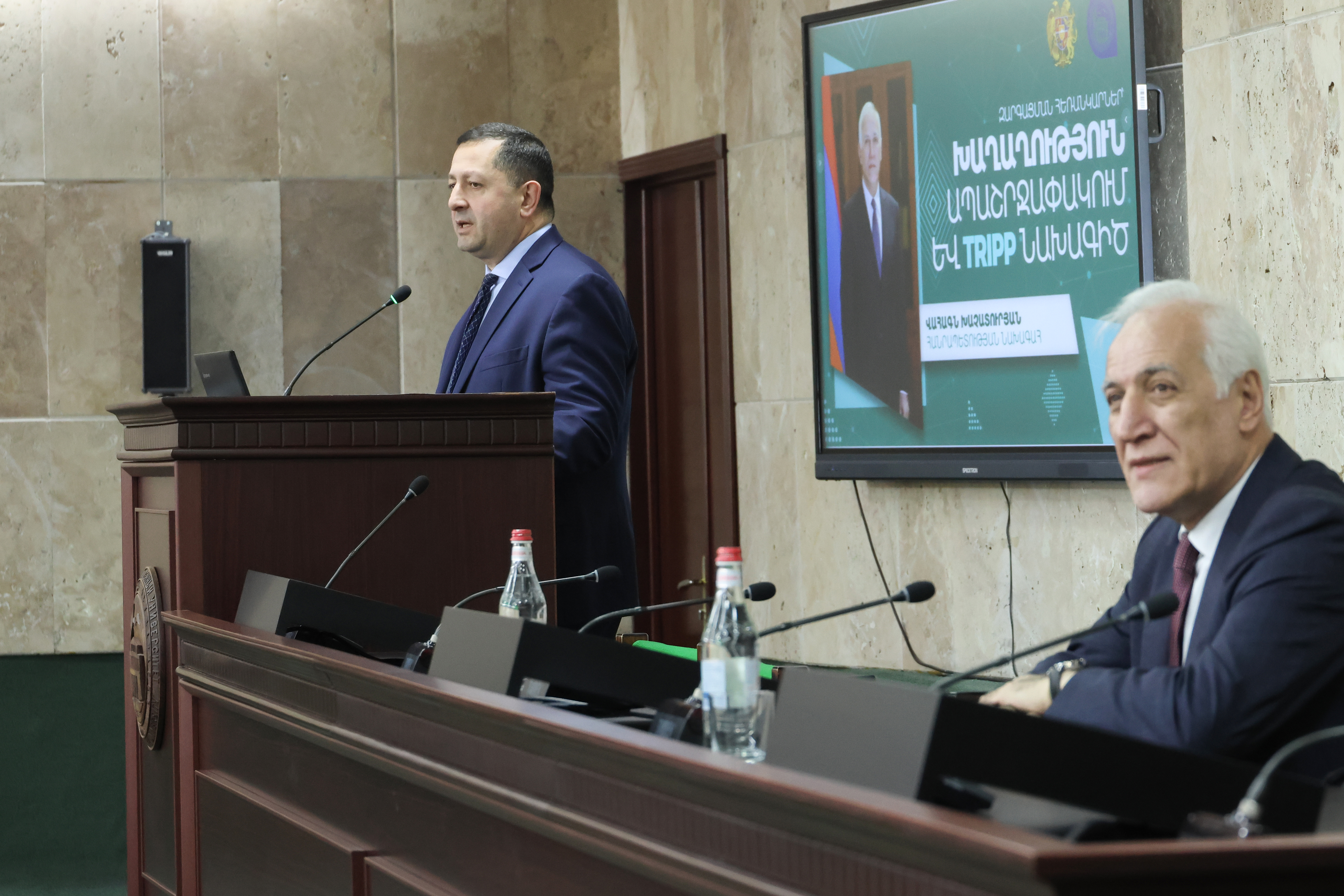
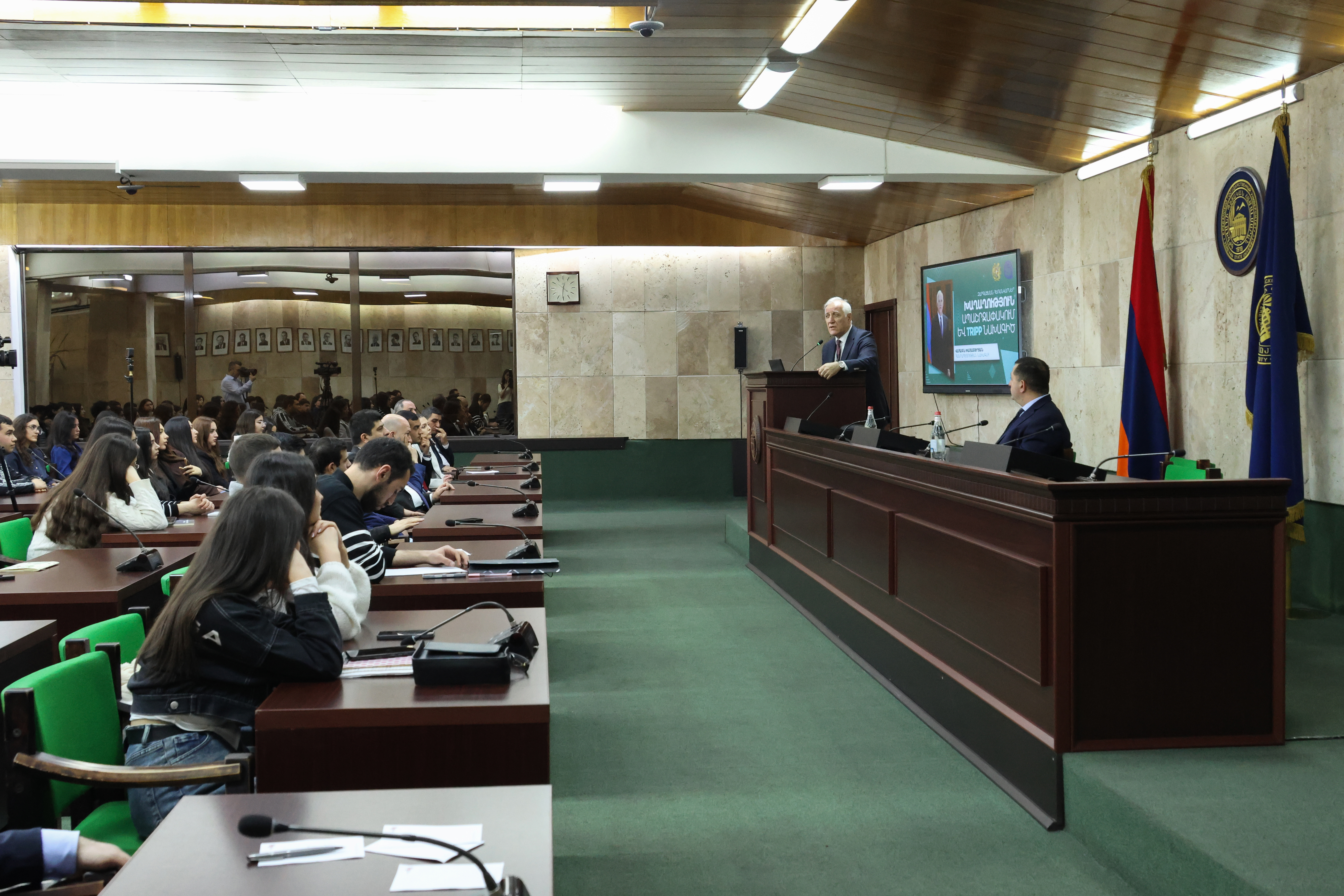
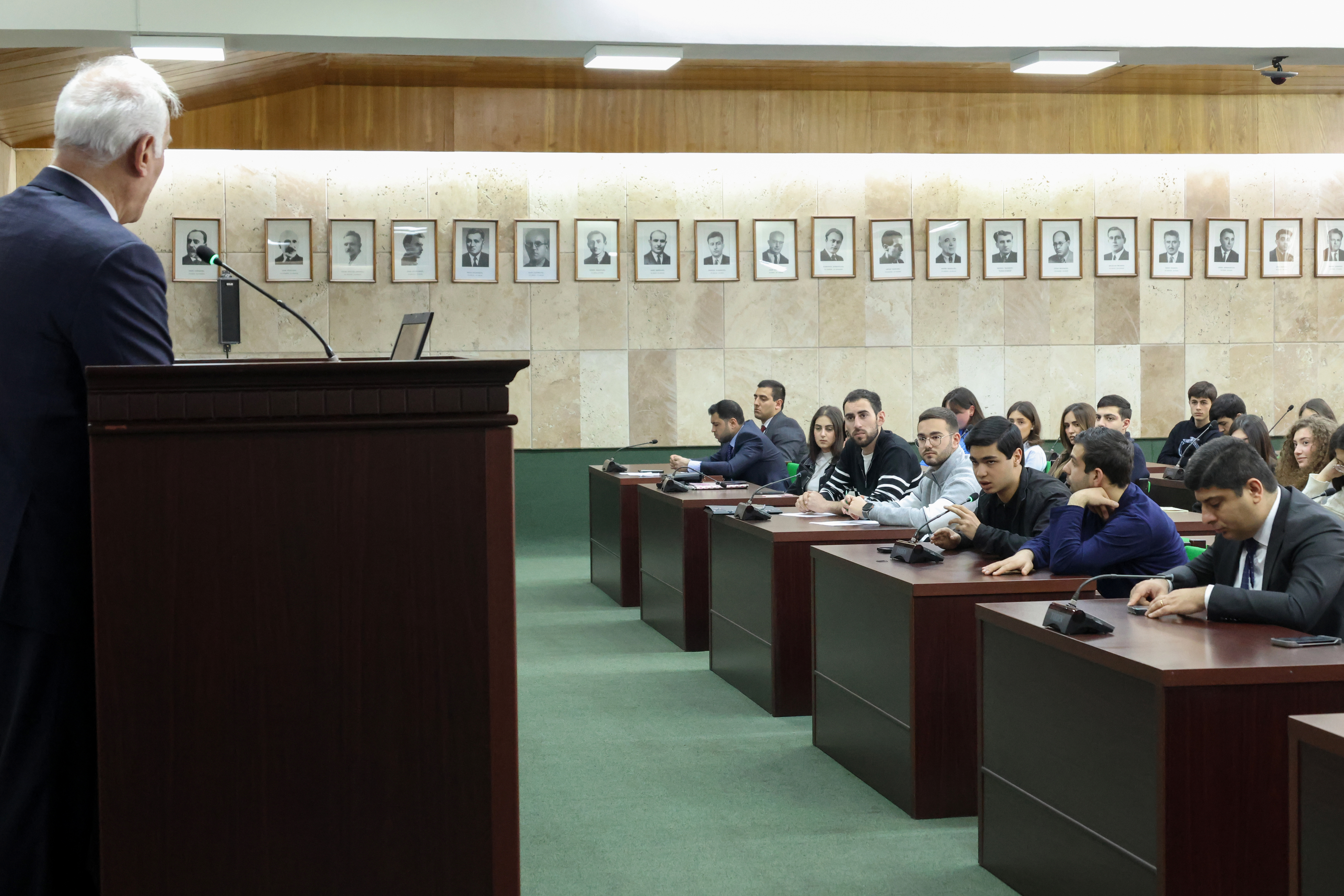
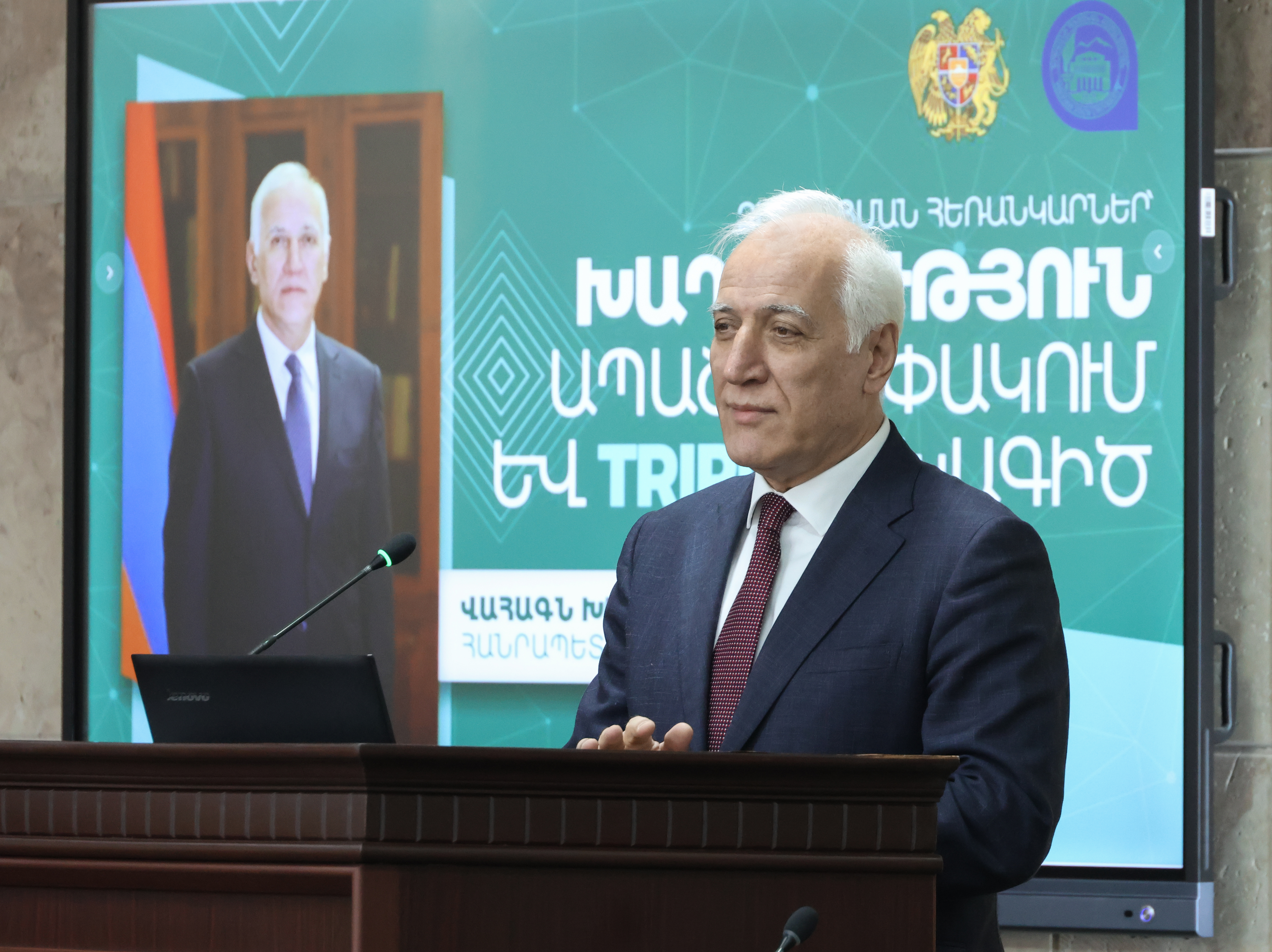
In his lecture, President of Armenia Vahagn Khachaturyan presented the main strategic directions of Armenia's development, emphasizing the imperative of establishing lasting peace in the region and the need to unblock transport and communication routes. He also referred to the Crossroads of Peace initiative.
He stressed that sustainable, long-term peace in the region is a key prerequisite for economic growth, improved investment conditions, and enhanced national competitiveness. Khachaturyan also spoke about the objectives and potential of the TRIPP project, highlighting its role in strengthening regional connectivity, deepening economic interdependence, and creating new development opportunities.
The president further addressed recent economic developments, including growth in investments and overall economic activity. According to him, one of the key goals of economic policy is to ensure inclusive growth, so that broader segments of society can benefit from the value being created.
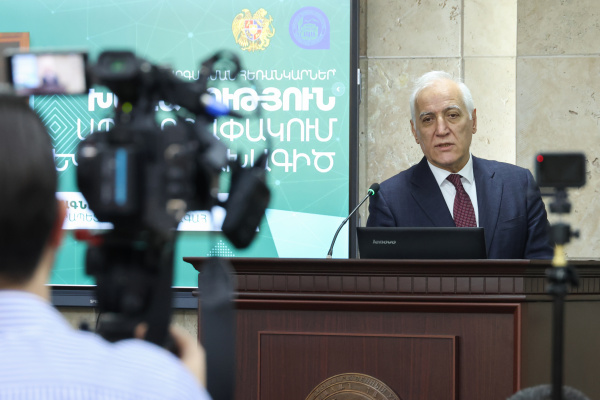
"The current policy is inclusive, and it is that inclusiveness that best reflects its essence; the benefits of this policy will be felt by all citizens of the Republic of Armenia. In their daily lives, our citizens should feel the true meaning of living in peace, understand the value of peaceful relations with neighbors, and see how, under such conditions, their own opportunities and advantages can also be extended to citizens of other countries," he said.
Referring to developments in artificial intelligence in Armenia, the president highlighted both the construction of an AI factory and the $25 million agreement signed between the Ministry of High-Tech Industry of Armenia and Firebird AI, aimed at fostering innovation in the sector.
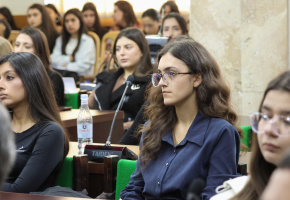
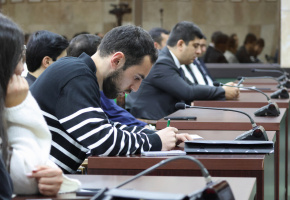
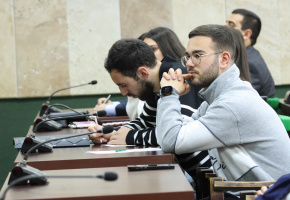
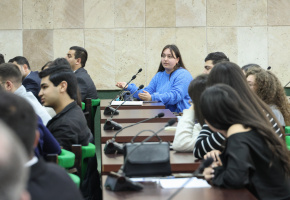
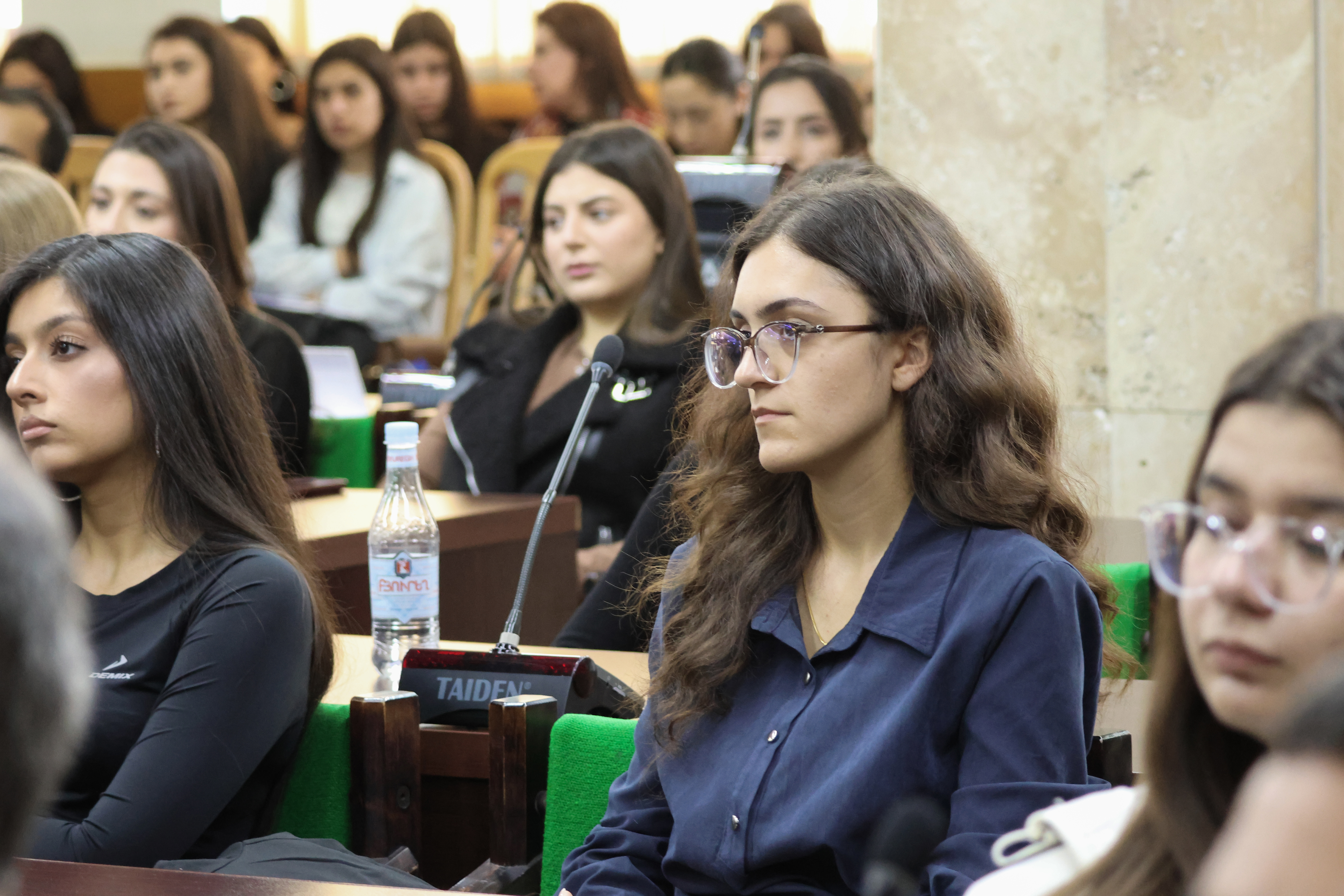
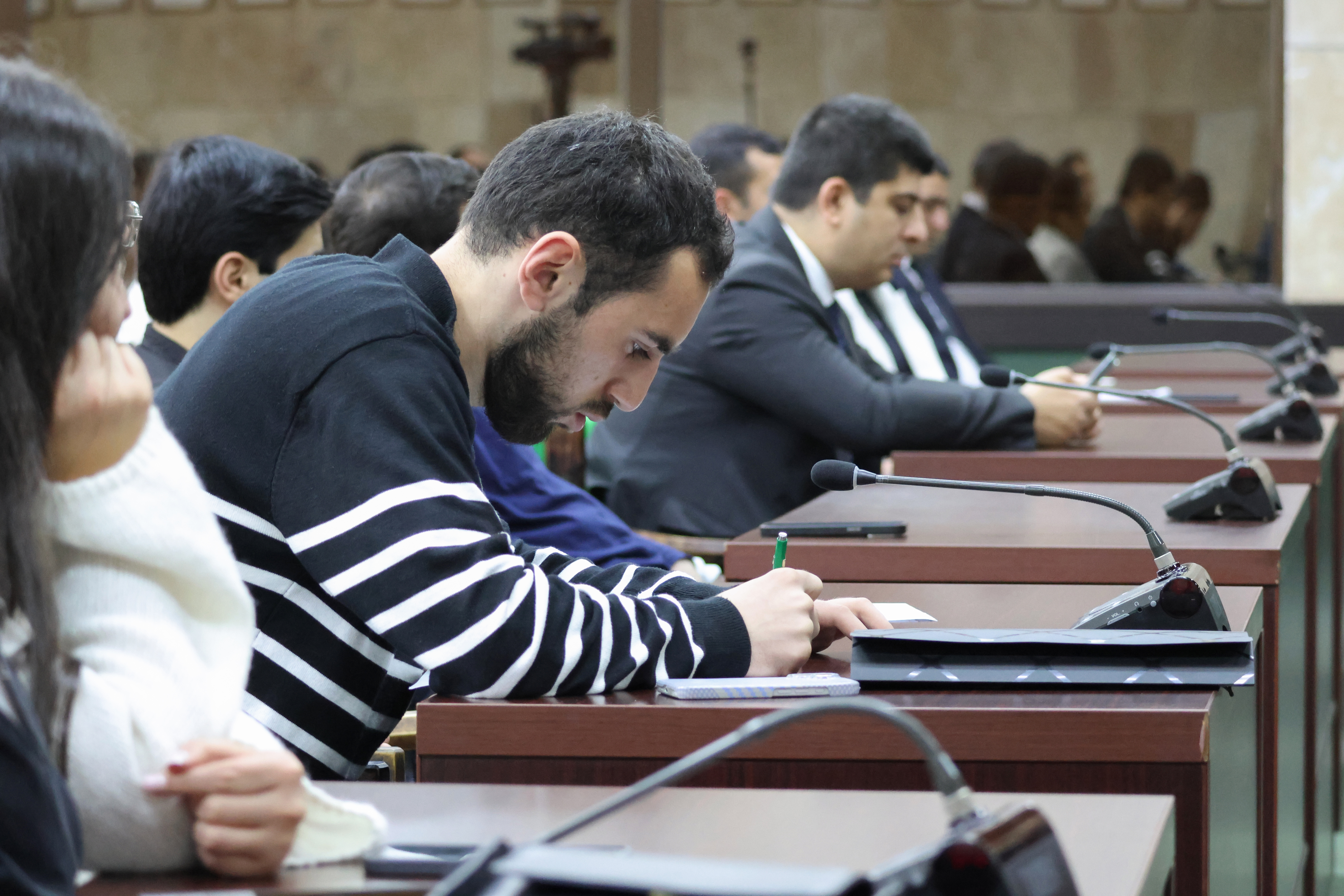
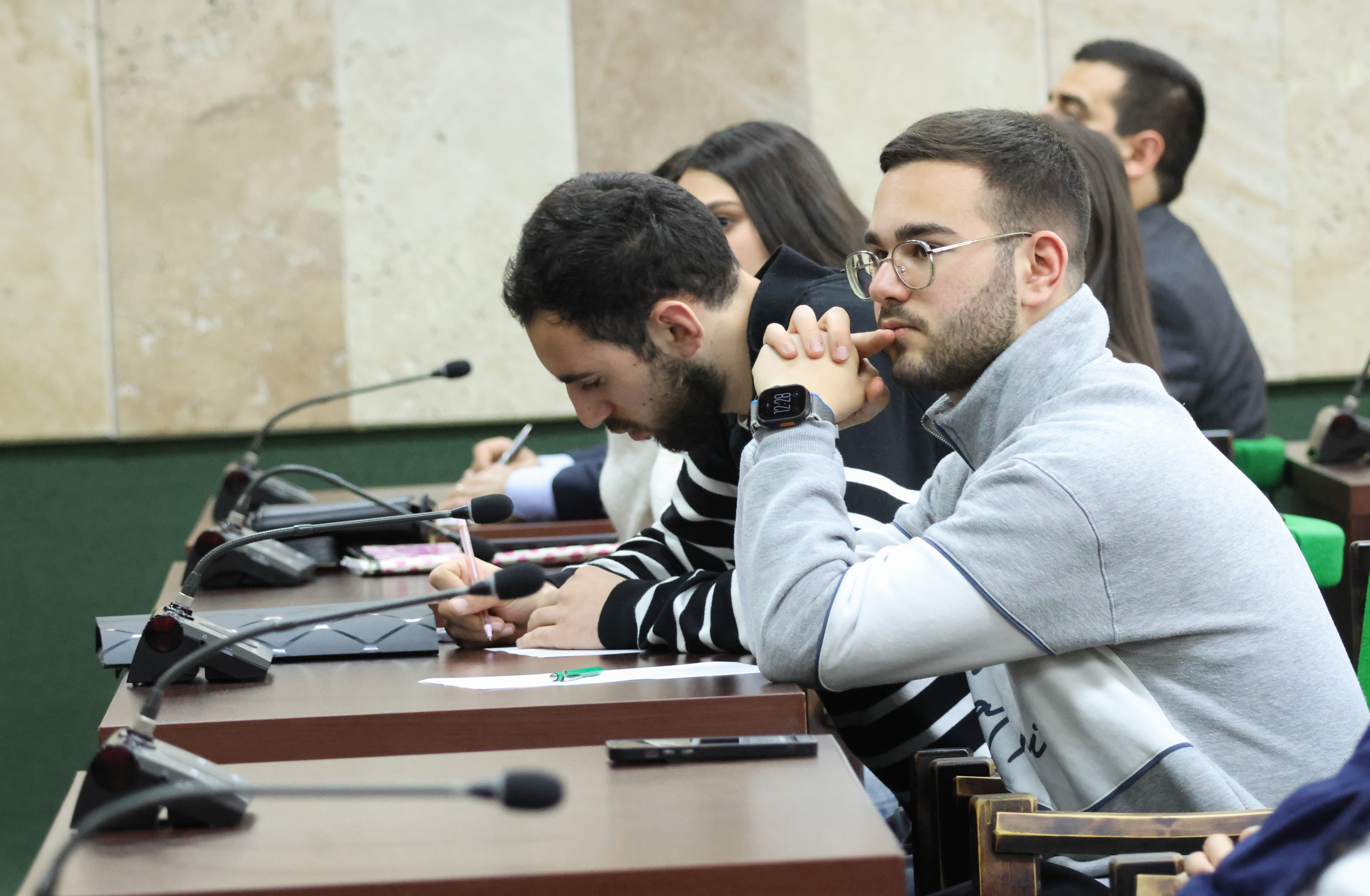
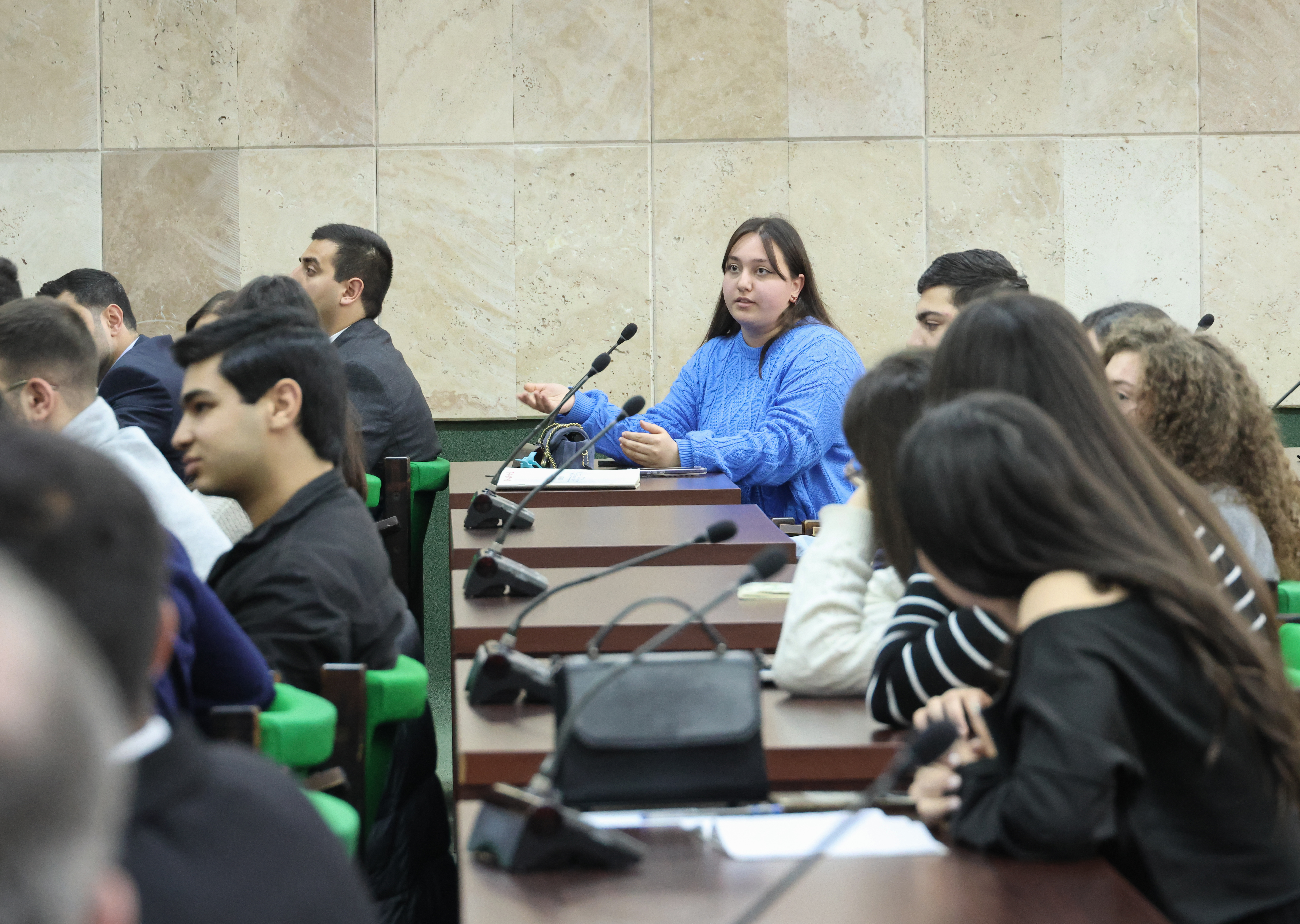
The lecture was followed by a question-and-answer session marked by active participation. Students raised a range of issues, from relations with different countries to the role of the Collective Security Treaty Organization (CSTO) and regional security mechanisms.
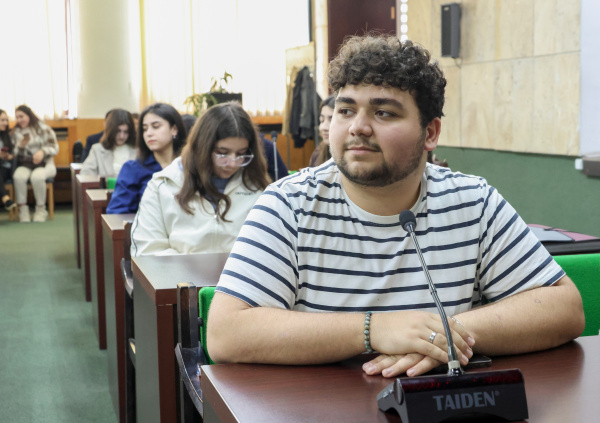
Ararat Hakobyan, a first-year student at the YSU Faculty of Economics and Management, said that the most impressive part of the meeting for him was the Q&A session, particularly the discussions on economic charts and regional connectivity. He noted that he was especially interested in the details of potential railway links through Turkey and broader regional projects, adding that the president's answers prompted further questions and a deeper interest in the topic.
Anahit Nersisyan, a second-year student at the same faculty, said the lecture and Q&A session were highly interactive, allowing participants to gain a comprehensive understanding of various topics. She emphasized discussions on economic issues, particularly the import-export balance and Armenia's external economic relations. She also found regional economic cooperation particularly interesting, noting that industrial development is a key priority today that can enhance the country's economic potential and expand export opportunities.
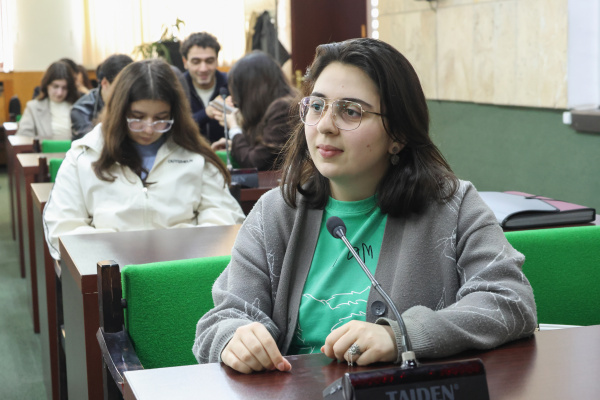
"In my opinion, all the projects presented by the president have a long-term impact and may evolve or change direction over time, depending on political developments and the approaches of the country's leadership," she added.
Students underscored that such meetings are important as they provide an opportunity for direct dialogue on current issues, help better understand topics of interest to young people, and contribute to a more comprehensive understanding of public policy and ongoing processes.
Before the meeting with students, President Khachaturyan toured the YSU Sarkis and Marie Izmirlian Library and the newly established Data Processing Center, becoming acquainted with recent infrastructural reforms at the university.