April 28, 2026 | 14:22
Partners
Research
International cooperation
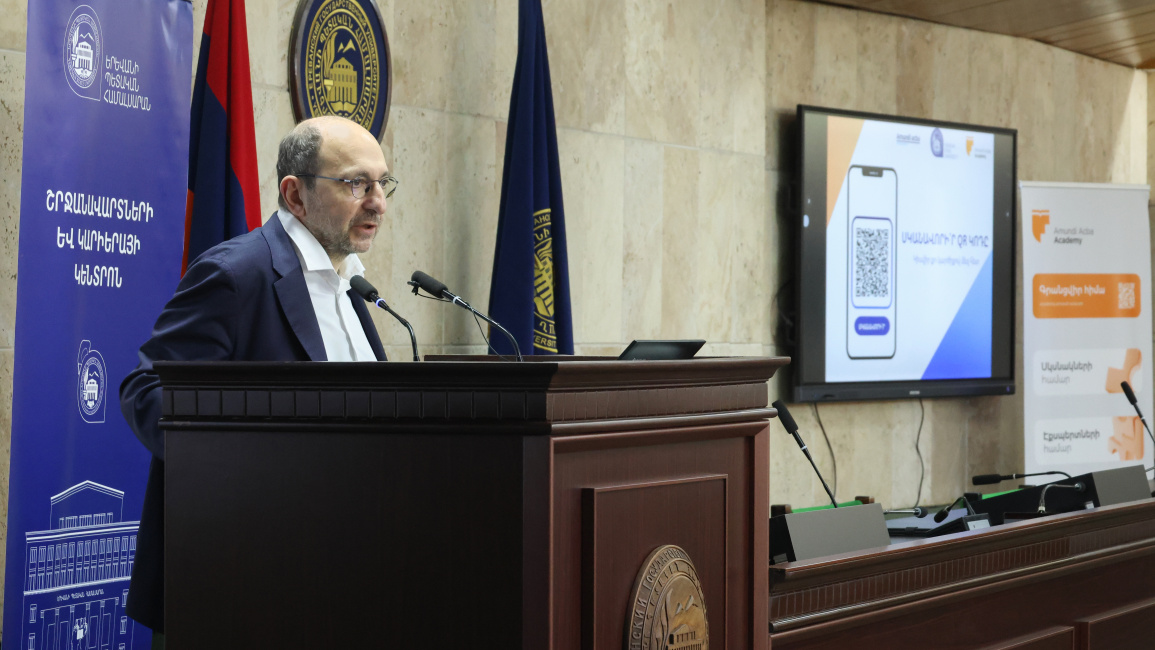
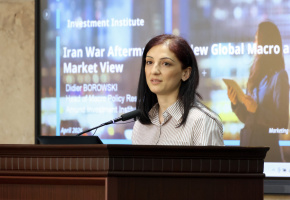
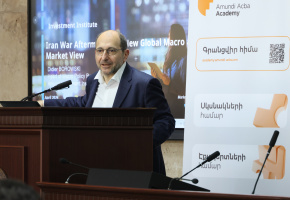
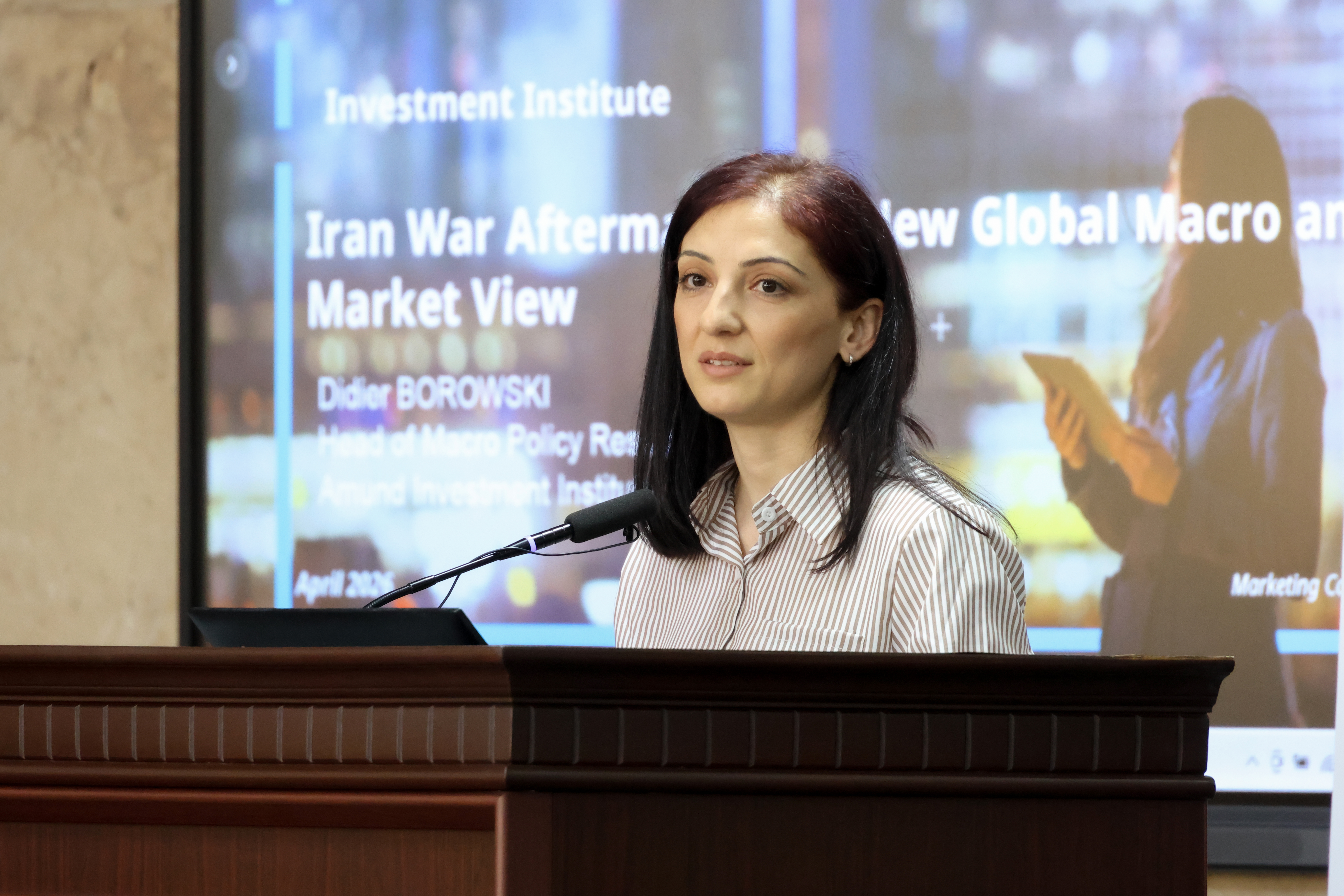
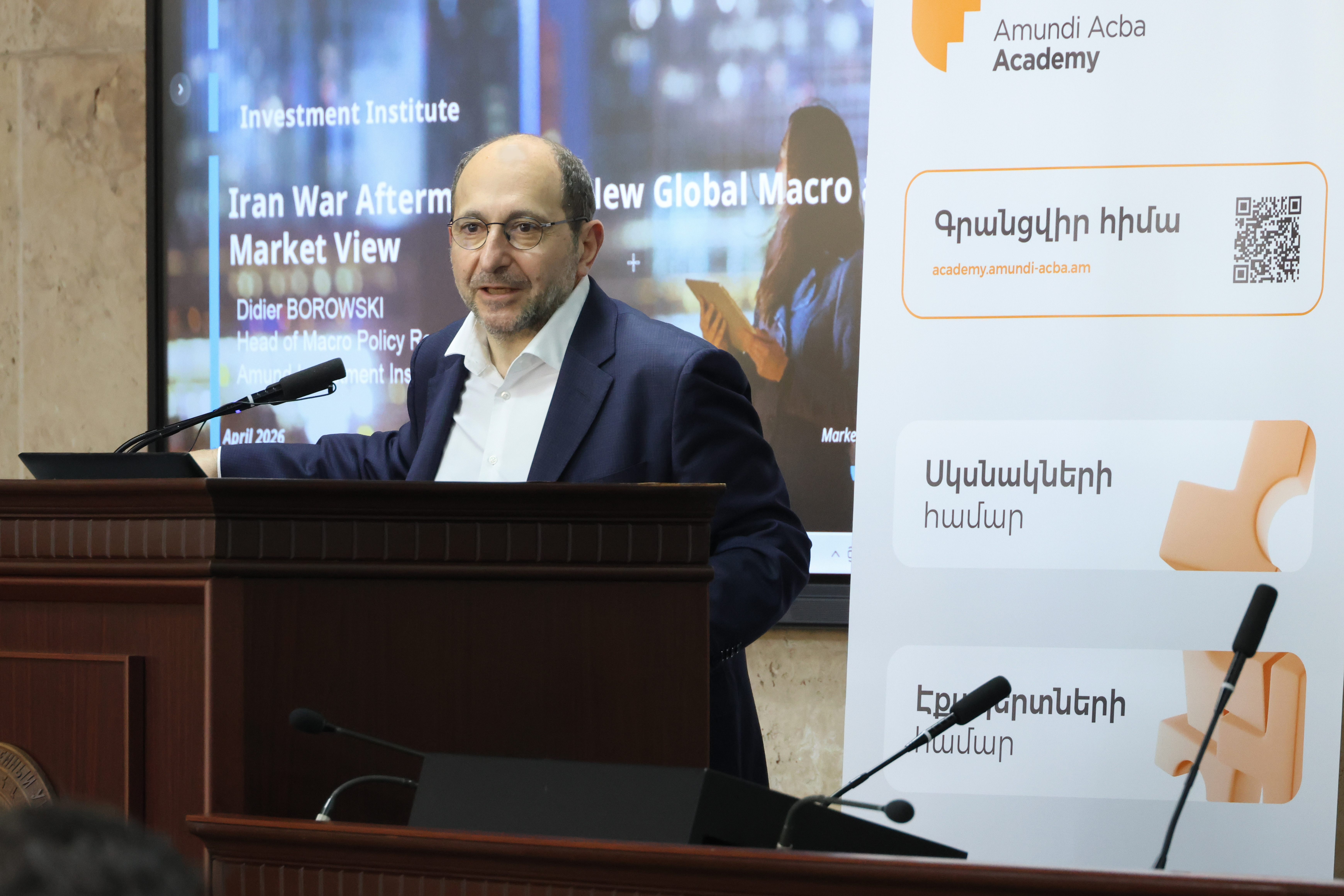
Didier Borowski focused on global macroeconomic trends, geopolitics, and markets, particularly how political decisions affect economic indicators. He also touched upon investment perspectives and ways to navigate uncertainty.
According to him, the world has entered an era in which macroeconomic analysis is no longer possible without considering geopolitics. He added that, in his view, the next 10–15 years would see more conflicts than the previous 50 years combined.
"In this context, resilience and diversification of economies are coming to the forefront. Companies must diversify their supply chains in order to withstand shocks," he said, citing Germany as an example of a country that faced an energy crisis due to its heavy dependence on Russian energy supplies following the Russia–Ukraine war and the lack of diversification in its energy sources.
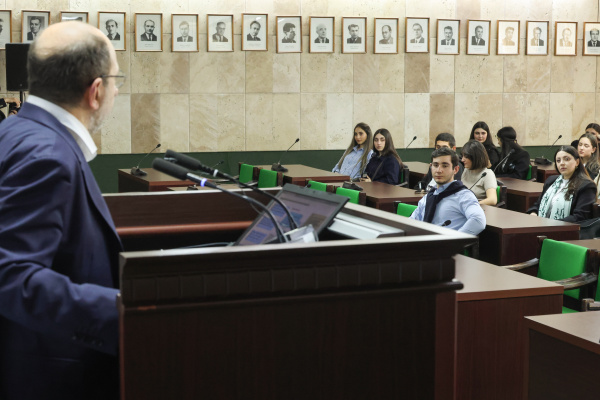
The speaker also addressed tensions involving Iran, the United States, and Israel, noting that nearly 40% of global crude oil passes through the Strait of Hormuz, making it a critical chokepoint for global trade.
"About 40% of global crude oil and a significant share of liquefied natural gas pass through this route. Even in a best-case scenario for war (60% probability), where stabilization is achieved, full normalization of traffic in the strait would take months. In the case of escalation (40% probability), oil prices could rise sharply, reaching as high as $100–125 per barrel," he noted.
Borowski said central banks are now in a difficult position and are forced to adopt a wait-and-see approach, as they must balance the fight against inflation with the need to avoid recession. In this context, he said: "Under such conditions, it has become vital for investors and governments to conduct a detailed analysis of each country's specific macroeconomic situation."
He also highlighted Armenia's economic potential, noting that while the potential growth rate of the Eurozone is estimated at around 1% and that of the United States at 2%, Armenia's potential economic growth is around 5%. In his view, this is a strong figure that allows the country to develop even amid global uncertainty.
The speaker also warned that government and private debt levels worldwide continue to rise, meaning governments no longer have the same financial capacity to cushion economic shocks as they did during the COVID-19 pandemic.