April 27, 2026 | 16:30
Education
Events
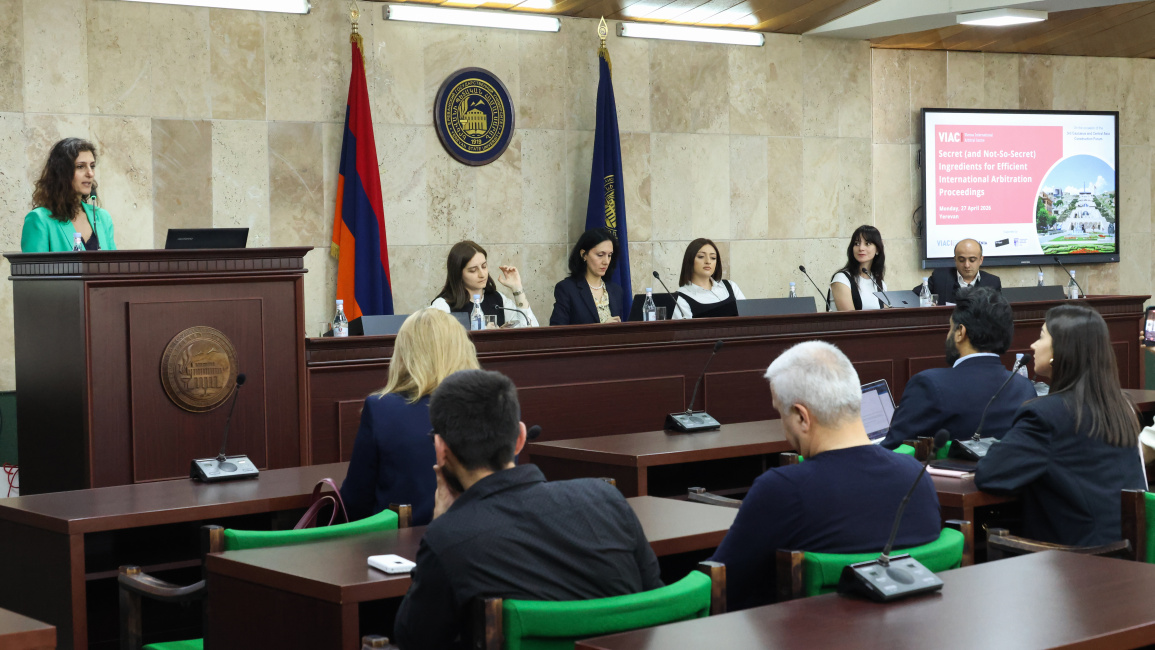
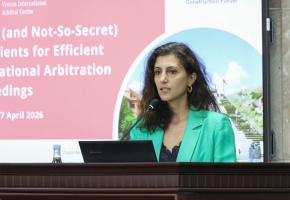
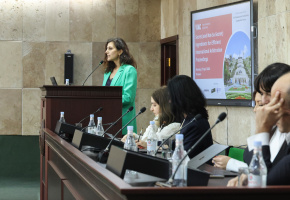
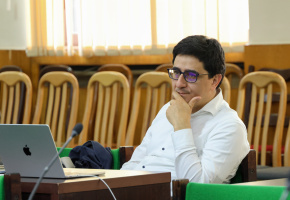
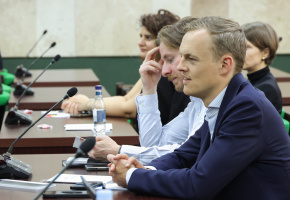
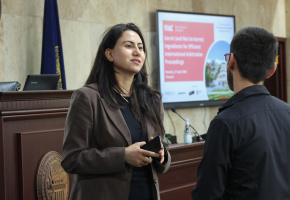
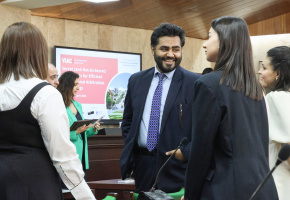
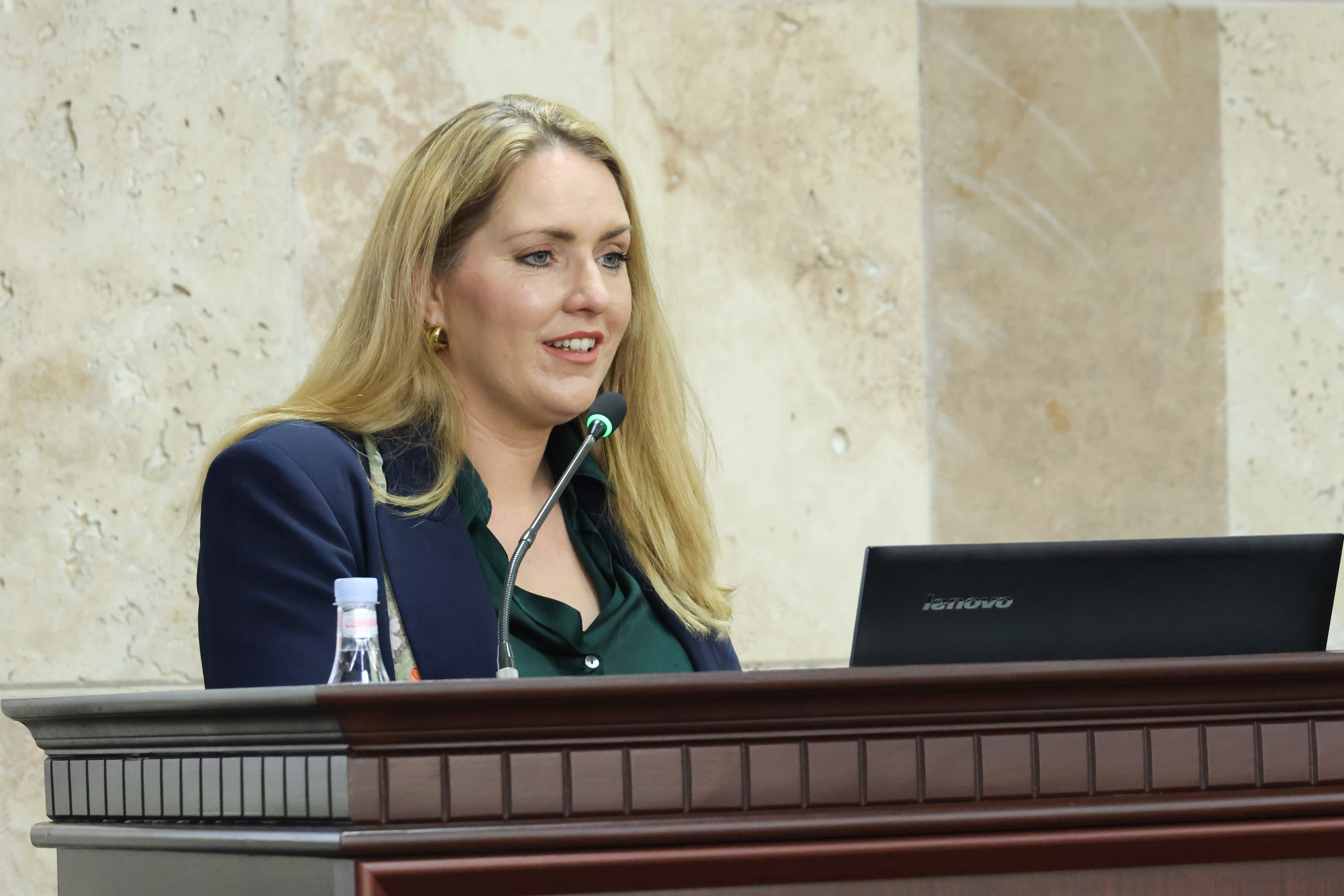
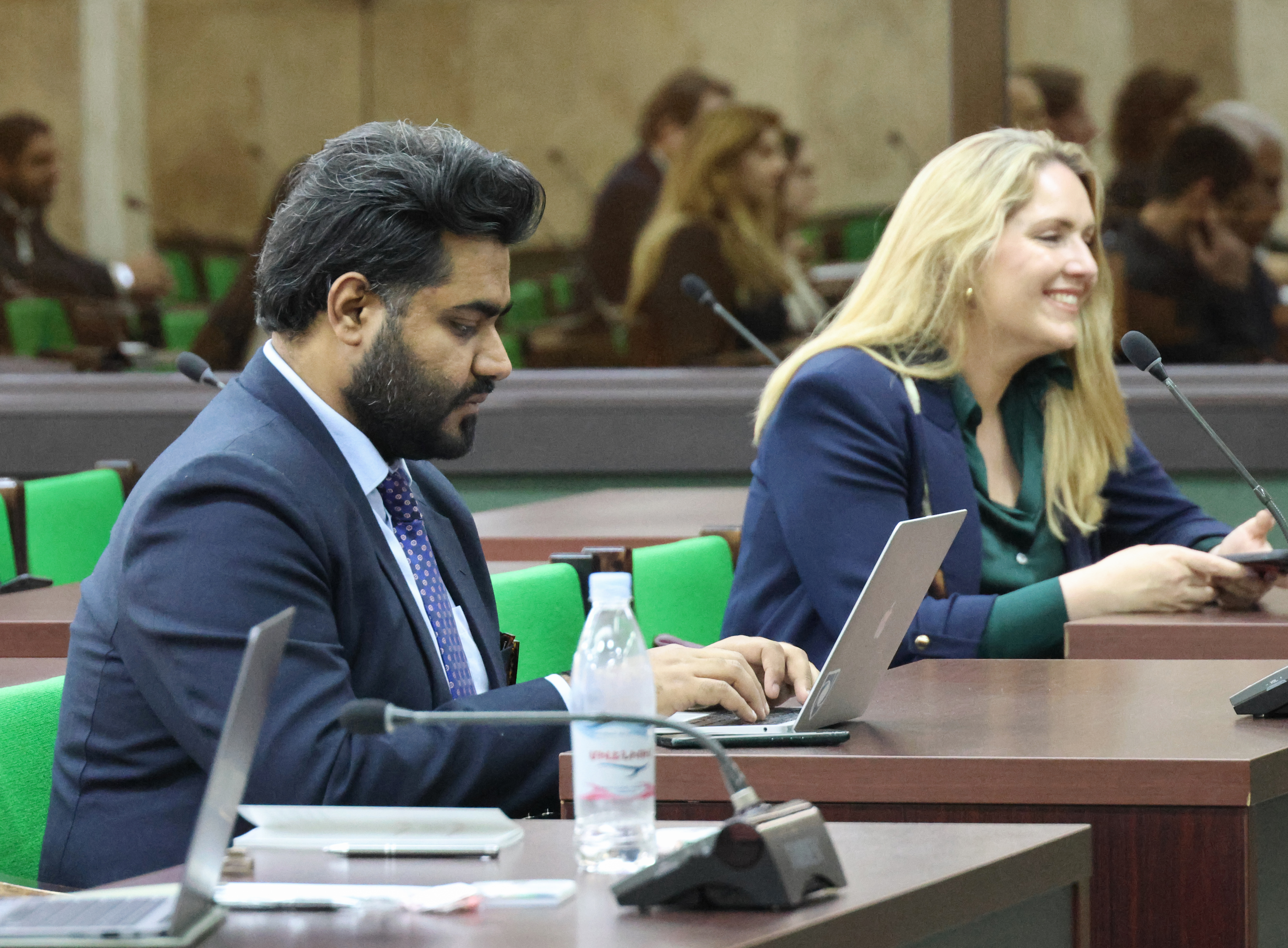
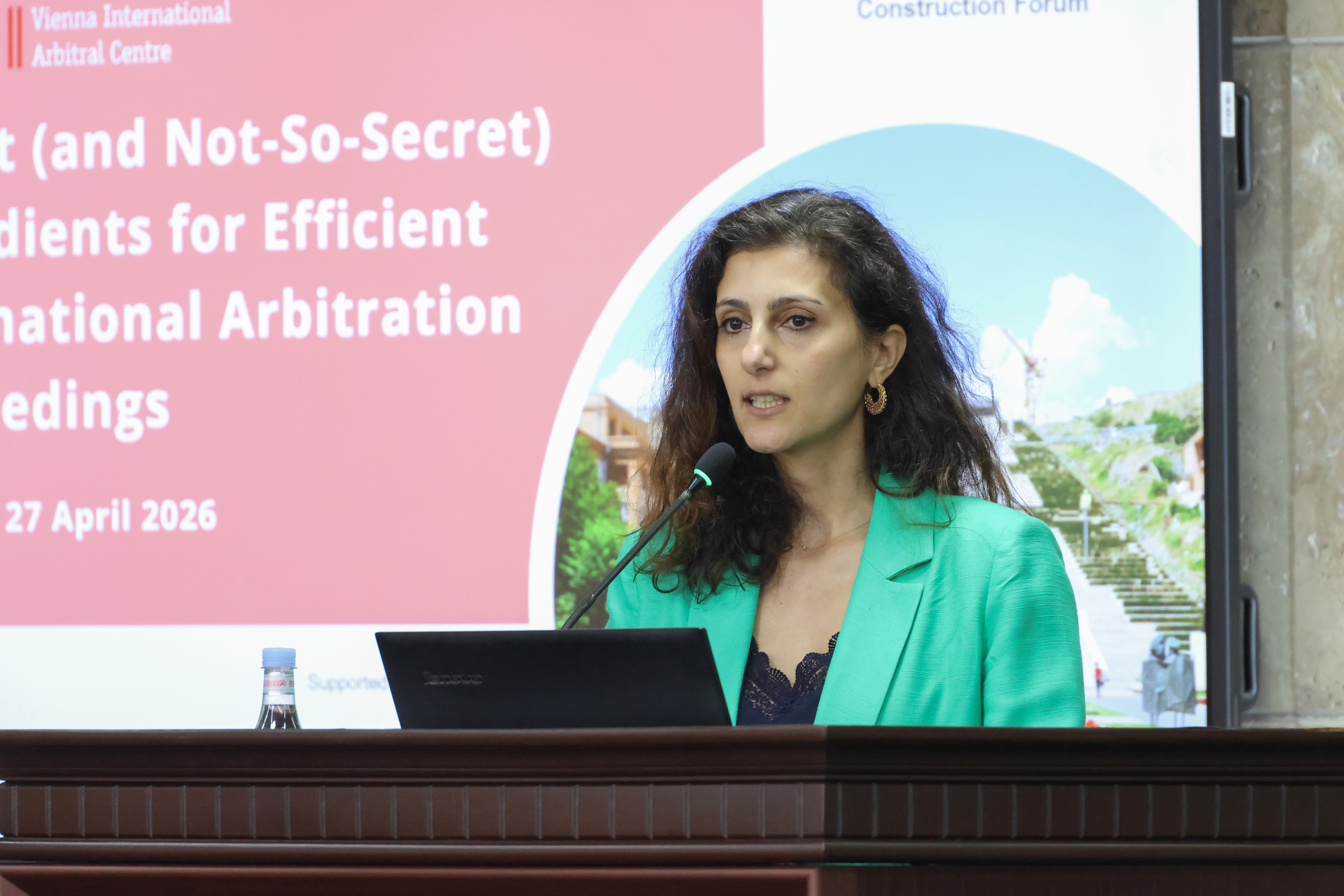
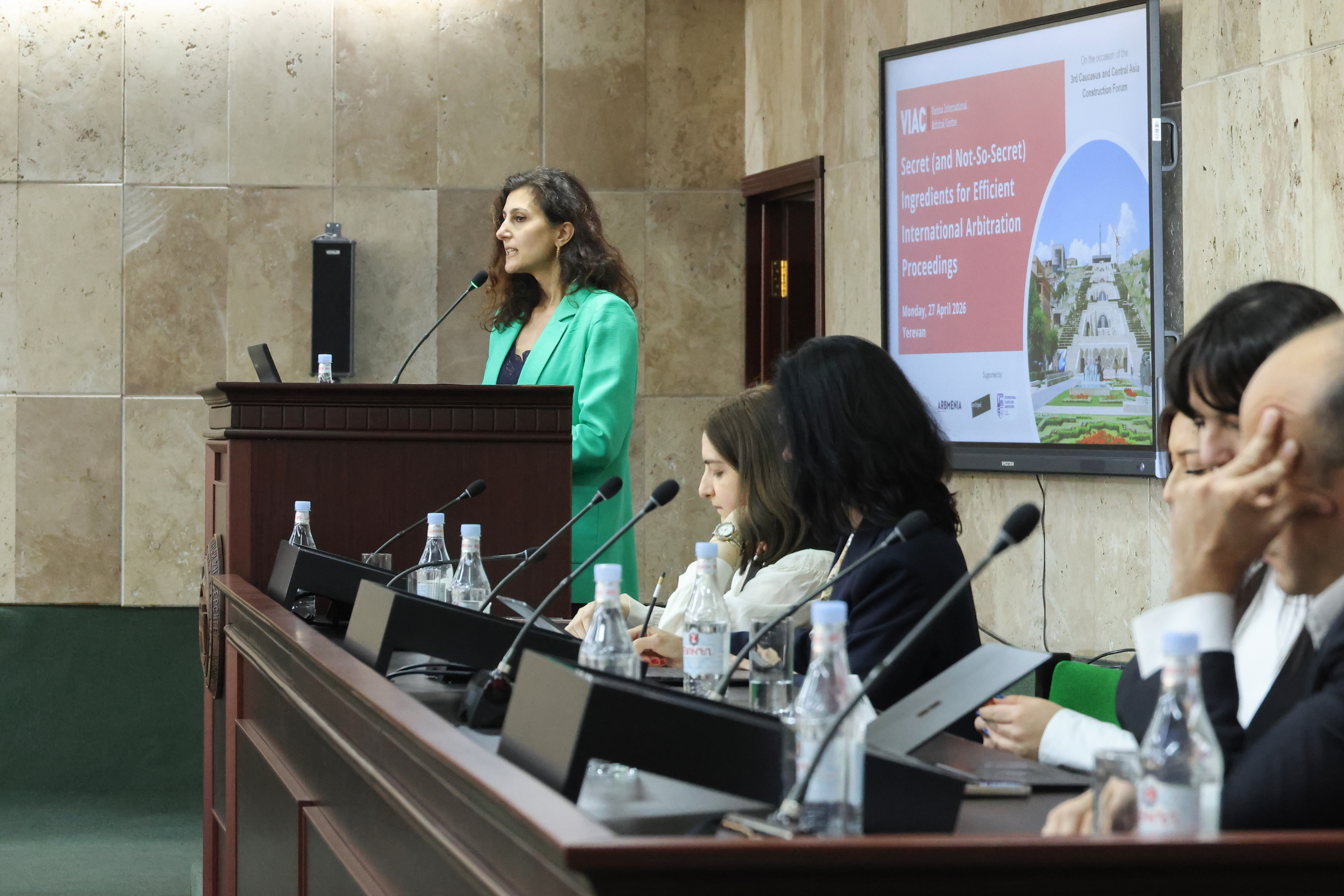
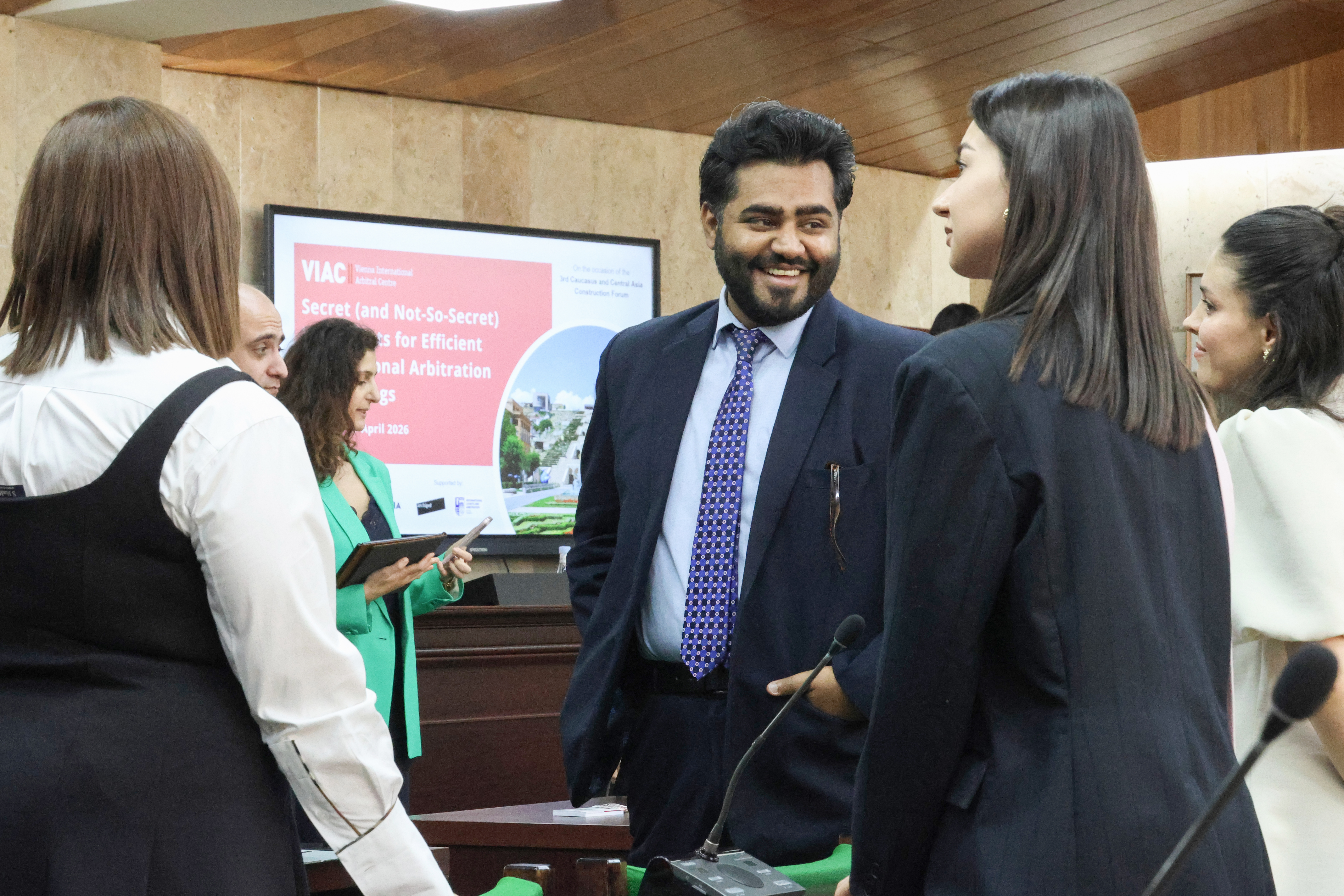
The event, organized by the VIAC Community Ambassador Network (an initiative of the Vienna International Arbitral Centre) in cooperation with ArbMenia and with the support of the YSU "International Courts and Arbitration" master's program, aimed to identify and examine the key factors influencing the efficiency of international arbitration proceedings by combining theoretical knowledge with practical experience. It sought to create an open professional platform to address not only the evident mechanisms of arbitration processes but also the often-overlooked elements that play a decisive role in ensuring the efficient, swift, and fair resolution of disputes.
Discussions covered current challenges in international arbitration, ranging from issues of procedural efficiency and duration to the need to reconsider formats for resolving investment disputes. Particular attention was paid to the roles of states and business entities, as well as to the potential of out-of-arbitration mechanisms—such as negotiations and mediation—in dispute resolution. Practical steps to improve the speed, fairness, and overall effectiveness of arbitration proceedings were also explored.
The event brought together Armenian and international practitioners to discuss both the obvious and less obvious factors that make international arbitration proceedings run efficiently.
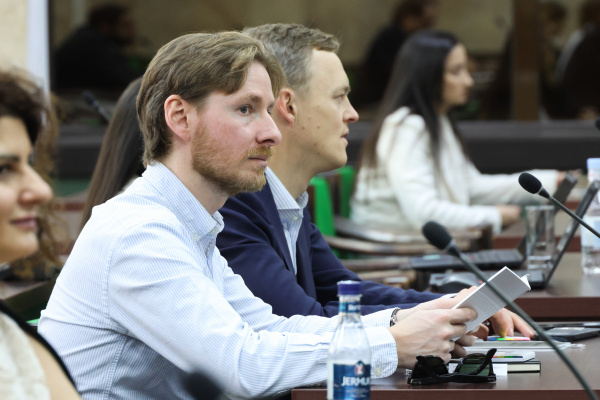
According to Kristine Khanazadyan, co-founder and lecturer of the YSU "International Courts and Arbitration" master's program, the initiative provides an opportunity to advance professional discussions on international arbitration in an academic setting and make them more practical and accessible for both students and practitioners. She emphasized that the event was primarily aimed at sharing practical knowledge and real-world experience.
Central to the discussions were contemporary challenges in international arbitration, particularly in the context of investment and commercial disputes. Participants addressed whether investment disputes should continue to be resolved by ad hoc or institutional arbitral tribunals, or whether a transition to a system of permanent investment courts is necessary.
Khanazadyan noted that this issue is especially relevant, as arbitration proceedings do not always fully serve their original purpose.
"The idea of arbitration was to provide an alternative to the judicial system, ensuring efficiency, shorter timeframes, and fair adjudication. However, in practice, proceedings often last longer than anticipated, and parties frequently challenge awards by initiating annulment procedures. For this reason, within the framework of the United Nations Commission on International Trade Law (UNCITRAL) Working Group III, discussions are currently underway on transitioning from ad hoc or institutional arbitral tribunals to a system of permanent investment courts," she said, also highlighting the challenges faced by states when they are involved in arbitration proceedings.
She added that dispute resolution mechanisms involving states, particularly in the context of investment arbitration, have specific features. These include the so-called "cooling-off period," during which parties attempt to resolve disputes through negotiations. This stage typically lasts three to six months, depending on the provisions of the relevant investment agreement.

"In practice, this period is often treated as a formality, after which disputes proceed to arbitration. At the same time, there have been cases in Armenia where, upon receiving a notice of dispute, the state has taken steps to resolve the matter through extra-arbitral means, reaching a settlement via negotiations. In certain situations, mediation mechanisms have also been used successfully, with parties reaching agreement. There have even been cases where claimants have withdrawn their claims before arbitration proceedings commenced," Khanazadyan noted.
She emphasized that the initiative aligns with the mission of the YSU "International Courts and Arbitration" master's program to develop knowledge of international arbitration in Armenia and foster a new community of specialists in the field.
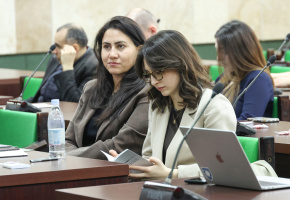
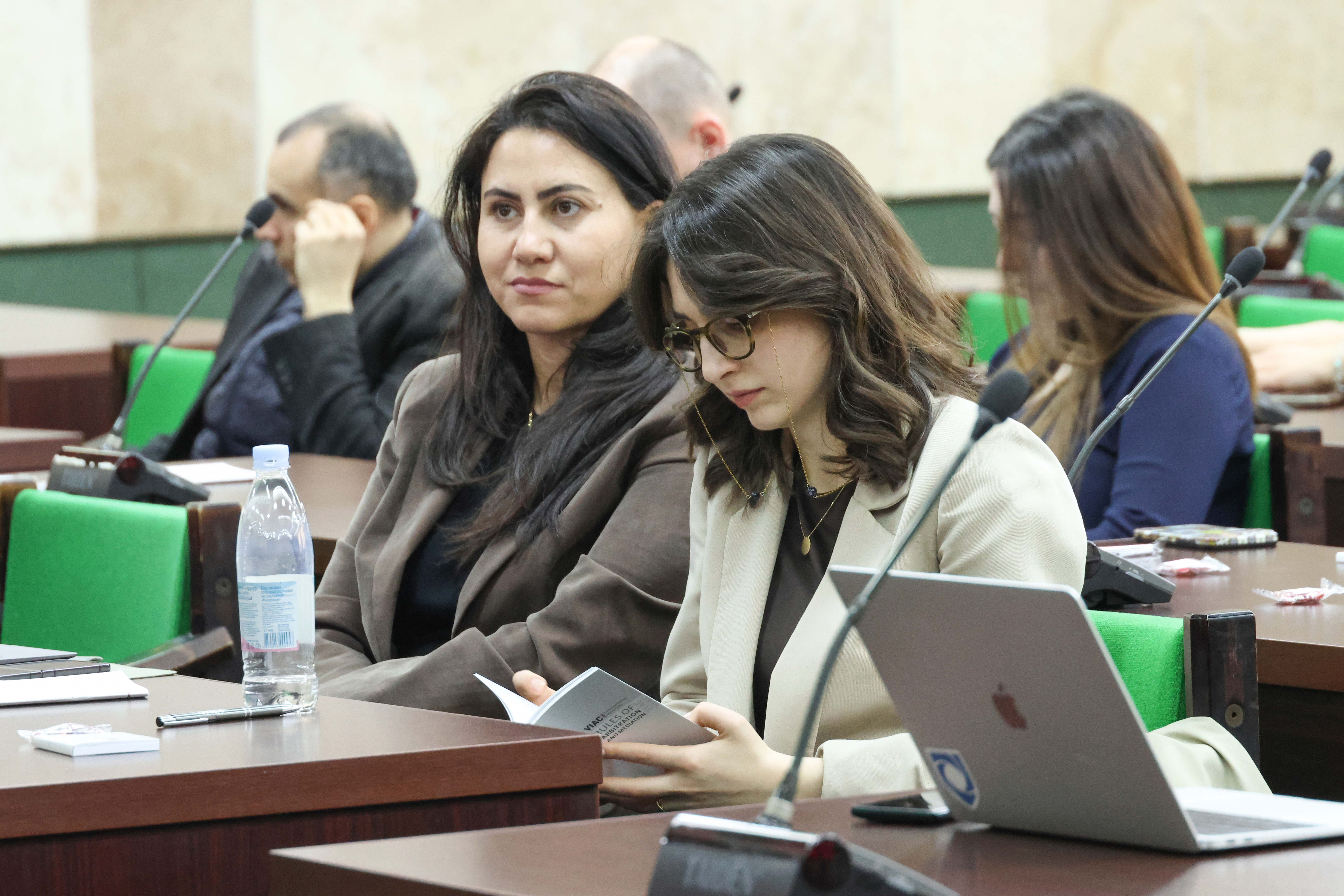
The event was intended not only for legal professionals but also for specialists in construction, economics, and other fields, as well as for students interested in international law and mechanisms for resolving international disputes.
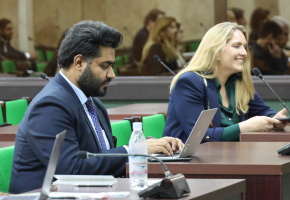
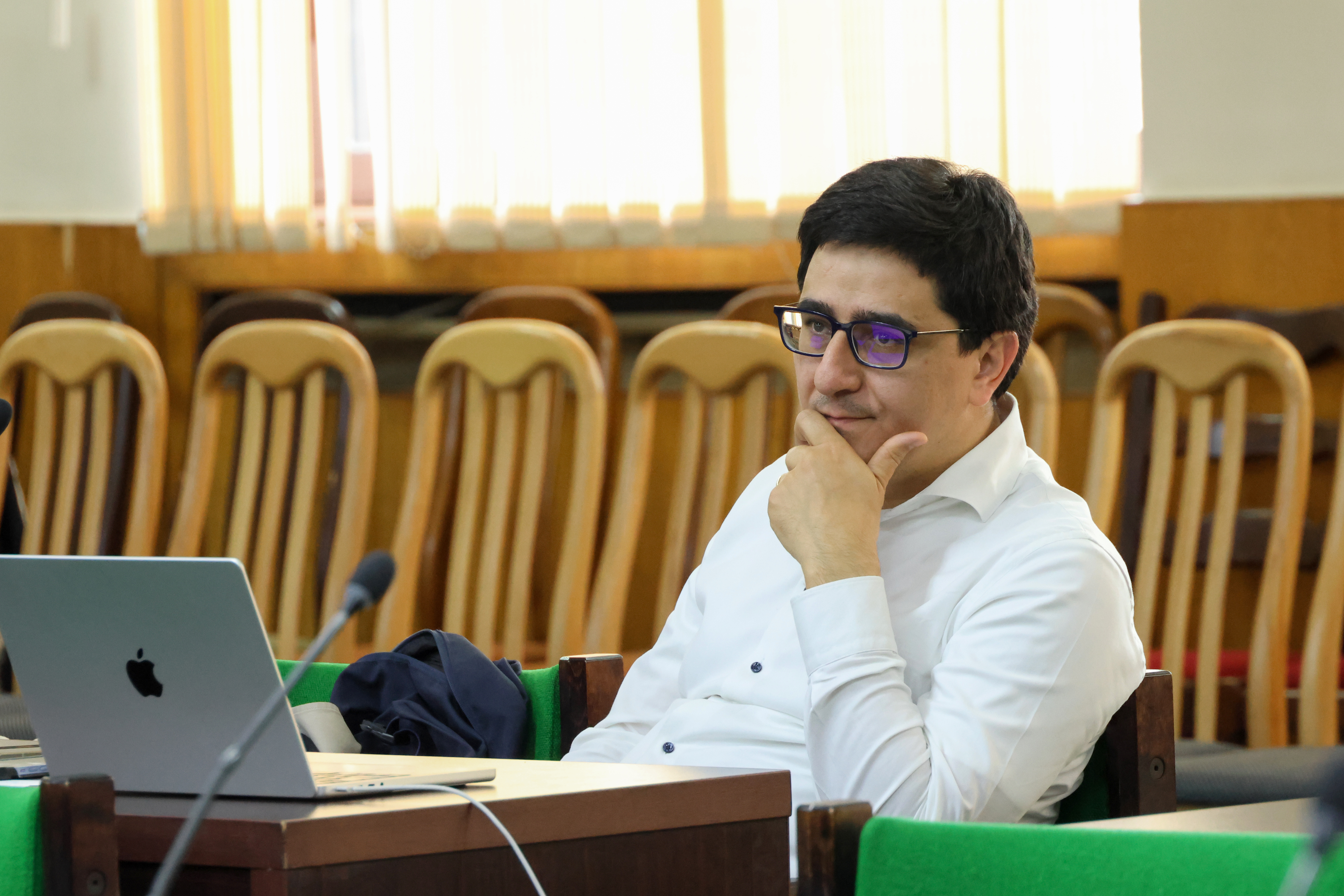
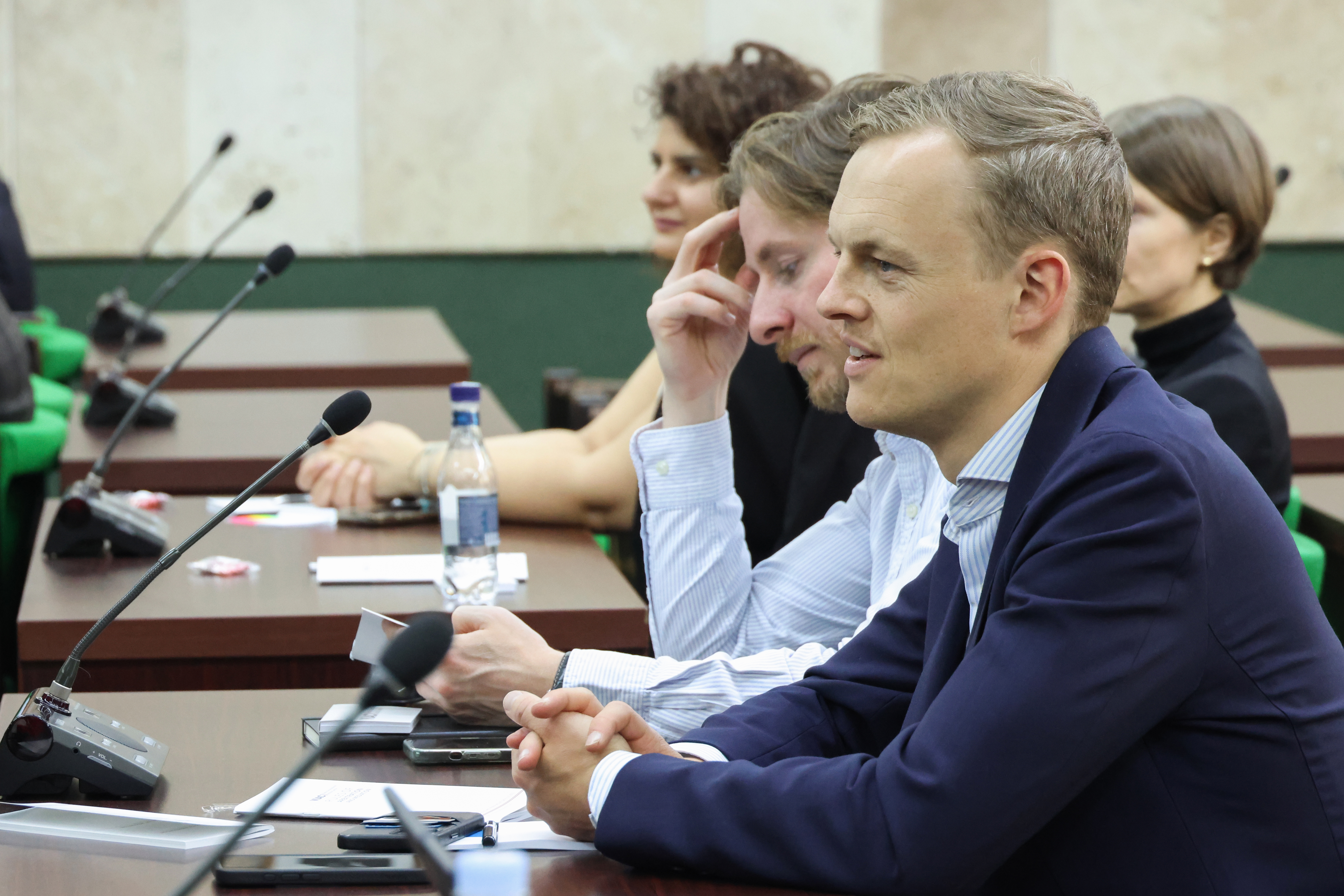
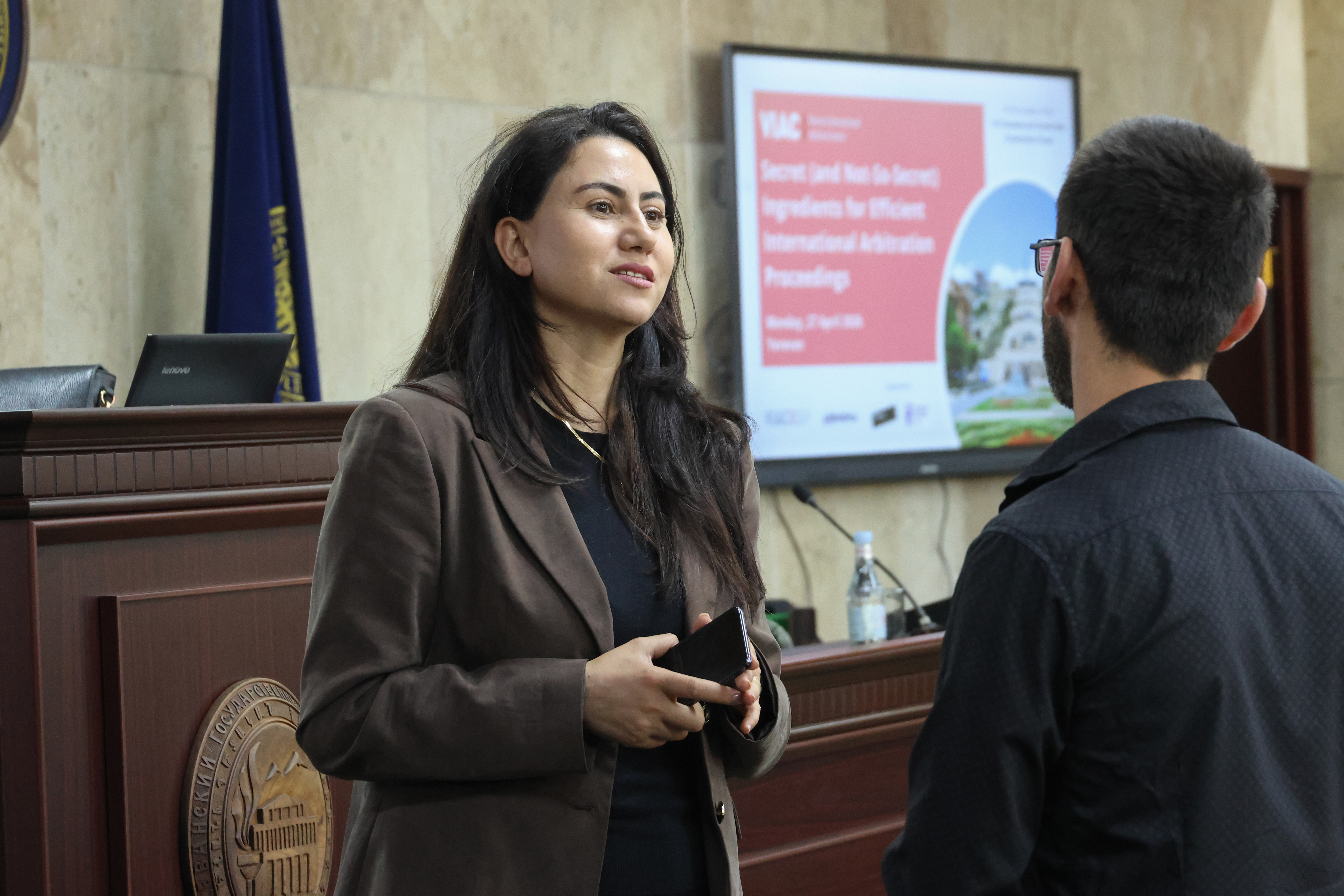
The event was attended by prominent experts and experienced lawyers from various countries. Participants and speakers included Niamh Leinwather, VIAC Secretary General; Alveen Shirinyans, associate at Brussels-based van den Berg Arbitration; Marlena Harutyunyan, counsel at Geneva-based Archipel and VIAC Ambassador for Armenia; Ketevan Betaneli, independent arbitrator based in Paris and VIAC Ambassador for Georgia; Lilit Karapetyan, partner at Concern Dialog; and Taron Simonyan, PhD in Law, YSU representative, and founding partner of ELL Partnership.