May 05, 2026 | 14:41
Conferences
Research centers and institutes
International cooperation
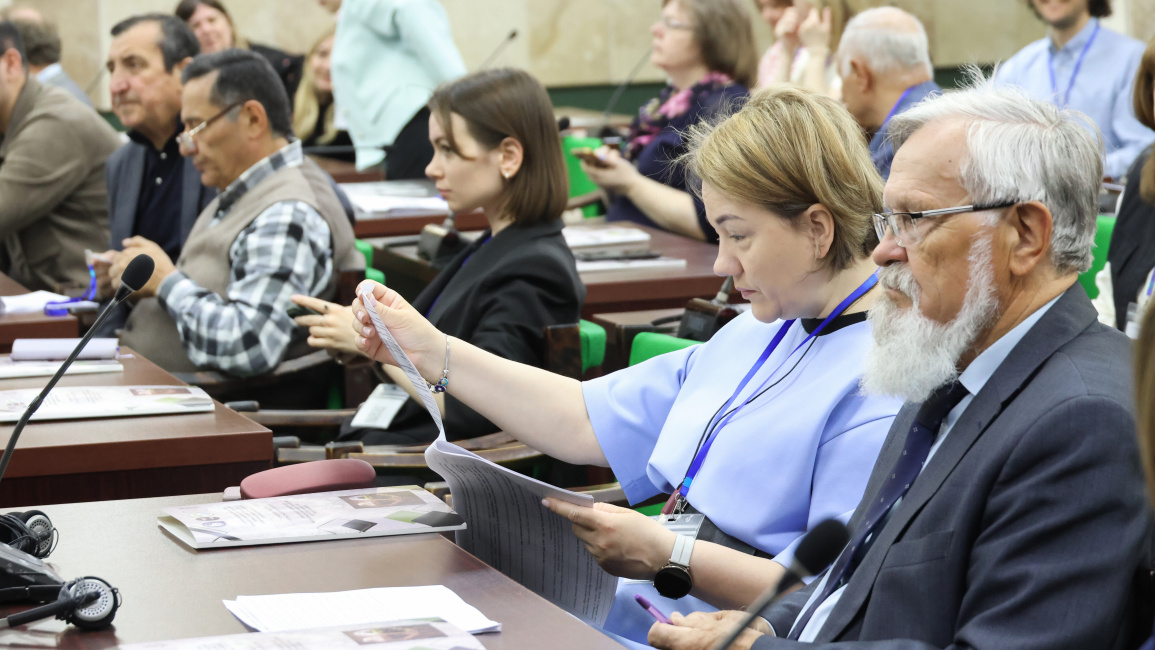
According to YSU Vice-Rector for Academic Affairs Elina Asriyan, the Faculty of Geography and Geology has organized similar international conferences almost annually in recent years, which have received wide attention from the scientific community in both Armenia and abroad.
"This attests to the relevance of the topic and the growing scientific interest. This is primarily due to the fact that in the modern world, almost all sectors are influenced by hydrometeorological conditions, which highlights the role and importance of relevant specialists in the context of a country's socio-economic development," she said.

Climate crisis
The vice-rector emphasized that climate change is a real and undeniable threat to global civilization.
"It is enough to note that in 2023, the air temperature was 1.4 degrees higher than the 1850–1900 average, making it the hottest year recorded in 174 years. The concept of sustainable development teaches and obliges us to take urgent action to combat climate change and its consequences," she added.
Dean of the Faculty of Geography and Geology Sargis Kelyan noted that in recent decades there has been a sharp increase in the frequency of natural disasters, around 90 percent of which are of meteorological, climatic, or hydrological origin.
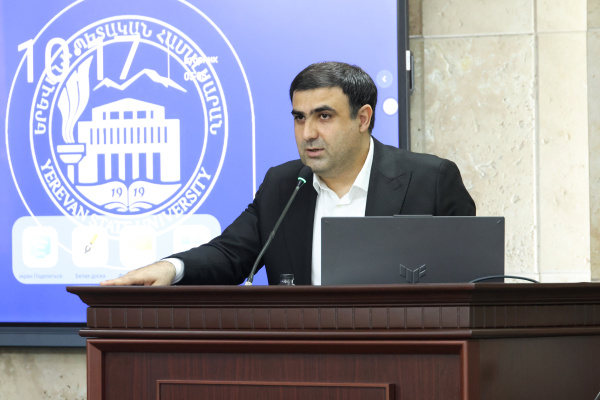
meteorological, climatic, or hydrological origin.
"This situation requires highly qualified hydrometeorology specialists. In Armenia, such specialists are trained only at the YSU Faculty of Geography and Geology. The faculty closely cooperates with numerous scientific and public organizations both in Armenia and abroad, including research centers and universities in Spain, Germany, and Russia (Moscow and Saint Petersburg), as well as the Hydrometeorology and Monitoring Center at the Armenian Ministry of Environment and the Zvartnots Aviameteorological Center," he said.
Kelyan also emphasized the faculty's important role in advancing knowledge of Earth systems by ensuring the collection and analysis of scientific data, assessing the current state of climate and water resources, identifying trends, development patterns, cause-and-effect relationships, and ecological challenges.
"At the same time, work is being carried out to develop effective approaches for adapting to climate change," he added.
European perspective
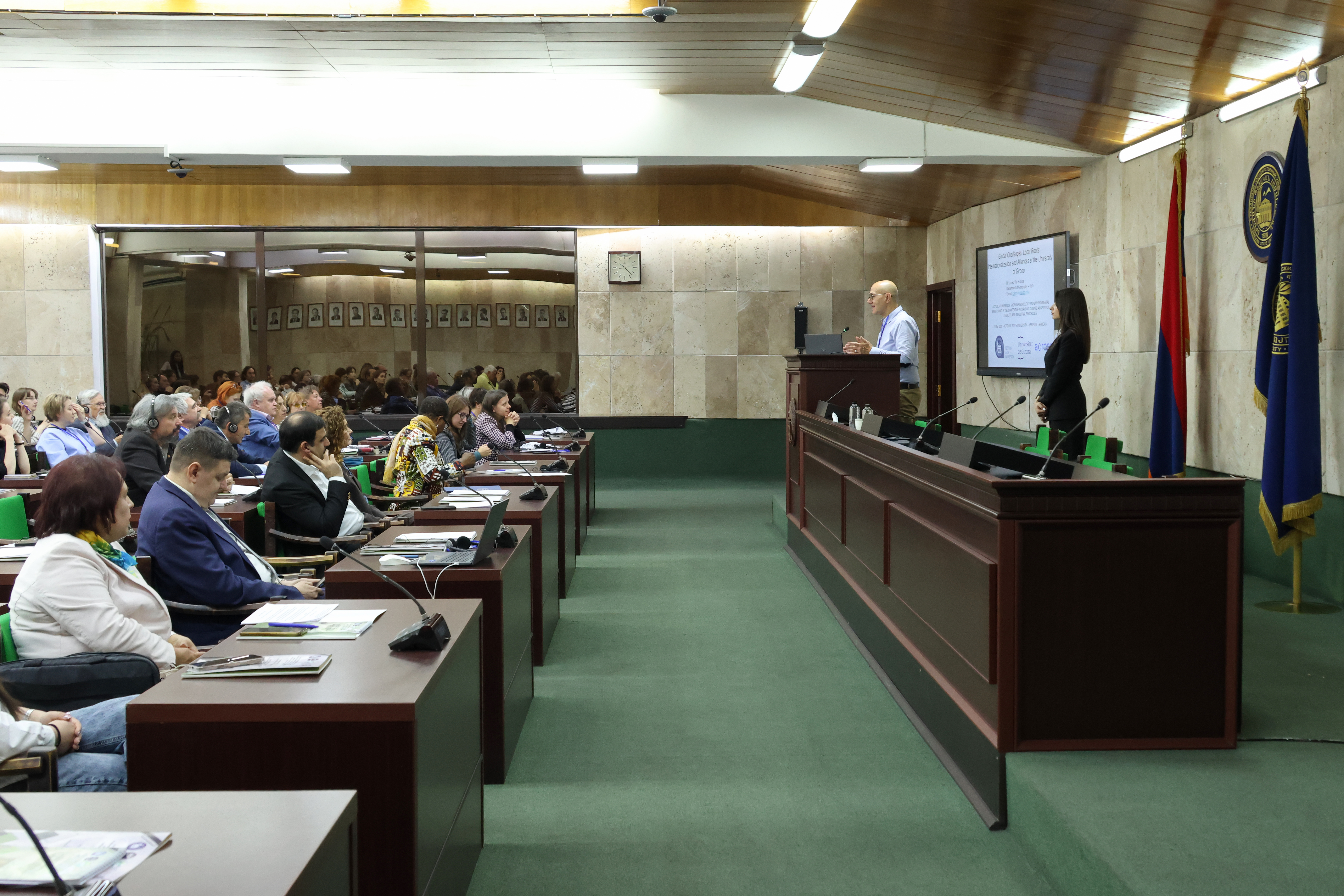
Josep Vila Subiros, Vice-Rector for Internationalization at the University of Girona in Spain, noted that their Faculty of Geography focuses on spatial planning and environmental issues.
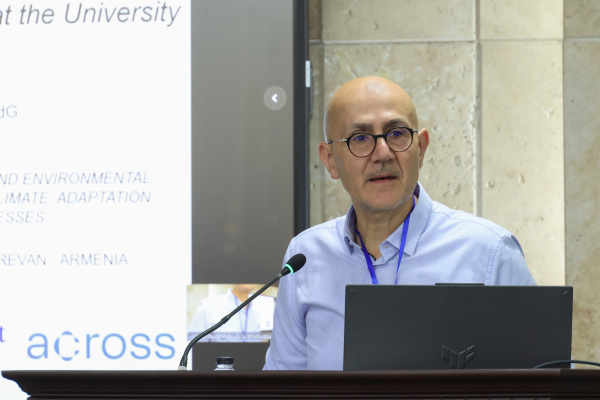
"We often use the concept of 'environmental change,' which is broader than climate change alone. Practical work and field trips (for example, to Morocco) are key tools in our teaching," he said.
According to him, European universities today operate in networks and implement joint projects.
"We work on topics such as landscape change, borders, and the transition to a low-carbon society. In 2024, the European Parliament adopted the Nature Restoration Regulation. We are preparing our students to work on its implementation through international networks," he said.
He added that they are members of the Across Alliance, which brings together 10 universities from 10 countries.
"Our motto is: 'Educational future without borders.' This is a new and major challenge launched in 2024, aimed at creating a research agenda," he noted.
Pathway to carbon neutrality
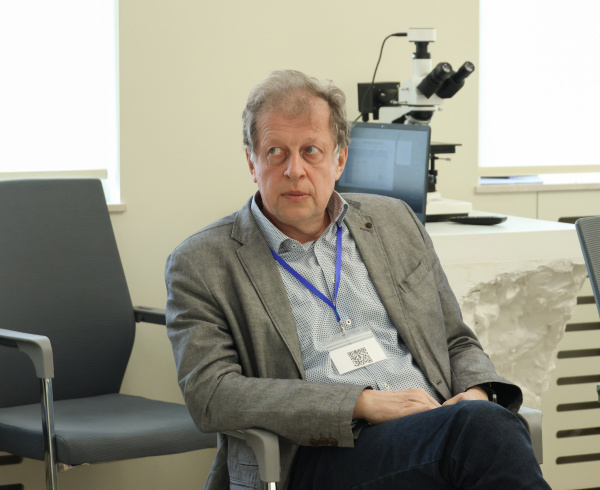
Moscow State University Professor Alexander Olchev presented a report on greenhouse gas monitoring and climate change. As a climatologist and expert, he also addressed climate-related challenges and strategies for achieving carbon neutrality.
"Greenhouse gases play a key role in today's climate change. Compared to pre-industrial levels, temperatures have increased by 1.3–1.5 degrees, and this rise is occurring very rapidly. This has led to an increase in extreme weather events, including heatwaves and heavy precipitation. Many factors influence the climate, such as solar activity, volcanic eruptions, and ocean circulation, but the most important is the change in the atmospheric gas composition. Greenhouse gases have a protective function, but the problem is their sharp increase in concentration. Today, land and oceans absorb only about 50 percent of anthropogenic emissions, while the rest accumulates in the atmosphere," Olchev said.
He explained that carbon neutrality means a balance between emissions and absorption.
"Russia runs the Carbon Supersites project aimed at addressing this issue. However, if we look at the Caucasus region based on 2021–2024 data, the entire southern region is shown in red, meaning it is a source of CO₂ for the atmosphere," he noted, adding that carbon neutrality remains a distant goal.
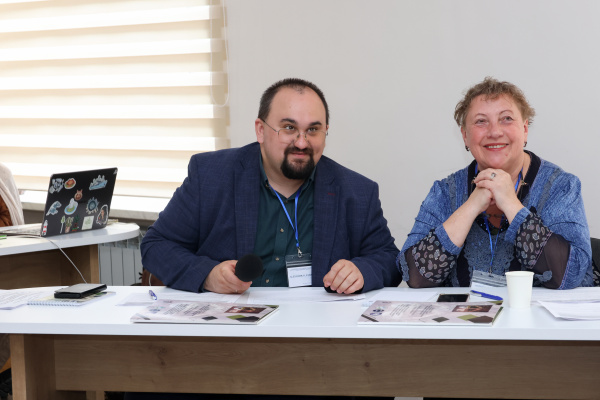
In his view, future progress requires expanding monitoring networks, applying new technologies, and ensuring data transparency, as the lack of data leads to significant uncertainties.
Elena Krasnova, PhD in Geography, Senior Researcher at Lomonosov Moscow State University, noted that at the "Marine Research and Education (MARESEDU) – 2025" conference in Moscow, she met Associate Professor Varduhi Margaryan of Yerevan State University, who informed her about the conference being organized at YSU.
"I saw this as a good opportunity to organize a thematic session dedicated to the development of stratification associated with bottom anoxia in freshwater and marine environments, which is one of the global trends. My proposal was approved by the program committee. I invited colleagues from Moscow, Tolyatti, Arkhangelsk, and St. Petersburg who regularly participate in studies of seasonally or permanently stratified water bodies, including meromictic lakes. They presented several reports on hydrochemical analyses of water and bottom sediments, microbial communities and their activity in layers with different redox conditions, the effect of sulfides on algae photosynthesis, light penetration in coastal lagoons partially isolated from the sea, and the dependence of underwater light spectra on phytoplankton composition. All presented data characterize stratified waters, their response to climate change, and their impact on the biosphere," she emphasized.
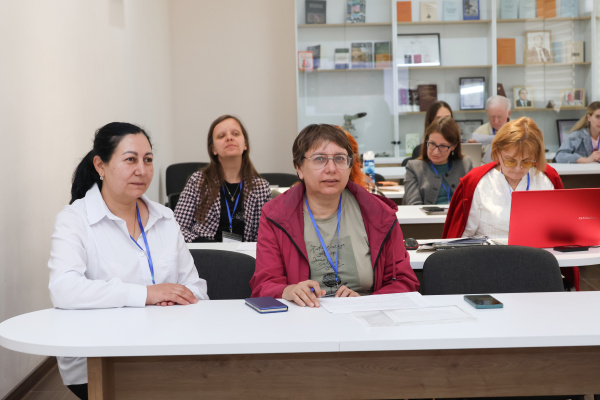
Associate Professor Varduhi Margaryan of the Faculty of Geography and Geology played a significant role in organizing the conference.
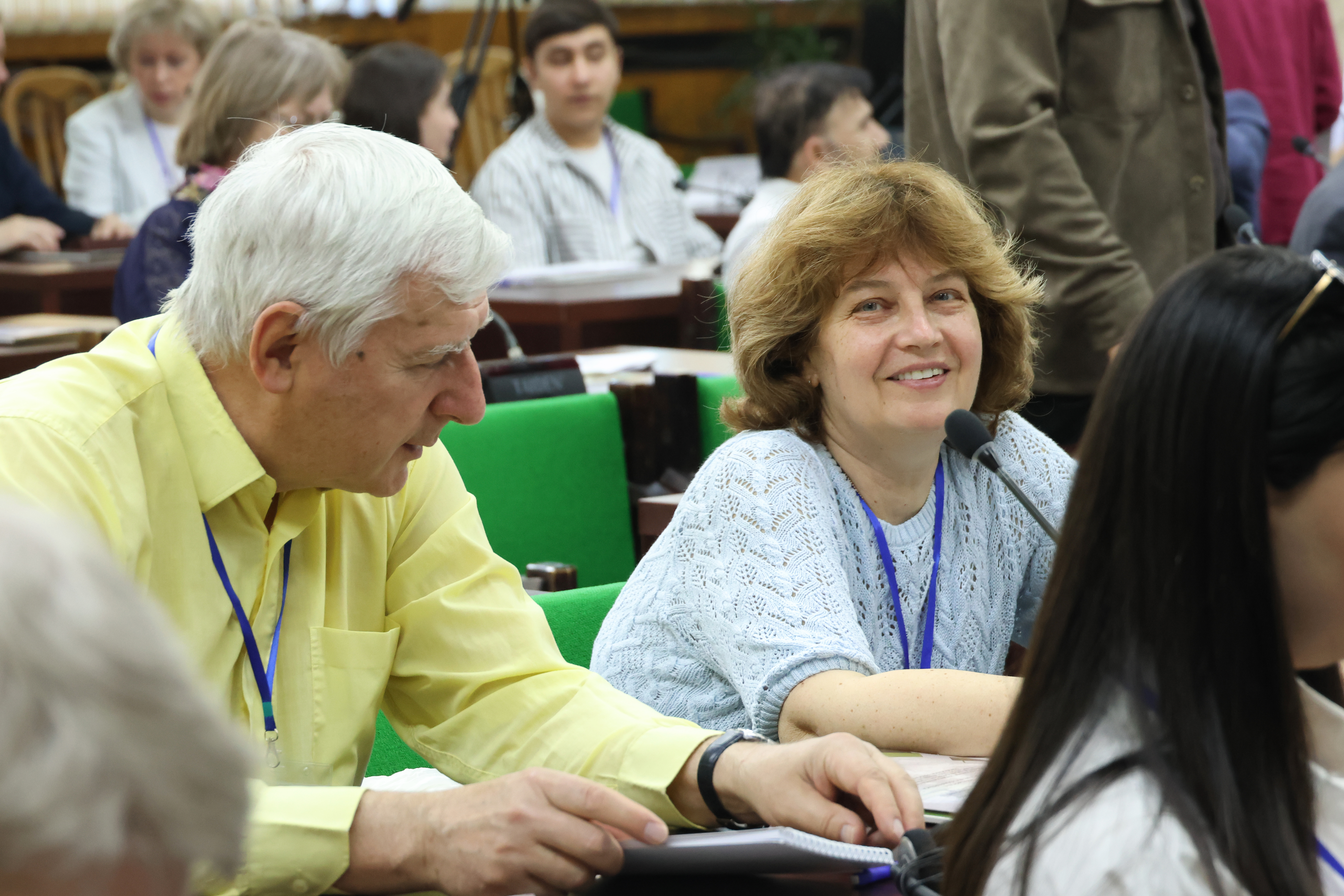
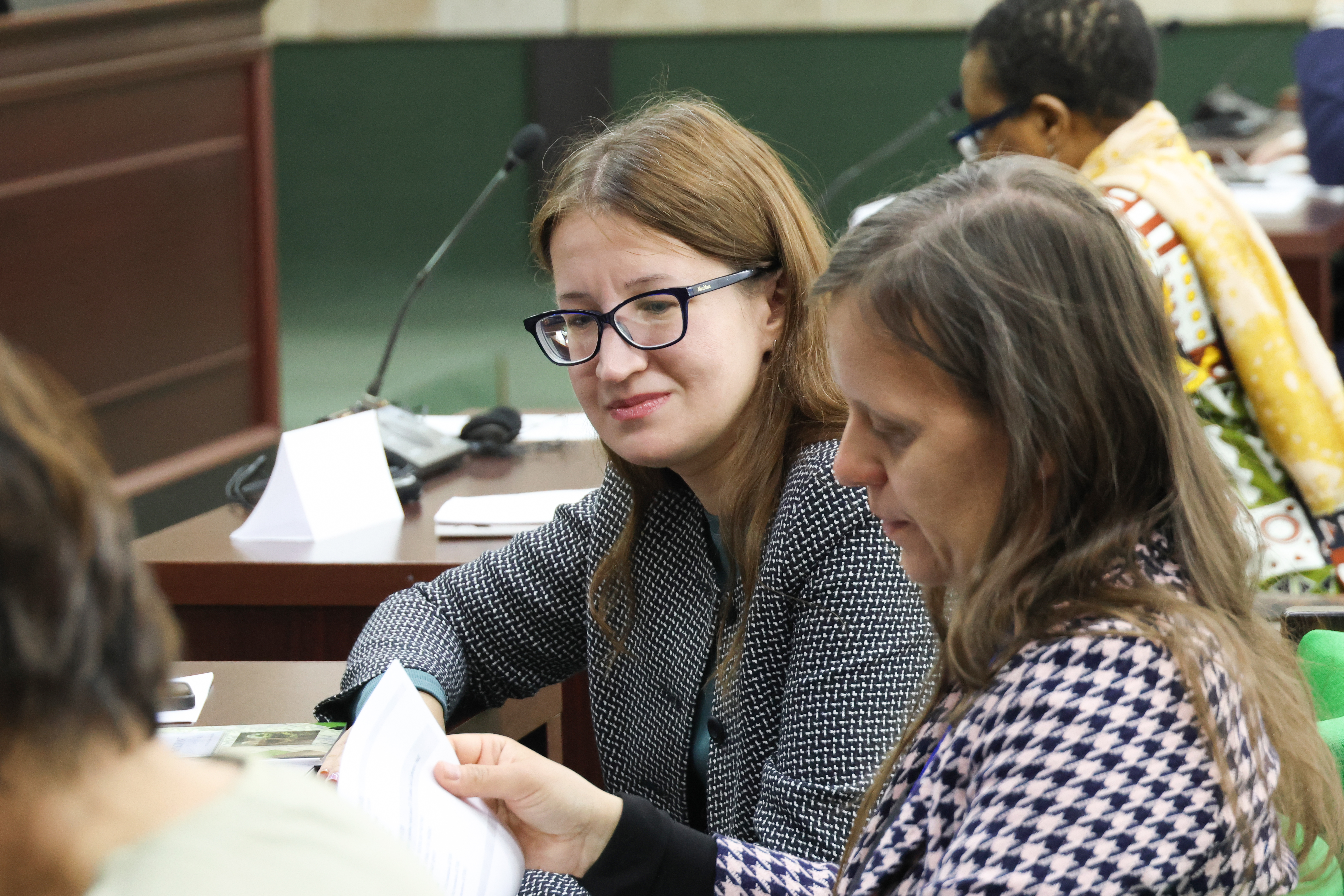
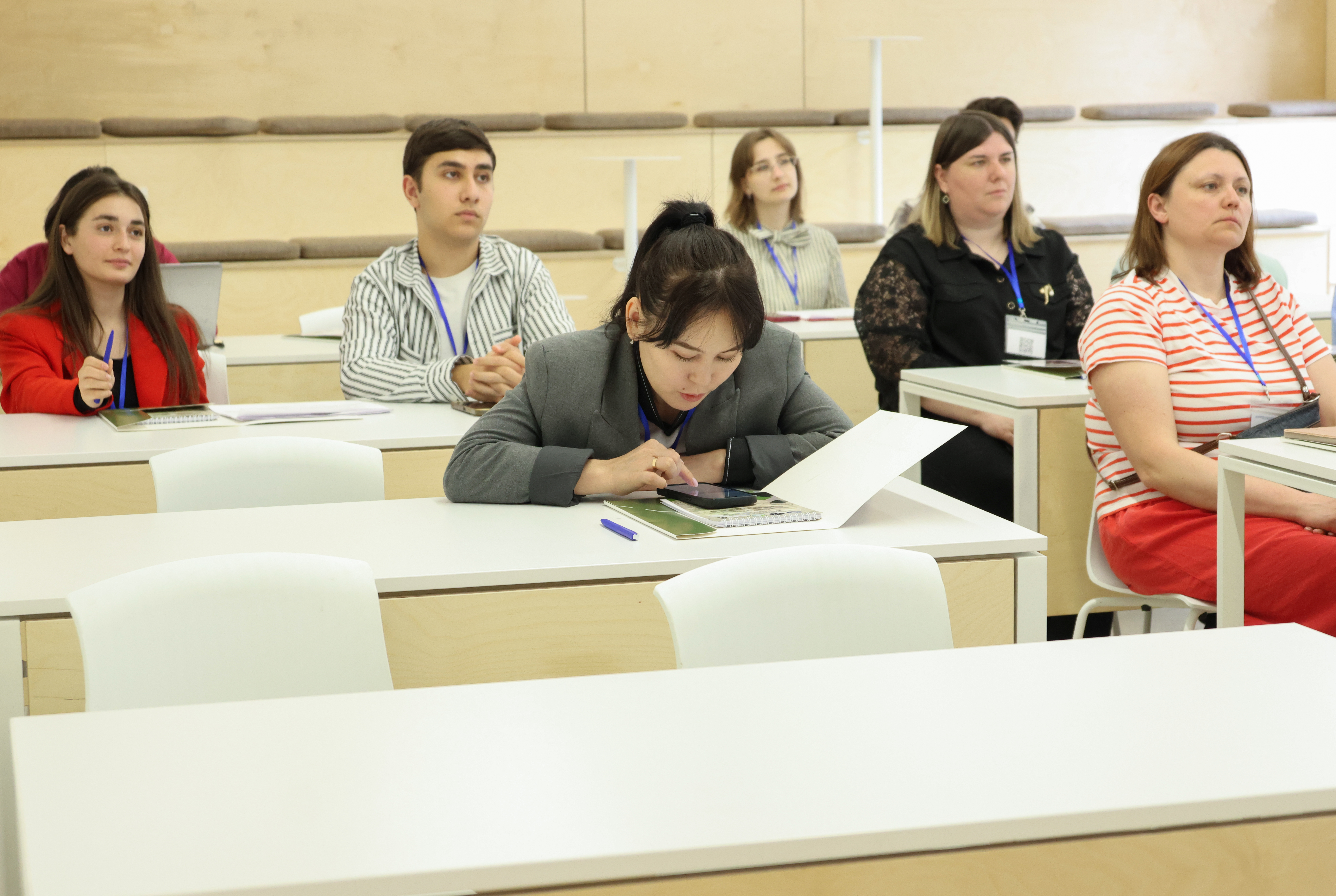
Over the three-day conference, reports will be presented by scholars from Armenia, Spain, Germany, the Russian Federation, Belarus, the Islamic Republic of Iran, Nigeria, and India, including academicians, doctors, professors, senior and junior researchers, as well as undergraduate and graduate students. The presentations will cover fundamental and applied research in environmental monitoring, biodiversity conservation, and ecological security, as well as key issues related to modern societal development and ecosystem management.