May 08, 2026 | 10:00
Science
Education
International cooperation
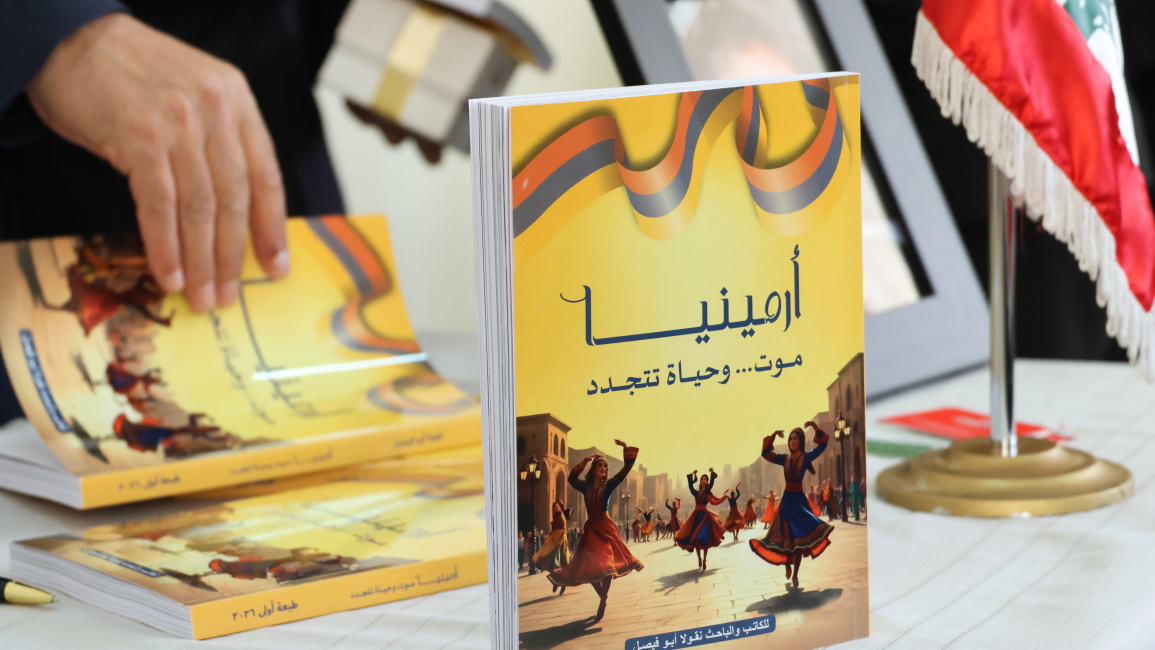
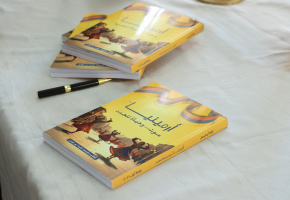
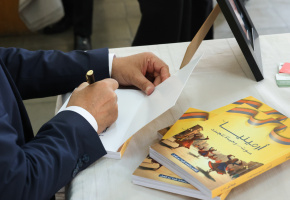
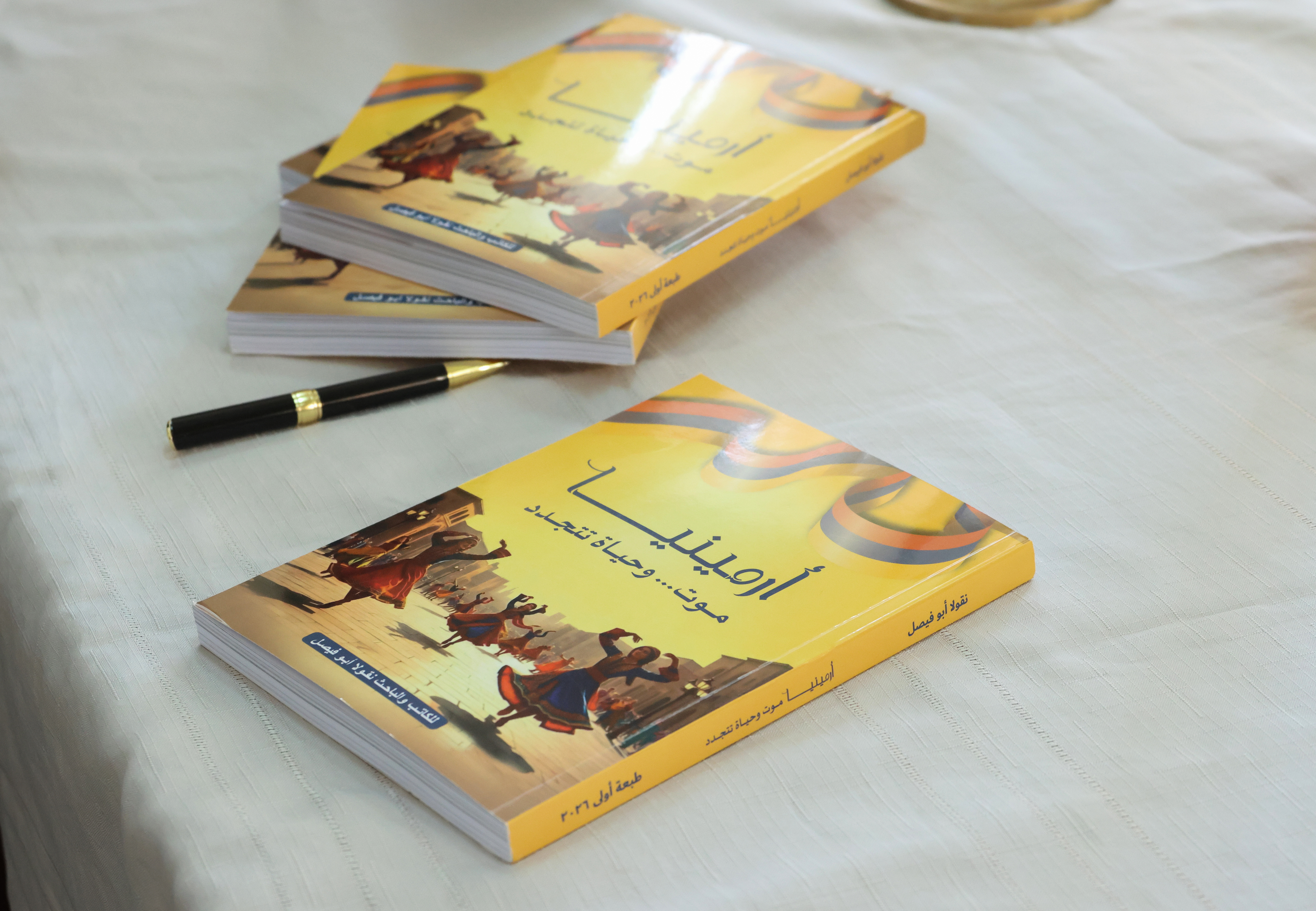
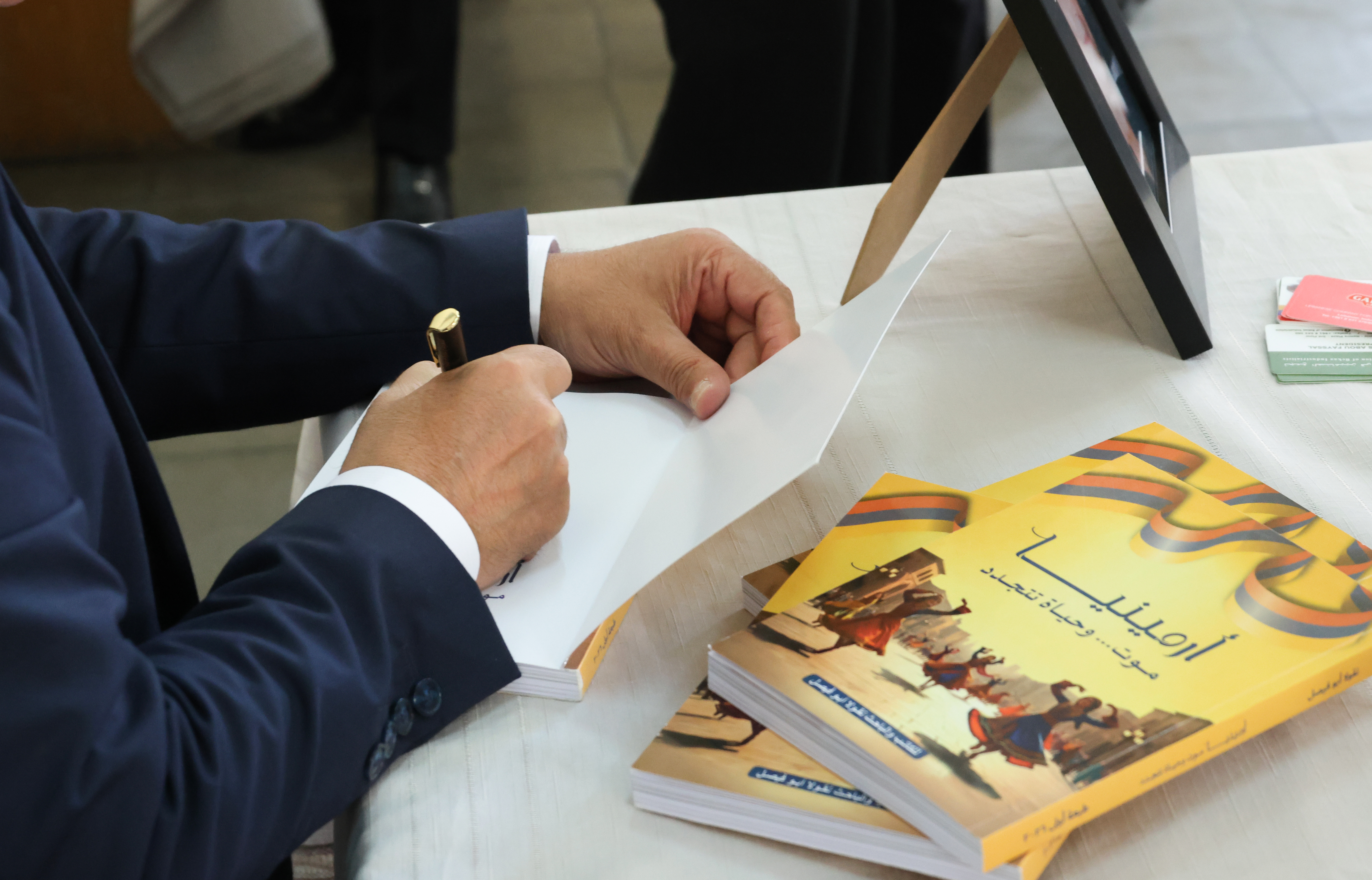
The book tells the story of Armenia, the historical memory of the Armenian people, Christian identity, and national resilience. The author presents the story of a people who, having overcome the pain of genocide and severe historical trials, managed to revive, preserve their culture, and continue their creative path. Particular attention is paid in the book to the global contribution of the Armenian people in various fields, including engineering, medicine, art, astronomy, and public life.
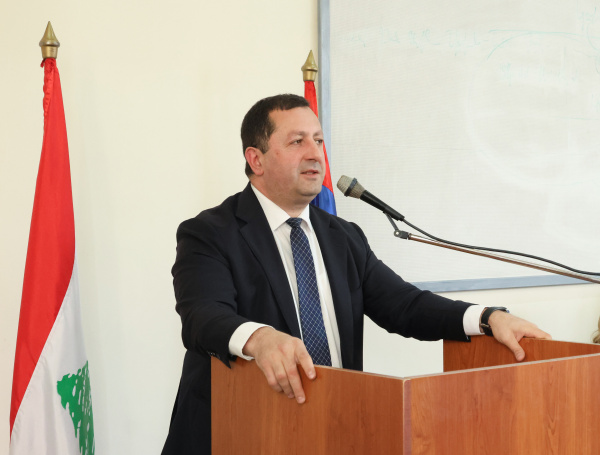
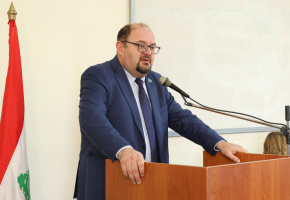
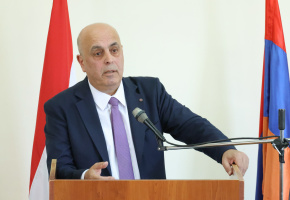
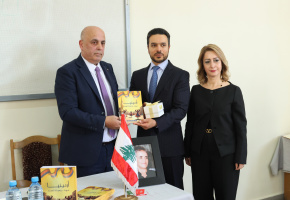
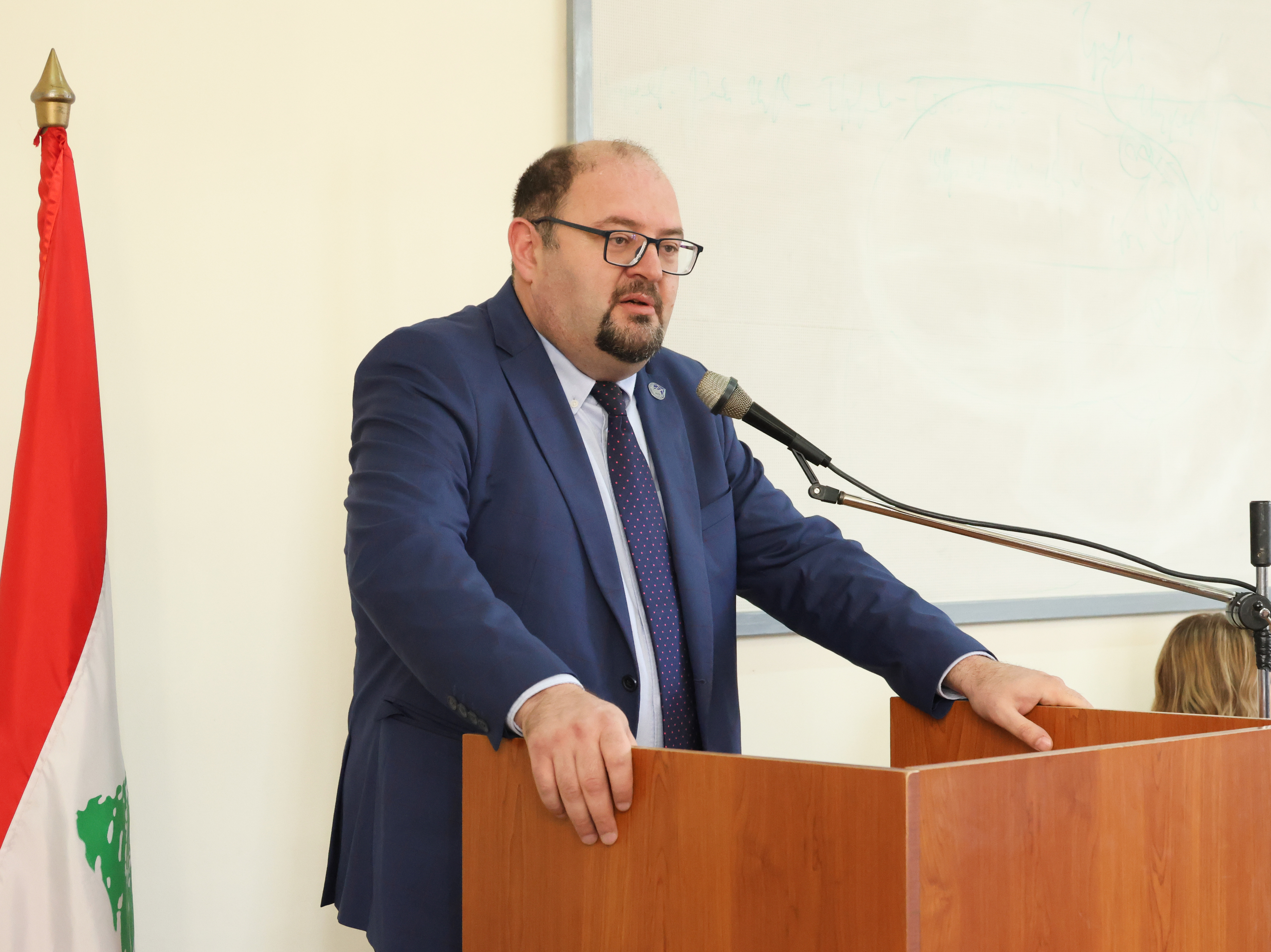
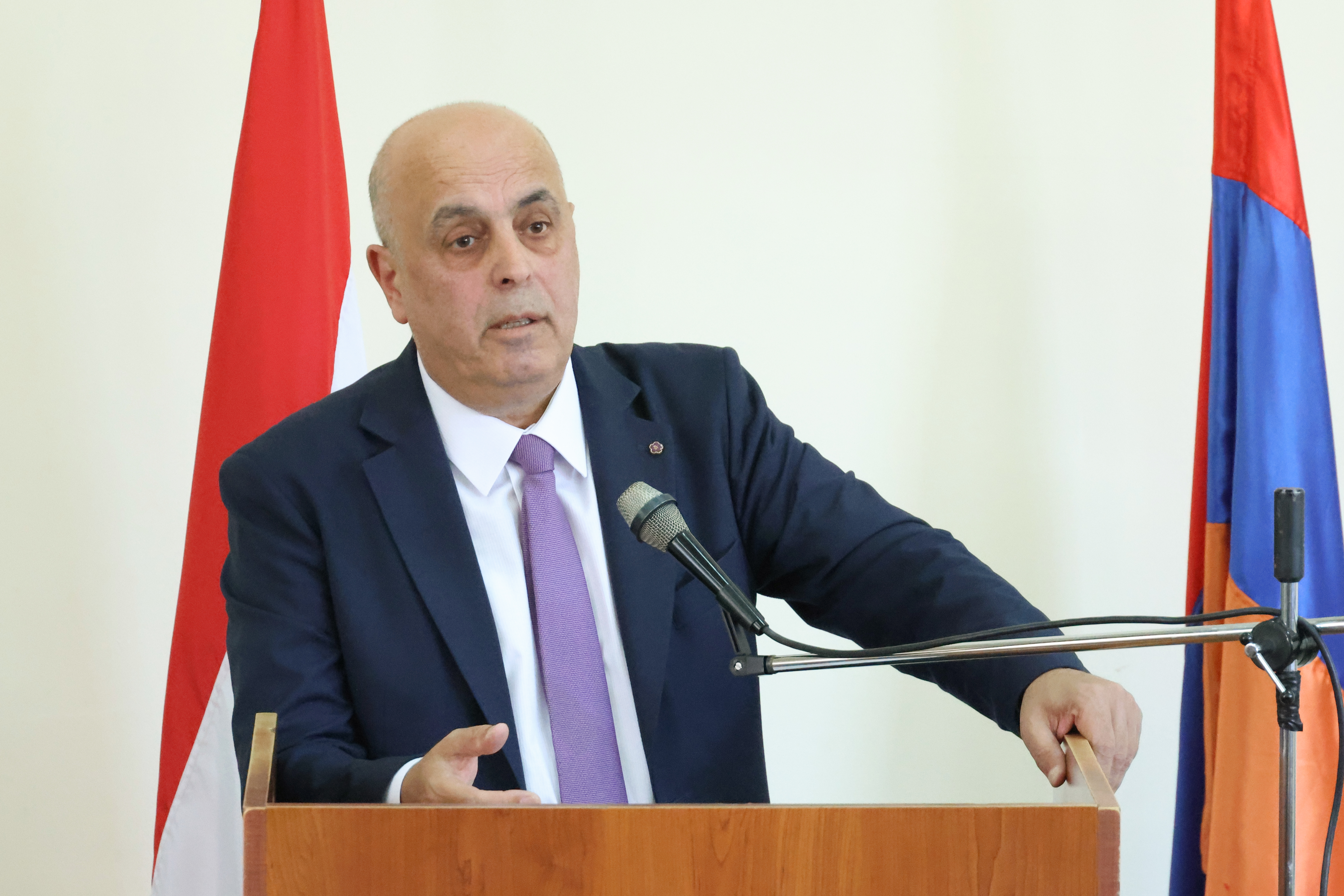
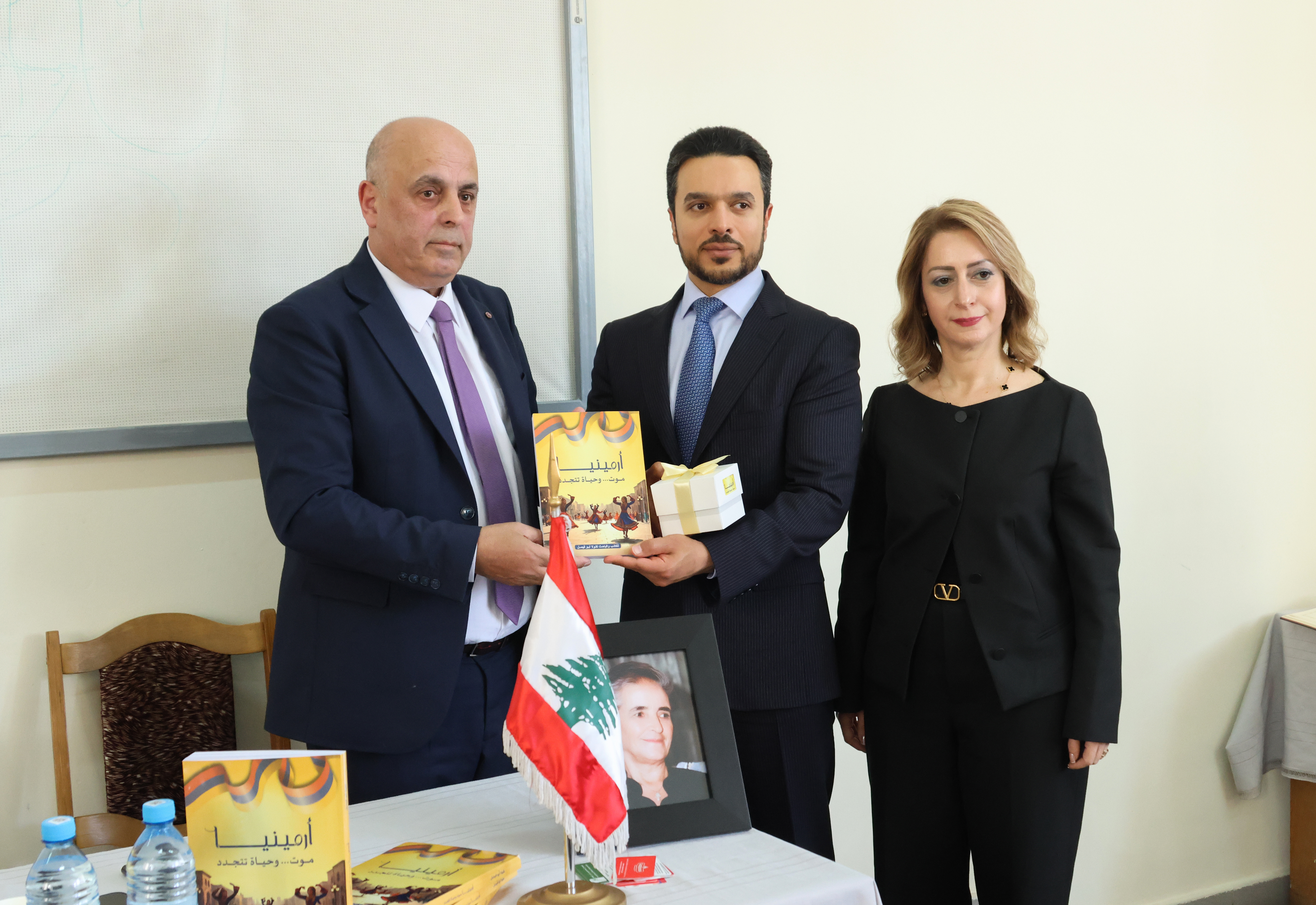
YSU Rector Hovhannes Hovhannisyan emphasized that the book serves as a unique bridge between Armenia and Lebanon, grounded in mutual respect, historical memory, and cultural ties. According to him, Armenians—particularly after the Armenian Genocide—played a significant role in Lebanon's social and cultural life, while relations between the two countries continue to expand, opening new avenues for cooperation. The rector also expressed hope that collaboration with Lebanon will grow further through new educational and scientific initiatives.
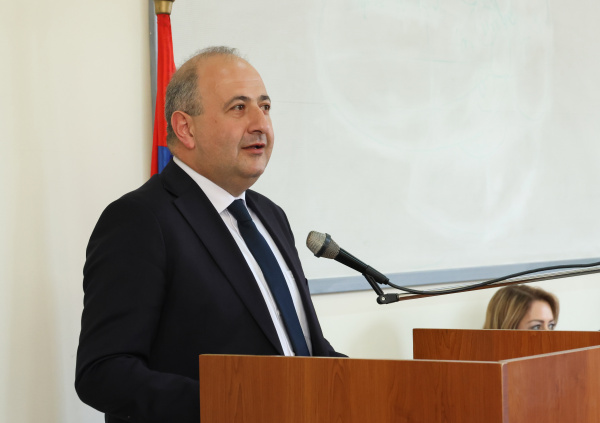
Dean of the Faculty of Oriental Studies Ruben Melkonyan noted that it was symbolic that the first visit of the Lebanese ambassador to Armenia to the faculty took place within the framework of the presentation of a book written about Armenia with love. In his words, the beginning of Armenian-Lebanese cooperation on the basis of a book and love is an important and meaningful symbol. He also stressed that the book offers an interesting perspective on how a non-Armenian author can deeply feel and convey his love for Armenia.
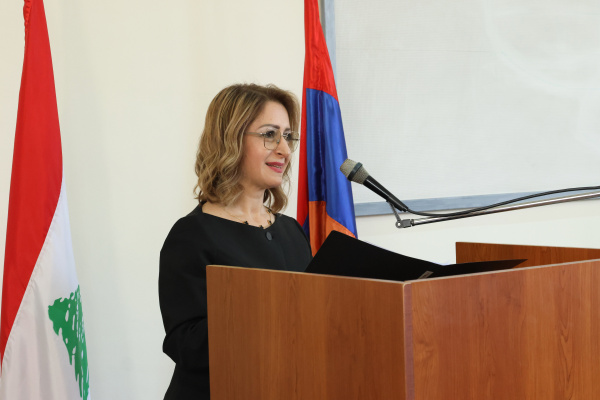
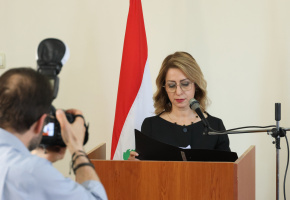
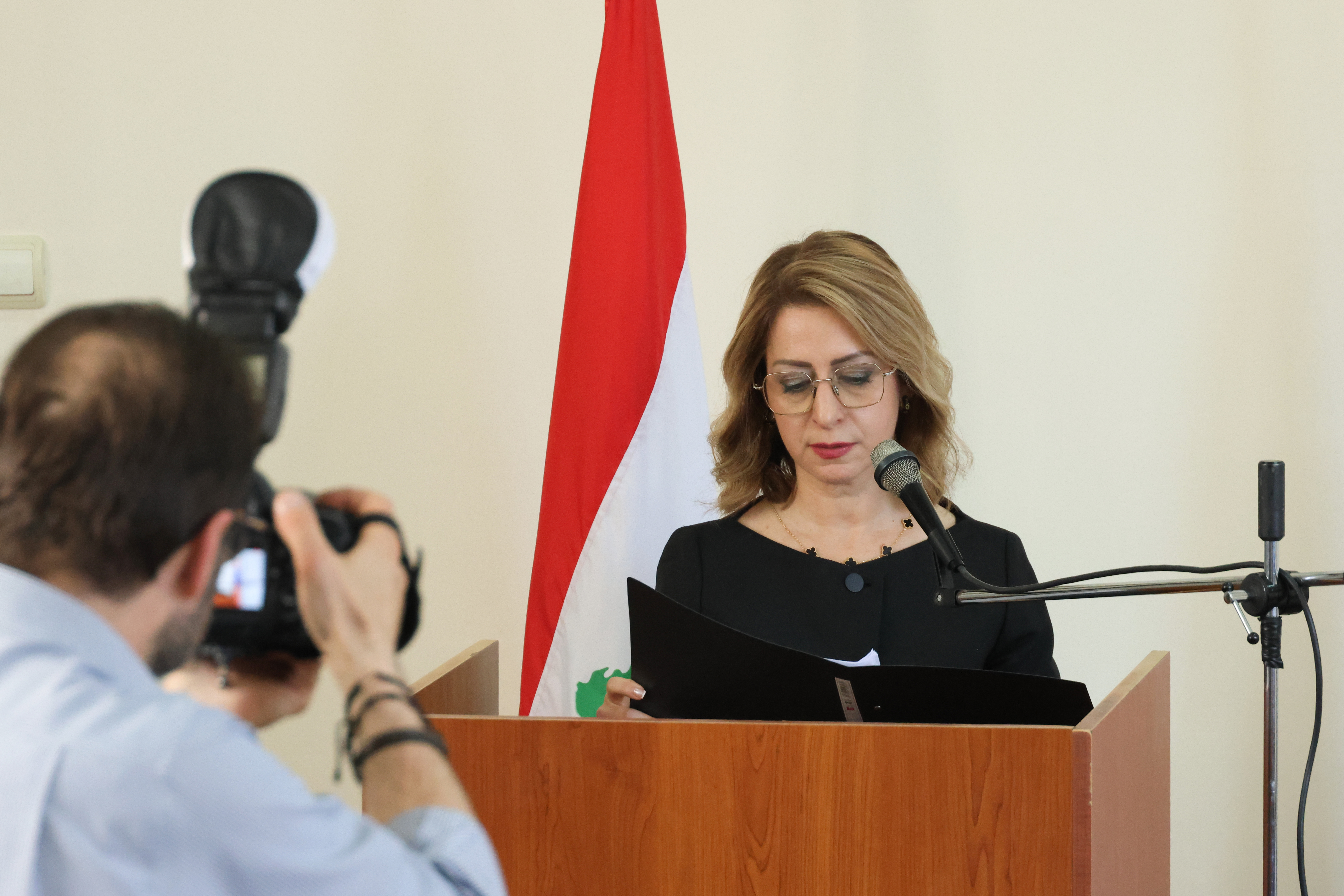
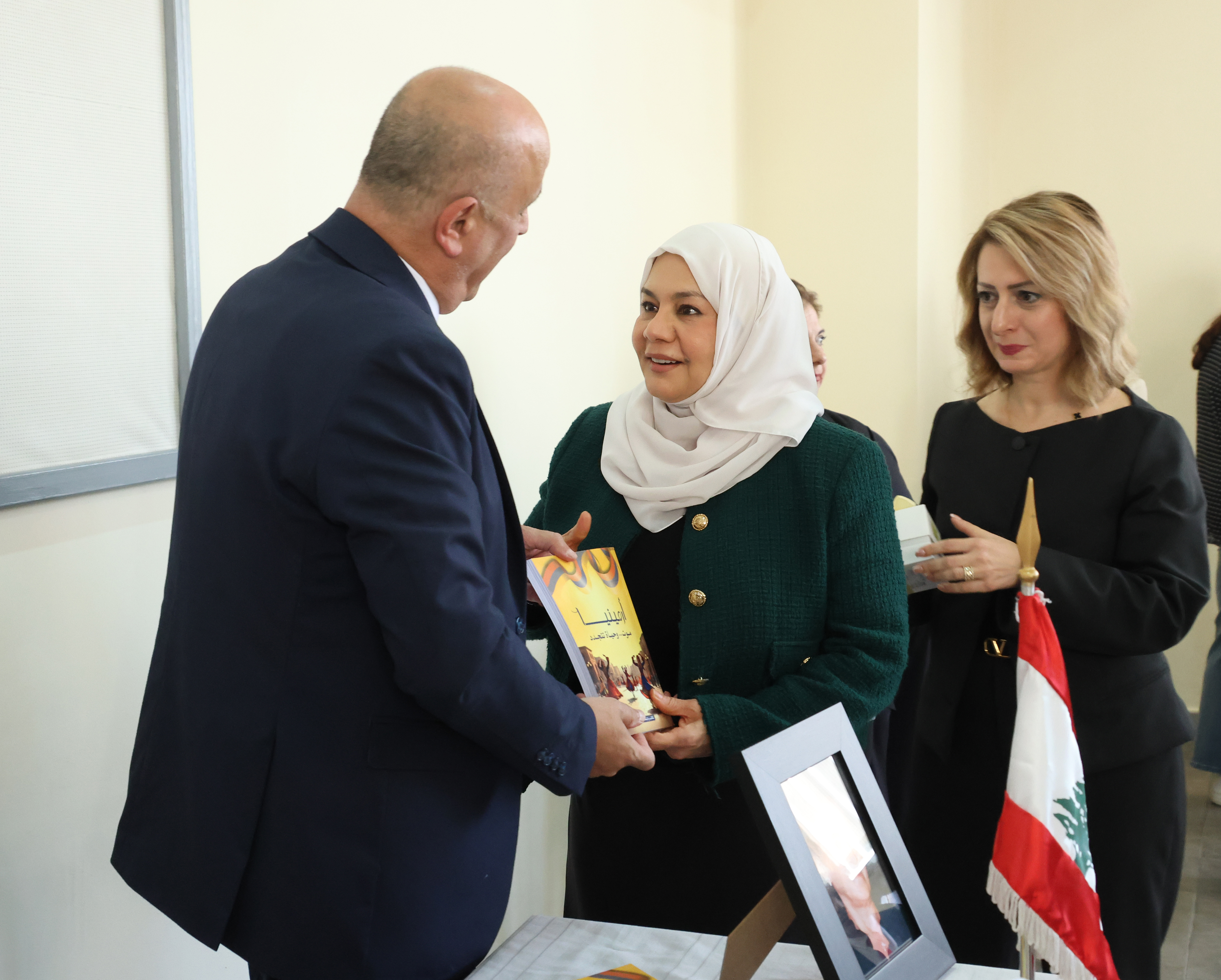
The Ambassador Extraordinary and Plenipotentiary of Lebanon to Armenia, Dima Haddad, stated that it was a great honor to participate in another important event of Armenian-Lebanese cultural cooperation at such a prestigious educational institution. In her assessment, the book reflects the strong historical and friendly ties between the two peoples.
The ambassador also announced plans to expand cooperation between YSU and Lebanese institutions through scholarship programs, faculty training initiatives, and the signing of a memorandum of understanding.
Nicolas Abou Fayssal, who has been living in Armenia for nearly a decade, noted that the book emerged not simply from research, but from a deep emotional connection with the country. In 2014, he founded the company Gardenia Lebanon Farms in Armenia's Tavush Province, cultivating pecan and walnut orchards while seeking to engage more closely with Armenian life and culture.
According to the author, the book is dedicated to Arab readers and aims to present the values of Armenian civilization, historical memory, and spiritual resilience.
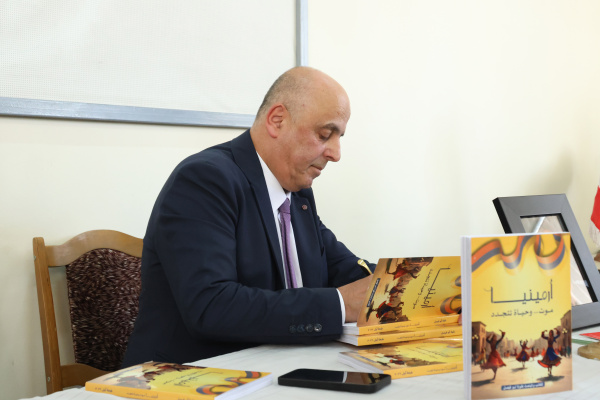
"This book was written not with ink or a pen, but with love," Nicolas Abou Fayssal said, emphasizing that the Armenian people are a remarkable example of how a nation can overcome tragedy, rebuild itself, and continue creating.
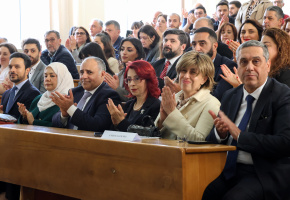
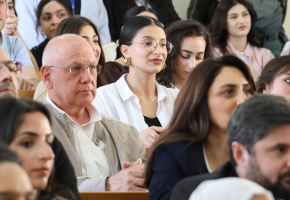
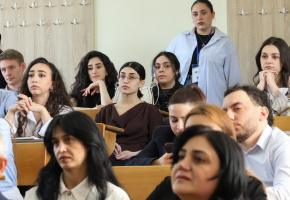
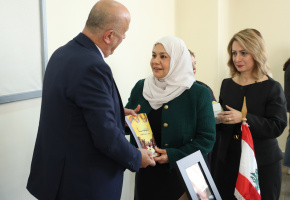
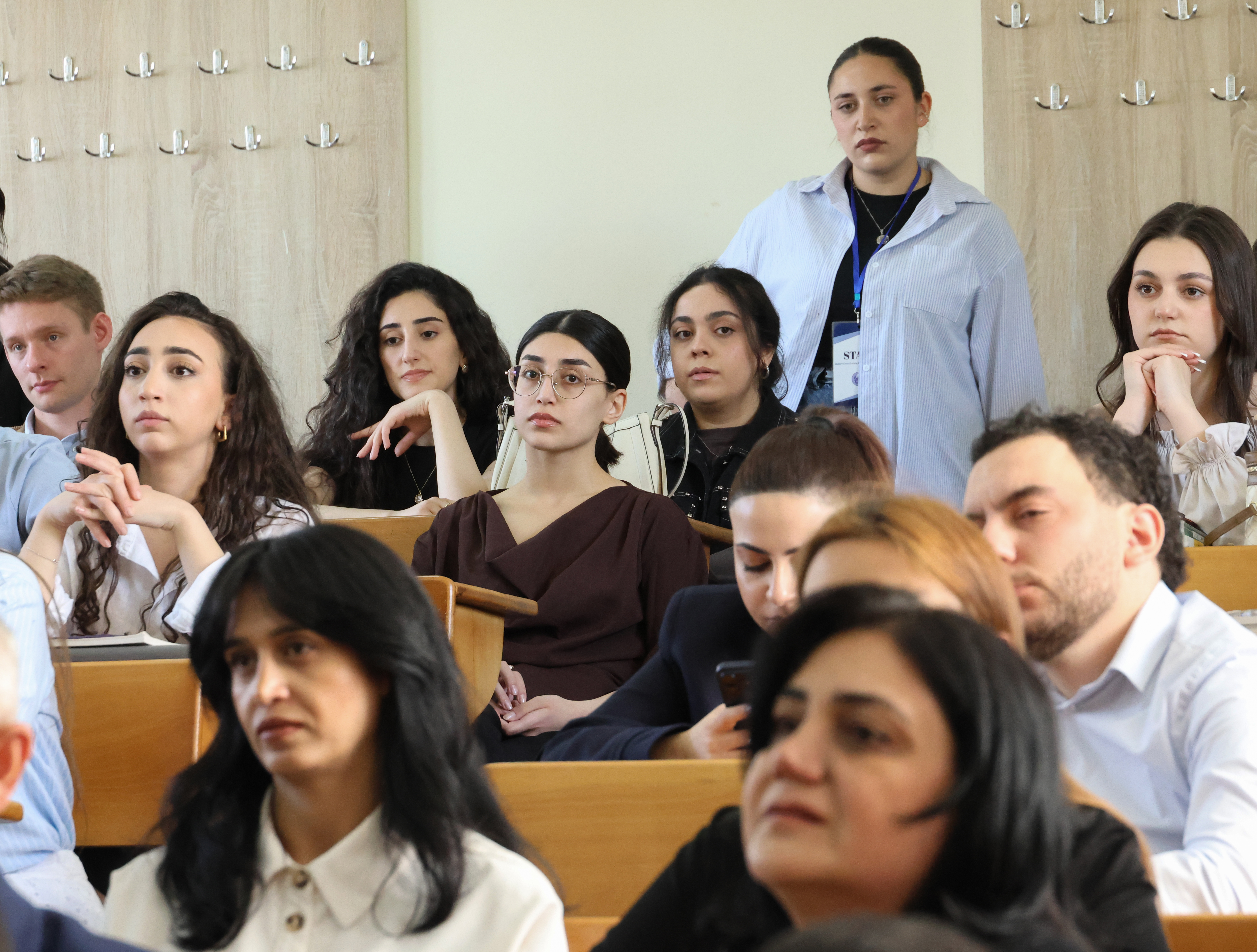
The presentation evolved into a unique platform for cultural dialogue, once again underscoring how literature can unite peoples, build new bridges, and speak about history, memory, and human dignity.
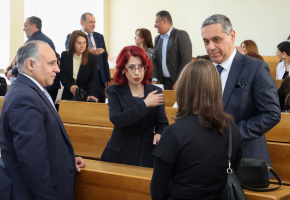
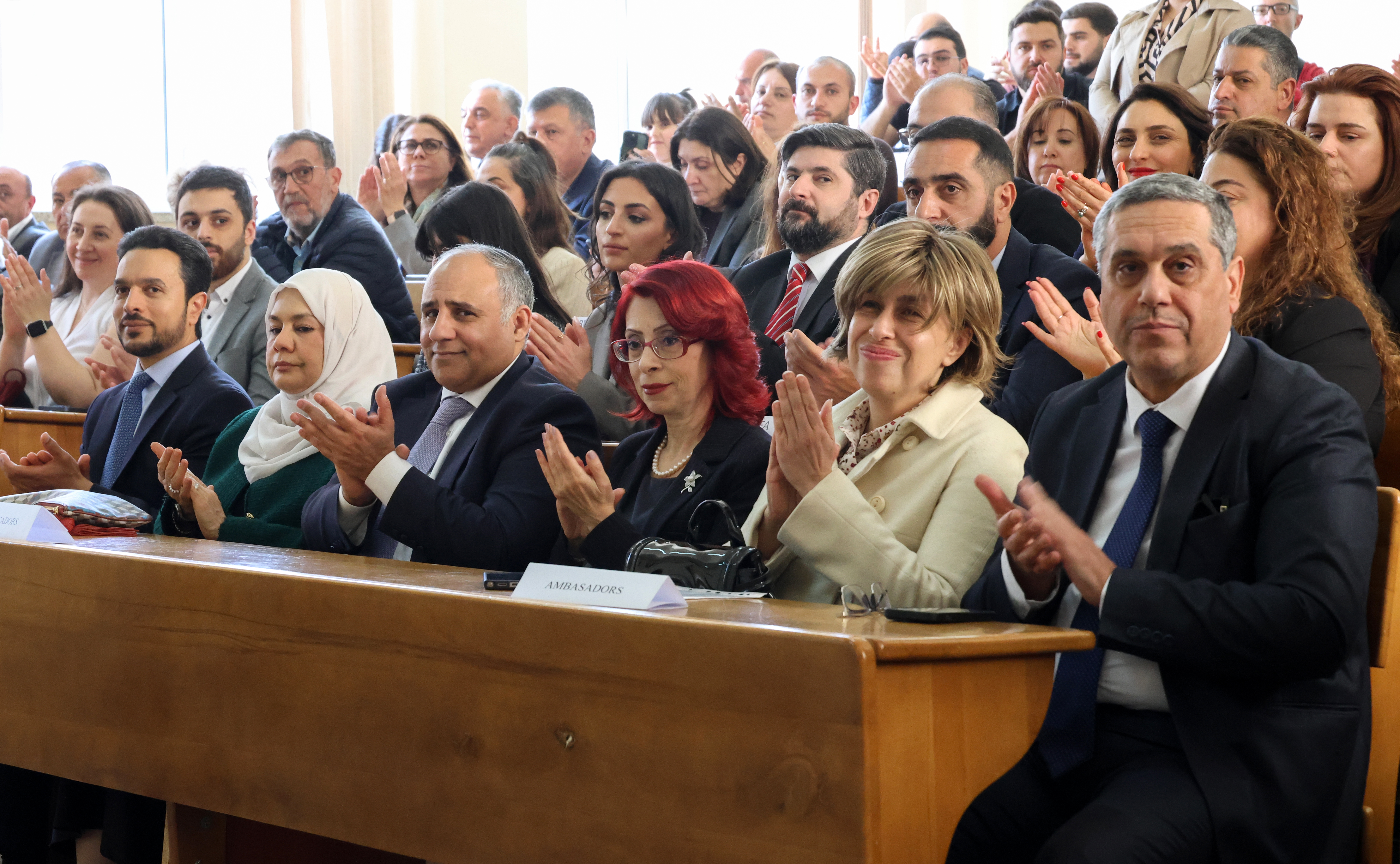
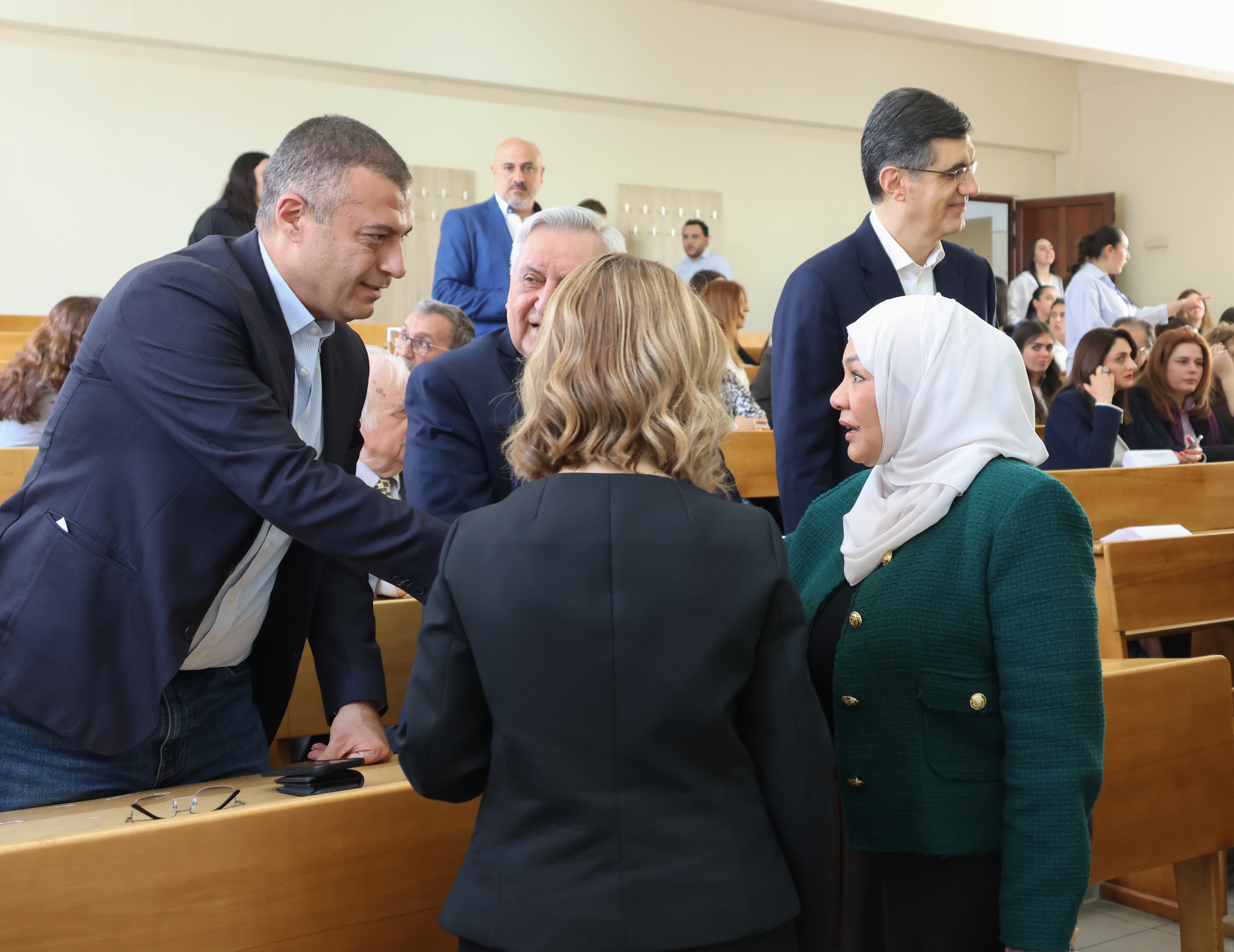
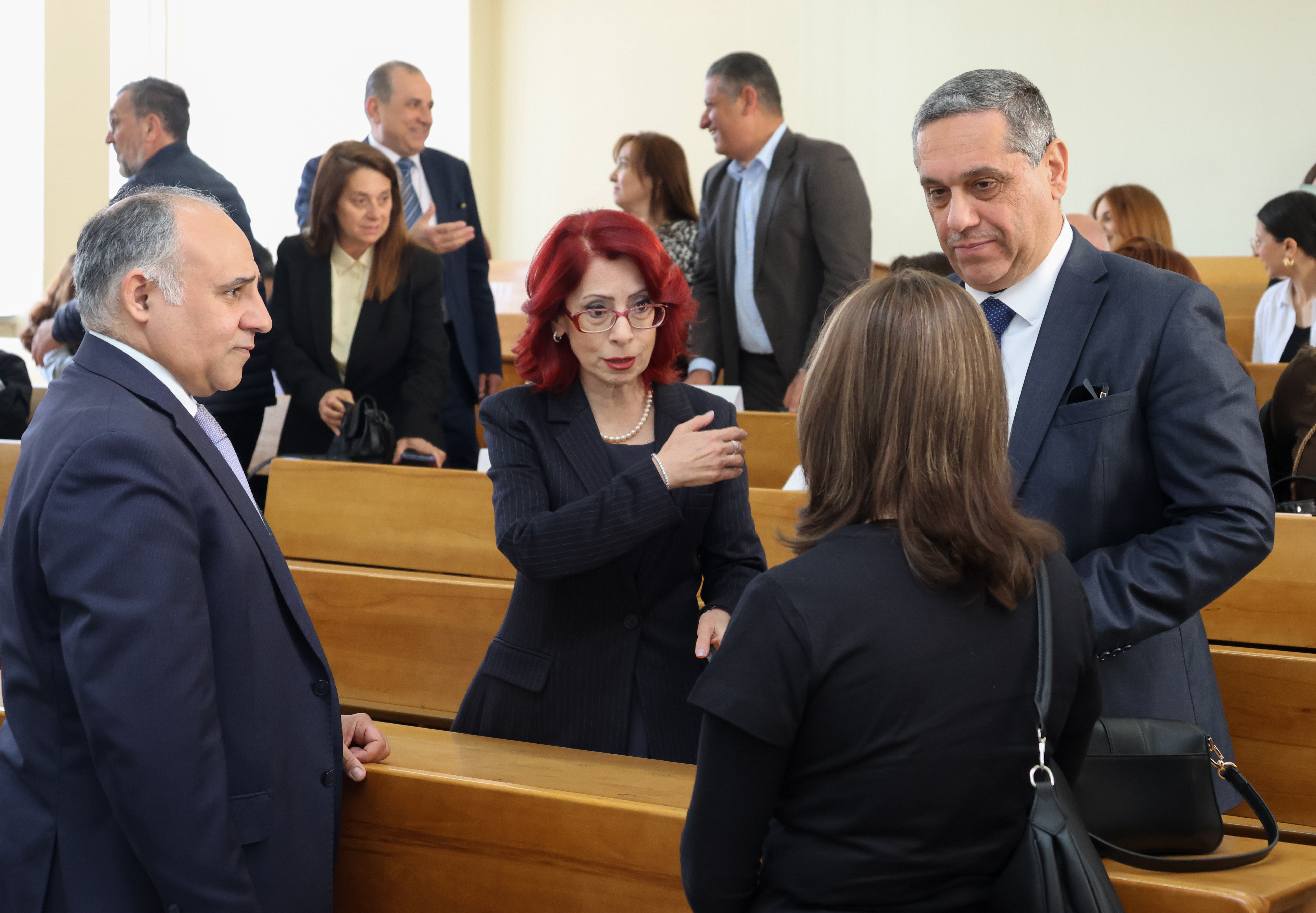
Among the distinguished guests attending the event were the ambassadors of Lebanon, Qatar, Syria, Egypt, Iraq, Kuwait, and the United Arab Emirates to Armenia, as well as representatives of the Lebanese-Armenian community.