Home
envelope
ՀայերենРусскийEnglish

Main Navigation (Eng)

  • Admission
    • Undergraduate admission
    • Master’s degree admission
    • Postgraduate admission
    • Foreign Students
    • Preparatory courses
    • Work Carried out with Applicants
    • YSU STEM High School
  • Education
    • Guide Book for First Year Students
    • Educational programs
    • Granting qualification of a pedagogue
    • Center for Academic Writing
    • Continuing education
    • Academic Calendar
    • Olympiad
  • Science
    • Open science
    • Conferences
    • Library
    • Grants
    • Publishing House
    • Doctoral Thesis Defence Councils
    • HRS4R
  • News and events
    • Events
    • Activities
    • News
    • Newsletter
    • Announcement
    • Photo gallery
    • Video gallery

Secondary Navigation (Eng)

  • About YSU
    • YSU Management
    • YSU Symbols
    • YSU International Cooperation
    • Quality assurance
    • YSU History Museum
    • Vacancies
    • FAQ
  • Structure
    • YSU Faculties and Educational Centers
      • Faculty of Geography and Geology
      • Faculty of Theology
      • Faculty of Oriental Studies
      • Faculty of European Languages and Communication
      • Faculty of Journalism
      • Faculty of Informatics and Applied Mathematics
      • Faculty of Law
      • Faculty of Biology
      • Faculty of Armenian Philology
      • Faculty of International Relations
      • Faculty of History
      • Institute of Physics
      • Faculty of Russian Philology
      • Faculty of Sociology
      • Faculty of Economics and Management
      • Faculty of Philosophy and Psychology
      • Faculty of Chemistry
      • Faculty of Mathematics and Mechanics
      • Pedagogy and Education Development Center
      • Center for European Studies
      • Institute of Pharmacy
      • Information Technologies Educational and Research Center
      • Chair of Civil Defense
      • Chair of Physical Education and Sports
    • Column Wrapper
      • YSU STEM High School
      • YSU Ijevan Branch
    • Scientific Centers and Laboratories
      • American Studies Center
      • Psychology Research Center
      • Research Laboratory of Applied Sociology
      • Center for Mathematical and Applied Research
      • Institute for Armenian Studies
      • Institute for Social and Humanitarian Studies
      • Research Center for Chemistry
      • Research Institute of Biology
      • Research Institute of Physics
      • Research Center for the Institute of Pharmacy
    • Scientific and Educational Centers
      • Observatory
      • Scientific and Educational Center for Control and Monitoring of the Quality of Medicines
      • Specialized cabinet-laboratory for the Design of Very Large Integrated Circuits (Synopsis)
      • Legal Clinic
      • Center for Applied Psychology
      • Research Center-Library of Greek Studies
      • Innovation Center for Microbial Biotechnology and Biofuels
      • Russian Center
      • Center for Russian Studies
      • Distance Learning Laboratory of Sociology
    • Column Wrapper
      • Banner
    • Administrative Divisions of YSU
      • Academic Secretary
      • Center for Doctoral Education
      • General Division
      • YSU History Museum
      • Department of Energy System Operation
      • Financial Analysis Department
      • Human Resources Department
      • Center for Admissions and Affairs with Applicants
      • Vehicle Fleet
      • Business Incubator
      • Byurakan Industrial Practice Base
      • Medical Center
      • Science Policy Department
      • Procurement Planning Department
      • Dilijan Sports and Health Center
      • YSU Archive
      • Publishing House
      • Legal Service
      • Marketing Department
      • International Cooperation Office
      • Tsaghkadzor training and production base
      • Cultural Center
      • Fire Safety Service
      • Alumni and Career Center
      • Hankavan Industrial Practice Base
      • Accounting Department
      • Center for Quality Assurance
      • Department for Special Affairs
      • Guest House
      • Student Dormitory
      • Educational-Methodological Department
      • Marie and Sarkis Izmirlian Library
      • Center for Strategic Planning
      • Rectorate
      • Rector's Office
      • Department of Territory Improvement and Landscape Design
      • Information Technology Department
      • Department of Organization and Control of Economic Activities
  • Structure
  • Alumni and Career
    • Alumni Community
    • Career Center
    • Friends of YSU
  • Student life
    • YSU Student Scientific Society
    • YSU Student Council
    • Art and Culture
ՀայերենРусскийEnglish
envelope

Main Navigation (Eng)

  • Admission
    • Undergraduate admission
    • Master’s degree admission
    • Postgraduate admission
    • Foreign Students
    • Preparatory courses
    • Work Carried out with Applicants
    • YSU STEM High School
  • Education
    • Guide Book for First Year Students
    • Educational programs
    • Granting qualification of a pedagogue
    • Center for Academic Writing
    • Continuing education
    • Academic Calendar
    • Olympiad
  • Science
    • Open science
    • Conferences
    • Library
    • Grants
    • Publishing House
    • Doctoral Thesis Defence Councils
    • HRS4R
  • News and events
    • Events
    • Activities
    • News
    • Newsletter
    • Announcement
    • Photo gallery
    • Video gallery

Secondary Navigation (Eng)

  • About YSU
    • YSU Management
    • YSU Symbols
    • YSU International Cooperation
    • Quality assurance
    • YSU History Museum
    • Vacancies
    • FAQ
  • Structure
    • YSU Faculties and Educational Centers
      • Faculty of Geography and Geology
      • Faculty of Theology
      • Faculty of Oriental Studies
      • Faculty of European Languages and Communication
      • Faculty of Journalism
      • Faculty of Informatics and Applied Mathematics
      • Faculty of Law
      • Faculty of Biology
      • Faculty of Armenian Philology
      • Faculty of International Relations
      • Faculty of History
      • Institute of Physics
      • Faculty of Russian Philology
      • Faculty of Sociology
      • Faculty of Economics and Management
      • Faculty of Philosophy and Psychology
      • Faculty of Chemistry
      • Faculty of Mathematics and Mechanics
      • Pedagogy and Education Development Center
      • Center for European Studies
      • Institute of Pharmacy
      • Information Technologies Educational and Research Center
      • Chair of Civil Defense
      • Chair of Physical Education and Sports
    • Column Wrapper
      • YSU STEM High School
      • YSU Ijevan Branch
    • Scientific Centers and Laboratories
      • American Studies Center
      • Psychology Research Center
      • Research Laboratory of Applied Sociology
      • Center for Mathematical and Applied Research
      • Institute for Armenian Studies
      • Institute for Social and Humanitarian Studies
      • Research Center for Chemistry
      • Research Institute of Biology
      • Research Institute of Physics
      • Research Center for the Institute of Pharmacy
    • Scientific and Educational Centers
      • Observatory
      • Scientific and Educational Center for Control and Monitoring of the Quality of Medicines
      • Specialized cabinet-laboratory for the Design of Very Large Integrated Circuits (Synopsis)
      • Legal Clinic
      • Center for Applied Psychology
      • Research Center-Library of Greek Studies
      • Innovation Center for Microbial Biotechnology and Biofuels
      • Russian Center
      • Center for Russian Studies
      • Distance Learning Laboratory of Sociology
    • Column Wrapper
      • Banner
    • Administrative Divisions of YSU
      • Academic Secretary
      • Center for Doctoral Education
      • General Division
      • YSU History Museum
      • Department of Energy System Operation
      • Financial Analysis Department
      • Human Resources Department
      • Center for Admissions and Affairs with Applicants
      • Vehicle Fleet
      • Business Incubator
      • Byurakan Industrial Practice Base
      • Medical Center
      • Science Policy Department
      • Procurement Planning Department
      • Dilijan Sports and Health Center
      • YSU Archive
      • Publishing House
      • Legal Service
      • Marketing Department
      • International Cooperation Office
      • Tsaghkadzor training and production base
      • Cultural Center
      • Fire Safety Service
      • Alumni and Career Center
      • Hankavan Industrial Practice Base
      • Accounting Department
      • Center for Quality Assurance
      • Department for Special Affairs
      • Guest House
      • Student Dormitory
      • Educational-Methodological Department
      • Marie and Sarkis Izmirlian Library
      • Center for Strategic Planning
      • Rectorate
      • Rector's Office
      • Department of Territory Improvement and Landscape Design
      • Information Technology Department
      • Department of Organization and Control of Economic Activities
  • Structure
  • Alumni and Career
    • Alumni Community
    • Career Center
    • Friends of YSU
  • Student life
    • YSU Student Scientific Society
    • YSU Student Council
    • Art and Culture
  1. Main
  2. News
  3. Photography complements written sources, sometimes dispelling doubts found in texts — Yvette Tajarian
June 04, 2026 | 12:21
Research
Publications and scientific journals
Culture

Photography complements written sources, sometimes dispelling doubts found in texts — Yvette Tajarian

Yvette Tajarian, Associate Professor at the Chair of History and Theory of Armenian Art at Yerevan State University's Faculty of History and Head of the Matenadaran Museum, teaches the course History of Photography at YSU. We spoke with Tajarian about the development of photography in Armenia, the importance of photographs as historical sources, and the role and legacy of Armenian photographers.

– Ms. Tajarian, you have studied photography as both a research tool in Armenian studies and as documentary evidence for historical reconstruction. What are the main advantages and limitations of photography compared with written sources? 

– Photography was invented and, so to speak, received its official academic recognition in 1839. Unfortunately, however, this field was not properly valued or studied in Armenia for a long time. When I defended my PhD dissertation on photography at the National Academy of Sciences of the Republic of Armenia in 2006, it turned out to be the first dissertation on the subject in our academic environment. This is rather regrettable, as by that time photographic museums and exhibitions already existed worldwide, whereas we still do not have a dedicated space where we can take students to introduce them to our rich photographic heritage.

– What condition are Armenia’s photographic archives in today? Are museums prepared to properly preserve old photographs? What is the situation at the Matenadaran? 

– There is a special procedure for accessing archives, and the photographs stored there are not available even to researchers without following that procedure.

Photography is an extremely fragile medium. It exists on paper and can deteriorate rapidly if stored under improper conditions. In archival materials dated 1997–1998, I saw photographs that I later re-photographed. When I returned years later to examine the originals, I found that exposure to light had significantly faded the images and nearly erased the colors.

Unfortunately, photographs in our archives are often stored together with documents or other materials, which reflects an unprofessional approach. Every type of material requires its own storage temperature.

Until four or five years ago, photographs at the Matenadaran were not treated with a sufficiently specialized approach. If a donor submitted photographs together with manuscripts, the photographs were neither classified nor catalogued. In the course of my work, while searching for exhibition materials in private collections, I discovered a vast number of photographs that had never been seriously studied. Following a major exhibition we organized three years ago, people learned that the Matenadaran also accepts photographs, and new donations began to arrive.   

– Why is the study of 19th-century Armenian photography particularly important? 

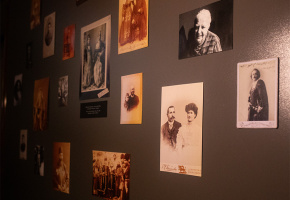
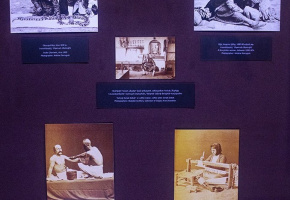
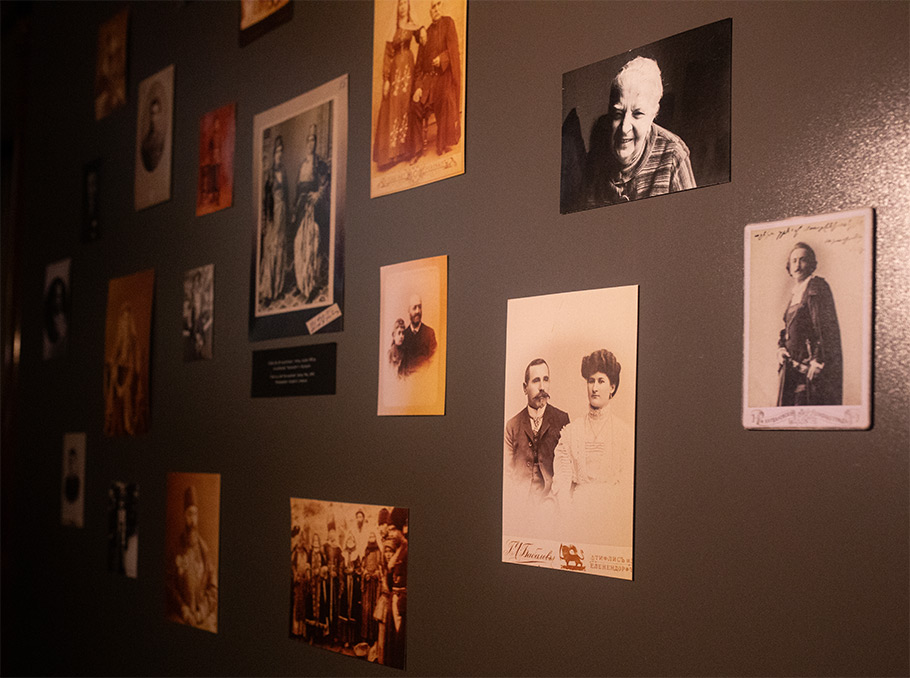
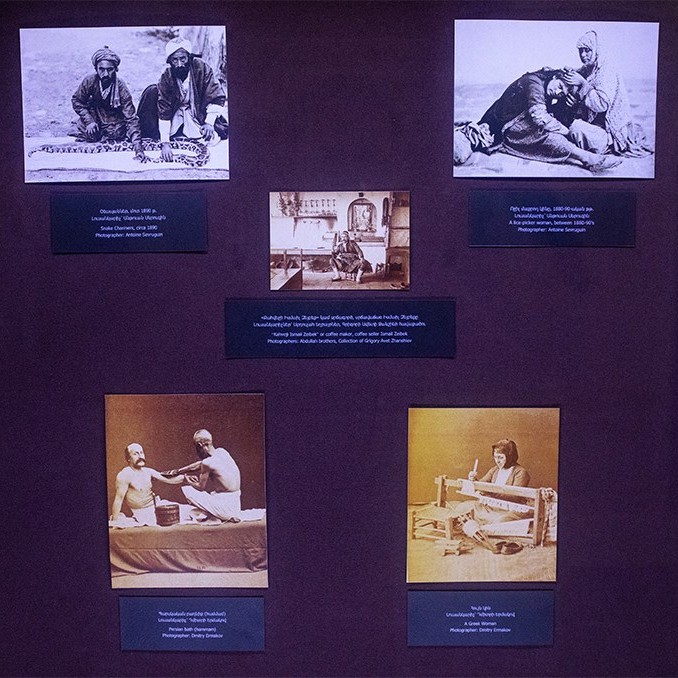
– In the 19th century, when photography was still a novelty and viewed just as a technical practice, Armenians were already working as highly skilled professionals in royal courts across various countries. Among them were the Abdullah Brothers in the Ottoman Empire and Antoine Khan Sevruguin in Iran, who served as the personal photographer of Naser al-Din Shah Qajar and received the title of Khan from the Shah. Later, Yousuf Karsh (Hovsep Karshian) gained international recognition in Europe and America, while Ara Güler, known as "the eye of Istanbul," became renowned in Turkey, among others. 

– When did photography begin to develop in Armenia?

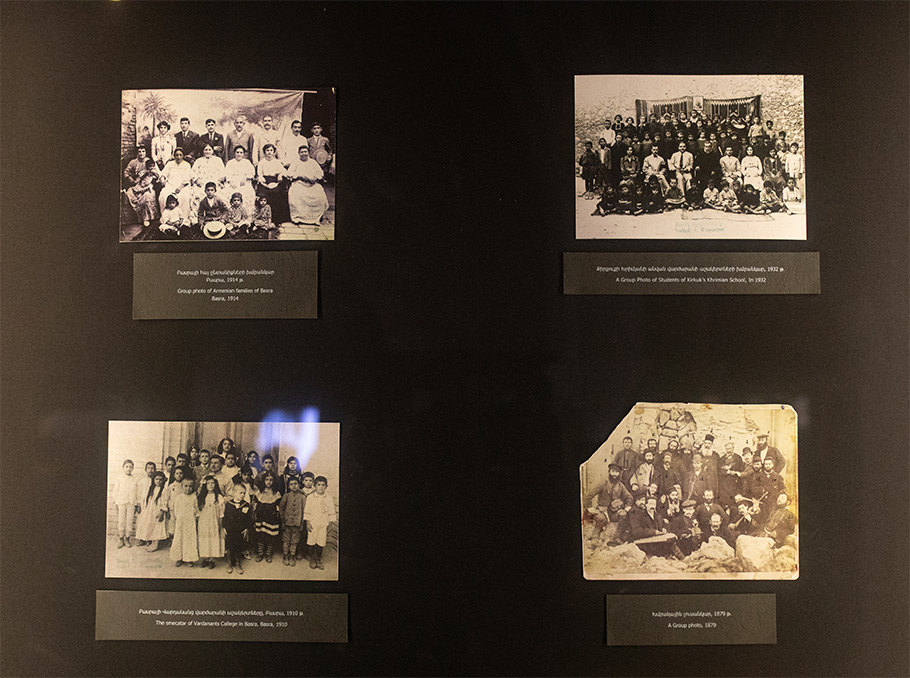
– Photography took hold in Armenia somewhat later, at the end of the 19th century. While the rest of the world was already transitioning to artistic photography, in Armenia it remained primarily documentary in nature. 

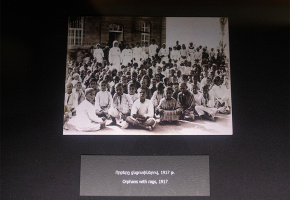
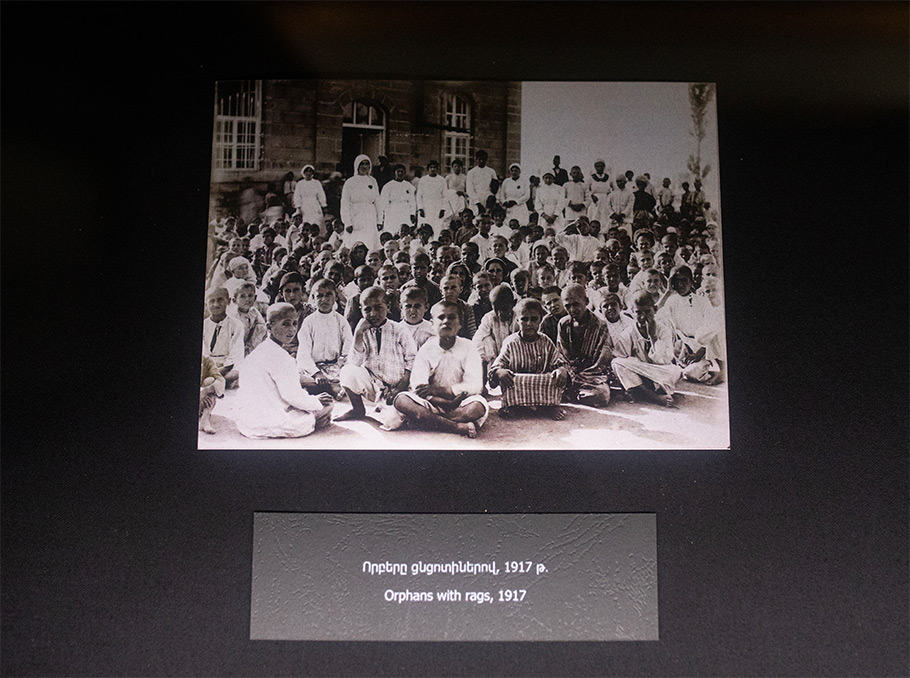
Returning to your question about advantages and limitations of photography compared with written sources, I would note that photography complements written sources, sometimes dispelling doubts found in texts. Take, for example, the Armenian Genocide. We do not, of course, question that historical fact, but without foreign photographers, missionaries, and soldiers, we would not have this documentary record. Armenians on the deportation routes were psychologically incapable of stopping to photograph the catastrophe unfolding around them.

Today, at conferences of genocide scholars, these photographic records are presented as irrefutable evidence because they were captured through the eyes of outsiders.

Photography is a primary source for ethnographers, archaeologists, genocide scholars, art historians, and cultural researchers. There is virtually no field of study in which photography is not indispensable. 

– Who were some of the well-known Armenian photographers of the 19th century?

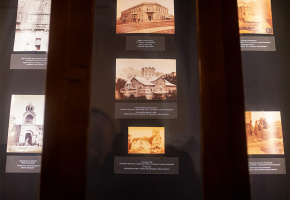
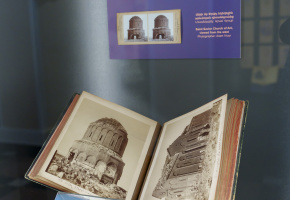
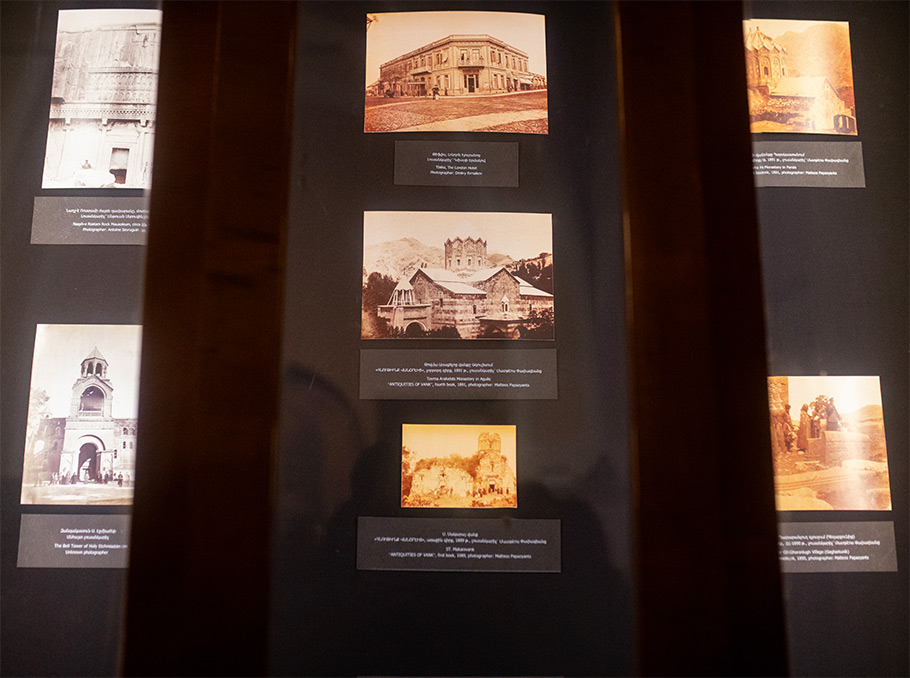
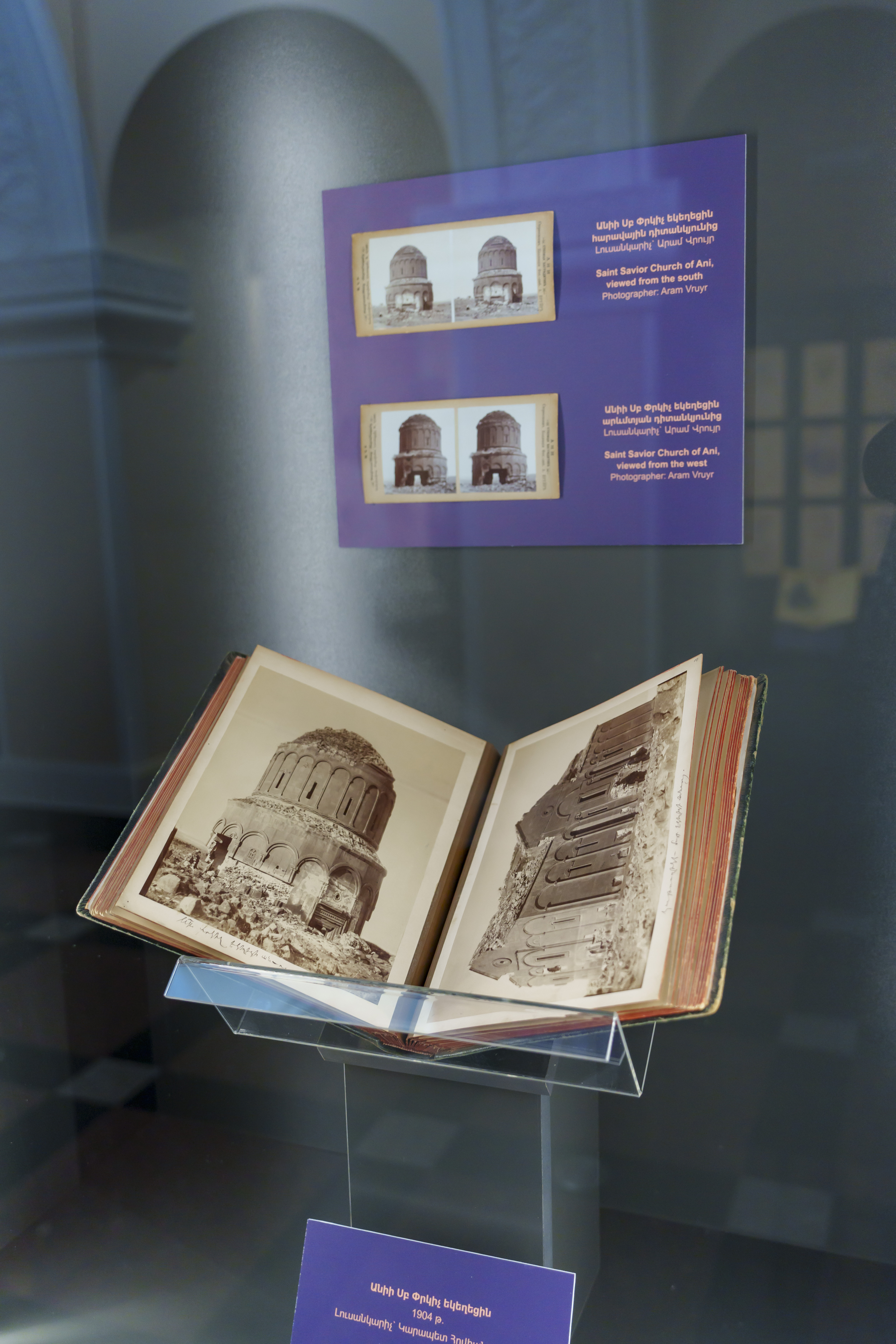
– Photographs from the 19th century are extremely important sources for Armenian studies. At that time, photography was not yet widespread, and only a small number of Armenians mastered the techniques. The archival collections of late 19th-century Armenian documentary photographers, including Ara and Aram Vruyr, Kyurkchyan, Mateos Papazian, and Karapet Hovhannisyan, are of exceptional value. They mastered the technology and, with limited resources, traveled across Western Armenia, photographing Armenian architectural monuments at a critical historical juncture—structures that, years later, were likely either destroyed or significantly altered. Today, restoration architects and archaeologists compare the present with the past and, through these visual documents, are able to reconstruct sculptures and walls in their original form.   

– Who invited these photographers to join expeditions?

– They were invited by prominent scholars and architects such as Nikolai Marr, Josef Strzygowski, and Toros Toramanian. These researchers conducted measurements and studies of monuments and brought along the best photographers. Today, everything is easily accessible, but that was not the case at the time. It was also a matter of prestige and professional status—for example, for Toramanian to have a skilled photographer who would capture sculptures and inscriptions from multiple angles, which were later incorporated into written texts. 

The same applies to photojournalism. The construction of monumental structures or, for example, the dismantling of Lenin's statue were documented by masters such as Ruben Mangasaryan, Gagik Harutyunyan, and others.

– It may surprise many that the Matenadaran, traditionally associated with ancient manuscripts, also holds a photographic archive. 

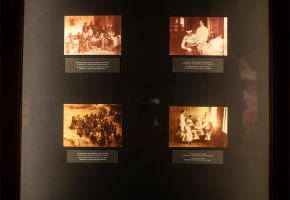
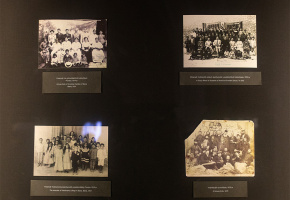
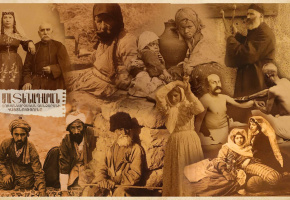
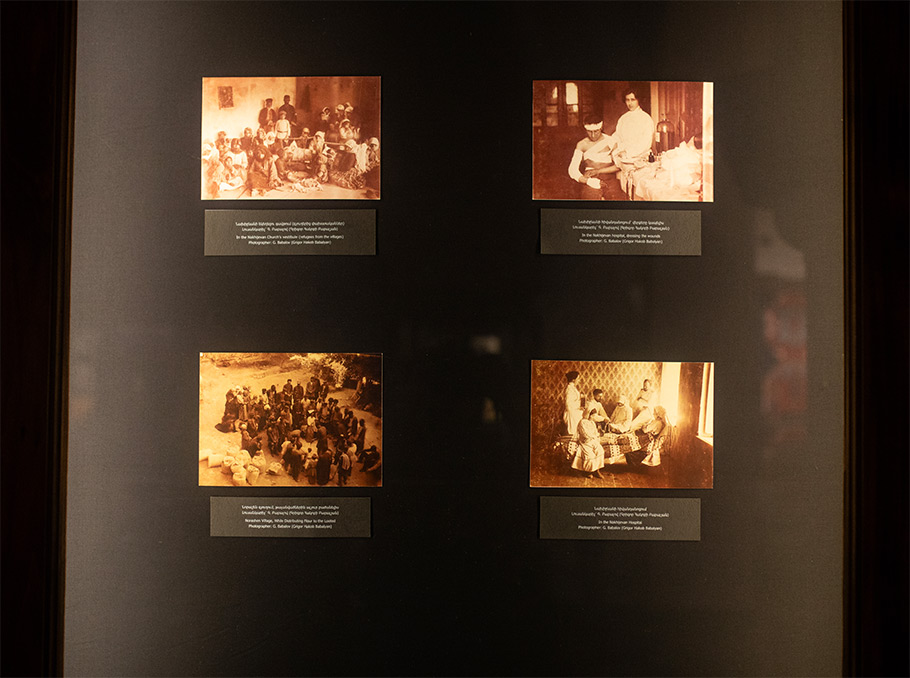
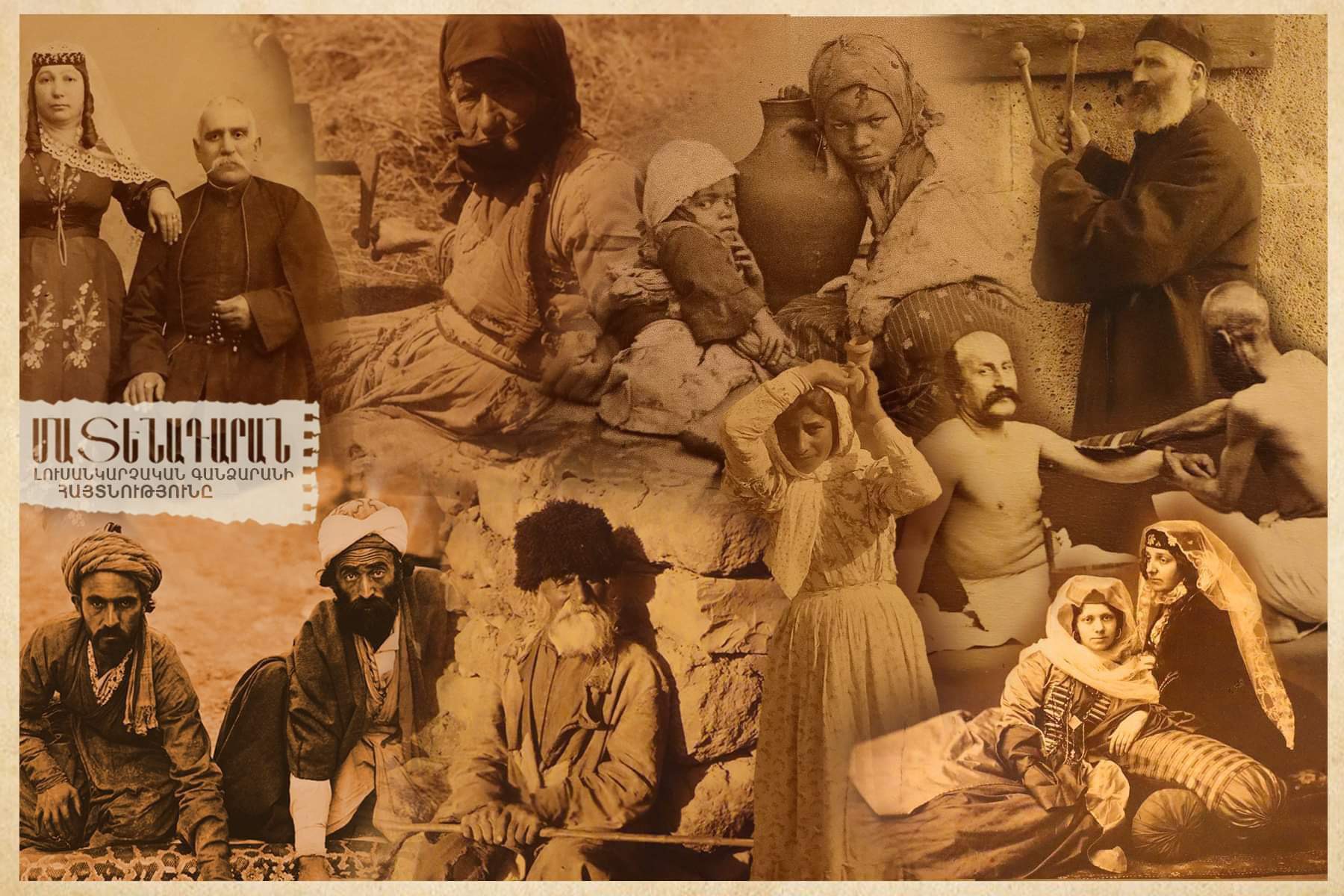
– Indeed, we preserve a vast heritage that includes not only photographs but also glass negatives. I have recently published several studies on these negatives, whose content is closely connected to the history of the Armenian Genocide. The negatives depict Armenian refugees photographed in the courtyard of the Mother See of Holy Etchmiadzin, dressed in national costumes. The photographs are dated approximately to 1912–1918, possibly even 1912–1915, as research suggests these refugees may have arrived from Western Armenia before 1915. This is an exceptional source for studying the clothing and ethnography of women, men, and children from Vaspurakan, Mush, and other regions.

– Is it possible to produce images from these glass negatives today?

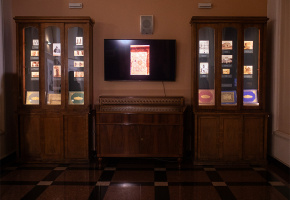
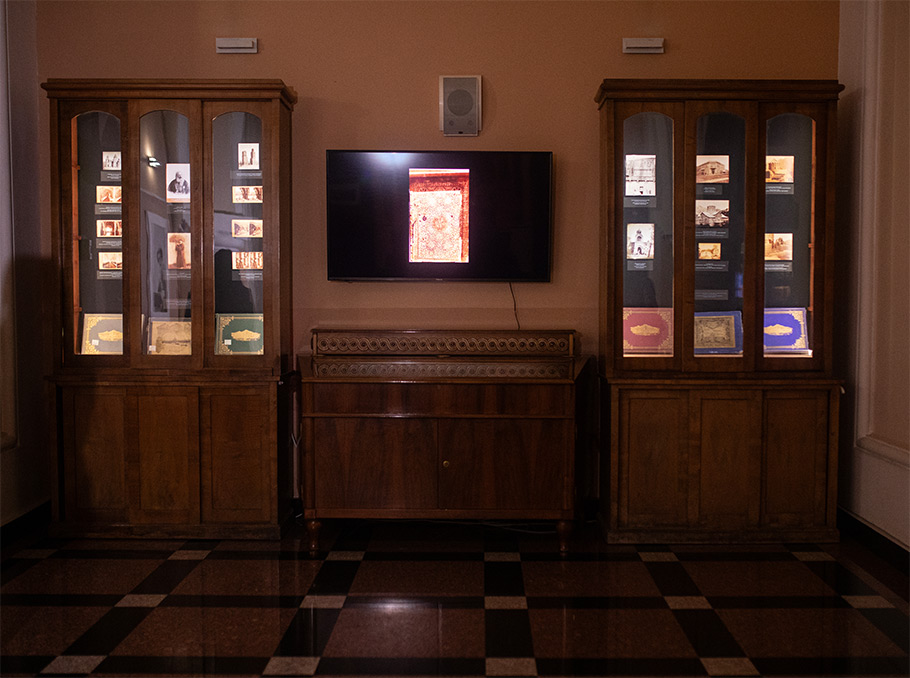
– Yes, and we have done so. Unfortunately, specialized digitization equipment in Armenia is limited. With the help of the History Museum of Armenia, we digitized these negatives. Part of the collection is now exhibited at the Matenadaran, where the original glass negatives are displayed alongside their digital reproductions.

Interestingly, prominent artists such as Vardges Surenyants and Arshak Fetvadjian used these photographs as a basis for their paintings. Since early 20th-century photographs were black and white, they transformed them into color works, thereby documenting our identity. As part of our exhibition, we borrowed works by Surenyants and Fetvadjian from the National Gallery and the Sardarapat Museum, which were created in the early 20th century based precisely on these glass negatives and photographs from the Matenadaran.

– In the 20th century, was it possible to determine whether a photograph was authentic or forged? Is the forgery of old photographs widespread today? 

– Although there were very few art historians and conservators working with photographs in Armenia, certain methods did exist. Today, the forgery and sale of historical photographs has become a profitable business, much like the trade in paintings. If a photograph bears the signature of, for example, Antoine Sevruguin, the Abdullah Brothers, or the renowned Russian photographer Dmitri Ermakov, it can be sold at extremely high prices at international auctions. Forgers reprint such images and artificially age the paper using chemical methods; however, an experienced specialist can distinguish originals, since in the 19th and 20th centuries specific photographic papers and production techniques were used.

– Given all this, is there a need for a dedicated photography museum with galleries for different historical periods? 

– It is absolutely essential. A photography museum, together with a conservation and restoration center, would be a major step forward for scholars studying the Caucasus and the wider region. Researchers approach me almost daily requesting historical photographs of specific monuments or traditional costumes from Mush. There is a vast amount of endangered material in private collections. People often invite me to their homes to examine old photographs and I see how they deteriorate under improper conditions—stored in unsuitable materials and boxes, undergoing chemical degradation. I always urge them to at least entrust such materials to the state for safekeeping so they can be preserved and restored. 

Photographs courtesy of Matenadaran

Nara Martirosyan
  • Download
  • Download
  • Download
  • Download
  • Download
  • Download
  • Download
  • Download
  • Download
    ShareFacebookTelegram

    Latest News

    Chinese scholar Sun Zhuangzhi leads delegation to Yerevan State University

    05.06.2026

    One semester under Erasmus+: professional and personal journey

    04.06.2026

    Photography complements written sources, sometimes dispelling doubts found in texts — Yvette Tajarian

    04.06.2026
    Show All

    Announcement

    Invitation to Online Conference: American Research Institute of the South Caucasus

    09.17.2026 - 09.19.2026

    Invitation to Participate in International Conference "Armenia: Crossroads of Centuries and Worlds"

    06.18.2026 - 06.19.2026

    Erasmus+ Cooperation: University of Münster, Germany

    06.04.2026 - 06.12.2026
    Show All

    Արագ հասանելիություն

    • Intranet
    • E-learning
    • Mulberry
    • Online applications
    • Phone book
    • Registrar
    • Documentation

    Footer(ENG)

    • Main pages
      • Admission
      • Education
      • Science
      • News
    • Information
      • Frequently asked Questions
      • Vacancies
      • Search for educational programs
      • For the applicants
      • For the students
    • About YSU
      • YSU management
      • YSU symbols
    © Yerevan state university 2026
    Address: Republic of Armenia, Yerevan, 0025, 1 Alex Manoogian (+37460) 710000 info@ysu.am