June 01, 2026 | 12:00
Education
Society
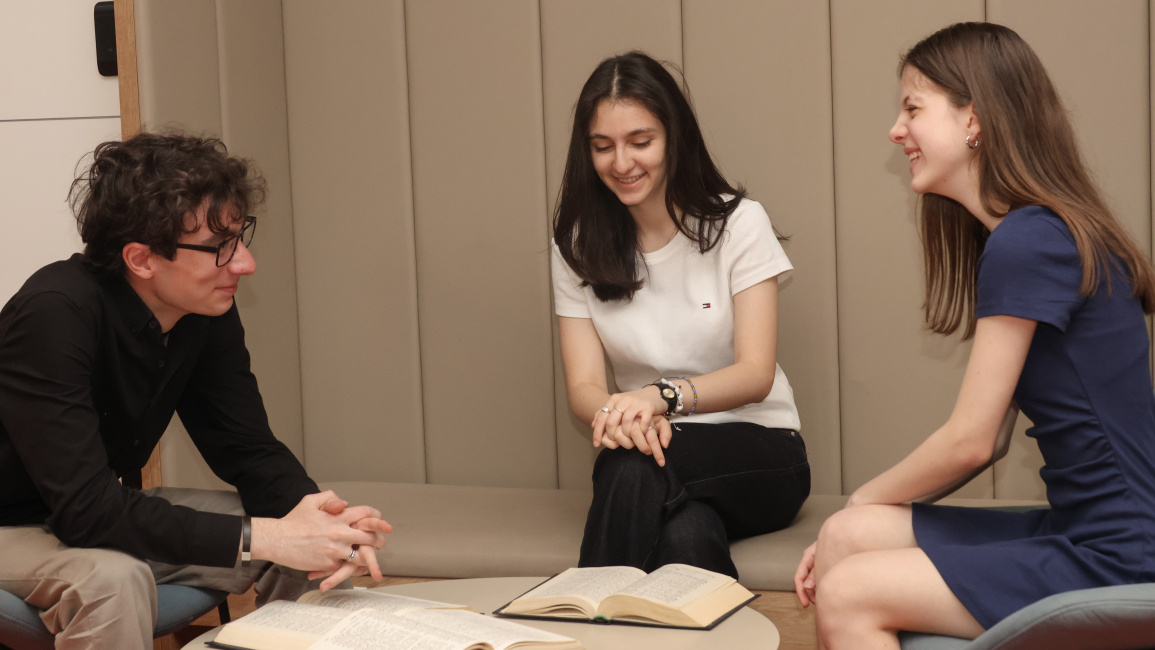
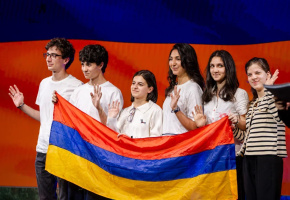
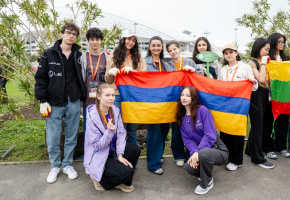
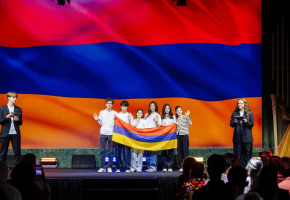
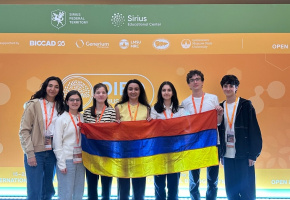
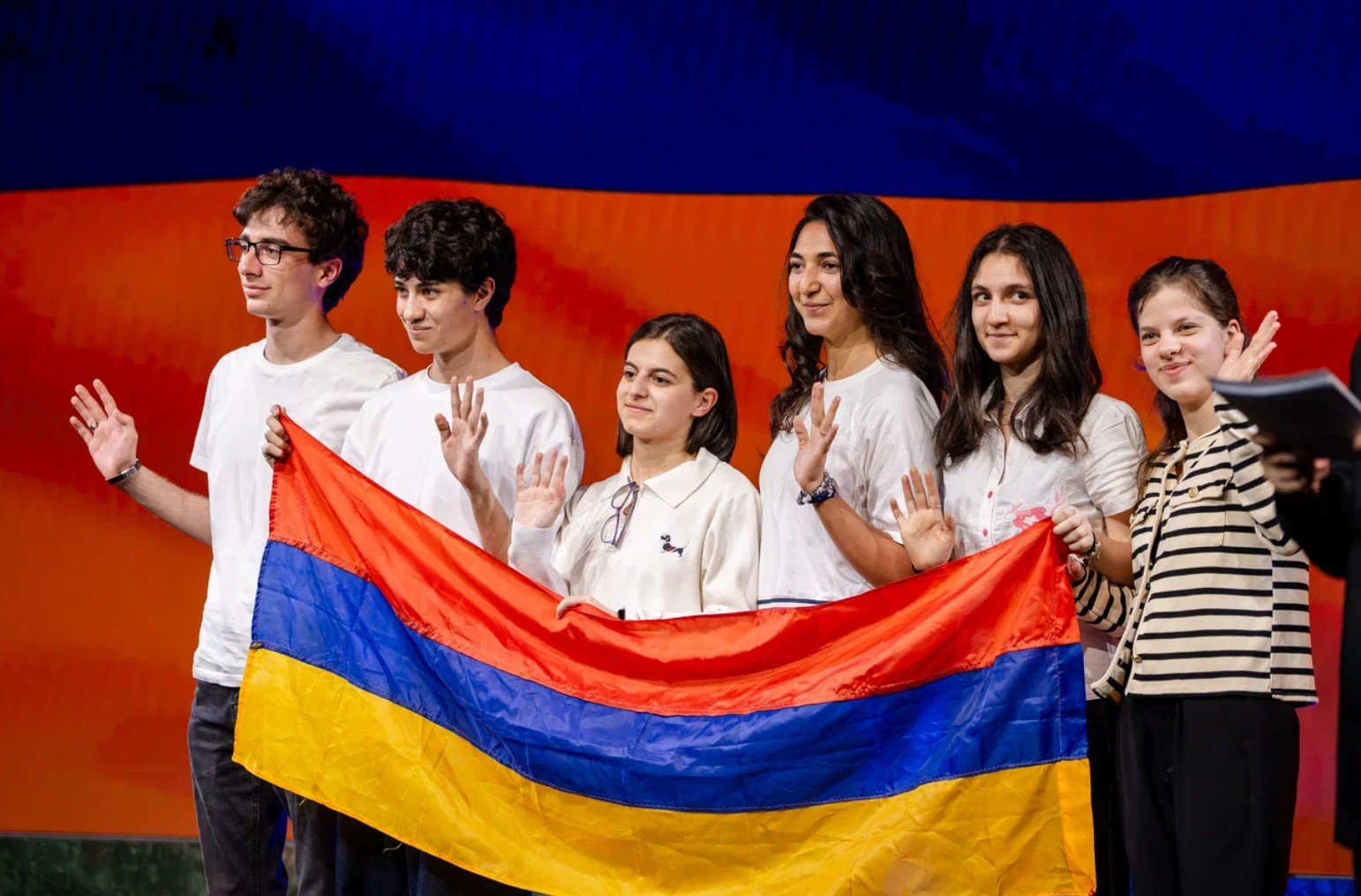
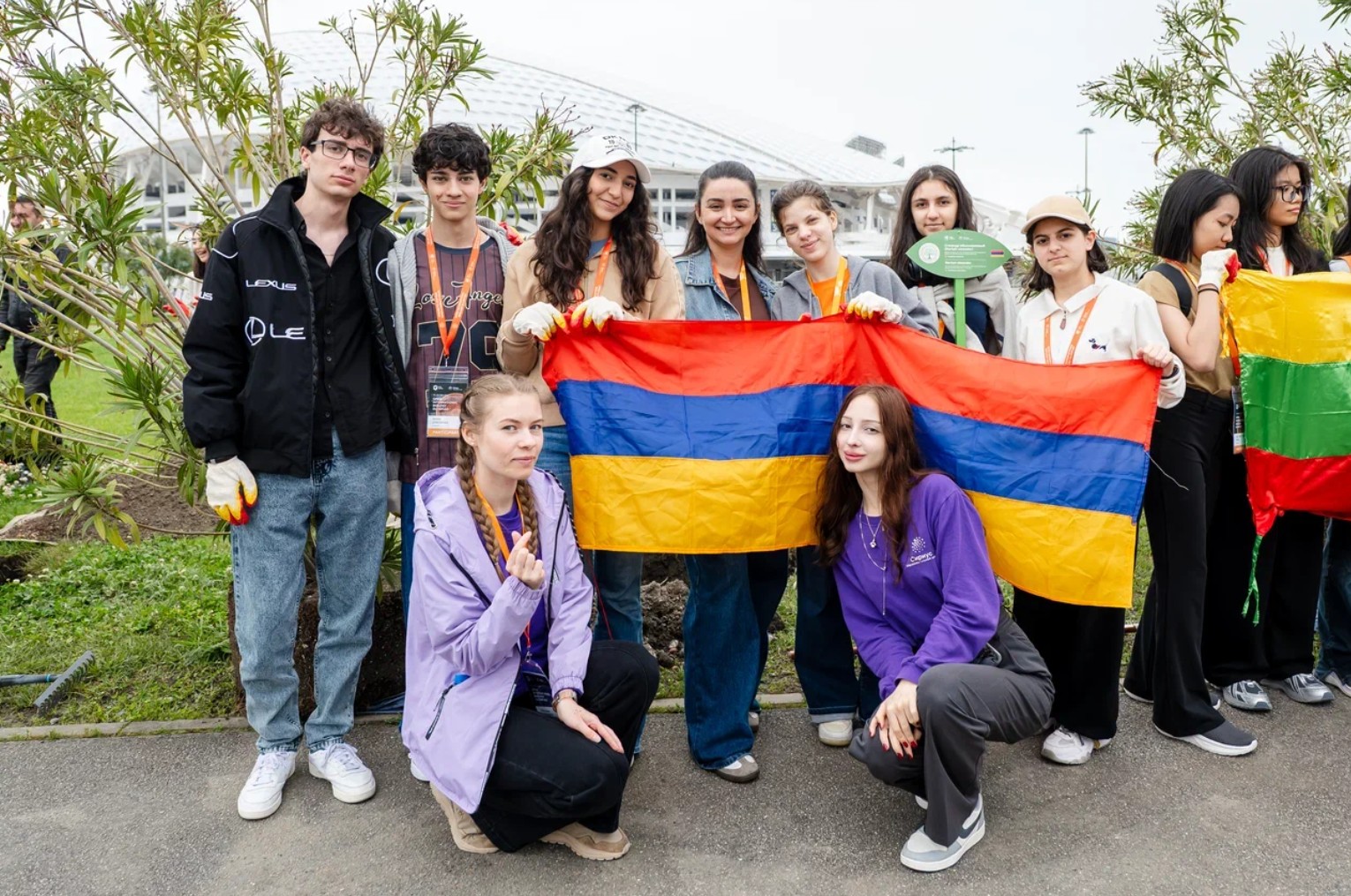
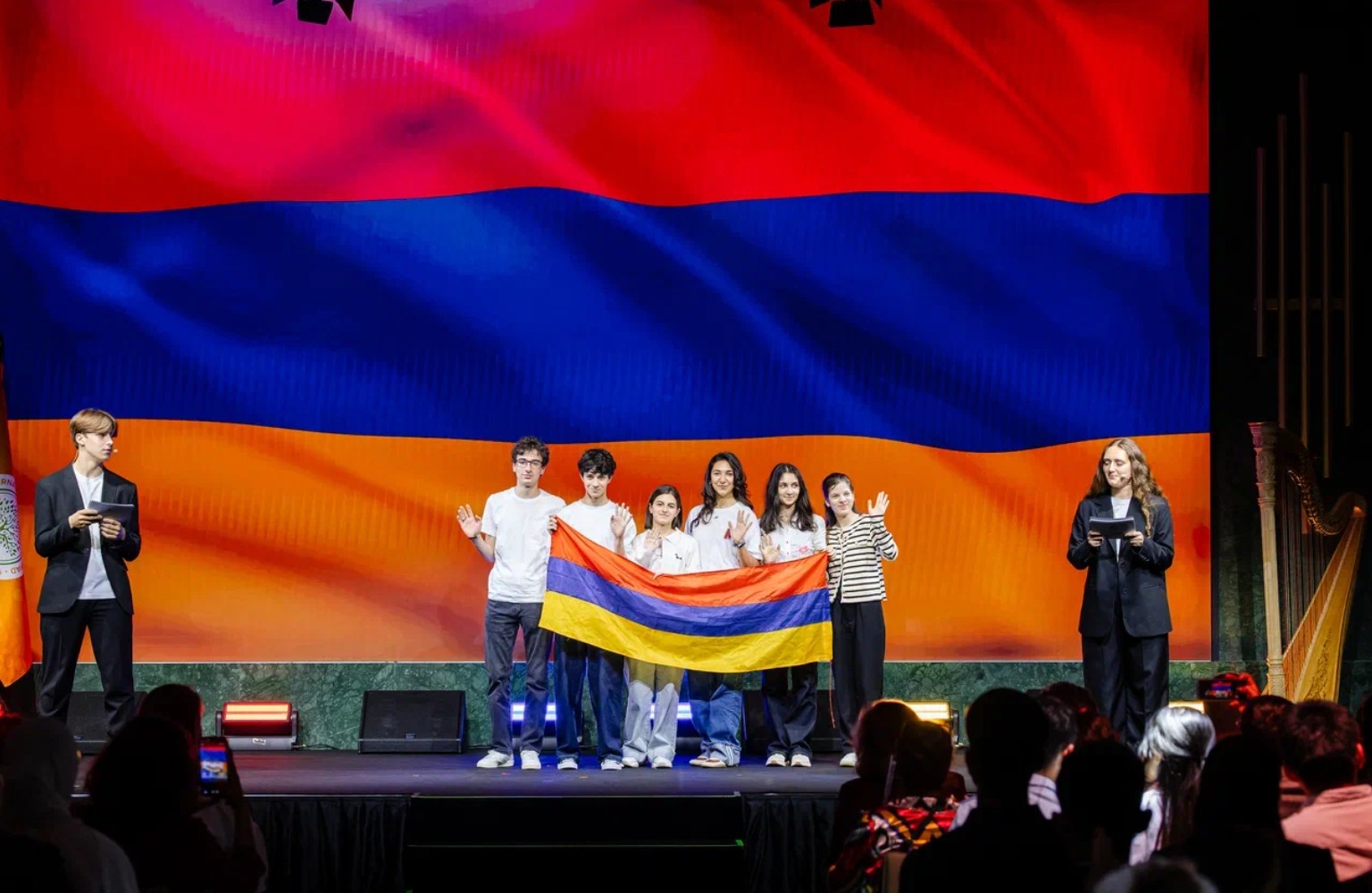
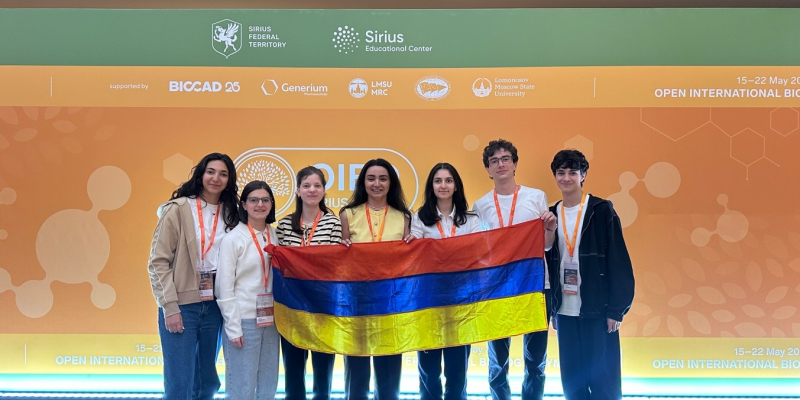
At the Second Open International Biology Olympiad, held in the Sirius Federal Territory in Sochi, Krasnodar Krai, Russian Federation, Armenia was represented by 12th-grade students from YSU STEM High School—Narek Ghazaryan, Mariam Galstyan, and Nane Ananikyan—as well as students from Heratsi High School and Photon Lyceum. The team was led by Susanna Marutyan, junior researcher at the YSU Research Institute of Biology and a teacher at YSU STEM High School. Armenian participants collectively won five bronze medals at the competition.
The olympiad consisted of three stages: theoretical (individual), practical (individual), and a project-based (team). Participants noted that each stage required not only strong subject-specific knowledge but also quick decision-making, time management skills, and the ability to perform under pressure.
Three stages, 60 questions, and a full day in the lab: Mariam Galstyan's experience
According to YSU STEM High School 12th-grader Mariam Galstyan, each stage of the competition presented distinct challenges.
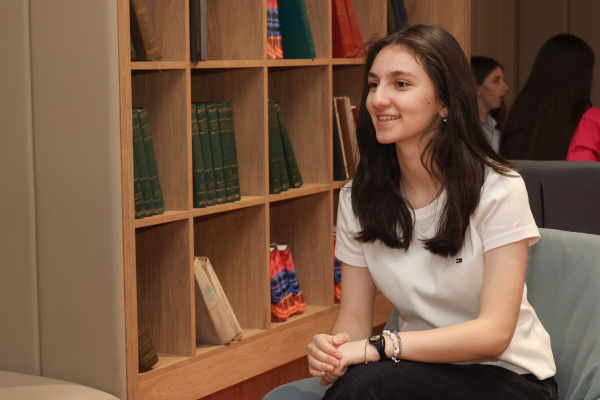
"In the theoretical stage, we solved 60 questions in four hours. The test had three sections: true/false statements, matching tasks, and problem-solving questions," she said. "The practical stage included tasks in botany and zoology. Participants were divided into groups and worked in different laboratories. In the zoology laboratory, we conducted genetic analysis of drosophila, calculated phenotype frequencies, determined genotypes, and performed dissections of drosophila larvae. In the botany laboratory, we worked with algae solutions, carried out cell counting, and conducted phylogenetic analyses along with other tasks."
A key component was the project-based stage, for which teams selected topics in advance. The Armenian team focused on molecular biology.
"It is one of the most difficult fields. We spent an entire day in the laboratory performing PCR tests, electrophoresis, and various molecular analyses. The final result was a collective team score," she said.
Mariam emphasized that the olympiad was not only a test of knowledge but also a major responsibility.
"When you represent your country on an international stage, you try to present yourself in the best possible way, both scientifically and personally," she said.
Having graduated from YSU STEM High School this year, she plans to continue her studies in biology, specializing in biochemistry and biotechnology.
Seventeen countries, a newly formed team, and challenging but solvable tasks: Narek Ghazaryan's experience
"In my opinion, our computational performance was very strong. We may have lagged in some individual aspects, but overall we were particularly strong in computational tasks. I think we ranked second among 17 countries in that regard," Narek said, adding that the competition was highly demanding and comparable in difficulty to international olympiads, particularly given the strict time constraints.
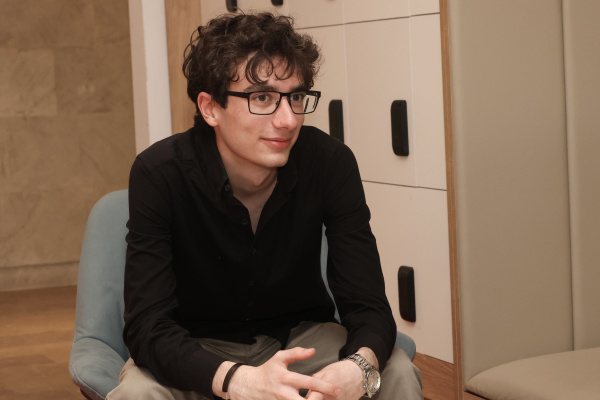
He noted that time management was one of the most difficult aspects. While the team worked efficiently in group tasks and even finished ahead of schedule, completing individual practical assignments within limited time proved more challenging.
Narek also highlighted the strong teamwork among students from different schools.
"We met each other for the first time, but quickly became one team. Everyone felt as if we had known each other for a long time. That really helped us in the group stage," he said.
Narek also underscored the value of international interaction, which he described as one of the olympiad's most important components. The competition brought together students from 17 countries, providing participants with an opportunity not only to compete but also to learn about different cultures.
"Throughout the olympiad, we had the opportunity to interact with participants from different countries, and we built friendships with several of them," the student said, noting that such experiences are valuable for fostering future professional and scientific collaboration.
Narek plans to continue his studies at the YSU Faculty of Chemistry while maintaining a strong interest in biology. He noted the close connection between the two disciplines and said he may combine them in his future academic path, with a final specialization decision to be made at the graduate level.
Prior experience, different formats and academic orientation: Nane Ananikyan's experience
Nane Ananikyan noted that the team did not undergo specific preparation for this olympiad, relying instead on training in their school olympiad group, which they have attended since the 10th grade.
"We did not prepare specifically for this competition. The three of us attend an olympiad group, where we prepare for various competitions. That training allowed us to participate successfully," she said.
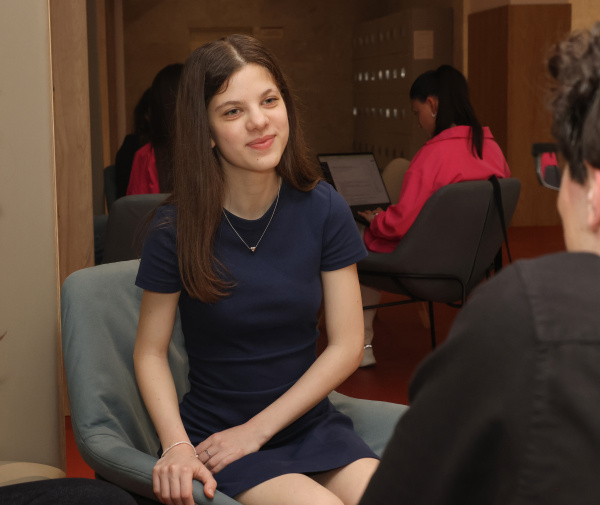
She added that this was not her and Mariam's first international experience, although previous competitions had significantly different formats.
"I participated in the International Applied Biology Olympiad (IABO), but its format was different. We were given a topic and had to prepare and present a report. However, that experience did not fully prepare me for the Sochi olympiad, as the formats are very different," she said, emphasizing the skills gained through teamwork, particularly in terms of working with laboratory equipment and applying different methods.
Now a graduate of YSU STEM High School, Nane plans to apply to Yerevan State Medical University and pursue a career in medicine, although she has not yet decided on a specialty.
"Maybe endocrinology or allergology, but I know for sure I do not want to become a surgeon," she said, adding that her interest in medicine developed through her studies in biology and chemistry as well as family influence.
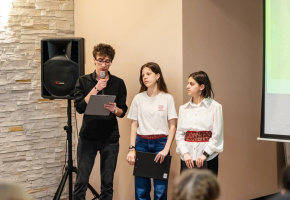
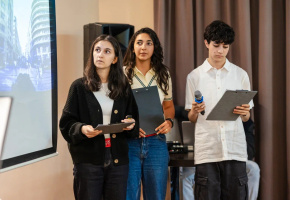
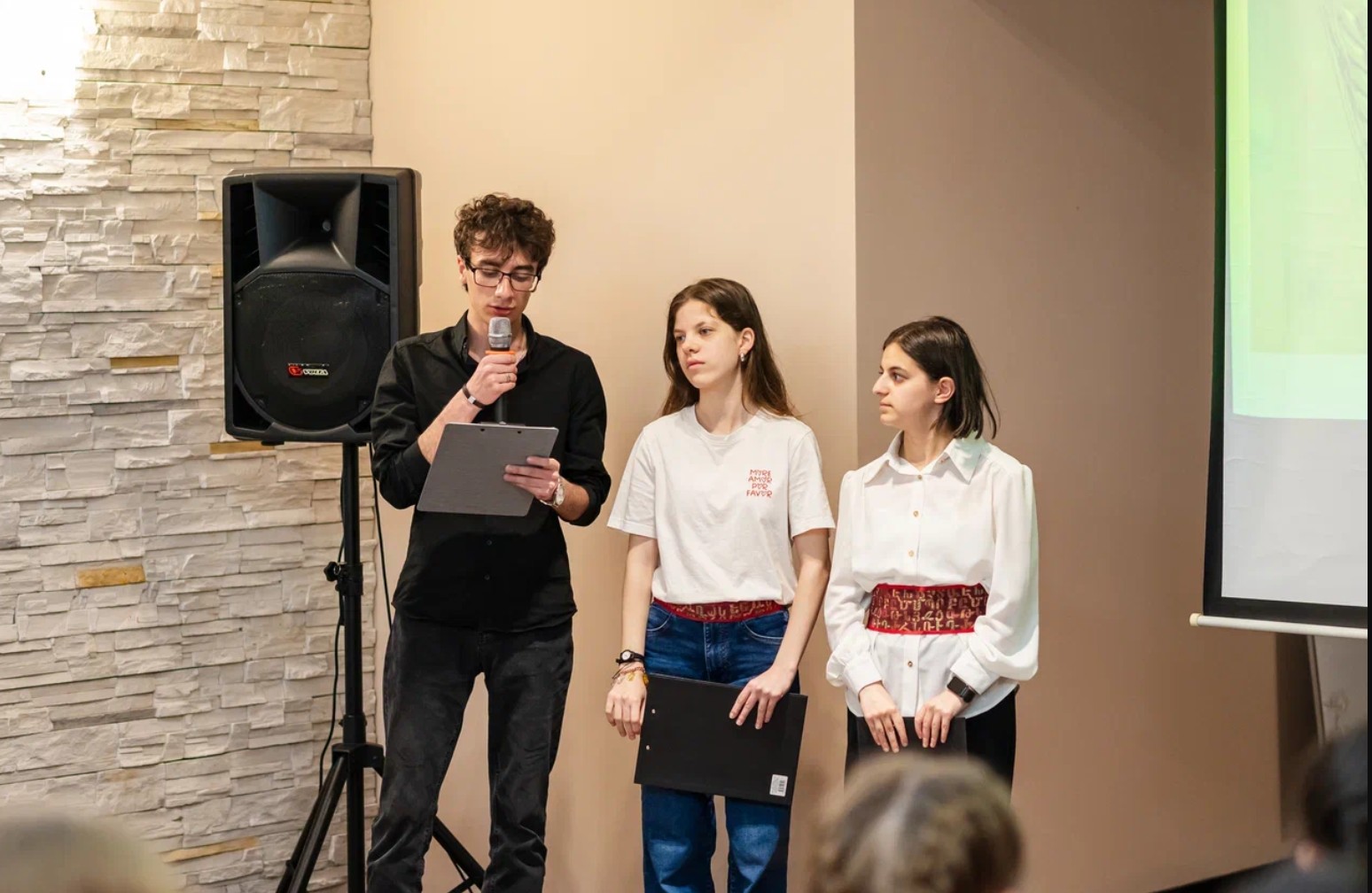
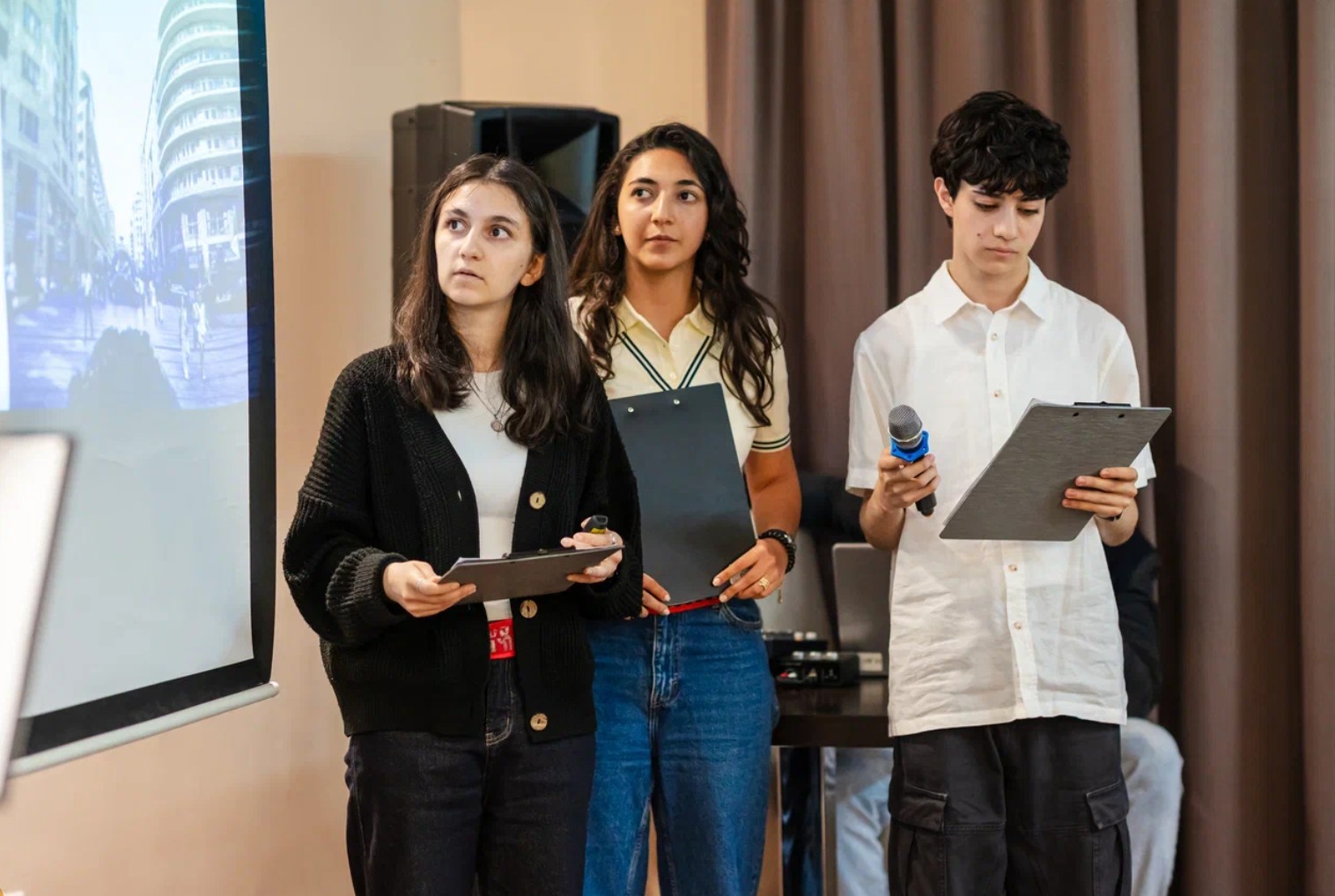
Participants emphasized that the olympiad was not only a competition but also an opportunity to represent Armenia internationally. The team introduced other participants to Armenia's education system and scientific potential. They also showcased elements of Armenian culture during the event, including a performance of the traditional Papuri dance, which attracted attention and contributed to a vibrant cultural exchange environment.
Students noted that such events offer opportunities not only for competition but also for intercultural dialogue, helping raise awareness of Armenia within the global scientific community. They encouraged other students not to fear such challenges and to participate in international olympiads as an important step in both academic growth and personal development.