June 16, 2026 | 10:40
Science
Education
International cooperation
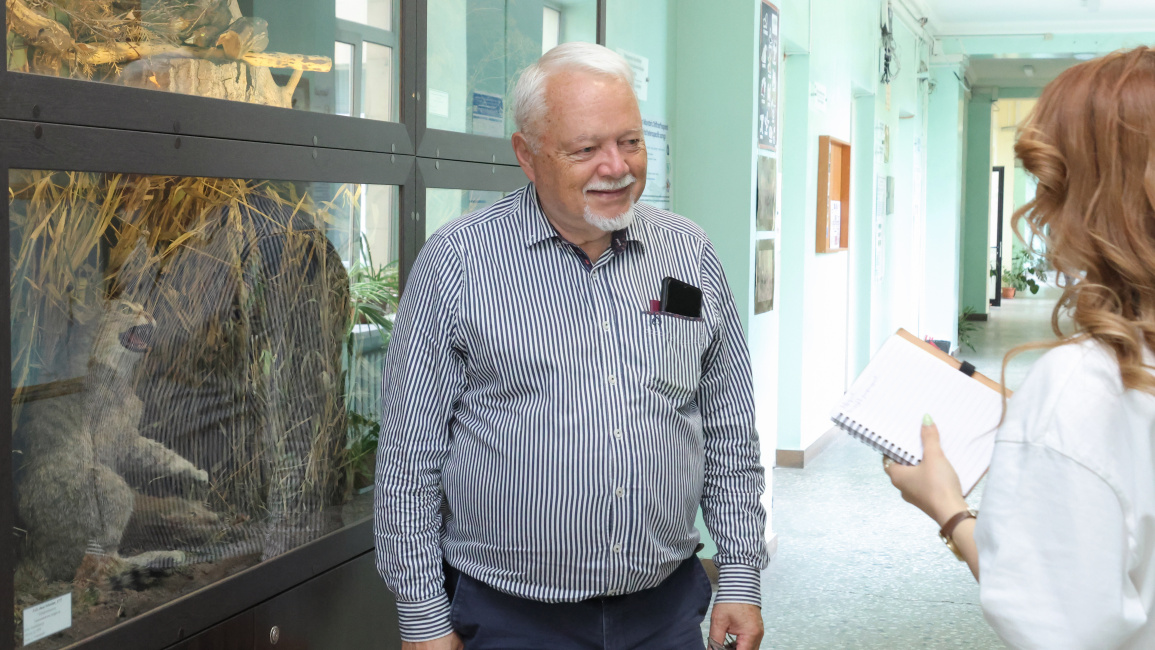
Turlejski, who conducts research at the M. Nencki Institute of Experimental Biology of the Polish Academy of Sciences, has collaborated with Armenian colleagues for many years. He recently delivered a series of lectures on neurophysiology at YSU.
"I have spent my entire scientific career at the Nencki Institute. Later, I also began teaching at Cardinal Stefan Wyszynski University in Warsaw. However, my collaboration with Armenian colleagues began much earlier," Professor Turlejski said.
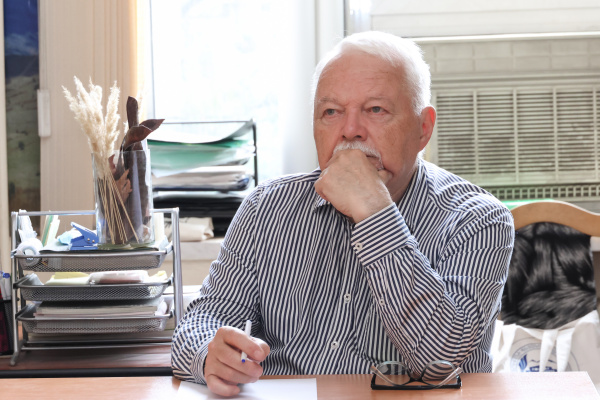
The scientist noted that his first academic connection with Armenia dates back to his student years, when his lecturer, Armenian scientist Bella Harutyunyan, was working in Warsaw. He later began visiting the Orbeli Institute of Physiology, where he met his future wife, Armine, who is also a scientist. Today, the couple live in Warsaw and continue their scientific work.
Professor Turlejski's cooperation with researchers from the YSU Faculty of Biology began through shared scientific interests. He noted that a particularly important role was played by Professor Eduard Yavruyan's initiative to conduct joint research on shrews.
The collaboration subsequently expanded. Associate Professor Astghik Ghazaryan of the YSU Faculty of Biology conducted research at the Nencki Institute in Warsaw, which later formed the basis of her doctoral dissertation.
"Since then, our professional ties have become very strong. I have visited Armenia many times, and Armenian scientists have traveled to Poland. We have also succeeded in establishing cooperation within the framework of the Erasmus program, which continues to this day," the scientist said.
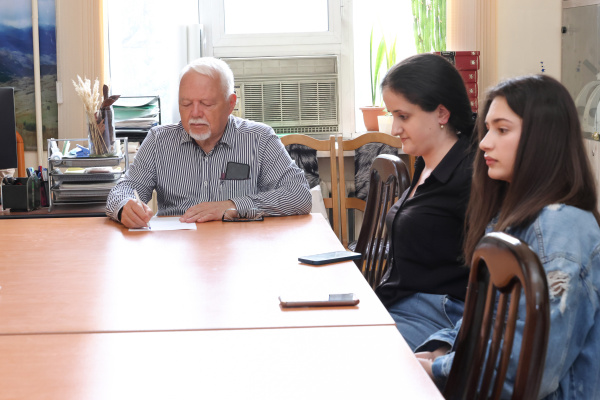
During his visit to YSU, Professor Turlejski delivered a series of lectures on neurophysiology for students of the Faculty of Biology. He noted that curiosity and active thinking are among the strongest qualities of Armenian students.
"The students are not passive, and that is precisely what I liked most here. They ask interesting questions, seek to engage in international science, and have great potential for development," he said.
At the same time, the scientist stressed the importance of participating in international educational programs, noting that gaining experience in different countries is critically important for young researchers.
"Talented people are born everywhere. What they need are the right connections, quality education and development opportunities. That is why it is always worthwhile to invest in the development of gifted individuals," the professor said.
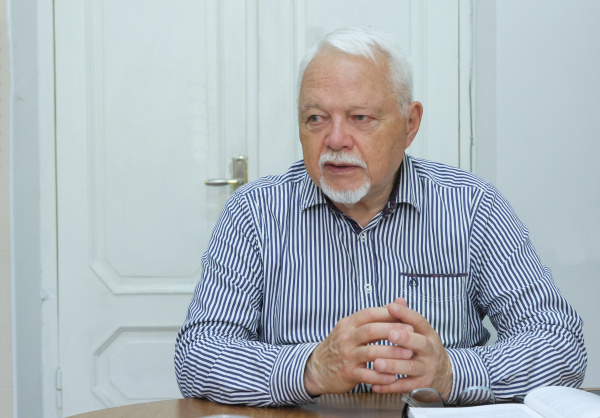
Speaking about scientific progress, Turlejski placed particular emphasis on the importance of investing in human potential, pointing out that modern science cannot be built on equipment alone.
"First and foremost, investment should be made in developing people's skills. Only then should appropriate equipment be acquired for specialists who have interesting ideas and the ability to work with such technology," he stressed.
According to Professor Turlejski, the foundation of scientific success lies in the ability to ask the right questions and cultivate strong professionals.
"Scientific equipment becomes outdated over time, but skilled specialists and innovative ideas remain the main driving forces of scientific progress," the Polish scientist concluded.