August 17, 2026 | 14:11
Education
Student
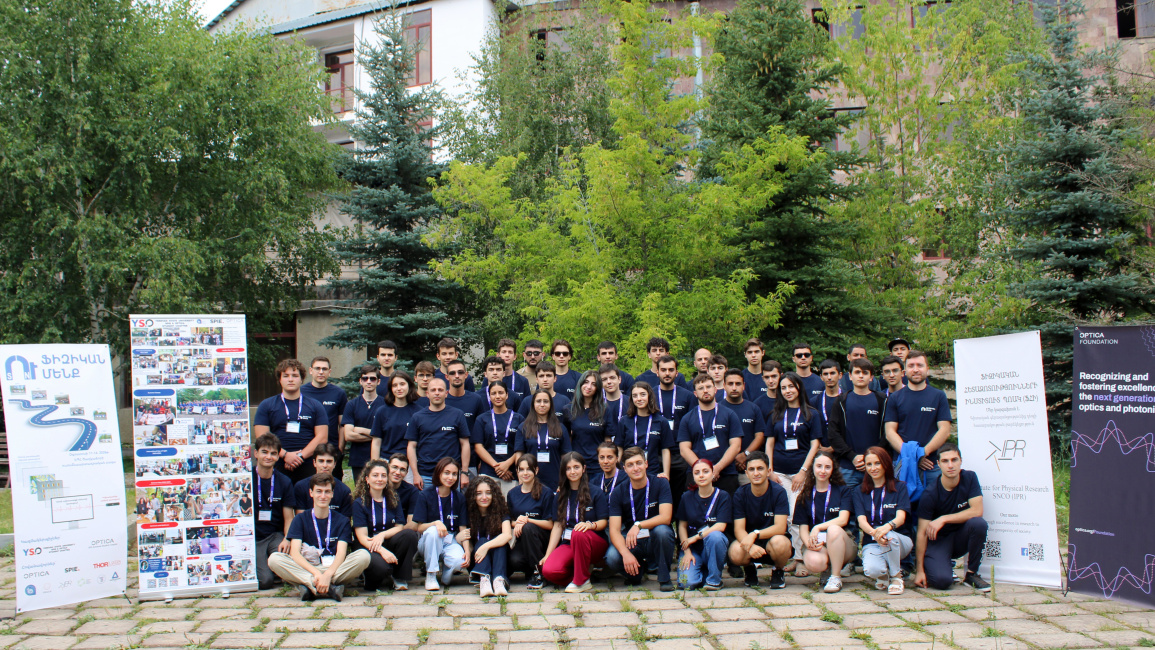
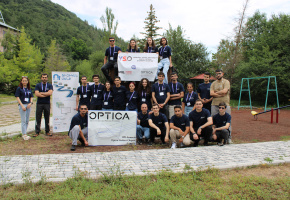
Held at YSU's Tsaghkadzor Training and Production Base, the Physics and Us Summer Camp aimed to foster interest in physics, reinforce theoretical knowledge through practical experience, and develop participants' research and teamwork skills.
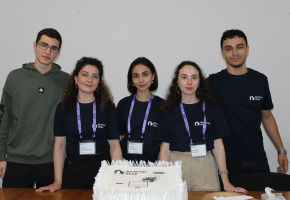
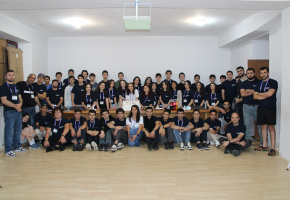
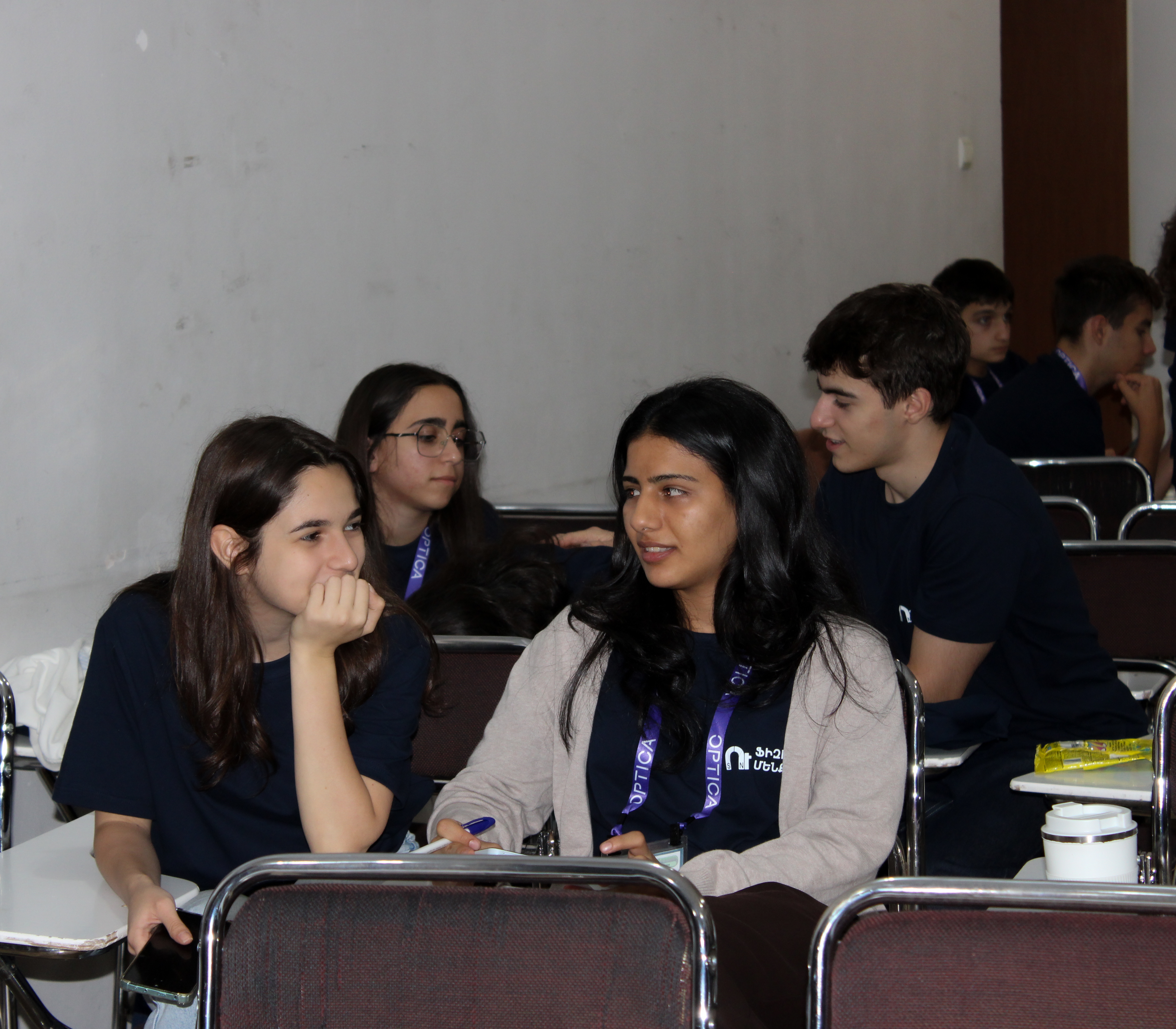
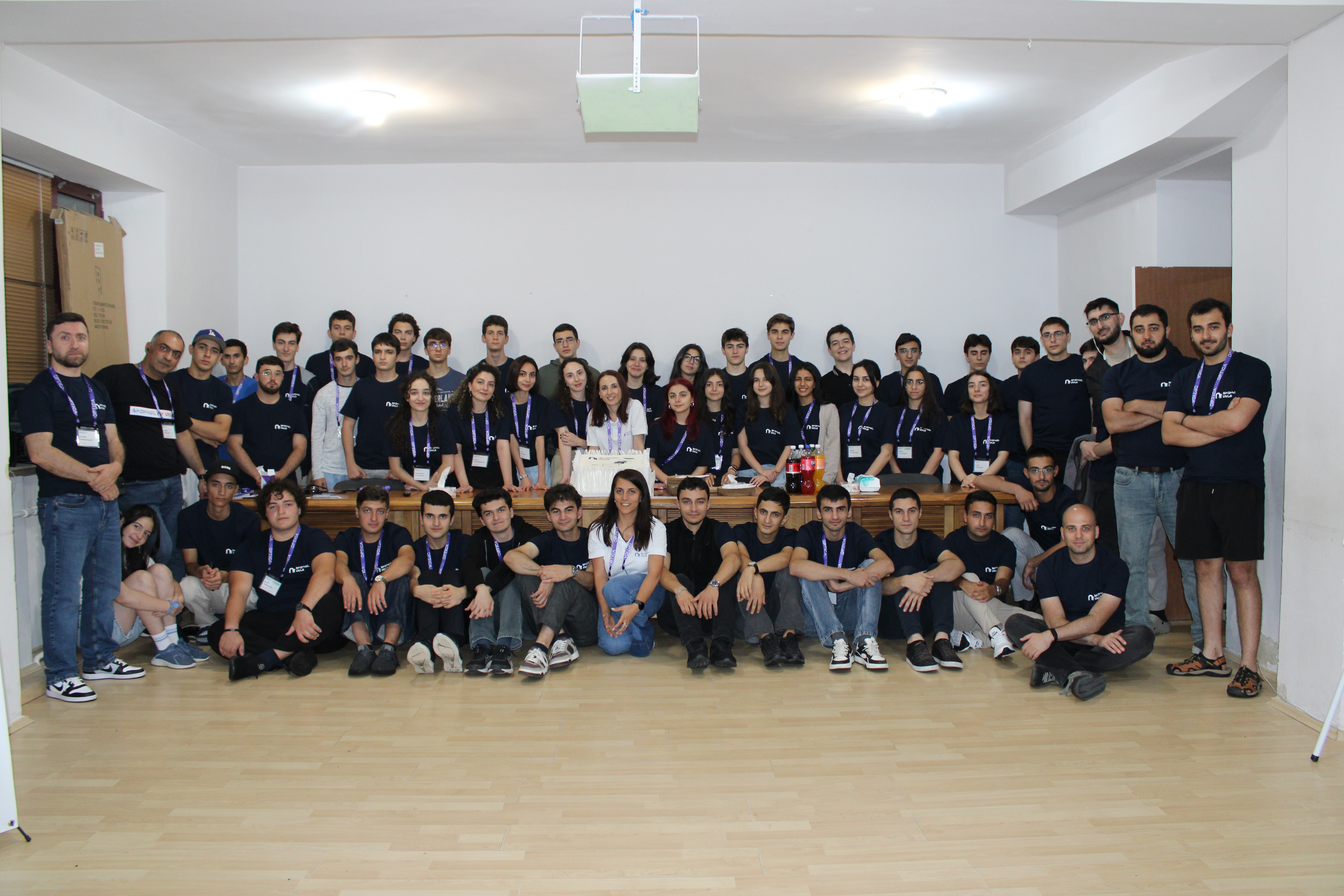
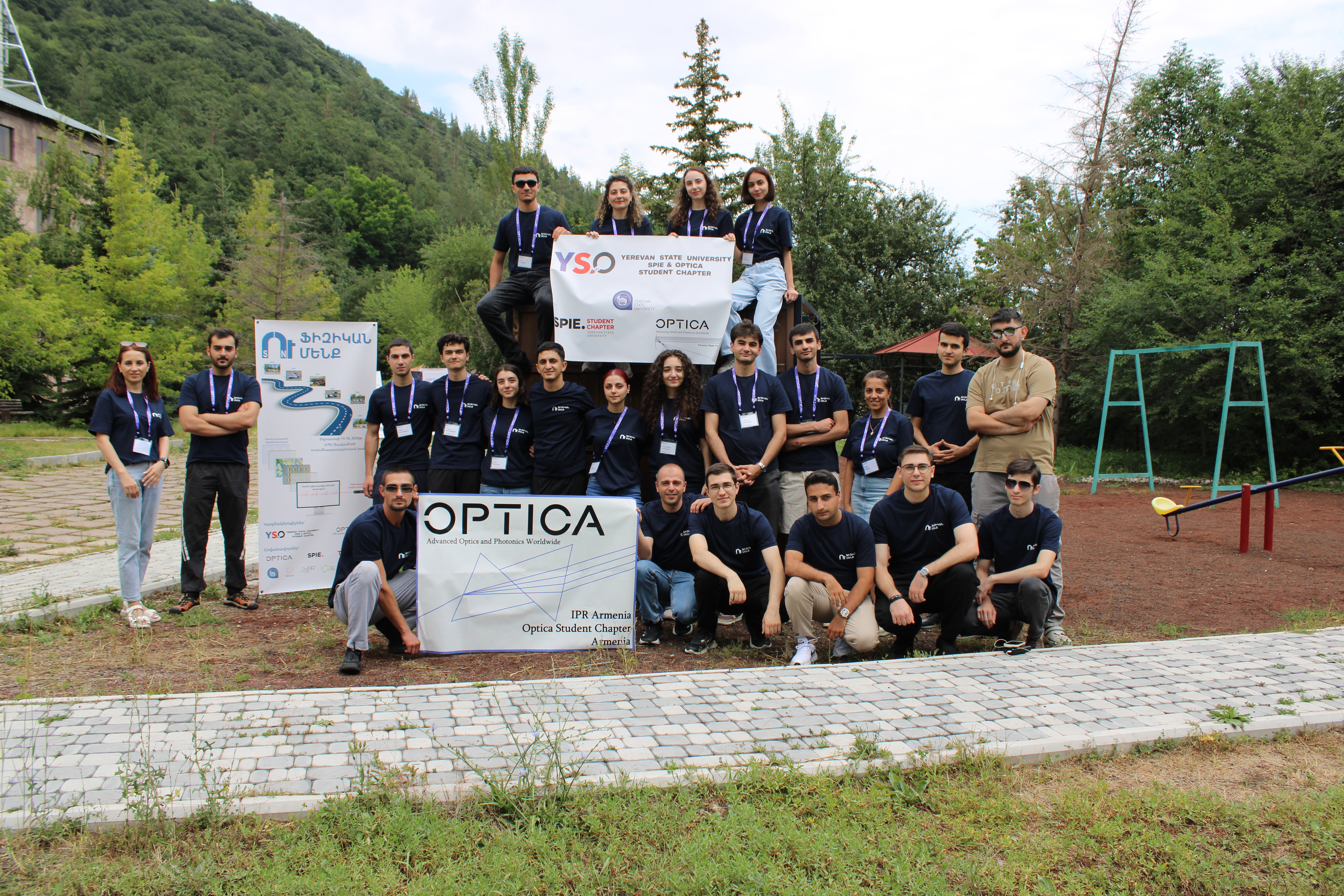
Around 50 school and university students took part in the camp this year.
Launched in 2016, the camp has developed its own traditions over the years. This year, however, the organizers decided to change the format, creating a more structured and practice-oriented learning environment for participants.
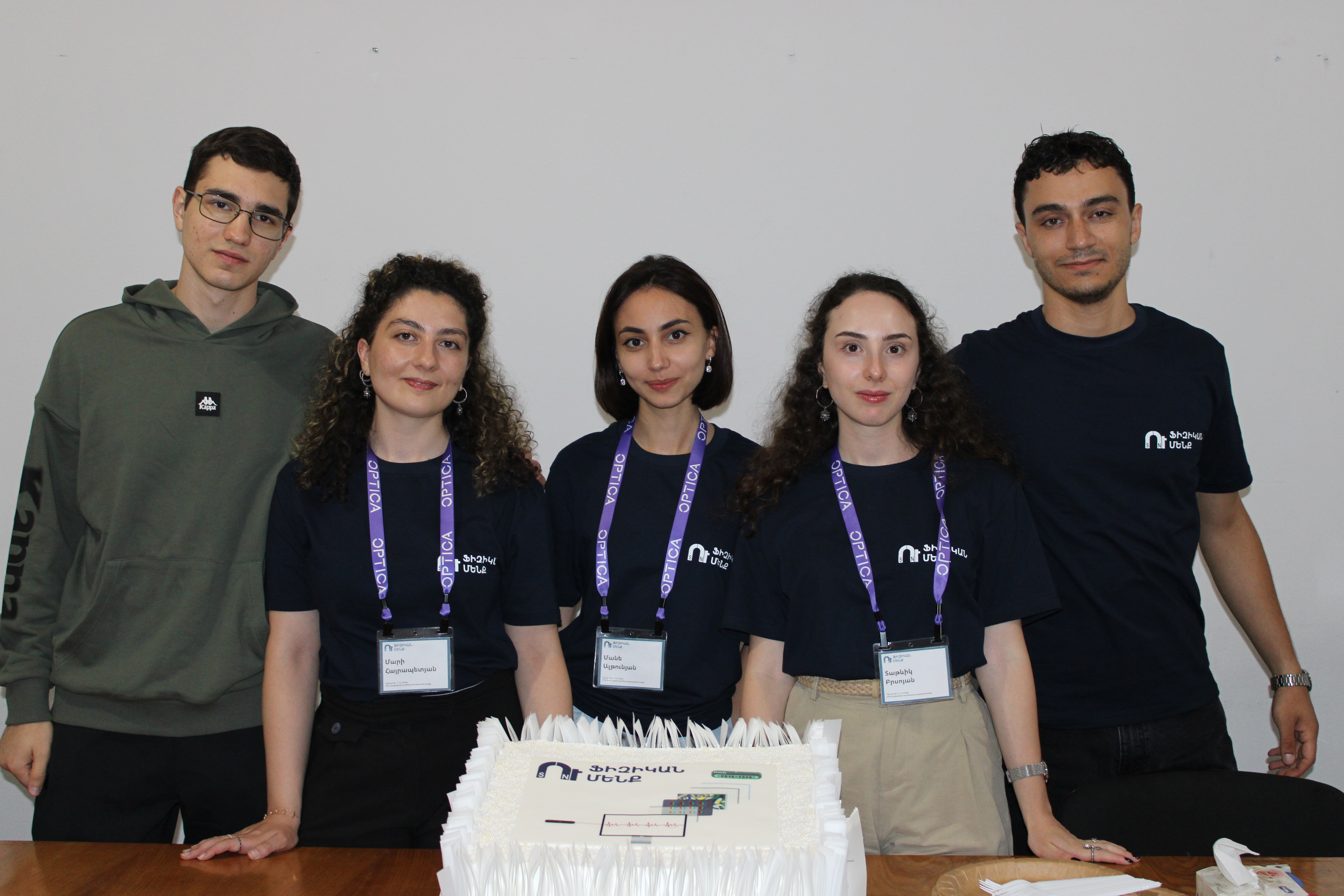
"This year, we introduced two major changes to the format. First, for the first time, we involved 11th-grade students. Second, we divided the participants into age groups: 11th-graders worked in one group, 12th-graders in another, and first-year university students in a separate group. We are very pleased with the results," says camp organizer Tatevik Chalyan, a YSU graduate, Optica ambassador and researcher at the Free University of Brussels.
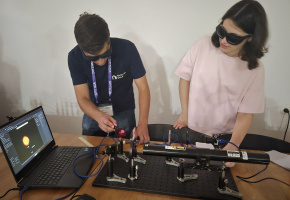
The changes, however, went beyond grouping participants by age. In previous years, each team mainly worked on a single project, while this year all participants completed the full series of experiments included in the camp program.
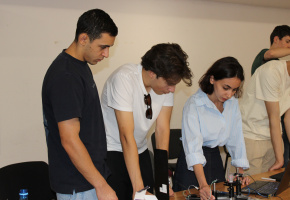
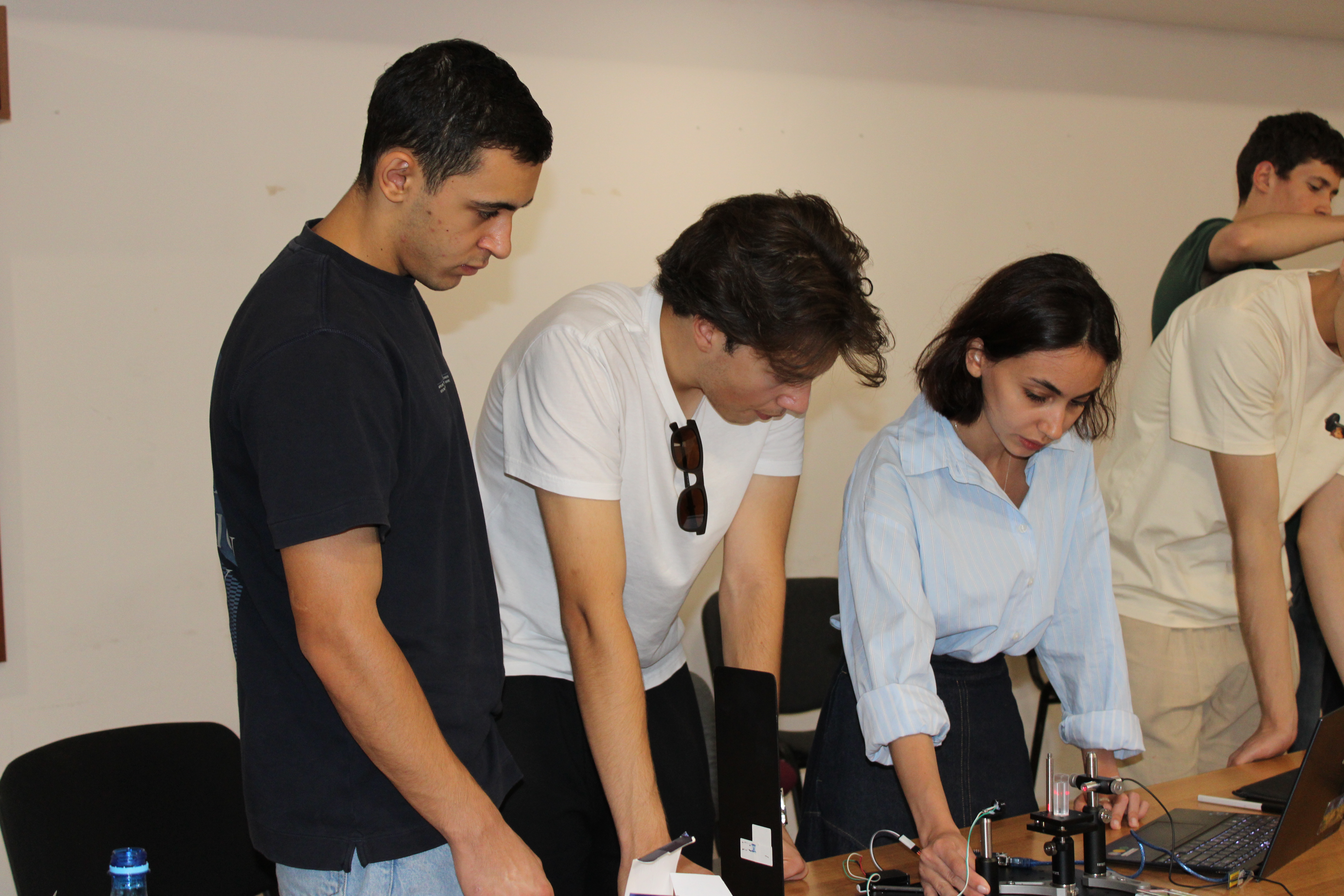
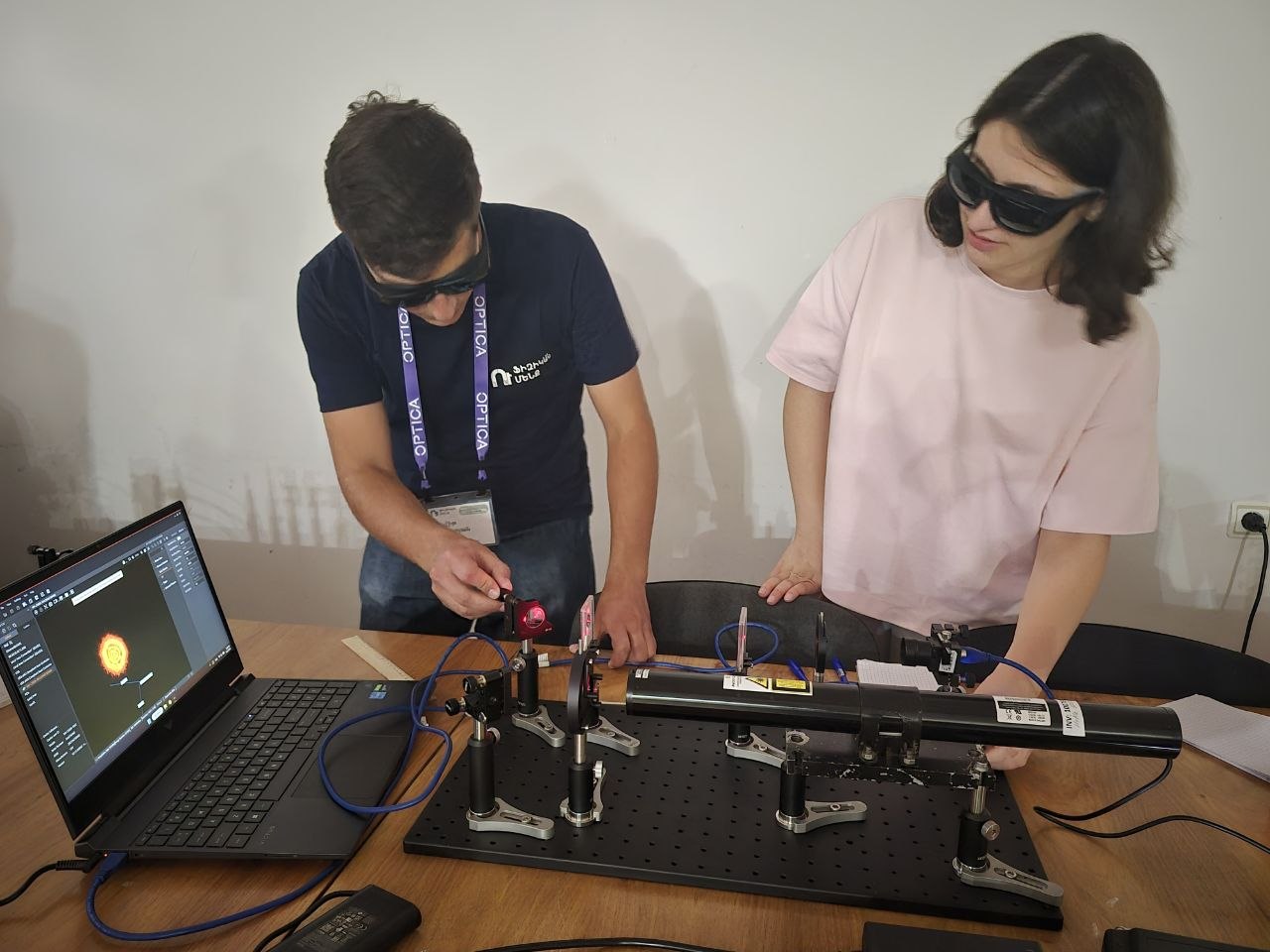
According to Tatevik Chalyan, participants moved from one experiment to another, working at different stations. They reviewed the description of each experiment, first worked out what they were expected to do, then conducted the experiment in practice and analyzed the results.
In this way, theoretical learning was immediately followed by practical work throughout the camp. Participants not only carried out experiments but also learned how to present their results in graphs and understand what the data showed.
"Another distinctive feature of this year's camp was the new approach to organizing the experiments. Participants first reviewed the description of the experiment, then moved on to practical work, conducting the experiments and analyzing the results using graphs. In effect, the first-year university and school students were completing a small university-level course," Tatevik Chalyan says.
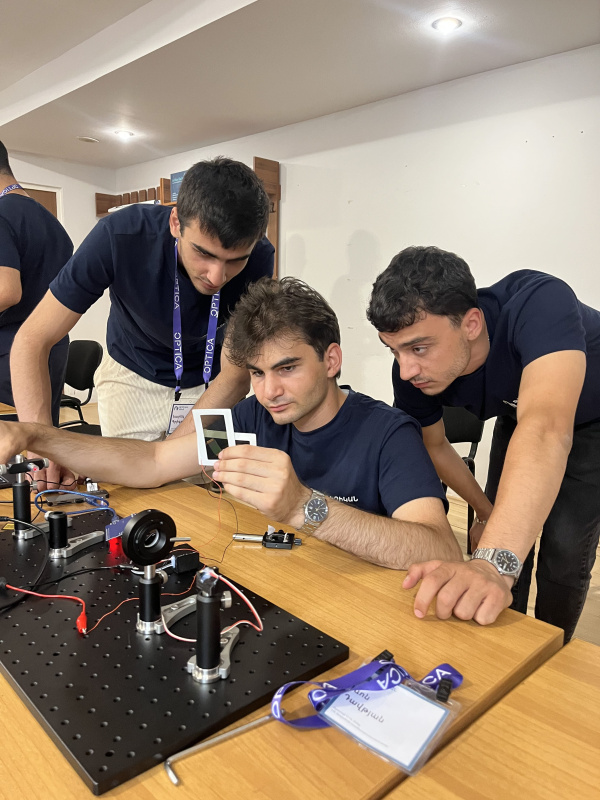
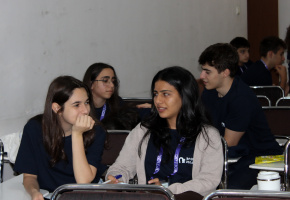
Another important feature of the camp was cooperation among students at different stages of their studies. Junior students served as group leaders, assisting school students and first-year students, while senior students took on the role of instructors.
The instructors and group leaders stayed alongside participants during the experiments, sharing their own experience, helping them navigate the tasks and discussing the results together.
In addition to experiments, the camp program included lectures for participants on various topics in physics, optics and related fields. At the same time, the organizers considered it important that the camp should not be limited to classroom and laboratory work.
The four-day summer camp in Tsaghkadzor also allowed participants to get to know one another, make new connections and spend time together in a more informal setting. A campfire, games and shared leisure activities complemented the scientific program.
During the camp, participants also met representatives of public and private institutions, while the organizers shared their own professional journeys to show that professional development does not begin with having all the necessary knowledge from the outset.
"We shared our own journeys with the participants so that they could understand more clearly that they do not have to know everything right away. Along the way, you learn, try, make mistakes and move forward," Tatevik Chalyan says.
From this perspective, the camp becomes more than a series of scientific experiments; it also provides an environment for career orientation. School students have the opportunity to engage with young people who have already taken their first steps in their chosen fields and to see how an interest can develop into a professional path.
At the end of the camp, participants presented the results of their work and reflected on the knowledge and experience they had gained. According to the organizers, this year's new format proved particularly successful.
"Overall, we are very pleased with the results. This was probably the most successful camp of the past ten years. Every year we say that this one was the most successful, because the following year we can see our own progress as well," Tatevik Chalyan says.
Over the years, the Physics and Us Camp has continued to bring together school and university students, as well as young professionals interested in physics, creating an environment where knowledge is shared not only through lectures, but also through experimentation, cooperation and working together.