June 08, 2026 | 11:00
Education
International cooperation
Lifelong learning
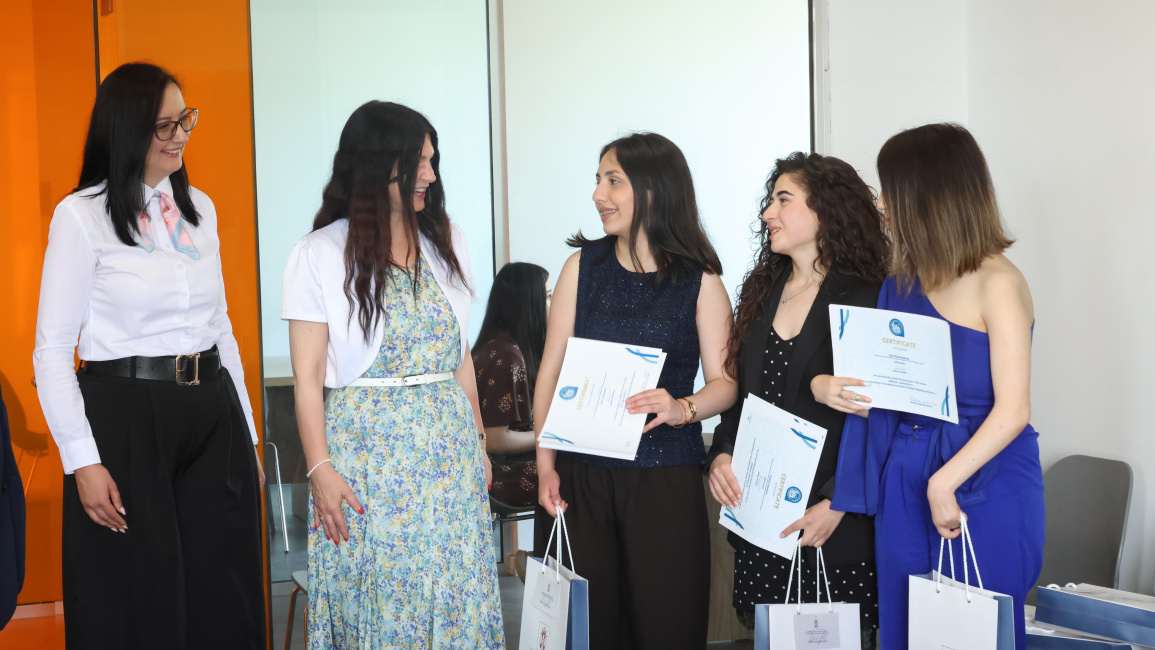
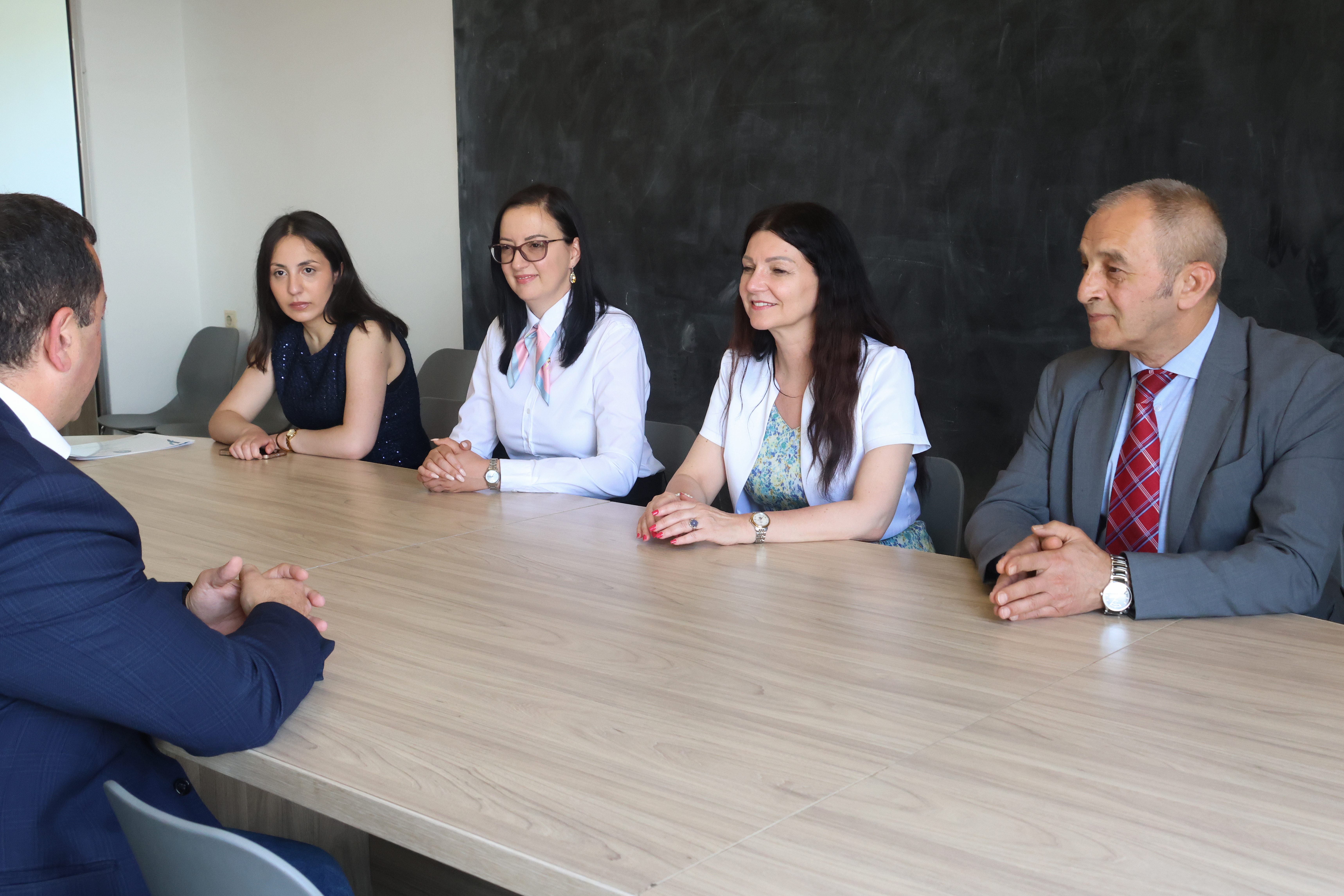
As part of the initiative, Marina Jovanović, the Serbian language instructor, spoke about her experience working with students, the course's distinctive features, and the value of cultural exchange.
According to Jovanović, the opportunity to teach at Yerevan State University was both significant and unexpected. She described the chance to teach at Armenia's historic university as both surprising and rewarding.
The instructor noted that Armenian students demonstrated strong motivation and genuine interest in learning Serbian. Although the classes were initially conducted online, which raised some concerns, the learning process quickly became effective and interactive.
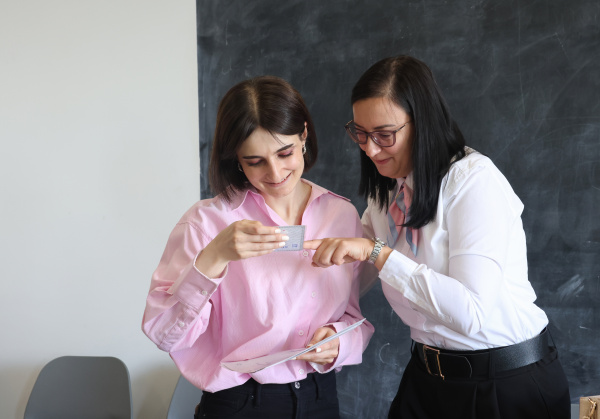
"My Armenian students are wonderful young people—motivated and genuinely interested in Serbian. At first, I was a little concerned about how the classes would go, but they became very engaging and motivating," she said.
The course incorporated interactive learning materials and workbooks, while students also completed projects and presentations.
Jovanović observed that students' knowledge of Russian significantly facilitated their understanding of Serbian during the initial stages. Over time, they began communicating in simple conversational Serbian.
"After some time, they started speaking in simple, basic Serbian sentences, although they would occasionally switch back to Russian. This was also a professional challenge for me—to do everything possible to keep them focused on Serbian," she said.
According to Jovanović, the most engaging parts of the course were the sessions dedicated to Serbian culture, music, traditions, and literature. These classes evolved into a platform for cultural exchange, where students not only learned the language but also introduced their own country.
"I learned a great deal about Armenia directly from the students. They presented their country very well, and that exchange was extremely valuable," she said.
The students even organized an excursion for Jovanović, which she described as a unique expression of mutual understanding and friendship.
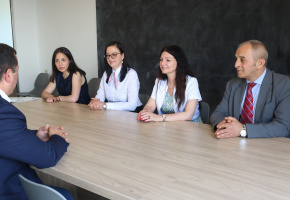
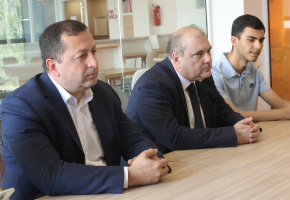
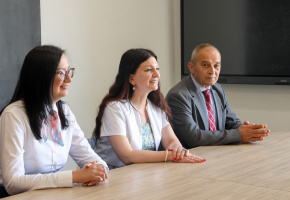
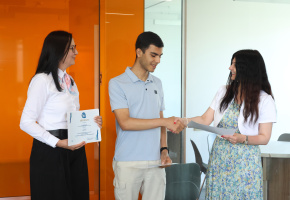
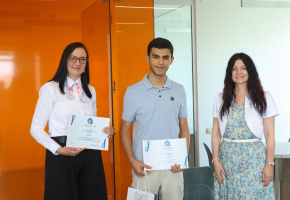
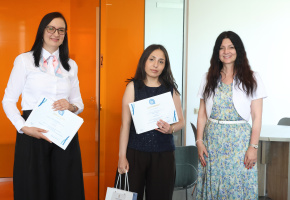
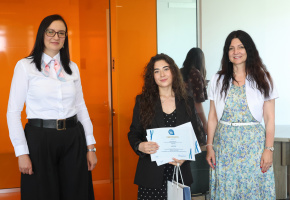
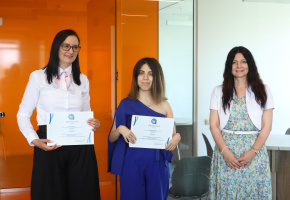
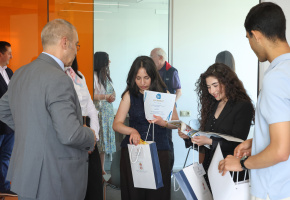
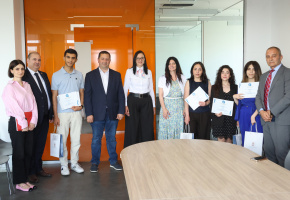
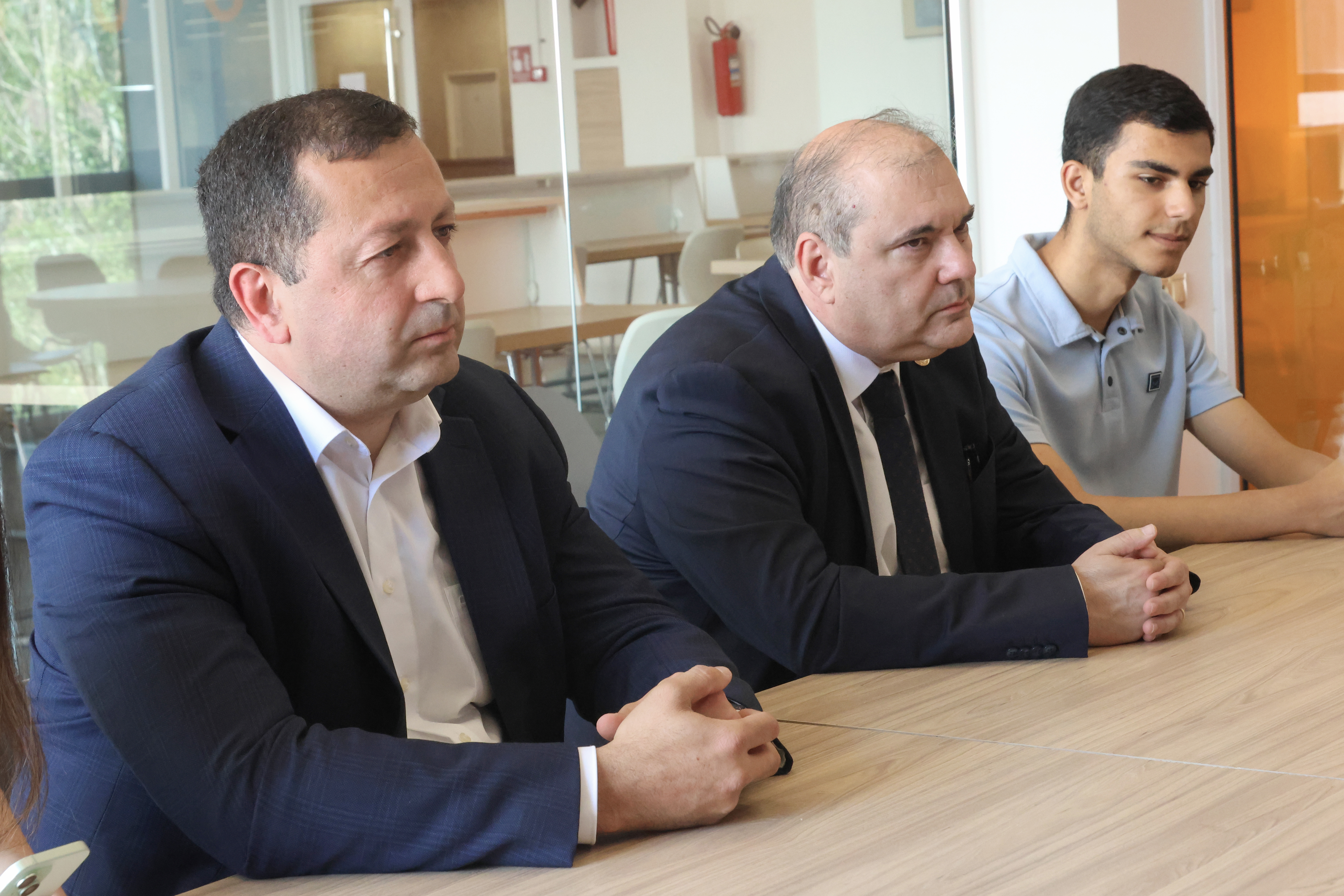
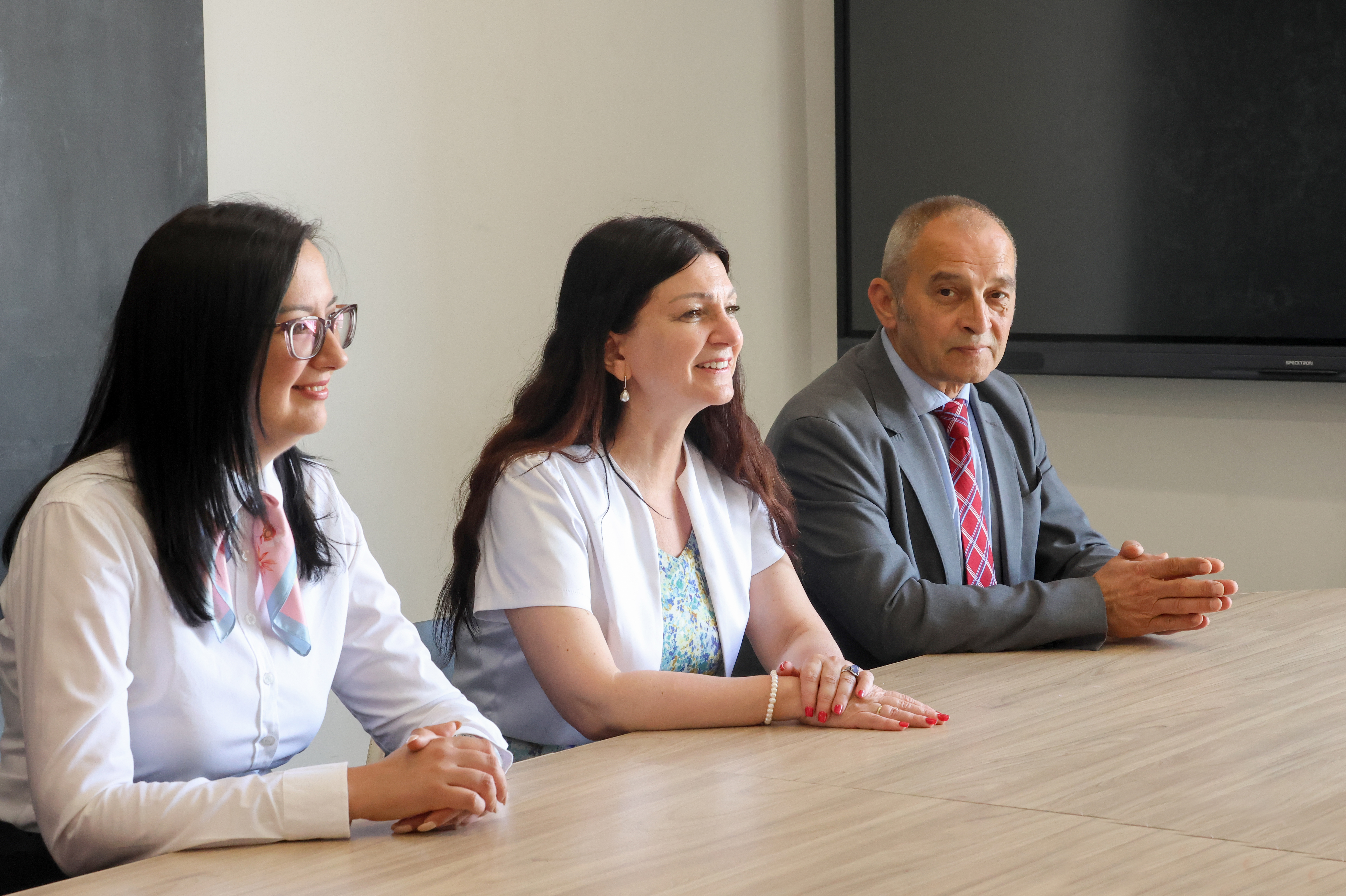
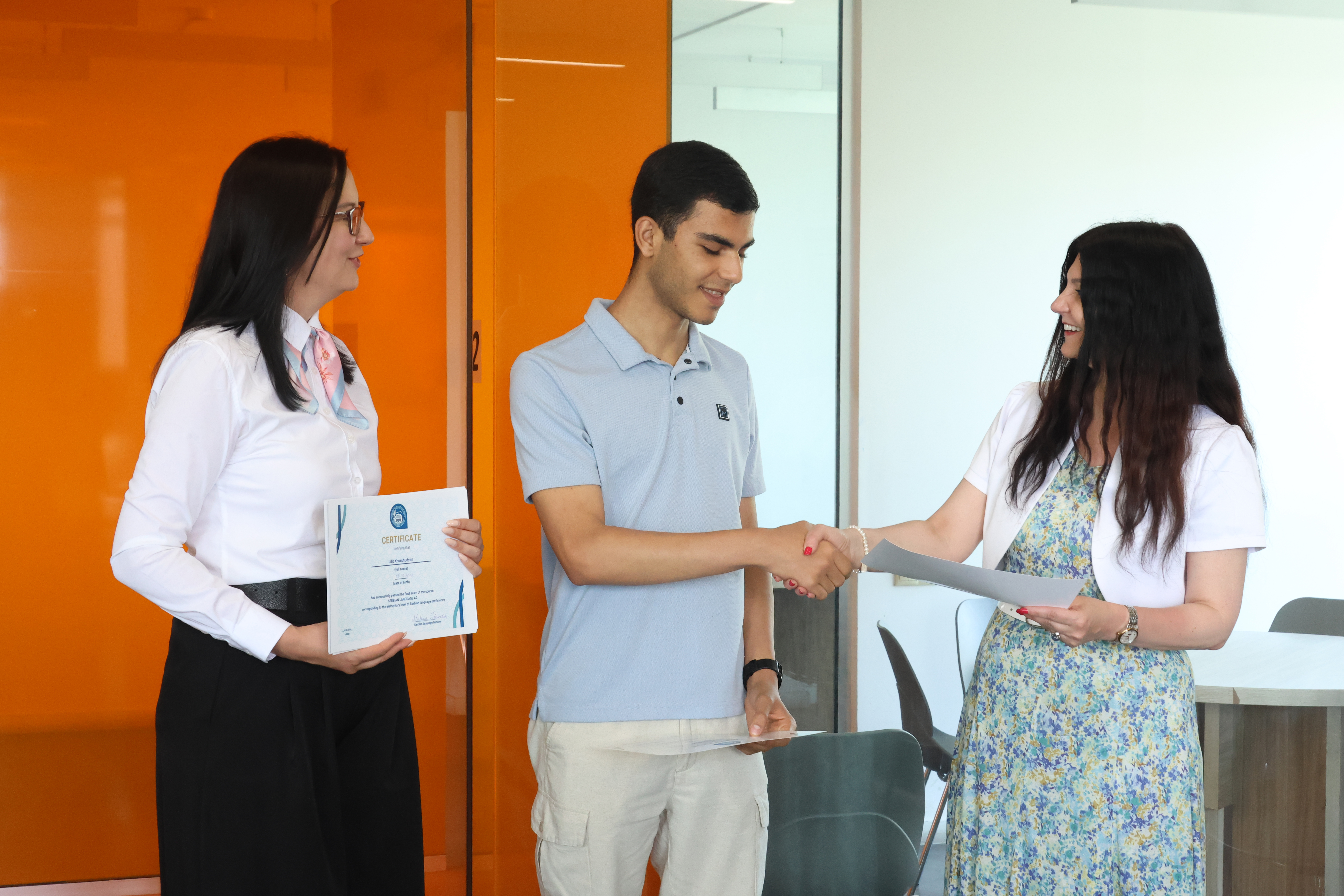
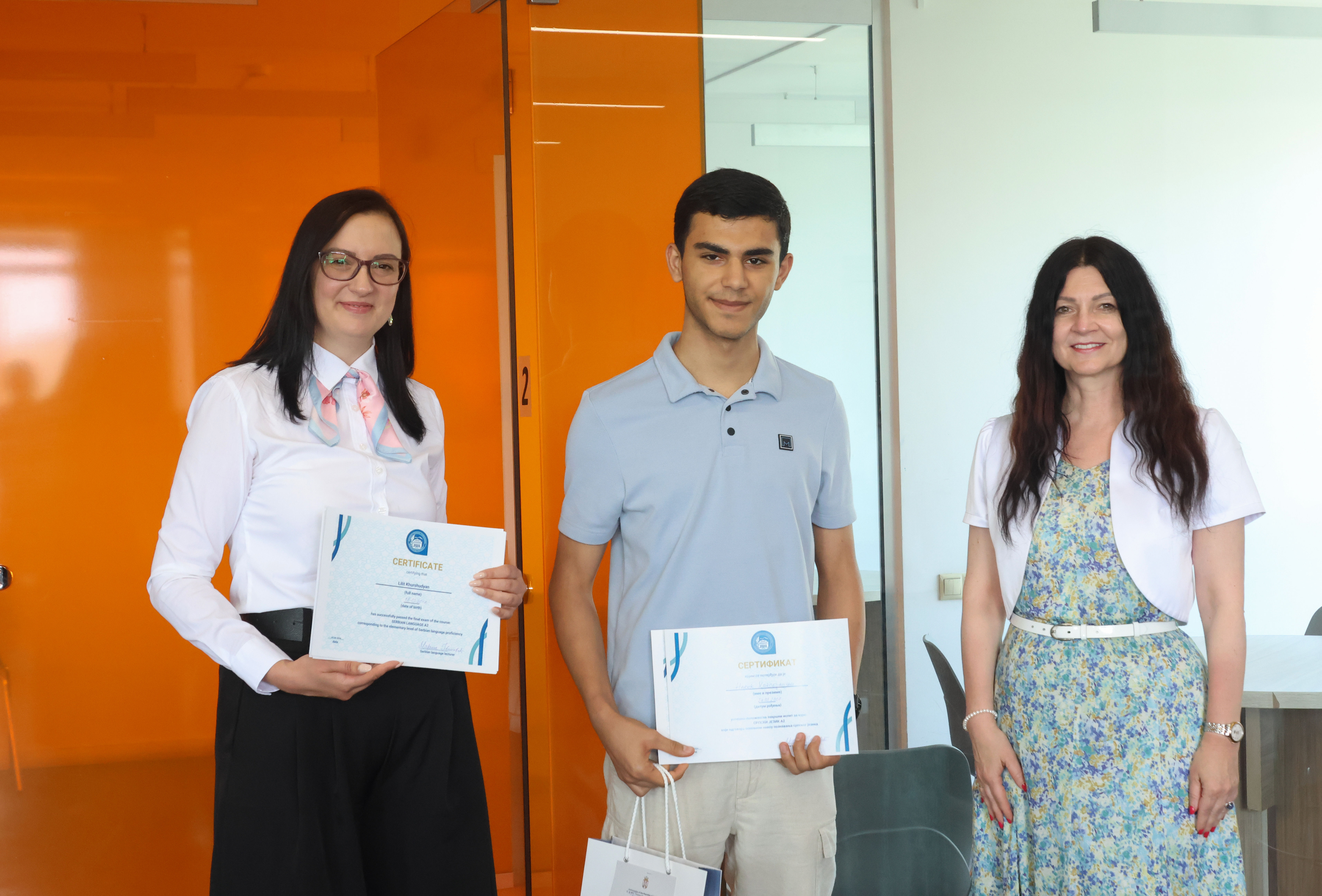
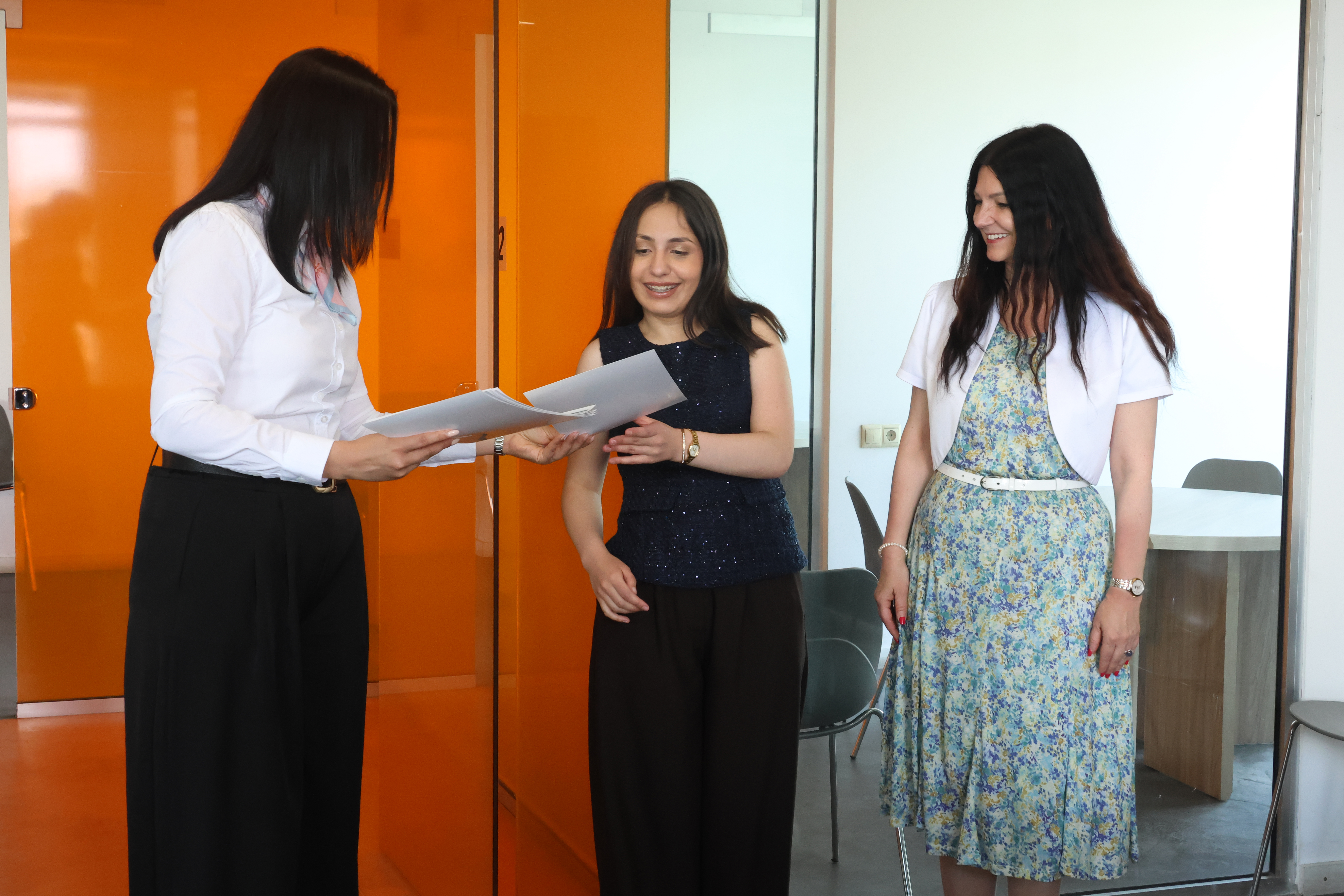
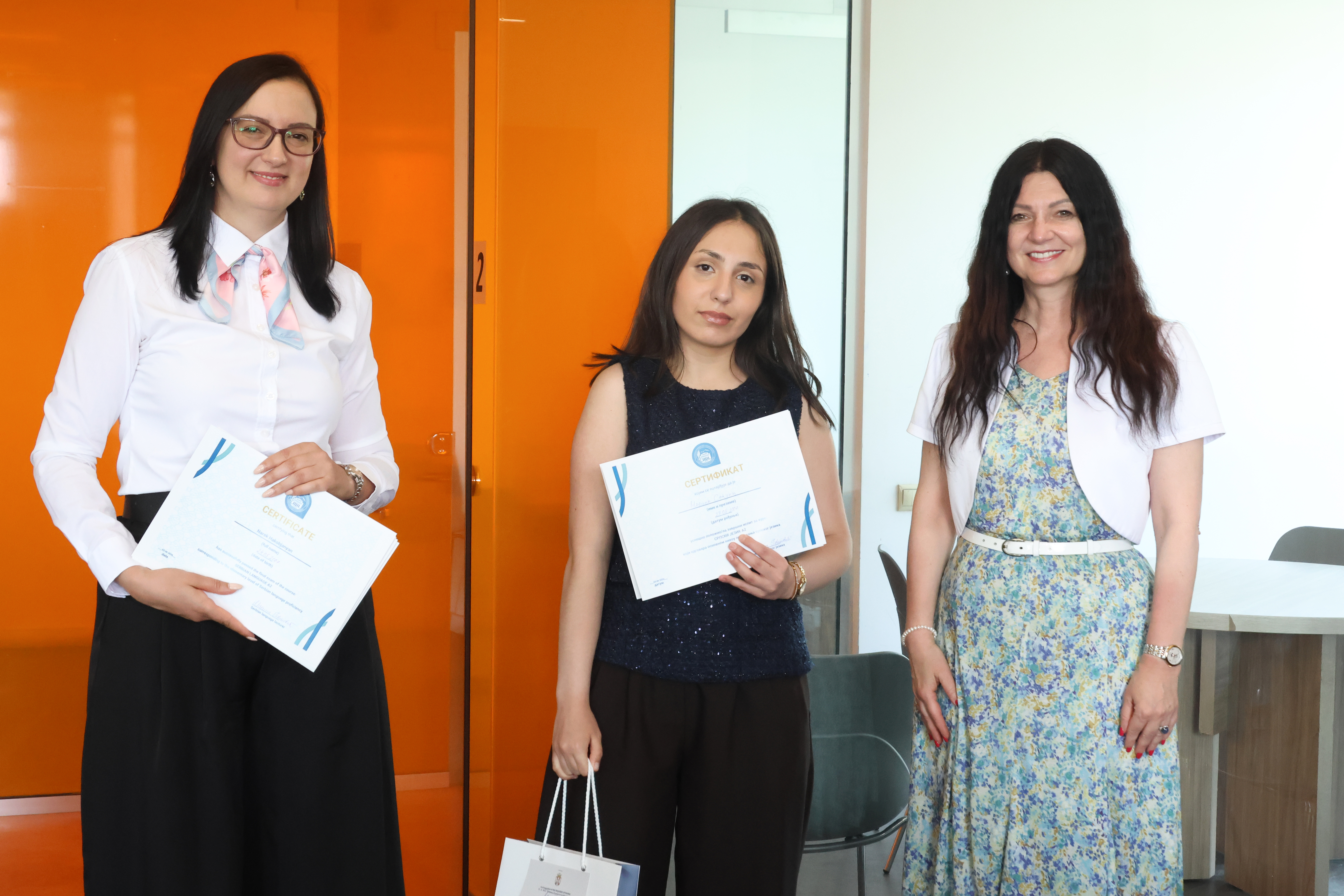
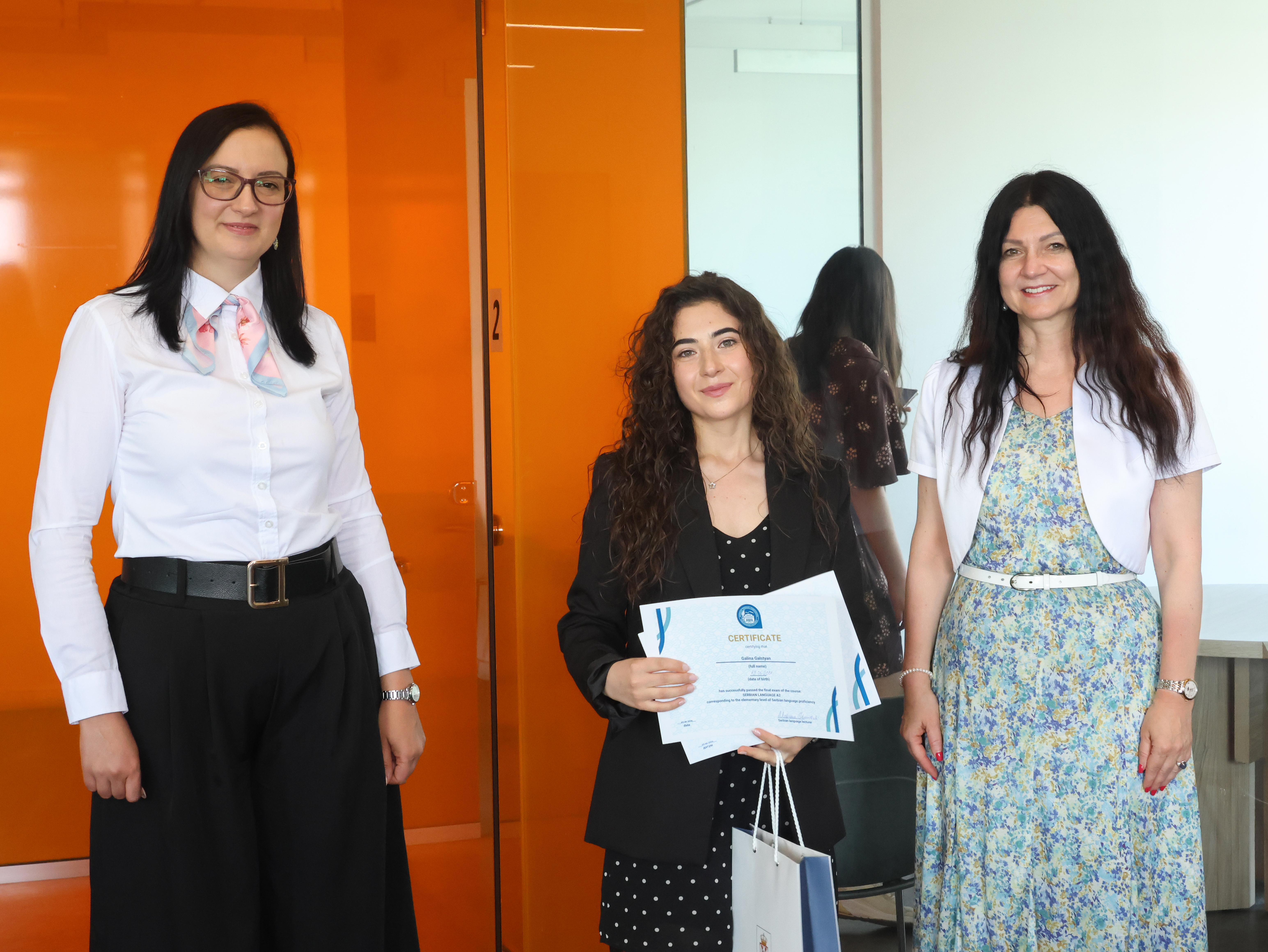
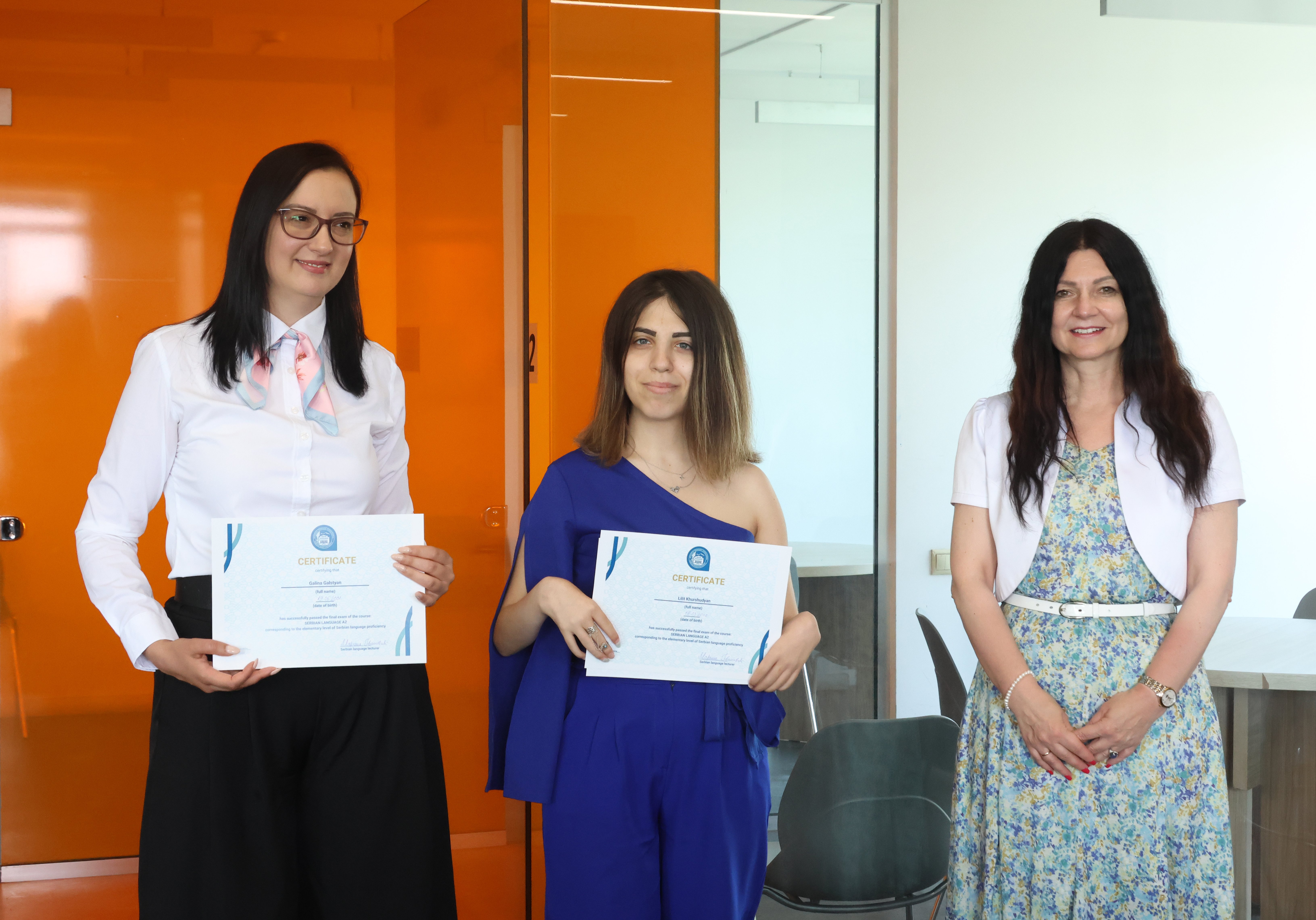
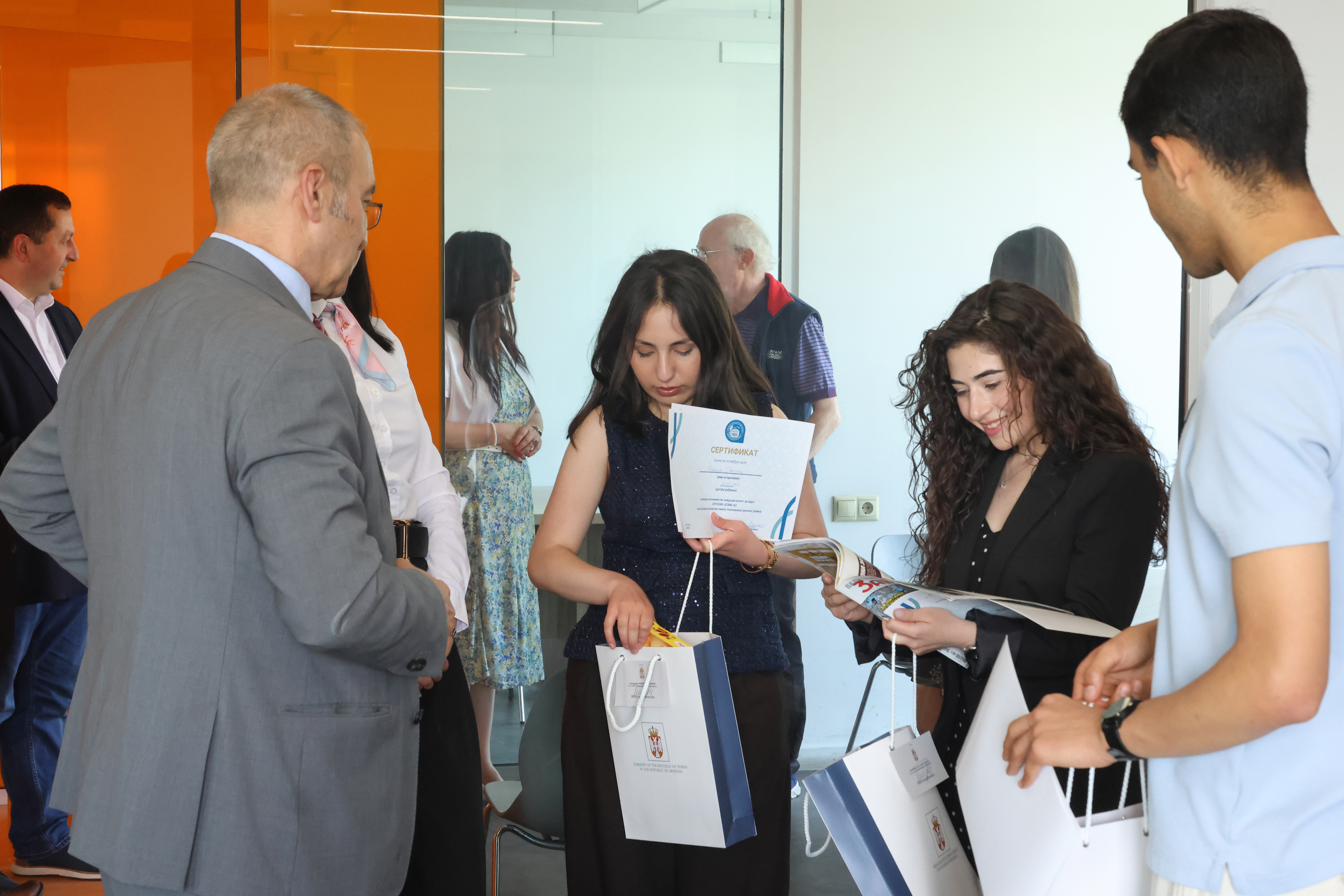
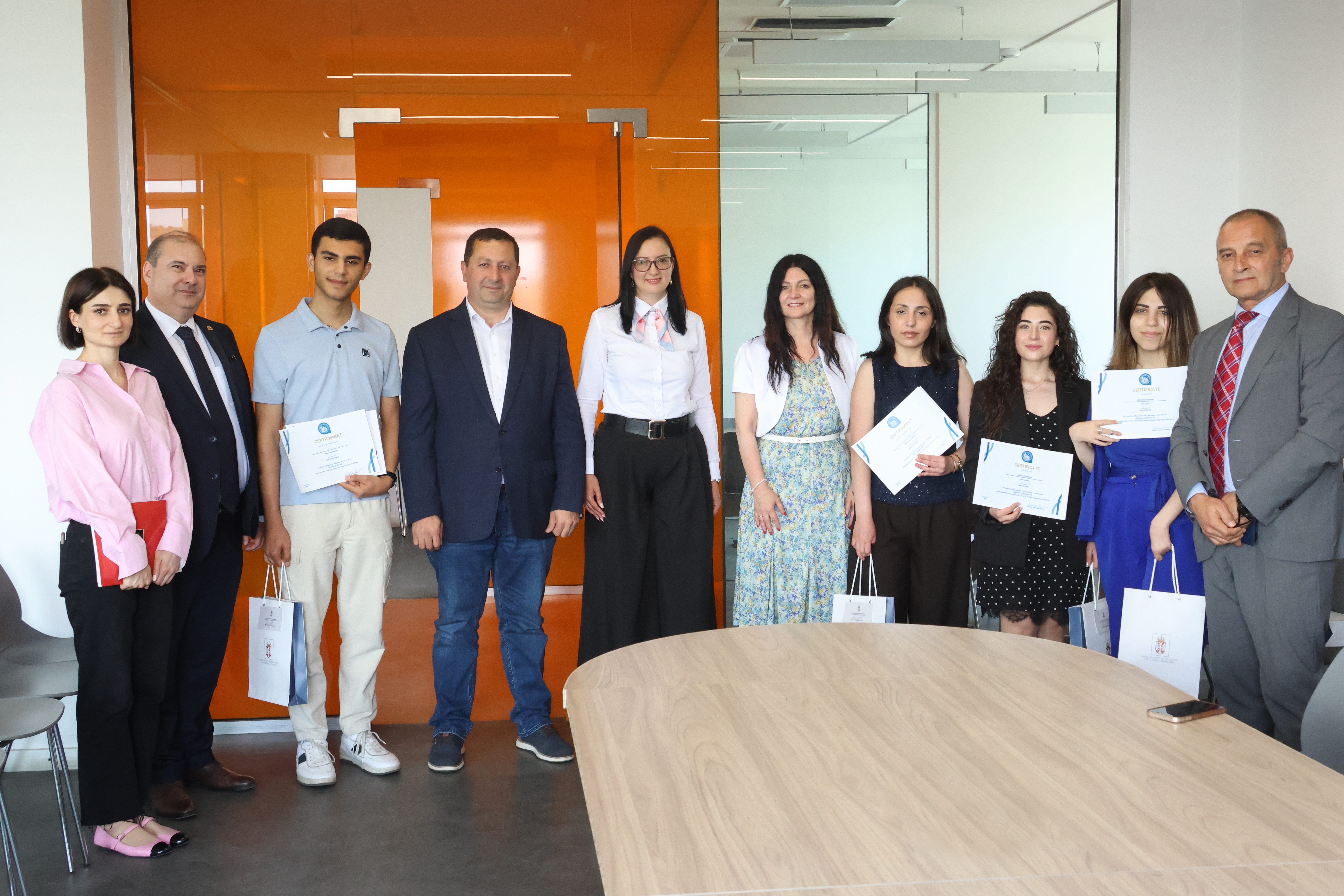
At the conclusion of the course, participants received certificates. The official certificate-awarding ceremony was attended by YSU Rector Hovhannes Hovhannisyan, Head of the International Cooperation Office Alexander Margarov, Ambassador Extraordinary and Plenipotentiary of Serbia to Armenia Tatjana Panajotović Cvetković, and other representatives of the embassy.
Jovanović also shared her long-term vision, proposing the creation of a Serbian–Armenian digital thematic dictionary that could serve both students and tourists.
"I would like students to participate in the translation process, while I would serve as a mentor. I believe it could be useful for Armenian and Serbian students alike, as well as for tourists, as a modern digital tool," she said.
According to Jovanović, such projects are possible only through cooperation and the effective use of digital tools, which have become an integral part of language education today.
The initiative has already become more than a language-learning program, serving as a successful example of Armenian–Serbian academic and cultural cooperation.
Notably, a number of Serbian-language books have been added to the YSU Library collection and are available to all interested students.