June 18, 2026 | 10:45
Career
Society
Despite the growing number of women with higher education, a significant gender gap remains in scientific research. According to the UNESCO Institute for Statistics (UIS), women accounted for only 31.7% of researchers worldwide as of 2021. In Armenia, the picture is also uneven: women's participation is relatively high in biology (74%) and chemistry (64.8%), while it drops significantly in mathematics (12.5%), mechanics (21.1%), and physics and astrophysics (25.3%).
Gender inequality is sometimes reflected in stereotypes associated with specific professions, as well as in unequal career advancement opportunities.
At the same time, the stories of successful women in science show that change in the field is real and ongoing, and that persistent work and professional dedication gradually help overcome existing barriers.
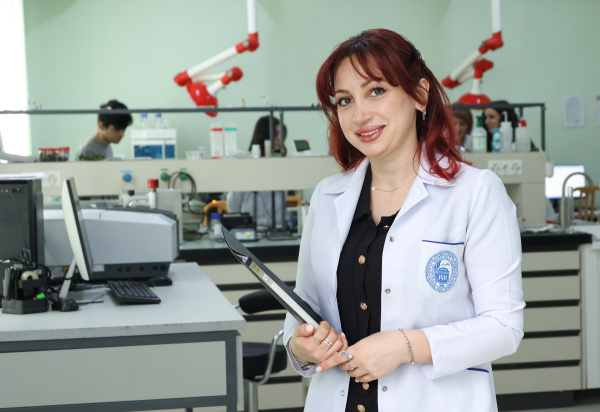
"The decisive factor in choosing my profession was the desire to solve complex problems. I chose this path so that my research would have practical value and serve human health," Ani says.
She notes that professional difficulties are not obstacles for her but rather opportunities to develop and strengthen her knowledge. According to her, when one loves their work and is focused on results, even the most difficult situations are perceived as experience and a new opportunity to move forward.
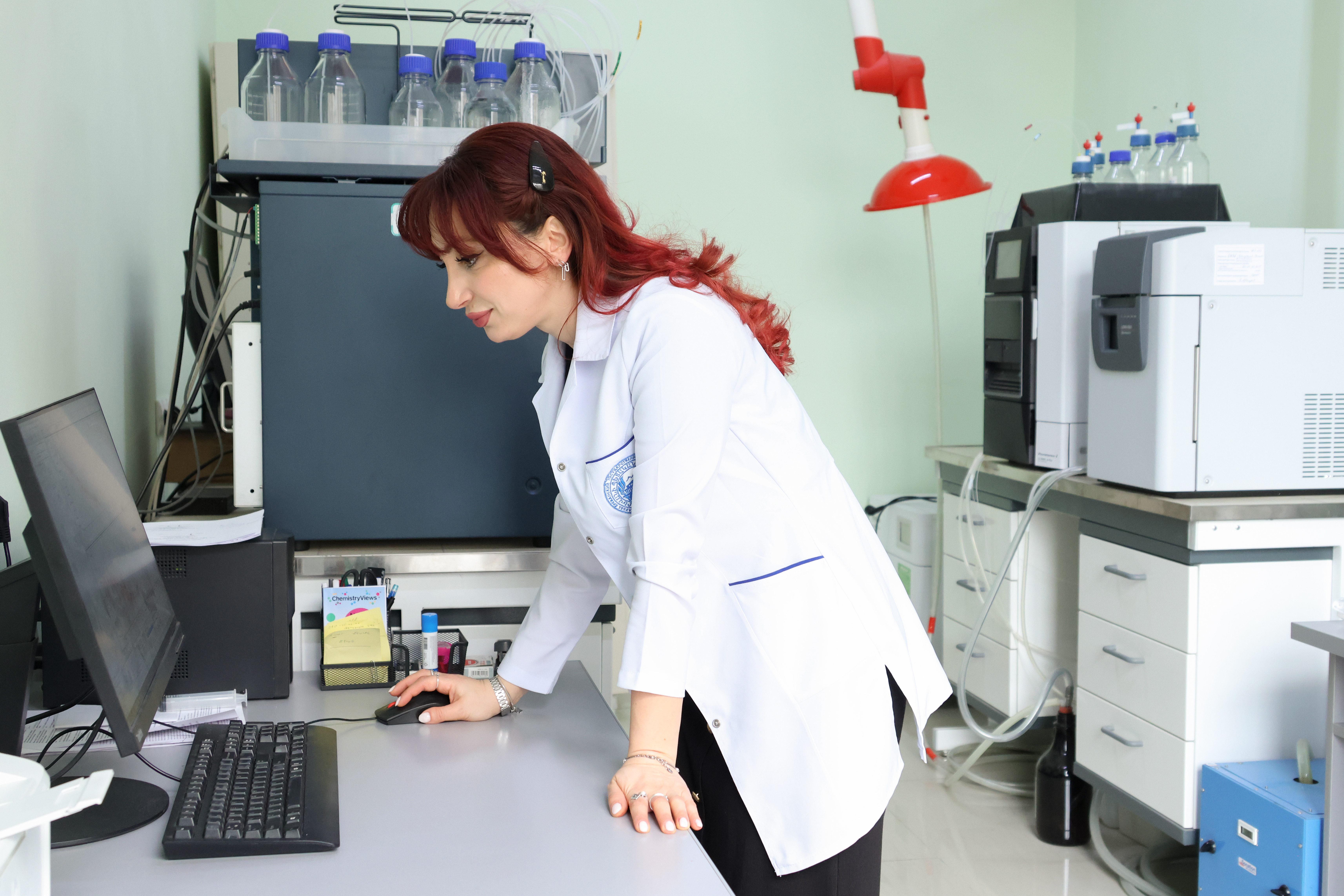
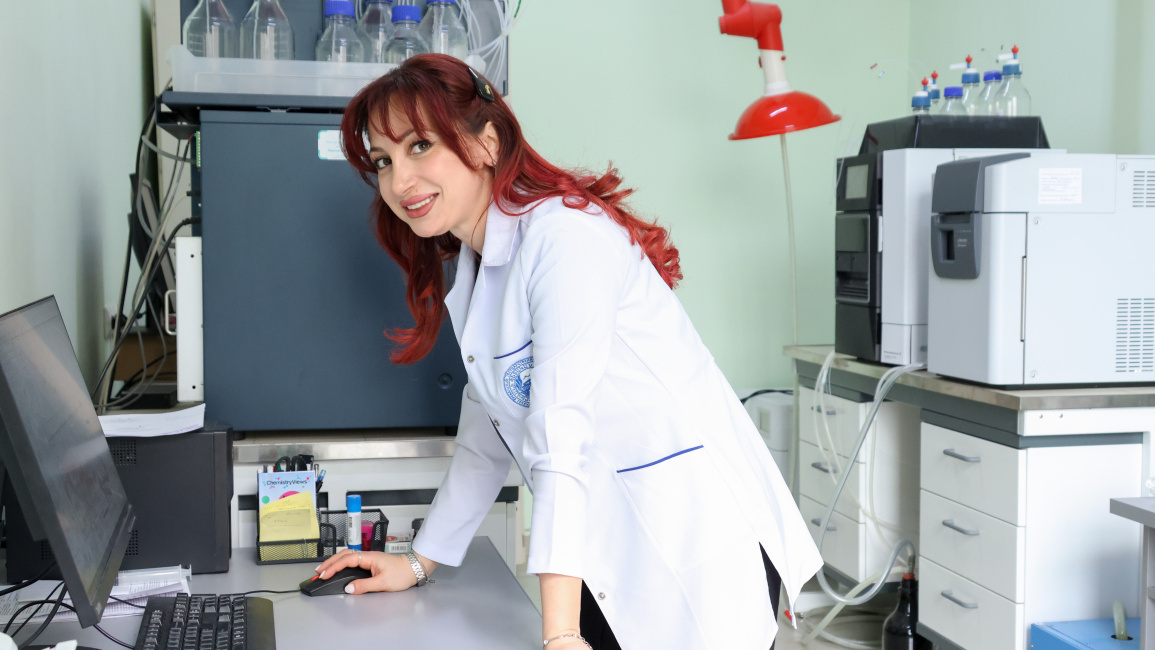
"Fortunately, I work in an environment where I have never experienced discrimination. At YSU, professional competence is valued above all. The only thing that initially surprised many people was my work with an atomic emission spectrometer. For some reason, operating such complex equipment and performing elemental analysis was considered 'men's work.' I strongly disagree with this perception. If there is an urgent need in the laboratory, I am happy to take on any task—whether research or engineering intervention. It does not matter whether a woman or a man is working with equipment and materials; the device simply requires knowledge, skills, and a steady hand, regardless of gender," Ani notes, adding that her main "tools" are professional knowledge and consistency.
From theory to real-world impact in science
"I believe certain obstacles still exist. Science requires absolute dedication and a tremendous amount of time. We are often forced to combine complex scientific research, teaching, and expert work with family and domestic responsibilities," the expert emphasizes.
According to her, while challenges exist, they are manageable with strong internal motivation and passion for one's profession. Ani stresses that women's participation in scientific research is important primarily due to their unique perspectives and approaches: women possess exceptional patience, attention to detail, and the ability to manage multiple processes simultaneously.
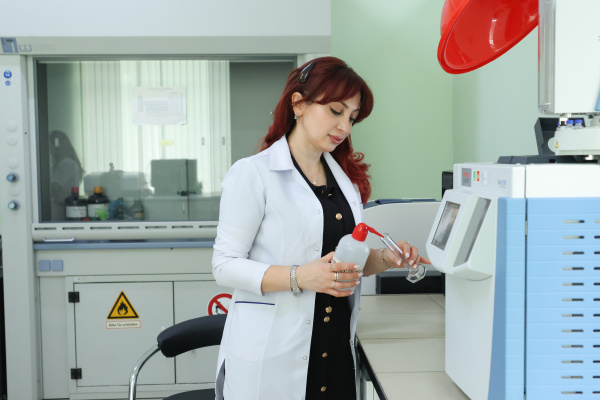
Ani Chakhoyan's work in pharmacy combines teaching, scientific research, expert activity, and public engagement. She works on improving the efficiency of hospital drug supply systems, develops health-economic mechanisms to optimize the use of medicines, and conducts elemental analyses at the YSU Center for Control and Monitoring of the Quality of Medicines. She considers her greatest achievement to be the creation of a scientific foundation that not only theoretically but also practically supports the healthcare system by improving the use of financial resources and enhancing the quality of patient care.
"For a scientist, there is no greater success than seeing the practical value of their research," she concludes.
Within the framework of the Women and Girls in Science project implemented at YSU, funded by the Government of Germany and carried out by the German Agency for International Cooperation (GIZ) under the programs Feminism in Action for Structural Transformation (FAST) and Women's Empowerment for Wellbeing (WoW), we present stories of women scientists at YSU.