June 29, 2026 | 11:30
Education
Society
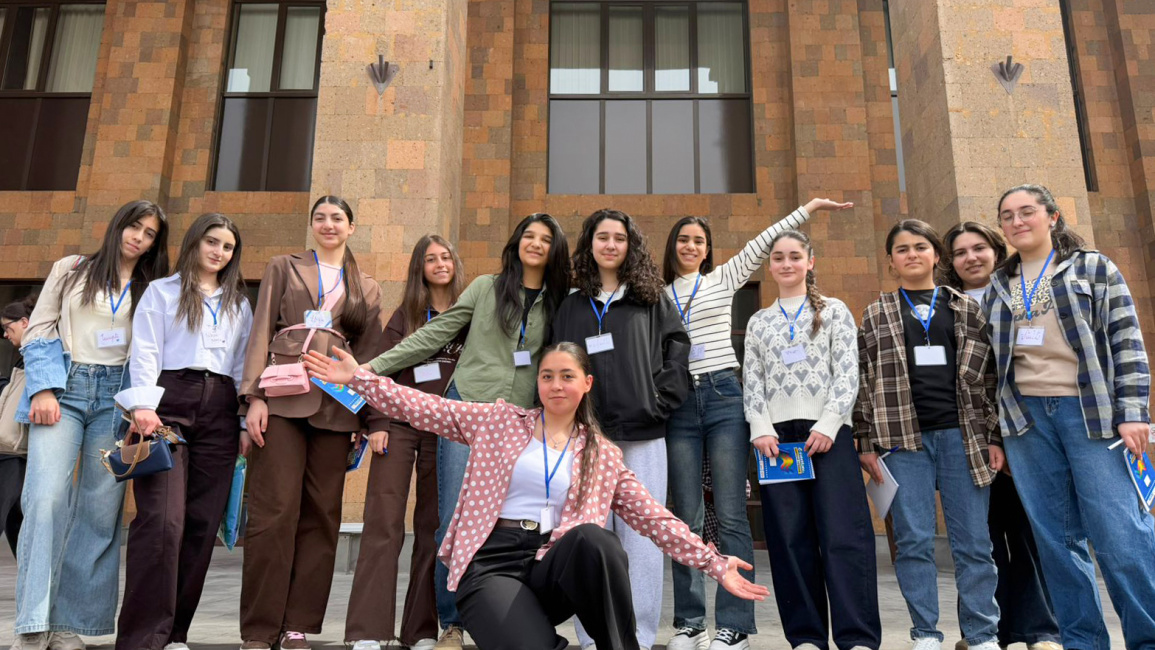
Astghik Sargsyan, a 10th-grade student at Akunk Secondary School in Armenia's Kotayk Province, took part in the STEM camp, which she says significantly changed her perception of science. Astghik said she learned about the camp at school from her teacher. Scientific experiments and laboratory work included in the program immediately caught her attention.
"I imagined how we would not only study science but also see it with our own eyes, and at that moment I decided to participate," she said.
Before attending camp, science for her was mostly theoretical material: formulas, textbooks, and, at times, ideas that were difficult to understand. After participating in camp, however, that perception changed completely.
"I realized that science is a living process. When you see its application, everything becomes much clearer," Astghik said.
Although she has not yet chosen a specific field, she says biology feels closest to her, and since childhood she has imagined herself as a future doctor. At the same time, she emphasized that science should be viewed as an integrated system.
Asked to describe camp in one word, Astghik chose "endless," explaining that its impact continued even after the program ended. According to her, the experience did not end with camp. Later, she received new offers and opportunities to continue developing in the same field. Astghik is confident that her future profession, whatever it may be, will be based on the knowledge and experience she has gained today.
Hasmik Muradyan, from the Mets Masrik village in Armenia's Gegharkunik Province, was also among schoolgirls who participated in the camp. Her main expectations were to gain new knowledge, meet new people, and be part of an active and lively environment.
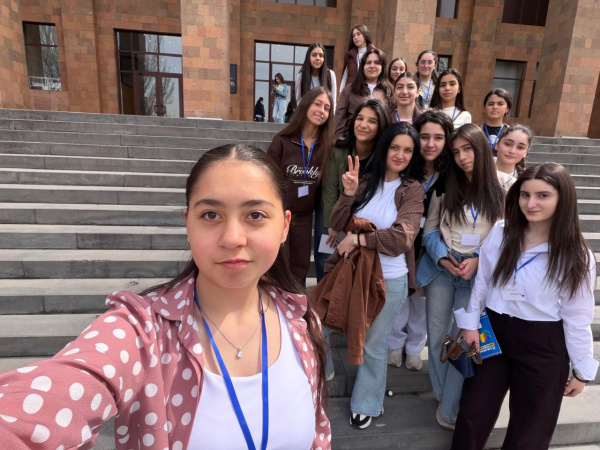
"Reality exceeded my expectations," Hasmik said, noting that participation in the camp particularly helped develop her critical and creative thinking. These skills developed through different stages and were strengthened through practical work. She also highlighted challenges assigned during camp, saying they required participants to think independently and create distinctive projects.
"Everything was in our hands, and we had to find the best solutions ourselves," Hasmik said.
One of the most important impacts of camp, she said, was personal growth.
"Thanks to this science camp, I became more confident and proactive. I began expressing my opinion with greater confidence and taking an active part in discussions," she said.
Although she became interested in various professions during the camp, Hasmik has not yet made a final choice. She is confident that the experience will help her make a more considered decision and enter the world of science.
At the end of camp, participants completed an evaluation questionnaire in which they presented their impressions, knowledge they had gained, and their views on the future. Many said camp had changed their attitude toward the involvement of women and girls in science, emphasizing that success in STEM depends not on gender but on knowledge, curiosity, and hard work.
Participants stressed that the program had a significant impact on their perceptions of the role of women and girls in science. According to many of them, the camp helped them overcome common stereotypes and understand that there are no "women's" or "men's" professions.
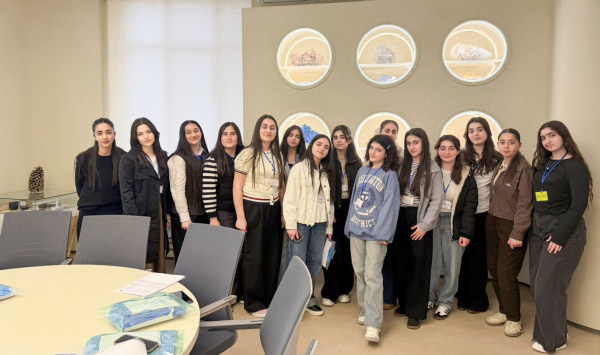
One student said camp had completely changed her views, as she saw active, goal-oriented girls interested in science who were confidently moving toward the field. Another participant emphasized that the program was further proof that there are no boundaries in science, and that success is determined by knowledge and hard work, not gender.
Many participants also noted that after camp they began to value the role of women and girls in science more highly, expressing confidence that they can not only be equally involved in STEM fields but also make significant contributions to the development of science.
While participants' stories demonstrate the impact of the camp, program organizers also outlined principles on which it was built.
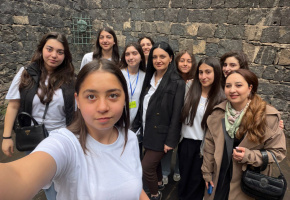
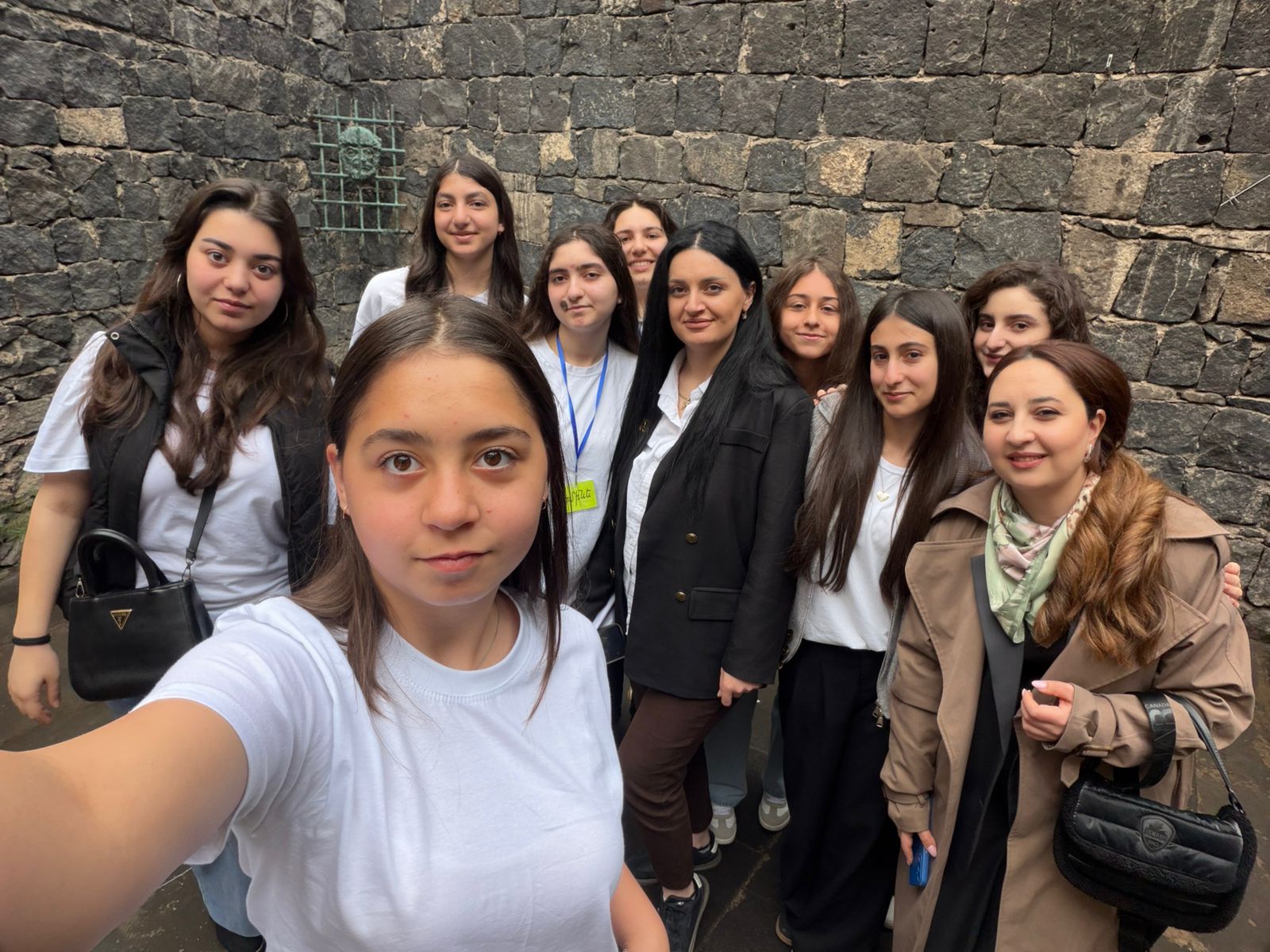
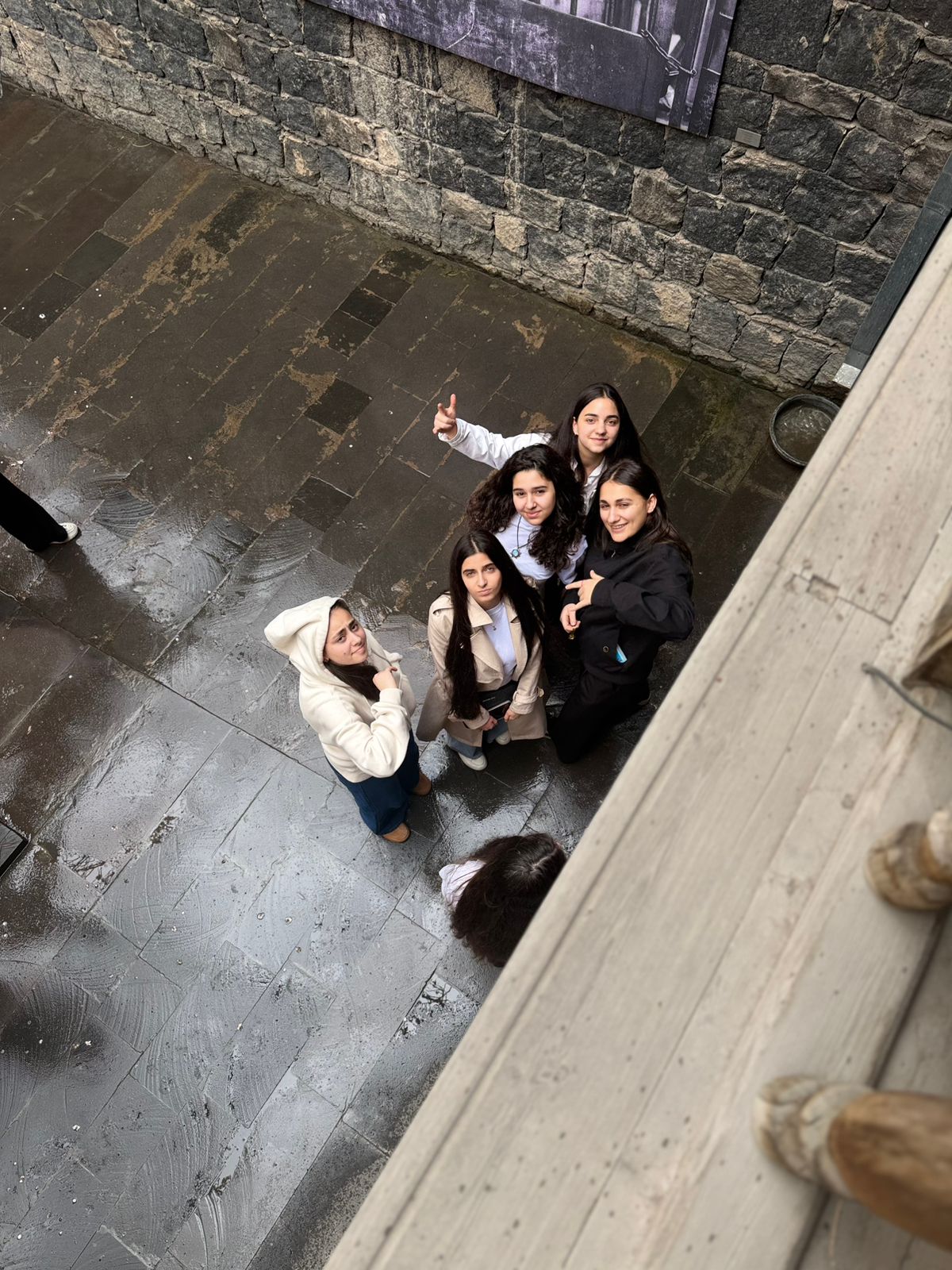
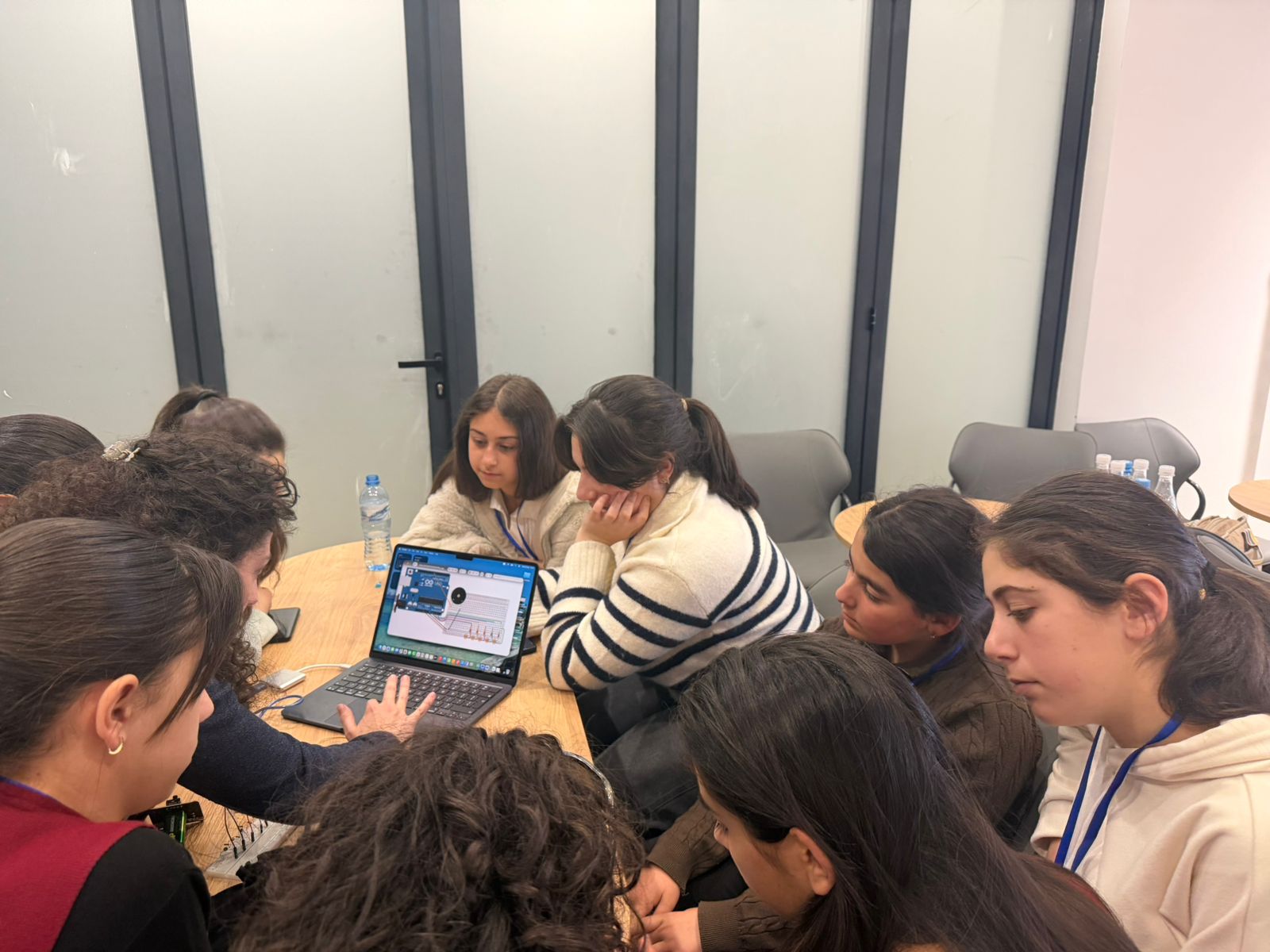
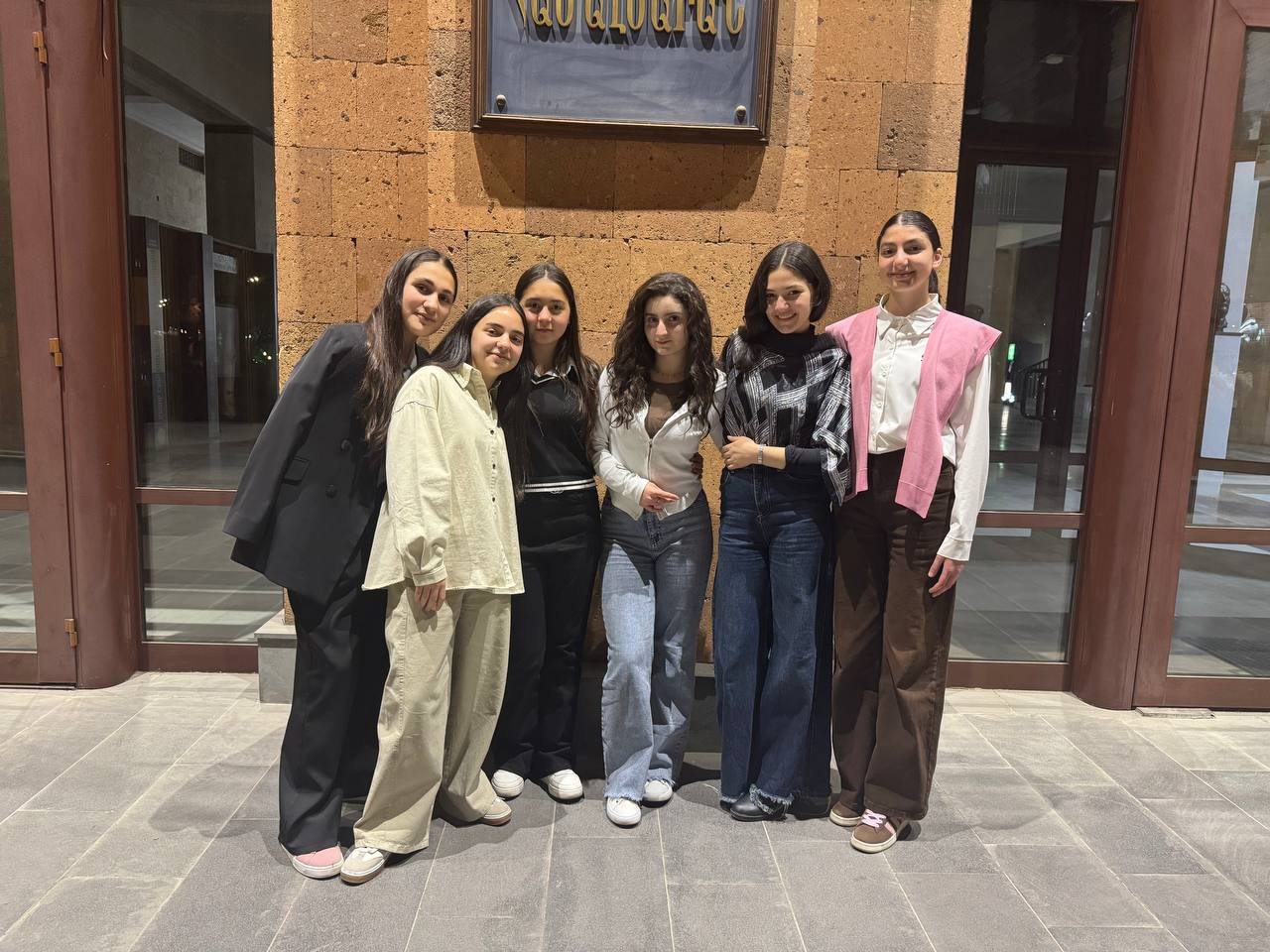
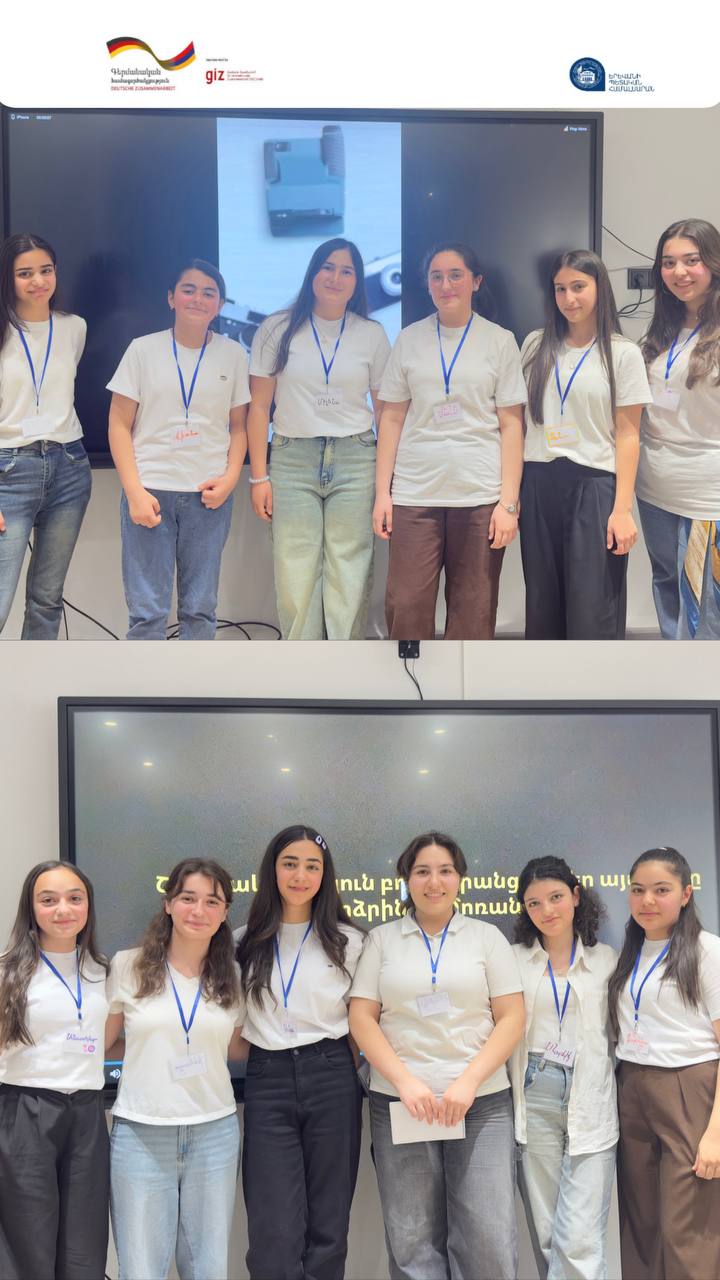
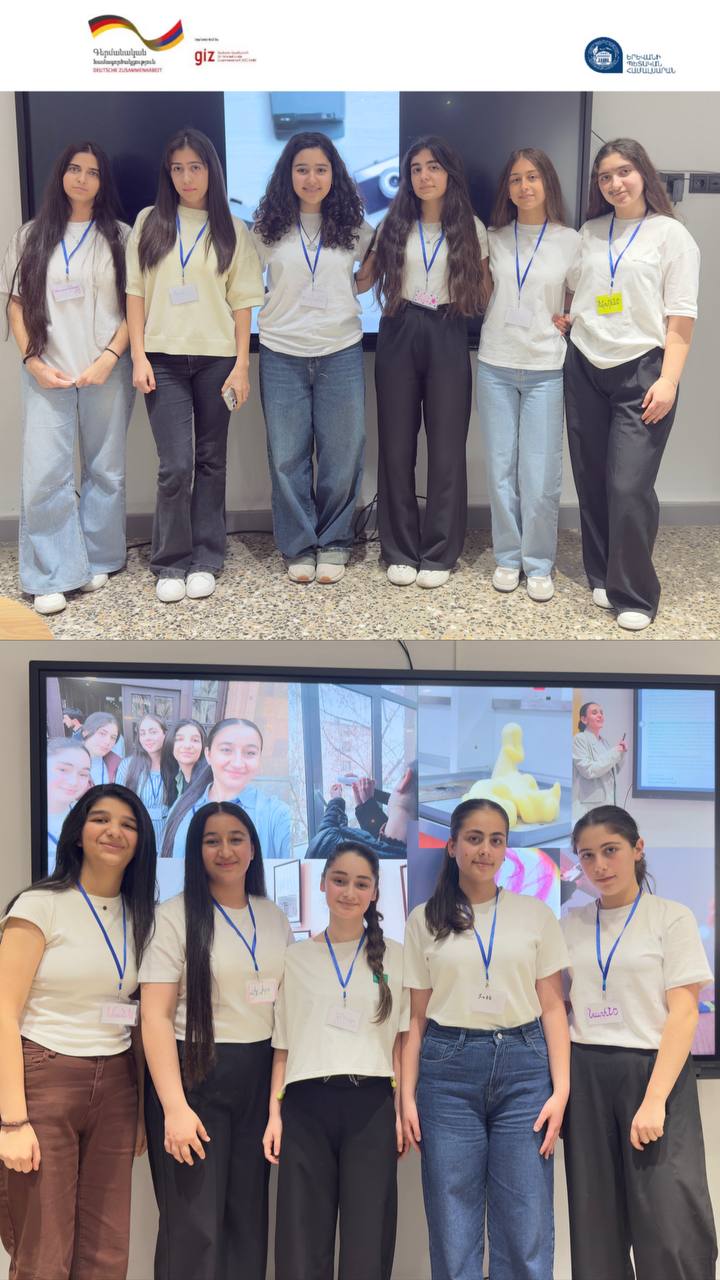
Lusine Kharatyan, Director of YSU Continuing Education Center, said the program was designed to allow participants to gain practical experience in all STEM subjects. At the same time, the camp was not limited to science alone. Participants also acquired practical skills, learning how to make videos, prepare CVs and motivation letters, and become familiar with standards of official communication. The program also included a cultural component: participants visited the Sergei Parajanov Museum and, at the end of the camp, presented projects they had developed.
"This is an important program in terms of promoting gender equality in STEM. According to completed evaluation forms, participants believe that women can and should be involved in this field. Camp also strengthened among young girls the idea that equal representation is important for science itself, because women and men think differently and can complement each other," Kharatyan said.
Kharatyan also emphasized the importance of implementing the program at YSU, highlighting the university's leading role in Armenia's scientific and educational system. In her view, such initiatives should begin at school age, and the university can play an important role in professional orientation and in shaping students' interests.
"Laboratories operating at the university provide an excellent environment for engaging with science in practice, while experiments conducted here help foster and encourage interest in science," she said.
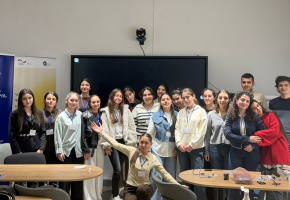
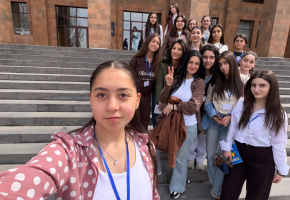
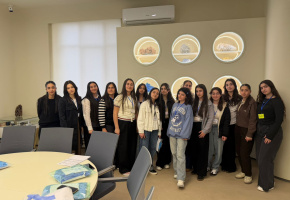
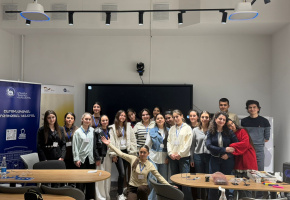
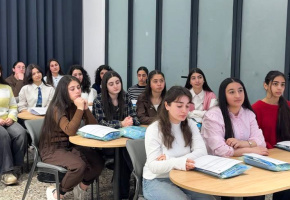
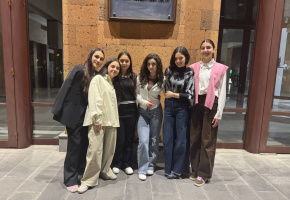
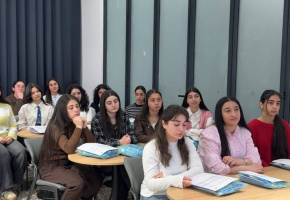
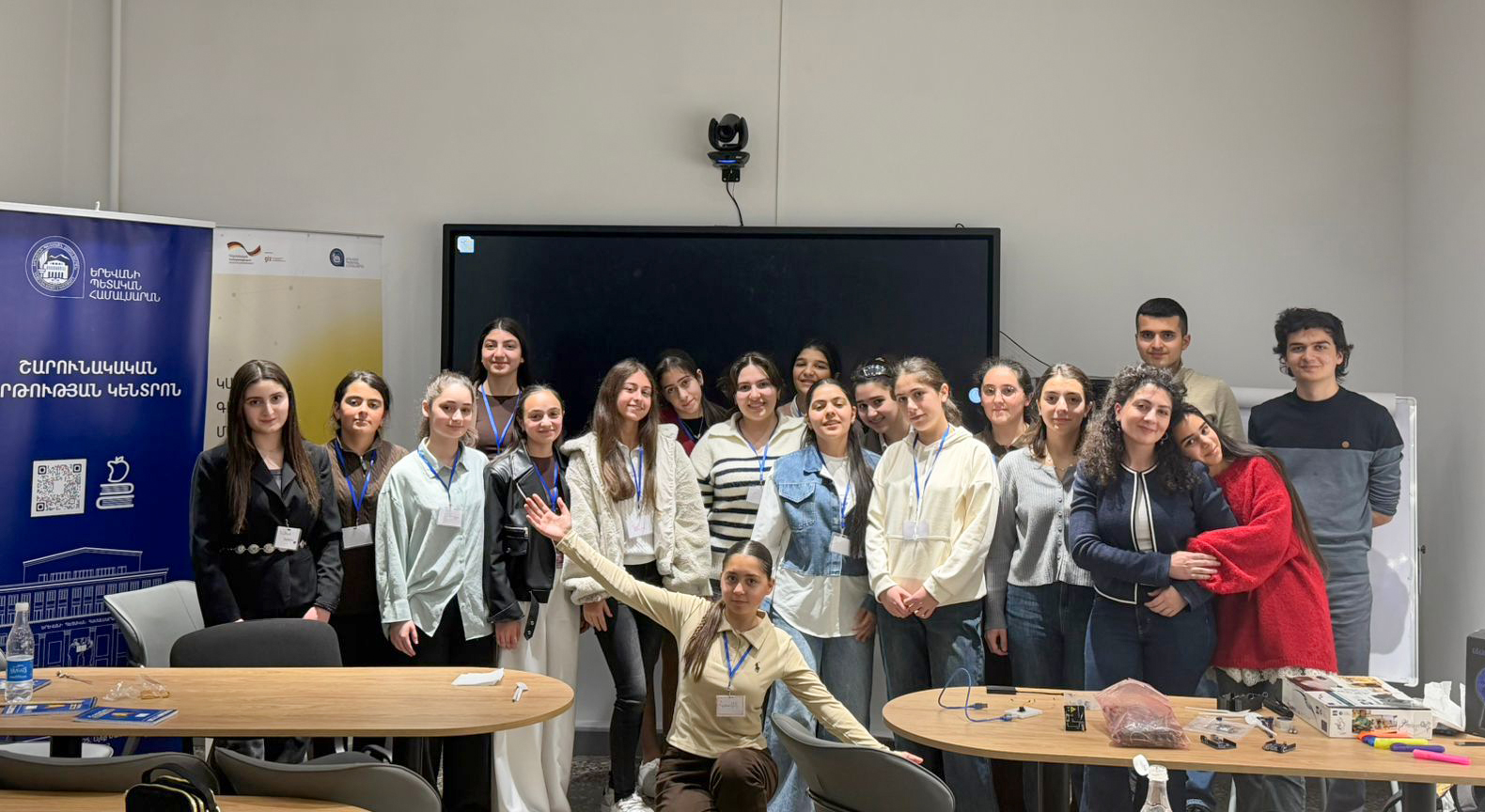
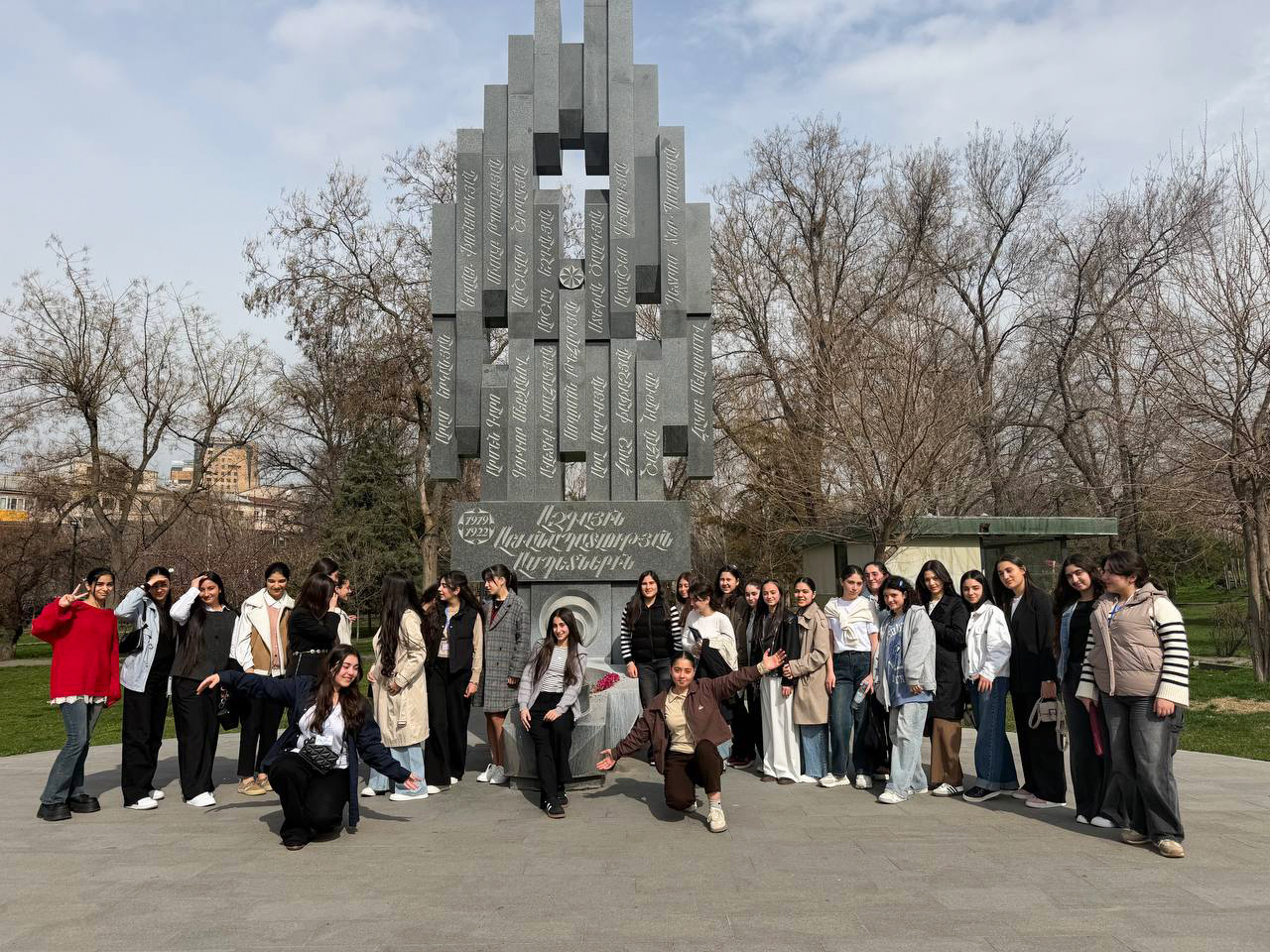
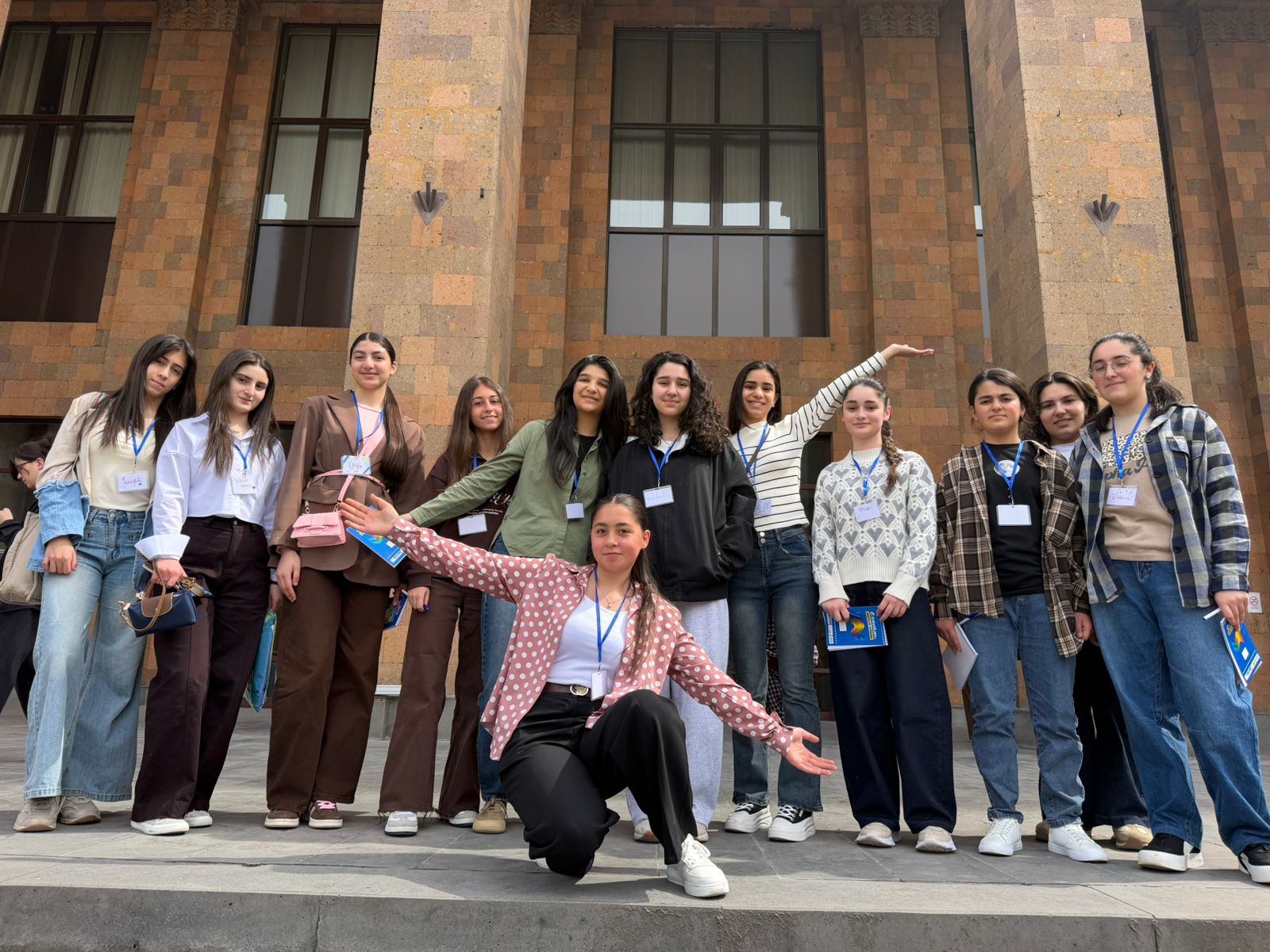
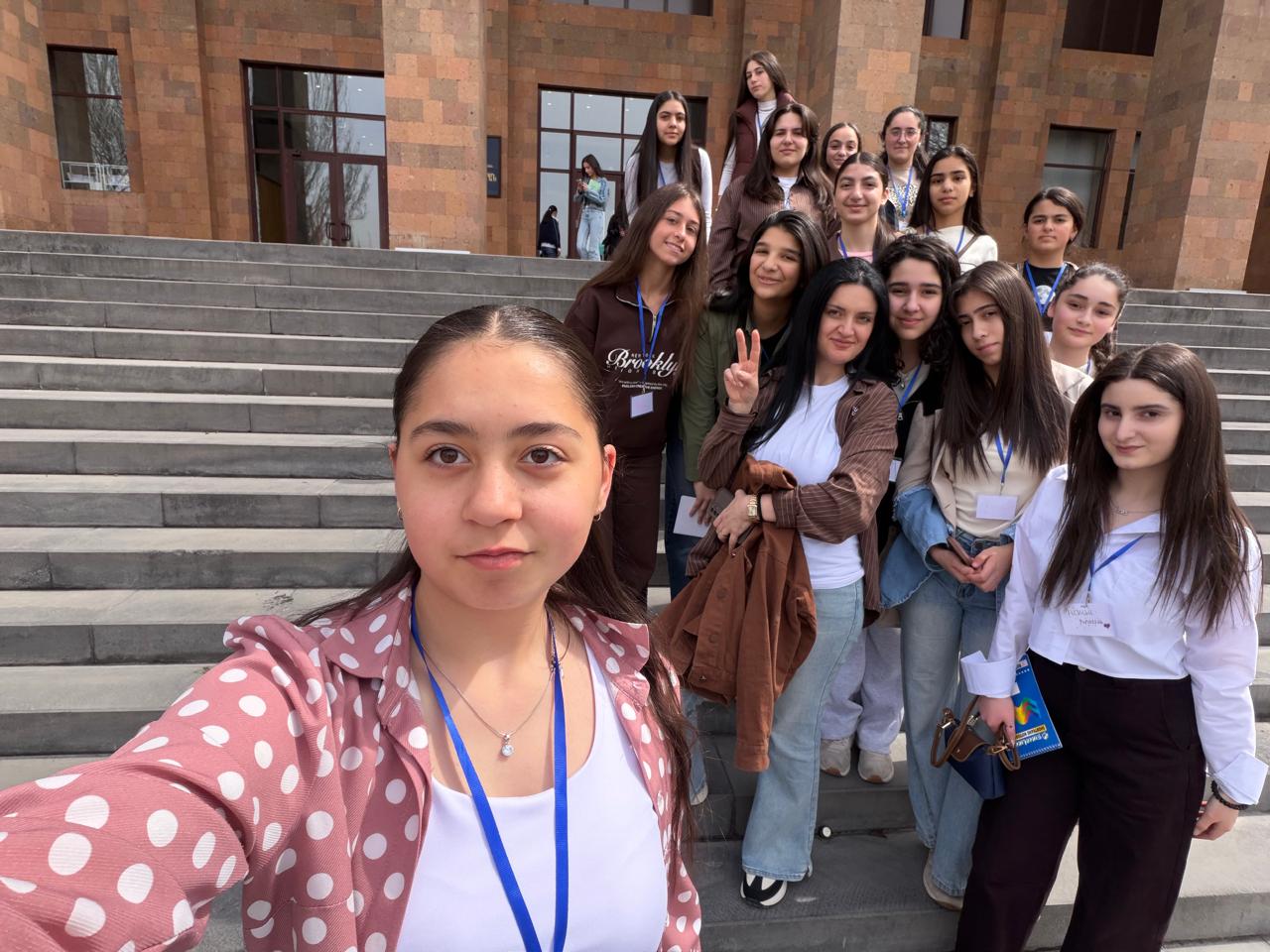
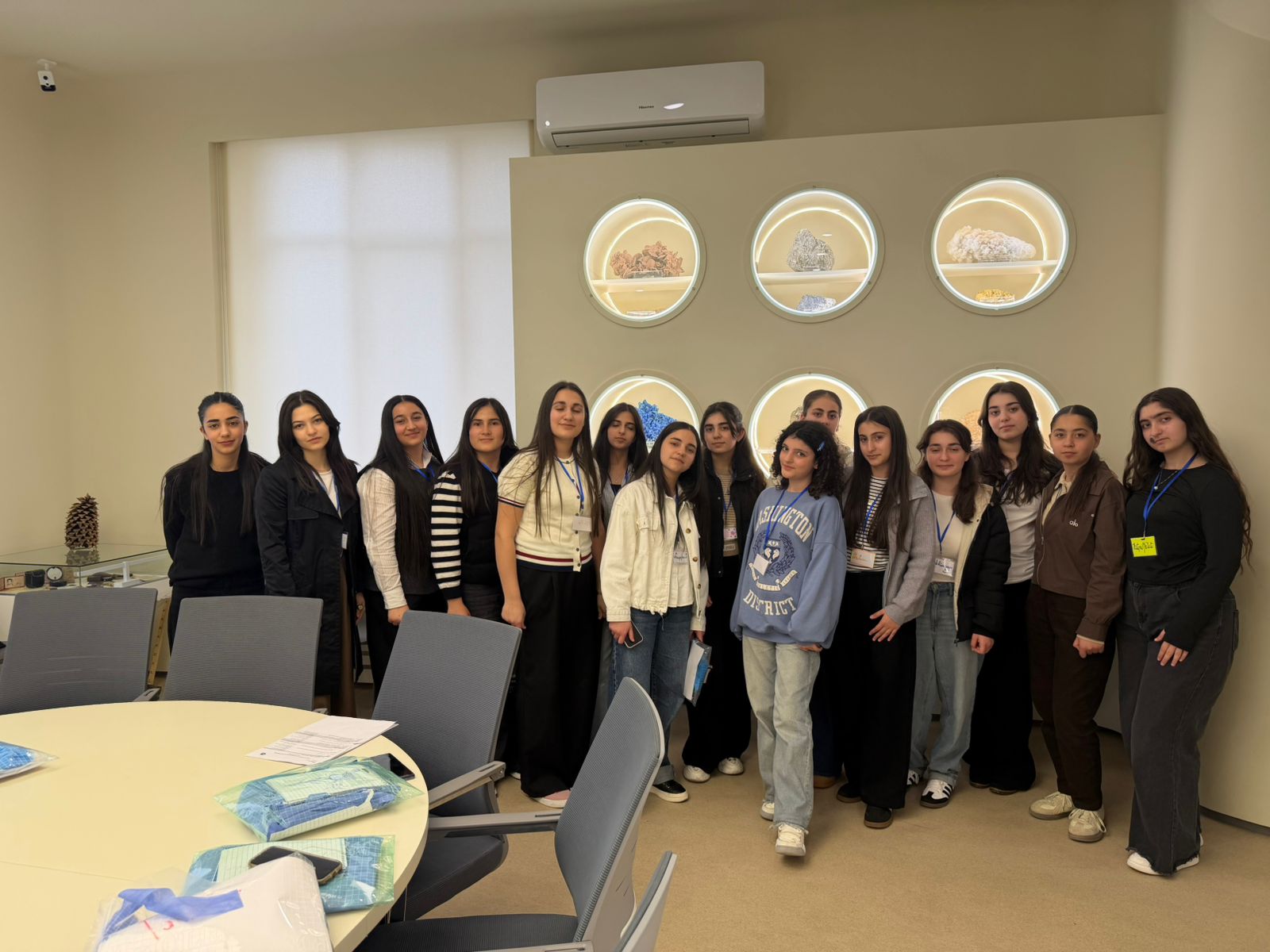
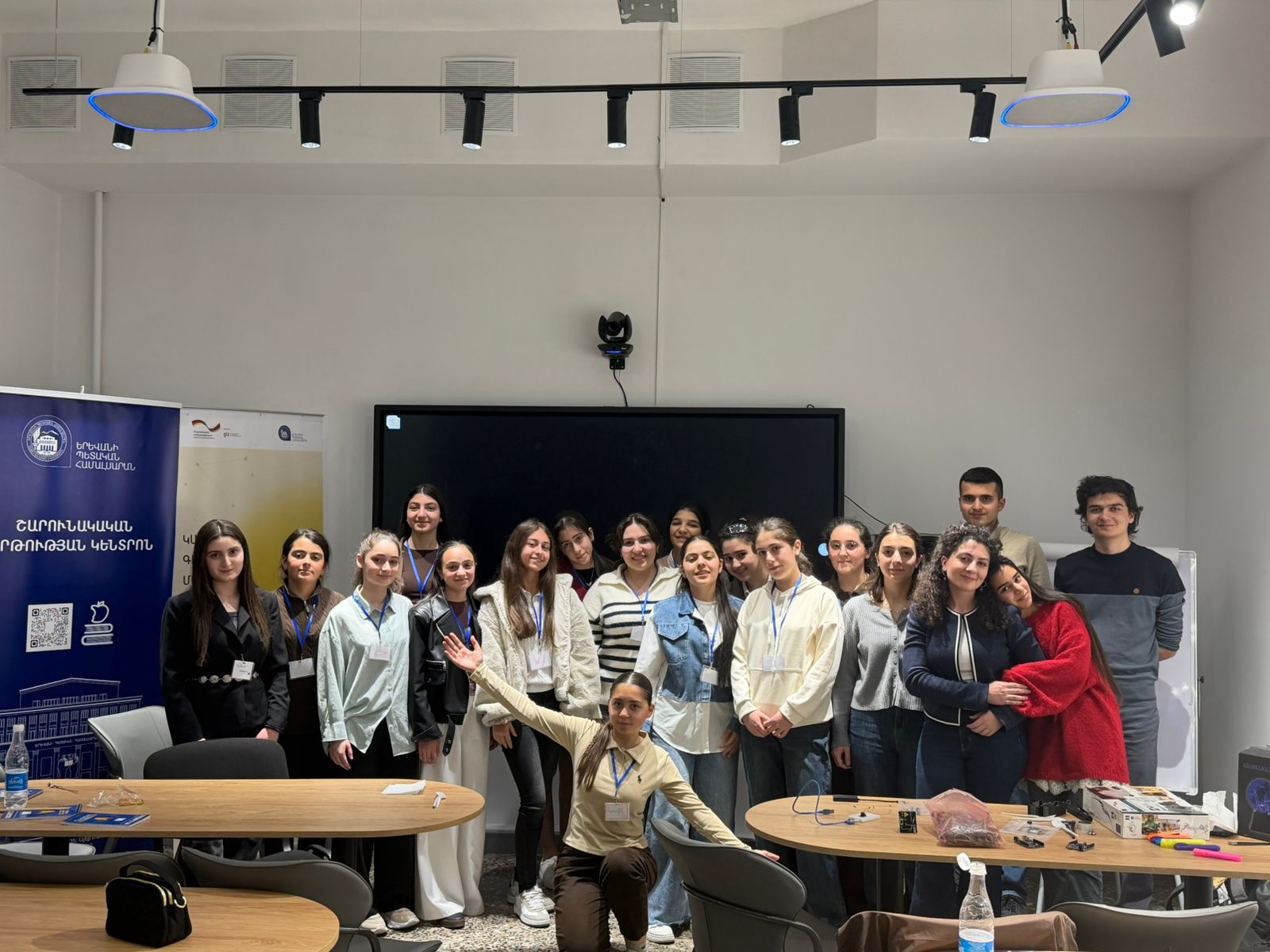
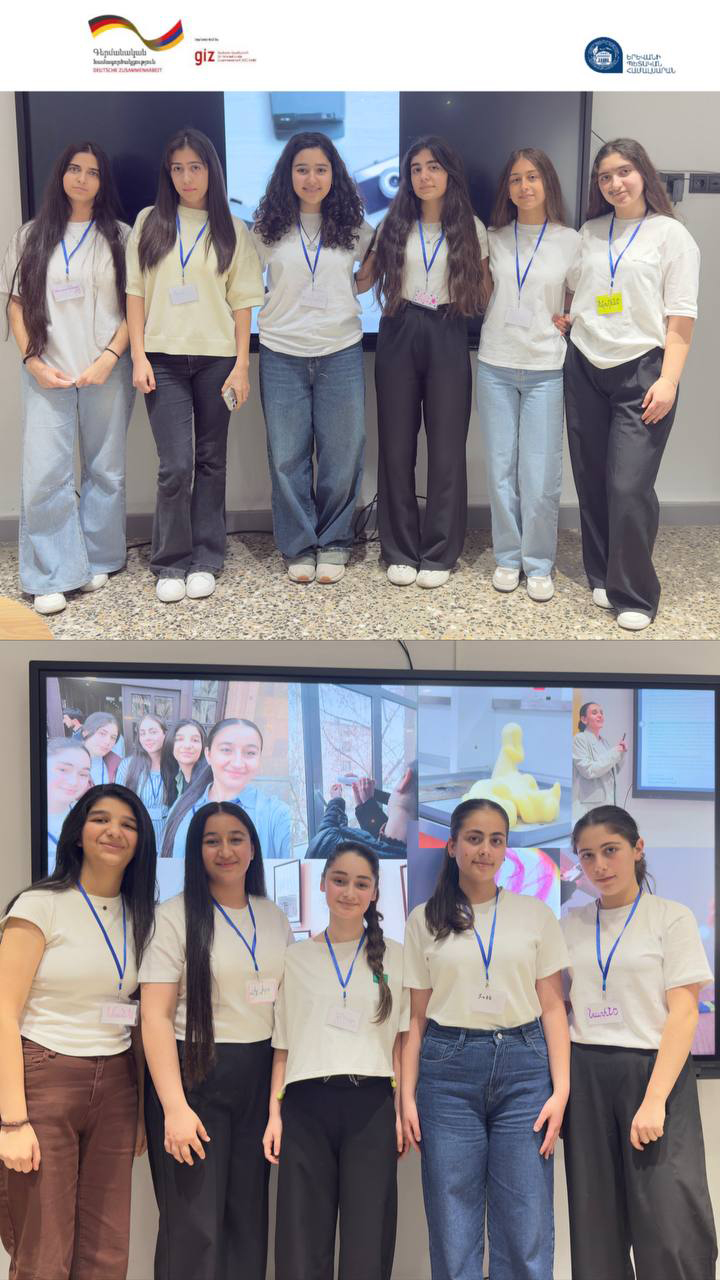
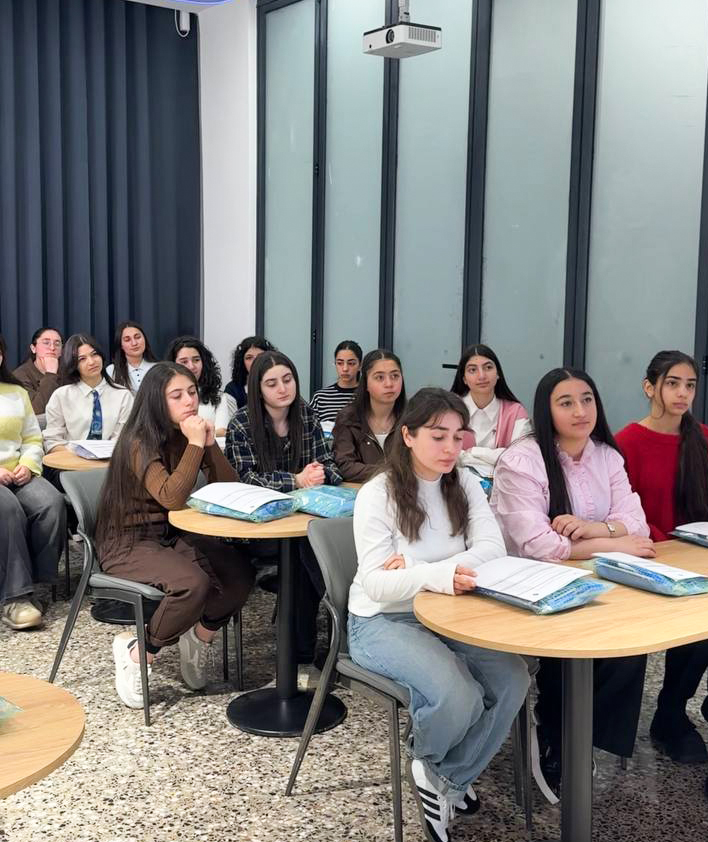
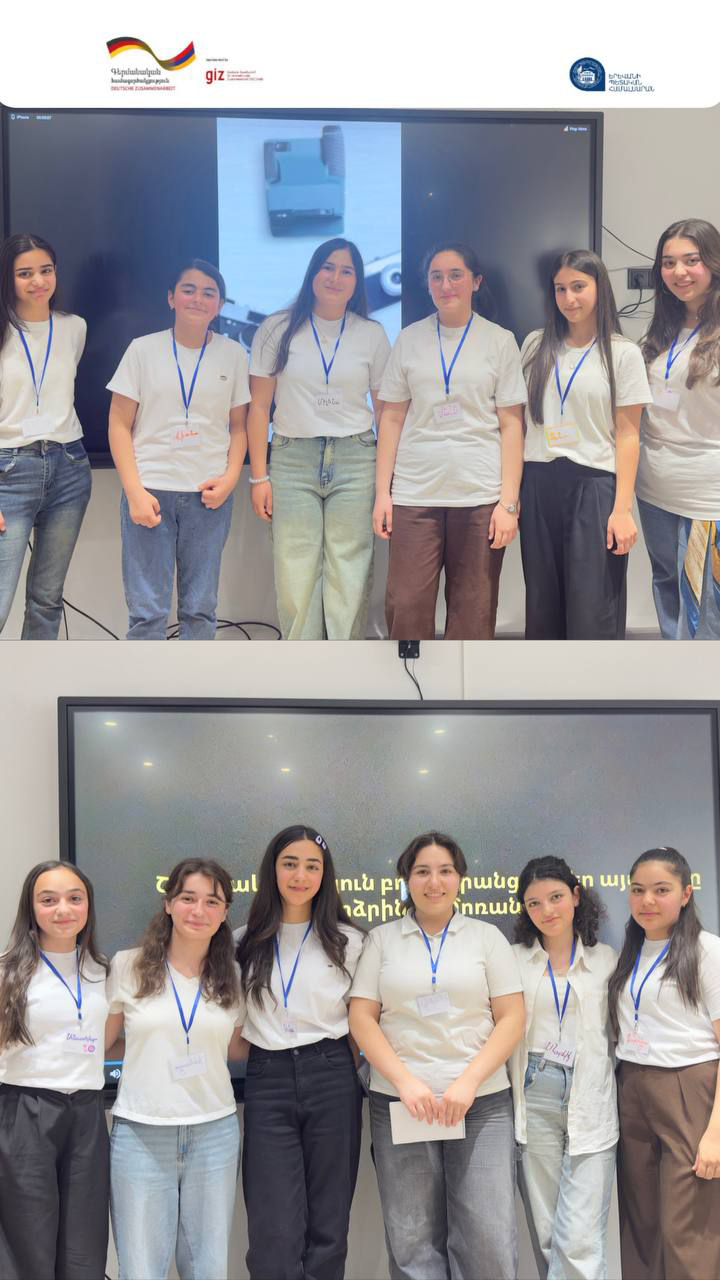
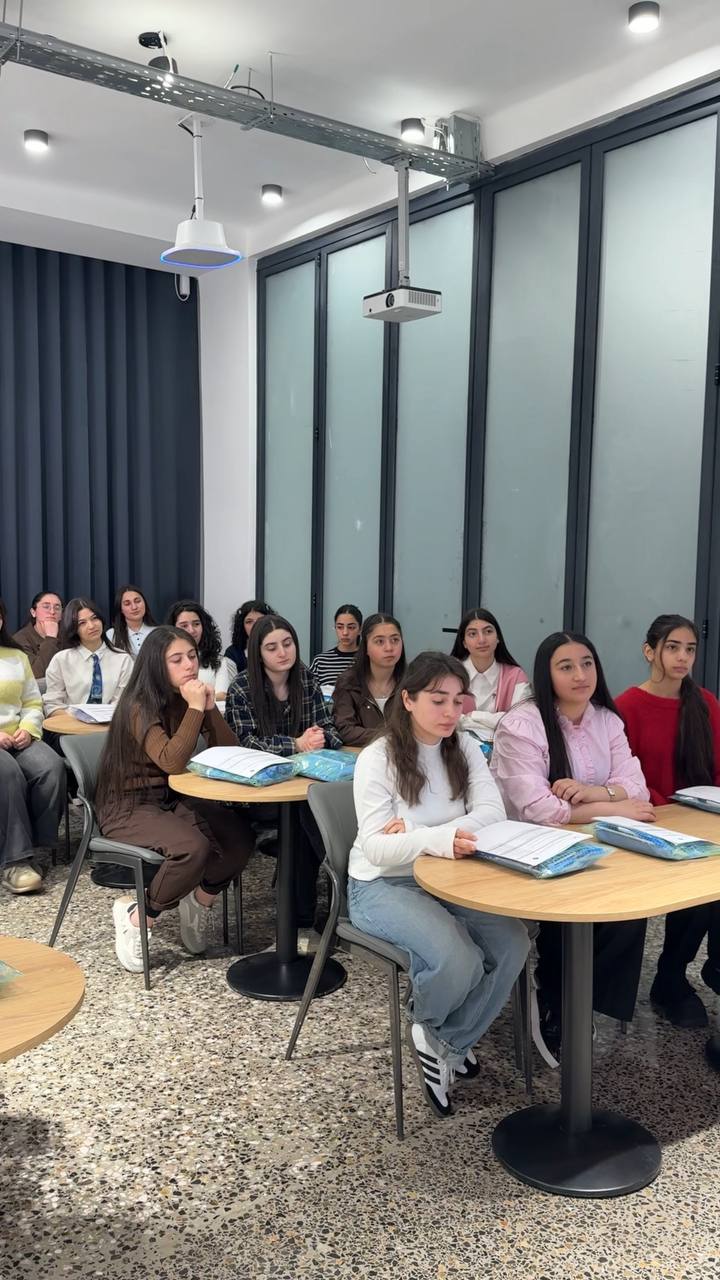
YSU Continuing Education Center held a one-week STEM camp for girls in 9th-11th grades. The camp was organized within the framework of the Promoting Participation of Women and Girls in Science program, funded by the Government of Germany within the framework of the Feminism in Action for Systemic Transformation (FAST) and Women's Empowerment for Wellbeing (WoW) programs implemented by the German Agency for International Cooperation (GIZ).
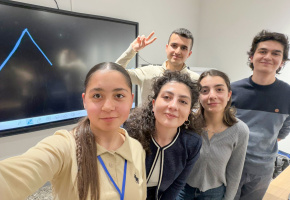
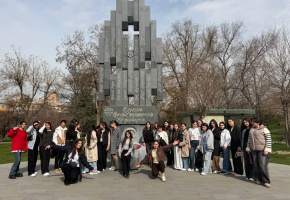
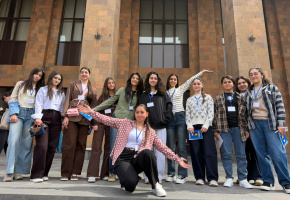
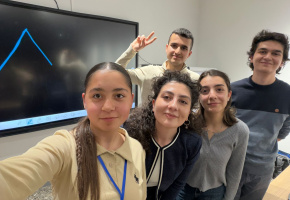
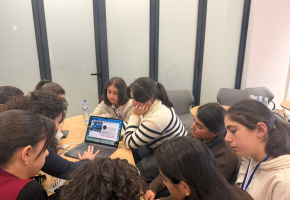
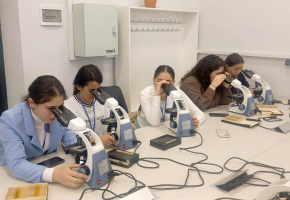
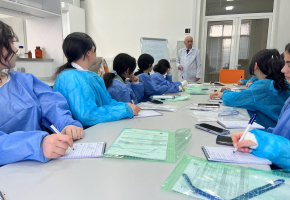
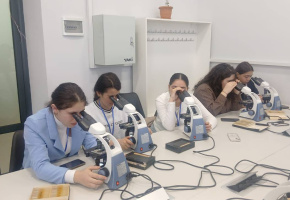
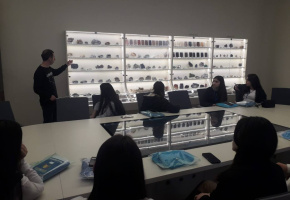
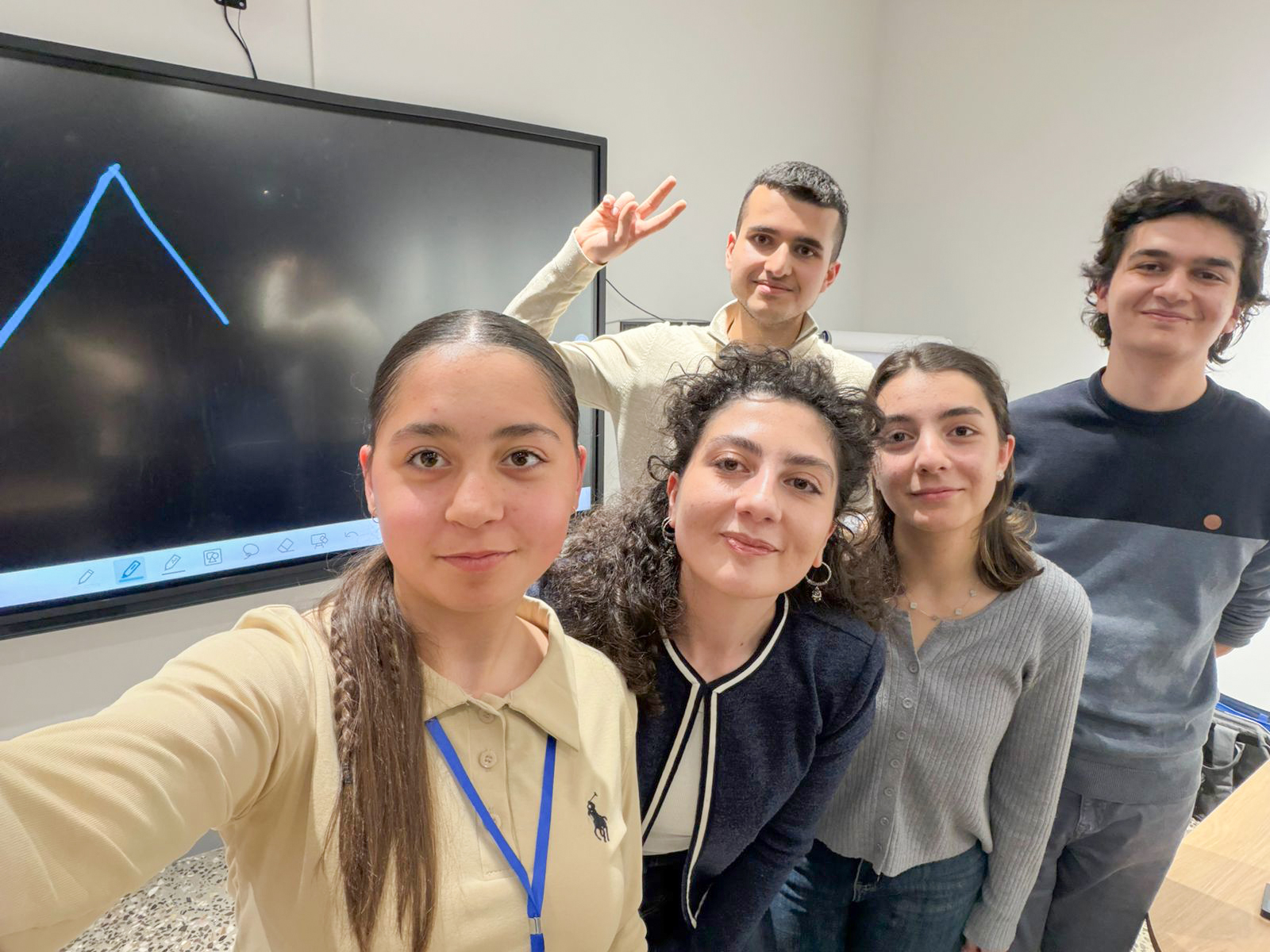
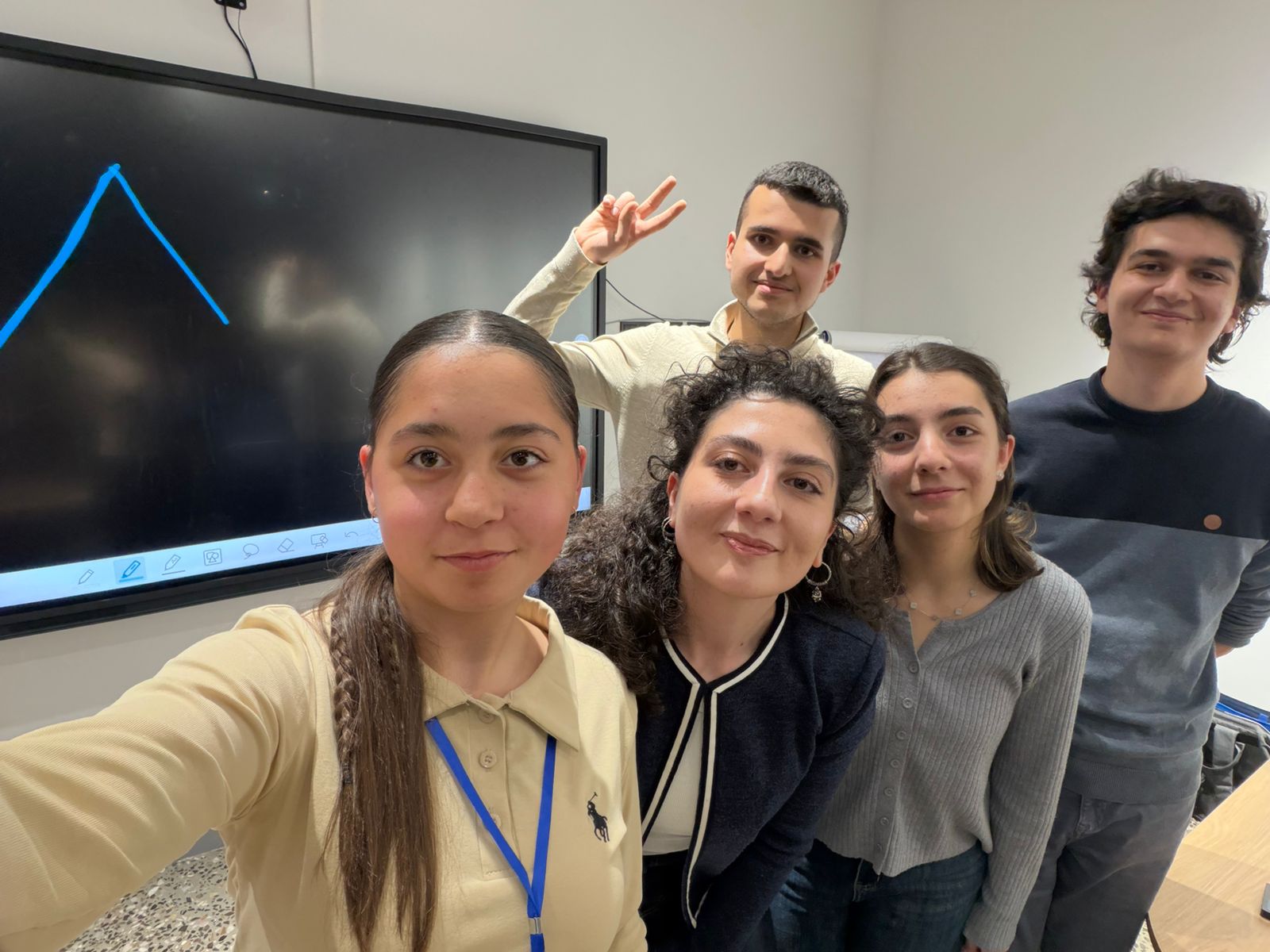
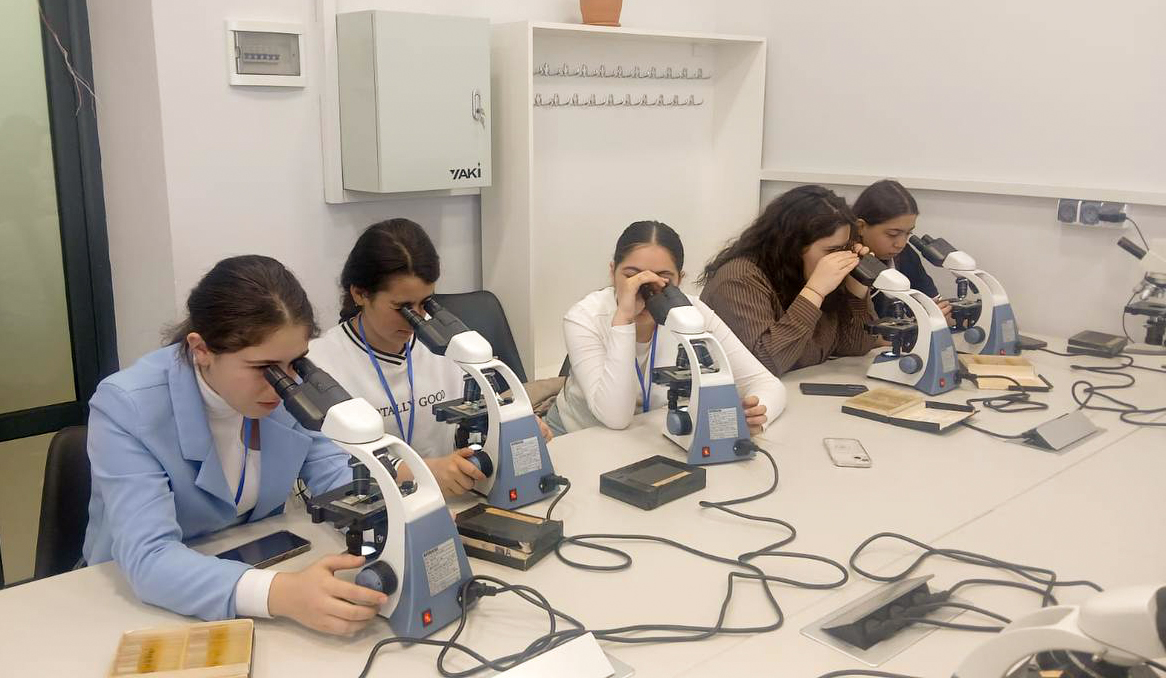
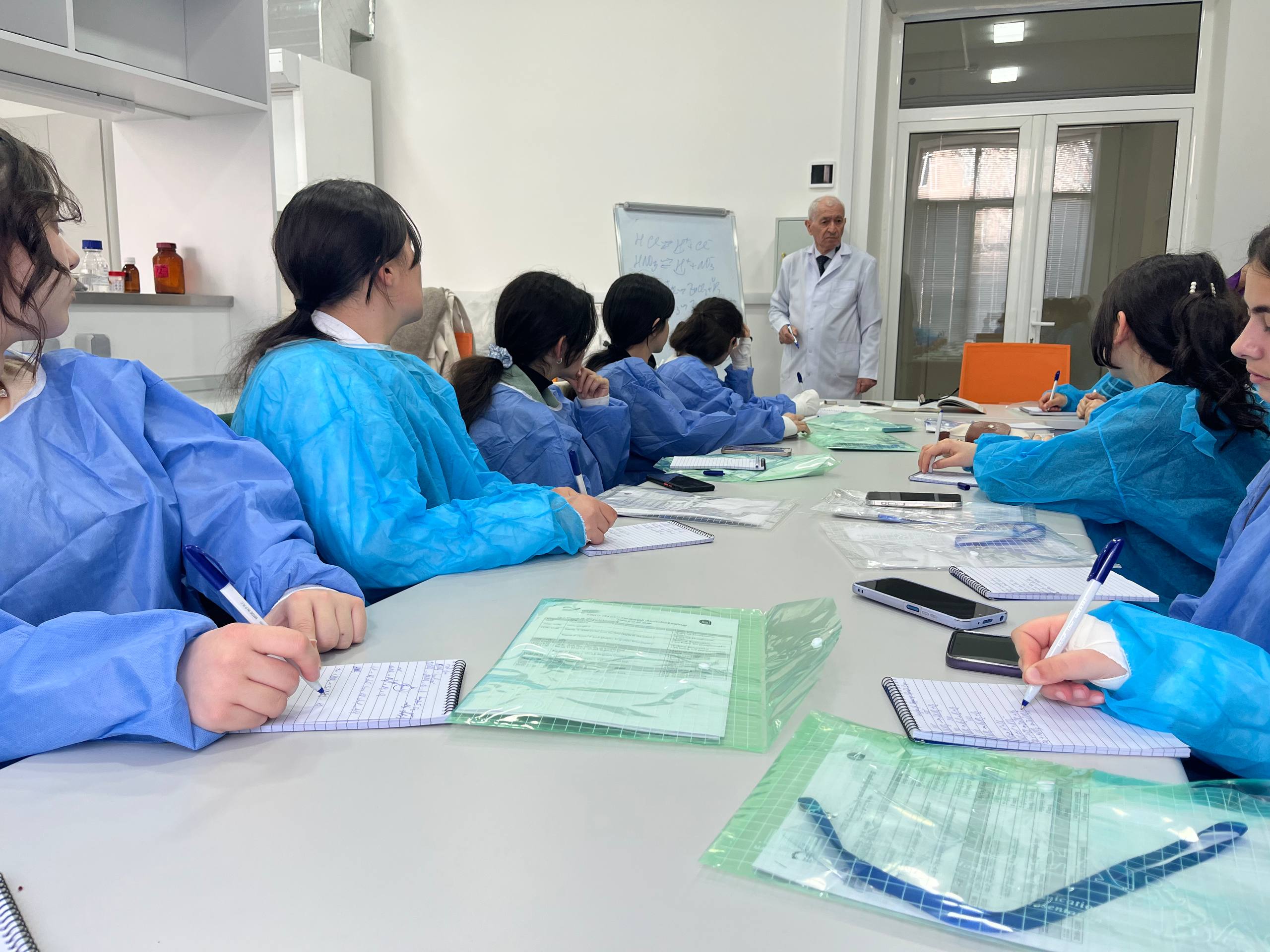
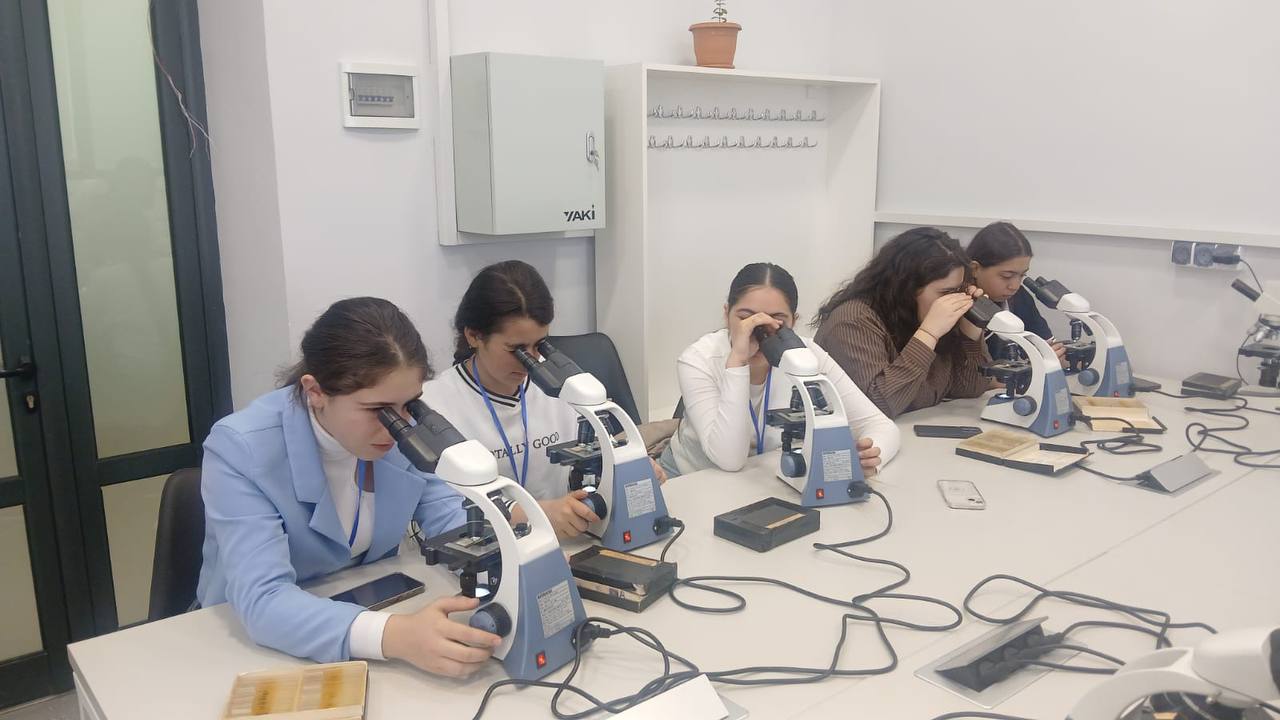
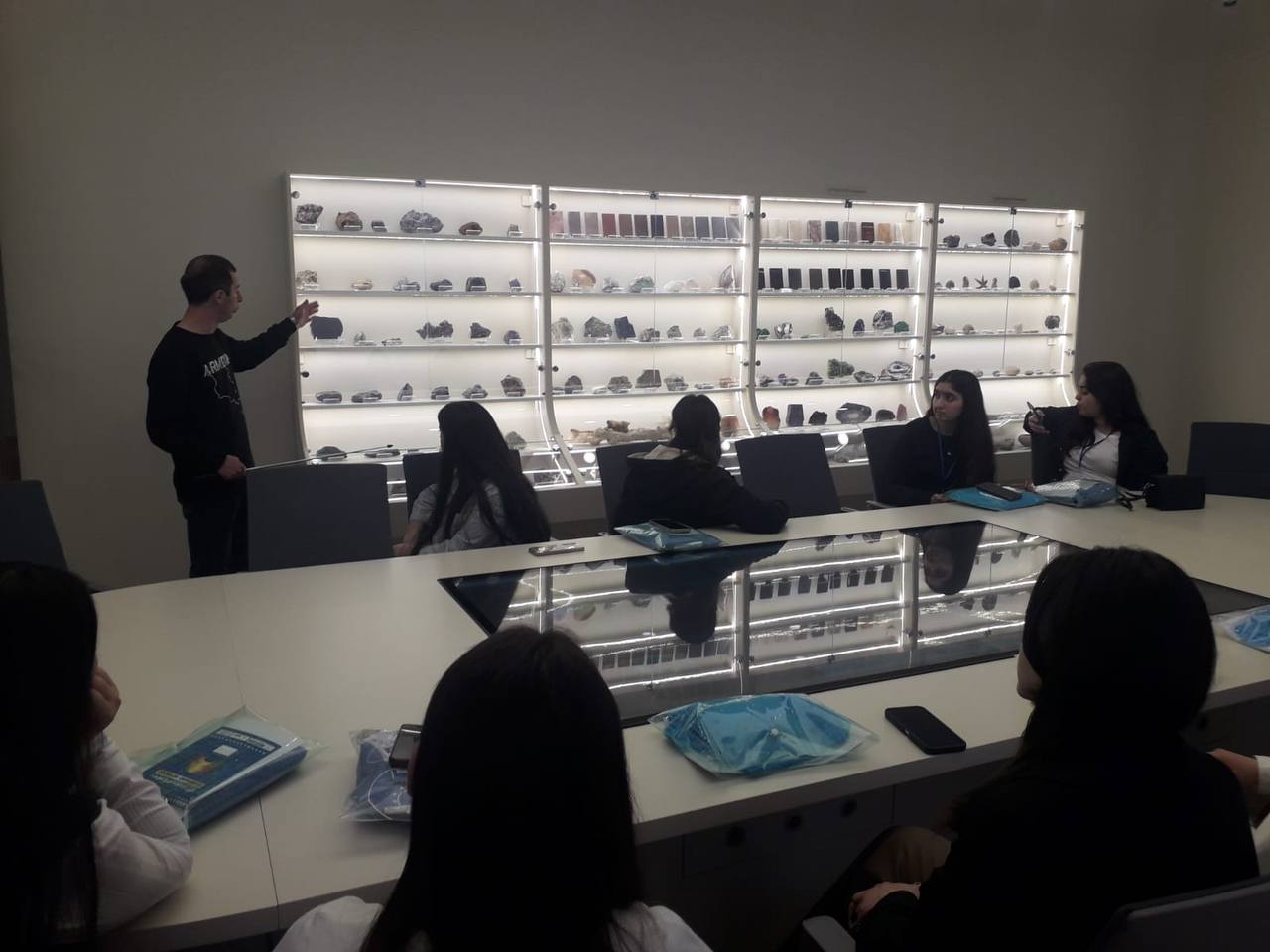
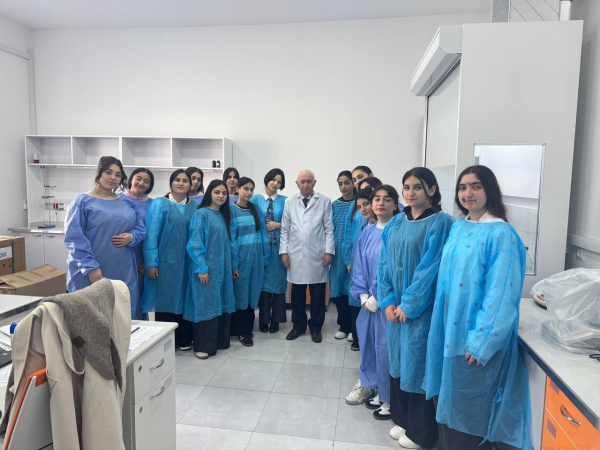
During the camp, participants conducted experiments in physics, chemistry, and biology in YSU laboratories, studied mathematics through practical examples, used modern technologies, and worked with microscopes. They also visited the Sergei Parajanov Museum and took part in master classes, developing communication and self-presentation skills. At the end of the program, participants presented their projects as part of teamwork and received certificates.