June 25, 2026 | 16:01
Science
Education
International cooperation

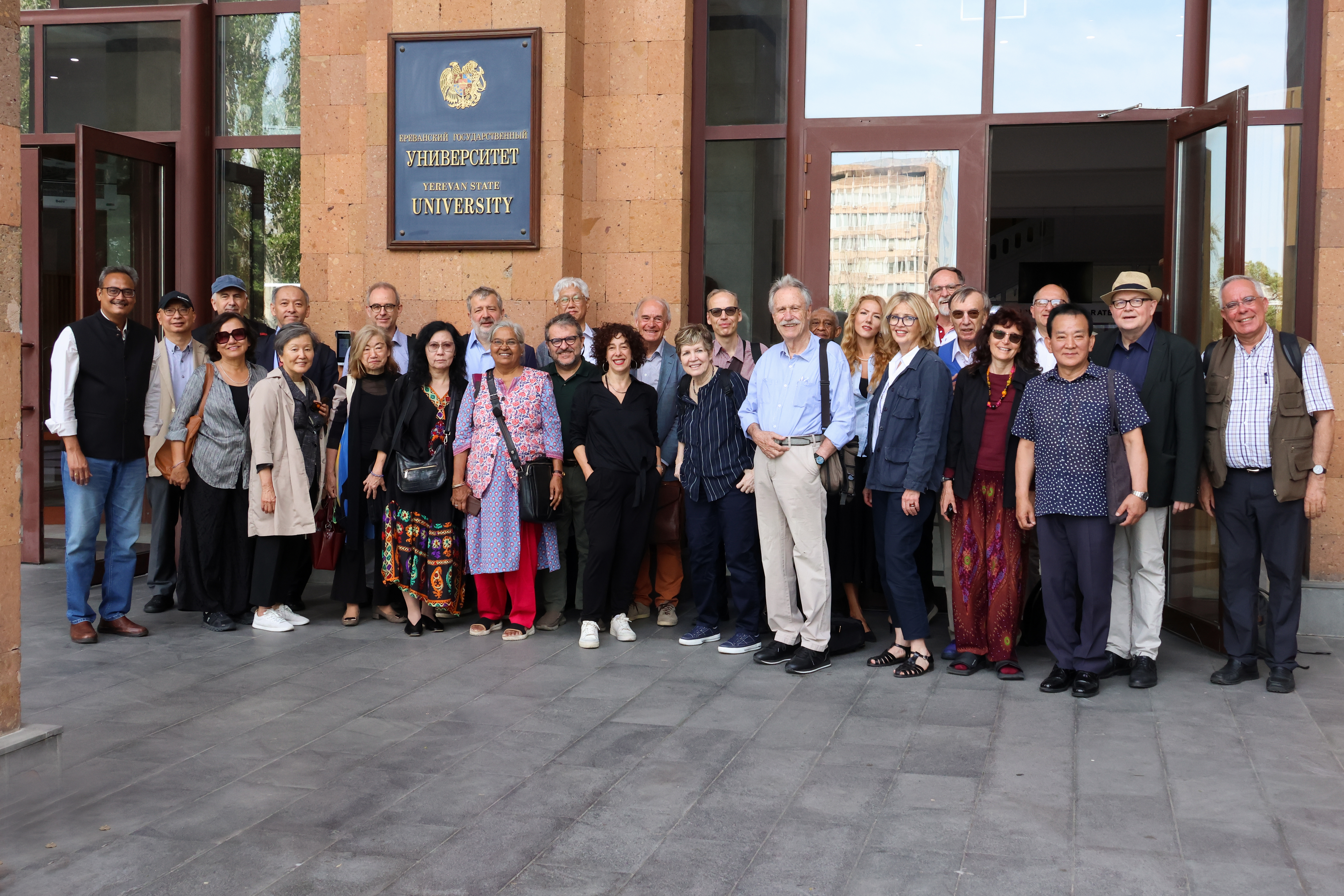
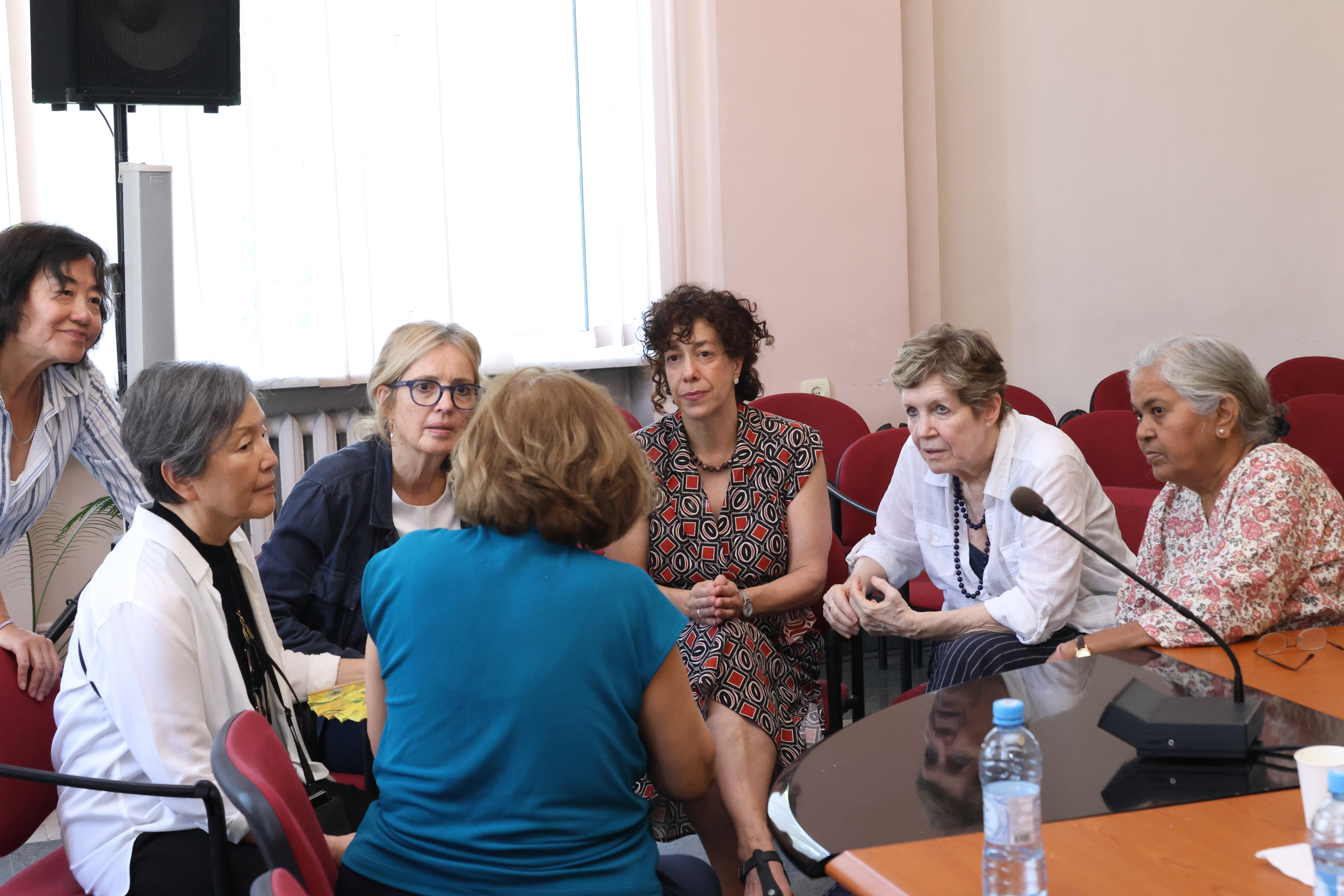
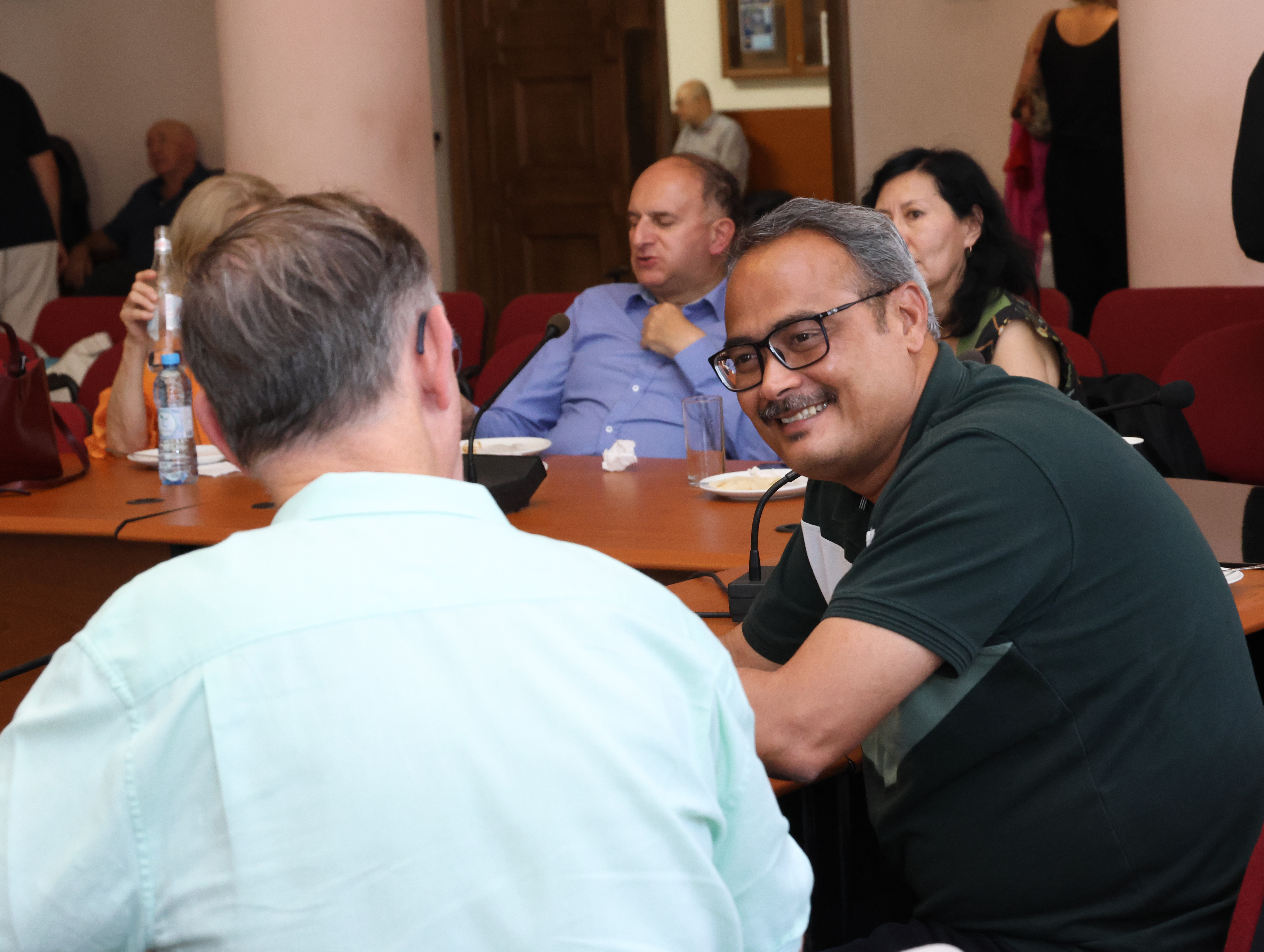
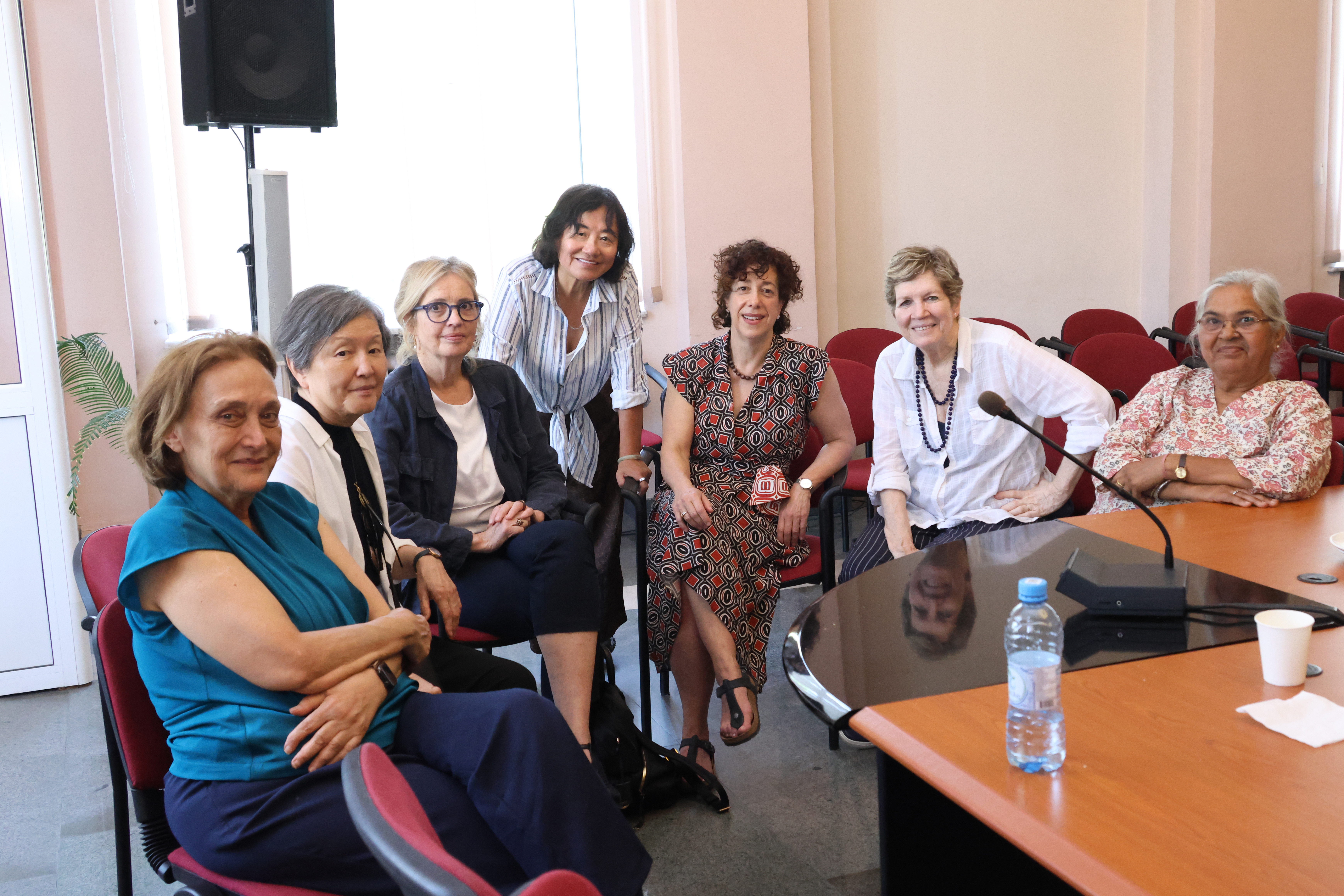
The event, organized by YSU, FISP and the Center for Ethics in Public Affairs (ETICA) at the American University of Armenia, was significant not only for the international philosophical community but also for Armenia's academic life. It was the first time a meeting of FISP's governing bodies had been held in Armenia, highlighting the country's growing role in global academic, scientific and intellectual cooperation.
FISP is a respected international organization that brings together philosophical societies, academic organizations and research centers from around the world. Founded in the 1930s, the federation organizes the World Congress of Philosophy, the largest and most prestigious global gathering in the field, held every four to five years.
Maria Baghramian, Director of ETICA, Professor of Philosophy at University College Dublin and a researcher at the University of Oslo, said Armenia's membership in FISP was one of the most important achievements of recent years. She said that, through joint efforts, Armenia's philosophical community became a full member of the federation several years ago, giving the country institutional representation and new opportunities for participation on the international stage.

The agenda of the meeting included the expansion of international scientific cooperation, mechanisms for engaging young scholars, educational challenges and ways to promote cultural dialogue.
One of the key topics of discussion was the World Congress of Philosophy, scheduled to be held in Tokyo in 2028. During the meeting, participants launched substantive preparations for the congress, including discussions on thematic directions and scientific priorities.
According to Baghramian, Armenia's participation in the World Congress of Philosophy is important, but so is the country's involvement in shaping the international philosophical agenda.
"Today, Armenia is represented in the international philosophical community as an independent and full-fledged partner. This is an important step toward increasing the visibility of Armenian scholarly thought and expanding international academic cooperation," she said.
Luca Maria Scarantino, a prominent Italian philosopher, former FISP President and Secretary-General, also attended the meeting. He said Armenia's membership in the federation is important for both the country and for the international philosophical community.
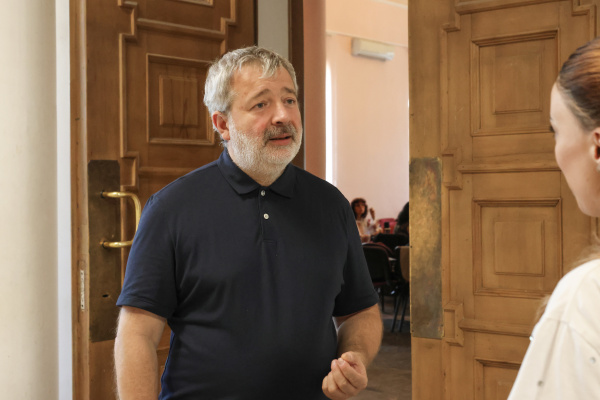
Scarantino emphasized that contemporary philosophy has long moved beyond the work of individual thinkers and now develops through international scholarly cooperation, the exchange of experience and academic dialogue.
He said Armenia's presence in the global philosophical network creates new opportunities for both Armenian scholars and their international partners.
"Every time a new country or scholarly community joins the federation, we all become enriched. We discover new histories, new intellectual traditions and new approaches," he said.
Scarantino also stressed the importance of increasing international recognition of Armenia's philosophical heritage, noting that it could open new research directions for the global academic community.
The FISP leadership meeting in Armenia once again underscored the growing involvement of the Armenian academic community in international scientific and intellectual cooperation.