July 06, 2026 | 15:55
Science
Education
International cooperation
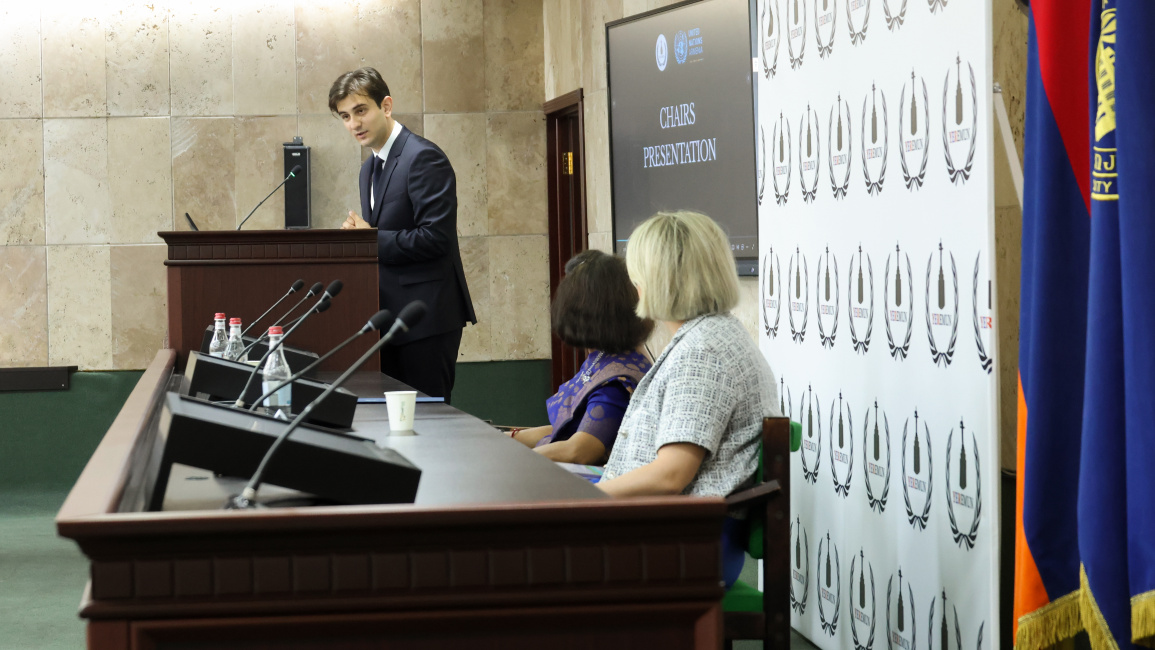
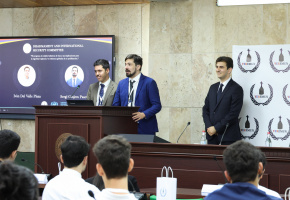
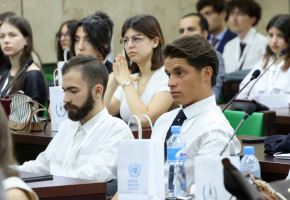
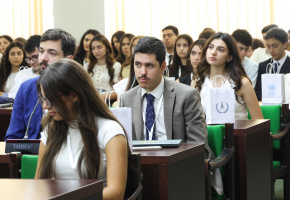
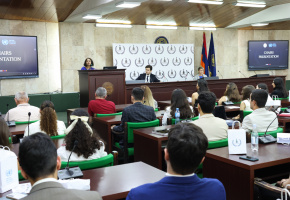
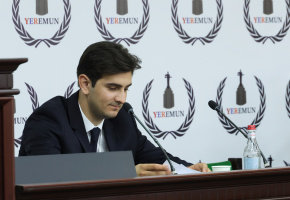
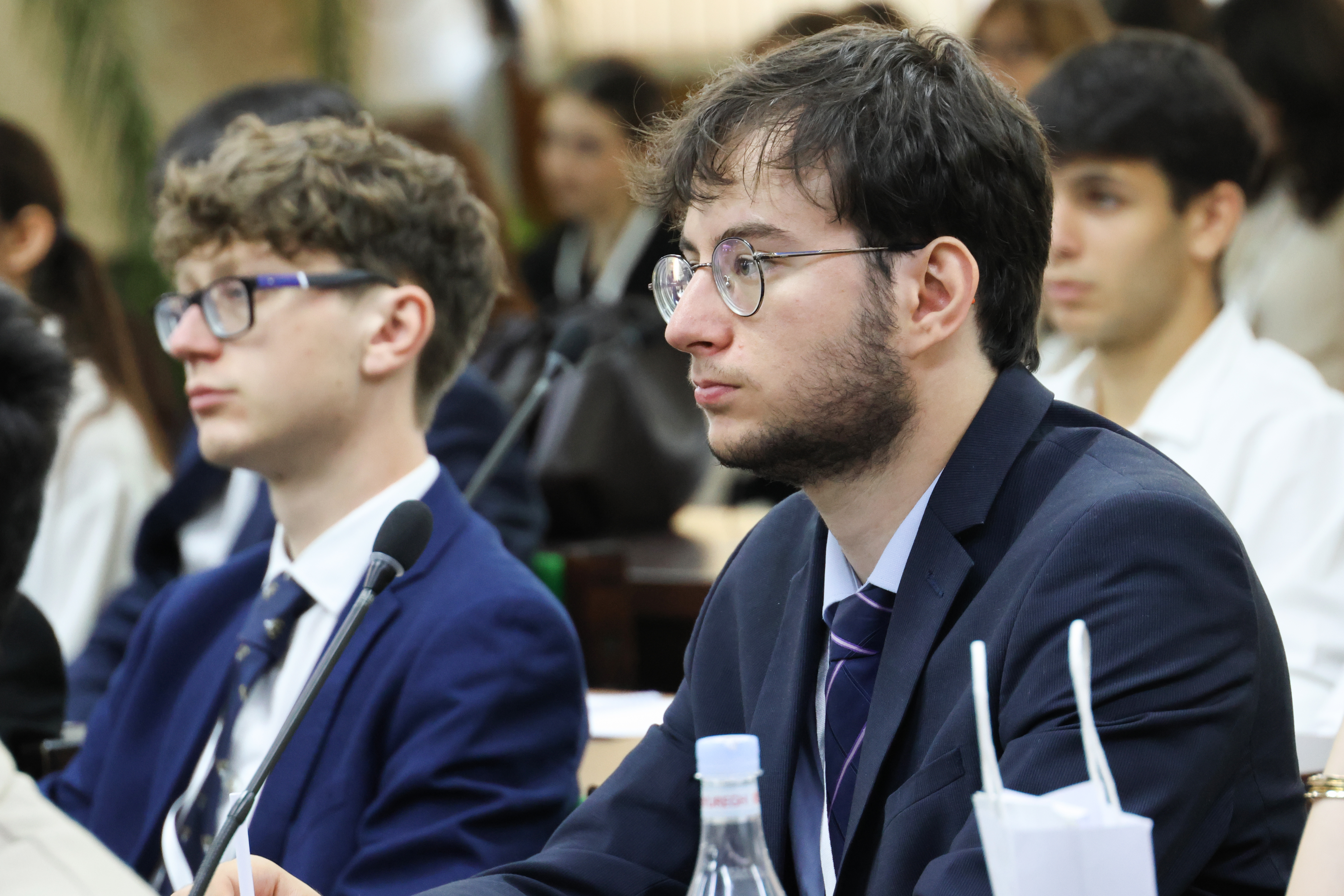
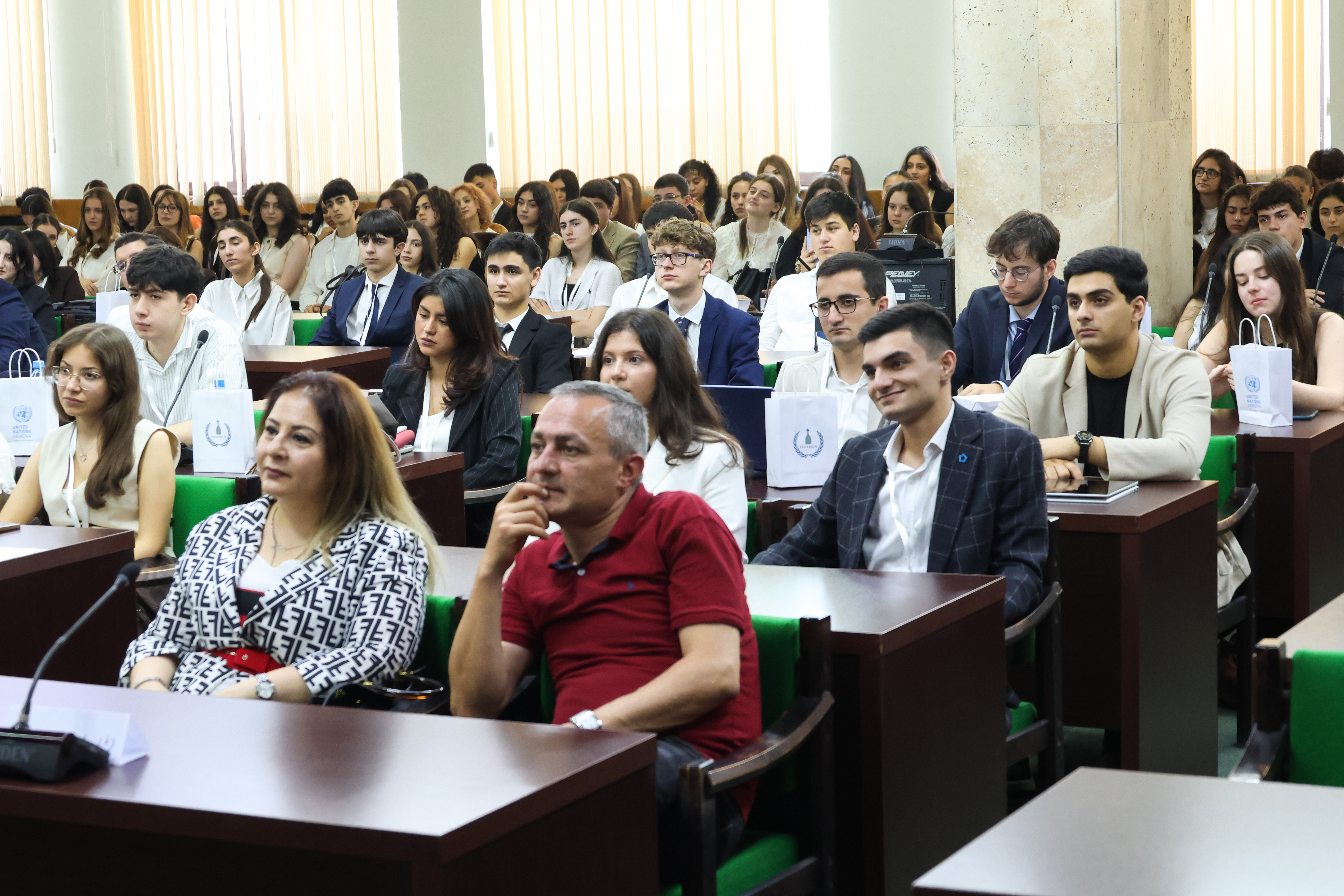
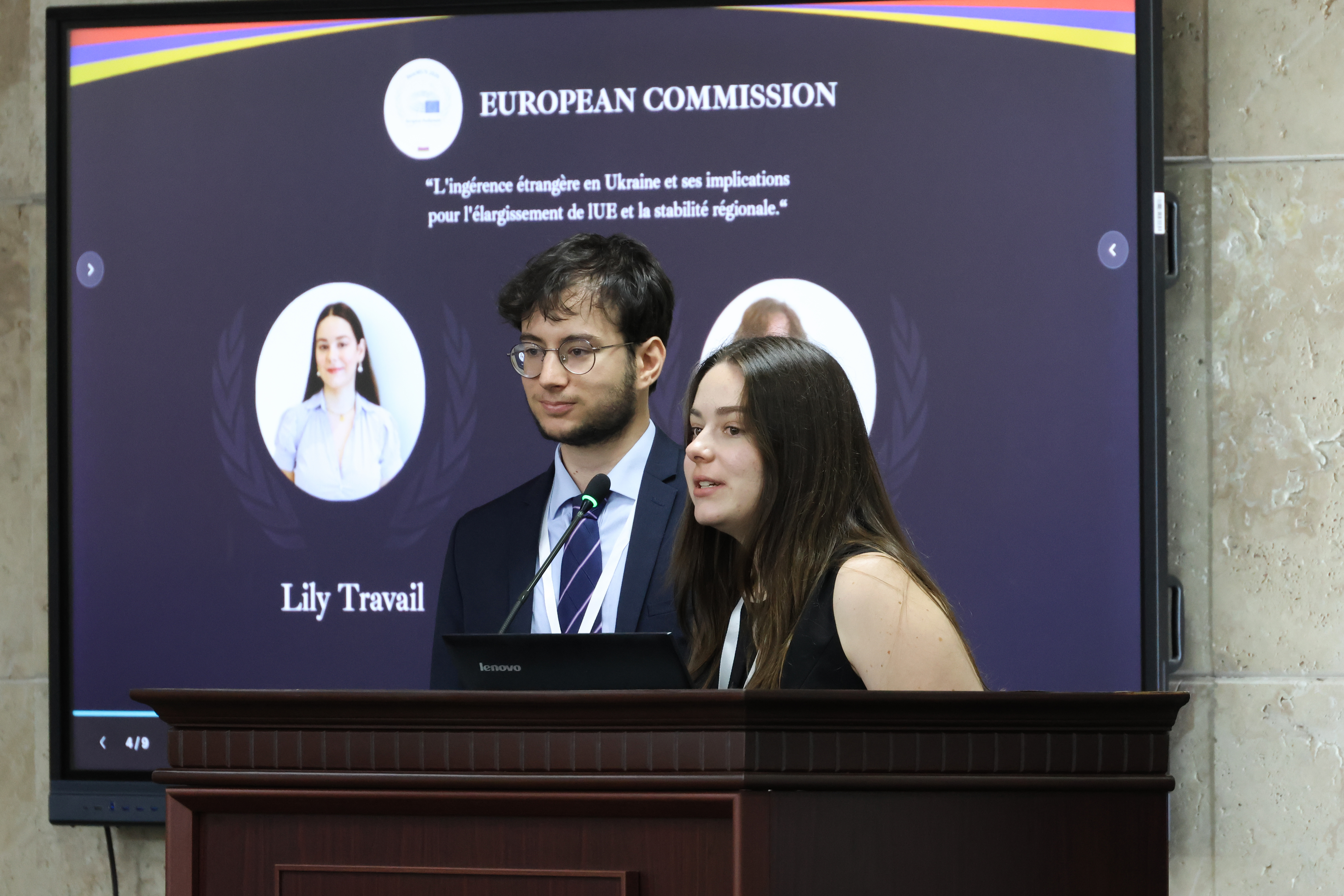
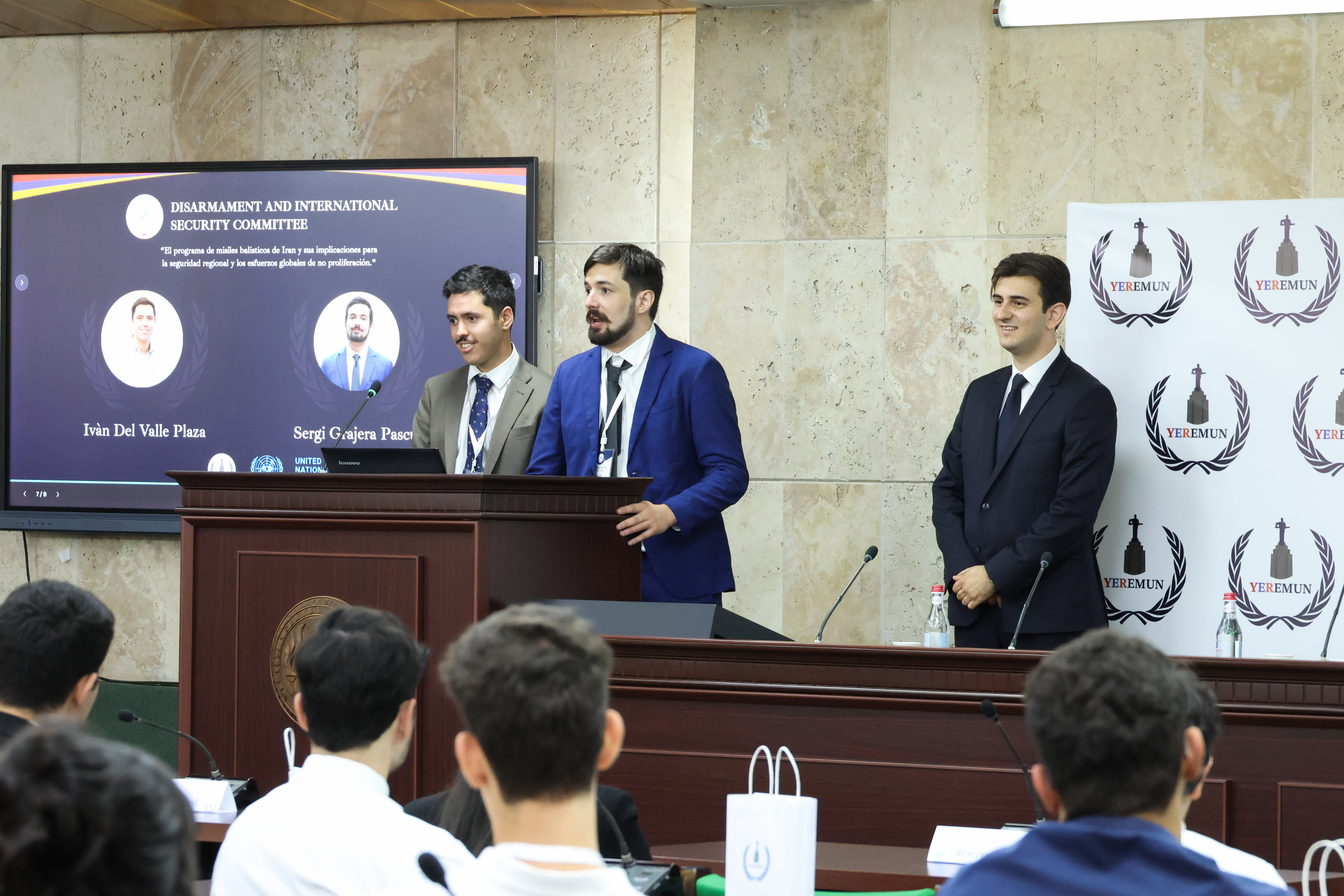
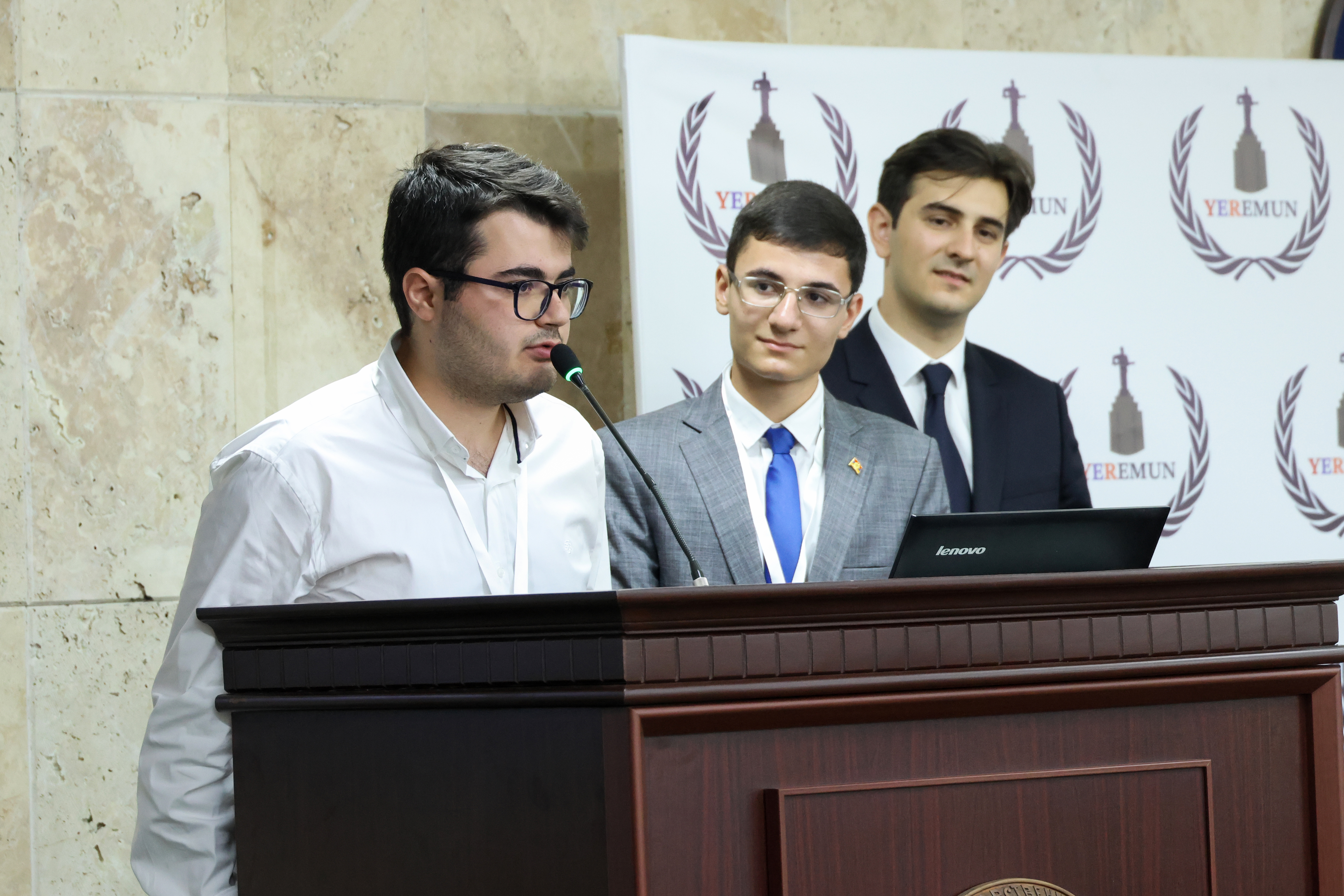
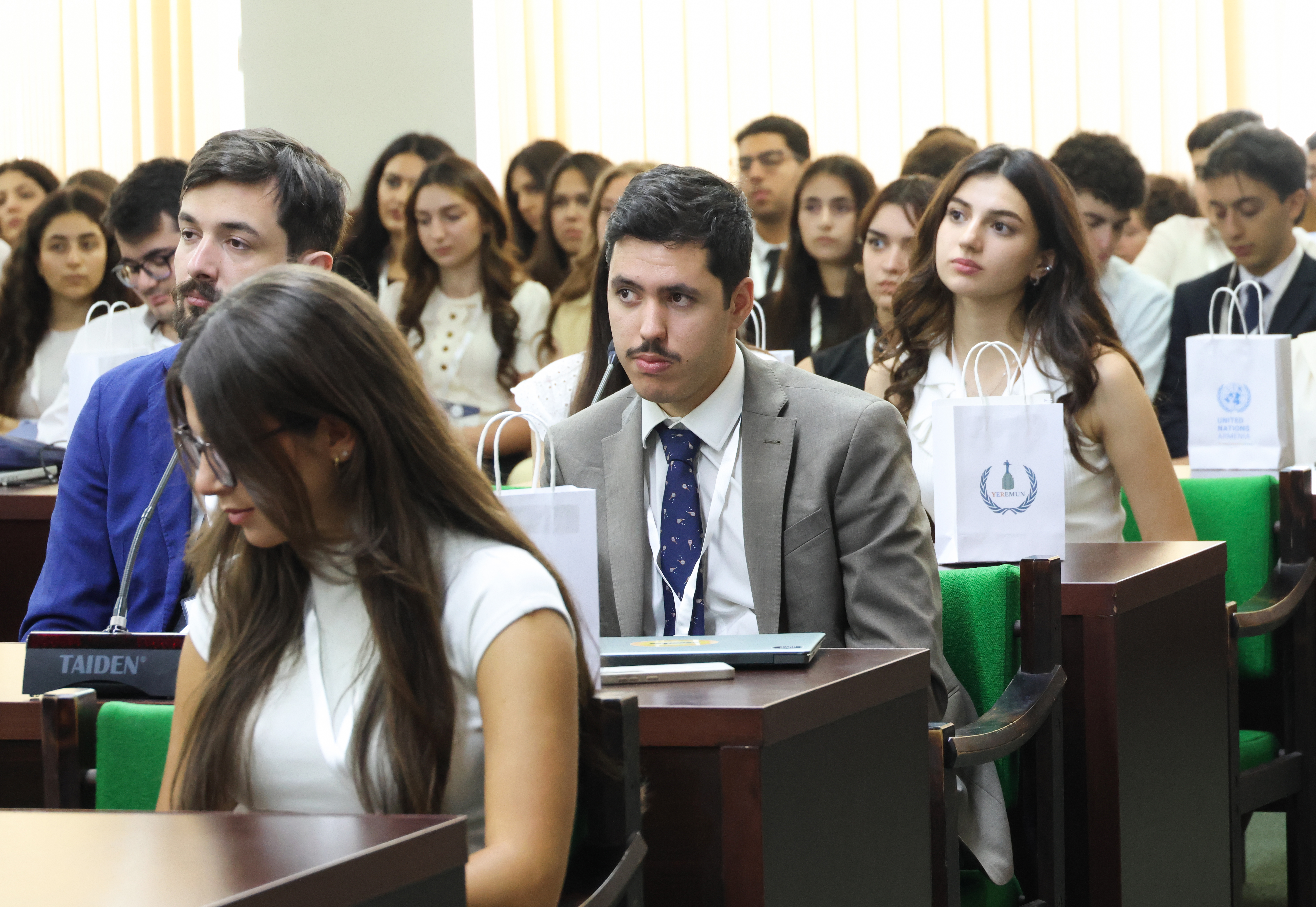
Held in a Model United Nations format, the conference gives young people the opportunity to act as delegates of different countries, present those countries' positions, take part in debates, conduct negotiations and discuss some of the most complex issues facing the modern world, from security and human rights to climate change, justice, cultural diversity and regional stability.
The main theme of YereMUN 2026 is language as a foundation for communication, mutual understanding, cooperation and peaceful dialogue.
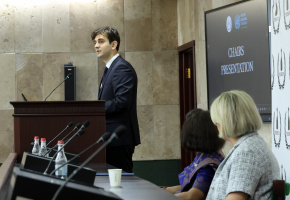
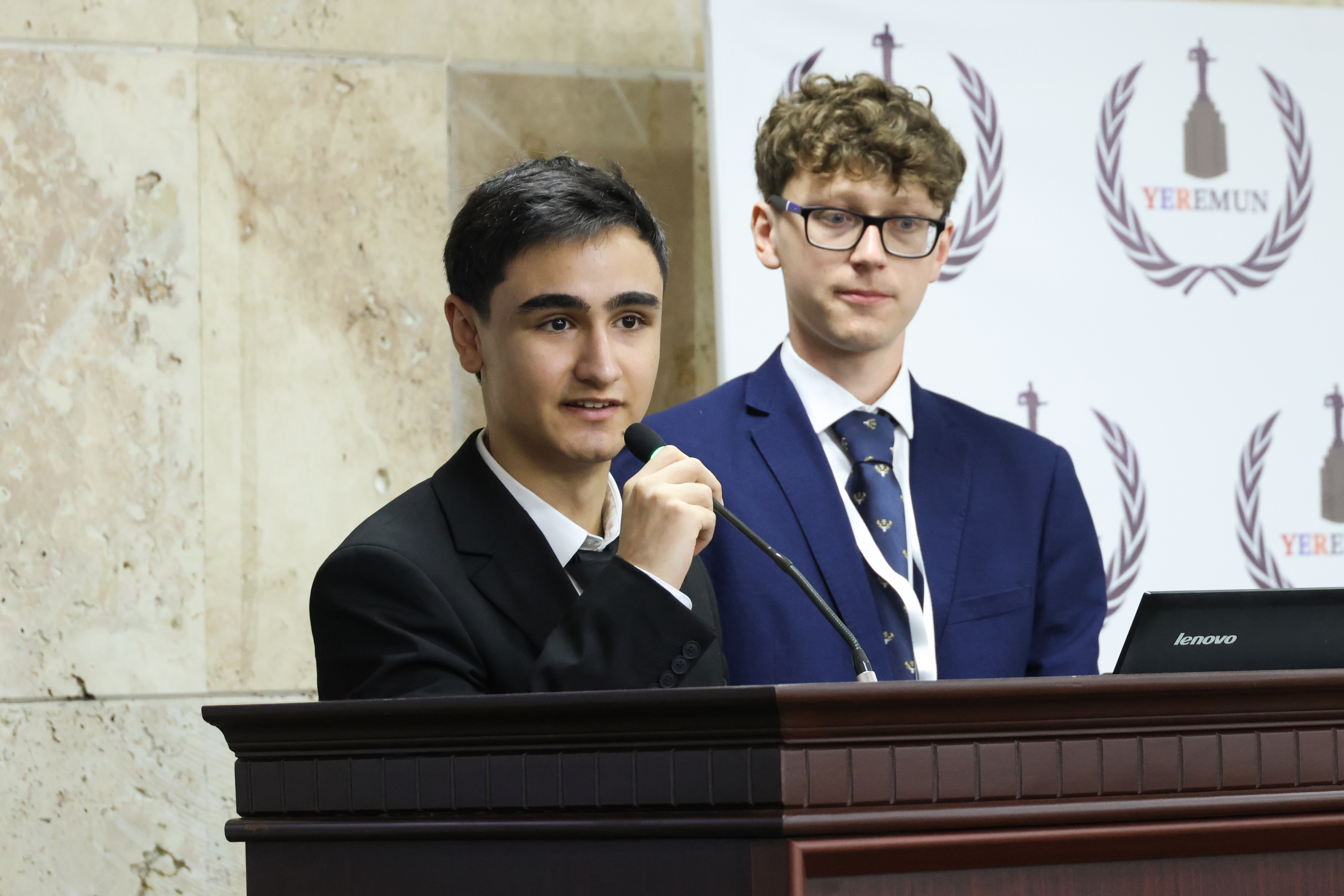
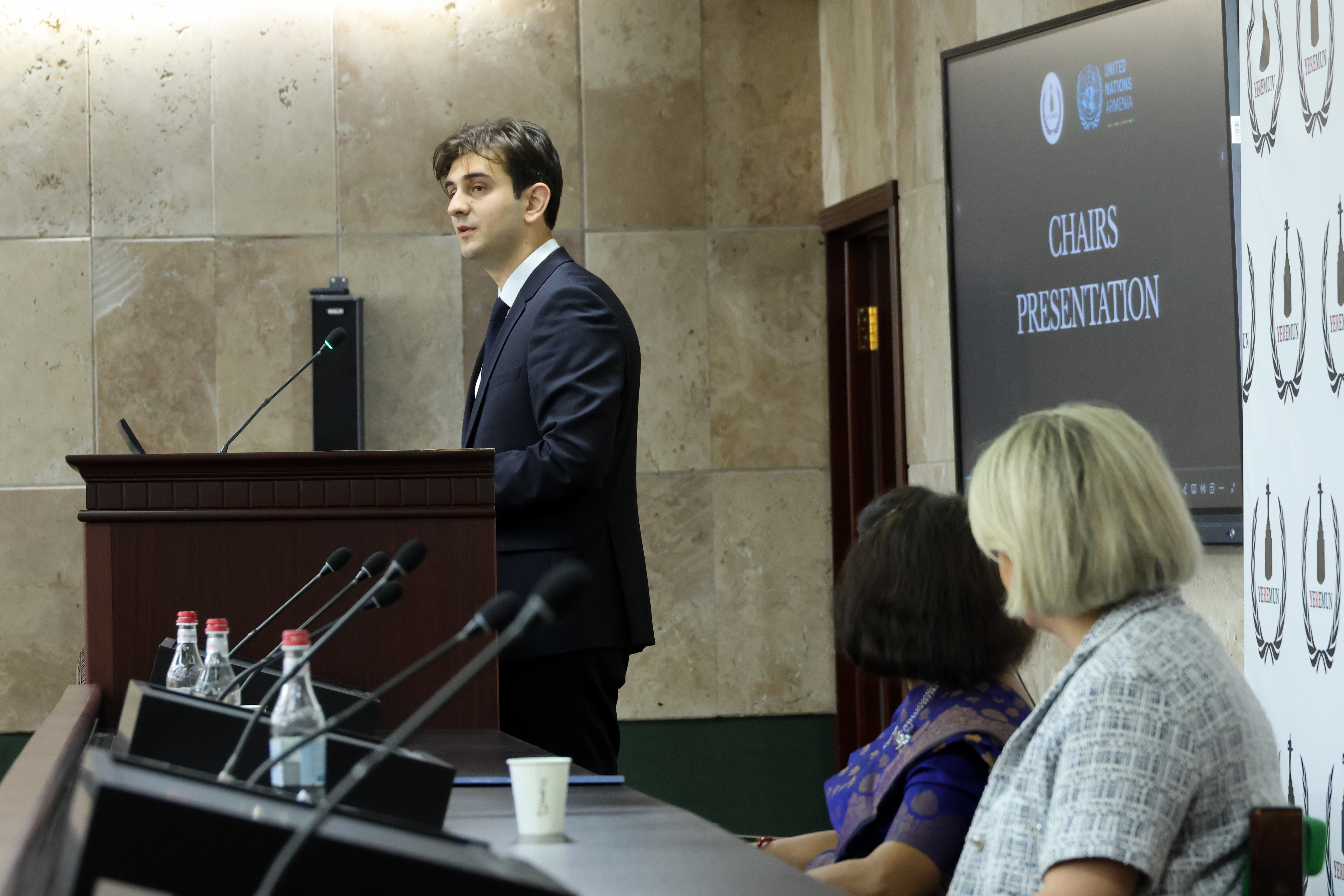
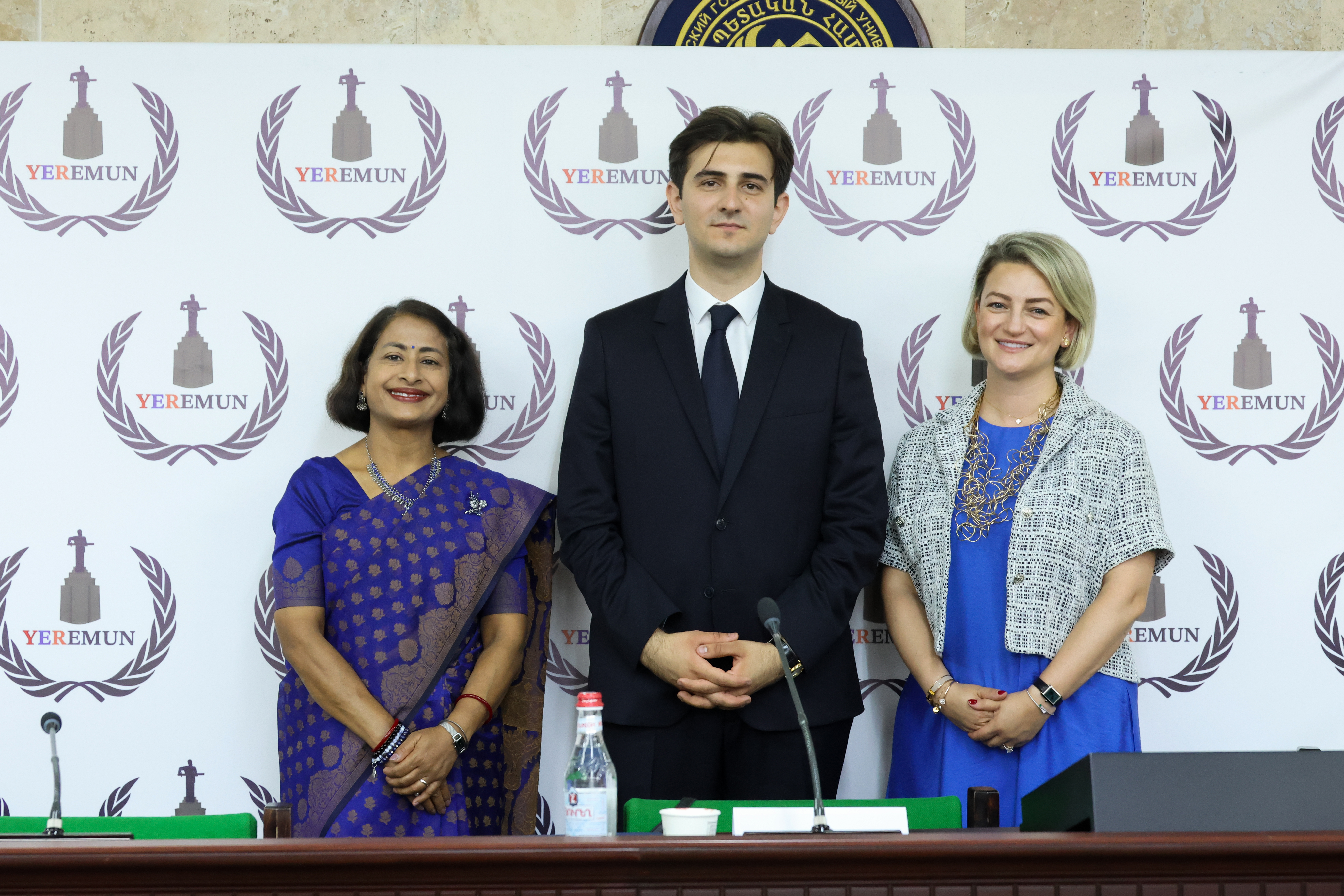
Presenting the central concept of this year's conference, Vruyr Hlghatyan, Founding President of the Yerevan Model United Nations 2026 conference and Head of YereMUN, said the theme of language had not been chosen by chance. He said discussions during the conference will be held in English, French, Russian, Spanish and Armenian, but the multilingual format is not merely a technical solution. It symbolizes an important reality: language is a bridge between people.
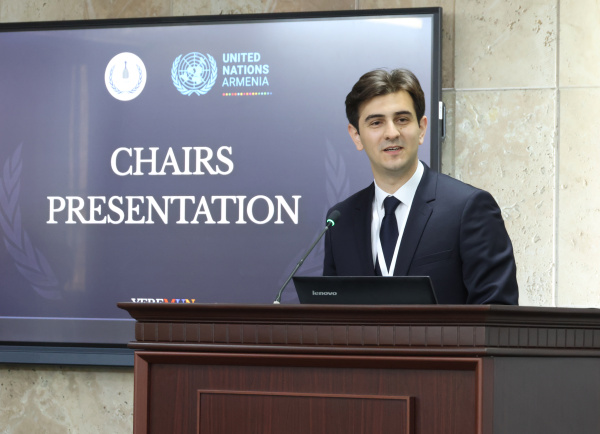
"Language is not only a means of communication. It makes it possible to understand one another, learn about other cultures, think differently and build trust. Today, when people around the world often speak not with one another but against one another, we want young people to learn to engage in dialogue and cooperate," he said.
According to Hlghatyan, one of YereMUN's main missions is for young people not only to become familiar with the structure of international relations, but also to learn to take responsibility by listening, understanding opposing views and showing respect. He said the discussions are not simply academic exercises, but a school of responsibility, where diplomacy begins with the ability to speak, listen and find compromise.
The YereMUN format is based on a simulation of the United Nations' work, but its agenda addresses real-world challenges. Conference participants are discussing issues related to wars, displacement, the climate crisis, disinformation, human rights, international trade, cultural dialogue and global inequality, seeking to identify well-founded and applicable solutions.
Emphasizing the role of education, Hlghatyan recalled the founding idea of the United Nations: states must continue to speak with one another even when they have disagreements. He said multilateral cooperation remains one of the effective ways to avoid conflicts, while YereMUN teaches young people a culture of dialogue.
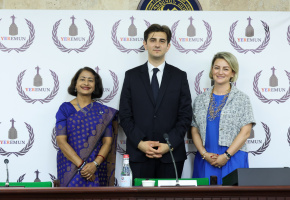
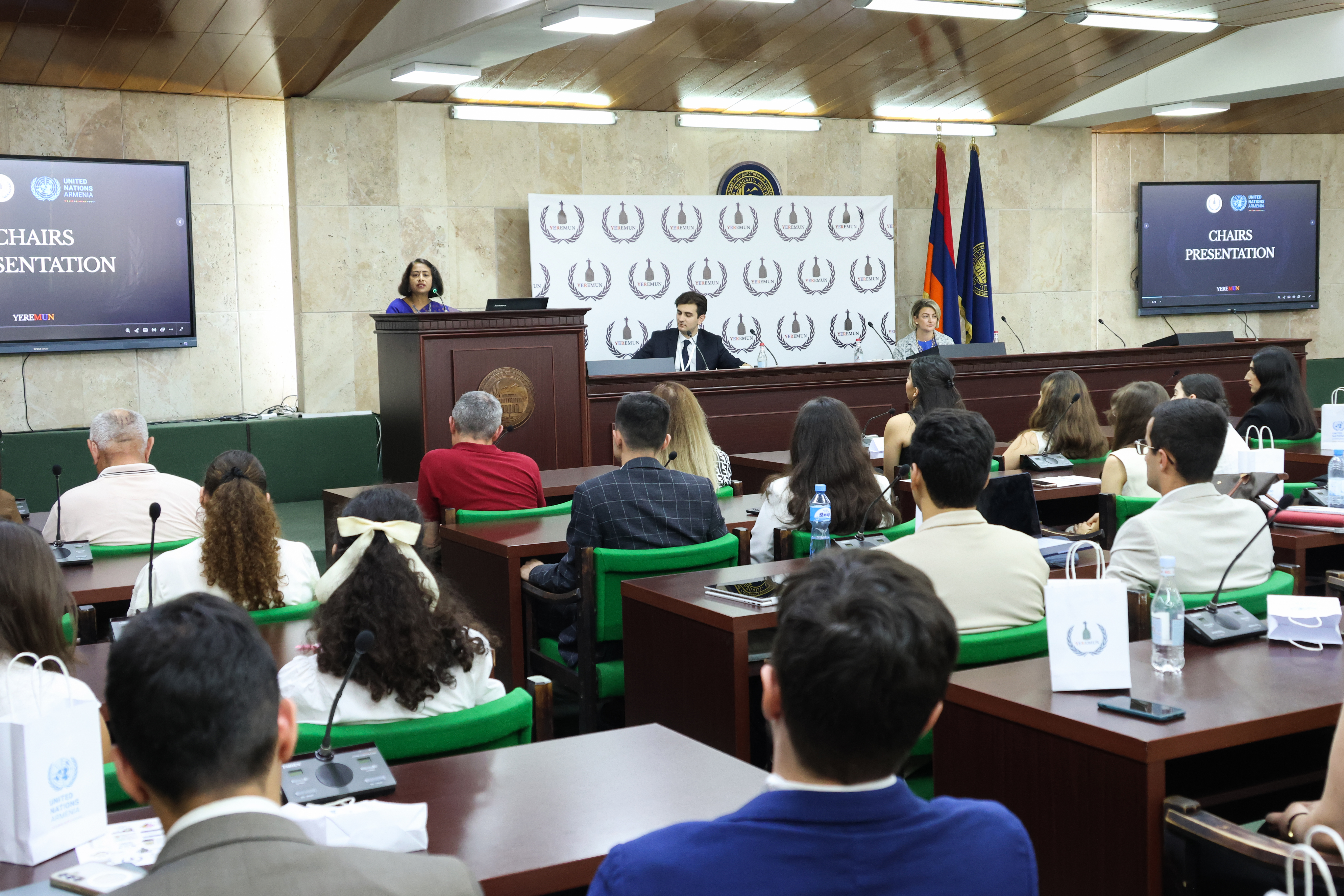
Nilakshi Saha Sinha, Ambassador Extraordinary and Plenipotentiary of India to Armenia, underscored the role of such platforms in developing young people's leadership and communication skills. She said she has followed YereMUN's development in recent years and is pleased to see how the number of participants and the initiative's international reach have grown.
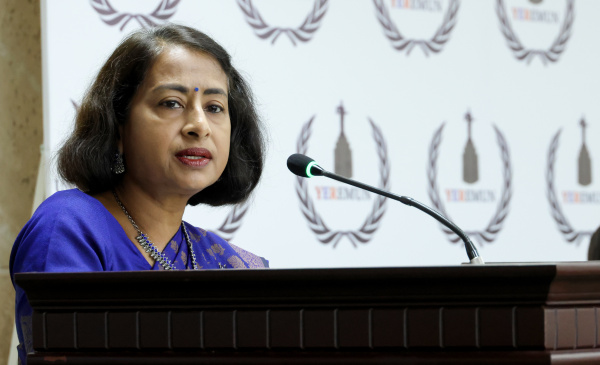
The ambassador particularly emphasized the conference's broad reach, noting that it brings together not only university students but also schoolchildren. She said it is at that early stage that a young person's mindset as an active citizen and responsible decision-maker is formed.
Sinha also addressed the issue of artificial intelligence, noting that it has become one of the most influential tools of our time, but must remain a tool and never replace independent human thinking, analysis and value-based judgment.
"Young people are not only the leaders of tomorrow, but also the leaders of today. They propose innovative solutions, defend human rights, support humanitarian initiatives and develop communities. It is young people who will bear the consequences of today's decisions, from climate change to artificial intelligence regulation, conflict resolution and international trade. If young people are not present in decision-making processes, their interests will not be represented," the ambassador said.
According to the ambassador, diplomacy is not limited to high-level negotiations. It begins in far more everyday, but no less important, areas: community engagement, cultural exchanges, peacebuilding, cooperation and the willingness to listen to one another.
Arevik Anapiosyan, Partnerships and Development Finance Advisor at the UN, described YereMUN as a testing ground for global citizenship, a space where young people learn not only to speak, but also to listen, think, compare and only then respond.
She said the modern world is becoming increasingly complex because of new technologies, artificial intelligence, ongoing conflicts and deepening social problems. The main tool for navigating this complex world is education; however, education should be understood in a broad sense as a continuous process of learning, analyzing and using knowledge in practice.
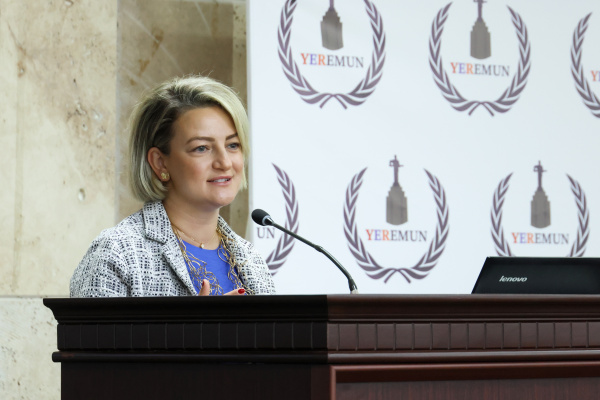
Anapiosyan also noted that around 1.2 billion young people live in the world today, but their voices are still not sufficiently represented in the rooms where decisions are made. At the same time, around 273 million children and young people still do not have access to education, a reality that places additional responsibility on young people with the opportunity to study and participate in public life.
"Indifference is never a solution. When we are indifferent to injustice, it deepens. When we are indifferent to hate speech, it becomes normal. When we ignore climate change, our future is put at risk. The opposite of indifference is engagement: dialogue, education, scientific research, peacebuilding and cooperation," she said.
She said one of YereMUN's values is that participants often represent the positions of different countries. This experience, however difficult it may be, teaches them to look beyond their own beliefs, respect other viewpoints and participate more responsibly in international dialogue.
The importance of YereMUN is best seen through the experience of its participants. Participant Mari Ghukasyan said her main purpose in taking part in such conferences is to gain new knowledge and experience, as well as to develop a broader worldview through communication with representatives of different countries and cultures.
Mari also noted that her participation in YereMUN last year was an important experience. She said that, in addition to the committees' work, the meetings and discussions held with experienced specialists during the conference had a significant impact on their development as future diplomats and young people interested in international relations.
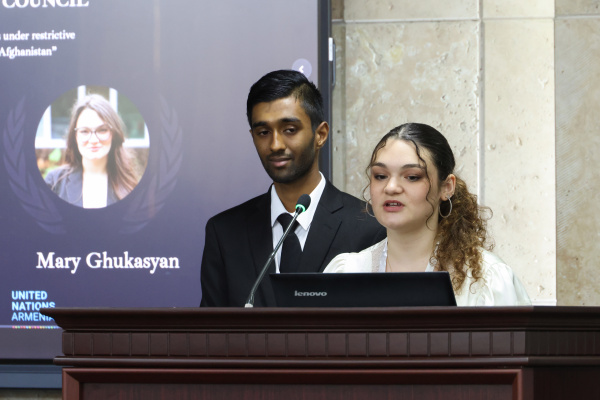
"This year, too, I expect the conference to create an opportunity to gain new knowledge, meet different people and better understand real international processes," she said.
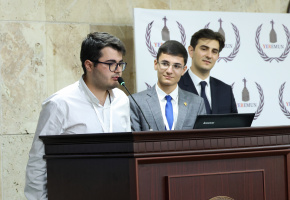
Participant Dan Khan, who this year serves as chair of the UN Human Rights Council committee, highlighted another important aspect of the conference: the creation of a supportive and safe environment, especially for beginner delegates.
"My goal is to support beginner delegates in particular in developing their diplomatic skills. As chairs of the UN Human Rights Council committee, we help participants better understand international relations, develop analytical thinking and learn to propose realistic and effective solutions," he said.
Dan Khan said such conferences should be open and supportive environments for all participants, where everyone can freely express their opinion without hesitation, pressure or restrictions on self-expression.
Specializing in biomedical sciences, he said the conference helps him better understand issues related to health care, human rights and global cooperation.
He also emphasized that YereMUN is an important step for his future career, as he wants to engage in politics and diplomacy while maintaining a broad international outlook. He said such platforms develop diplomatic thinking, teach participants to understand international processes, and encourage them to listen to different viewpoints.
YereMUN 2026 will conclude on July 10, bringing young people together over these days for discussions, negotiations and exchanges of experience around the international agenda.