December 10, 2025 | 14:43
Science
International cooperation
Competitions
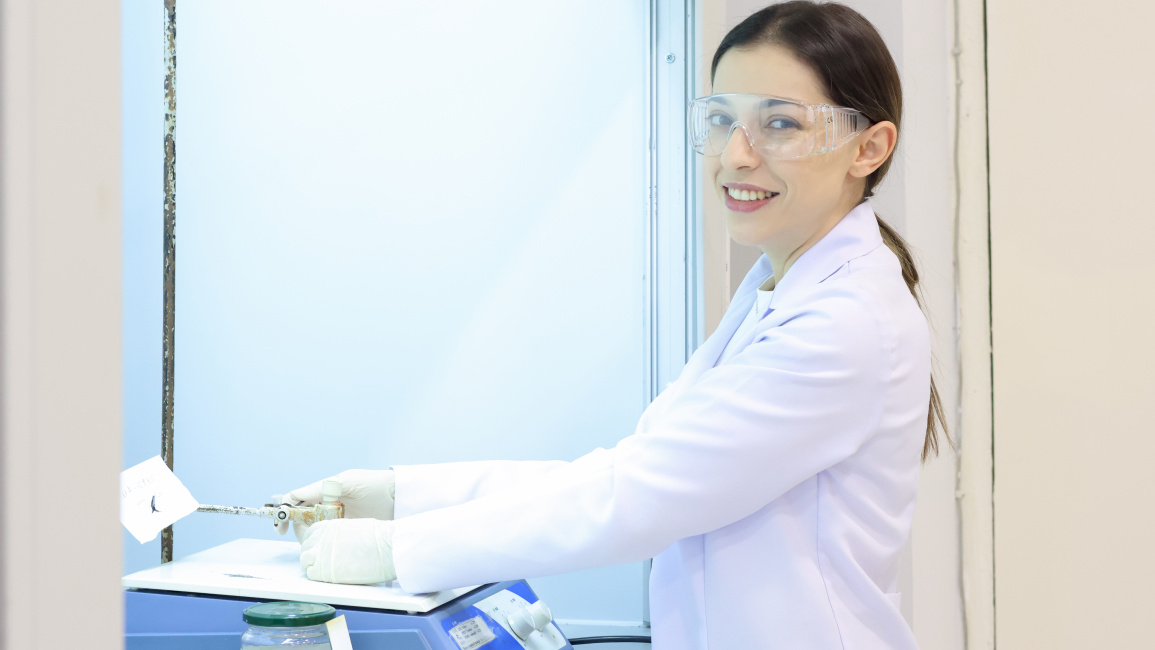
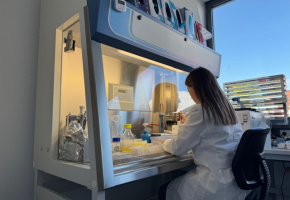
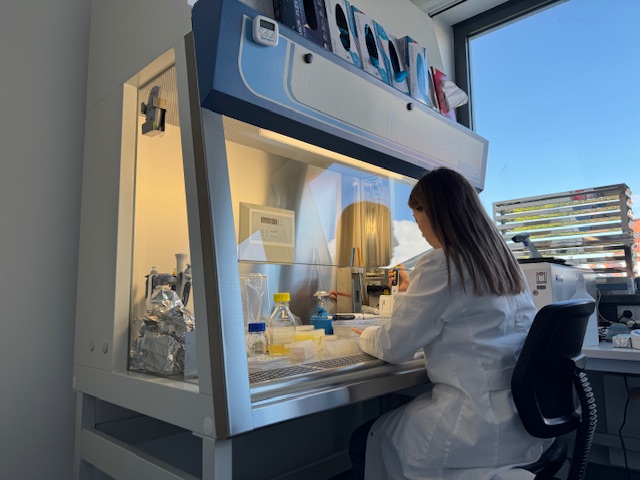
At the University of Greifswald's Institute of Pharmacy, Emma Khachatryan conducted research on the antimicrobial activity of lichens and mosses collected from various provinces of Armenia, as well as several essential oils.
– Emma, who supported you during your research at the University of Greifswald's Institute of Pharmacy? How many hours a day did you spend in the laboratory? What equipment did you use, and were the results you obtained accurate?
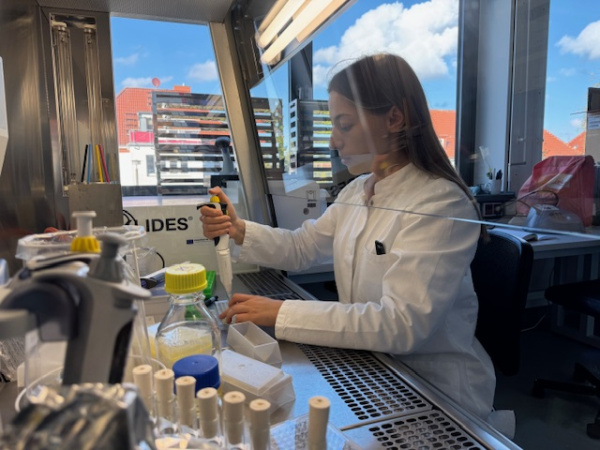
– I worked under the direct supervision of experienced scientist and postdoctoral researcher Dr. David Buschmann, who supported me in all aspects of the project and guided me through each stage of the research. The results were also discussed with Professor Sebastian Günther, Scientific Supervisor of the group working in the Pharmaceutical Biology Laboratory, and during the monthly seminars. Throughout the training, I remained in contact with my colleagues and supervisors in Armenia.
The workload was quite intensive—I spent 8 to 10 hours a day in the laboratory. I worked with state-of-the-art equipment and methods, which ensured high precision and reproducibility.
– Where were you staying, and how close was it to the institute? From which countries were the people you got acquainted with? Did you encounter any unique experiences during your stay?
– I lived in the university dormitory, which was located only a 15-minute walk from the institute. I engaged with local Germans and explored their culture, while also forming friendships with those from various parts of the world, such as Mexico, Vietnam, Bolivia, Ethiopia, Poland, Yemen, and Nigeria. Together, we exchanged academic insights and shared diverse cultural perspectives.
A particularly memorable experience was visiting local attractions with Dr. Buschmann and his family. During those outings, we noted interesting cultural similarities between Armenians and Germans, particularly a strong commitment to family. At the same time, we observed noticeable differences—most strikingly, the exceptional punctuality of Germans. These cultural contrasts were both informative and, at times, amusing.
– You mentioned meeting people from various countries. Did you also present Armenian culture and scientific developments to them?
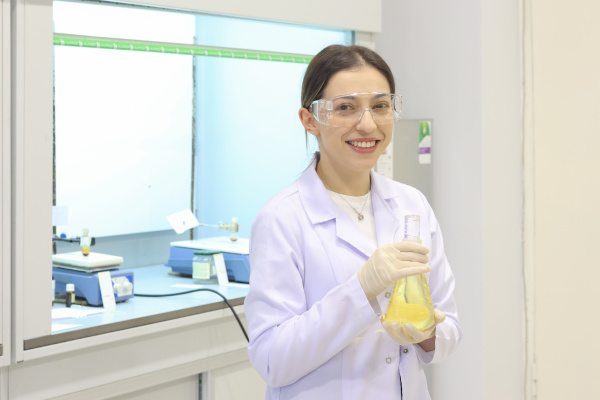
– During our breaks, we discussed our countries' histories, traditions, and national cuisines. Many expressed a desire to visit Armenia, particularly to see Lake Sevan, which greatly impressed them due to its elevation and freshwater.
I also presented the YSU Institute of Pharmacy's recent scientific achievements, which have been made possible thanks to the improved material resources—including modern equipment—and the consistent work of skilled specialists.
– You will soon begin another training at Charles University in Hradec Králové, awarded to you through the "Professional Training–2025" competition announced by the RA MoESCS Higher Education and Science Committee. What is the focus of your funded project?
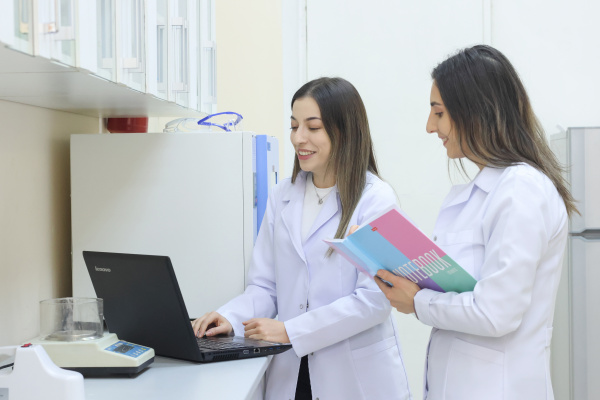
– The project is titled "Development of New Compounds with Potential Antimicrobial and Antitubercular Activity". The synthesis of new biologically and pharmacologically active compounds is one of the major challenges in modern pharmaceutical chemistry. Progress in this field relies on employing diverse synthetic strategies and continuously improving them, as such knowledge is fundamental for drug discovery and development.
The project aims to design, synthesize, and biologically evaluate new heterocyclic derivatives with potential antimicrobial and antitubercular activity. The study will incorporate advanced methods in pharmaceutical chemistry and biological screening to explore structure–activity relationships and identify new potential therapeutic compounds. Another objective is to establish the basis for long-term Armenian-Czech scientific cooperation. The training will take place from February to June 2026.