Home
envelope
ՀայերենРусскийEnglish

Main Navigation (Eng)

  • Admission
    • Undergraduate admission
    • Master’s degree admission
    • Postgraduate admission
    • Foreign Students
    • Preparatory courses
    • Work Carried out with Applicants
    • YSU STEM High School
  • Education
    • Guide Book for First Year Students
    • Educational programs
    • Granting qualification of a pedagogue
    • Center for Academic Writing
    • Continuing education
    • Academic Calendar
  • Science
    • Open science
    • Conferences
    • Library
    • Grants
    • Publishing House
    • Doctoral Thesis Defence Councils
    • HRS4R
  • News and events
    • Events
    • Activities
    • News
    • Newsletter
    • Announcement
    • Photo gallery
    • Video gallery

Secondary Navigation (Eng)

  • About YSU
    • YSU Management
    • YSU Symbols
    • YSU International Cooperation
    • Quality assurance
    • YSU History Museum
    • Vacancies
    • FAQ
  • Structure
    • YSU Faculties and Educational Centers
      • Faculty of Geography and Geology
      • Faculty of Theology
      • Faculty of Oriental Studies
      • Faculty of European Languages and Communication
      • Faculty of Journalism
      • Faculty of Informatics and Applied Mathematics
      • Faculty of Law
      • Faculty of Biology
      • Faculty of Armenian Philology
      • Faculty of International Relations
      • Faculty of History
      • Institute of Physics
      • Faculty of Russian Philology
      • Faculty of Sociology
      • Faculty of Economics and Management
      • Faculty of Philosophy and Psychology
      • Faculty of Chemistry
      • Faculty of Mathematics and Mechanics
      • Pedagogy and Education Development Center
      • Center for European Studies
      • Institute of Pharmacy
      • Information Technologies Educational and Research Center
      • Chair of Civil Defense
      • Chair of Physical Education and Sports
    • Column Wrapper
      • YSU STEM High School
      • YSU Ijevan Branch
    • Scientific Centers and Laboratories
      • American Studies Center
      • Psychology Research Center
      • Research Laboratory of Applied Sociology
      • Center for Mathematical and Applied Research
      • Institute for Armenian Studies
      • Institute for Social and Humanitarian Studies
      • Research Center for Chemistry
      • Research Institute of Biology
      • Research Institute of Physics
      • Research Center for the Institute of Pharmacy
    • Scientific and Educational Centers
      • Observatory
      • Scientific and Educational Center for Control and Monitoring of the Quality of Medicines
      • Specialized cabinet-laboratory for the Design of Very Large Integrated Circuits (Synopsis)
      • Legal Clinic
      • Center for Applied Psychology
      • Research Center-Library of Greek Studies
      • Innovation Center for Microbial Biotechnology and Biofuels
      • Russian Center
      • Center for Russian Studies
      • Distance Learning Laboratory of Sociology
    • Column Wrapper
      • Banner
    • Administrative Divisions of YSU
      • Academic Secretary
      • Center for Doctoral Education
      • General Division
      • YSU History Museum
      • Department of Energy System Operation
      • Financial Analysis Department
      • Human Resources Department
      • Center for Admissions and Affairs with Applicants
      • Vehicle Fleet
      • Business Incubator
      • Byurakan Industrial Practice Base
      • Medical Center
      • Science Policy Department
      • Procurement Planning Department
      • Dilijan Sports and Health Center
      • YSU Archive
      • Publishing House
      • Legal Service
      • Marketing Department
      • International Cooperation Office
      • Tsaghkadzor training and production base
      • Cultural Center
      • Fire Safety Service
      • Alumni and Career Center
      • Hankavan Industrial Practice Base
      • Accounting Department
      • Center for Quality Assurance
      • Department for Special Affairs
      • Guest House
      • Student Dormitory
      • Educational-Methodological Department
      • Marie and Sarkis Izmirlian Library
      • Center for Strategic Planning
      • Rectorate
      • Rector's Office
      • Department of Territory Improvement and Landscape Design
      • Information Technology Department
      • Department of Organization and Control of Economic Activities
  • Structure
  • Alumni and Career
    • Alumni Community
    • Career Center
    • Friends of YSU
  • Student life
    • YSU Student Scientific Society
    • YSU Student Council
    • Art and Culture
ՀայերենРусскийEnglish
envelope

Main Navigation (Eng)

  • Admission
    • Undergraduate admission
    • Master’s degree admission
    • Postgraduate admission
    • Foreign Students
    • Preparatory courses
    • Work Carried out with Applicants
    • YSU STEM High School
  • Education
    • Guide Book for First Year Students
    • Educational programs
    • Granting qualification of a pedagogue
    • Center for Academic Writing
    • Continuing education
    • Academic Calendar
  • Science
    • Open science
    • Conferences
    • Library
    • Grants
    • Publishing House
    • Doctoral Thesis Defence Councils
    • HRS4R
  • News and events
    • Events
    • Activities
    • News
    • Newsletter
    • Announcement
    • Photo gallery
    • Video gallery

Secondary Navigation (Eng)

  • About YSU
    • YSU Management
    • YSU Symbols
    • YSU International Cooperation
    • Quality assurance
    • YSU History Museum
    • Vacancies
    • FAQ
  • Structure
    • YSU Faculties and Educational Centers
      • Faculty of Geography and Geology
      • Faculty of Theology
      • Faculty of Oriental Studies
      • Faculty of European Languages and Communication
      • Faculty of Journalism
      • Faculty of Informatics and Applied Mathematics
      • Faculty of Law
      • Faculty of Biology
      • Faculty of Armenian Philology
      • Faculty of International Relations
      • Faculty of History
      • Institute of Physics
      • Faculty of Russian Philology
      • Faculty of Sociology
      • Faculty of Economics and Management
      • Faculty of Philosophy and Psychology
      • Faculty of Chemistry
      • Faculty of Mathematics and Mechanics
      • Pedagogy and Education Development Center
      • Center for European Studies
      • Institute of Pharmacy
      • Information Technologies Educational and Research Center
      • Chair of Civil Defense
      • Chair of Physical Education and Sports
    • Column Wrapper
      • YSU STEM High School
      • YSU Ijevan Branch
    • Scientific Centers and Laboratories
      • American Studies Center
      • Psychology Research Center
      • Research Laboratory of Applied Sociology
      • Center for Mathematical and Applied Research
      • Institute for Armenian Studies
      • Institute for Social and Humanitarian Studies
      • Research Center for Chemistry
      • Research Institute of Biology
      • Research Institute of Physics
      • Research Center for the Institute of Pharmacy
    • Scientific and Educational Centers
      • Observatory
      • Scientific and Educational Center for Control and Monitoring of the Quality of Medicines
      • Specialized cabinet-laboratory for the Design of Very Large Integrated Circuits (Synopsis)
      • Legal Clinic
      • Center for Applied Psychology
      • Research Center-Library of Greek Studies
      • Innovation Center for Microbial Biotechnology and Biofuels
      • Russian Center
      • Center for Russian Studies
      • Distance Learning Laboratory of Sociology
    • Column Wrapper
      • Banner
    • Administrative Divisions of YSU
      • Academic Secretary
      • Center for Doctoral Education
      • General Division
      • YSU History Museum
      • Department of Energy System Operation
      • Financial Analysis Department
      • Human Resources Department
      • Center for Admissions and Affairs with Applicants
      • Vehicle Fleet
      • Business Incubator
      • Byurakan Industrial Practice Base
      • Medical Center
      • Science Policy Department
      • Procurement Planning Department
      • Dilijan Sports and Health Center
      • YSU Archive
      • Publishing House
      • Legal Service
      • Marketing Department
      • International Cooperation Office
      • Tsaghkadzor training and production base
      • Cultural Center
      • Fire Safety Service
      • Alumni and Career Center
      • Hankavan Industrial Practice Base
      • Accounting Department
      • Center for Quality Assurance
      • Department for Special Affairs
      • Guest House
      • Student Dormitory
      • Educational-Methodological Department
      • Marie and Sarkis Izmirlian Library
      • Center for Strategic Planning
      • Rectorate
      • Rector's Office
      • Department of Territory Improvement and Landscape Design
      • Information Technology Department
      • Department of Organization and Control of Economic Activities
  • Structure
  • Alumni and Career
    • Alumni Community
    • Career Center
    • Friends of YSU
  • Student life
    • YSU Student Scientific Society
    • YSU Student Council
    • Art and Culture
  1. Main
  2. Node
  3. Ամանորի տոնածիսական ավանդույթները հայոց մշակույթում
December 30, 2025 | 12:00
Հասարակություն
Մշակույթ

Ամանորի տոնածիսական ավանդույթները հայոց մշակույթում

Հայոց մշակույթում Ամանորն ունի բազմադարյա պատմություն և առանձնանում է նախաքրիստոնեական ու քրիստոնեական շերտերի համադրմամբ։ Նոր տարին նշելու սովորույթը հայտնի է դեռևս մ.թ.ա. III հազարամյակից, իսկ հայոց մեջ այն տարբեր ժամանակաշրջաններում նշվել է տարվա տարբեր եղանակներին՝ պայմանավորված տոմարական փոփոխություններով։

«Ինքնությունն է որոշում ազգի տեսակը։ Երանի՜ նրան, ով կապրի՝ իր ազգի արմատները պահպանելով»։

Լուսիկ Ագուլեցի

Ամանորի տոմարական պատմությունը

Տոմարական փոփոխություններով պայմանավորված՝ հայոց մեջ Տարեմուտը նշվել է տարվա տարբեր եղանակներին՝ գարնանը, ամռանը, աշնանը, իսկ Հուլյան տոմարի ներմուծումից հետո՝ ձմռանը։ Նախաքրիստոնեական շրջանում հայոց մեջ տարվա սկիզբը համարվել է մարտի 21-ը՝ գարնանային գիշերահավասարի օրը։ Ավելի ուշ հայերն ունեցել են Նավասարդը (բառացի՝ «նոր տարի»), որը նշվել է օգոստոսի 11-ին։

1758 թվականին Սիմեոն Երևանցի կաթողիկոսի ընդունած կոնդակով նոր տարվա սկիզբ է համարվել հունվարի 6-ը՝ Սուրբ Ծննդյան օրը։ 1923 թվականից Հայաստանյայց Առաքելական եկեղեցին նոր տարվա սկիզբ է ընդունում հունվարի 1-ը, իսկ հունվարի 6-ը նշվում է բացառապես որպես Սուրբ Ծնունդ։
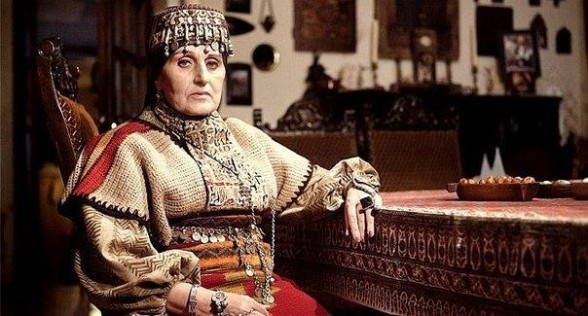
Ազգագրագետ, նկարչուհի Լուսիկ Ագուլեցու դիտարկմամբ՝ տոնը միաժամանակ ունի և՛ նախաքրիստոնեական, և՛ քրիստոնեական արմատներ։ Հայկական շատ տոներ մինչ օրս ընկալվում են այդ երկակիության մեջ․ օրինակ՝ հաճախ ասում ենք ոչ թե միայն «Ամանոր», այլ «Ամանոր և Սուրբ Ծնունդ», ինչպես նաև «Սուրբ Հարություն և Զատիկ»։

Ամանորը հայոց դիցաբանության մեջ

Ըստ մեր դիցաբանության և Ագաթանգեղոսի վկայության՝ Ամանորը եղել է կին, որին սիրահարվում է Վանատուրը: Տիեզերքի պտուղը՝ որպես սիրո առաջին խոստովանության նշան, նա նվիրում է Վանատուրին: Նրանց միությունից էլ առաջանում է բերքատվության, ընտանիքի, ինչպես նաև հյուրասիրության գաղափարը: 

«Քո եղածից պետք է տաս Աստծուն և մարդկանց, որոնք դրա կարիքն ունեն»։

Լուսիկ Ագուլեցի

Ամանորյա ծեսերն ու ավանդական սեղանը

Հնում Ամանորի պատրաստությունները սկսվել են տարվա ընթացքում։ Կանայք ամբարել են այգու բերքն ու բարիքը՝ նախատեսելով դրանք տոնական սեղանի համար։ Ամանորի խորհրդանիշ ծիսական ծառը նախկինում (հատկապես Արևմտյան Հայաստանում) հայերս այսպես ենք ձևավորել. գաթայի վրա ձիթենու ճյուղեր են տնկվել, վրան՝ չրեղեն, ընկույզ, նուշ, պնդուկ, խնձոր: Այնուհետև ծառը տարվել է եկեղեցի՝ օրհնվելու։ Տան անդամները իրենց մազից կապել են ճյուղերին՝ ի նշան երկարակեցության։

Քանի որ Ամանորը հաճախ համընկել է Պահքի շրջանին, տոնական սեղանին մատուցվել են հիմնականում բուսական յուղով պատրաստված ուտեստներ՝ ձավարով ճաշ, պասուց տոլմա, լոբի և այլ կերակրատեսակներ։ Կարևոր է համարվել նաև պաշարի ճիշտ բաշխումը ընտանիքի անդամներին, երեխաներին և կարիքավորներին։ Ամանորը նաև բարության, առատության և առաջիկա տարվա բերքուբարիքի օրհնության խորհրդանիշ էր։ 

Տոնական օրերին փոխադարձ այցելությունները նպաստել են բարեկամական և ազգակցական կապերի ամրապնդմանը։ Նվերների փոխանակումը հատկապես ուրախություն է պատճառել երեխաներին՝ Ամանորը դարձնելով մանկության ամենասպասված տոներից մեկը։

Կաղանդ պապիկը և նվերների ավանդույթը

Նոր տարվա ամենասիրված և սպասված կերպարը Ձմեռ պապն է, որին հայոց մեջ համապատասխանել է Կաղանդ պապիկը (Մեծ պապուկ)՝ բարեբեր, բարի կամեցող, բարին սիրող և բարիք բաժանող մարդու կերպարը: Ձմեռ պապիկի, Կաղանդ պապիկի և մնացյալ բոլոր պապիկների ստեղծման գաղափարն այն է, որ տարիքով մարդն իր կյանքի փորձը, բարությունն ու կամեցողությունը փոխանցում է երեխաներին:

Կաղանդ բառը ծագում է լատիներեն «calenda» («ամսագլուխ») բառից և նշանակում է՝ 1. նոր տարի (արևմտահայերեն), 2. ամսվա սկիզբ, ամսագլուխ, ամսամուտ, 3. մեղրով և բոված ընկույզով պատրաստվող քաղցրավենիք։

Եղևնին՝ Ամանորի և Սուրբ Ծննդյան խորհրդանիշ

Տարբեր ազգերի մշակույթներում Նոր տարին ունի տոնածիսական բազմազան բաղադրիչներ, սակայն ամենատարածված խորհրդանիշը եղևնին է։ Այն խորհրդանշում է երկարակեցություն, անմահություն, հավերժ երիտասարդություն և ուժ։ Մարդիկ հավատացել են, որ եղևնին բերում է բարություն և ապաքինում, իսկ նրա ճյուղերին կախված նվերները ծառին «բարիացնելու» խորհուրդ են ունեցել։ Չնայած՝ մի շարք ազգեր հավատում են նաև, որ եղևնու ճյուղերում ոգիներ են ապրում, որոնք ուղարկում են փոթորիկ, ցուրտ ու բուք։  

Եղևնի զարդարելու ավանդույթը սկիզբ է առել VIII դ․ Գերմանիայում, ինչը, սակայն, ժամանակի հորձանուտում մոռացվել է: Տոներին եղևնի զարդարելու սովորույթը վերսկսեց 1830 թվականից, երբ Ռուսաստանի կայսեր՝ Նիկոլայ Առաջինի հրամանով Սուրբ Ծնունդին ամենուրեք եղևնիներ դրվեցին: Հետագայում սուրբծննդյան տոները Խորհրդային միությունում փոխարինվեցին ամանորյա տոներով։

Քրիստոնյա աշխարհի համար դառնալով սուրբծննդյան տոների և Ամանորի խորհրդանիշ՝ մահմեդական որոշ երկրներում այն արգելված է, շատերում չի խրախուսվում, մինչդեռ մահմեդական որոշ երկրներում էլ այն դրվում է՝ ի նշան տեղի քրիստոնյաների նկատմամբ հարգանքի։ 

Տոնածառի առաջին ապակե խաղալիքը պատրաստվել է 16-րդ դարում, առաջին արհեստական եղևնիները ստեղծվել են 19-րդ դարում։ Դրանք լուսավորվել են 1906 թվականից։ 
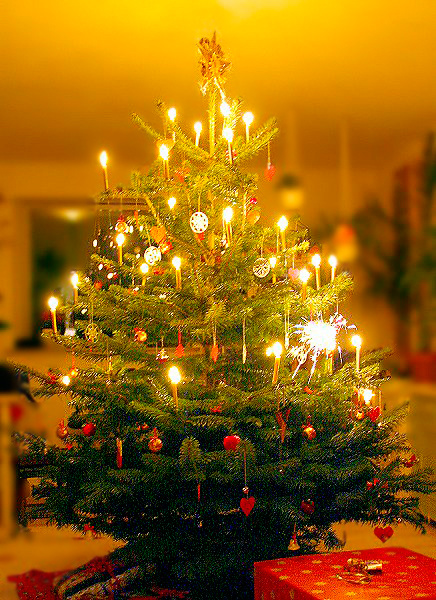

Եղևնին

Գարուն է բերել այս ձմռան օրով,

Եվ տուն է մտել կանաչ շորերով.

Ե՞րբ է նա այսպես զուգվել, զարդարվել

Եվ մարդկանց այսքան հրճվանք պատճառել,

Ե՞րբ է նա եղել այսքան երջանիկ

Ու ե՞րբ է տեսել այսքան խաղալիք:

ՀԱՄՈ ՍԱՀՅԱՆ


Նոր տարվա ավանդույթներից

Նոր տարվա նախորդ երեկոյան կամ գիշերը երեխաներն այցելում էին տները, երգերի և խաղիկների միջոցով Նոր տարին շնորհավորում և որպես փոխհատուցում նվերներ ստանում: Նրանք, շնորհավորական բարեմաղթանքներ հղելով, երդիկներից և բուխարիներից տոպրակ, կողով, գուլպա էին կախում, որոնց մեջ տանտիրուհիները նվերներ էին դնում (չիր, չամիչ, գաթա և այլն): Երբեմն երդիկից իջեցրած կողովի մեջ կատակով կոշիկ կամ կատու էին դնում, ինչը զվարճալի էր դարձնում տոնական մթնոլորտը: Ամանորյա այս ծեսը հայտնի էր Կախու, Կախուկ, Գոտեկախ անուններով (Սամվել Մկրտչյան, «Հայոց տոնածիսական մշակույթ»)։


Սաթենիկ Բադալյան
ShareFacebookTelegram

Latest News

Ամանորի տոնածիսական ավանդույթները հայոց մշակույթում

30.12.2025

Meeting of YSU Board of Trustees held

26.12.2025

Professor Anahit Balabekyan awarded YSU Gold Medal

25.12.2025
Show All

Announcement

ԵՊՀ ԱՍՏՎԱԾԱԲԱՆՈՒԹՅԱՆ ՖԱԿՈՒԼՏԵՏԻ ԴԵԿԱՆԻ ԹԱՓՈՒՐ ՊԱՇՏՈՆԻ ՀԱՄԱԼՐՄԱՆ ՀԱՄԱՐ ԴԻՄՈՒՄ ՆԵՐԿԱՅԱՑՐԱԾ ՀԱՎԱԿՆՈՐԴՆԵՐԻ ՑՈՒՑԱԿ

12.30.2025

Application Deadline Extended for International Excellence Scholarship Program

12.24.2025 - 12.31.2025

Erasmus+ International Credit Mobility: University of Messina, Italy

12.23.2025 - 01.13.2026
Show All

Quick access

  • Intranet
  • E-learning
  • Mulberry
  • Online applications
  • Phone book
  • Registrar
  • Documentation

Footer(ENG)

  • Main pages
    • Admission
    • Education
    • Science
    • News
  • Information
    • Frequently asked Questions
    • Vacancies
    • Search for educational programs
    • For the applicants
    • For the students
  • About YSU
    • YSU management
    • YSU symbols
© Yerevan state university 2025
Address: Republic of Armenia, Yerevan, 0025, 1 Alex Manoogian (+37460) 710000 info@ysu.am