The YSU Faculty of History recently welcomed foreign students, including Sina Hosna from Sciences Po (France) and Marida D'Ali from the University of Bologna (Italy), who came to study geopolitical developments and ethnopolitical conflicts in the South Caucasus.
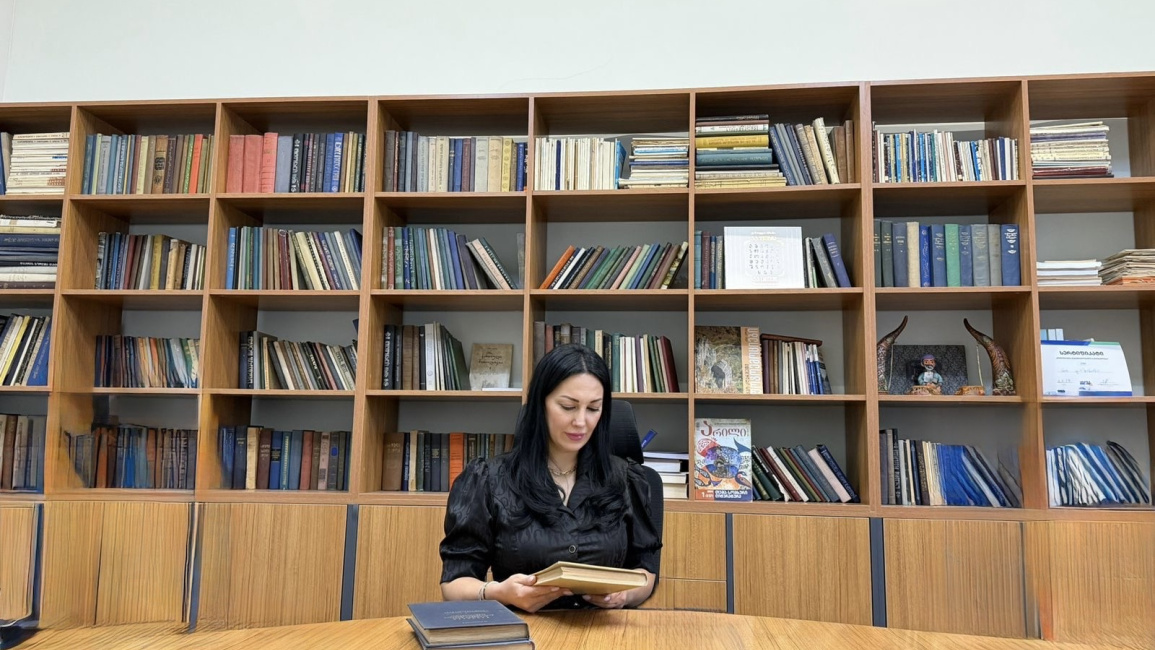
Marine Gevorgyan, Associate Professor at the Chair of Armenian History, PhD, outlined the distinctive features of the faculty's educational programs and the interests of its international audience. She noted that courses taught in foreign languages enable students to analyze post-Soviet transformational processes and the particularities of state-building in Armenia.
"The core of our educational programs is based on comparative analysis. Students draw on the knowledge and experience they have gained in other post-Soviet regions to conduct parallel studies of political and economic transition models," emphasized Gevorgyan.
This approach fosters the development of analytical skills and critical thinking, allowing students to connect theoretical knowledge with regional realities.
"Within the courses, particular emphasis is placed on fundamental principles of international law, including the right of nations to self-determination and the issue of territorial integrity. The study of ethnopolitical conflicts is approached through comparative conflictology, drawing parallels with similar processes in the Balkans and the Middle East," the associate professor added.
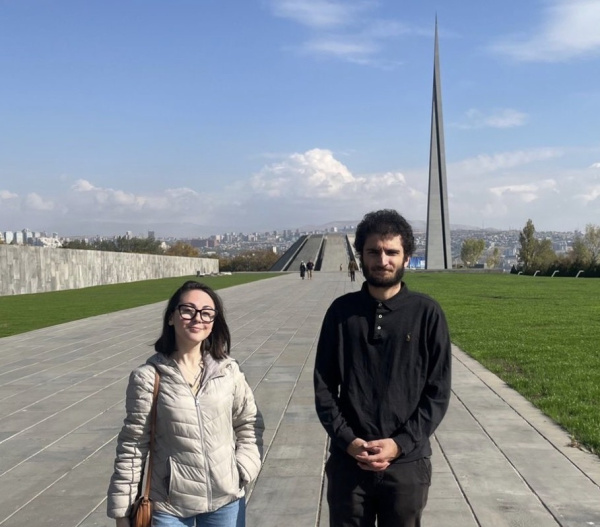
Theoretical learning is complemented by extracurricular visits. For example, trips exploring the Sumgait events and the Armenian Genocide provide students with documentary-based insights into historical realities, including visits to the Armenian Genocide Museum-Institute.
The involvement of foreign students reflects the Faculty of History's expanding international educational collaborations and underscores its commitment to fostering an open environment for scholarly discussions. Foreign-language courses at the faculty serve as a platform for professional orientation and the development of essential skills among the next generation of specialists.